Plan your Vietnam trip around the rainy season and avoid major weather disruptions
In July, Hanoi is in the middle of its rainy season, while Da Nang and Nha Trang still enjoy plenty of beach-friendly days. By November, the pattern has largely reversed: northern Vietnam is usually drier, while parts of central Vietnam face heavy rain and flooding.
Written by Tụi mình mê biểnUpdated
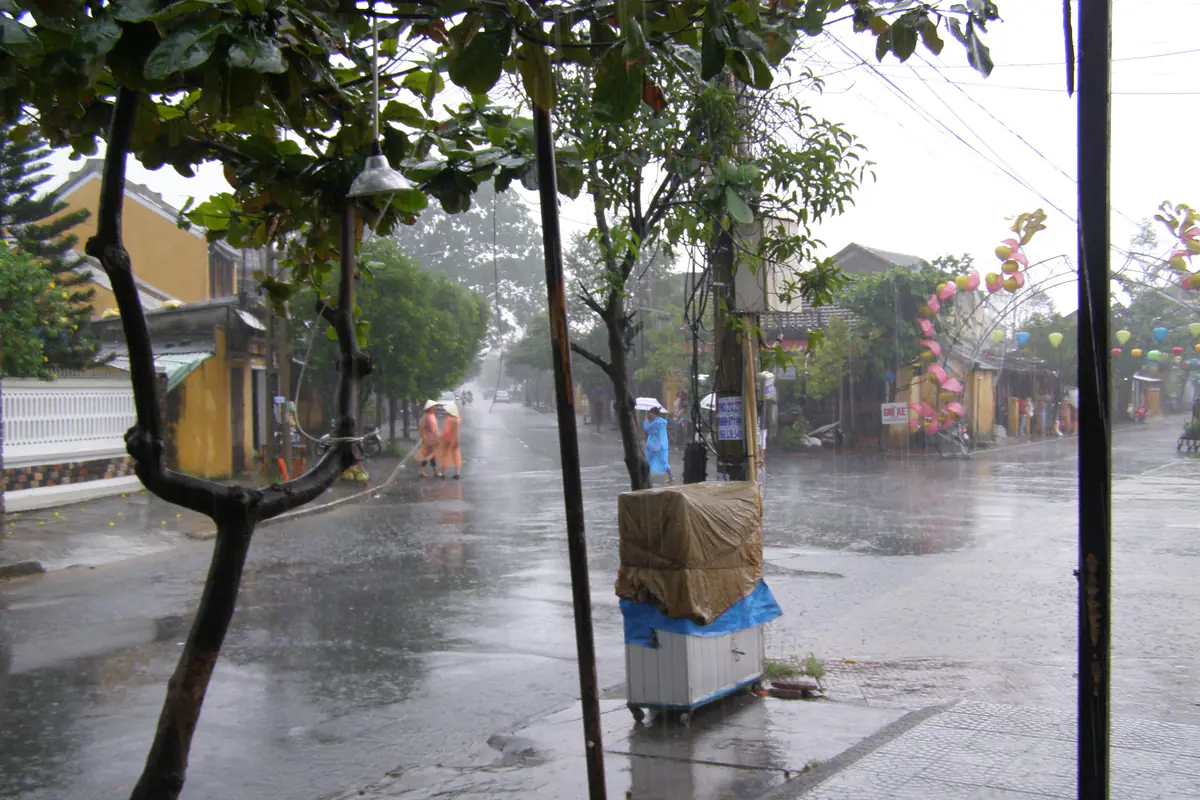
Photo: RG72
Vietnam doesn't have one rainy season that begins and ends at the same time across the country. Northern Vietnam receives most of its rain between May and October, central Vietnam generally has a later rainy season, and southern Vietnam is wettest from May to November. Traveling during these months is entirely possible, but choosing the right destination matters, especially when heavy rain, flooding, landslides, and transport cancellations could affect your plans.
When is the rainy season in Vietnam?
Vietnam stretches from the mountains of the north to the Mekong Delta in the south, with highlands, coastal mountain ranges, and offshore islands in between. That geography creates significant differences in rainfall. To understand how long the rainy season lasts in Vietnam, you first need to know which region you're visiting.
The table below shows typical seasonal patterns based on long-term climate conditions.
| Region | Typical rainy season | Months to watch closely | Popular destinations |
|---|---|---|---|
| Northern lowlands | May-October | June-August, especially July and August | Hanoi, Hai Phong, Ninh Binh, Ha Long |
| Northern mountains | Around April-October, depending on location | June-August | Sa Pa, Ha Giang, Cao Bang, Moc Chau |
| North Central Coast | Rain concentrated in the later months of the year, varying by location | September-November | Thanh Hoa, Nghe An, Ha Tinh, Quang Tri, Hue |
| Central Coast | Mainly September-December | October-November | Da Nang, Hoi An, Quy Nhon, Nha Trang |
| Central Highlands | Around May-October; Da Lat may start in April | July-September | Da Lat, Buon Ma Thuot, Pleiku |
| Southern Vietnam | May-November | Mid-rainy-season months and periods of strong thunderstorms | Ho Chi Minh City, Can Tho, Mekong Delta, Phu Quoc |
These dates are approximate. The rainy season can begin or end several weeks earlier or later, depending on the year. Even within one region, coastal areas, mountain valleys, and higher elevations can receive very different amounts of rainfall.
The important distinction: July is not the wettest month at every Vietnamese beach destination. Likewise, parts of the country are still wet in November.
A rainy season also doesn't mean continuous rain from morning until night. Some destinations experience sunny mornings followed by afternoon thunderstorms. Others can have several consecutive days of heavy rainfall, rising rivers, flooded roads, and suspended tourist activities. That difference should guide how you plan your trip.
Northern Vietnam's rainy season: Hanoi is different from the mountains
Hanoi, Hai Phong, and the northern lowlands
Rainfall in Hanoi increases from May, becomes more pronounced between June and August, and gradually decreases in autumn. July and August are hot and humid, and thunderstorms can bring intense rainfall, occasionally causing street flooding and traffic disruptions.
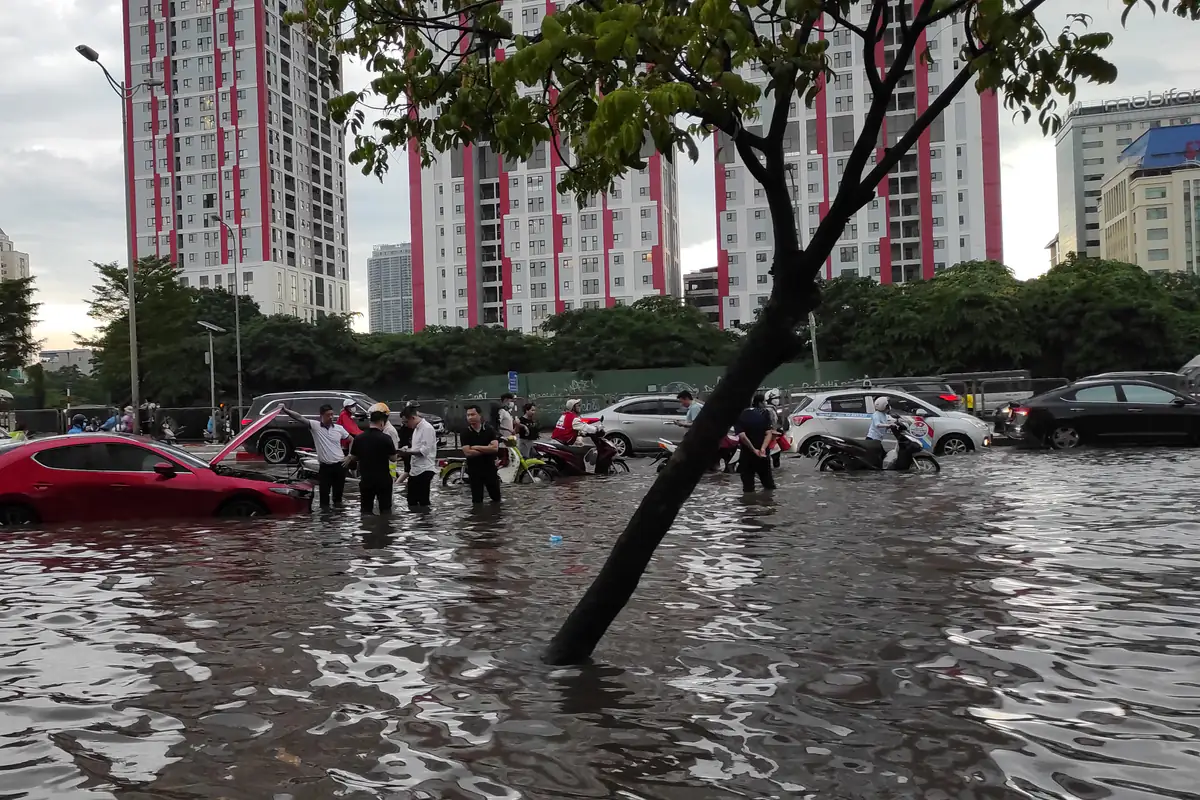
Photo: Nguyen QuocTrung
The biggest inconvenience for most visitors is an interrupted outdoor sightseeing schedule. You might have a pleasant morning around Hoan Kiem Lake, Hanoi's Old Quarter, or the Temple of Literature, then encounter heavy rain later in the afternoon. Traffic slows, and getting between attractions takes longer than expected.
A practical approach is to schedule outdoor sightseeing between roughly 7 a.m. and 11 a.m., then leave museums and indoor activities for later. Hoa Lo Prison, the Vietnam Museum of Ethnology, and cafés around the Old Quarter are possible alternatives when the weather turns.
This split is only a scheduling strategy; on days with heavy-rain warnings, significant rainfall can arrive at any hour.
In Hai Phong, weather at sea becomes another consideration if you're planning to visit Cat Ba Island or Lan Ha Bay. The sea can be too rough for tourist boats even when city streets are dry.
The same applies to Ha Long Bay, where overnight cruises depend on weather conditions and operating authorization from the relevant authorities. Avoid scheduling an overnight cruise immediately before your international flight, particularly during typhoon season.
Sa Pa, Ha Giang, Cao Bang, and the northern mountains
Northern Vietnam's mountain destinations require a different approach.
Sa Pa, Ha Giang, and Cao Bang have winding roads along steep hillsides, mountain passes, and valleys. During the rainy season, roads can become slippery, visibility may deteriorate in fog, streams can rise rapidly, and unstable slopes may collapse.
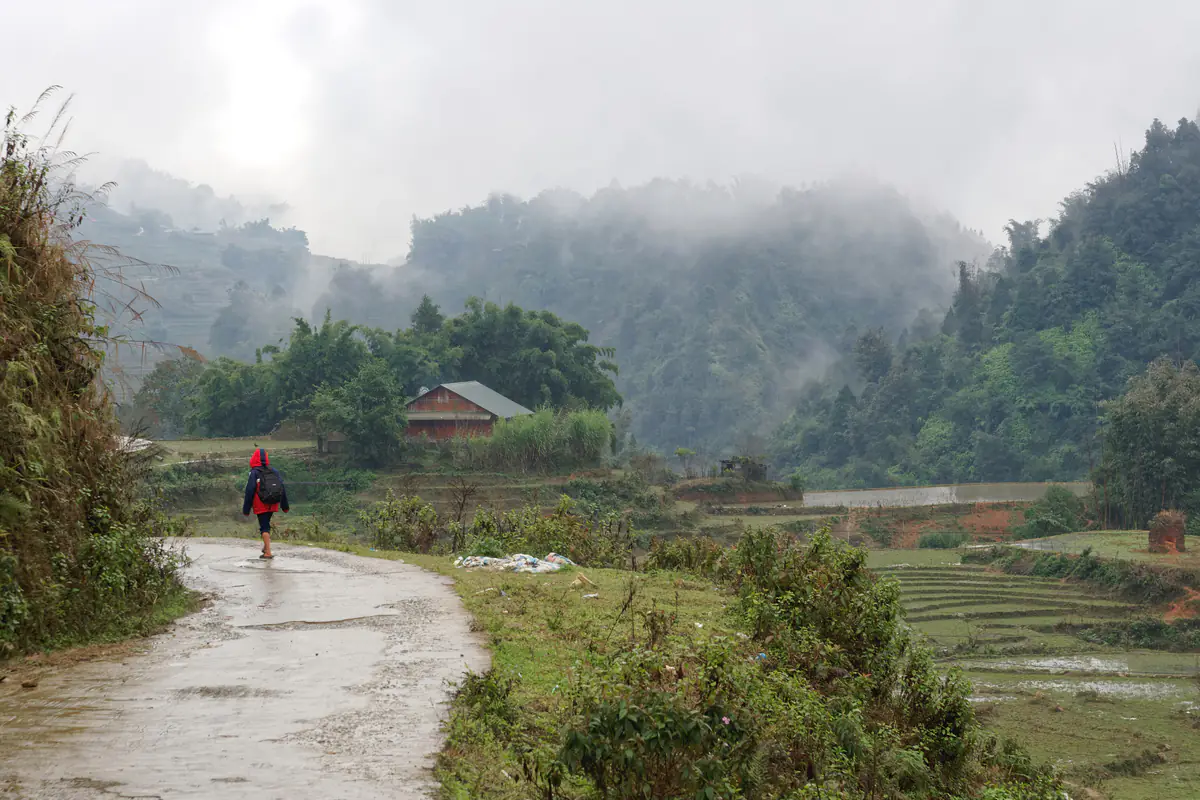
Photo: Jakub Hałun
The concern isn't limited to whether it's raining on the exact day you travel. Heavy rainfall the previous day can leave trekking routes, waterfall access paths, and mountain roads unsafe.
This matters most for motorcycle trips through Dong Van, Meo Vac, and remote mountain passes in Ha Giang. Don't rely only on a sunshine symbol in a weather app. Check official warnings for flash floods and landslides, along with local road conditions.
June through August can be difficult for travelers whose plans revolve around long treks, camping, or mountain climbing. Consider keeping at least one flexible day and preparing alternative activities that don't require traveling along remote mountain roads.
Ha Long Bay and Cat Ba during the rainy season
Both destinations can still be enjoyable in summer, but the kind of activity you book makes a big difference.
Walking around town, eating at restaurants, and staying in a mainland hotel are easier to adjust than an overnight cruise. When authorities suspend boat departures, having already paid for a tour doesn't change the safety restrictions.
On August 18, 2025, authorities in Quang Ninh suspended permits for sightseeing and overnight boats because of a tropical depression. It's a practical example of how a cruise schedule can change on the day of departure.
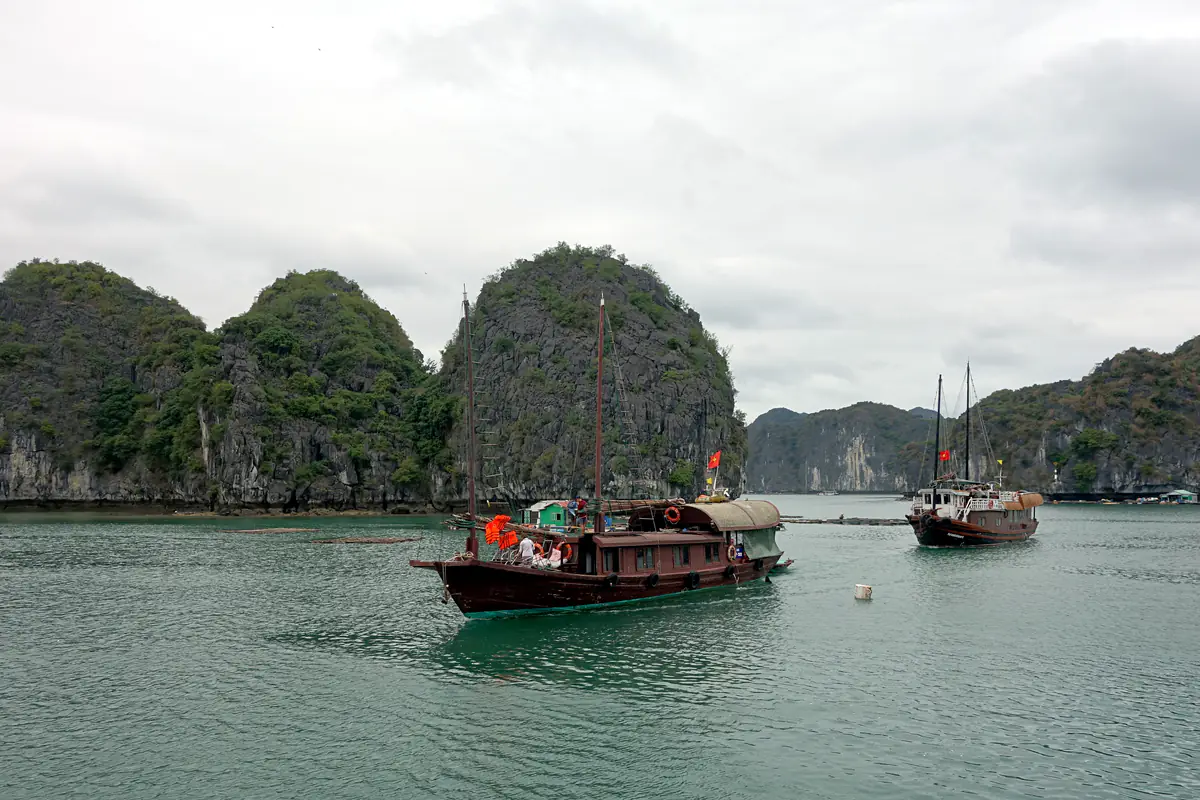
Photo: Velvet
Confirm the exact Ha Long Bay departure port with your cruise operator. Depending on the itinerary, it may be Tuan Chau International Passenger Port or Ha Long International Cruise Port. On Cat Ba, distinguish between transport services connecting the mainland and the island and sightseeing boats operating in Lan Ha Bay.
Choose tours with clear policies for rescheduling or refunds. A spectacular cruise shouldn't become the reason you miss your international flight.
Central Vietnam's rainy season: what changes between Da Nang, Hue, Hoi An, and Nha Trang?
Central Vietnam is one of the easiest regions to misunderstand when planning a trip around rainfall. Visitors sometimes assume that because Hanoi and Ho Chi Minh City are rainy in July, Da Nang must be experiencing similar conditions. Much of Vietnam's central coastline actually has a later rainy season, with major rainfall often concentrated in autumn and early winter.
However, central Vietnam isn't one uniform climate zone. Thanh Hoa, Nghe An, Hue, Da Nang, Nha Trang, and Phan Thiet can have noticeably different weather patterns.
Da Nang
Be prepared for prolonged rain from September to December
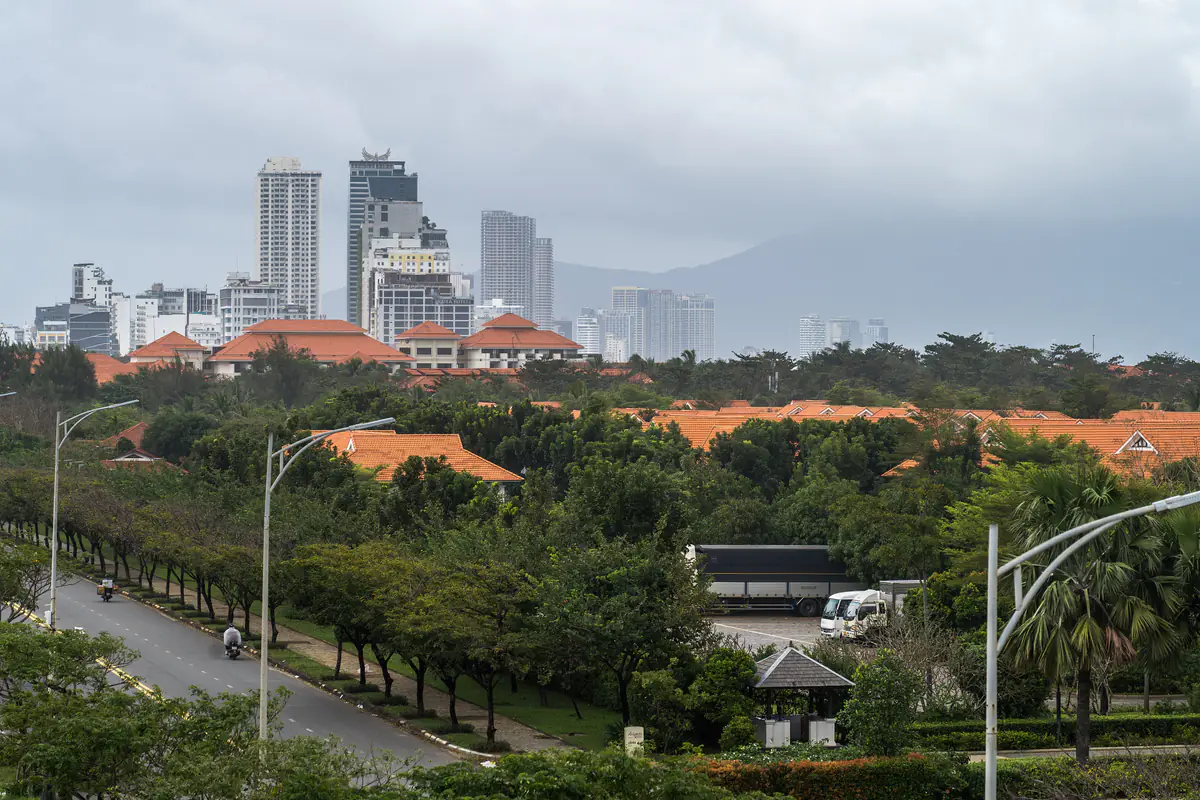
Photo: Alexkom000
Da Nang's beach conditions are better during much of the first and middle parts of the year. Rainfall increases toward the end of the year, with October and November the months to watch.
If you're visiting Da Nang mainly for My Khe Beach, Son Tra Peninsula, or a drive over Hai Van Pass, heavy rain can significantly affect the experience. Wet roads, poor visibility, and rough sea conditions make some outdoor activities unsuitable.
Ba Na Hills is an unreliable rainy-day alternative, too. The resort sits at a high elevation, where fog, wind, and rain can reduce visibility and affect attractions.
An October or November stay in Da Nang needs indoor alternatives; the Museum of Cham Sculpture is one option within the city. On days with heavy-rain or landslide warnings, avoid driving around Son Tra Peninsula or along exposed mountain roads.
An itinerary combining city attractions, restaurants, and indoor activities is easier to manage than one based entirely on beaches, islands, and mountain viewpoints.
Hoi An
River levels matter as much as rainfall
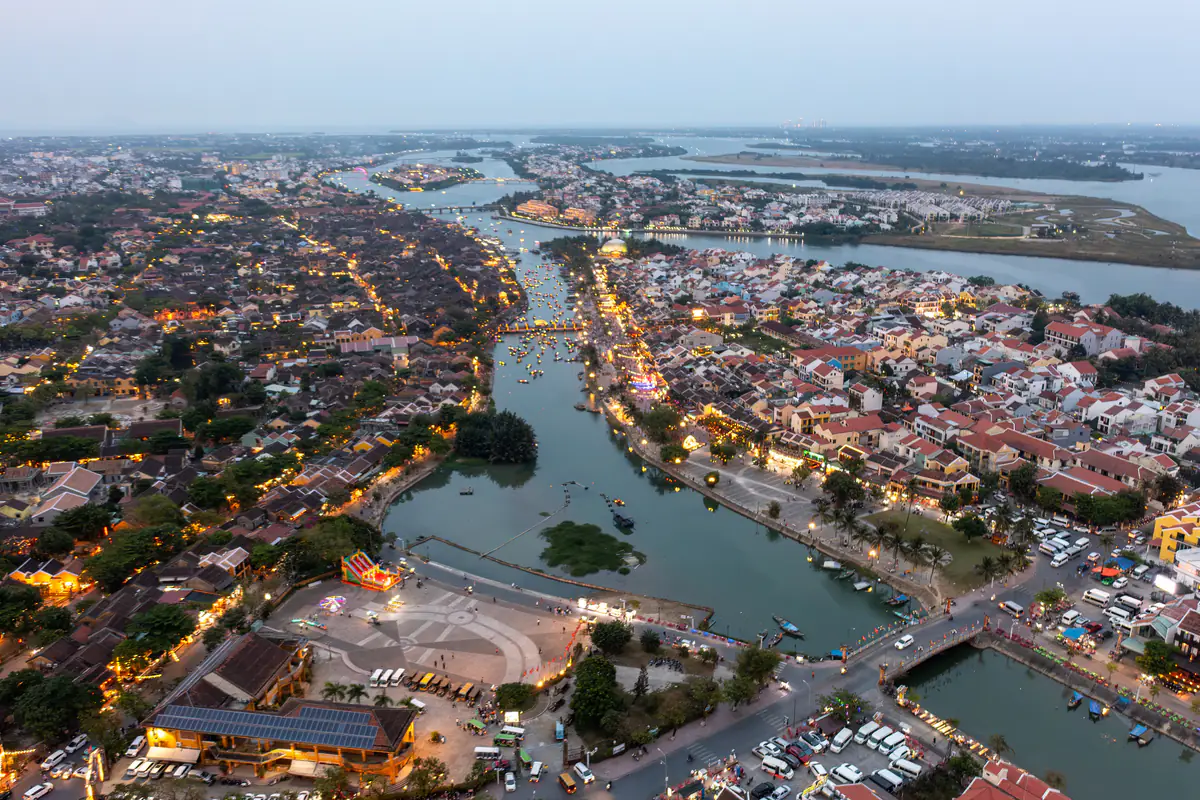
Photo: Omar David Sandoval Sida
Hoi An sits in the lower Thu Bon River system. When heavy rain falls over the wider river basin, water levels can rise and flood low-lying areas of the Ancient Town, particularly around the Hoai River. This is different from a brief afternoon shower.
During ordinary rain, you may still be able to visit cafés, eat cao lau, explore accessible historic houses, or spend time relaxing at your hotel. But when river levels rise and streets flood, sightseeing in parts of the Ancient Town may become impossible.
Booking a Hoi An hotel for October or November takes a little more homework: check the location, ask whether surrounding streets are vulnerable to flooding, and find out how guests can reach or leave the property during periods of heavy rain.
Don't choose a riverside hotel only for the promotional photos of a balcony overlooking the water. A location that's attractive during the dry season may be inconvenient during flooding.
When flood warnings are issued, stay away from low-lying areas, follow local instructions, and don't enter flooded streets to take photographs.
Hue
A long rainy season that can continue into the new year
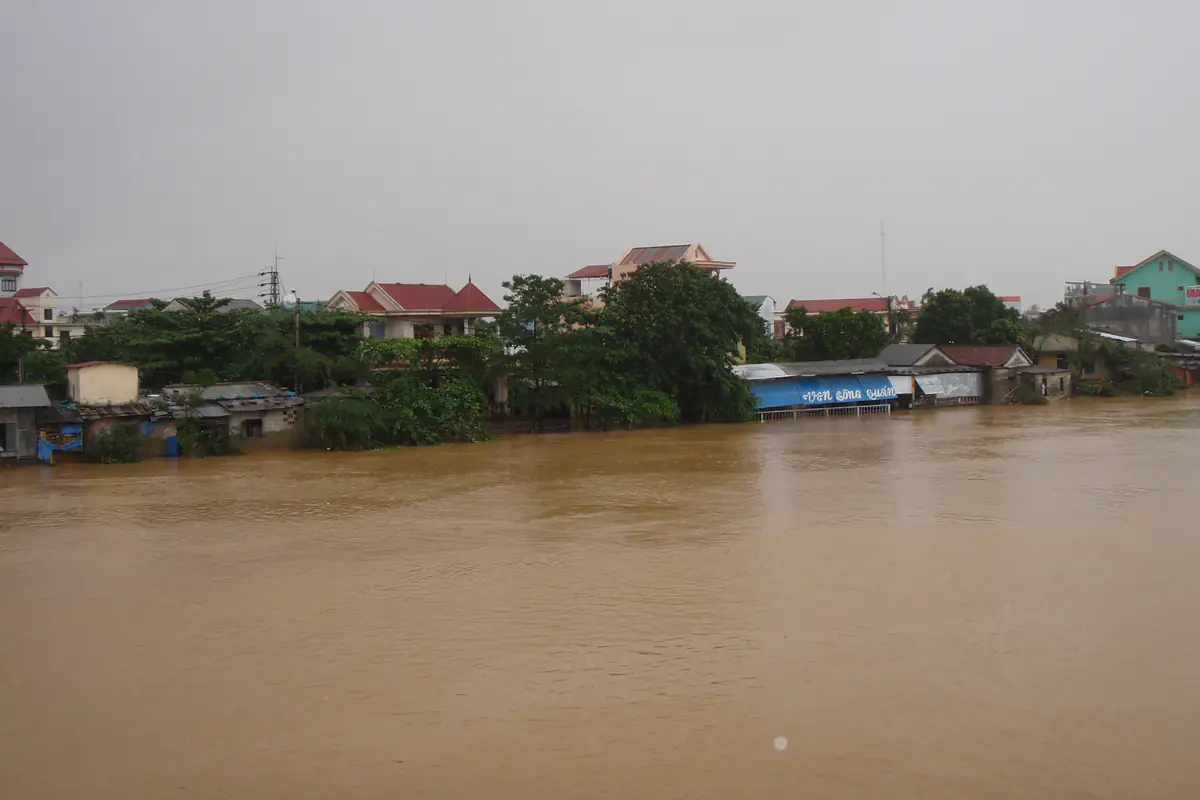
Photo: Lưu Ly
Hue has a relatively long wet period compared with several other coastal destinations. Rainfall typically increases around September, while damp and cool conditions can continue into the early months of the following year.
October and November deserve particular attention because of the risk of heavy rainfall and flooding along the Perfume River and surrounding low-lying areas.
Hue still works in the rainy season. On days with light rain, you can enjoy local food and visit attractions suitable for the conditions.
The Imperial City, royal tombs, and many temples have extensive outdoor areas, though, and persistent rain can make exploring them considerably less enjoyable. Roads leading to attractions may also need to be checked following heavy rainfall.
Avoid packing Hue, Da Nang, and Hoi An into a tightly scheduled itinerary during October and November. All three destinations can be affected by the same major weather system. Moving from one city to another may not solve the problem.
Nha Trang
A shorter rainy season, but flooding is still possible
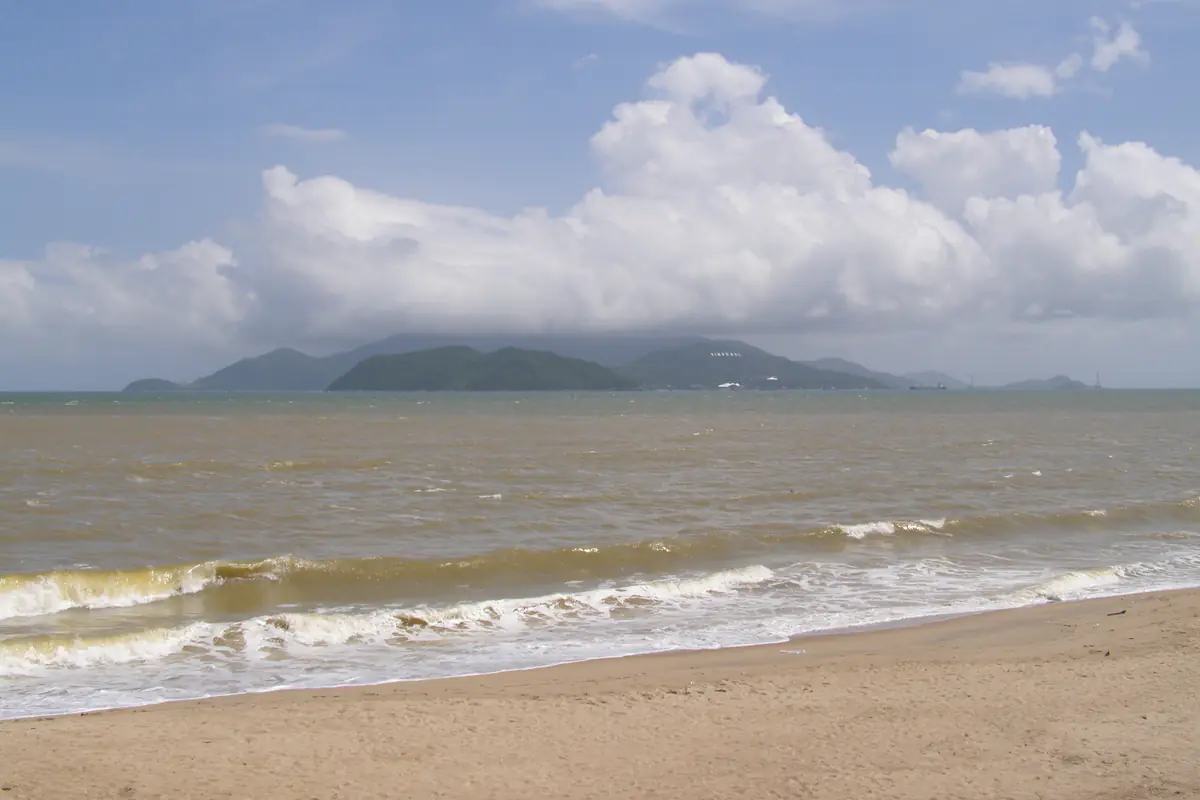
Photo: RG72
Nha Trang's rainy season generally runs from September through December, and October and November need the most attention. Its climate differs from Da Nang's, but Nha Trang shouldn't be treated as a guaranteed refuge from central Vietnam's rainy-season weather.
Many of the city's best-known experiences depend directly on sea conditions: island-hopping tours, speedboat trips, snorkeling, scuba diving, beach activities, and stays at island resorts. When seas become rough, operators may change or suspend tours. Heavy rainfall on land can also raise water levels in the Cai River and cause flooding in some low-lying areas.
The drier months suit trips built around island excursions, swimming, and long days outdoors. A trip focused on hotel relaxation, restaurants, and city sightseeing can still work during the rainy season, provided there are no dangerous weather warnings.
Check forecasts carefully as a November departure approaches. Nha Trang's reputation for sunshine doesn't mean every week of the year is equally suitable for a beach holiday.
Rainy season in the Central Highlands: Da Lat is beautiful, but travel can be harder
The Central Highlands enter the rainy season around May, with rainfall decreasing by approximately October. Da Lat can experience an earlier start, sometimes as early as April.
Rainy weather brings cooler temperatures and green landscapes, but first-time visitors often underestimate how much it can affect transportation and outdoor activities.

Photo: Damian Vo
Cloud-hunting viewpoints, forest trails, waterfall areas, and hilly roads can become difficult to access when the ground is wet, visibility is poor, or rain continues for several hours.
A Da Lat trip built around cafés, restaurants, and relaxation is usually easier to adjust than one devoted to trekking, camping, and remote waterfalls.
Check current operating conditions and official weather warnings before heading to Datanla Falls, Pongour Falls, or other attractions outside the city. Don't approach fast-flowing water just because a tourist attraction is still open.
On a rented motorcycle, avoid scheduling long mountain rides late in the day when visibility is declining and roads remain wet.
Buon Ma Thuot, Pleiku, and other Central Highlands destinations follow broadly similar seasonal patterns, with more rain during the summer months than during the dry season. The timing and intensity still vary by elevation and local terrain.
Southern Vietnam's rainy season: Ho Chi Minh City, the Mekong Delta, and Phu Quoc
Ho Chi Minh City: afternoon rain doesn't mean losing the whole day
Ho Chi Minh City's rainy season usually lasts from May to November. Afternoon showers and thunderstorms are common, sometimes delivering intense rainfall over a short period.
Unlike the prolonged wet spells that can affect central Vietnam, many rainy-season days in Ho Chi Minh City still provide useful windows for sightseeing. You can spend the morning visiting the Independence Palace, exploring central districts, or walking between outdoor attractions. Later, when rain becomes more likely, consider the War Remnants Museum, a shopping mall, or a café.
Not every storm passes within an hour, though. Some days experience thunderstorms earlier than usual, while others have extended periods of rain.
Street flooding is a practical concern. Heavy rain combined with high tides can cause flooding on some low-lying roads, affecting motorcycles, taxis, and travel times.
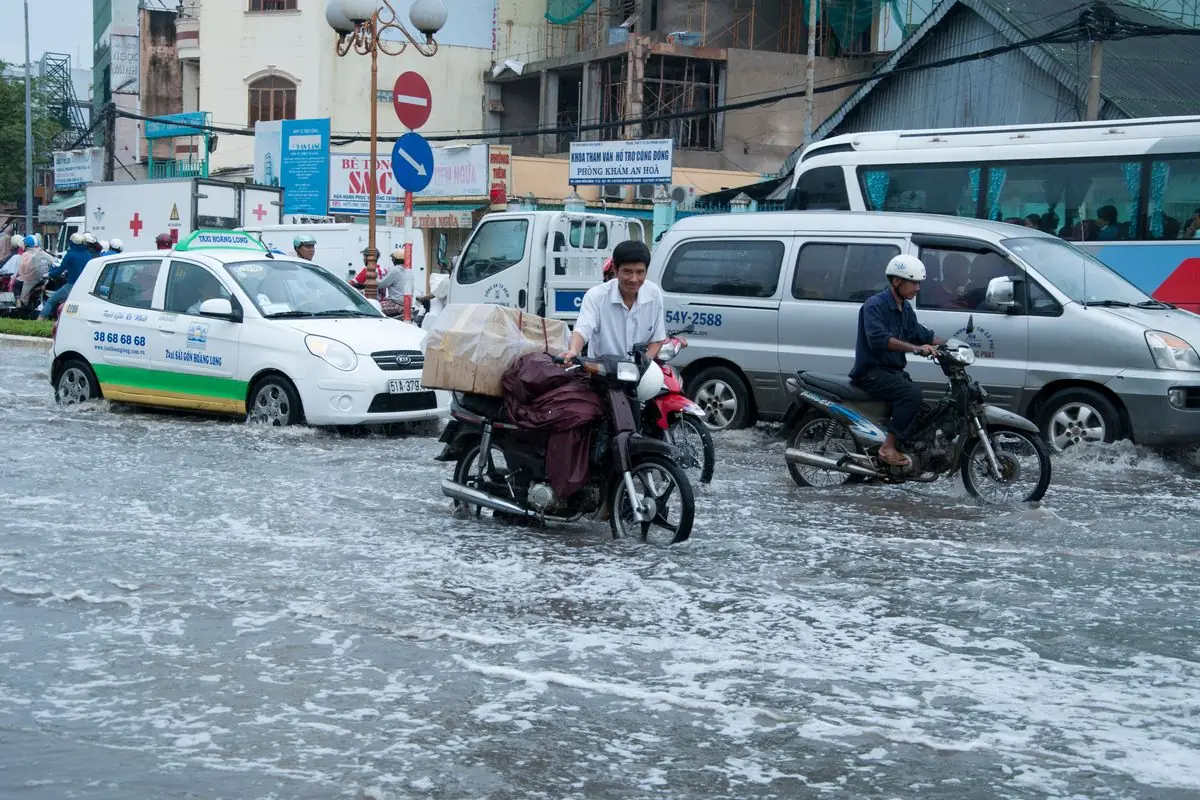
Photo: Bem photography:
On the day you fly from Tan Son Nhat International Airport, leave additional time rather than trying to fit one more attraction into the hours before check-in.
Mekong Delta: the rainy season and flood season aren't identical
The Mekong Delta's rainy season also runs from May through November. However, seasonal flooding driven by water flowing downstream from the Mekong River's upper basin follows its own hydrological pattern, so the rainy season and the annual flood season are not the same thing.
You can still visit Can Tho for food, markets, orchards, and river experiences during the rainy months. But boat activities must operate according to actual weather conditions and decisions made by the relevant operators.
The same goes for Cai Rang Floating Market: check the thunderstorm forecast and confirm your boat trip before departure. Leaving early doesn't eliminate every weather-related risk.
During severe thunderstorms, lightning, or flood warnings, avoid hiring a small private boat just to complete your itinerary.
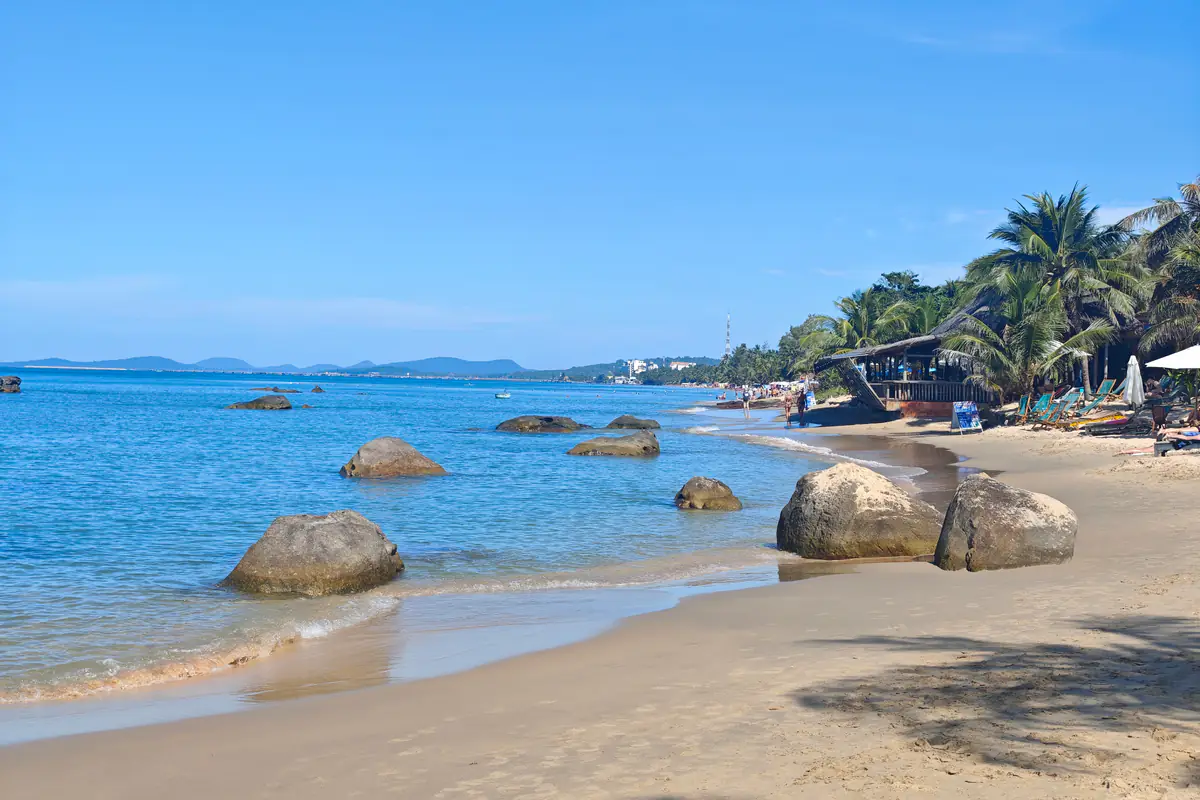
Phu Quoc: check sea conditions, not just the forecast for town
Phu Quoc also experiences a rainy season influenced by the southwest monsoon, most noticeably from approximately May to October. July through September can bring rough seas and weather that's less favorable for certain marine activities.
Rain on Phu Quoc affects more than whether you can walk along the beach. Wind and waves may disrupt high-speed ferries, speedboats, and island-hopping tours.
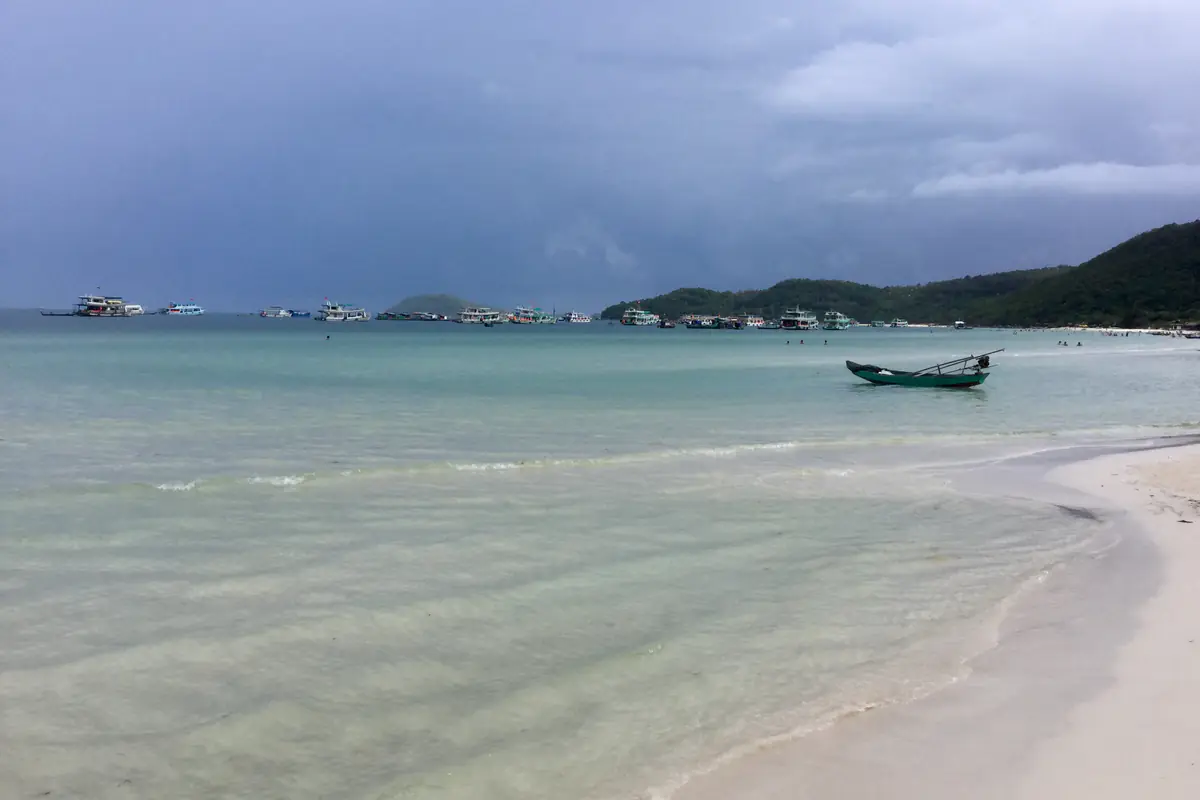
Photo: Prince Roy
Call the operator to confirm your ferry from Rach Gia or Ha Tien before heading to the terminal. A timetable published the previous month doesn't guarantee a sailing on your travel date.
For a resort holiday, consider hotels with indoor facilities and flexible booking conditions. Booked snorkeling, fishing, or speedboat excursions can end up on a revised schedule.
Late in the year and into the following year's early months, Phu Quoc generally becomes more favorable for a beach holiday, though individual weather forecasts still matter.
Rain showers, typhoons, and flooding: what's the difference for travelers?
A rain symbol in a weather forecast doesn't automatically mean your trip will be dangerous. Conversely, a sunny afternoon doesn't guarantee that an area recently affected by heavy upstream rainfall is safe. It helps to distinguish four common situations.
| Weather situation | Typical impact | What to do |
|---|---|---|
| Short rain showers without dangerous weather warnings | Interrupted sightseeing and wet roads | Rearrange activities and wait for conditions to improve |
| Severe thunderstorms with lightning or strong gusts | Dangerous conditions outdoors, at sea, and in exposed locations | Stop outdoor activities and move to safe shelter |
| Typhoons, tropical depressions, and rough seas | Suspended boat services, delayed or canceled flights | Follow official instructions and transport operator updates |
| Prolonged heavy rain, flood or landslide warnings | Flooded roads, flash floods, landslides, and blocked routes | Postpone travel in affected areas and move to safety when instructed |
Heavy rain can be dangerous even without a typhoon
Intense rainfall over a short period can cause urban flooding. Prolonged rain in mountain areas increases the risk of flash floods and landslides. Rainfall upstream can also raise river levels downstream, even after the rain has stopped where you're staying.
The weather events of 2025 provide a clear example. Central Vietnam experienced several episodes of extreme rainfall during October and November 2025, along with serious flooding and landslides in multiple locations.

Photo: Bún bòa
That doesn't mean every October or November will bring a major disaster. It demonstrates why seasonal averages are useful for choosing travel dates but cannot replace current weather warnings.
Flash floods and landslides can happen when the sky looks clear
Travelers in mountain regions sometimes make the mistake of judging conditions only by the weather visible from their accommodation. A quiet stream can rise rapidly after heavy rain upstream. Mountain roads may also become unstable after several days of water soaking into the surrounding slopes.
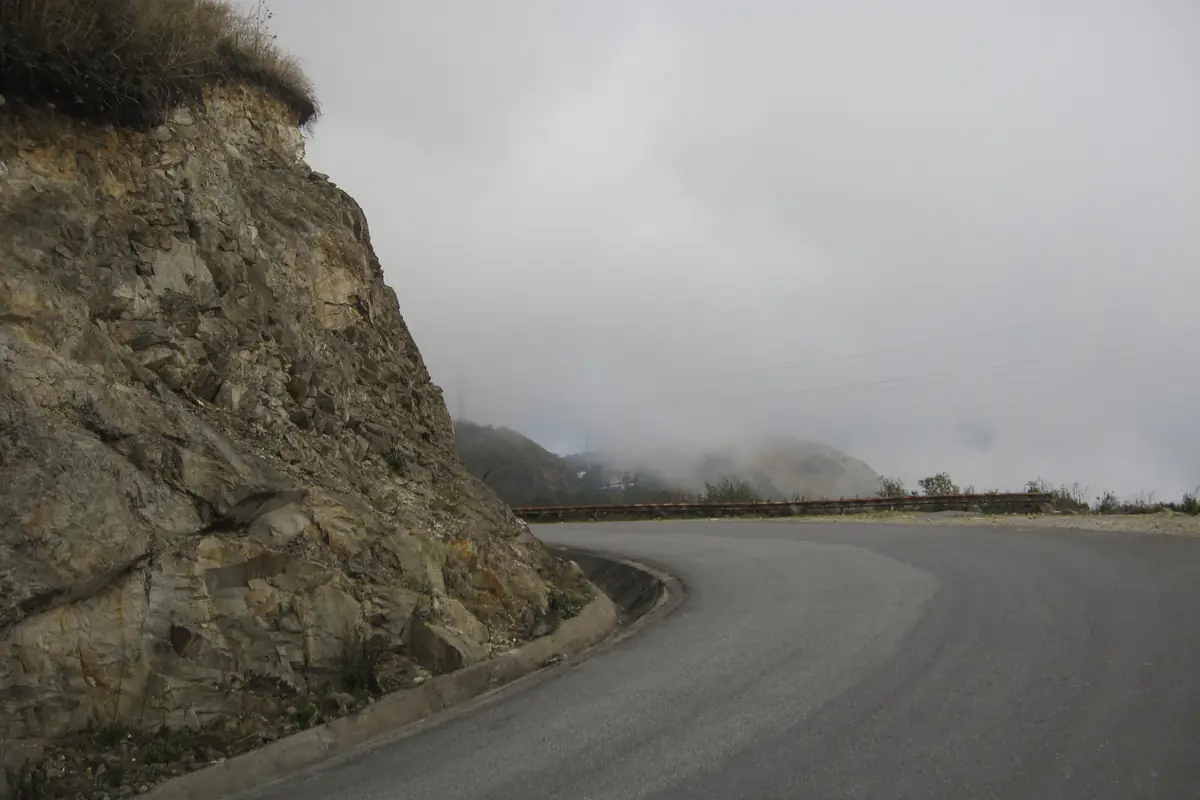
Photo: Liftold
After a major rain event, wait until reliable local information confirms that the route is safe before continuing.
When is typhoon season in Vietnam?
Typhoon activity over the East Sea, also known internationally as the South China Sea, and around Vietnam is generally concentrated between June and November. Typhoons and tropical depressions can still occur outside that period.
The areas most likely to be affected also change throughout the season. During the middle of summer, northern Vietnam and parts of the north-central coast require particular attention. Later in the year, the risk may shift toward central Vietnam and regions farther south.
Still, the path of any individual typhoon cannot be determined by looking at a calendar. A storm doesn't have to make landfall directly at your destination to create dangerous winds, heavy rain, or rough seas.
Tourist boats may stop operating before a typhoon makes landfall
Marine tourism activities depend on safe operating conditions and authorization from the relevant authorities. This affects Ha Long Bay cruises, Lan Ha Bay excursions, island tours around Nha Trang, and high-speed ferry services in other coastal areas.
Even if the weather looks pleasant in town, offshore winds and waves may be unsafe. A sailing can be canceled while conditions at the departure terminal still look fine.
Before paying for a tour, ask three questions.
- Does the departure require final authorization based on weather conditions?
- What happens if rough seas or a storm prevent the trip?
- Can you reschedule, or will you receive a refund?
Don't search for another boat to get around a suspension imposed for safety reasons.
Flights can also be affected by disruptions elsewhere
Typhoons and severe weather don't only affect flights at airports directly beneath a storm. On June 11-12, 2025, Vietnam Airlines canceled 14 flights between Hanoi and Da Nang because of weather associated with Typhoon Wutip. Other flights had to divert or wait before landing, creating knock-on delays.
One of the biggest problems for travelers is booking connecting flights too close together. Imagine you have a domestic flight from Da Nang to Hanoi followed by an international departure on a separately booked ticket the same day. If your domestic flight is delayed, your international ticket may not receive the same protection as flights booked together under a single itinerary.
Where should you go in Vietnam during the rainy season?
A holiday in a rainy month can still cover plenty of Vietnam. Choosing the right region is usually more effective than finding a single sunny day in the forecast and filling it with too many activities.
- May-August
Consider central Vietnam's beach destinations
During these months, much of northern Vietnam, southern Vietnam, and the Central Highlands experience their rainy season. Meanwhile, Da Nang, Hoi An, and Nha Trang often have plenty of sunny weather and can be more suitable for beach travel than they are toward the end of the year.
Da Nang works well as a base for My Khe Beach, sightseeing in Hoi An, and relaxing at a coastal resort. Nha Trang is another option for travelers who prioritize beaches, islands, and waterfront accommodation.
Central Vietnam can be extremely hot during summer, and typhoons are also possible, so no destination is guaranteed to have perfect weather. A five-day trip works better around one coastal city and nearby attractions than across three distant destinations.
- September
Look carefully at your specific destination
September is a transitional month in many parts of Vietnam. Hanoi becomes less hot, with rainfall gradually decreasing compared with July and August. Some northern mountain destinations also start becoming more attractive for sightseeing, although heavy-rain warnings and road conditions still need to be checked.
At the same time, rainfall may begin increasing along parts of the central coast. Da Nang and Hoi An become less predictable choices for travelers who want to swim every day.
Keep outdoor activities flexible and avoid committing all your accommodation and tour payments to nonrefundable bookings.
- October-November
Consider northern Vietnam before the central coast
In October and November, Hanoi and selected northern destinations carry less risk of several consecutive rainy days, which makes them easier to plan around than Hue, Da Nang, or Hoi An.
Ninh Binh is another option for a short trip from Hanoi, although boat trips at Trang An and Tam Coc still depend on actual weather and operating conditions.
Ho Chi Minh City suits travelers interested in city sightseeing, restaurants, and activities that don't require constant sunshine. Rain is still possible in November, particularly early in the month, but a city itinerary is usually easier to rearrange than an island-hopping schedule.
Phu Quoc is moving into a more favorable seasonal period around this time. The following months offer a beach holiday with a lower chance of rainy-season disruption; don't assume the entire island is already dry throughout November.
- December
More options, but not everywhere is dry
December is generally more favorable for travel in Hanoi, Ho Chi Minh City, and many southern destinations. Phu Quoc also enters a period that is usually more suitable for beach holidays.
However, Hue, Da Nang, and other central destinations may still experience late-season rainfall. Hue can also remain cool and damp into the early months of the next year.
Use regional climate information rather than assuming Vietnam's rainy season ends everywhere in December.
Should you cancel a Vietnam trip if you've already booked during the rainy season?
Don't cancel just because your travel dates fall within a region's typical rainy season. There are three situations worth distinguishing.
Situation one: Your destination is in its rainy season, but there are no dangerous weather warnings. You can usually keep your plans, rearrange sightseeing, and prioritize activities that are less dependent on the weather.
Situation two: Heavy rain, rough seas, or severe weather is forecast around your travel dates. Confirm transport schedules, review rescheduling options, and consider postponing exposed outdoor activities. Don't make a final decision based only on a forecast issued far in advance.
Situation three: Authorities have issued dangerous typhoon, flash-flood, landslide, or movement-restriction warnings for your destination. Prioritize safety, suspend affected activities, and follow official instructions. Never attempt to cross flooded roads or go to sea just to avoid losing a booking payment.
Whatever the situation, airlines, hotels, and tour operators are not automatically required to refund every payment. Changes and refunds depend on booking conditions, applicable policies, and relevant regulations.
Where can you check reliable weather information?
Vietnam's National Center for Hydro-Meteorological Forecasting is a primary source for typhoon, tropical depression, heavy-rain, flood, and landslide warnings. Its forecasting services include separate bulletins for dangerous marine weather and landslide or flash-flood risks. Vietnam also operates a real-time warning map for flash floods and landslides.
Check flight updates directly with your airline, and confirm high-speed ferry and sightseeing cruise departures with the operator and official port information.
Review the general forecast about one week before departure, check more carefully 48-72 hours in advance, and review conditions again on the day of any weather-dependent activity. These checkpoints help with planning, but no forecast is perfectly accurate at those intervals.
How to build a rainy-season itinerary without losing your entire trip
Avoid changing cities too frequently
A seven-day itinerary covering Hanoi, Ha Long Bay, Da Nang, Hoi An, and Ho Chi Minh City may look efficient on paper, but one canceled boat or delayed flight could disrupt several later bookings. During the rainy season, visiting fewer destinations is often the better choice.
Suppose you have seven days in Vietnam during July and your main priority is the beach. You could spend most of your time around Da Nang and Hoi An, adding Hanoi only if the capital is a must for you. Keep some flexibility toward the end of each regional stay instead of assigning every important activity to one fixed day.
By contrast, if you're arriving in November, an itinerary centered on Hanoi and Ninh Binh may reduce exposure to the rainy conditions common along parts of the central coast. These suggestions follow usual seasonal patterns, so check the forecast for your exact dates.
Schedule difficult-to-replace activities early
Overnight cruises, island tours, diving, and trekking trips are usually harder to replace than museum visits or restaurant plans. When weather forecasts are favorable and operators confirm that activities can proceed safely, consider scheduling your main outdoor experience early in your stay. That leaves some room for rescheduling if conditions change.
This doesn't mean pushing ahead with an activity at any cost because it's your first day. Current safety warnings and operating conditions always take priority.
Leave at least one unscheduled period
For a holiday lasting about a week, one flexible day or part of a day can help accommodate postponed tours, changed plans, or simply a break during bad weather.
Longer trips involving multiple ferries and domestic flights may need additional buffer time, particularly before an international departure. The amount of time required depends on the transport involved, your ticket conditions, and the risks at your destination. No fixed buffer is sufficient for every typhoon or major flood.
Check cancellation conditions before paying
Even at the same hotel, a room with free cancellation may cost more than a nonrefundable rate. Island tours need one more check: what happens if the organizer cancels because of sea conditions.
Before paying, confirm the cancellation deadline, rescheduling options, refund conditions, and the contact procedure for last-minute changes. Rather than asking, "Can I get a refund if it rains?", ask how the policy treats different situations. Light rain, rough seas, and an official suspension of boat departures are not identical circumstances, and the operator's response may differ accordingly.
If you've booked through a travel agency, keep your booking confirmation, payment receipt, and ticket conditions. When something changes, contact the party responsible for managing the reservation.
Choose accommodation that's easy to reach
Hotel location matters more during the rainy season. In Hanoi and Ho Chi Minh City, staying close to the neighborhoods you want to explore can reduce travel time during heavy rain. In Da Nang or Nha Trang, decide whether you primarily want to relax at the hotel or participate in water-based activities. Around Hoi An and other riverside destinations, elevation and road access matter when choosing accommodation during flood-prone months.
Families traveling with young children or older adults may benefit from hotels with restaurants, convenient transportation, and indoor facilities. That makes it easier to enjoy a rainy day without traveling far for alternative activities.
What to pack for Vietnam's rainy season
Rainy-season packing doesn't need to be complicated. Choose lightweight items that are easy to access.
A compact raincoat or waterproof jacket is useful for walking around cities. Shoes with reliable grip that dry relatively quickly are more practical than slippery or water-absorbing footwear. A waterproof pouch can protect your phone, passport, travel documents, and small electronics.
A backpack's outer fabric won't keep everything dry on its own, so an additional waterproof bag for important documents is useful when you get caught in a sudden downpour.
Keep essential medication, a change of clothes, and a permitted power bank in your carry-on luggage when you fly, following your airline's rules. These items help if your flight changes or checked luggage is delayed.
International travelers should also save accommodation details, transport operator contacts, and copies of important documents on their phones, with offline access where possible.
Does Vietnam's rainy season change from year to year?
Yes. The rainy-season dates in this guide describe typical climate patterns, and the actual start and end shift from year to year.
For example, an outlook issued on June 16, 2026 indicated that the rainy season in several regions could end earlier than the long-term average in 2026, in the context of El Niño conditions.
That doesn't mean rainfall will end early everywhere or that heavy rain cannot occur later in the year. Seasonal forecasts describe broad trends. Short-term forecasts and official warnings are the information you need when deciding whether to board a boat, travel into the mountains, or continue a journey on a particular day.
Months ahead, regional rainy-season patterns are the tool for choosing a destination. As your departure date approaches, shift your attention to current forecasts and official warnings.
Conclusion: where should you travel to avoid the worst rain?
For beach holidays between May and August, consider Da Nang, Hoi An, or Nha Trang. For sightseeing in October and November, northern Vietnam is often easier to plan around than the central coast. If you can only travel during a destination's rainy season, visit fewer places, keep flexible days in your itinerary, and choose activities that can be rescheduled when the weather deteriorates.
FAQ
When does the rainy season start and end in Vietnam?
It depends on the region. Northern Vietnam's lowlands typically receive most of their rain from May to October, while southern Vietnam's rainy season usually lasts from May to November. Much of the central coast experiences its wettest period between September and December. The Central Highlands generally have a rainy season from May to October, although locations such as Da Lat may start earlier. Exact dates vary each year.
Is Vietnam worth visiting during the rainy season?
Yes. Traveling in Vietnam during the rainy season can still be enjoyable, especially when you choose suitable destinations and monitor weather warnings. City sightseeing, food experiences, and hotel-based holidays are usually easier to adjust than island-hopping tours or mountain trekking. Postpone activities in areas affected by dangerous typhoon, flash-flood, or landslide warnings.
How does the rainy season differ between Da Nang, Hanoi, and Ho Chi Minh City?
Hanoi receives much of its rainfall in summer, particularly between June and August. Ho Chi Minh City's rainy season runs from approximately May to November and often brings showers and thunderstorms. Da Nang has a later rainy season, with October and November being particularly important months for heavy-rain and flood risks.
Does it rain a lot in Vietnam in November?
It depends on where you're going. Hanoi and much of northern Vietnam are generally becoming drier by November. Ho Chi Minh City is approaching the end of its rainy season, while Phu Quoc is transitioning toward more favorable beach weather. In contrast, Hue, Da Nang, Hoi An, and Nha Trang can still experience substantial rainfall. Check forecasts close to departure if you're visiting central Vietnam.
How long does Vietnam's rainy season last, and which months have typhoons?
The rainy season lasts approximately four to seven months in many Vietnamese destinations, although rainfall doesn't occur every day. Typhoon activity is generally concentrated between June and November, but storms can develop outside that period. Their timing and affected areas change from year to year, so the calendar alone cannot tell you whether a specific trip will be safe.
Related posts
Weather
Best time to visit Nha Trang: why March beats the summer months
March offers the best balance of beach weather, comfortable temperatures, and manageable crowds in Nha Trang.
Weather
Why is Phu Quoc at its best from December to March?
December to March offers the most reliable beach weather, while July to October requires more flexibility.
Weather
Nha Trang weather in October: is it worth visiting during the rainy season?
October in Nha Trang is warm, but rain, wind, and rough seas can affect beach days and island tours.