Vietnam in January for sun seekers: where to go before Tet
January is an excellent time to visit Phu Quoc, Ho Chi Minh City, the Mekong Delta, and Da Lat. Nha Trang also begins to see better beach weather. For January 2027, traveling during the first half of the month is a smart choice, as the Tet holiday travel season begins around January 22-23.
Written by Tụi mình mê biểnUpdated
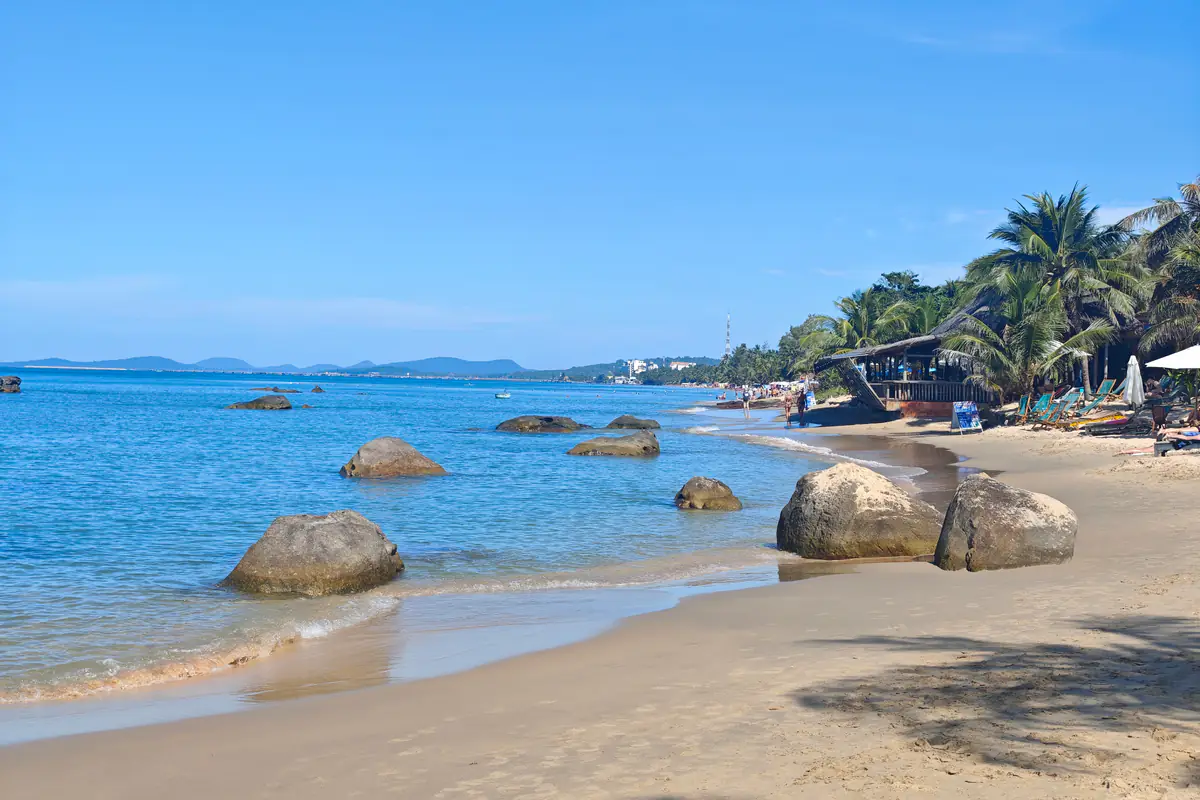
Photo: FrogsLegs71
A January morning in Hanoi can be as cold as 12-15°C (54-59°F), cold enough to need a jacket while walking around Hoan Kiem Lake. At the same time, Phu Quoc often enjoys sunshine and daytime temperatures close to 30°C (86°F), making it a much better choice for a beach vacation. For swimming and sunshine, head south; for historic cities, limestone landscapes, and winter scenery, explore northern Vietnam. Just don't pack the same clothes for both.
What is the weather like in Vietnam in January?
January falls in northern Vietnam's winter, the final part of the rainy season in some central regions, and the dry season in southern Vietnam. That means weather conditions vary considerably across the country.
First-time visitors sometimes plan Hanoi, Da Nang, and Phu Quoc as one continuous trip, expecting the weather to change only slightly between destinations. Yet a light jacket that feels comfortable in Ho Chi Minh City at night may not be warm enough for a foggy morning in Sapa.
The table below shows typical January temperature ranges for planning purposes. For January 2027 itself, you'll still need the forecast.
| Destination | Typical January temperature | Weather conditions | Best for |
|---|---|---|---|
| Hanoi, Ninh Binh | 12-22°C (54-72°F) | Cool to cold, sometimes cloudy and foggy | Sightseeing, food, historic sites |
| Sapa, Ha Giang | 5-15°C (41-59°F), sometimes colder | Cold, with frequent mountain fog | Winter scenery and mountain trips |
| Hue, Da Nang, Hoi An | 18-25°C (64-77°F) | Mild, with a chance of rain | Heritage sites, old towns, food |
| Nha Trang | 22-28°C (72-82°F) | Increasing sunshine, occasional rain and rough seas | Beach resorts and sightseeing |
| Da Lat | 12-24°C (54-75°F) | Relatively dry, chilly mornings and evenings | Coffee shops, flowers, relaxing |
| Ho Chi Minh City, Mekong Delta | 24-33°C (75-91°F) | Sunny, with less rain than in summer | City trips, river excursions, food |
| Phu Quoc | 25-31°C (77-88°F) | Dry season, generally favorable beach weather | Swimming, resorts, island tours |
Temperatures can change significantly during cold spells or unusual weather events. Conditions at high elevations are also very different from those in nearby cities.
Northern Vietnam in January: cold and foggy, but still worth visiting
January in Hanoi isn't freezing every day. Some afternoons are dry and pleasantly cool, making it comfortable to walk around the Old Quarter. However, when a strong cold front arrives, temperatures may fall to around 10°C (50°F), with overcast skies and winds making it feel even colder.
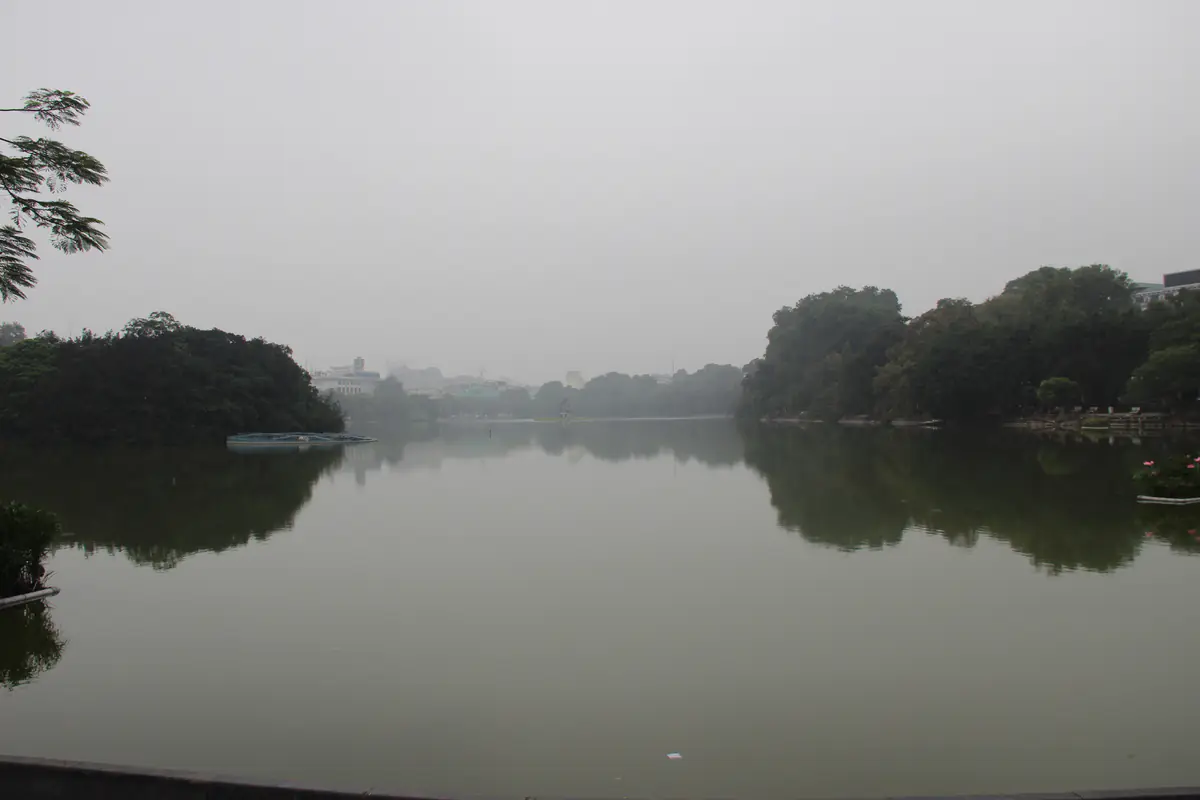
Photo: Gary Todd
Ninh Binh experiences similar winter conditions. Trang An, Tam Coc, and Hang Mua remain accessible for sightseeing, although the rice fields won't look as green or golden as they do during the growing and harvest seasons. The advantage is the cooler weather. A boat trip through Trang An or a climb up Hang Mua's stone steps can be much more comfortable than during the hot summer months.
Sapa and Ha Giang are considerably colder. Fog can cover valleys, mountain passes, and viewpoints for hours. In Sapa, frost and even snow occasionally occur during particularly severe cold spells, but neither is guaranteed in January.
Choose northern Vietnam at this time of year if you enjoy walking, visiting historic sites, trying local food, and experiencing winter scenery. If your main goal is to photograph bright green rice terraces or enjoy clear mountain views every day, January may not be the best month.
Central Vietnam in January: Hue and Hoi An are different from Nha Trang
Central Vietnam is one of the easiest regions to get wrong when planning a January trip. Hue can still experience cool, rainy weather. Some days are perfectly suitable for exploring the Imperial City, while others are less comfortable for a full itinerary of outdoor attractions.
Da Nang and Hoi An gradually move toward more favorable weather, but January can still bring rainfall, cloudy skies, and cooler days.
Don't assume that booking a beachfront hotel near My Khe Beach in January guarantees a week of swimming. Wind, waves, and water conditions may not suit the beach vacation you're imagining.
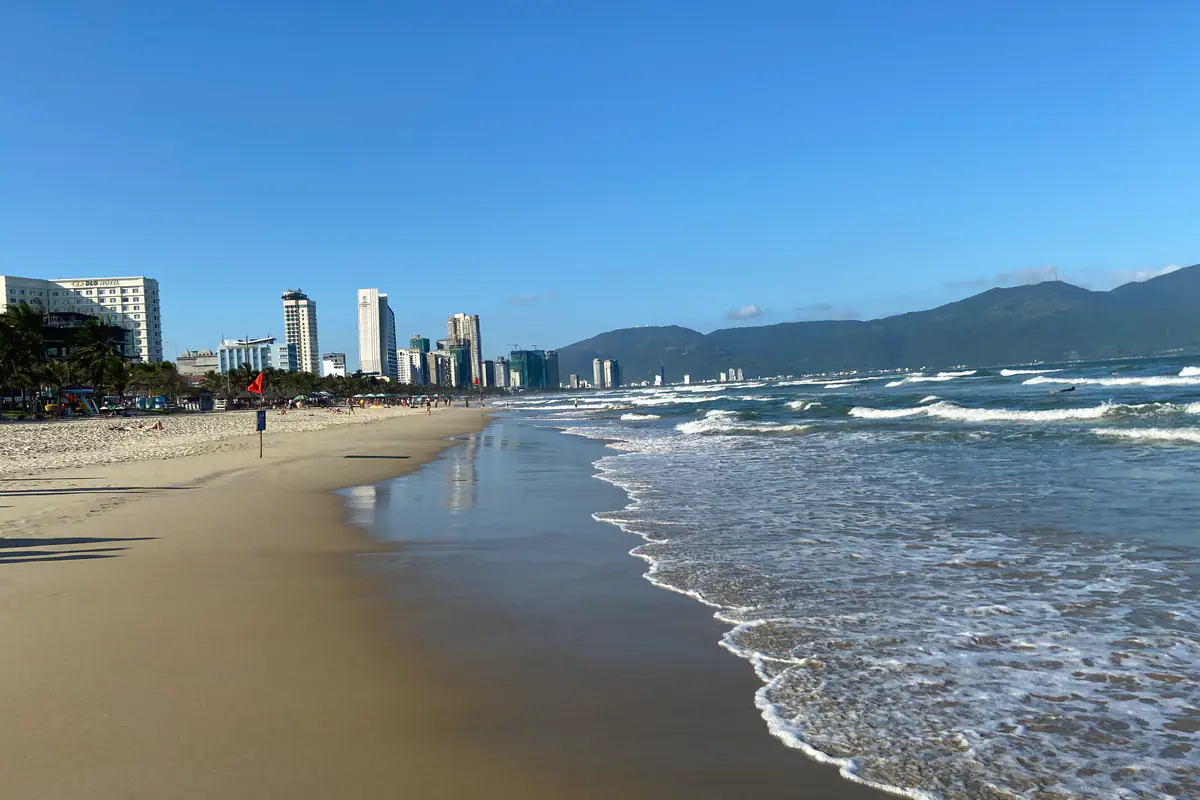
Photo: Kuroczynski
Nha Trang is different. Its main rainy season generally runs from September through December, and by January the chances of sunshine begin to improve. January is still a transitional period, though, so not every day is good for a boat trip or island excursion, and sea conditions deserve attention.
Between Nha Trang and Da Nang, Nha Trang generally has the advantage for a beach-focused vacation in January. Hoi An remains worthwhile for travelers who prefer historic streets, local food, and cultural attractions and don't mind occasional rain.
Vietnam's Central Highlands in January: Da Lat enters its dry season
Da Lat has a fairly predictable January pattern: chilly mornings, pleasant afternoons, and cold evenings. The main rainy season is usually over, which makes sightseeing easier.
You can spend the morning exploring outdoor attractions, visit flower gardens around midday, and settle into a coffee shop later in the afternoon. Early-morning temperatures, though, can be much lower than the comfortable conditions you experience at noon.
Da Lat is a good choice for couples, friends who enjoy photography, families looking for cooler weather, and travelers who don't need a beach.
Southern Vietnam in January: the easiest region for planning
Ho Chi Minh City, Can Tho, and much of the Mekong Delta are in their dry season. Daytime temperatures often reach around 30°C (86°F), and prolonged rainfall is less common than during the summer rainy season.
That's a big advantage on a short trip. City sightseeing, market visits, river excursions, and outdoor meals are generally easier to arrange without constantly changing plans because of rain.
Phu Quoc is also entering one of its most favorable periods for beach tourism. Beaches along the island's western coast and several areas in the south usually have better conditions than during the rainy season. Individual boat tours and island excursions still depend on wind and sea conditions.
If you have just one vacation in January and want the most reliable weather, southern Vietnam is the easiest choice.
Where to go in Vietnam in January: six destinations worth considering
Phu Quoc
Best for a 4-5 day beach vacation
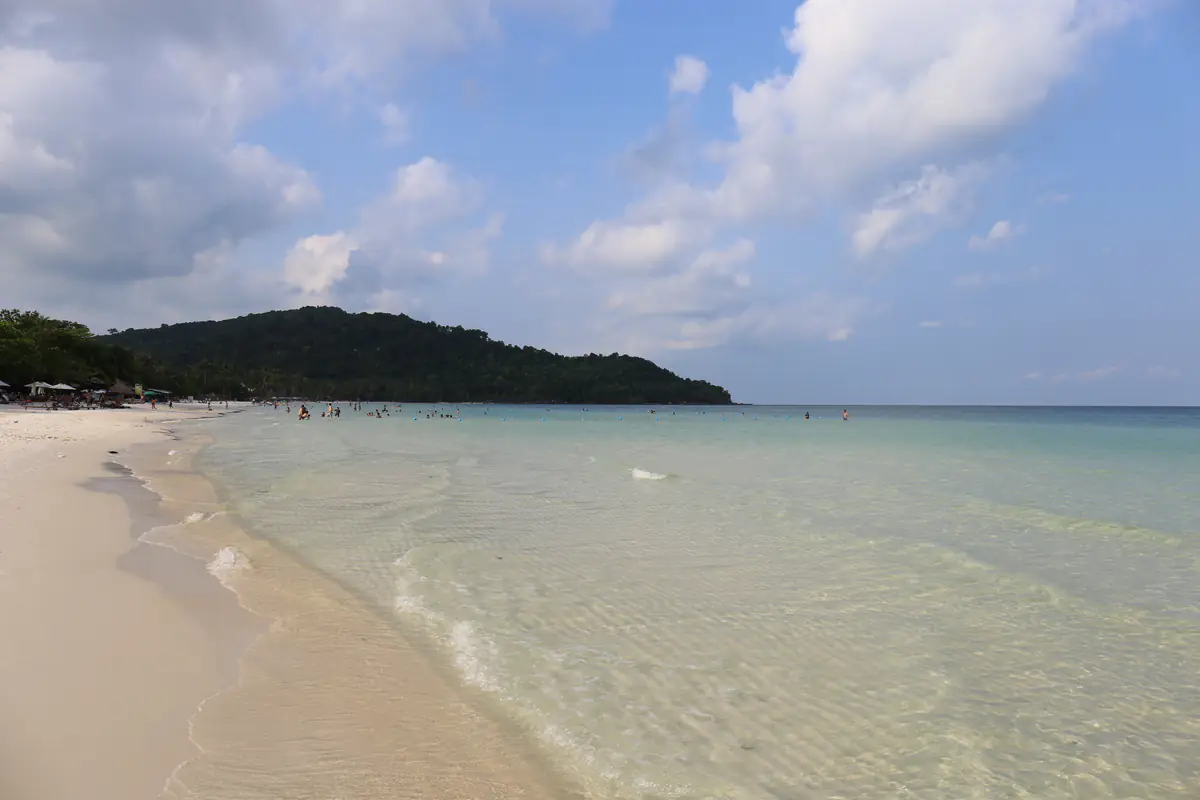
Photo: Vnecofriendly
Phu Quoc is one of the strongest choices for a January beach holiday in Vietnam, particularly if sunshine, swimming, and relaxation are your priorities.
Bai Sao and Bai Khem, both in the southern part of the island, are popular places to spend time by the sea. Ong Lang and the Long Beach area suit resort stays and sunset views. Farther north, you'll find Bai Dai, VinWonders, and Vinpearl Safari.
Avoid putting Bai Sao, VinWonders, and a sunset stop into the same afternoon. These attractions are spread across different parts of the island, and driving between them can take considerable time.
A more comfortable itinerary looks like this:
- Day 1: Arrive at Phu Quoc Airport, check into your hotel, relax, and visit the night market around Duong Dong.
- Day 2: Spend time at Bai Sao, Bai Khem, or another beach in the southern part of the island.
- Day 3: Take a southern island tour or enjoy a relaxing day at your hotel.
- Day 4: Explore northern Phu Quoc, visit VinWonders, or go to Vinpearl Safari.
- Day 5: Have breakfast and head to the airport.
Families traveling with children may want to dedicate an entire day to VinWonders Phu Quoc. In 2026, standard admission costs VND 1,050,000 for visitors at least 140 cm tall, while children from 100 cm to under 140 cm and visitors aged 60 or older pay VND 800,000. Children under 100 cm enter free.
Prices can change, so check the official ticket prices again when booking for January 2027. VinWonders opens at 9:00 AM, although closing times and individual attractions' schedules may vary.
Phu Quoc in January is hard on a tight budget. It's a popular beach season for both domestic and international tourists, so well-located resorts, flights, and holiday activities may cost more than during quieter months.
Ho Chi Minh City and the Mekong Delta
Best for food, culture, and river life
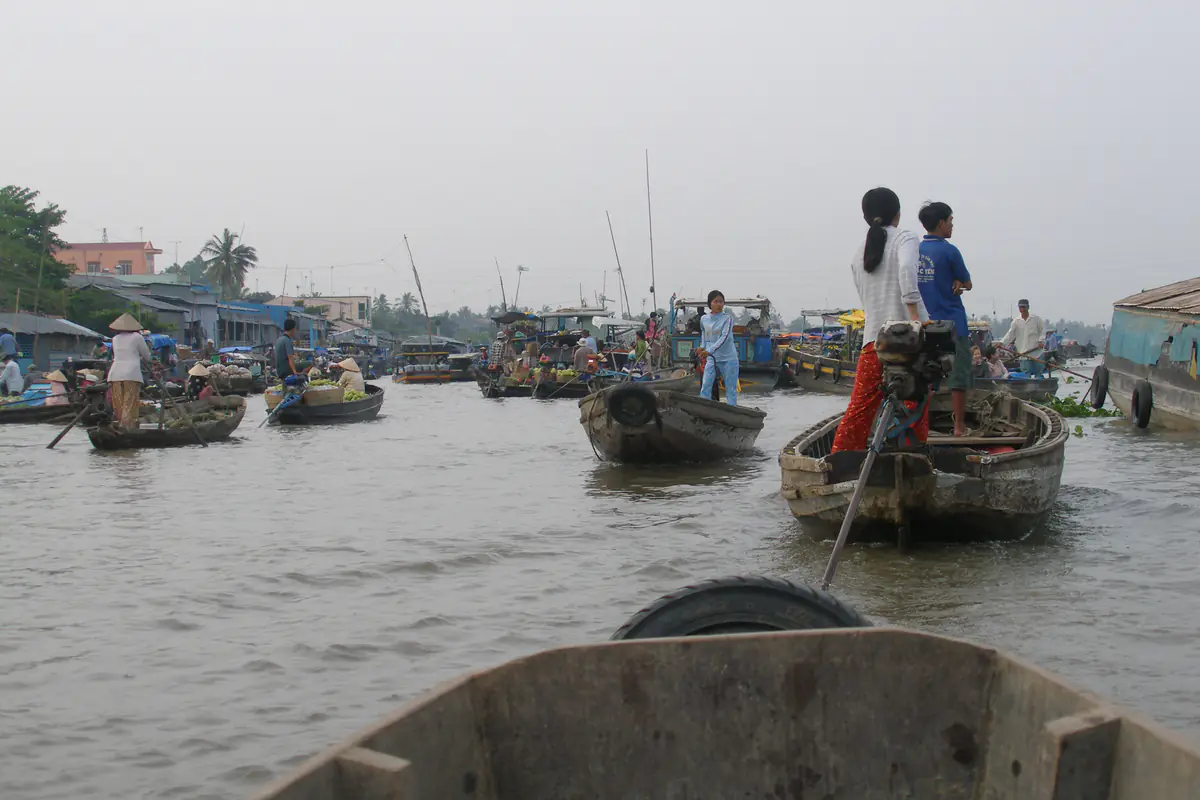
Photo: Vyacheslav Argenberg
A January vacation in southern Vietnam doesn't have to involve an island. Combining Ho Chi Minh City with Can Tho works well for international visitors and Vietnamese travelers who want a mix of urban life, local food, and the Mekong Delta.
In Ho Chi Minh City, staying in or near the central districts makes sightseeing and transportation easier. You can visit the Independence Palace or Central Post Office in the morning, explore the War Remnants Museum in the afternoon, and spend the evening trying local food.
The following day, travel to Can Tho and stay at least one night. Visit Cai Rang Floating Market early in the morning, not around noon. Traditional trading activity generally takes place between approximately 4:30 AM and 8:00 AM.
A practical plan is to arrange a boat from the Ninh Kieu Wharf area around 5:00-5:30 AM, have breakfast on the river, and return later in the morning.
Before booking, ask the tour operator for the exact departure point, trip duration, and total price. Private boats, shared tours, and excursions with additional stops have different costs.
After visiting the floating market, you can explore Binh Thuy Ancient House or have lunch in central Can Tho. Avoid planning another long excursion that same morning if you arrived late the previous night.
Cai Rang is a working market rather than a staged show, so the number of boats and the amount of activity vary from day to day.
Nha Trang
A convenient beach alternative to Phu Quoc
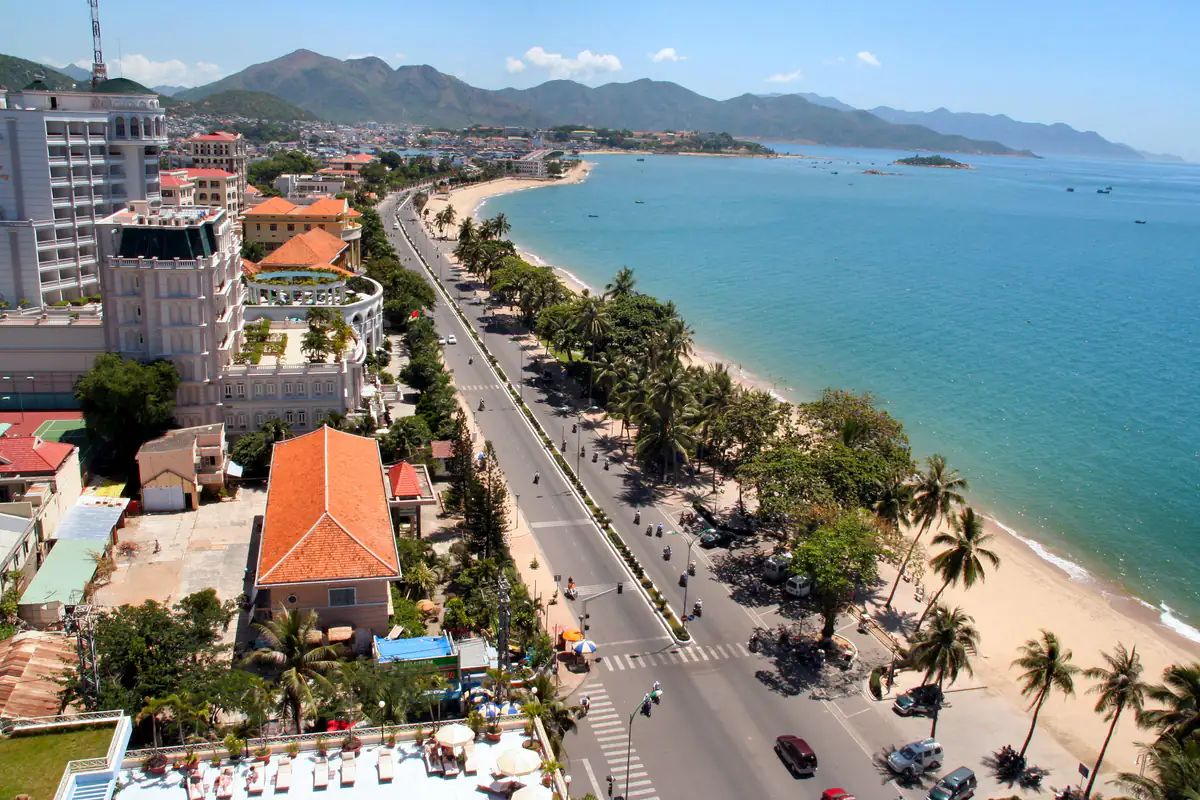
Photo: ntt (P4ntt)
Nha Trang in January is a good option for travelers who want beachfront hotels, seafood, and a relatively short vacation.
Cam Ranh International Airport is approximately 35 km from central Nha Trang. Traveling by car usually takes around 45-60 minutes, depending on traffic and where your hotel is located. Allow time for that transfer when booking your return flight.
Hotels along Tran Phu Street are convenient for walking to the beach, finding restaurants, and exploring the city. The Bai Dai area near Cam Ranh is quieter, though getting into central Nha Trang for dinner each evening takes longer.
A four-day itinerary could look like this: arrive on day one, check in, and walk along Tran Phu Beach. On day two, visit Po Nagar Cham Towers, Hon Chong, and a mud-bath complex. Day three is for a boat excursion or island tour if weather and sea conditions are suitable. On the last morning, have fish cake noodle soup or jellyfish noodle soup for breakfast, buy local specialties, and head to the airport.
Keep the island-tour day flexible. Strong winds and rough seas can lead operators to change, postpone, or cancel boat trips, so don't put your most important island excursion on the morning of your flight home.
Later in the dry season is better for trips built around snorkeling, diving, or long days on the water.
Da Lat
Best for cool weather and a slower vacation
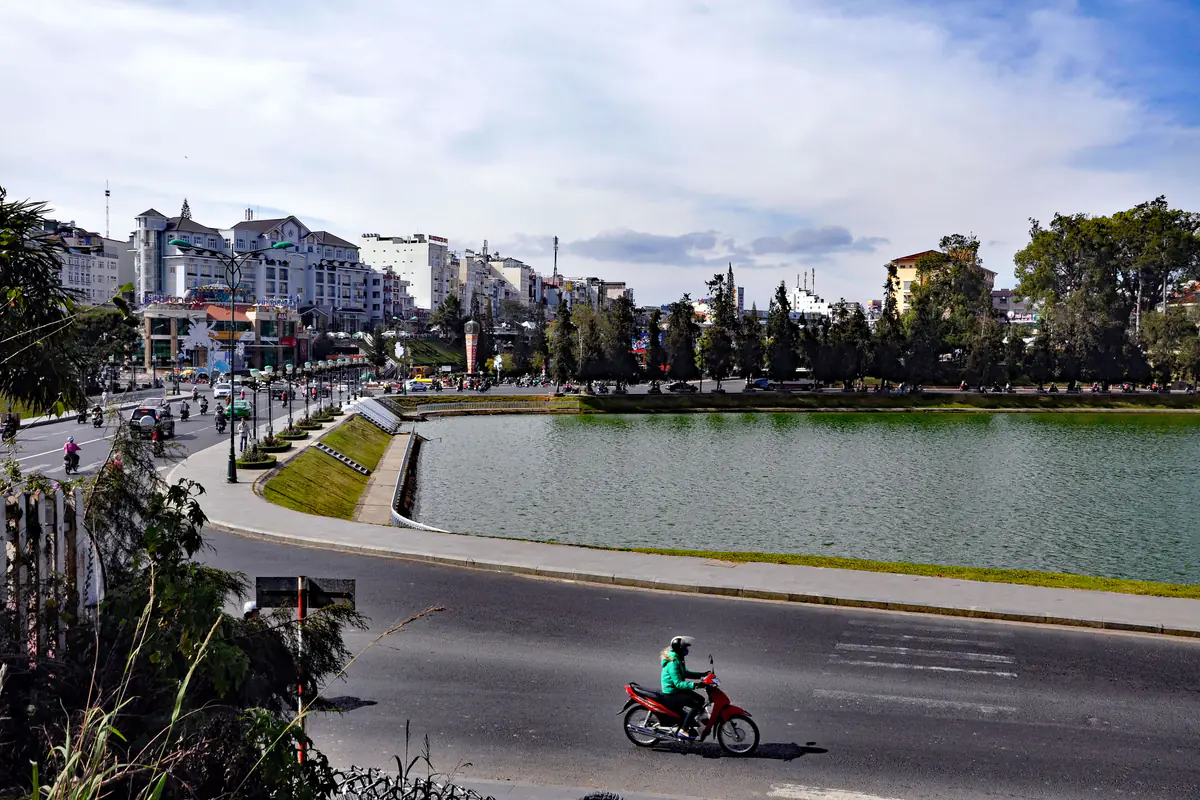
Photo: P. Hughes
Da Lat in January is a good alternative for travelers who dislike the heat of southern Vietnam but don't want the colder winter conditions found in northern mountain towns.
Choose accommodation in the city center or somewhere with easy road access. You can start the morning around Xuan Huong Lake or Da Lat Market, spend the middle of the day visiting flower gardens or outdoor attractions, and leave the evening for food and relaxation.
Many attractions outside the city are spread across different directions, and some roads are steep and winding. Don't try to visit every scenic spot in a single day, especially when they are on opposite sides of the city.
Da Lat can also be combined with Nha Trang on a six- or seven-day trip, but the road between them crosses mountainous terrain and requires attention to road conditions and weather.
If heavy rain, landslides, or official road restrictions affect the route, change your plans rather than trying to cross a mountain pass to reach your hotel on schedule.
Hanoi, Ninh Binh, and Ha Long Bay
Best for exploring northern Vietnam
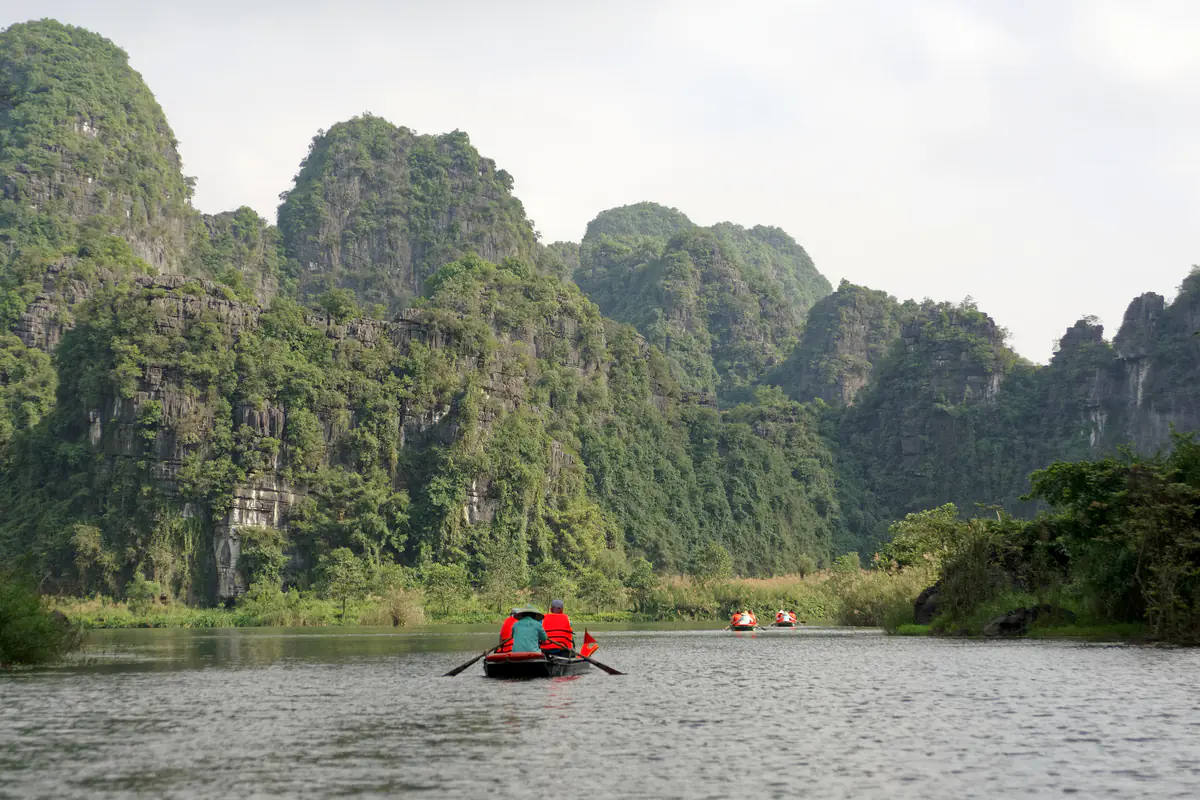
Photo: Jakub Hałun
A five- to seven-day trip to northern Vietnam can still be rewarding in January, provided you don't expect clear blue skies every day.
Hanoi is strong on food and cultural attractions. You can explore the Old Quarter, Hoan Kiem Lake, the Temple of Literature, museums, and restaurants around the central districts.
Ninh Binh deserves one or two nights. Trang An is a good choice for a boat ride through limestone landscapes. Hang Mua is better suited to travelers comfortable climbing many stone steps for a panoramic view.
Ha Long Bay is usually cool in January, with a possibility of cloudy skies and fog. Cruises can still be enjoyable, but the scenery may look quite different from bright summer photos.
On an overnight cruise, comfortable indoor areas matter more than a long list of swimming and kayaking activities. Water-based activities depend on weather conditions and the cruise operator's decisions.
The Hanoi - Ninh Binh - Ha Long Bay route remains a good introduction for first-time visitors to northern Vietnam: a trip for landscapes, culture, and food, rather than a traditional beach holiday.
Sapa and Ha Giang
Only if you genuinely enjoy cold weather
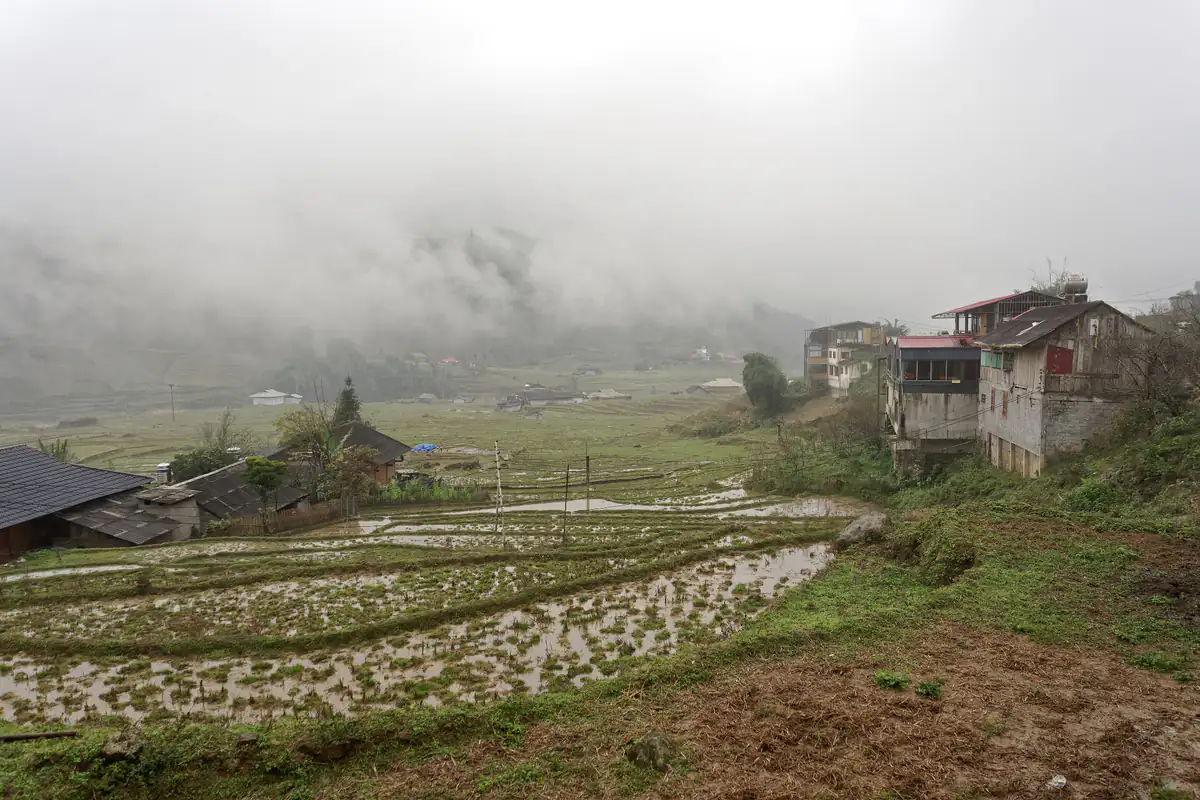
Photo: Jakub Hałun
Sapa has clear January days, but the valleys and viewpoints can also disappear behind thick fog. It's a suitable destination for travelers who enjoy mountain hotels, warm meals, winter scenery, and spending time in cooler temperatures.
Don't choose Sapa in January solely because you want to see bright green rice terraces; January isn't the season for that landscape.
Similar advice applies to Ha Giang. Mountain roads that look spectacular in photographs may have poor visibility when fog moves in.
International visitors unfamiliar with Vietnam's mountain roads, and travelers without experience driving through steep passes, should consider transportation with an experienced local driver.
Before trekking or traveling through high mountain areas, check official weather forecasts and local warnings. If authorities issue warnings about flash floods, landslides, or dangerous weather, postpone the trip.
Places that are less suitable for a January vacation
Not every famous Vietnamese destination has its best weather in January.
Hue and Hoi An are still worth visiting, particularly for history, architecture, and food. However, if your goal is to enjoy four consecutive sunny days of outdoor sightseeing and photography, January is less predictable. Keep some indoor attractions available in case of rain.
Da Nang has excellent transport connections, a wide selection of hotels, and easy access to Hoi An and Hue. However, January is not its strongest month for a swimming-focused holiday. February through April generally offers improving conditions for this kind of trip.
Sapa and Ha Giang are less suitable for travelers who dislike cold weather or have only one day available for sightseeing. Fog and low temperatures can significantly affect the experience.
Ha Long Bay is not the best place to expect swimming or sunbathing on a cruise deck. Think of it as a winter sightseeing destination instead.
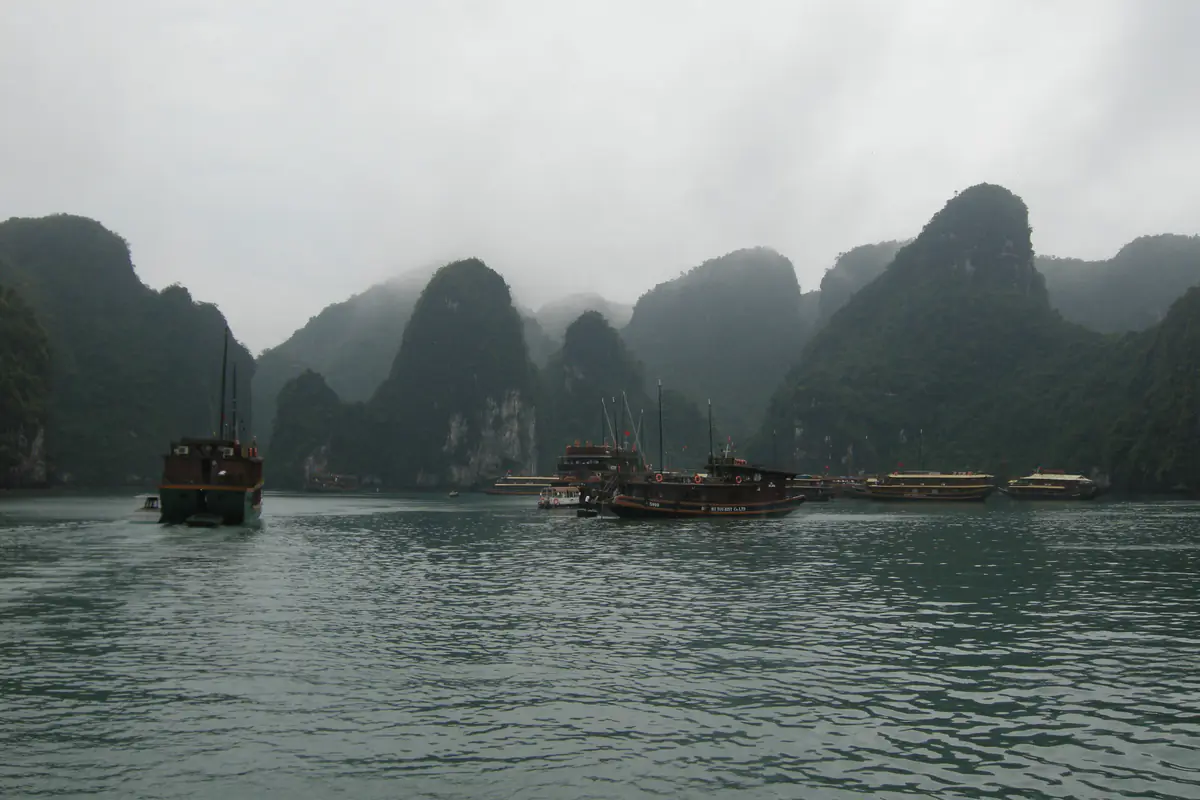
Photo: Vyacheslav Argenberg
Con Dao may appeal to travelers interested in quiet resorts and historical attractions, but northeast monsoon winds and sea conditions need consideration. Don't assume conditions around Con Dao will be the same as those in Phu Quoc.
The best destination depends on what you want to do. Someone interested in museums, architecture, and traditional food may enjoy Hue even during a few rainy days. A traveler who booked the entire vacation around swimming and boat trips could find those same conditions frustrating.
Is January 2027 close to Tet? When should you travel?
Feb 6, 2027
Lunar New Year's Day
Feb 4-10
Tet break for public employees
Jan 22
Peak Tet air travel begins
Jan 23
Tet rail transport period begins
Lunar New Year's Day in 2027 falls on Saturday, February 6. January 2027 therefore comes before Tet, but demand for travel between major cities and hometowns will already begin increasing toward the end of the month.
The Tet holiday for civil servants and public employees covered by the official schedule runs from February 4 through February 10, 2027, totaling seven consecutive days. Holiday arrangements for employees at private businesses may differ depending on the schedule selected and announced by their employer.
For travelers, transport schedules matter even more:
- January 22 to February 20, 2027: The peak Tet ticketing period in Vietnam Airlines Group's 2027 travel plan.
- January 23 to February 25, 2027: The Tet railway transport period under Vietnam's railway operating plan.
- February 6, 2027: Lunar New Year's Day.
- February 4-10, 2027: The official Tet break for public-sector employees covered by the official schedule.
These dates do not mean that every flight or train after January 22 will be sold out or expensive. They do mean that you should avoid leaving long-distance transportation arrangements until the last minute.
January 1-15: the easiest period for avoiding Tet disruption
Longer trips across several parts of Vietnam fit best in this window. Most hotels, restaurants, businesses, and transportation services will not yet be directly affected by the Lunar New Year holiday. You should still consider demand around the Gregorian New Year and the international high season in destinations such as Phu Quoc.
Starting a 10-14 day vacation in the first half of January gives you more flexibility to adjust flights and accommodation.
January 16-21: still convenient, but book longer journeys early
Flights and long-distance train journeys should already be arranged by this point. It matters most for itineraries covering several regions, such as Hanoi - Nha Trang - Ho Chi Minh City, where a change to one journey can affect several hotel reservations and connecting flights.
A five- to seven-day vacation can still work well in this period. Choose no more than two main destinations rather than attempting to travel across all three regions of Vietnam.
January 22-31: be careful with busy routes before Tet
Before Tet, travel demand typically rises as people leave Ho Chi Minh City and southern industrial areas to return to their hometowns in central and northern Vietnam. Flights and trains operating in these directions deserve particular attention.
Vietnam Airlines Group is preparing nearly 3.7 million seats for the Tet 2027 travel period.
Vietnam Airlines fares start from VND 888,000 one way on selected Hanoi-Ho Chi Minh City flights traveling against the peak holiday flow, including taxes and fees. That starting fare doesn't apply to every flight or guarantee that seats will remain available.
Compare both directions, nearby departure dates, and the total cost after adding checked baggage.
The same applies to trains. Vietnam's railway operator began selling approximately 300,000 tickets for Tet 2027 on September 5, 2026. Check schedules and sleeper availability early if you intend to travel a long distance overnight.
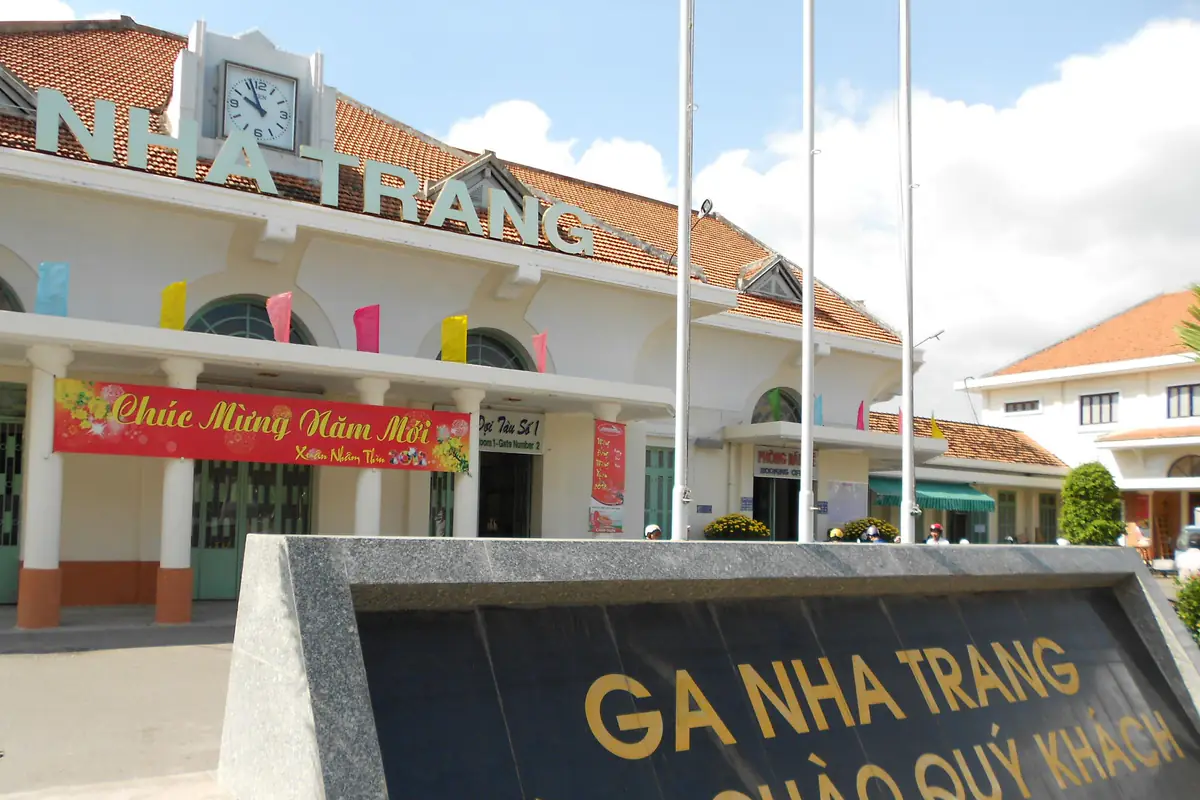
Photo: Kontrollstellekundl
Is southern Vietnam the best region to visit in January?
For reliable weather, southern Vietnam is the strongest overall choice in January, especially if you want sunshine, beaches, and outdoor sightseeing.
However, southern Vietnam is not a single type of destination. Phu Quoc, Ho Chi Minh City, Can Tho, and Da Lat offer four very different travel experiences.
| What you want | Best destination | Recommended time |
|---|---|---|
| Beaches and resorts | Phu Quoc | 4-5 days |
| Food and city sightseeing | Ho Chi Minh City | 2-3 days |
| River cruises and local markets | Can Tho | 2 days, 1 night |
| Cool weather, coffee, flowers | Da Lat | 3-4 days |
| Beaches and city attractions | Nha Trang | 3-5 days |
For families with young children, choosing Phu Quoc or Nha Trang and staying at one hotel throughout the trip is generally less tiring than changing accommodation every other day.
First-time international visitors can combine Ho Chi Minh City, Can Tho, and Phu Quoc for a good introduction to Vietnamese city life, the Mekong Delta, and the coast. This itinerary also avoids the colder northern weather.
Vietnamese travelers taking only a few days off work may find Da Lat or Nha Trang easier to organize than a longer cross-country itinerary.
Suggested Vietnam itineraries for January: 5, 7, 10, and 14 days
5-day itinerary: a beach vacation in Phu Quoc
It's one of the simplest options if relaxation is your priority and you don't want to spend much time traveling.
- Day 1
Arrive on the island
Fly to Phu Quoc, check into your hotel, relax, and have dinner nearby.
- Day 2
Southern beaches
Head to the southern beaches, such as Bai Sao or Bai Khem. You can combine your beach visit with one nearby attraction.
- Day 3
Boat tour or cable car
Take a boat tour, ride the Hon Thom cable car, or enjoy your resort, depending on the weather.
- Day 4
Northern Phu Quoc
Spend the day in northern Phu Quoc at VinWonders or Safari. Families with young children may prefer one major attraction rather than trying to visit both parks.
- Day 5
Departure
Have breakfast and transfer to the airport.
This itinerary works well for first-time visitors, couples, and families. Because Phu Quoc is a fairly large island, choose your accommodation according to where you plan to spend most of your time.
7-day itinerary: Ho Chi Minh City and Phu Quoc
This route suits international visitors who want a little city sightseeing before heading to the beach.
- Day 1
Arrive in Ho Chi Minh City
Arrive in Ho Chi Minh City, check into a central hotel, walk around the neighborhood, and have dinner.
- Day 2
City center sights
Visit the Independence Palace, War Remnants Museum, or historic buildings in the city center.
- Day 3
A slower day
Spend the morning exploring a local market or coffee shop, then enjoy a slower afternoon before your next flight.
- Day 4
Fly to Phu Quoc
Fly from Ho Chi Minh City to Phu Quoc and check into your accommodation.
- Day 5
Beach day
Spend the day at a beach in southern Phu Quoc.
- Day 6
Island excursion
Take an island excursion or visit an attraction that interests you.
- Day 7
Check out
Check out and fly home or continue your journey.
The main advantage is that you only need one domestic flight between your two destinations. The disadvantage is that there isn't enough time to explore the Mekong Delta properly.
Adding Can Tho works better by extending the trip than by cutting your Phu Quoc stay short.
10-day itinerary: Ho Chi Minh City, Can Tho, and Phu Quoc
It's for travelers who want more from southern Vietnam than a beach holiday.
- Days 1-3
Ho Chi Minh City
Spend two days exploring the city, its museums, markets, and food scene. Keep one day flexible for resting or an excursion outside the city.
- Day 4
Can Tho
Travel from Ho Chi Minh City to Can Tho, check into a centrally located hotel, and spend the evening around Ninh Kieu Wharf.
- Day 5
Cai Rang Floating Market
Arrange an early boat trip, ideally leaving around 5:00-5:30 AM. Afterward, visit another attraction in Can Tho before returning to Ho Chi Minh City or continuing according to your booked transport plan.
- Days 6-9
Phu Quoc
Fly to the island and spend the following days enjoying the beaches, exploring northern or southern Phu Quoc, and relaxing.
- Day 10
Fly out
Fly home or connect with your international departure.
Plan the connection between Can Tho and the airport for your Phu Quoc flight carefully. Check actual flight routes and departure times for your travel date. Don't assume a convenient nonstop flight will always be available.
14-day itinerary: Hanoi, Ninh Binh, Nha Trang, Ho Chi Minh City, and Phu Quoc
This itinerary is designed for travelers who want to experience the contrast between northern Vietnam's winter and southern Vietnam's dry season.
- Days 1-3
Hanoi
Walk the Old Quarter, visit the Temple of Literature and museums, and try the local food. Keep one half-day flexible in case of cold rain.
- Days 4-5
Ninh Binh
Travel to Ninh Binh, take a boat ride at Trang An or Tam Coc, and visit Hang Mua when visibility is good.
- Day 6
Fly to Cam Ranh
Return to Hanoi and take a suitable flight to Cam Ranh.
- Days 7-8
Nha Trang
See the city, enjoy the beach, and consider an offshore excursion if sea conditions are favorable.
- Day 9
Fly south
Fly to Ho Chi Minh City.
- Days 10-11
Ho Chi Minh City
Visit major attractions, explore local markets, and enjoy the food.
- Day 12
Fly to Phu Quoc
Fly to Phu Quoc.
- Day 13
Beach day
Spend a full day at the beach or relaxing at your resort.
- Day 14
Departure
Fly home or continue your onward journey.
This itinerary involves several hotel changes and domestic flights. Travelers with young children or older family members should consider removing one destination and adding more time to the others.
For first-time international visitors, an open-jaw flight itinerary, arriving in one city and departing from another, can reduce unnecessary backtracking when suitable flights are available.
In late January 2027, check every domestic flight before confirming the whole itinerary. The Tet travel period may make an itinerary with multiple flights more expensive and difficult to change.
What to pack for Vietnam in January
Your packing list should depend on the region where you'll spend most of your vacation.
If you're visiting only southern Vietnam
Lightweight clothes, comfortable walking shoes, sandals, and swimwear are suitable for most activities. Bring a light jacket for air-conditioned rooms, flights, and long-distance transportation.
Sunscreen, a hat, and drinking water are important for outdoor sightseeing. In the Mekong Delta, bring insect repellent and clothing that provides additional coverage when visiting areas with lots of vegetation.
If you're visiting northern Vietnam
Pack long-sleeved shirts or thermal layers, a warm jacket, long pants, and closed shoes.
If you're heading to Sapa or Ha Giang, bring an extra wind-resistant layer, a hat, and a scarf. Don't base your packing list only on the day's highest temperature.
Travelers planning to hike should also bring footwear with reliable grip. Stone steps and dirt paths can be slippery when damp.
If you're traveling across Vietnam
A compact warm jacket, several layers, and summer clothing will be more useful than filling your suitcase entirely with heavy winter clothes.
Check the baggage allowance for each domestic flight. Some ticket categories include only carry-on baggage, while others include checked baggage.
Avoid booking every weather-dependent tour in advance and filling every available hour of your itinerary. On a multi-region trip, having one flexible day can be more valuable than adding another attraction.
Is January or February better for visiting Vietnam?
Where you're going and which year you're traveling decide the answer.
| Factor | January | February |
|---|---|---|
| Northern Vietnam | Cold, with many foggy days | Can still be cold, gradually moving toward the end of winter |
| Hue, Da Nang, Hoi An | Mild, with a risk of rain | Conditions generally improve, especially later in the month |
| Nha Trang | Increasingly favorable beach weather | Usually better for a beach-focused vacation |
| Da Lat | Dry season, chilly mornings and evenings | Continues to be good for outdoor sightseeing |
| Ho Chi Minh City, Mekong Delta | Dry season, good for sightseeing | Still in the dry season |
| Phu Quoc | Excellent beach season | Continues to offer favorable beach conditions |
| Tet 2027 | Peak holiday transportation begins late in the month | Lunar New Year falls on February 6 and directly affects travel |
Choose January if you're planning to visit Phu Quoc, Ho Chi Minh City, the Mekong Delta, Da Lat, or Hanoi for its winter atmosphere.
Choose February if Da Nang, Hoi An, or better beach conditions in Nha Trang are your main priorities, though February 2027 overlaps with Tet, so transport and business schedules need extra attention.
Tet doesn't mean every restaurant and attraction closes. Major resorts, hotels, tourist attractions, and many businesses serving visitors continue operating, while family-run restaurants, traditional markets, and smaller services may close or change their hours. Some businesses may also apply holiday surcharges.
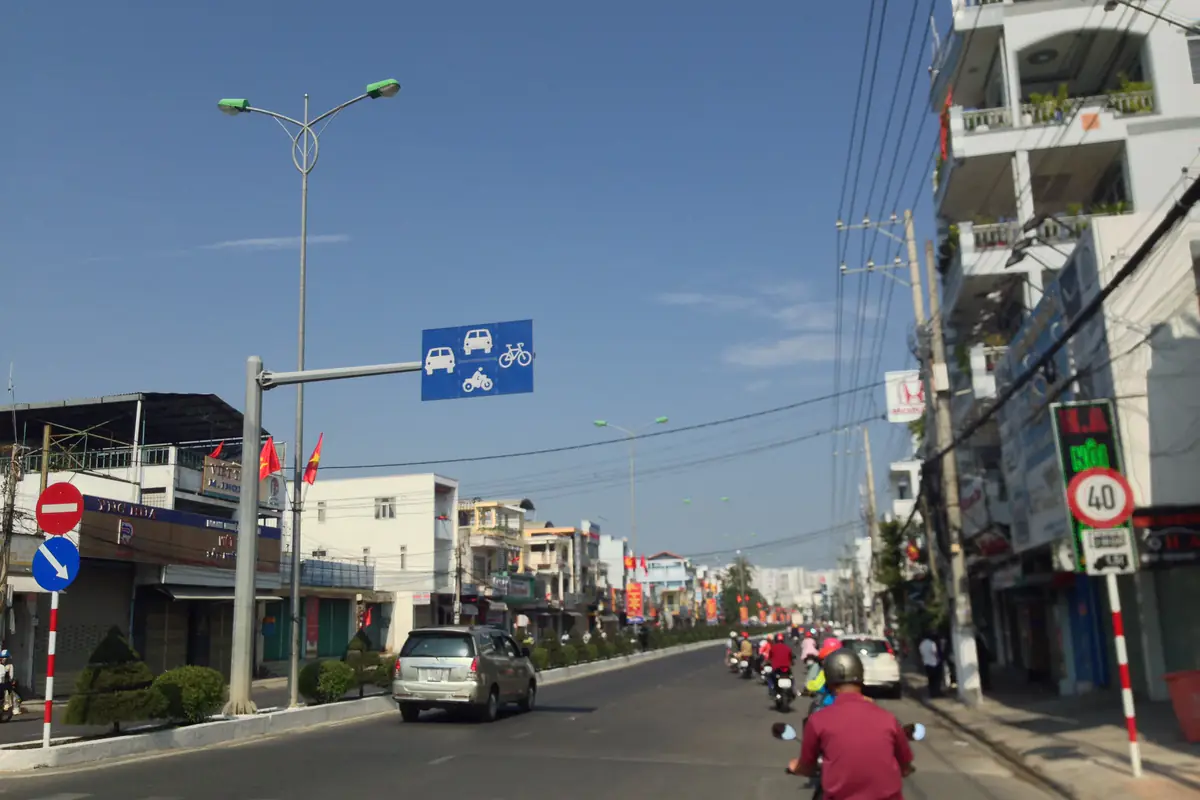
Photo: Anhchangeden
International visitors who want to experience Vietnamese Lunar New Year can deliberately plan a trip around early February, as long as they're prepared for different travel conditions.
Travelers who mainly want to visit multiple attractions on a fixed schedule may prefer the period before the Tet rush or after normal business operations resume.
What to check before booking a January trip to Vietnam
Several details can make a major difference, even when you've already chosen the right destination for the weather.
Check flight times, not just ticket prices. A cheap flight that lands late at night or requires a long connection can consume most of a vacation day. On a multi-stop trip, choose flights that allow reasonable time for hotel check-in and transfers.
Stay near the attractions you actually want to visit. In Phu Quoc, the north and south of the island are quite far apart. In Nha Trang, staying along Tran Phu Street is more convenient for city restaurants than staying at a resort near Bai Dai. In Hanoi, a centrally located hotel reduces travel time between major attractions.
Don't schedule a boat trip too close to your flight. Island tours may finish late or change because of wind and waves. It's safer to leave your final morning for breakfast, shopping, and the airport transfer.
Confirm transport and services for late January. If your trip begins around January 22-23, 2027, check both outbound and return availability, ticket-change rules, hotel cancellation policies, and any applicable surcharges.
Use short-term weather forecasts for outdoor activities. Monthly weather averages help you choose destinations, but they cannot tell you whether a particular day will be safe for a boat trip, mountain drive, or island excursion. Follow the latest official forecasts, warnings, and operating conditions.
For a January 2027 trip to Vietnam, the dates worth marking on your calendar are January 22-23, when the planned peak Tet transportation periods begin. Travel during the first half of the month, and you can enjoy five days on Phu Quoc's beaches or ten days exploring southern Vietnam without arranging your entire itinerary around the approaching Lunar New Year rush.
FAQ
Where is the best place to visit in Vietnam in January?
Phu Quoc is one of the best choices for a beach vacation. Nha Trang is good if you want to combine beach time with city sightseeing. Da Lat is suitable for travelers who prefer cooler temperatures, while Ho Chi Minh City and Can Tho are excellent for food, culture, and Mekong Delta experiences during the dry season.
Is Vietnam cold in January?
Some parts are. Northern Vietnam and mountainous areas experience winter conditions. Hanoi can have days around 10-15°C (50-59°F), while Sapa and Ha Giang can be considerably colder, especially early in the morning. Southern Vietnam remains warm, and Da Lat tends to be chilly in the morning and evening.
Does it rain in Vietnam in January?
Rain is still possible anywhere in the country. Hue, Da Nang, and Hoi An can experience rainy or cloudy days. Nha Trang generally sees improving conditions compared with late December. Ho Chi Minh City, the Mekong Delta, and Phu Quoc are in their dry season and usually offer more favorable conditions for outdoor sightseeing.
Is January or February better for visiting Vietnam?
January is a good choice for southern Vietnam, Phu Quoc, Da Lat, and travelers interested in northern Vietnam's winter scenery. February often offers improving weather in parts of central Vietnam. In 2027, however, Lunar New Year's Day falls on February 6, so travelers wanting to avoid the holiday travel rush should consider the first half of January.
What is a good 7-day Vietnam itinerary in January?
For warm weather, spend three days in Ho Chi Minh City and four days in Phu Quoc. For culture and landscapes, consider three days in Hanoi, two days in Ninh Binh, and two days in Ha Long Bay. Avoid trying to cover northern, central, and southern Vietnam in just seven days, as airport transfers, train journeys, and hotel changes will take up too much of your sightseeing time.
Related posts
Weather
Northern Vietnam or Phu Quoc: where should you go in November?
Compare Northern Vietnam and Phu Quoc to find the best destination for your November holiday.
Weather
Why is February better than September for outdoor activities in Da Lat?
Compare Da Lat's weather across all 12 months to choose the right season for sightseeing, cloud hunting, flowers, and packing.
Weather
Nha Trang in February is worth visiting, but don't book your island tour too early
February is a good month for Nha Trang, but check the sea conditions before booking island trips.