Why is February better than September for outdoor activities in Da Lat?
December to March is generally the best time to visit Da Lat for outdoor activities, with February usually being the driest month. If you prefer wild sunflowers, misty mornings, and the atmosphere of late autumn, November and December are also worth considering, although some rainy days are still possible.
Written by Tụi mình mê biểnUpdated
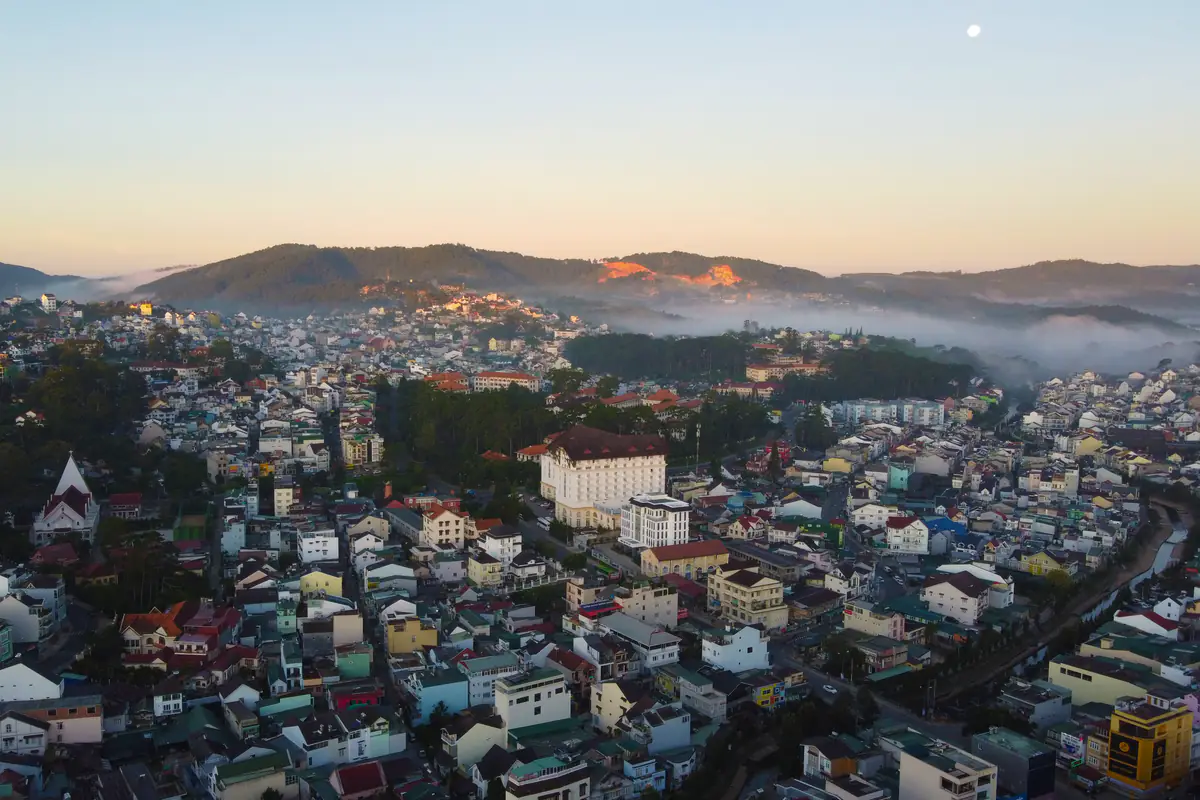
Photo: Tuong Lam Photos
Visit Da Lat in February, and you have a better chance of spending the whole morning walking among pine-covered hills before continuing your sightseeing in the afternoon. September is also pleasantly cool, but rainfall is considerably higher, dirt roads become muddy, and trips outside the city often depend on the weather. For a Da Lat holiday with fewer rainy interruptions, December to March is the better period, especially February.
What is the best month to visit Da Lat?
There is no single perfect month for everyone. Da Lat enjoys a relatively cool climate throughout the year, but rainfall, sunshine, and nighttime temperatures vary considerably between seasons.
The best time depends on what you want to do.
| Months | Typical weather | Best for |
|---|---|---|
| December-February | Cool, relatively dry, often sunny during the day | Relaxing holidays, walking, photography, flowers |
| March | More sunshine, warmer afternoons, relatively little rain | Outdoor sightseeing, walking, countryside trips |
| April | Warm, with increasing showers and thunderstorms | Mixed indoor and outdoor activities |
| May-August | Cool, humid, cloudy, and rainy | Relaxing holidays, cafés, green landscapes |
| September-October | Heavy rainfall, frequent cloud cover | Flexible trips with fewer outdoor activities |
| November | Transition toward the dry season, cooler nights | Wild sunflowers, persimmon gardens, cloud hunting when conditions allow |
Three periods stand out.
January and February: Best for first-time visitors who want to explore several attractions without constantly adjusting their plans around rainfall. February typically receives the least rain of the year.
March: A good option if you prefer warmer daytime temperatures while still enjoying relatively dry conditions. It suits walking, countryside sightseeing, and outdoor photography.
Late November and December: Better for travelers interested in wild sunflowers, morning mist, cooler temperatures, and the atmosphere of the year's final months. However, the weather is less predictable than in January and February.
September and October, meanwhile, are not ideal for trips centered on trekking, camping, or spending entire days taking photographs outdoors.
What makes Da Lat's weather different?
Da Lat sits on a highland plateau at approximately 1,500 meters above sea level. Because of its elevation, temperatures are considerably lower than in many lowland cities in southern Vietnam.
You might feel perfectly comfortable in a T-shirt at noon but still need a warm jacket when leaving your hotel at 6 AM.
Da Lat's seasons are defined more by rainfall than by summer heat and winter cold.
The dry season generally runs from November to April, while the rainy season usually extends from May to October. April and November are transitional months, and the exact timing can vary from year to year.
The dry season brings more sunny days, while nights and early mornings turn noticeably colder.
During the rainy season, cloud cover and humidity increase, and the difference between daytime and nighttime temperatures is often smaller.
That explains why a T-shirt may be enough for a sunny February afternoon, but a sweater or jacket becomes necessary after sunset.
Da Lat weather by month: temperature and rainfall
The following figures are average climate conditions for 1991-2020. Temperatures have been rounded for easier comparison.
| Month | Average high / low | Average rainfall | Typical conditions |
|---|---|---|---|
| January | 23°C / 13°C | 31 mm | Dry, chilly mornings, sunny days |
| February | 24°C / 14°C | 25 mm | Driest month, relatively clear skies |
| March | 26°C / 15°C | 68 mm | Plenty of sunshine, warmer afternoons |
| April | 25°C / 16°C | 153 mm | Increasing rain, possible thunderstorms |
| May | 24°C / 17°C | 269 mm | Heavy rainfall and high humidity |
| June | 23°C / 17°C | 217 mm | Cool, cloudy, frequent rain |
| July | 23°C / 17°C | 216 mm | Regular showers, green landscapes |
| August | 23°C / 17°C | 236 mm | Humid, cloudy, pleasantly cool |
| September | 23°C / 16°C | 294 mm | Among the wettest months |
| October | 22°C / 16°C | 286 mm | Very rainy, transitioning late in the month |
| November | 22°C / 15°C | 161 mm | Rain decreases, nights get cooler |
| December | 21°C / 14°C | 102 mm | Chilly, drier than November |
25 mm
February, the driest month
294 mm
September, the wettest
Nearly 12x
September's rain versus February's
The temperature difference between months is relatively modest.
Rainfall is the bigger factor.
September averages nearly 300 mm of rain, compared with approximately 25 mm in February. That difference can completely change how much of your itinerary you can comfortably spend outdoors.
A heavy shower can still occur during the dry season, just as a rainy-season day can begin with beautiful sunshine.
Use these averages to decide when to travel, then check the short-term forecast before arranging individual activities.
Da Lat weather month by month: what to expect and what to wear
January: Cool weather, sunshine, and cherry blossoms
High 23°C, low 13°C, rain 31 mm
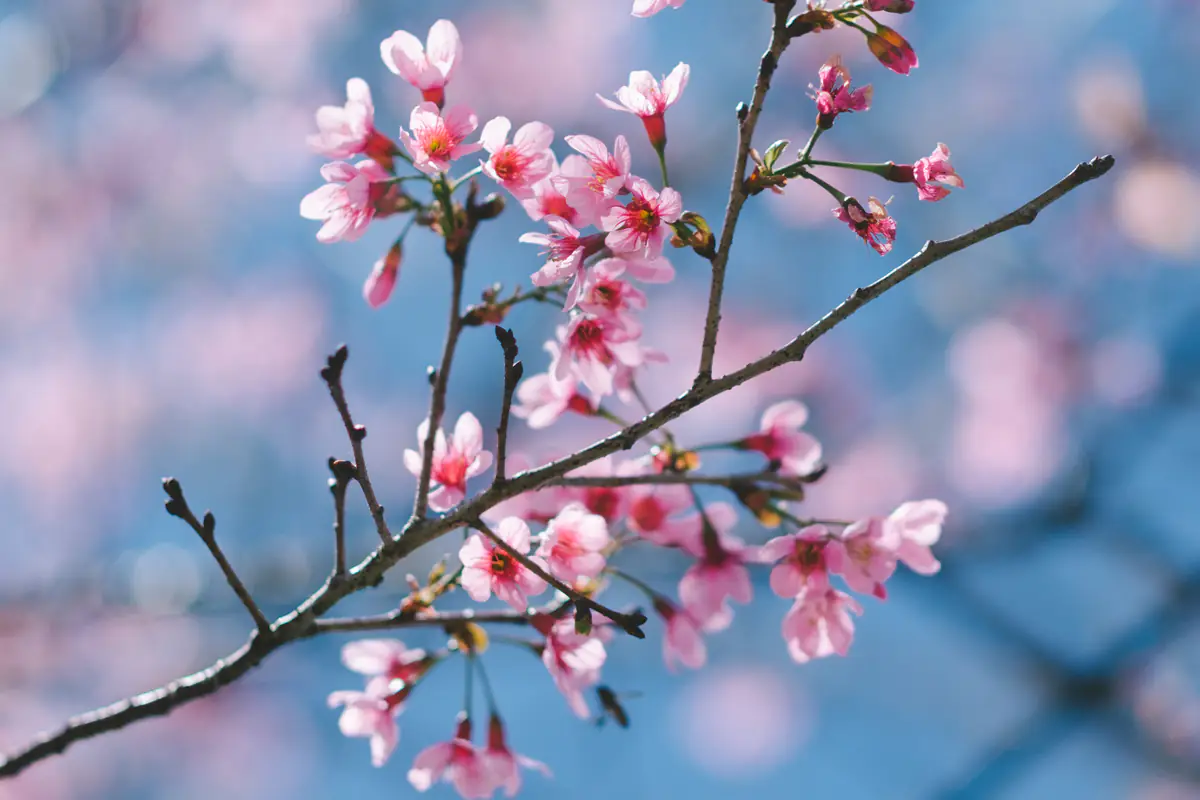
Photo: Vinnie Cartabiano
January is one of the most attractive months to visit Da Lat.
Average daytime highs are around 23°C, while average lows fall to approximately 13°C. A long-sleeved shirt may be enough during the day, but mornings and evenings usually require warmer clothing.
Rainfall is relatively low.
You can spend the morning walking around Xuan Huong Lake, take a break at lunchtime, and return outdoors for afternoon photography without expecting rain to dominate the day.
January also falls within Da Lat's cherry blossom season.
The city's pink-flowering trees, commonly called mai anh đào in Vietnamese, generally bloom between late December and February. However, the peak flowering period depends on temperatures, rainfall, and location.
The early 2026 season illustrated these differences. Some trees in the surrounding countryside flowered in late December 2025, while others closer to the city center bloomed later.
What to wear: A sweater, a medium-weight jacket, long trousers, closed-toe shoes, and a light scarf. Bring an additional windproof layer for activities before sunrise.
February: The driest month for outdoor sightseeing
High 24°C, low 14°C, rain 25 mm
February is Da Lat's driest month, with average rainfall of approximately 25 mm.
The average daytime high is around 24°C, making long walks comfortable. Average lows are close to 14°C, although temperatures can feel colder before sunrise.
Full-day sightseeing works well this month, from the city center to pine-covered hills and gardens outside town.
You could begin exploring at 7 AM, spend two or three hours walking and taking photographs, stop for lunch, and continue outdoors between 2 PM and 5 PM.
Sunshine can still be strong around midday, despite the pleasant air temperature. Sunscreen, a hat, and drinking water are important.
What to wear: T-shirts, thin long-sleeved shirts, a jacket, long trousers, and comfortable walking shoes. Bring something warmer if you plan to watch the sunrise or go cloud hunting.
March: Sunny days and comfortable countryside trips
High 26°C, low 15°C, rain 68 mm
March is warmer, with an average high of approximately 26°C.
It is among Da Lat's sunnier months, making it a good month for sightseeing outside the city.
You may feel warm when walking directly under the midday sun, but the overall climate remains more comfortable than in many lower-elevation Vietnamese cities.
March suits travelers who enjoy long walks, gardens, outdoor photography, and countryside trips without very cold mornings.
Rainfall begins to increase compared with February but remains considerably lower than during the main rainy season.
March is not the most reliable time to see cherry blossoms. The main flowering period is usually over, although occasional late-blooming trees may remain.
What to wear: T-shirts, light shirts, thin trousers, a lightweight jacket, sunglasses, and sunscreen. Ordinary daytime sightseeing doesn't call for heavy sweaters.
April: Still sunny, but afternoon showers become more common
High 25°C, low 16°C, rain 153 mm
April marks the transition toward the rainy season.
Average highs are around 25°C, with lows near 16°C.
Mornings may be sunny, while showers and thunderstorms become more likely later in the day. A pleasant sightseeing trip can quickly be interrupted by rain.
For this reason, schedule your most important outdoor activities in the morning.
You might explore viewpoints between 7 AM and 10 AM, have an early lunch, and spend the afternoon at a café or indoor attraction.
Avoid planning hiking or forest activities for afternoons with thunderstorms in the forecast.
What to wear: A light waterproof jacket, compact umbrella, shoes with good grip, and waterproof protection for your phone. A raincoat is often more useful than an umbrella when rain comes with strong wind.
May: The rainy season becomes established
High 24°C, low 17°C, rain 269 mm
Rainfall increases sharply in May, averaging approximately 269 mm.
The average high is around 24°C, while the average low is close to 17°C.
Temperatures remain comfortable, but humidity increases. Clothes and shoes can take longer to dry.
The countryside becomes greener, with fresh grass, lush gardens, and pine forests.
However, May is not ideal for a trip dominated by trekking, camping, or long journeys along dirt roads.
It is better suited to relaxing holidays, coffee shops, food experiences, and indoor sightseeing.
What to wear: Quick-drying clothing, lightweight trousers, rain protection, non-slip shoes, and spare clothes. Thick canvas shoes that absorb water are less practical during this season.
June: Cool temperatures with frequent rain
High 23°C, low 17°C, rain 217 mm
June has average highs of approximately 23°C and lows of around 17°C.
Expect cool, humid conditions and plenty of cloud cover.
Rain can last several days in a row, not just the afternoon.
Avoid tightly scheduled itineraries involving many outdoor stops.
Instead, choose one main sightseeing area each day. Explore when the weather allows, then switch to an indoor activity when rain begins.
Stone steps, moss-covered paths, and paved slopes can get slippery after rainfall.
What to wear: A light jacket, raincoat, quick-drying trousers, shoes with good grip, and spare socks. Several thick sweaters would be overkill.
July: Green landscapes, cool air, and rainy days
High 23°C, low 17°C, rain 216 mm
July is pleasantly cool, with average temperatures ranging from approximately 17°C at night to 23°C during the day.
Cool weather does not automatically mean favorable sightseeing conditions: July remains part of the rainy season, with average rainfall exceeding 200 mm.
A beautiful sunny morning may be followed by cloudy skies and prolonged afternoon rain.
This month is better for a flexible holiday than for a tightly packed two-day sightseeing itinerary.
If outdoor photography is important, prepare an indoor alternative near your accommodation.
What to wear: T-shirts, a lightweight jacket, long trousers, a raincoat, and shoes that are easy to clean. A small waterproof bag is useful for cameras and electronic devices.
August: Humid, cloudy, and pleasantly cool
High 23°C, low 17°C, rain 236 mm
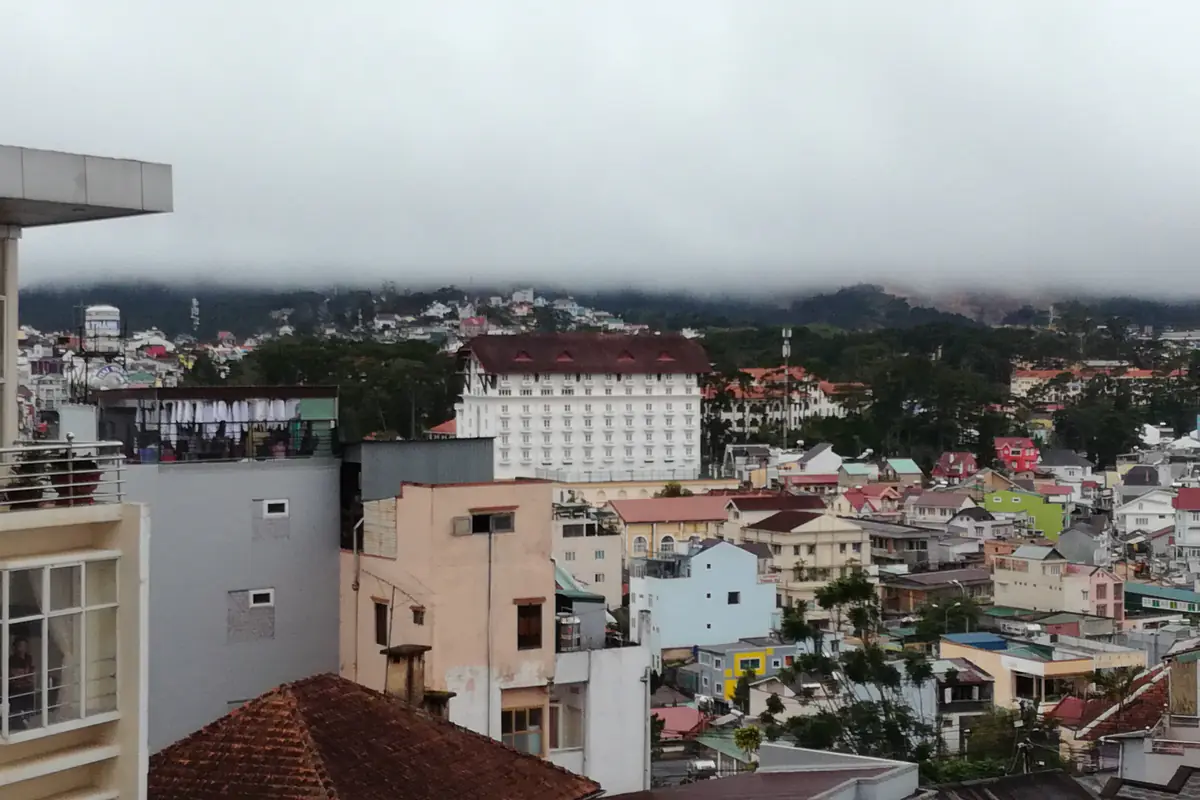
Photo: Damian Vo
August has temperatures similar to July, with frequent cloud cover and humid conditions.
Average rainfall is approximately 236 mm.
Long journeys along dirt roads and activities requiring clear long-distance views are less dependable.
On the positive side, August brings the lush landscapes associated with Da Lat's rainy season.
The hills and forests are green, and the air can feel fresh after a shower.
Travelers who want to relax rather than spend every day visiting attractions under sunny skies will do fine this month.
Plan shorter outdoor activities in the morning and leave the afternoon flexible.
What to wear: Breathable, quick-drying clothing, a lightweight waterproof jacket, and non-slip shoes.
September: Heavy rain and unpredictable outdoor plans
High 23°C, low 16°C, rain 294 mm
September is among Da Lat's wettest months.
Average rainfall reaches approximately 294 mm, nearly 12 times February's average.
Temperatures are still comfortable, with highs around 23°C and lows near 16°C.
The trouble is frequent rain, high humidity, and cloud cover that interfere with outdoor plans.
September is not a good first choice if your main goals are sunrise photography, camping, or panoramic landscapes under clear skies.
Thick cloud is not the same as a cloud sea.
Sometimes an entire hillside is surrounded by low clouds, reducing visibility without revealing the valleys below.
A September trip already booked should stay around the city center, with a daily weather check and no mountain roads during heavy rain warnings.
What to wear: A reliable raincoat, waterproof footwear, quick-drying trousers, a waterproof bag, and spare clothes.
October: Still rainy, with wild sunflowers appearing late in the month
High 22°C, low 16°C, rain 286 mm
October approaches the end of the usual rainy season, but average rainfall remains high at approximately 286 mm.
Average highs are around 22°C, while lows are near 16°C.
Mornings and evenings begin to feel cooler.
Toward the end of the month, yellow wild sunflowers may begin blooming along roadsides, hillsides, and the outskirts of Da Lat.
In 2026, wild sunflowers were already blooming noticeably during the final days of October.
Flowers are out, but the rain is not over.
Late October may appeal to photographers interested in seasonal flowers, but it is not the most dependable period for a full outdoor itinerary.
What to wear: A medium-weight jacket, rain protection, shoes with good grip, and long trousers.
November: Wild sunflowers, persimmon gardens, and cooler nights
High 22°C, low 15°C, rain 161 mm
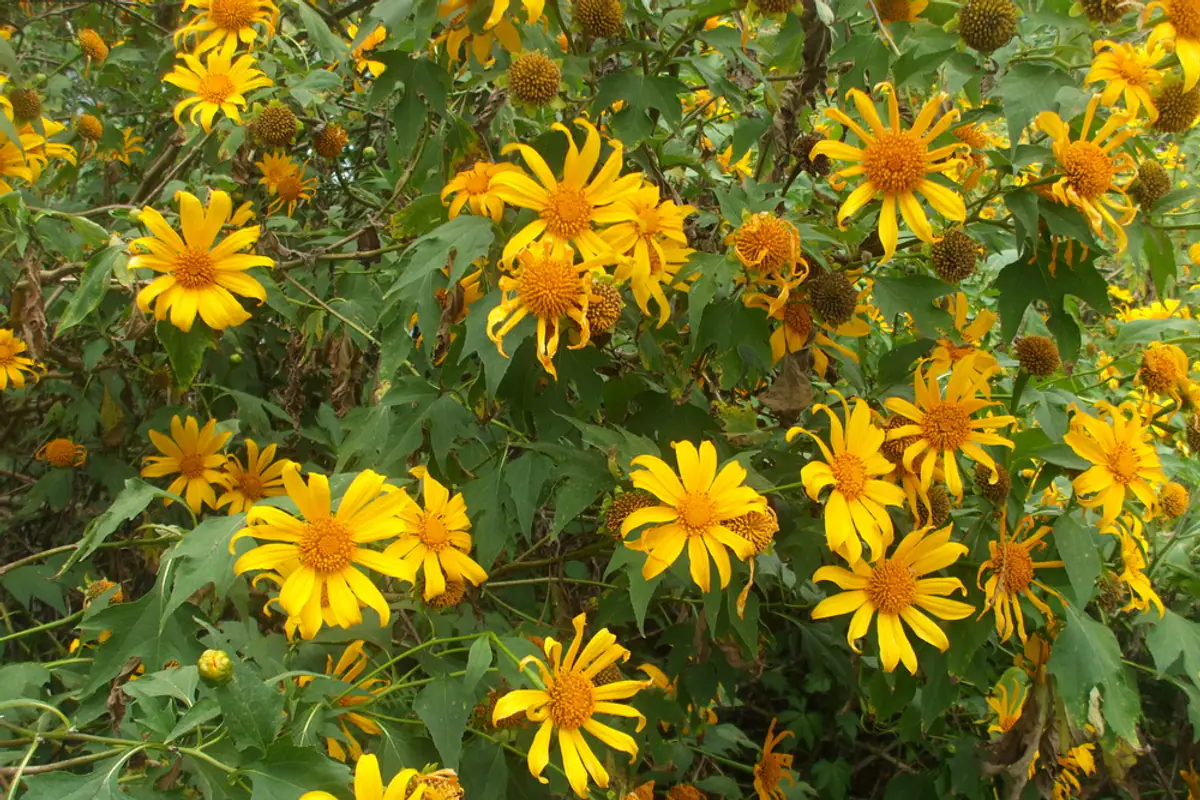
Photo: Bùi Thụy Đào Nguyên
November is popular because Da Lat begins moving toward the dry season while its late-year flower season develops.
Average highs are around 22°C, and average lows are approximately 15°C.
Mornings are chilly, and evenings often call for a sweater or jacket.
Rainfall decreases to approximately 161 mm, considerably lower than in October but still substantial.
Early November may experience lingering rain, while conditions often become more favorable toward the end of the month.
Look for yellow wild sunflowers along countryside roads, visit persimmon gardens, and photograph misty pine-covered landscapes.
In early November 2026, wild sunflowers were entering their attractive blooming period, together with persimmon gardens and late-year mist.
However, visiting in November does not guarantee a cloud sea.
Cloud hunting remains highly dependent on the weather on the particular morning.
What to wear: A thin sweater, windproof jacket, long trousers, closed-toe shoes, and a compact raincoat.
December: Chilly mornings and beautiful late-year scenery
High 21°C, low 14°C, rain 102 mm
Da Lat's average December high is approximately 21°C, while the average low is around 14°C.
By long-term averages it is one of the coldest months.
Sunshine can make walking comfortable during the day, but temperatures drop after sunset. Open areas and hilltops feel chilly early in the morning.
Average rainfall is approximately 102 mm, noticeably lower than between September and November, though still higher than in January, February, and March.
December is attractive because it combines several experiences: cool evening walks, late-season wild sunflowers, misty mornings, sunrise viewpoints, and possibly the first cherry blossoms.
Da Lat has two separate flower seasons.
Wild sunflowers usually bloom from late October through December. Cherry blossoms generally begin appearing in late December and may continue into February, depending on the weather.
If you are traveling around Christmas or New Year, book accommodation early because visitor demand may increase.
For outdoor activities, continue checking rainfall forecasts and visibility conditions.
What to wear: A sweater, warm jacket, light scarf, long trousers, and closed-toe shoes. Bring thermal clothing if you get cold easily or plan to go cloud hunting before sunrise.
When is the best time for cloud hunting in Da Lat?
Cloud hunting is one of the reasons many travelers choose Da Lat toward the end of the year.
However, choosing the right month only improves the possibility of favorable conditions. It does not guarantee a beautiful cloud sea.
Late-year and early-year mornings are popular with cloud hunters.
Cool nights, humidity, and changing temperatures can help create low clouds or fog in valleys.
Still, fog and a cloud sea are not the same viewing experience.
Standing inside dense fog may leave you with almost no visibility. To see a cloud sea, you need a suitable elevated viewpoint with clouds below you and reasonably clear visibility above them.
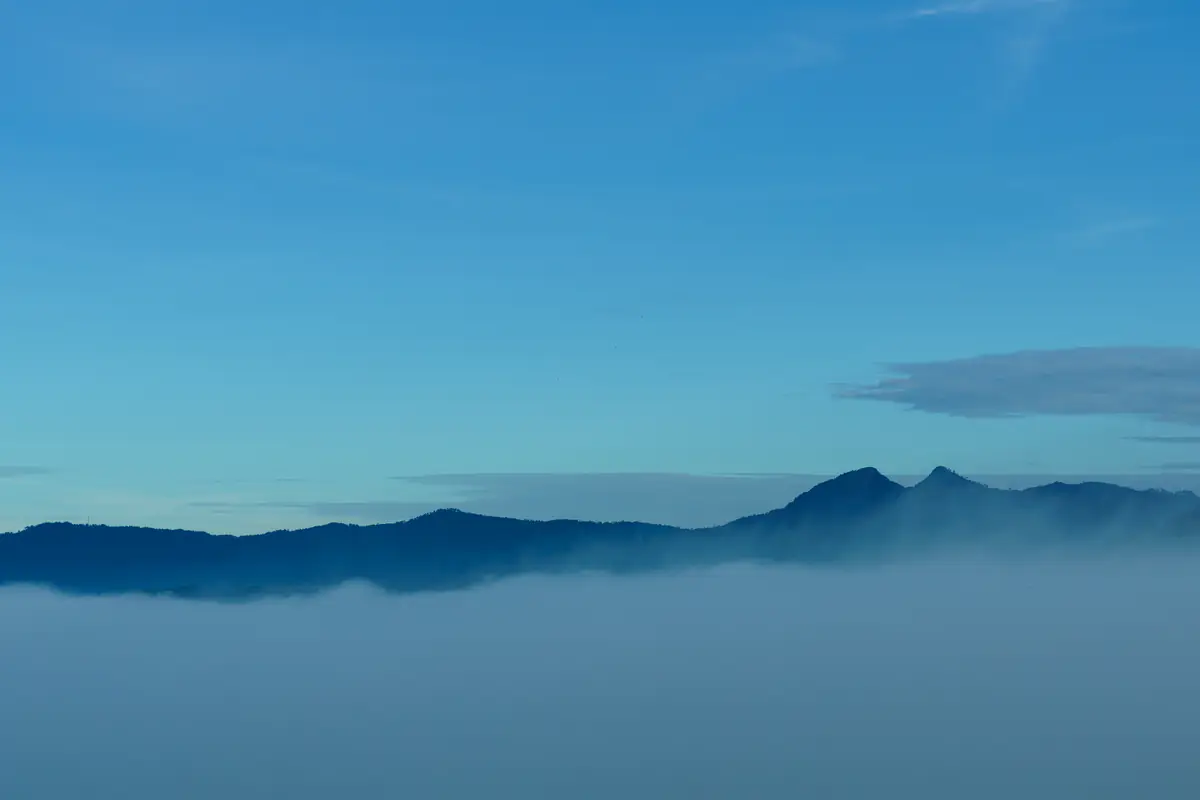
Photo: Anh Khoa
Fog can also occur frequently in Da Lat from February to May. It would therefore be inaccurate to suggest that mist only appears in November or December.
What time should you go cloud hunting?
Around 5:30 AM to 7 AM is a useful window for sunrise scenery and low clouds.
If you want to arrive before sunrise, calculate your journey time from your accommodation and check the actual sunrise time for your travel date.
The Cau Dat tea-growing area is a popular countryside destination for early-morning views.
It is roughly 25-30 km from central Da Lat, depending on your exact starting point and destination.
Check road conditions, weather, and access arrangements before leaving. Do not assume that every nearby hill, trail, or private property is open to visitors.
Three conditions are worth considering:
- The previous night was humid, without prolonged heavy rainfall.
- Low clouds or fog are present in valleys, while the chosen viewpoint still has adequate visibility.
- Winds are not so strong that the clouds quickly disperse.
These are general indicators, not guarantees.
Ordinary weather forecasts cannot reliably promise a beautiful cloud sea at a particular viewpoint.
Which month is best for flowers in Da Lat?
Da Lat has cultivated flowers throughout the year, but several seasonal displays are especially worth planning around.
Wild sunflowers: Late October to December
Wild sunflowers, called hoa dã quỳ in Vietnamese, grow in large clusters along roadsides, hillsides, and countryside areas.
They usually begin flowering toward the end of October, reach an attractive stage during November, and may continue into December.
Their bright yellow flowers photograph best in sunny weather.
After prolonged rainfall, flowers may look less vibrant, and dirt tracks around hillsides can be slippery.
You will not see every wild sunflower spot in one day.
Choose one countryside route and combine the flower stops with other nearby attractions.
Cherry blossoms: Late December to February
Da Lat's cherry blossoms, known locally as mai anh đào, are among the city's most recognizable early-year sights.
The pink flowers appear on roadside trees, near residential areas, and on hillsides.
Their flowering time varies between the city center and the surrounding countryside.
The area around Xuan Huong Lake has cherry blossom trees that attract visitors during the blooming season.
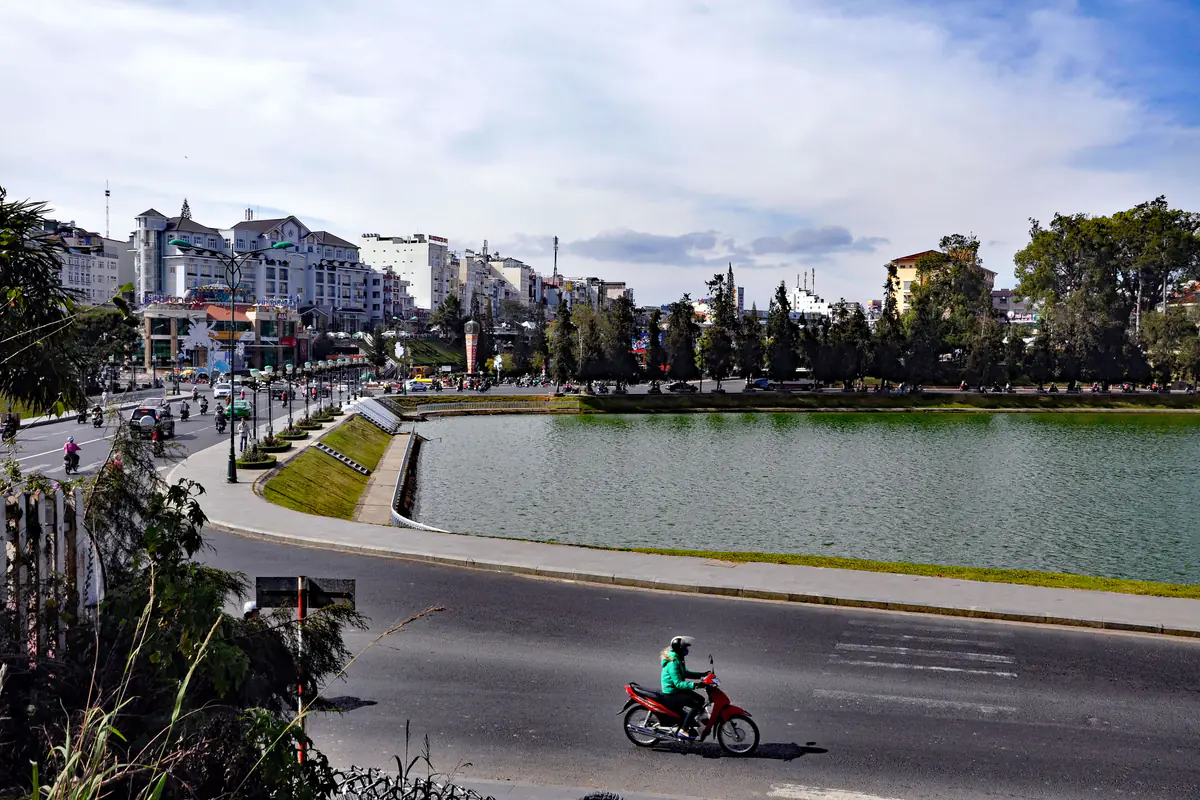
Photo: P. Hughes
You can combine a morning walk and photography without dedicating an entire day to a single location.
For photography, approximately 7-9 AM or 3-5 PM generally offers softer light than midday.
However, avoid booking an entire trip based on an estimated blooming date.
The season can shift by several weeks from year to year.
Hydrangeas and cultivated flower gardens
Hydrangeas, roses, and numerous other flowers are cultivated in Da Lat under conditions maintained by individual gardens.
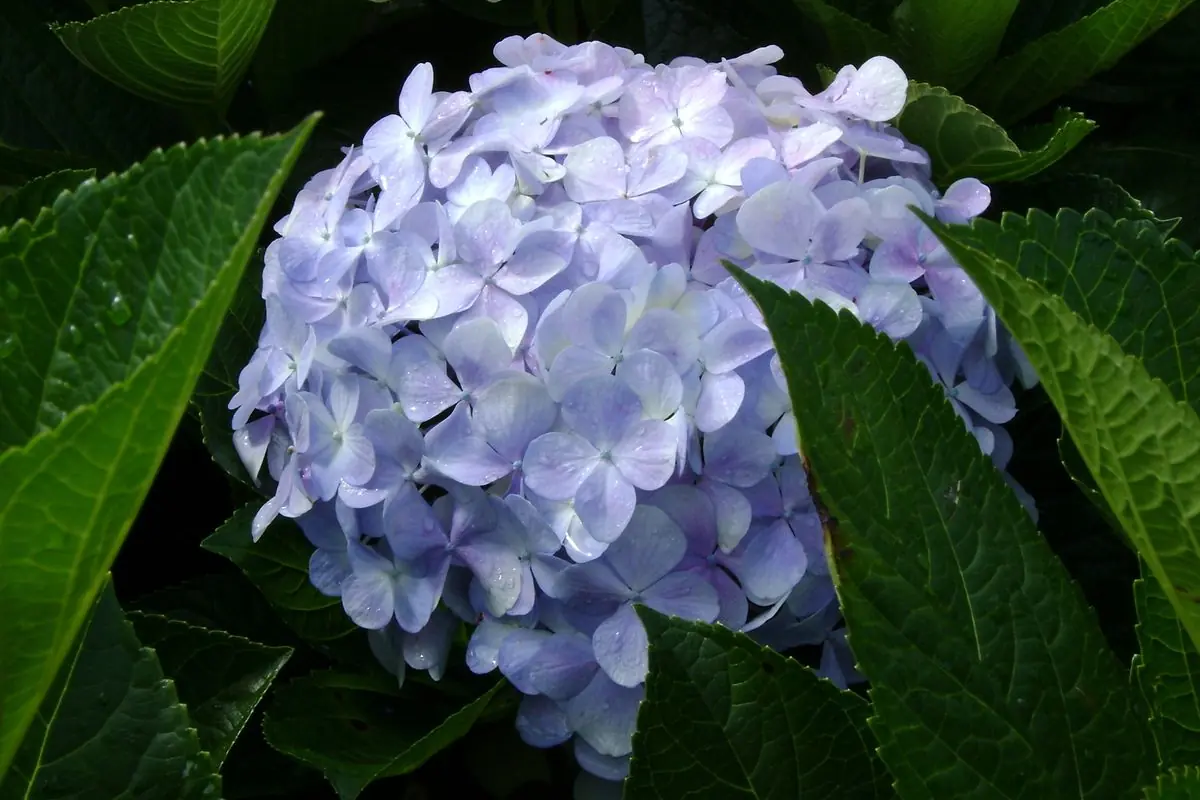
Photo: Nguyễn Tấn Phát
Flowers may be available throughout different parts of the year, but the number of blooms, garden appearance, and opening arrangements vary.
For a commercial flower garden, check recent photographs, opening hours, and ticket prices published by the operator.
You do not need to select one particular month just to see cultivated flowers.
What to wear in Da Lat: stay warm in the morning without overheating at noon
Many visitors prepare for Da Lat by packing mostly thick sweaters.
Once there, they find themselves too warm while walking in midday sunshine, yet still uncomfortable when temperatures fall after sunset.
Wear several light layers you can remove or add through the day.
December to February
Plan around the chilly mornings and nights in this period.
A practical outfit includes a T-shirt or thin thermal base layer, a sweater or fleece, and an outer jacket.
During a sunny afternoon, you can remove the jacket.
For evening walks, two lighter layers are often more useful than relying on one extremely heavy sweater.
Travelers who get cold easily, young children, and people planning sunrise activities may need an additional scarf or windproof layer.
March and April
Daytime temperatures are warmer, particularly when walking in direct sunshine.
Heavy knitwear is only for mornings and evenings.
A T-shirt, light shirt, or thin long-sleeved top with a lightweight jacket is usually more convenient.
In April, add a raincoat because afternoon showers and thunderstorms become more likely.
May to October
Keeping yourself dry is more important than packing large amounts of warm clothing.
Prioritize quick-drying fabrics, a lightweight waterproof jacket, and shoes with good traction.
A raincoat that covers both you and your backpack is useful when walking in the rain.
Avoid relying entirely on thick canvas shoes, slow-drying jeans, or a single pair of socks.
November
November requires preparation for both lingering rainy-season weather and cooler dry-season temperatures.
A windproof jacket with some water resistance is often more practical than a very heavy sweater.
Bring an additional warm layer for evenings and early mornings.
Packing list for a 3-day, 2-night Da Lat trip
For an ordinary short holiday, consider packing:
- Three daytime tops made from comfortable fabrics.
- Two pairs of long trousers, including one suitable for walking.
- One sweater or fleece.
- One jacket appropriate for the season.
- One set of sleepwear.
- One pair of comfortable walking shoes with good traction.
- Spare socks, a compact raincoat, and a waterproof bag.
- A hat, sunglasses, sunscreen, and personal essentials.
In the colder months, add a thermal layer.
During the rainy season, prioritize spare clothing and socks rather than bringing several heavy sweaters.
How cold does Da Lat get in the morning and at night?
The highest temperature shown on a weather app is not enough to judge what you should wear.
In January, for example, the average high is approximately 23°C, but the average low is around 13°C.
That difference is large enough to make your daytime and evening clothing needs quite different.
5 AM to 7 AM
This is often among the coldest periods of the day, particularly during the dry season.
Open hillsides and windy areas may feel colder than the temperature displayed on your phone.
If you are heading out for sunrise photography, walking, or traveling by motorbike, wear a windproof jacket and closed-toe shoes.
9 AM to 3 PM
Temperatures become more comfortable as the sun rises.
During the dry season, a thin long-sleeved shirt or light top may be sufficient.
In February and March, remember to use sunscreen and drink water if you will be walking under the sun for several hours.
Outdoor sightseeing is easy at these hours, although midday sunlight is not always ideal for portrait photography.
5 PM to 10 PM
Temperatures begin dropping after sunset.
During the dry season, you may feel cold quite quickly when sitting outdoors for a long time.
If you are going out for dinner, an evening walk, or sightseeing, take your jacket when leaving your hotel.
Between December and February, a very thin jacket may not provide enough warmth for people who are sensitive to cold.
Can temperatures in Da Lat fall below 10°C?
Yes. During some cold spells, temperatures can fall below 10°C.
However, this is not the normal temperature every night.
Do not base your entire packing list on exceptional cold-weather reports.
Instead, check the forecast minimum temperature for your travel dates and consider wind, rainfall, and the location of your accommodation.
Choosing the best month based on your travel itinerary
The best month also depends on how you plan to spend your time in Da Lat.
A 2-day, 1-night trip
For a short visit, January to March is generally the most convenient period.
Lower rainfall improves your chances of making good use of both mornings and much of the daytime.
Spend your first day exploring central Da Lat, eating local food, and taking photographs.
On the second day, choose one main outdoor activity before returning.
Avoid packing too many distant attractions into your itinerary, as travel time can easily take up much of a short trip.
A 3-day, 2-night trip
November to March offers several worthwhile options.
November and December are appealing for wild sunflowers, seasonal scenery, and cloud hunting.
January to March is better for a sightseeing-heavy itinerary when you want fewer rain-related changes.
For a three-day trip, schedule your most weather-dependent activity on a morning with a favorable forecast.
Leave indoor attractions or less weather-sensitive activities for a flexible part of the itinerary.
A relaxing holiday with minimal sightseeing
Da Lat can be enjoyable at any time of year, including the rainy season.
May to August offers cool temperatures, lush scenery, and plenty of opportunities to spend time in cafés or at your accommodation.
The most important practical consideration is access to your hotel or homestay.
Check the route carefully, especially if it involves steep slopes, narrow roads, or dirt tracks outside the city center.
Trekking, hiking, and camping
The dry season is the better choice, especially January to March.
Rain can make dirt tracks slippery, water levels in streams may rise quickly, and fog can reduce visibility.
Even in the dry season, you should check forecasts, trail conditions, access restrictions, and the safety of the planned route.
Do not enter restricted forests, closed areas, or places where tourism access is not permitted.
If heavy rain, thunderstorms, flash floods, or landslides are forecast or officially warned about, postpone your outdoor activity.
How to plan a day in Da Lat around the weather
You do not need to visit as many attractions as possible to enjoy Da Lat.
Because temperatures and weather conditions can change noticeably between morning, afternoon, and evening, choosing the right times can make your day considerably more comfortable.
A typical dry-season day
- 5:30-7 AM
Early start for clouds
Sunrise, misty scenery, or cloud hunting for early risers. Only proceed when visibility and road conditions are safe.
- 7-9 AM
Breakfast and a walk
Breakfast, a morning walk, or photography while the light is still soft.
- 9-11:30 AM
Outdoor sightseeing
Activities that require good visibility are comfortable now, without the coldest early-morning temperatures.
- 12-2 PM
Lunch and a break
Lunch and a short break. Skip long walks under the midday sun.
- 2-5 PM
One more stop
Visit another attraction or enjoy late-afternoon photography.
- After 6 PM
Dinner and a stroll
Dinner and an evening walk in town. Bring a jacket as the temperature falls.
These are suggested times rather than a fixed schedule.
Sunrise and sunset change throughout the year, and individual attractions have their own opening hours.
A typical rainy-season day
- 7-10 AM
Outdoors in the morning
During the rainy season, mornings may offer better opportunities for outdoor activities, but you should still follow the forecast rather than assume every morning will be dry. You might go sightseeing between 7 AM and 10 AM, have lunch, and then decide whether to continue outdoors in the afternoon.
- Afternoon
Go indoors when it rains
Keep indoor activities available for rainy periods.
- Storm warning
Drop a stop
Do not force yourself to complete every planned stop when thunderstorms develop. Skipping one attraction is often more sensible than traveling across several slippery hillsides in dangerous weather.
Common mistakes when checking Da Lat's weather forecast
A rain symbol does not mean it will rain all day
Daily forecasts often indicate the possibility of rainfall at some point during the day.
A day marked with a rain symbol may still begin with sunshine, or rain may only last for a few hours.
The hourly forecast shows when rain is more likely.
Likewise, a forecast showing no rain does not completely rule out an unexpected shower.
A temperature of 20°C does not mean it stays at 20°C
The temperature you see when you open a weather app says little about the whole day.
For packing, look at the forecast high, low, and feels-like temperature at the times you intend to be outdoors.
If you plan to leave before sunrise, the minimum temperature is more useful than the daily average.
November is not always completely dry
The dry season generally begins around November, but some years experience prolonged rainfall.
Be particularly careful with trips planned for early November.
Travelers who want more consistently dry conditions may prefer January or February.
December does not guarantee cherry blossoms
Cherry blossom timing depends on weather conditions and location.
Some years, flowers appear in late December. In others, the most impressive blooming may not occur until January or February.
Avoid booking a trip solely based on the previous year's flowering dates.
Weather in the city center may differ from the countryside
Da Lat's hilly terrain creates differences in weather between nearby areas.
The city center may be relatively clear while higher elevations experience fog, low clouds, or rainfall.
Before traveling outside the city, check the forecast for your actual destination rather than relying on a single general forecast for Da Lat.
How to check the weather before your Da Lat trip
After choosing your travel month, continue monitoring the forecast as your departure approaches.
- 7 days before
Look at the trend
Check general temperature trends, rainfall possibilities, and unusual weather conditions. Prepare a preliminary packing list now, but detailed hourly forecasts may still change.
- 2-3 days before
Read the hourly forecast
Review the hourly forecast, especially for mornings when you plan to travel outside the city, go cloud hunting, or participate in outdoor activities.
- Evening before
Decide the morning plan
Check minimum temperatures, rainfall, wind, fog, and official weather warnings. Decide whether an early-morning activity should proceed or be replaced with something else.
- Departure morning
Look outside
Check actual conditions again. Dense fog, heavy rainfall, or slippery roads may make a route unsuitable even if earlier forecasts seemed favorable.
Travelers searching for Da Lat weather by month or best time to visit Dalat should also distinguish climate averages from daily weather forecasts.
Historical climate data helps you choose the right season. Short-term forecasts are more useful for deciding what to do on a particular day.
Which month should you choose for your next Da Lat trip?
For a first visit with plenty of sightseeing, February is an excellent choice. It generally offers little rain, comfortable temperatures, and conditions that are favorable for outdoor activities.
March is a good alternative if you prefer warmer afternoons while still benefiting from the dry season.
December is worth choosing if you enjoy cold mornings, late-year scenery, and want to combine cloud hunting with seasonal flowers. Just be prepared for a greater chance of rain than in January, February, or March.
November works well for travelers who prioritize wild sunflowers and persimmon gardens, although a flexible schedule remains important.
May to August is better suited to relaxing holidays, cafés, and green scenery.
September and October require more careful planning if trekking, camping, or other weather-dependent outdoor activities are your main priorities.
Once you have selected a suitable month, open your calendar and mark three or four possible travel dates. Before finalizing your packing list, check the forecast minimum temperatures and rainfall for those days.
FAQ
What Is the Best Month to Visit Da Lat?
January to March is generally the best period for outdoor sightseeing because rainfall is relatively low, sunshine is more common, and temperatures are comfortable. December is also attractive for travelers who enjoy chilly weather and seasonal scenery. February is typically the driest month according to the 1991-2020 climate averages.
Is Da Lat Rainy in November?
Yes, rain is still possible in November. Although rainfall decreases compared with September and October, November is a transitional month, and wet weather may continue. Average temperatures range from approximately 15°C to 22°C. Late November is often more favorable for outdoor activities than early November.
How Cold Is Da Lat in December?
December has an average high of approximately 21°C and an average low of around 14°C. Early mornings and nights can be colder, particularly in windy areas. Pack a sweater, a warm jacket, and closed-toe shoes, especially if you plan to go outside before sunrise.
What Should I Wear in Da Lat During the Dry and Rainy Seasons?
During the dry season, wear layers such as a T-shirt or thin thermal top, sweater, and jacket so you can adjust to changing temperatures. During the rainy season, prioritize quick-drying clothes, a raincoat, shoes with good grip, and spare clothing. Heavy winter clothing is generally less necessary between May and October.
When Is the Best Time for Cloud Hunting and Flowers in Da Lat?
Wild sunflowers usually bloom from late October through December, while cherry blossoms generally appear between late December and February. Cloud hunting is possible at different times of the year, but success depends on clouds, wind, visibility, and local conditions. No month guarantees a cloud sea.
Related posts
Places
7 Things to Do in Da Lat (Đà Lạt) Without Crossing Town All Day
Seven options for a stay with time to walk, eat, and stop for coffee.
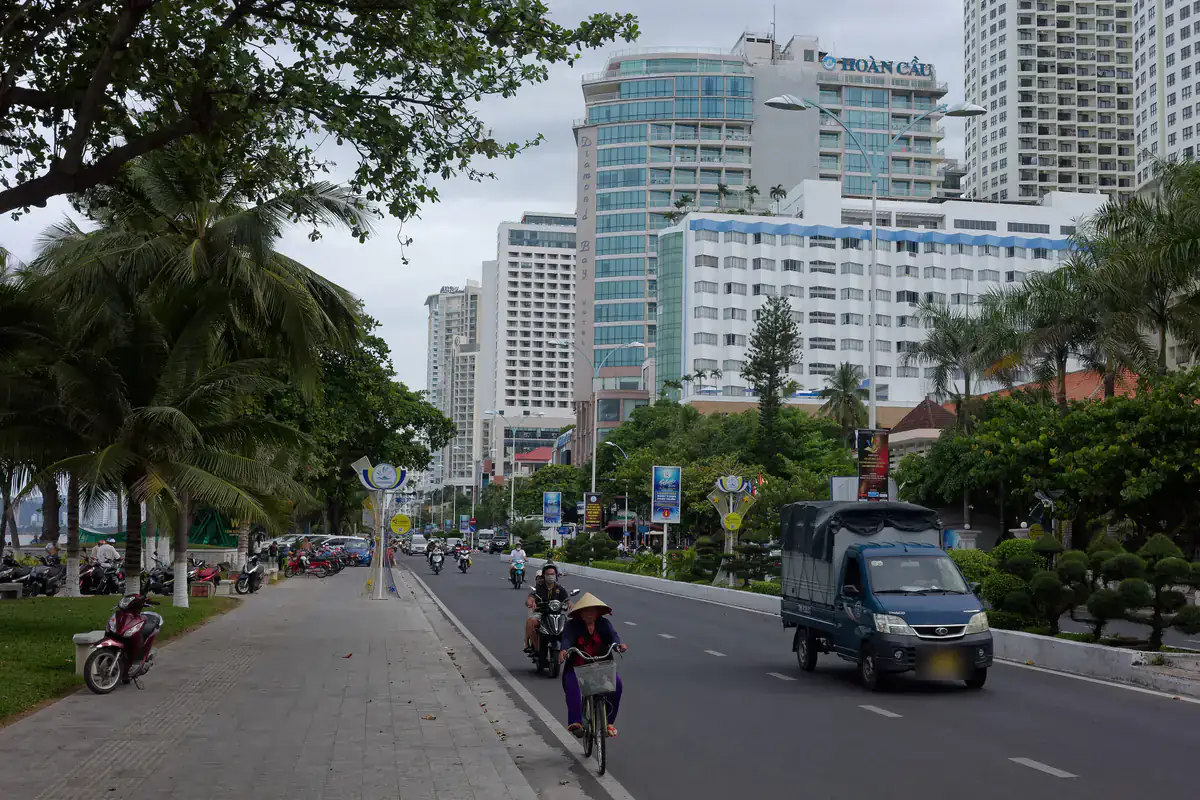
Guides
Why is walking to Nha Trang Beach sometimes faster than taking Grab?
A practical guide to walking, Grab and taxis for everyday trips around Nha Trang.
Guides
Choose the best Nha Trang to Da Lat bus, limousine or private car
Compare transport options, check Khanh Le Pass conditions and plan a safer journey between Nha Trang and Da Lat.