Which Month Suits Your Trip to Hanoi (Hà Nội)?
October and November make walking easier but do not guarantee dry days; summer needs different hours, while winter calls for warmer layers.
Written by Tụi mình mê biểnUpdated
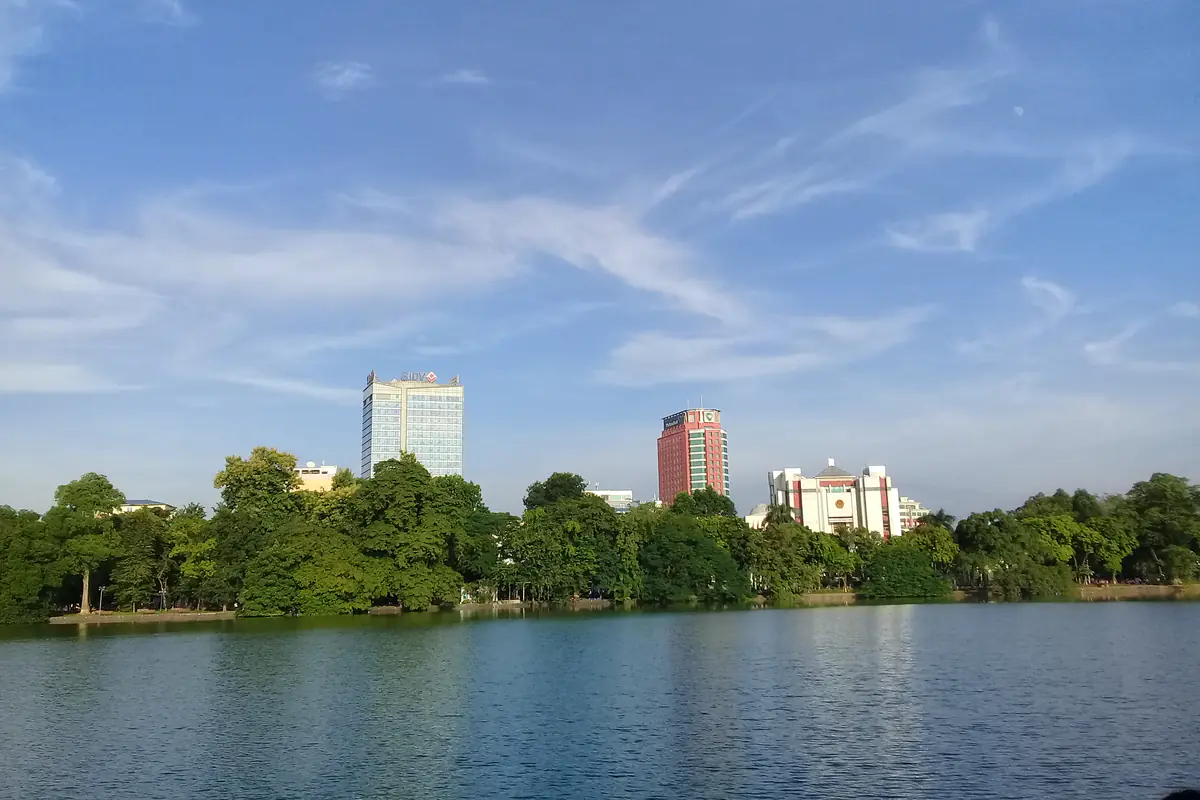
Photo: Trung geo
A window-side table in Hanoi can call for a jacket one morning and shade from the heat on another trip. The seasons change enough to affect how you spend the day, rather than just what you wear. We favor October and November for a walking-heavy visit, with late March and April as another option if you are comfortable with humidity and possible rain.
Read temperature and rainfall together
The table uses climate averages for 1991-2020. Temperatures are the mean daily minimum and maximum for each month, not a guaranteed range for your visit. Rainfall is the average monthly total. A relatively dry month can still contain a wet day, and a rainy month can include useful breaks for exploring.
| Month | Average daily low - high | Monthly rain |
|---|---|---|
| January | 14.6-20.0°C | 28 mm |
| February | 16.2-21.3°C | 19 mm |
| March | 18.7-23.5°C | 55 mm |
| April | 21.9-27.7°C | 79 mm |
| May | 24.5-31.7°C | 188 mm |
| June | 26.3-33.8°C | 231 mm |
| July | 26.5-33.3°C | 300 mm |
| August | 25.8-32.5°C | 335 mm |
| September | 24.7-31.6°C | 195 mm |
| October | 22.4-29.6°C | 126 mm |
| November | 19.2-26.3°C | 48 mm |
| December | 15.4-22.1°C | 24 mm |
For long periods outdoors, consider both columns instead of choosing the lowest temperature. February’s small rainfall total does not guarantee bright skies. October still receives substantial rain despite being more comfortable than the hottest part of summer. We use the figures to select a general season, then plan each outing from a current forecast.
Our first choice for walking
October and November are the months we would first consider for a trip with relatives. Less intense heat makes it easier to combine a visitor attraction, lunch, and a walk around the lake. Choose accommodation convenient for your daily route and retain a museum or cafe afternoon that can move when rain changes the plan.
We prefer the more demanding stop in the morning and a looser afternoon. A favorable month is not a reason to fill every hour. Older travelers still need places to sit, toilets, and a pace set by the group. A light extra layer is easier to carry than making an unexpected return to the hotel when the wind changes.
Winter can feel colder than the average suggests
December through February calls for warm layers you can adjust between days. A cold spell can make outdoor conditions quite different from a monthly average. Check the forecast while packing, particularly with young children or an onward mountain journey. A warm southern arrival is not a reliable guide to what you will need after flying north.
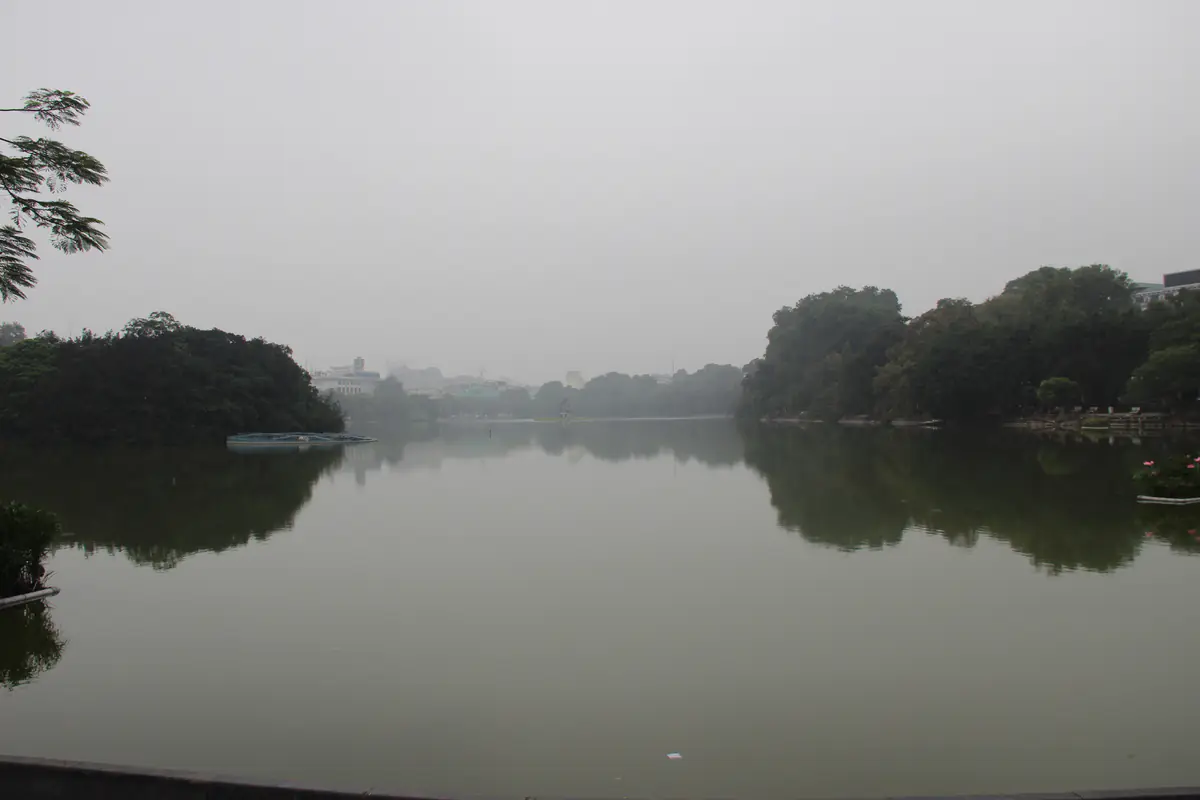
Photo: Gary Todd
Ask the accommodation about heating, hot water, and windows. An air-conditioning unit does not necessarily provide heat. After a cold, damp day, a dry room and dependable shower matter more than elaborate decoration. We would confirm these practical details before choosing a room solely from photographs.
A visit to Sa Pa or Ha Giang (Hà Giang) needs a separate packing decision; Hanoi’s figures cannot represent a different elevation. If the trip overlaps the lunar holiday, check meals and transport as well. Preparing for travel during Tet (Tết) should come before committing to a room you cannot cancel.
Think about shoes and the room as well as an umbrella
The local term nom (nồm) describes humid conditions in which moisture condenses on cool surfaces. Floors and belongings can feel damp. We favor shoes with grip, quick-drying clothes, and a property that can manage room humidity. Ask staff how to handle the particular room rather than assume opening every window is always the right approach.
Late March and April suit travelers who want milder conditions and can accept humidity and rain. Pack a compact rain layer, a small towel, and a separate bag for wet items. A second pair of shoes is useful on a longer trip. Keep damp footwear away from the dry clothing you will need the next morning.
Change your hours as well as your clothes
From May, a long midday walk becomes a less appealing plan. We suggest outdoor time early, a shaded or air-conditioned lunch break, and an evening chosen around the forecast. Carry water and take breaks when needed. The strongest walker should not set a pace that leaves everyone else tired before lunch.
Thunderstorms call for proper shelter. Avoid large trees, exposed advertising structures, and low-lying places during heavy rain. Do not walk or ride through floodwater of unknown depth; it hides the surface and other hazards. If heavy-rain or flood warnings affect an excursion route, postpone it instead of searching for an unfamiliar shortcut.

Photo: Nguyen QuocTrung
For a day trip to Ninh Binh (Ninh Bình), check the destination as well as the capital. Light rain outside your hotel does not establish suitable conditions for a boat route or a climb elsewhere. Keep a moveable day for the longer outdoor outing rather than trapping it between nonrefundable reservations.
Dry weather does not settle the air-quality question
Check air quality separately from rainfall. A gray sky alone does not establish the pollution level, while a rain-free morning does not automatically favor hours of outdoor exercise. Travelers with respiratory conditions should discuss suitable activity levels and a plan for poor-air days with their clinician.
We would move longer outdoor activity to a more suitable period and keep an indoor alternative when advisories recommend reducing exposure. A quieter-looking street is not proof of clean air. For the room, ask about smoke, ventilation, and windows that close properly. Choose practical comfort rather than relying on a listing’s general wellness language.
Pack for the actual journey
A Hanoi-only bag differs from one continuing into the mountains and then south to the beach. Choose adaptable layers, familiar walking shoes, and a waterproof pouch for documents. Keep regular medication accessible and discuss an appropriate spare supply with your clinician. Before departure, check the latest forecast and remove items you no longer need; the climate table is only the starting point.
For each day, keep one activity easy to move. That small choice makes changing conditions much simpler to handle without rebuilding the entire vacation.
FAQ
Would you bring a stroller for city walks?
We would choose a compact one and plan the route and rest stops ahead, with a car option when the group needs to stop walking.
Do I need to study every season for a two-night visit?
No. Use the monthly table when choosing dates, then focus on the forecast for your stay and a couple of indoor alternatives.
What room details help with drying clothes?
Ask about hanging space, ventilation, and laundry drying services. A small balcony does not necessarily handle a family’s wet clothing.
Related posts
Weather
Hanoi (Hà Nội) or Phu Quoc (Phú Quốc) for Vietnam in November?
Choose a November region around your main activity and keep weather-dependent connections flexible.
Places
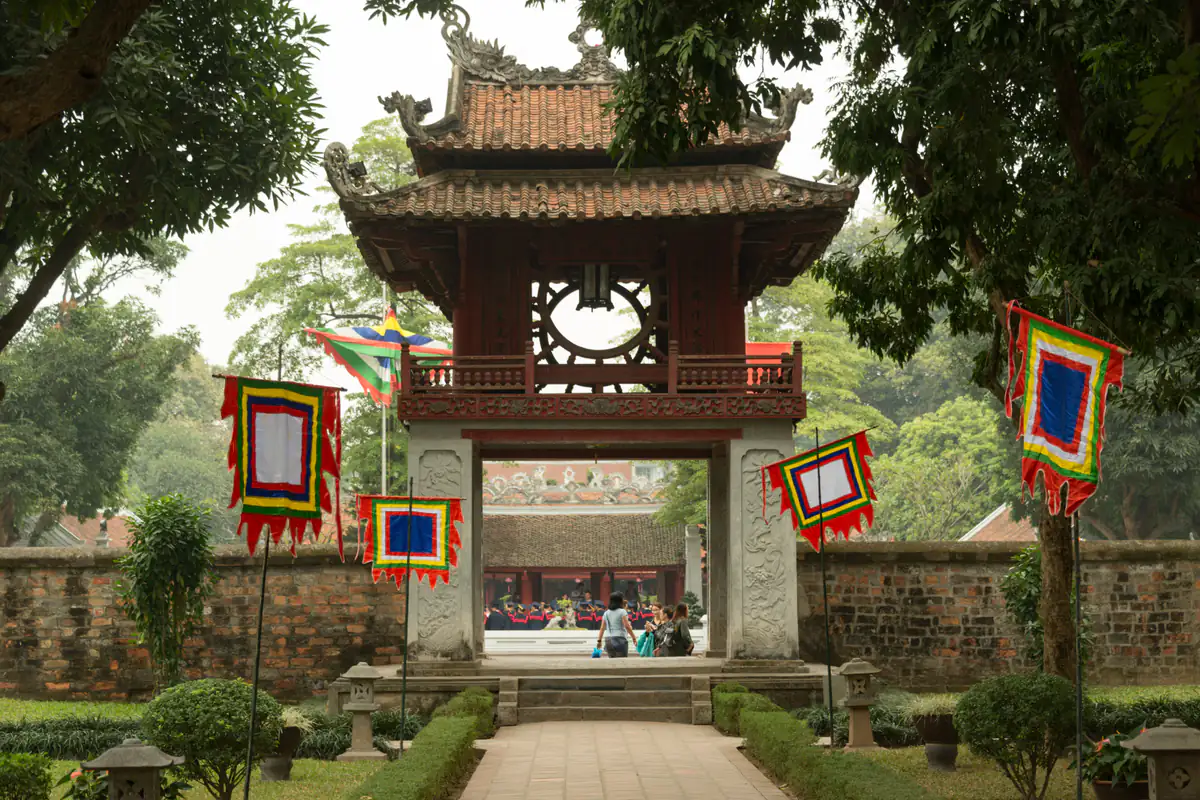
5 Stops at the Temple of Literature (Văn Miếu Quốc Tử Giám), Hanoi (Hà Nội)
Give the buildings and inscriptions your first visit, then consider the evening program separately.
Guides
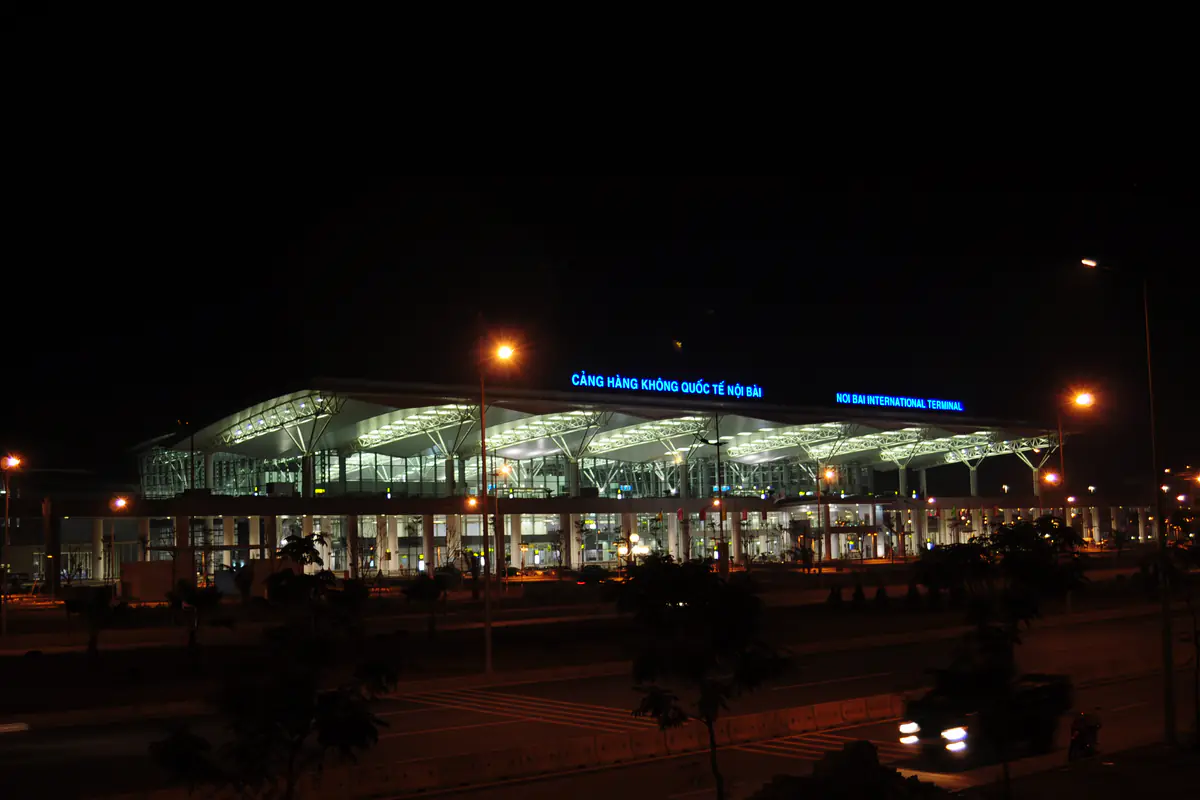
Hanoi (Hà Nội) Airport to Old Quarter: Bus 86 or a Car?
Compare the final connection and luggage handling before choosing your airport ride.