Tet (Tết) in Vietnam: What to Know Before You Travel
One missing return ticket can unsettle the whole trip; we suggest securing both journeys before committing to a room.
Written by Tụi mình mê biểnUpdated
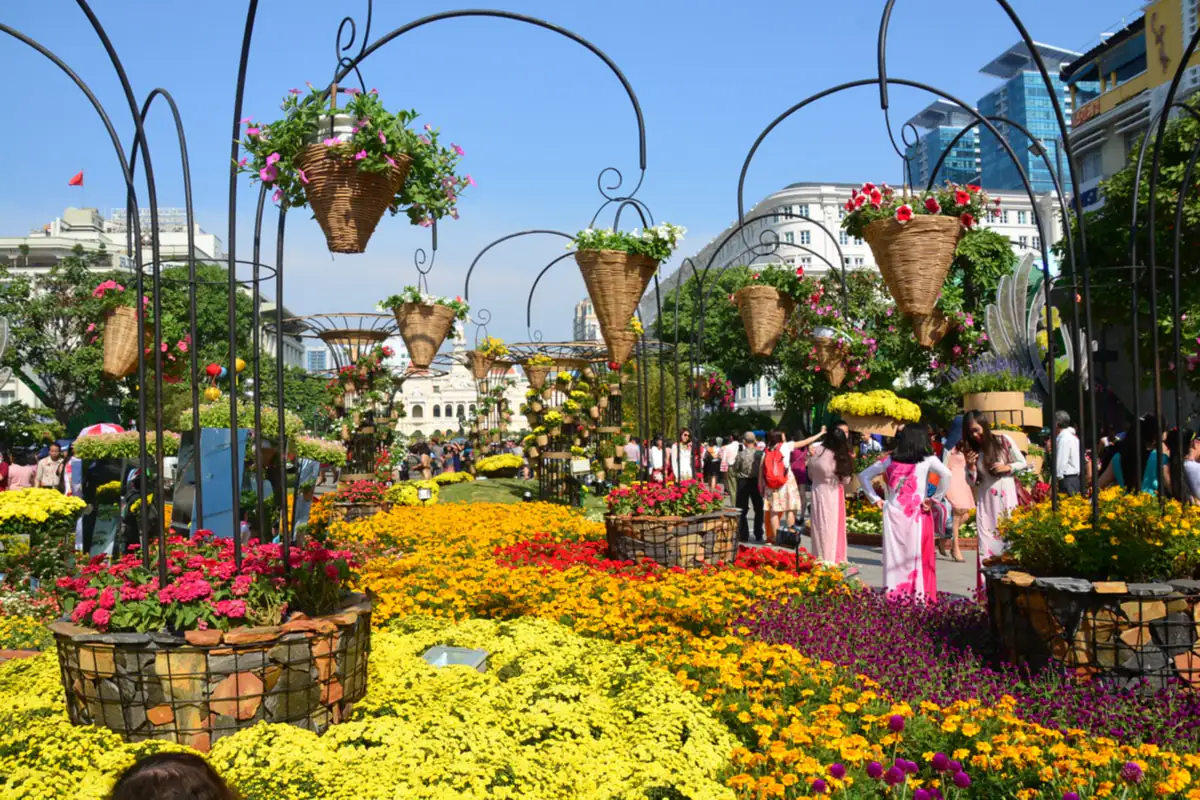
Photo: trungydang
Book the journeys into and out of your destination before committing to the room. Tet changes the practical side of travel: transport needs planning, a familiar restaurant may close, and a hotel package can include charges you would not normally expect. We suggest fewer bases and a little more preparation around meals, rather than trying to keep a normal sightseeing pace.
Start with the holiday you are actually traveling through
The first day of the lunar new year falls on February 6, 2027. That calendar date is distinct from the complete leave arrangements for government offices, individual employers, or schools. Do not assume every business closes for the same stretch. If you are meeting friends or staying with a family, ask when they are available before building plans around them.
The days before New Year, the first days of the holiday, and the return-to-work period can feel quite different. Choose deliberately. If you want family celebrations, remember that much of Tet takes place in private homes. If you want a restful trip, stay somewhere with dependable meals and enough space to enjoy a quiet day without arranging an excursion.
We would avoid booking a nonrefundable room based only on a proposed public-holiday schedule. For your own departure, use the date on your confirmed ticket and allow room for getting to the terminal. An international flight is a poor deadline to squeeze against the end of a busy domestic travel day.
Compare the whole journey
For flights, add baggage, airport transfers, and inconvenient arrival hours to the fare. A cheaper flight landing late at night may be less appealing with children or older relatives. If you book separate connecting tickets, understand who is responsible when the first flight changes. We prefer a simpler route over a small saving that depends on every connection working perfectly.
For rail journeys, check the departure station, arrival station, date, and accommodation type. An overnight train can arrive on a different calendar day from the one shown most prominently during booking. Make sure each passenger’s name matches the identification they will carry. Keep the ticket available offline and share a readable copy with anyone traveling separately.
Holiday changes and refunds can have different terms from ordinary travel. Read the conditions attached to your actual ticket instead of assuming last year’s arrangement applies. Book through the operator’s official channel when possible, and keep the booking reference somewhere other than a single email inbox. If you need help at a station, having the reference and passenger details ready makes the conversation easier.
Photo: Anhchangeden
Ask what the family will pay in total
Request the final price for your exact dates and party. Ask about extra beds, children’s breakfasts, compulsory meals, parking, and amounts payable on arrival. A room rate alone is not enough to compare two properties. If the offer includes a special dinner, find out whether you can decline it and what dietary arrangements are available.
For several generations traveling together, an elevator and an easy entrance matter more than a photogenic staircase. A rented house needs a clear key handover and a reachable contact throughout your stay. Ask who can help if something fails during the holiday, especially when the owner lives elsewhere. Save the property pin and the host’s number before arrival.
Keep written cancellation terms, the deposit amount, and the identity of the recipient. The habits involved in checking a room or tour before paying a deposit apply beyond Nha Trang. A message pressing you to transfer money quickly is a reason to finish the checks calmly, not abandon them.
Have a plan for the first full day
There is no single Tet opening schedule for restaurants, markets, and visitor attractions. Confirm directly with the places you need. Map listings and last year’s holiday posts are not enough for a meal you are relying on. We suggest identifying breakfast, one main meal, and a nearby shop before you arrive, particularly if your accommodation does not serve food.
Carry something simple to eat on arrival. Travelers with prescribed medication should bring the supply they need and discuss any contingency with their clinician. Snacks alone are a weak meal plan for children or anyone with dietary requirements. Tell the hotel in advance if you need food at a particular time rather than expecting an improvised solution after check-in.
A bank branch being closed is different from every card, ATM, or banking app being unavailable. Bring a sensible cash reserve, split it between safe places, and retain another payment method. Test your card PIN and access to your banking app before traveling. Keep your own phone and cards under your control when someone offers to help with a transaction.
Choose a pace before choosing a crowd
For a break, stay several nights in one place with meals and short walks nearby. For public celebrations, choose an announced flower display or cultural event and give it a dedicated outing. Do not assume a major city will be uniformly empty or every resort town uniformly crowded. The neighborhood, the date, and the specific event make the useful difference.
If you are comparing Tet with a December vacation in Vietnam, treat them as separate planning periods. Christmas and the Gregorian New Year do not tell you which small businesses will close for the lunar holiday. Start with the weather and travel style you want, then investigate the services required to support it.
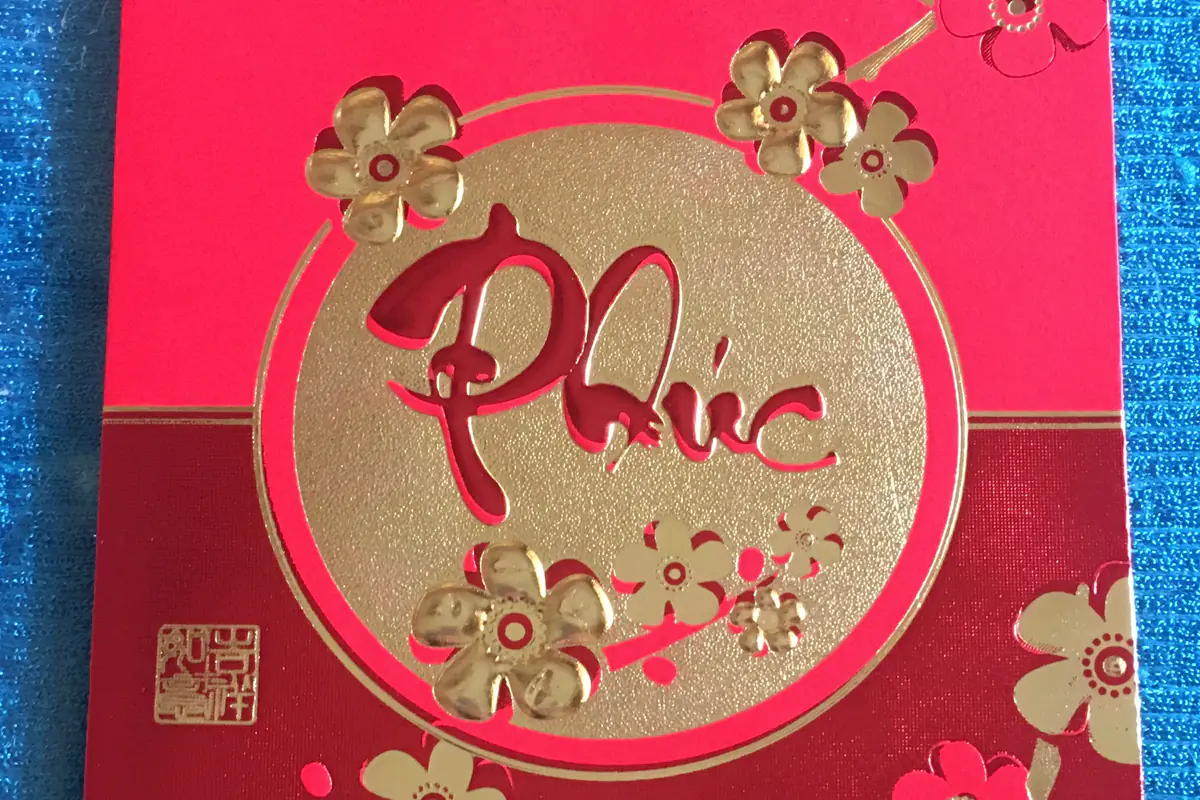
Photo: Biheo2812
Be considerate without overcomplicating an invitation
If invited to a home, ask about timing and follow the host’s lead at the entrance. Greet older family members first. Lucky money is a gesture of goodwill, rather than a bill every visitor must pay. You can politely decline food or alcohol without making a long explanation. A warm refusal is better than accepting something that puts your health or journey at risk.
Dress modestly at temples, keep voices down, and give worshippers space. Ask before photographing people. Do not buy or set off fireworks without checking the applicable legal conditions with the relevant authorities. Drivers should avoid alcohol entirely. When planning the evening, agree on a return meeting point before separating; a crowded celebration is an awkward place to discover that nobody has saved the address.
FAQ
How should a large family split expenses?
Agree on shared transport and room costs, personal spending, and one person keeping the record before payments begin.
Can I send a gift to the hotel ahead of arrival?
Do so only after the property agrees to receive it and confirms the recipient details and suitable storage.
What should I check before bringing a pet?
Ask both accommodation and transport providers about the actual animal, fees, permitted areas, and required documents before paying.
Related posts
Places
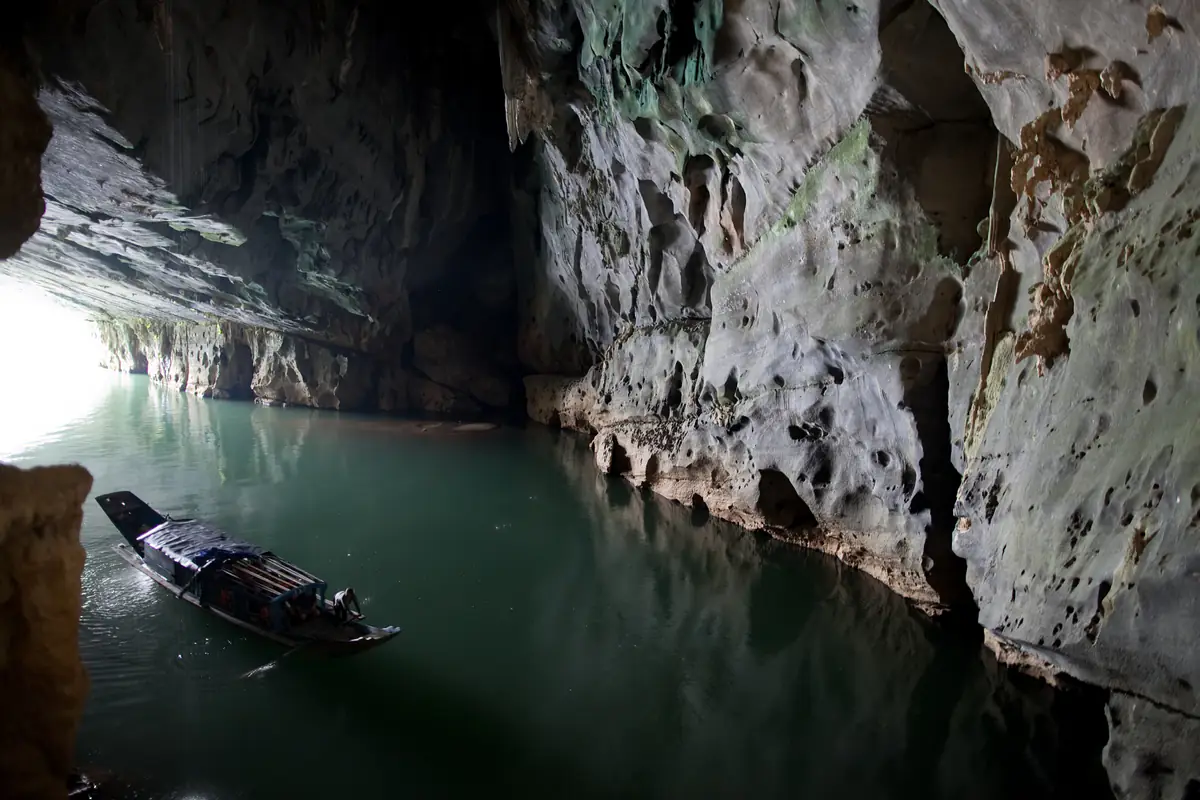
Phong Nha Caves: What to Know Before You Go
Compare a boat cave, a walking cave, and guided adventures before choosing the length of your stay.
Guides
Vietnam Visa: Entry Rules to Know Before You Travel
Settle the passport, travel dates and number of entries before applying.
Road trips
Hoi An (Hội An) to Nha Trang: What to Know Before You Go
Decide whether to change transport in Da Nang or leave directly from Hoi An before buying the long-distance ticket.