Best time to visit Vietnam: a 12-month guide to every region
All 12 months offer somewhere worth visiting in Vietnam, but the best weather arrives at different times in each region. Use this month-by-month guide to choose where to go, especially when your travel dates are already fixed.
Written by Tụi mình mê biểnUpdated
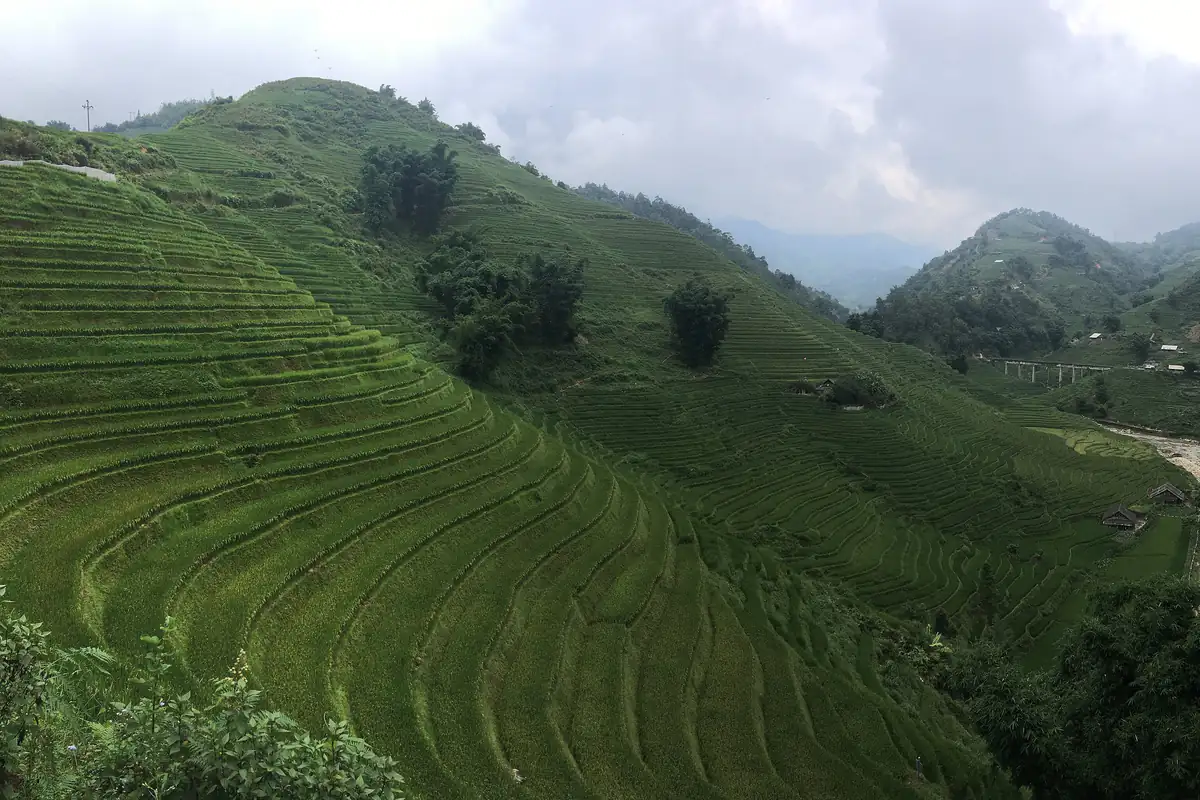
Photo: Christophe95
In March, you can walk around Hoan Kiem Lake in Hanoi, visit Hoi An as the weather turns drier, and finish your trip on the beaches of Phu Quoc. Move that same itinerary to October, however, and you may find pleasant weather in Hanoi but heavy rain in Hoi An. March and early April offer the best overall balance for a trip across Vietnam, although individual regions can be excellent at other times of the year.
What is the best month to visit Vietnam?
There is no single perfect month for the entire country. Northern, central and southern Vietnam have different climates, so one region can be enjoying its dry season while another is experiencing heavy rain.
For a quick decision, start with these general travel windows.
| Region | Best months to visit | Weather to watch for |
|---|---|---|
| Hanoi, Ninh Binh and northern Vietnam | March-April and September-November | December-February can be cold and drizzly; June-August is hot and rainy |
| Sapa, Ha Giang and northern mountains | March-May and September-November | Heavy rain in June-August; cold temperatures and fog in December-February |
| Hue, Da Nang and Hoi An | February-May; June-August for beach holidays | September-December brings a greater risk of heavy rain, typhoons and flooding |
| Nha Trang and Cam Ranh | January-August, especially February-June | Rain increases from September-December |
| Da Lat and the Central Highlands | November-April, especially December-March | May-October is generally wetter |
| Ho Chi Minh City and the Mekong Delta | December-April | May-November is the rainy season, often with afternoon showers |
| Phu Quoc | November-April | May-October is wetter, with rough sea conditions at times |
| Con Dao | March-September for suitable diving and marine activities | October-December can bring rain and rough seas |
A first trip across northern, central and southern Vietnam works best in March or early April. Northern Vietnam is warming up, central Vietnam has more dry days, and the south is still in its dry season, although temperatures can already be high.
Beach holidays work in Nha Trang and Da Nang between March and August, and in Phu Quoc between November and April.
Mountain scenery and rice terraces peak in September and October around Sapa and Mu Cang Chai. March to May is another good period for the northern mountains.
Da Lat, Sapa and other highland destinations stay cooler than the lowlands. Just remember that summer in the mountains is also the rainy season, so trekking conditions may be less reliable.
Northern Vietnam: spring and autumn are usually best
Northern Vietnam has the country's most noticeable seasonal changes. Hanoi, Ninh Binh, Ha Long Bay and mountain destinations such as Sapa and Ha Giang experience relatively cool winters, hot and humid summers, and milder conditions during spring and autumn.
March-April: good for Hanoi, Ninh Binh and Ha Long Bay
By March, Hanoi begins warming up after winter. Early spring can still bring overcast skies, high humidity and light drizzle. April is warmer, with longer days and more opportunities for outdoor sightseeing.
A practical northern itinerary is two days in Hanoi, one or two days in Ninh Binh, followed by Ha Long Bay.
In Ninh Binh, visiting Trang An or Tam Coc in the morning leaves the afternoon available for Hang Mua or other attractions on land.
Ha Long Bay also becomes more attractive from around April, as temperatures rise and sunny days become more frequent. However, cruise departures still depend on wind, visibility and sea conditions.
Sapa is more comfortable in April and May than in February. Temperatures are milder, and clearer days become more common. Even so, good weather in Sapa town does not guarantee clear views from Fansipan.
September-November: walking, photography and mountain scenery
Northern Vietnam is at its most rewarding now.
Hanoi begins cooling down, especially from late September. October and November are often comfortable for walking through the Old Quarter, visiting Hoan Kiem Lake, exploring West Lake or sitting outside in the evening.
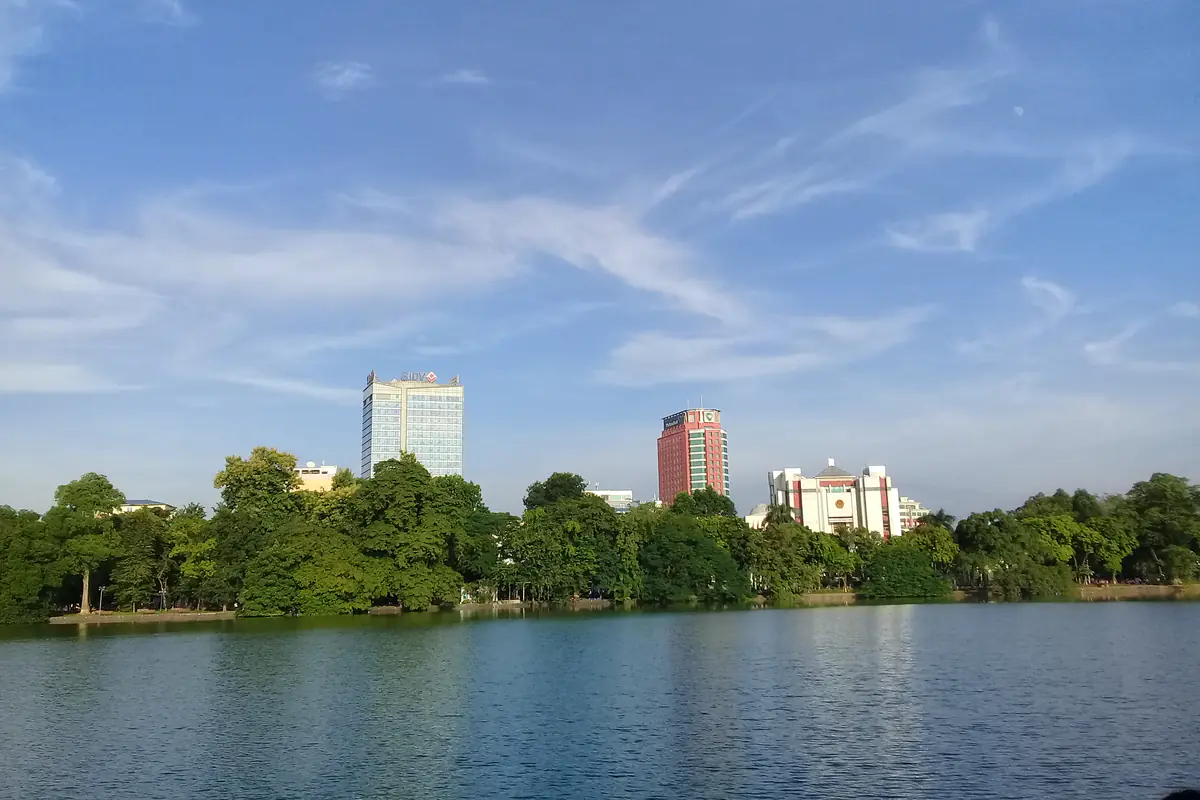
Photo: Trung geo
In the mountains, the golden rice harvest generally falls between September and early October, depending on the location and the year's planting schedule.
Mu Cang Chai, Tu Le and valleys around Sapa are good choices if you want to photograph terraced rice fields.
Check the harvest conditions before leaving. Rice in a lower valley may already have been harvested while fields at higher elevations are still golden.
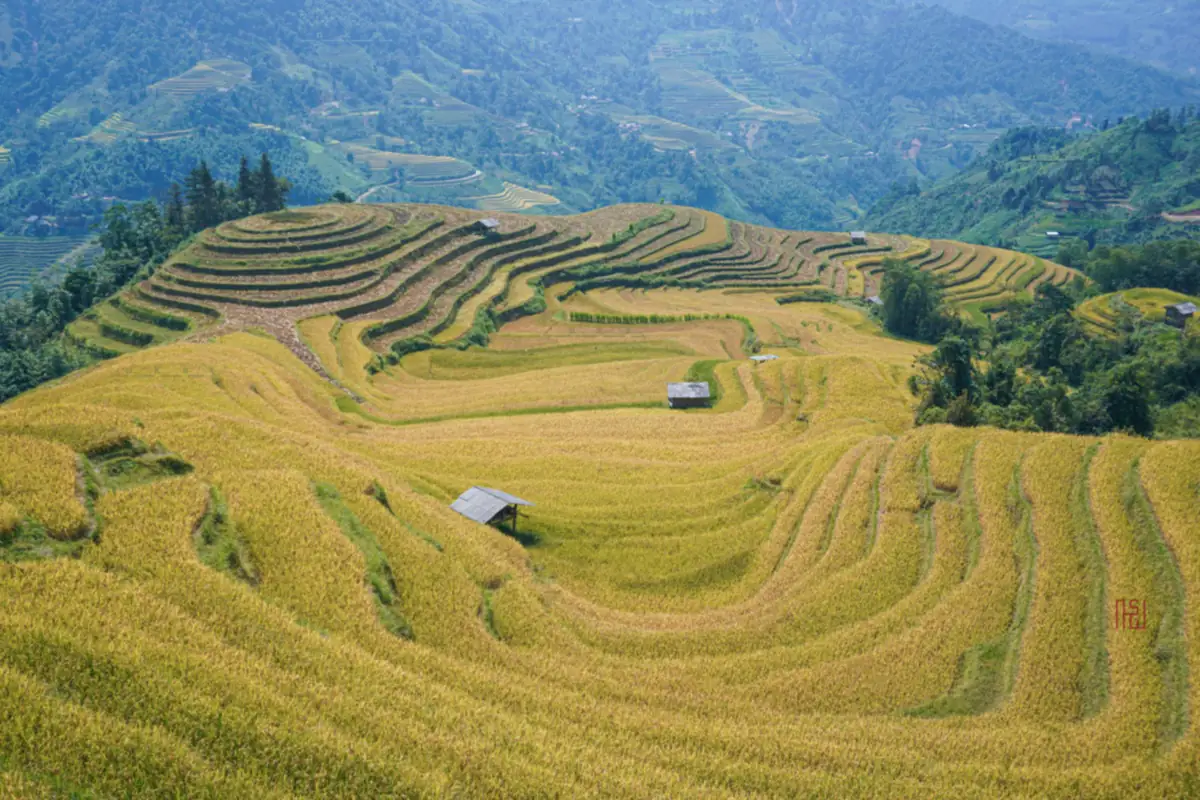
Photo: NKSTTSSHNVN
October and November are also attractive for a road trip through Ha Giang, including Quan Ba, Yen Minh, Dong Van and Meo Vac.
The intense summer heat has usually eased, although mountain passes can be cold and foggy in the early morning.
December-February: winter travel requires preparation
Winter in northern Vietnam is very different from the warm, sunny dry season in southern Vietnam.
Hanoi can have cold days, cloudy skies and periods of drizzle. Temperatures in Sapa, Ha Giang and other high mountain areas can fall considerably lower than those in the lowlands.
January is not the ideal month for someone hoping to spend entire days outdoors in warm sunshine or see Ha Long Bay under consistently blue skies.
You can still visit these places, but be prepared for fog, grey weather and cold conditions on boat trips.
On the other hand, travelers who enjoy winter weather may appreciate Hanoi, Moc Chau or Sapa at this time of year.
Bring warm layers, shoes with good grip and check whether your accommodation has suitable heating.
May-August: heat, rain and typhoon risk
May marks the transition into summer. From June to August, Hanoi and the northern lowlands are hot and humid, sometimes with prolonged heatwaves.
In mountain areas, heavy rainfall can cause landslides, flash floods, road damage and travel disruption.
Long trekking routes and self-drive trips across mountain passes require careful weather checks.
Ha Long Bay and Cat Ba remain popular summer beach destinations, but typhoons and tropical depressions can force sightseeing cruises and island ferries to suspend operations.
Avoid scheduling a sea trip immediately before an international flight if you have no flexibility in your itinerary.
Central Vietnam: the best season depends on the coast
Central Vietnam is probably the easiest region to misunderstand when choosing travel dates.
You might see sunny weather in Nha Trang and assume Hue, Da Nang and Hoi An will be equally dry.
That is not always the case.
Rainfall patterns differ along the central coastline: the Hue-Da Nang area and the Nha Trang-Cam Ranh area farther south are not alike.
Hue, Da Nang and Hoi An: February-May is a good window
Weather begins improving in Hue, Da Nang and Hoi An from February, although some days can still be cool or rainy.
March to May is usually one of the easiest periods for planning a trip across these destinations.
You can explore the Imperial City in Hue, travel across Hai Van Pass, spend time in Da Nang and visit Hoi An Ancient Town in the late afternoon and evening.
For travelers mainly interested in historical sites, March and April are often more comfortable than midsummer. Walking around the Imperial City or Hoi An is easier when the heat is less intense.
April to August usually offers better conditions for swimming at My Khe Beach, An Bang Beach or staying at a beach resort.
However, June to August can be extremely hot, particularly around midday.
In Hoi An, schedule walking tours of the Ancient Town early in the morning or after about 4 p.m. during the hottest months.
The Japanese Covered Bridge, Tran Phu Street and the riverside area become busier toward late afternoon and evening.
September-December: be careful with Hue and Hoi An
Rainfall increases across much of central Vietnam during this period.
Hue and Hoi An can experience prolonged rain, flooding in low-lying areas and disruption from typhoons.
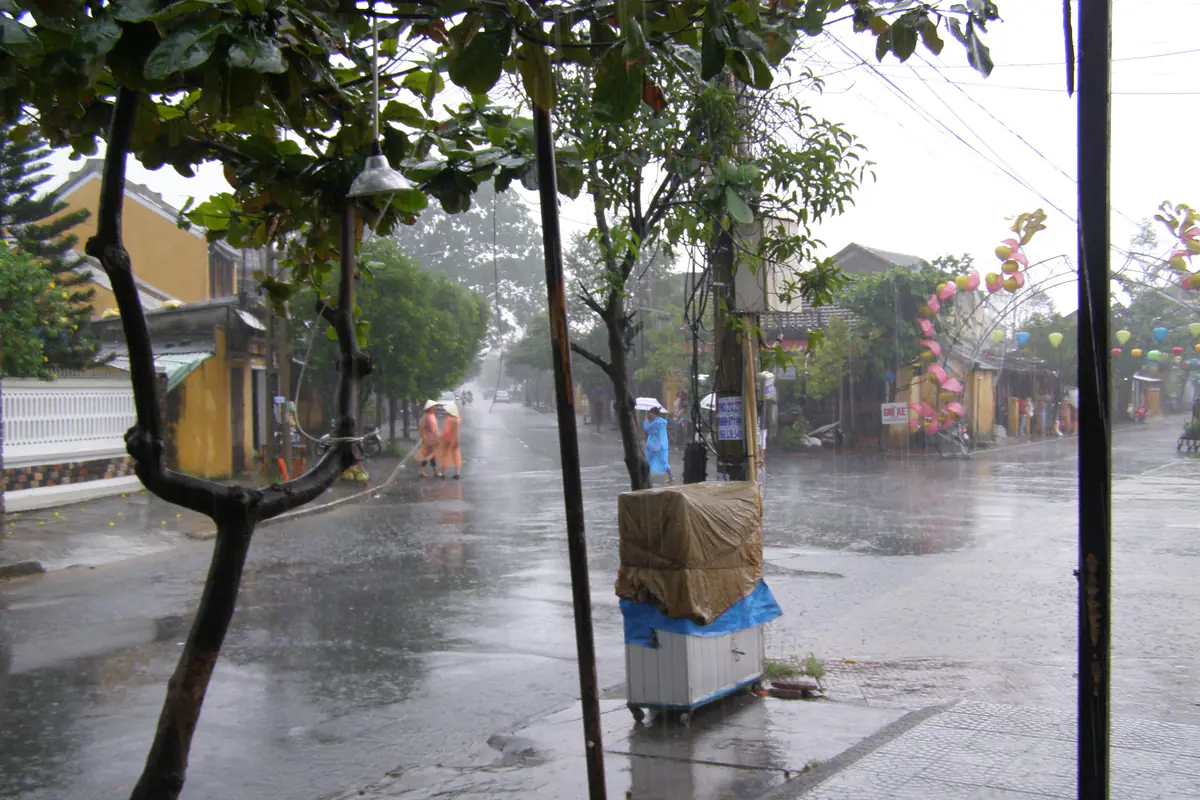
Photo: RG72
A three-day trip to Hoi An in October is better switched to Hanoi, Ninh Binh or a southern destination.
A short holiday offers little room to recover when several days are affected by heavy rain.
For a trip that is already booked, choose accommodation in a convenient location with clear cancellation or date-change conditions.
Avoid prepaying for every outdoor activity, boat excursion and island tour if the bookings cannot be changed.
For road journeys through Hai Van Pass, Bach Ma National Park or other mountainous areas, check official warnings about heavy rain and landslides.
If authorities issue a serious weather warning, postpone the journey even if you have already arranged a car or guide.
Nha Trang and Cam Ranh: a longer beach season
Nha Trang generally has favorable beach conditions from January to August.
February to June is particularly worth considering for travelers who want to combine swimming, island excursions and city sightseeing.
July and August can still have many sunny days, but temperatures are high and beaches are busier because of the domestic summer holiday season.
You can spend the morning along Tran Phu Beach or take a boat excursion in Nha Trang Bay, visit Po Nagar Cham Towers in the afternoon, and explore the city's restaurants in the evening.
From September to December, Nha Trang enters its wetter season.
October and November deserve particular attention when planning island tours. Even if the rain stops, strong winds and waves may still make boat travel unsuitable.
Southern Vietnam: the dry season runs from late year to April
Ho Chi Minh City, much of southeastern Vietnam and the Mekong Delta have two main seasons: wet and dry.
Temperatures remain relatively high throughout the year. There is no cold winter comparable to northern Vietnam.
December-April: best for first-time visitors
Ho Chi Minh City, Can Tho, Ben Tre, My Tho and many other destinations in the Mekong Delta are easy to visit in this period.
The dry season brings plenty of sunshine and fewer afternoon showers.
Walking through cities, cycling along countryside roads and taking boat trips through waterways are easier to schedule.
Cai Rang Floating Market in Can Tho is best visited early in the morning.
Trading activity usually begins early and becomes quieter as the morning progresses.
Arriving close to midday and expecting to see the market at its busiest is likely to be disappointing.
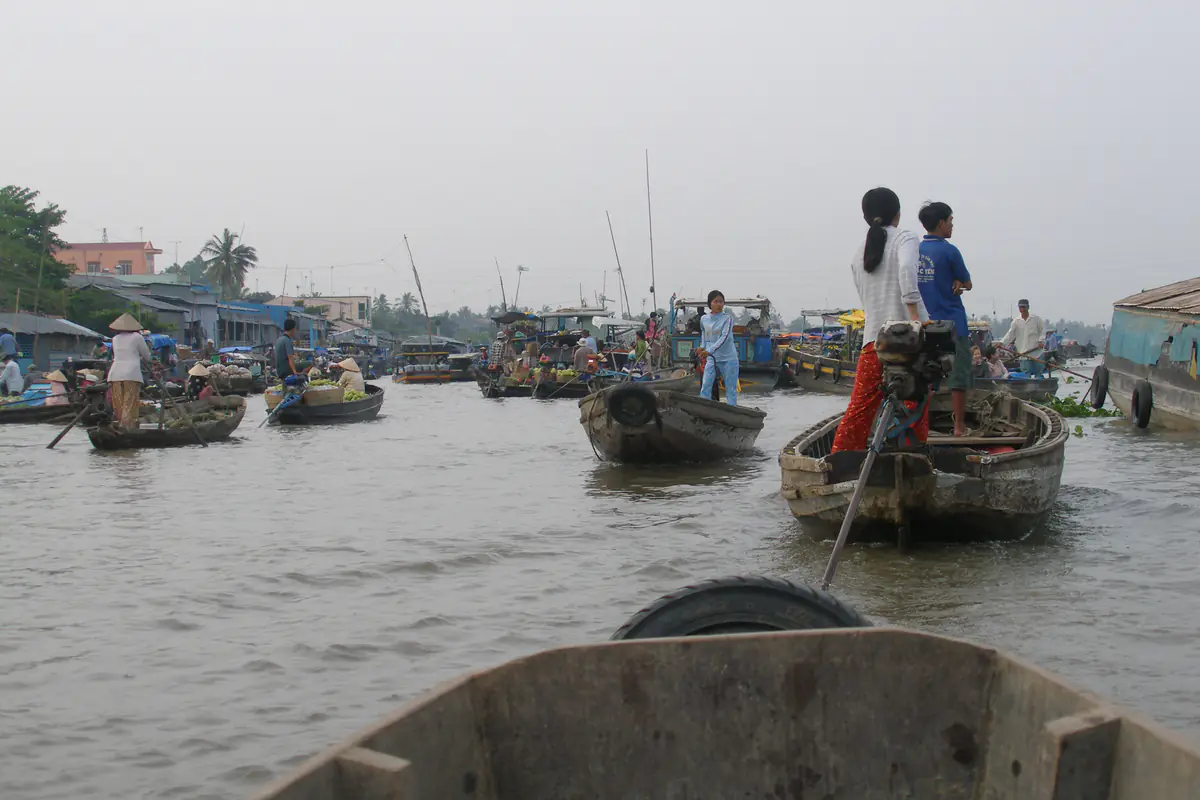
Photo: Vyacheslav Argenberg
March and April can become very hot. Plan major outdoor activities before 10 a.m. or after 4 p.m., especially if tropical weather is new to you.
May-November: rain does not mean staying indoors
Southern Vietnam's rainy season often brings showers that develop in the afternoon or evening.
You can still explore Ho Chi Minh City, try local restaurants, visit museums, enjoy cafés and travel through the Mekong Delta.
Avoid packing every hour of the day.
For example, during a July trip to Can Tho, you could visit Cai Rang Floating Market early, take a break around midday and keep the afternoon flexible.
Fruit orchards can also be interesting during this period, although different fruits have different harvest seasons.
Do not assume every orchard will have every type of fruit throughout the year.
While many rain showers are relatively short, prolonged heavy rain, thunderstorms and local flooding can still occur.
When serious weather warnings are issued, change your plans rather than assuming the rain will always pass quickly.
Best time to visit Vietnam's islands
Vietnam's islands do not share one single beach season.
Travelers often overlook this when planning a coastal holiday.
Phu Quoc: November to April
Phu Quoc's dry season generally runs from November to April.
These months are the most reliable for beach holidays, watching sunsets and joining island excursions.
December to March is particularly suitable if you are visiting Phu Quoc for the first time and want to spend much of your holiday outdoors.
You can stay around Long Beach, visit Sao Beach, explore the An Thoi area or ride the Hon Thom cable car when weather conditions permit.
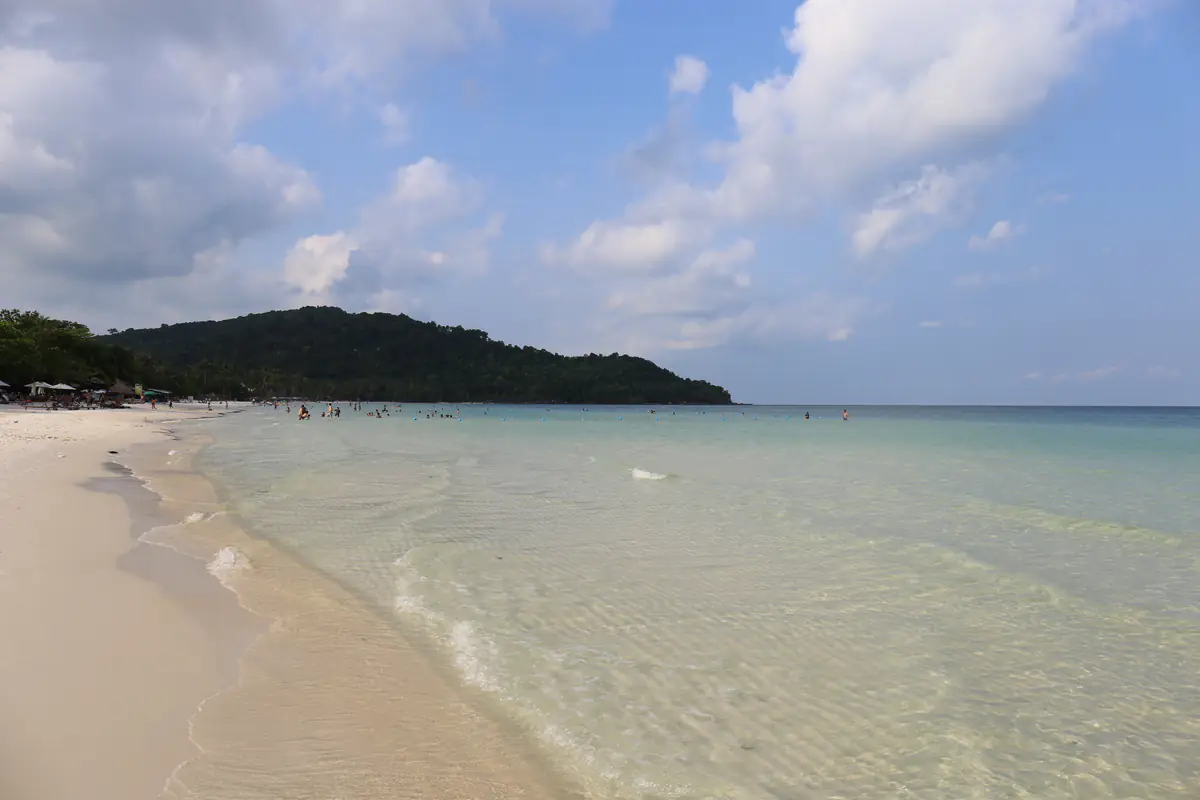
Photo: Vnecofriendly
From May to October, rainfall increases and the sea can become rough during windy periods.
Conditions may also differ between beaches depending on wind direction.
Ferries and speedboats between Ha Tien, Rach Gia and Phu Quoc may change their schedules because of rough sea conditions.
If you are connecting to a flight after a ferry journey, allow enough time for possible disruption.
Con Dao: March to September for marine activities
Con Dao lies in southern Vietnam, but its most favorable marine activity season does not follow exactly the same pattern as Phu Quoc.
March to September is generally a better period for diving and many water-based activities around Con Dao.
The sea turtle nesting season also commonly falls between May and September.
Rain is still possible during these months. Conditions vary between days and locations, so diving tours and boat services cannot be expected to operate continuously.
Travelers interested in history can visit the Con Dao Prison historical sites, Hang Duong Cemetery and other attractions on the main island.
These activities are less dependent on sea conditions than diving excursions, although rain and road safety still matter.
Cat Ba, Lan Ha Bay and Cham Islands: summer is popular, but watch the weather
Cat Ba and Lan Ha Bay are in northern Vietnam.
April and May are attractive months because temperatures become warmer and outdoor activities are generally more comfortable.
June to August is popular for swimming, but it also brings heat, heavier rainfall and possible typhoon-related disruption.
September to November often feels cooler, although early autumn can still bring unsettled weather around the bay.
For the Cham Islands near Hoi An, island visits and snorkeling are more suitable from March to September, and best when the sea is calm.
During the final months of the year, rough conditions may prevent speedboats from operating.
On trips that combine flights and island ferries, keep some flexibility in the ferry schedule and avoid arranging every connection too tightly.
Da Lat and the Central Highlands: dry season for walking, rainy season for green scenery
Da Lat has a cooler highland climate than Vietnam's coastal cities.
It is an appealing destination for people who dislike intense heat, but that does not mean the weather is dry all year.
November to April is generally the more favorable season, and December to March is better still: rainfall is lower and evenings can be cold.
You can walk around Xuan Huong Lake, explore the outskirts of the city, visit coffee-growing areas or enjoy outdoor walking routes when conditions are safe.
From May to October, Da Lat and much of the Central Highlands enter the rainy season.
The landscape becomes greener and waterfalls often carry more water, but forest trails, waterfall access paths and trekking routes can become slippery.
Do not assume a forest trip is safe just because the city forecast shows only light rain.
Heavy rainfall upstream can affect rivers, streams and waterfalls farther downstream.
February to April is usually the easiest time to combine Da Lat and Nha Trang: Da Lat is relatively dry, while Nha Trang is already enjoying favorable beach weather.
Vietnam month by month: where to go from January to December
If your holiday dates are fixed, use this calendar to choose destinations rather than trying to include every region in the same trip.
| Month | Recommended destinations | What to consider |
|---|---|---|
| January | Phu Quoc, Ho Chi Minh City, Mekong Delta, Da Lat, Nha Trang | Cold weather in the north; Hue and Hoi An may still have cool, wet days |
| February | Phu Quoc, Nha Trang, Da Lat, Hue, Hoi An | Hanoi can be humid and drizzly; Tet may affect services |
| March | Hanoi, Ninh Binh, Ha Long Bay, Hue, Da Nang, Hoi An, Phu Quoc | Southern Vietnam begins getting hotter |
| April | Ha Long Bay, Cat Ba, Da Nang, Hoi An, Nha Trang, Sapa | Southern heat; busy holiday periods near the end of the month |
| May | Da Nang, Nha Trang, Quy Nhon, Cat Ba | Rain increases in northern Vietnam; southern rainy season begins |
| June | Nha Trang, Da Nang, Hoi An, Con Dao | Hot, rainy northern weather; wetter conditions in Phu Quoc |
| July | Nha Trang, Cam Ranh, Da Nang, Con Dao | Possible typhoons in the north; southern rainy season |
| August | Nha Trang, Da Nang in early August, Con Dao | Heavy northern rain; seasonal weather changes in central Vietnam |
| September | Sapa, Mu Cang Chai, Hanoi in late September | Increasing rain in central Vietnam; typhoon risk along some coastal areas |
| October | Hanoi, Ninh Binh, Ha Giang, Sapa | Heavy rain and flooding risk in Hue, Da Nang and Hoi An |
| November | Hanoi, Ninh Binh, Da Lat, southern Vietnam, Phu Quoc in late November | Central Vietnam may still experience heavy rain; northern temperatures fall |
| December | Phu Quoc, Ho Chi Minh City, Mekong Delta, Da Lat; Nha Trang when conditions are favorable | Northern winter; possible rain and rough seas along parts of the central coast |
January-March: start in the south, then expand northward
January is a good month for a Phu Quoc beach holiday, exploring Ho Chi Minh City or traveling through the Mekong Delta.
Da Lat is another attractive option if you prefer cool, relatively dry weather.
By February, conditions become more favorable around Hue, Da Nang and Hoi An.
Da Nang with Hoi An, or Nha Trang with Da Lat, makes an easy pair of destinations.
March is one of the strongest months for a trip across Vietnam.
The north becomes warmer, central Vietnam experiences less rain, and the south still has many dry days.
April-June: shift your focus toward central Vietnam
April works well for several travel styles, from Ha Long Bay cruises and Ninh Binh sightseeing to beach holidays in Da Nang and Nha Trang.
May brings hotter temperatures across much of northern and central Vietnam.
Avoid scheduling long outdoor visits to historical attractions during midday and early afternoon if you do not tolerate heat well.
June is better for central Vietnam beach holidays than for long trekking trips through the northern mountains.
Nha Trang, Da Nang and beaches near Hoi An are popular choices, although you should prepare for strong sunshine and larger summer crowds.
July-September: choose beaches carefully, then consider the mountains
July and August can be suitable for beach holidays in Nha Trang and parts of central Vietnam.
However, this is also the rainy season in the north and south, with possible typhoons affecting coastal regions.
By September, northern mountain destinations begin becoming more attractive.
Travelers interested in rice terraces should check harvest conditions around Mu Cang Chai, Sapa and nearby valleys.
Late September can be more comfortable than early September in Hanoi as temperatures begin to ease, although rain remains possible.
October-December: northern autumn, then southern dry season
October is an excellent time to consider Hanoi, Ninh Binh and the northern mountains.
It is less suitable for making Hue or Hoi An the main destination of a short outdoor-focused holiday because of the greater risk of heavy rain.
November remains appealing in much of northern Vietnam.
Da Lat begins transitioning into its drier season, and weather conditions in Phu Quoc gradually improve.
December is well suited to southern Vietnam, especially Ho Chi Minh City, the Mekong Delta and Phu Quoc.
Hanoi and northern mountain destinations remain possible for anyone who enjoys cold weather, but you will need a very different wardrobe from what you would pack for the south.
What if you can only visit Vietnam in one fixed month?
Not everyone can choose their holiday dates freely.
International visitors often book long-haul flights months ahead, while domestic travelers may only have time off during Tet, the late-April holiday period or summer school holidays.
A fixed travel month leaves one decision: choose the region that best matches your planned activities.
Visiting in January or February
Southern Vietnam, Phu Quoc, Da Lat or Nha Trang
Prioritize southern Vietnam, Phu Quoc, Da Lat or Nha Trang.
For a beach holiday, Phu Quoc is a strong choice.
Ho Chi Minh City and Can Tho cover cities, food and river scenery.
From February, Hue, Da Nang and Hoi An may also become attractive for cultural sightseeing.
There is no need to add Sapa just to say you have visited all three regions if you dislike cold temperatures and fog.
Visiting in March or April
The easiest months for a multi-region trip
These are two of the easiest months for planning a multi-region itinerary.
You could visit Hanoi, Ninh Binh and Ha Long Bay, then fly to Da Nang for Hoi An.
Ho Chi Minh City or Phu Quoc can close the trip when time allows.
Travelers who struggle with heat should consider spending more days in northern Vietnam and fewer days sightseeing outdoors in southern Vietnam, especially during April.
Visiting from May to August
Central Vietnam's beaches, Nha Trang, Cam Ranh, Con Dao
Prioritize central Vietnam's beaches, including Da Nang, Nha Trang and Cam Ranh.
Con Dao is also worth considering for diving and marine activities on days with suitable conditions.
Hanoi and Sapa remain possible, but you should expect heat, rain and a greater need to adjust outdoor plans.
A Nha Trang-Da Lat itinerary can also work during summer.
Remember that Da Lat is in its rainy season, so keep forest and mountain activities flexible.
Visiting in September or October
Choose northern Vietnam first
Choose northern Vietnam first.
September is particularly appealing for rice harvest scenery around Sapa and Mu Cang Chai.
October suits Hanoi, Ninh Binh, Ha Giang and many northern mountain routes.
Avoid making Hoi An the main destination of an October beach holiday simply because flights are cheap.
A short trip during the wettest part of the season can lose much of its planned outdoor time.
Visiting in November or December
Phu Quoc, Ho Chi Minh City, Mekong Delta, Da Lat
In these two months the weather differs sharply between northern, central and southern Vietnam.
November is a good month for Hanoi, Ninh Binh, Da Lat and much of southern Vietnam.
Phu Quoc usually becomes more favorable as the month progresses, although rainfall and sea conditions still need checking, especially in early November.
In December, prioritize Phu Quoc, Ho Chi Minh City, the Mekong Delta or Da Lat.
Northern Vietnam suits travelers looking for winter weather, while Hue and Hoi An require more caution because rainy conditions may continue.
Choose your travel season based on the type of trip
Two travelers can visit Vietnam during the same month and have completely different experiences.
Someone planning a beach holiday needs sunshine and calm seas. Someone exploring historical streets may prefer cooler weather, even if the sky is occasionally cloudy.
| Travel style | Best time to consider | Suggested destinations |
|---|---|---|
| First-time trip across Vietnam | March-early April | Hanoi, Ninh Binh, Da Nang, Hoi An, Ho Chi Minh City |
| Culture and historical towns | February-April and October-November, depending on the region | Hanoi, Hue, Hoi An, Ninh Binh |
| Summer beach holiday | April-August | Nha Trang, Cam Ranh, Da Nang |
| Winter island resort holiday | November-April | Phu Quoc |
| Diving and island exploration | March-September, depending on the island | Con Dao, Cham Islands |
| Northern mountain trekking | March-May and September-November | Sapa, Ha Giang |
| Golden rice terrace photography | September-October | Mu Cang Chai, Sapa |
| Cooler highland holiday | November-April for generally drier weather | Da Lat and other highland destinations |
| Mekong Delta and river experiences | December-April for less rain | Can Tho, Ben Tre, My Tho |
Traveling with young children
Fewer hotel changes, a backup indoor activity
Choose an itinerary with fewer hotel changes and a backup indoor activity for rainy days.
March and April are useful months for combining city sightseeing with outdoor attractions.
June to August can work for central Vietnam beach holidays, but avoid spending long periods outside during the hottest part of the day.
For a Phu Quoc family holiday, December to March generally offers more reliable beach weather.
Even in the best season, follow beach warning flags and instructions from lifeguards.
Traveling for landscape photography
Every landscape has its own season
Every landscape has its own season.
Northern Vietnam's terraced rice fields are especially interesting during the water-filling season around May and June or the golden harvest season around September and October, depending on the location.
The water-filling season coincides with wetter weather, and access roads to viewpoints can be more difficult.
For blue water and bright beaches, sunshine and relatively calm seas are important.
This makes Phu Quoc more attractive during its dry season and Nha Trang during the first half of the year.
In Hoi An, early morning and late afternoon usually provide more comfortable light than midday.
However, choosing a relatively dry month is just as important for enjoying the Ancient Town on foot.
Traveling to avoid crowds
Avoid major holiday periods if you can
Visiting during the rainy season does not automatically mean you will save a substantial amount of money.
Flight prices, accommodation rates and tour costs vary by travel date, provider and demand.
If possible, avoid major holiday periods, especially Tet, the April 30-May 1 holidays and peak summer school holidays.
A weekday trip to Da Nang in April or May may be easier to organize than a major holiday weekend.
Similarly, Phu Quoc near the beginning or end of its dry season may appeal to people hoping to avoid peak crowds, although the weather trade-off needs consideration.
How to plan a Vietnam itinerary around the weather
First-time international visitors often follow a route through Hanoi, Ha Long Bay or Ninh Binh, Hue, Da Nang, Hoi An and Ho Chi Minh City, sometimes adding an island holiday.
You can follow this general route during many months of the year, but it makes little sense to keep the same order and number of days regardless of the season.
A 12-14 day Vietnam itinerary in March
One practical way to divide your time is:
- Days 1-3
Hanoi
Explore the Old Quarter, Hoan Kiem Lake and major attractions around the city.
- Days 4-5
Ninh Binh or Ha Long Bay
Choose one if you want to minimize hotel changes and long transfers.
- Days 6-9
Hue, Da Nang, Hoi An
Spend more time in Hue for historical attractions or Da Nang for beach relaxation.
- Days 10-12
Ho Chi Minh City
Time for sightseeing and local food.
- Days 13-14
End of trip
Visit the Mekong Delta or stay longer at another destination, depending on your departure flight.
This itinerary is easier for travelers who are comfortable taking domestic flights and do not want to spend too many days traveling by road.
If you only have 10 days, remove one region rather than rushing through the entire country.
Hanoi-Ninh Binh-Da Nang-Hoi An or Ho Chi Minh City-Mekong Delta-Phu Quoc can offer a more relaxed experience.
A July itinerary: focus on central Vietnam
July is not the most convenient month for visiting all three regions if your main goals are to avoid rain and spend plenty of time outdoors.
Instead, consider Da Nang-Hoi An-Nha Trang, or base yourself around Nha Trang and Cam Ranh for a beach-focused holiday.
Place island excursions early in the trip and keep one flexible day available in case boat departures are postponed.
An October itinerary: focus on northern Vietnam
An eight-to-ten-day itinerary could include Hanoi, Ninh Binh and either Ha Giang or Sapa.
Rather than adding Hue and Hoi An to an already short holiday, spend more time in northern Vietnam.
You can plan a rice harvest trip if the season has not finished or explore Ha Giang when road conditions are suitable.
Mountain routes can be affected by fog, heavy rain, landslides and longer-than-expected driving times.
Avoid planning a long mountain drive immediately before your flight.
A December itinerary: head south
December works well for a Ho Chi Minh City-Can Tho-Phu Quoc itinerary.
Spend several days exploring Ho Chi Minh City, one or two days in the Mekong Delta, and finish with a beach holiday in Phu Quoc.
Adding Da Lat means dropping another destination rather than extending an already crowded route.
The shorter your holiday, the more important it is to choose fewer places with suitable seasonal weather.
When is typhoon season in Vietnam?
Vietnam's typhoon season generally runs from around June to November, sometimes extending into the first half of December.
Based on long-term climate patterns, typhoon activity often becomes particularly significant during August, September and October.
However, the areas most affected change throughout the season.
- June-August: Typhoons tend to affect northern Vietnam and the northern coastal areas more frequently.
- September-November: The risk often shifts toward central Vietnam and, in some cases, farther south.
- December: Tropical storms, depressions and other hazardous weather events can still occur, even though the main typhoon season is usually nearing its end.
These are general patterns, not a fixed annual schedule.
Some years have early storms, others have late storms, and several systems can affect the same region in one season.
The rainy season and typhoon season are not the same thing.
Southern Vietnam experiences months of regular rainfall but is not affected by direct typhoon landfalls as frequently as some central coastal areas.
Equally, a sunny day in a city does not guarantee safe conditions for boats traveling to nearby islands.
What weather information should you check before traveling?
For a normal holiday, check conditions at three stages.
- 7-10 days before
Review the trend
Review general weather trends, temperatures, rainfall and any developing warnings. It is the time to decide whether weather-dependent activities need adjusting.
- 2-3 days before
Check detailed forecasts
Check more detailed forecasts for each destination. For island trips, review wind, wave conditions and boat operator announcements. For mountain trips, pay attention to warnings about heavy rain, flash floods and landslides.
- Day of travel
Confirm official notices
Check the latest official announcements from transport operators, attraction managers and meteorological authorities.
What else should you consider besides weather?
Choosing the right season is a good start, but several other factors can make a major difference to your trip.
Public holidays can change the experience
Tet, or Vietnamese Lunar New Year, usually falls in January or February.
It is an interesting time to experience Vietnamese traditions, but some shops, restaurants and transport services may operate on different schedules.
International visitors should pay particular attention to transport arrangements during the busiest holiday days.
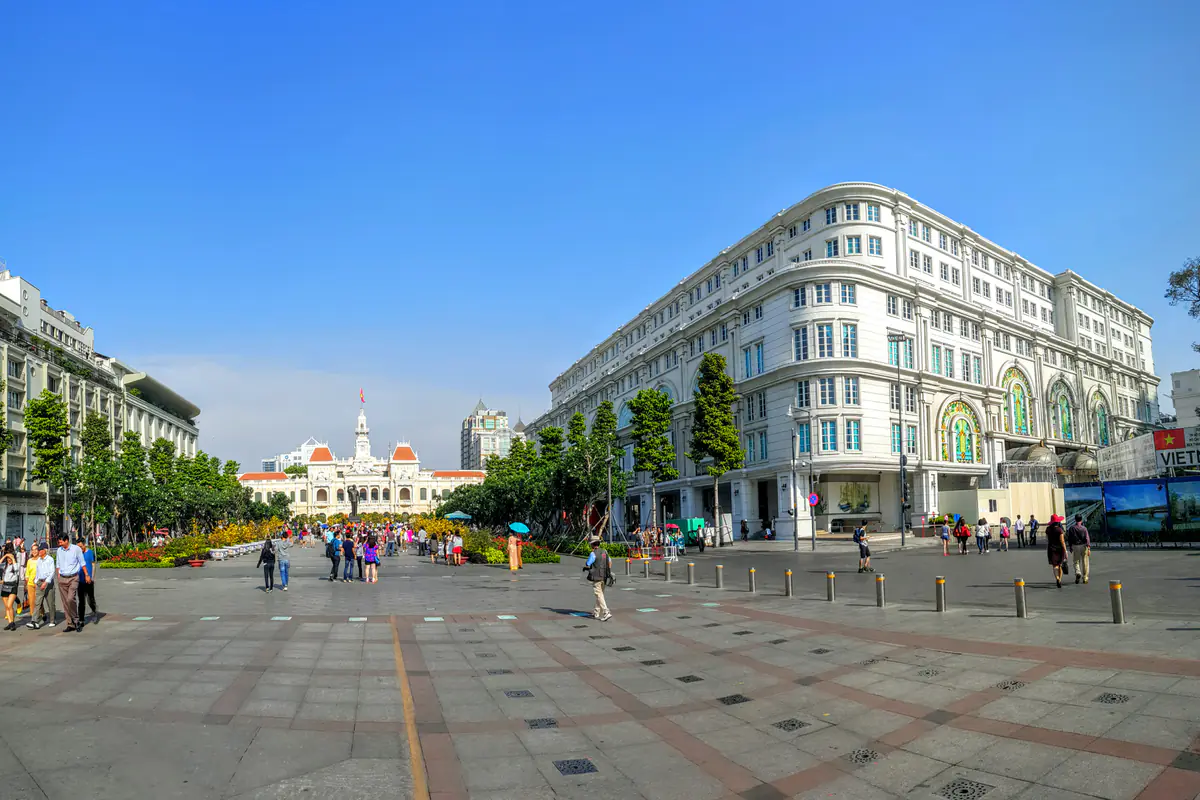
Photo: trungydang
Domestic travelers should also check whether attractions are open rather than assuming normal schedules apply.
The April 30-May 1 holiday period and summer school holidays can make beach destinations such as Da Nang, Nha Trang, Phu Quoc and Cat Ba more crowded.
Good weather does not always mean comfortable temperatures
April in southern Vietnam may be relatively dry but very hot.
July in Da Nang may bring plenty of sunshine and good beach conditions, yet walking outdoors around midday can be exhausting.
Similarly, winter in northern mountain areas can be cold even when rainfall is limited.
When checking a forecast, look beyond the chance of rain.
Temperature, humidity, wind and the activities you plan to do are just as important.
Avoid scheduling every weather-dependent activity on one day
Island excursions depend more heavily on sea conditions than city sightseeing.
Four days in Nha Trang could split into one day for a bay tour, one for city attractions and flexible time for everything else.
That way a postponed boat tour still leaves alternatives.
For Ha Long Bay cruises, avoid scheduling your return from the bay too close to an international flight.
Cruises may be delayed, changed or suspended because of typhoons, strong winds or official restrictions on marine operations.
Pack for different climates
A March trip across Vietnam might require a light jacket in Hanoi or the northern mountains, followed by summer clothing in Ho Chi Minh City.
Northern Vietnam from December to February calls for warm layers and shoes suitable for cold, damp weather.
Central Vietnam's summer calls for sun protection, enough drinking water and less outdoor activity around midday.
During the rainy season, a compact raincoat, waterproof protection for electronics and shoes with good grip are useful.
You can use the same approach when planning a Tet holiday, summer vacation or longer trip across Vietnam: confirm your travel month, choose the region with weather that suits your main activities, and only then book transport and accommodation. There is no need to squeeze northern, central and southern Vietnam into one trip when one of those regions is experiencing unfavorable weather.
FAQ
What is the best month to visit all of Vietnam?
March and early April usually offer the best overall balance. Northern Vietnam is warming up, central Vietnam has more dry days, and southern Vietnam is still in its dry season, although temperatures can be high. If you can choose only one month for a first-time trip across Vietnam, March is an excellent starting point.
What is the best time to visit Hanoi, Vietnam?
Hanoi is generally most comfortable in March-April and September-November, particularly October and November if you prefer mild temperatures. June-August is hot, humid and rainy, while December-February can bring cold temperatures, drizzle and overcast skies.
What is the best time to visit Phu Quoc, Vietnam?
Phu Quoc is generally best from November to April, particularly December-March for beach holidays and outdoor relaxation. Rainfall increases from May to October, and rough seas may affect ferry schedules and water activities.
When is typhoon season in Vietnam, and is it safe to travel?
Typhoon season usually runs from June to November and sometimes extends into early December. Northern Vietnam is often more affected during the earlier part of the season, while central Vietnam deserves particular attention from September to November. Travel is still possible during these months, but choose regions carefully, follow official weather forecasts and postpone activities when serious warnings are issued.
Should I visit northern or southern Vietnam in November and December?
November is a good choice for Hanoi, Ninh Binh, Da Lat and many southern destinations. By December, southern Vietnam and Phu Quoc generally offer better conditions for a warm, sunny holiday, while northern Vietnam enters winter. Choose the south for beaches and warmth, or the north if you prefer cooler temperatures and winter scenery.
Related posts
Weather
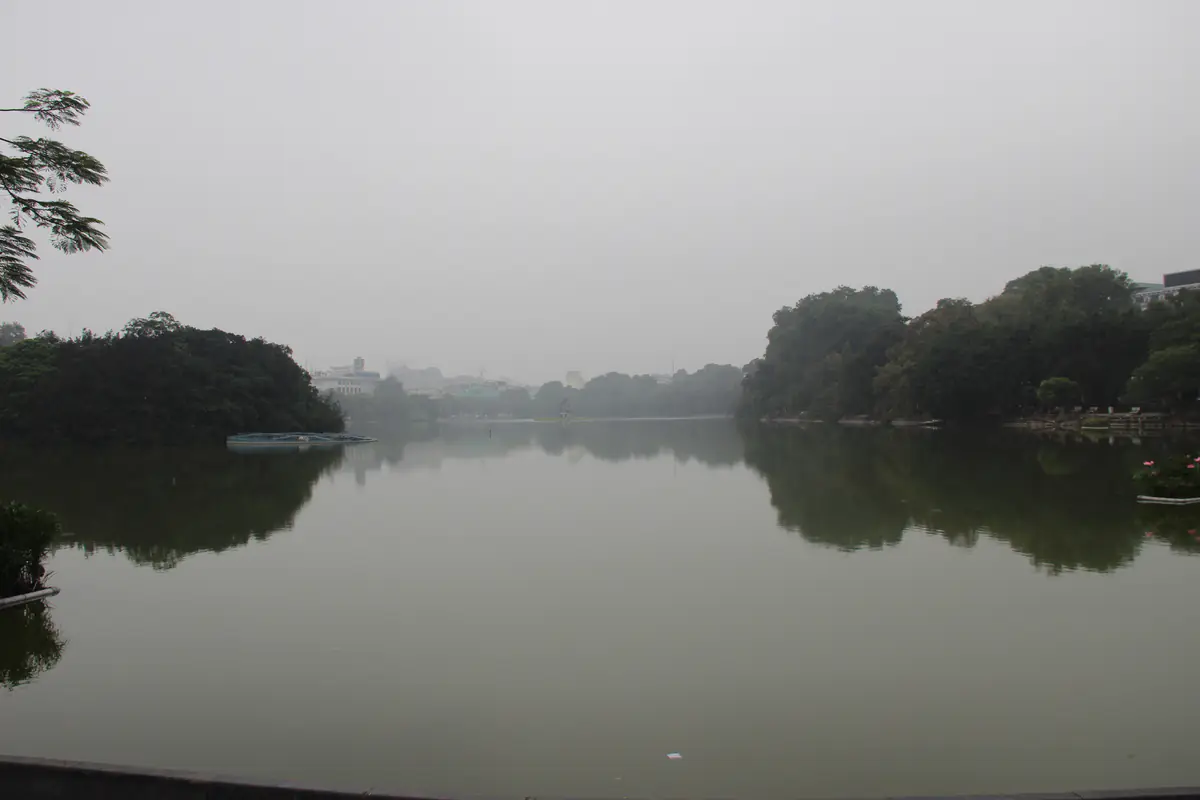
Hanoi (Hà Nội) or Phu Quoc (Phú Quốc) for Vietnam in November?
Choose a November region around your main activity and keep weather-dependent connections flexible.

Places
5 Stops at the Temple of Literature (Văn Miếu Quốc Tử Giám), Hanoi (Hà Nội)
Give the buildings and inscriptions your first visit, then consider the evening program separately.
Places
Is Phu Quoc (Phú Quốc) Worth Visiting for a Beach Break?
Match Phu Quoc to the vacation you want before filling the days with attractions.