Why is Phu Quoc at its best from December to March?
This guide is for travelers choosing when to visit Phu Quoc for a beach holiday, snorkeling trip, or family vacation with young children. It covers weather throughout the year, seasonal winds on both sides of the island, and the months when you should keep a backup plan.
Written by Tụi mình mê biểnUpdated
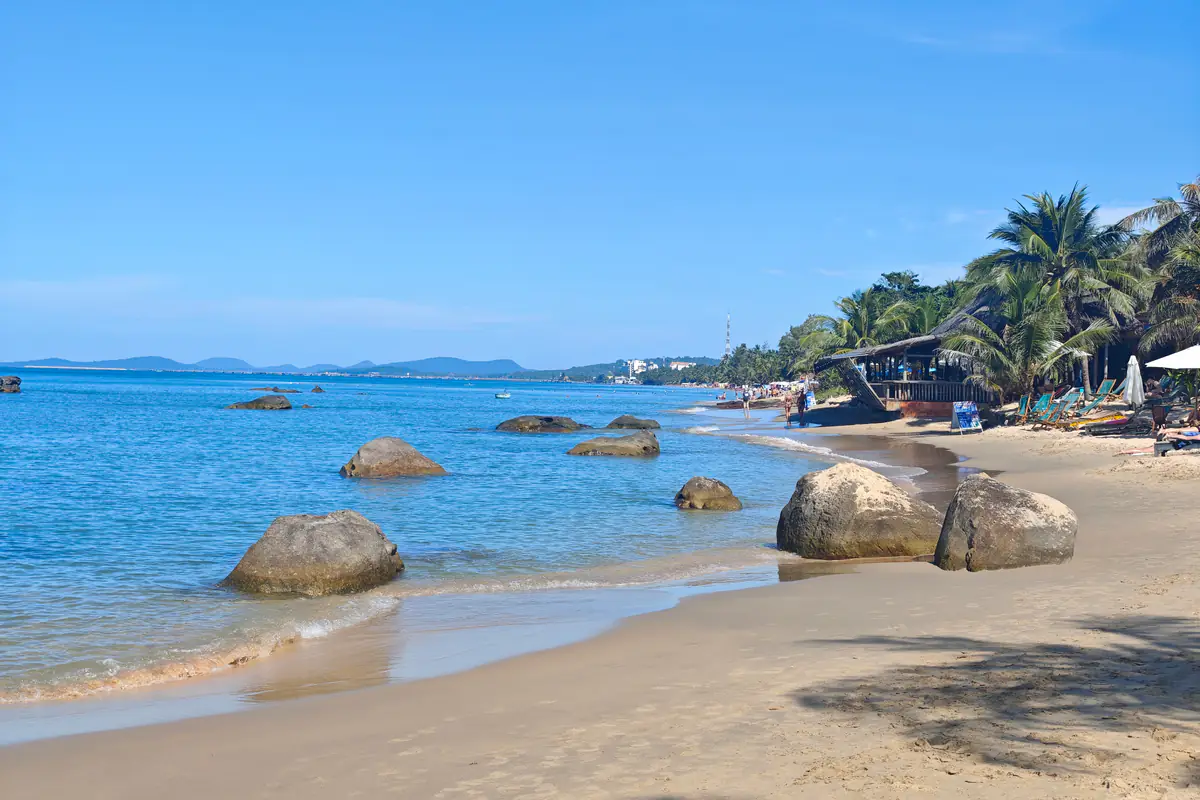
Photo: FrogsLegs71
If you want to swim, snorkel, and spend most of your holiday in the sunshine, start by looking at December through March. These months generally bring less rain, calmer conditions along Phu Quoc's west coast, and better weather for island-hopping trips in the south. April is still a reasonable choice, although hotter, while May through October requires more planning around rain, wind, and possible changes to boat tours.
When is the best time to visit Phu Quoc?
Phu Quoc has two main seasons: the dry season, which generally runs from November to April, and the rainy season, from May to October.
The transition is gradual rather than exact. November can still be wet, while May sometimes has plenty of sunny days.
To choose the right month, you need to consider three separate things: how likely it is to rain, whether the sea will be calm, and what you actually want to do during your holiday.
| Travel priority | Best months to consider | What to keep in mind |
|---|---|---|
| Beach holiday and swimming | December to March | Peak tourist season and generally higher hotel prices |
| Snorkeling around the southern islands | December to April | Water visibility and waves still vary |
| Traveling with young children | January to March | Avoid Tet if you prefer smaller crowds |
| Sunny weather with fewer holiday crowds | March to April | April is noticeably hotter |
| Finding better accommodation deals | May to June or September to October | Choose hotels with backup activities |
| Swimming during the rainy season | May to October, especially sheltered southeastern beaches | Only swim when local conditions are safe |
| Island-hopping with fewer weather disruptions | December to March | Confirm boat operations before departure |
January and February are among the easiest months for planning a beach holiday. Rainfall is relatively low, and temperatures are slightly more comfortable than toward the end of the dry season.
You have a better chance of organizing beach days, speedboat excursions, and outdoor sightseeing without having to move everything around because of rain.
March is a good alternative for travelers who want plenty of sunshine but would rather avoid the busiest Lunar New Year holiday period.
December is also attractive, particularly for travelers escaping winter in northern Vietnam or colder countries. However, Christmas and New Year can bring larger crowds and higher resort rates.
If you mainly want to relax at a resort, swim in the pool, enjoy good food, and avoid a packed sightseeing schedule, the rainy season may still work. Hotels sometimes offer more attractive rates outside the busiest periods.
Why is December to March usually better than other months?
The biggest differences are rainfall and wind direction.
Phu Quoc's 1991-2020 climate normals show an average of approximately 20.6 mm of rain in February.
By September, average monthly rainfall rises to 542.3 mm.
20.6 mm
average rainfall in February
542.3 mm
average rainfall in September
29°C
average temperature in April and May
That difference has a direct effect on a beach holiday.
During the dry season, Phu Quoc receives more sunshine. With less rainfall and runoff, coastal waters are less likely to become cloudy from sediment washed into the sea.
Northeasterly monsoon winds also tend to leave much of the island's west coast more sheltered.
Beaches such as Long Beach, Ong Lang, and other west-facing resort areas are therefore often more suitable for swimming at this time of year.
Less rain also makes it easier to plan activities that involve several hours outdoors. You could spend a morning exploring the An Thoi Islands, then return for an afternoon at the beach or an evening around Sunset Town without needing to build the whole day around rain showers.
Phu Quoc weather by month: when is it dry, and when does it rain most?
The following table uses the 1991-2020 climate averages for the Phu Quoc weather station.
These figures describe long-term conditions. They are not forecasts for any particular month in 2026, 2027, or a future travel year.
| Month | Average temperature | Average rainfall | Beach travel conditions |
|---|---|---|---|
| January | 26.8°C | 31.0 mm | Excellent |
| February | 27.3°C | 20.6 mm | Excellent |
| March | 28.4°C | 89.5 mm | Very good |
| April | 29.0°C | 137.0 mm | Good, but hotter |
| May | 29.0°C | 230.4 mm | More weather flexibility needed |
| June | 28.4°C | 368.7 mm | Wet, with rougher west coast seas |
| July | 27.9°C | 438.1 mm | High risk of disruptions to sea tours |
| August | 27.9°C | 415.3 mm | Frequent rain and rough seas |
| September | 27.6°C | 542.3 mm | Poor for fixed sea-based itineraries |
| October | 27.6°C | 325.6 mm | Backup days still important |
| November | 27.8°C | 179.9 mm | Conditions gradually improve |
| December | 27.1°C | 76.9 mm | Very good |
January: one of the safest choices for a beach holiday
31.0 mm of rain, 26.8°C
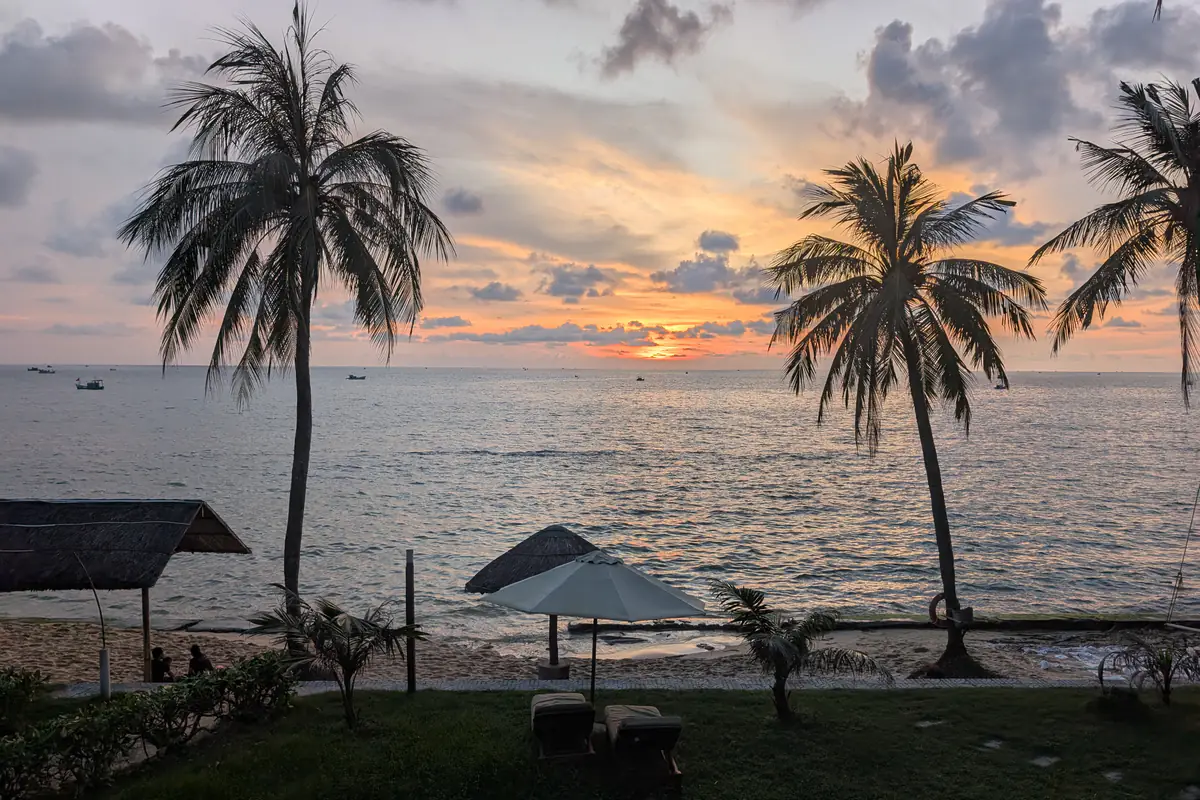
Photo: Elmschrat
January has relatively low rainfall, and the west coast is often calmer than during the rainy season.
You can choose a resort around Long Beach or Ong Lang, enjoy the beach in the morning, and leave sightseeing for later in the afternoon.
Activities such as visiting the An Thoi Islands, snorkeling, and riding the Hon Thom cable car also fit well into a January itinerary.
The main disadvantage is the price.
New Year holidays, winter vacations for international visitors, and the weeks around Vietnamese Lunar New Year can all increase demand for hotel rooms.
If you are traveling during one of these periods, compare prices before settling on your dates.
February: the driest month, but check the Tet holiday
20.6 mm of rain, 27.3°C
February has the lowest monthly rainfall in Phu Quoc.
That makes it one of the best months for travelers who want a short beach holiday without preparing several alternative itineraries.
Families with children may also find it easier to arrange beach activities when the weather and sea conditions cooperate.
The biggest issue is Tet, Vietnam's Lunar New Year.
The dates change each year, and the holiday can bring expensive flights, fully booked hotels, and busier attractions.
Good weather statistics alone shouldn't settle a February booking. Check the Tet calendar first, then compare hotel prices across different weeks.
March: plenty of sunshine and good snorkeling opportunities
89.5 mm of rain, 28.4°C
March is still part of the dry season.
Rainfall increases compared with February, but it remains much lower on average than during the wettest months.
Daytime temperatures are also higher. Swimming and snorkeling are more comfortable when planned for the morning, while sightseeing in exposed areas is best avoided during the hottest part of the day.
March is an especially good choice if you want to combine resort time with speedboat trips around southern Phu Quoc.
April: still good for the beach, but getting hotter
137.0 mm of rain, 29.0°C
April's average temperature is approximately 29°C, making it one of the hottest months on the island.
Early April often remains suitable for beach activities. Toward the end of the month, the weather may gradually shift toward rainy-season conditions, with more showers and thunderstorms.
Travelers who struggle with heat should choose a hotel with a good swimming pool and reliable air conditioning.
Plan outdoor activities for the morning or late afternoon rather than spending several hours sightseeing around midday.
Also watch the calendar around April 30 and May 1, major public holidays in Vietnam.
Domestic tourist numbers can rise sharply during this period, even though the late dry season is not the peak for international visitors.
May: the rainy season begins, but beach days are still possible
230.4 mm of rain, 29.0°C
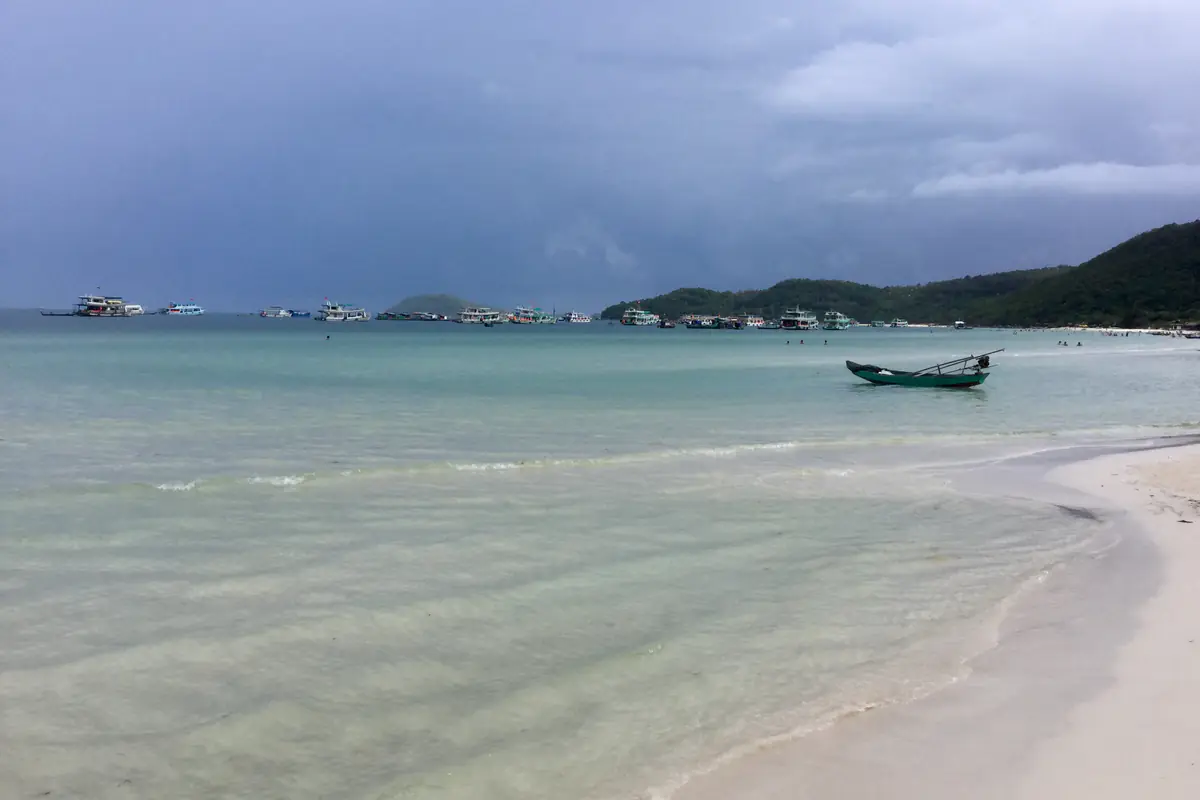
Photo: Prince Roy
May is when the southwest monsoon gradually starts affecting Phu Quoc.
Waves become stronger along parts of the west coast, while southeastern beaches such as Sao Beach and Khem Beach may be more sheltered from southwesterly winds.
A rainy day need not mean a whole day indoors. Sunny mornings are still possible.
Avoid booking a non-refundable speedboat excursion for the final day of your holiday.
For a holiday built around relaxing, eating well, and using your hotel's facilities, May can still be a reasonable option.
June: more rain, so hotel choice matters
368.7 mm of rain, 28.4°C
June receives approximately 368.7 mm of rainfall on average, considerably more than April.
West-facing beaches are more likely to experience rough waves and cloudy water when the southwest monsoon is strong.
A hotel with a private beach may not offer good swimming conditions throughout your stay.
For a June holiday, prioritize accommodation with a pool, indoor recreational facilities, or easy access to restaurants and cafés.
One rainy day should not leave you with nothing to do.
June also coincides with the Vietnamese school summer holiday. As a result, some family-oriented resorts may remain busy despite the rainy season.
July: avoid building your holiday around island tours
438.1 mm of rain, 27.9°C
July has average rainfall of approximately 438.1 mm.
Southwesterly monsoon winds often create rough conditions along exposed west-facing beaches.
Ferries and speedboat excursions may be rescheduled or canceled when sea conditions are unsafe.
July is better suited to travelers who mainly want to stay in a resort and are comfortable skipping sea excursions if the weather deteriorates.
For families with young children, a hotel with a swimming pool and convenient dining facilities will make the holiday much easier to manage.
August: heavy rain and the need for a flexible itinerary
415.3 mm of rain, 27.9°C
August remains one of the wetter months, with average rainfall of 415.3 mm.
There may be sunny breaks between rain showers, but boat conditions depend on wind and waves, not just whether the sky looks clear.
August is not an ideal choice for a two-day trip if your main goal is snorkeling.
With flights already booked, treat resort relaxation as your main plan.
Book speedboat excursions or outdoor experiences only after checking the forecast and understanding the operator's cancellation policy.
September: the wettest month on average
542.3 mm of rain, 27.6°C
September receives an average of 542.3 mm of rainfall, the highest monthly figure of the year.
This is a difficult month for a holiday focused mainly on the sea.
Snorkeling, island-hopping by speedboat, and swimming at exposed beaches can be affected by waves, poor underwater visibility, and heavy rain.
September is more suitable for travelers with flexible schedules who are comfortable spending most of their time enjoying hotel facilities.
Avoid filling every day with fixed outdoor activities and assuming the weather will cooperate.
October: possible to visit, but not yet consistently good beach weather
325.6 mm of rain, 27.6°C
October is often described as the end of Phu Quoc's rainy season, yet average monthly rainfall is still around 325.6 mm.
That means October should not be treated like December or January.
An October trip could include sunny days, heavy downpours, and periods when waves make speedboat travel unsuitable.
Changing seasonal winds can also affect different beaches in different ways.
An October trip should last at least three days and two nights, with one day free of essential sea-based activities.
For families with only two days available who really want a beach holiday, December through March remains the better choice.
November: improving weather, but rain has not completely disappeared
179.9 mm of rain, 27.8°C
November marks the transition toward the dry season, and average rainfall drops to 179.9 mm.
The west coast becomes more suitable for swimming as the southwest monsoon weakens.
Early November can feel quite different from late November.
Strong northeasterly winds may also occasionally affect ferry services.
November can appeal to travelers looking for a quieter period, but a more flexible sea-tour schedule is still advisable compared with January or February.
December: an excellent time for an end-of-year beach holiday
76.9 mm of rain, 27.1°C
December receives approximately 76.9 mm of rainfall on average, substantially less than October and November.
Long Beach and Ong Lang return to more favorable swimming conditions.
Excursions to the southern islands are also easier to organize than during the rainy season.
The final weeks of December bring Christmas and New Year celebrations, which can push up accommodation prices.
To spend less, compare rates for early December with those for the final week before booking your flights.
Why does Phu Quoc's east coast behave differently from its west coast?
The sea is not equally calm around Phu Quoc on the same day.
The island's western side includes Long Beach (Bai Truong), Ong Lang, and Bai Dai in the north. This is the sunset-facing coast, home to many hotels and resorts.
The eastern and southeastern areas include Ham Ninh, Sao Beach, and Khem Beach.
Some bays on this side are better sheltered from the southwest monsoon by the shape of the island.
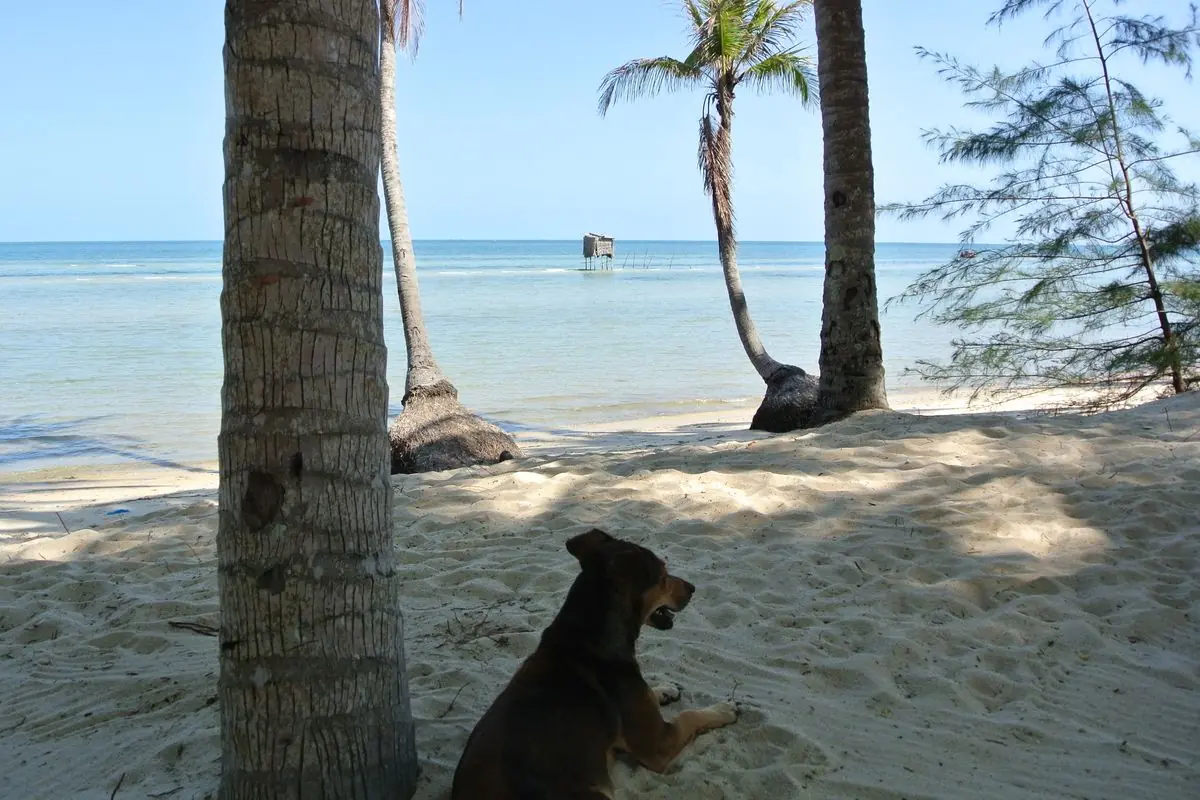
Photo: Tonbi ko
Dry season: prioritize the west coast
From approximately November to April, prevailing winds shift toward the northeast.
The west coast receives more protection from these winds, often resulting in calmer seas suitable for swimming and relaxation.
Long Beach is convenient if you want accommodation with relatively easy access to central Phu Quoc and sunset views.
Ong Lang is more suitable for travelers who prefer a quieter resort setting away from the busiest streets.
Sao Beach and Khem Beach can also be beautiful during the dry season.
Strong northeasterly winds may create rougher conditions along some east- or southeast-facing sections of coastline.
Check the actual conditions at your intended beach rather than assuming every part of the island is calm.
Rainy season: consider the southeast coast
From May to October, southwesterly winds often hit the west coast more directly.
Some beaches can experience larger waves, cloudy water, and debris washed ashore.
Meanwhile, Sao Beach and Khem Beach may be calmer because they are better sheltered by the island's terrain.
This explains why you might see clear turquoise water at Sao Beach on certain days in July or August while Long Beach is experiencing rough surf.
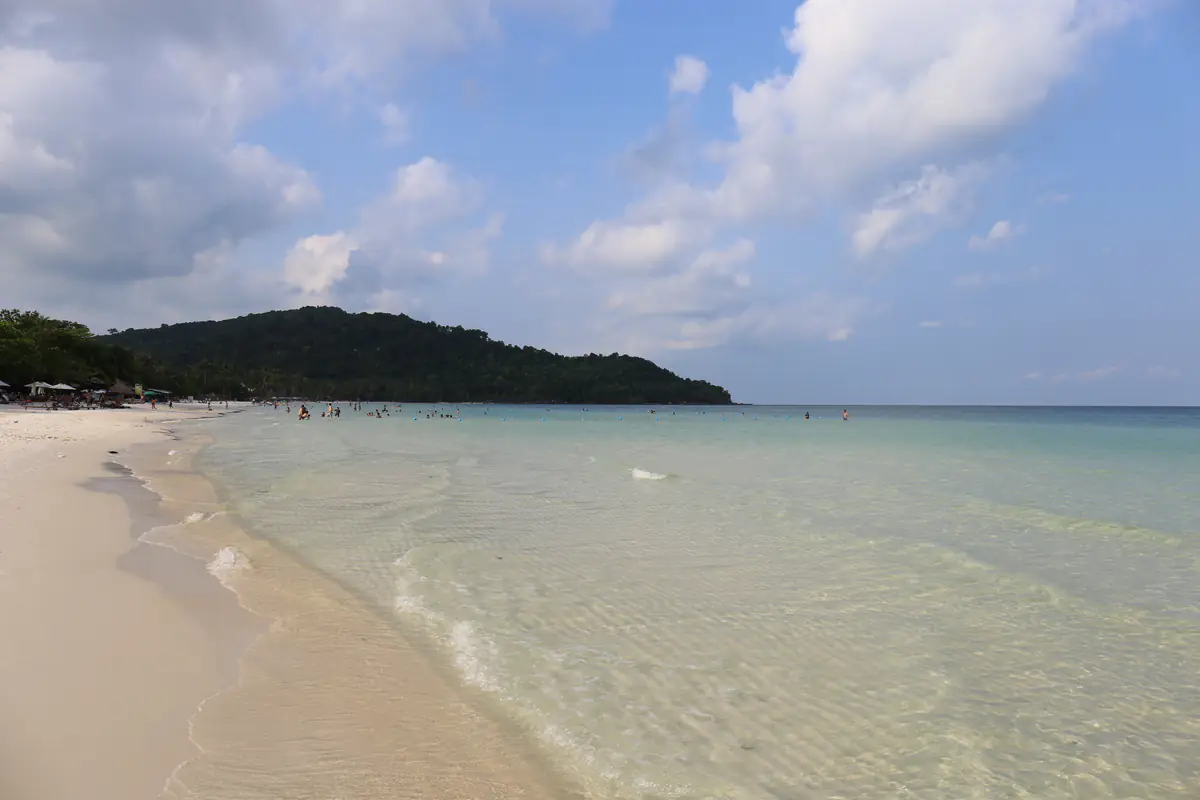
Photo: Vnecofriendly
| Season | West coast: Long Beach, Ong Lang, Bai Dai | Southeast coast: Sao Beach, Khem Beach |
|---|---|---|
| December to March | Generally favorable for swimming | Good days, but check northeast winds |
| April | Usually still good, with changing seasonal conditions | Choose according to current wind direction |
| May to June | Waves often increase | Frequently more sheltered from southwest winds |
| July to September | Greater chance of rough surf and cloudy water | May be calmer, but rainfall remains high |
| October | Conditions remain changeable | Check the weather each day |
| November | Gradually becomes more favorable | Northeasterly winds may have an effect |
These are seasonal patterns, not daily safety assessments. Always follow local beach warnings and lifeguard instructions.
What is the best month for snorkeling in Phu Quoc?
If snorkeling is a major part of your holiday, December through April is generally the period to prioritize, especially for trips around the An Thoi Archipelago.
Most group speedboat tours to the southern islands depart from the An Thoi port area in southern Phu Quoc.

Photo: Vivu Vietnam
Common destinations include Gam Ghi Island, May Rut Island, and Mong Tay Island.
Not every island offers suitable coral-viewing areas.
Some stops are mainly for swimming, lunch, or photography. The actual snorkeling locations can change depending on the operator and sea conditions.
Why is the dry season better for snorkeling?
Lower rainfall means less runoff carrying sediment and suspended particles into coastal waters.
When waves are small and visibility is good, snorkelers have a better chance of seeing coral formations underwater.
January through March is a particularly good period to consider.
April can also work well, although conditions may become more changeable toward the end of the month.
Snorkeling is still possible during the rainy season.
Some local operators may switch to more sheltered areas, such as waters near Ganh Dau in northern Phu Quoc, when conditions allow.
Skip any tour sold only on promotional photographs.
Ask exactly where the tour intends to take you and what happens if snorkeling conditions are unsuitable.
How should you choose a snorkeling tour?
For your first snorkeling experience, choose an operator that provides guidance, properly sized life jackets, and time in the water appropriate for your swimming ability.
Before booking, confirm the meeting point, departure time, transportation, included equipment, and refund or rescheduling arrangements.
Morning departures are often convenient because they leave more room for adjustments later in the day.
That does not mean morning boat trips are automatically safe regardless of the weather.
When snorkeling, do not stand on coral, break pieces off the reef, or lift starfish out of the water for photographs.
What is the best time to visit Phu Quoc with young children?
For families with young children, January through March is the easiest period to plan around.
Lower rainfall makes it easier to organize beach time, amusement parks, and journeys between attractions.
If your family prefers quieter places, avoid the busiest public holiday weeks.
Children under 3: prioritize comfort over sightseeing
Pools, comfortable rooms, on-site dining
Families traveling with babies or toddlers should choose accommodation with a suitable swimming pool, comfortable rooms, on-site dining, and convenient transportation.
Beach time can be part of the holiday without becoming the entire itinerary.
There is no need to put a toddler on a multi-island speedboat tour just to fit more activities into a short trip.
Mornings can be used for swimming, playing in the sand, or short walks.
Between approximately 11 a.m. and 3 p.m., prioritize indoor rest or shaded areas instead of prolonged sun exposure.
Children aged 4-10: February and March are good choices
Cable cars, parks, aquariums
Children in this age group can often enjoy more activities, including cable car rides, amusement parks, aquariums, and swimming in supervised areas.
A practical schedule is to plan one main activity in the morning, take a break after lunch, and continue later in the afternoon.
Avoid trying to fit a water park, speedboat excursion, and several distant attractions into one day.
Traveling during the school summer holiday
June to August, the wet months
June through August coincides with the school holidays in Vietnam, but these months are also part of Phu Quoc's rainy season.
Families can consider resorts on the sheltered southeastern side or properties with swimming pools, indoor play areas, and convenient dining.
Keep sea activities flexible.
Go when the weather and water conditions are safe. If heavy rain or strong winds arrive, switch to land-based activities.
Children must wear properly fitted life jackets when traveling on boats.
For snorkeling and other water activities, check the operator's rules on age, height, health, and swimming ability before booking.
Which months are the busiest and most expensive in Phu Quoc?
Good beach weather usually attracts more visitors, but Phu Quoc's tourist numbers also depend heavily on holidays in Vietnam and overseas.
There are three periods worth paying attention to.
December to March: peak beach holiday season
This period attracts travelers looking for sunshine and a break from cold weather.
Resorts around Long Beach, Ong Lang, Khem Beach, and the northern part of the island may fill up well in advance.
Christmas, New Year, and Tet are the dates to watch.
The amount you pay depends on the hotel, room category, breakfast arrangements, and booking conditions.
There is no single percentage increase that applies to every resort during peak season.
Public holidays and summer: busy even during the rainy season
April 30 - May 1 and the school summer holidays can attract large numbers of domestic visitors.
June and July are not always cheap, particularly on weekends at family-friendly resorts.
Vietnam's National Day holiday on September 2 can also increase demand for flights and hotels despite September being one of the wettest months.
May, September, and October: opportunities for better hotel deals
Outside public holidays, some hotels offer discounts or longer-stay promotions during quieter periods.
Compare the same room category, number of guests, and cancellation conditions.
A cheaper non-refundable room may offer less value if poor weather forces you to change your plans.
Reference prices for selected services in 2026
These 2026 prices from the operators can help you estimate part of your travel budget.
| Service | Price | Operator |
|---|---|---|
| Hon Thom cable car round trip, guests over 1.4 m tall | VND 850,000 | Sun World Hon Thom, effective January 1, 2026 |
| Hon Thom cable car round trip, children 1-1.4 m tall | VND 700,000 | Sun World Hon Thom, effective January 1, 2026 |
| Ha Tien - Phu Quoc ferry, adult ECO seat, one way | VND 216,000 | Phu Quoc Express, 2026 |
| Rach Gia - Phu Quoc ferry, adult ECO seat, one way | VND 315,000 | Phu Quoc Express, 2026 |
These are prices for individual services, not total holiday costs.
Promotions, revised ticket prices, and additional charges may affect what you actually pay.
Hotel rates and airfares change depending on your travel dates, so compare prices for your intended stay rather than relying on a single monthly average.
Does the rainy season affect ferries and speedboat tours?
Yes. This is something you should consider before deciding to travel from mainland Vietnam by ferry or booking trips to smaller islands.
Phu Quoc has an international airport and ferry connections from Ha Tien and Rach Gia to Bai Vong Port.

Photo: David Ackerman
Phu Quoc Express reference schedule for 2026, which changes by date:
- Ha Tien - Phu Quoc: approximately 1 hour 20 minutes, with reference departures at 7:00 a.m., 9:00 a.m., 11:45 a.m., and 1:45 p.m.
- Rach Gia - Phu Quoc: approximately 2 hours 30 minutes, with reference departures at 7:00 a.m., 10:20 a.m., 12:10 p.m., and 1:00 p.m.
Actual departure times depend on the travel date, passenger demand, weather, and operating permissions.
Use the departure time shown on your confirmed ticket rather than arriving at the port based only on a general schedule.
When the sea becomes too rough, ferry services may be suspended following decisions by the relevant authorities and announcements from operators.
For example, Phu Quoc Express announced a suspension of the Rach Gia - Phu Quoc route on July 17, 2024, because of unfavorable weather conditions.
The Ha Tien - Phu Quoc route was still permitted to operate that day.
This illustrates why conditions can differ between routes even when they serve the same island.
During the rainy season, an important international flight or work commitment right after your holiday rules out relying on a final ferry connection with no time buffer.
How should you plan a Phu Quoc itinerary for each season?
Choosing the right month is only the first step.
The way you organize your days can determine whether a change in weather causes a minor inconvenience or ruins an important part of your holiday.
A 3-day, 2-night Phu Quoc itinerary in the dry season
- Day 1
Arrive, check in, and relax at the beach
If your flight arrives in the morning or early afternoon, head to your hotel, have a meal, and keep the rest of the day close to your accommodation.
Travelers staying around Long Beach can enjoy a seaside walk and watch the sunset. There is no need to rush straight to southern Phu Quoc after a flight, particularly when traveling with small children.
- Day 2
Visit the An Thoi Islands or Hon Thom
Use your second day for your main sea-based activity.
For snorkeling, choose a speedboat tour with clearly identified stops. For panoramic sea views, a water park, and activities suitable for families, consider the Hon Thom cable car.
The Sun World Hon Thom schedule of October 9, 2026 has cable cars running at 9:30-11:30 AM and 1:30-5:00 PM. Operating times may change because of weather or management decisions, so check the current schedule before visiting.
An early departure generally leaves more time for activities. One main activity a day is enough.
- Day 3
Breakfast, check out, and head to the airport
Keep the final day for short activities near your hotel or simply relax before leaving.
Avoid booking an island-hopping excursion that finishes close to your flight departure. Even a relatively small delay at sea could disrupt the rest of your journey.
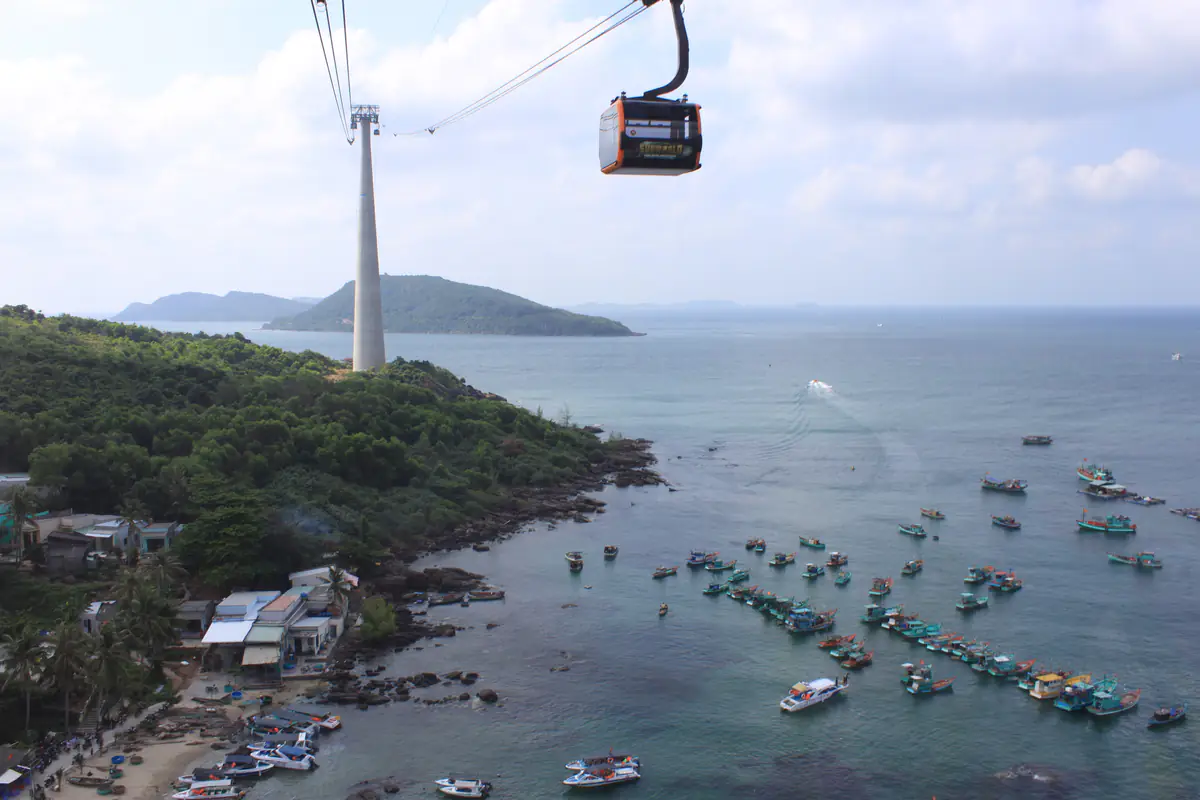
Photo: Klientos
A 3-day, 2-night Phu Quoc itinerary in the rainy season
- Day 1
Check in and enjoy the resort
Stay close to your accommodation. Use the pool, have a relaxed meal, or explore the nearby town when the rain stops.
- Day 2
Choose activities based on the weather
When conditions are good and the sea is safe, you may be able to swim at a beach that is sheltered from the prevailing winds.
If heavy rain develops, consider visiting a fish sauce production facility, a museum, shopping areas, or indoor attractions that are operating that day. Do not assume cable cars or water parks will remain open during severe weather.
- Day 3
Keep things simple before departure
With only three days and two nights, accept that a boat tour may have to be canceled if conditions are unsuitable.
If snorkeling is a major reason for visiting Phu Quoc, a four-day, three-night holiday gives you more flexibility to rearrange your plans.
Visiting Phu Quoc in October: how can you avoid travel disruptions?
October is an easy month to misjudge.
Because it falls near the end of the rainy season, some travelers assume conditions have already become similar to those in December.
Average rainfall in October is still several times higher than in December.
With nothing booked and a beach holiday as the main goal, consider moving your trip to December, January, or February.
When October is the only option, plan the trip differently.
Choose your hotel before committing to tours. Look for accommodation with enough facilities to enjoy a full day on the property if necessary. Sao Beach and Khem Beach may be worth considering while southwesterly winds remain active, but actual swimming conditions must be checked locally.
Do not schedule your most important boat trip on the final day. On a four-day, three-night holiday, you could tentatively plan your sea excursion for day two and keep day three available as a backup.
Check weather conditions for the exact area you want to visit. A general rainfall forecast for central Phu Quoc does not tell you everything about conditions around An Thoi or the smaller islands. Wind, waves, thunderstorm warnings, and operator announcements matter just as much.
Read cancellation policies before paying. A low tour price is not particularly useful if you lose the entire payment when conditions change and the booking cannot be moved.
What should you check before booking your Phu Quoc trip?
For a dry-season holiday, most decisions involve flights, accommodation, and the activities you want to prioritize.
During the rainy season, you also need to consider what happens if plans change.
Before confirming your dates, check the following:
- Weather forecast: Look at the broader weather pattern, especially heavy rain, thunderstorms, wind, and wave conditions.
- Hotel beach orientation: An ocean-view room does not guarantee that the beach will be suitable for swimming.
- Cancellation conditions: Favor accommodation and excursions with clear change and refund policies.
- Ferry and cable car schedules: Confirm operating hours with the providers, especially during unsettled weather.
- Public holiday dates: Compare flight and hotel prices before, during, and after major holidays.
- Extra time: Avoid scheduling weather-dependent activities immediately before flights or other fixed commitments.
A holiday of only two days works best from December through March.
With four or five days available, you have more options because you can rearrange activities if the weather changes.
The best beach season is not the same everywhere in Vietnam, which matters when combining Phu Quoc with other destinations.
Do not assume that good beach weather in Nha Trang or Da Nang means Phu Quoc will have similar conditions.
Their seasonal wind and rainfall patterns are different. Summer months that work well for parts of central Vietnam fall within Phu Quoc's rainy season.
So, which month should you choose for Phu Quoc?
For a first visit, January through March offers one of the best combinations of low rainfall, generally favorable sea conditions, and manageable outdoor activities.
December is also an excellent choice, while April works well for travelers who do not mind higher temperatures.
May, June, and October may appeal to travelers with flexible schedules who want opportunities to save on accommodation.
July through September is a less suitable period for holidays centered on speedboat excursions and snorkeling.
In February, Phu Quoc records average rainfall of just 20.6 mm according to the 1991-2020 climate normals. By September, that figure reaches 542.3 mm. That difference is worth considering before deciding which three days of the year to spend by the sea.
FAQ
When is the best time to visit Phu Quoc?
The best time to visit Phu Quoc for a beach holiday is generally from December to March. Rainfall is lower, west coast beaches are often calmer, and activities such as swimming and snorkeling are easier to arrange. April can also be a good month, although temperatures are higher.
Is October a good time to visit Phu Quoc?
You can visit Phu Quoc in October, but it is still near the end of the rainy season, with average rainfall of approximately 325.6 mm. Choose accommodation with good on-site facilities, avoid building your entire holiday around a speedboat tour, and keep at least one day flexible. For a more reliable beach holiday, December through March is preferable.
When does the rainy season start and end in Phu Quoc?
Phu Quoc's rainy season generally runs from May through October, although unsettled weather may continue into November. July through September are especially wet months. Rain does not necessarily last all day, but wind and waves may still disrupt sea activities even after showers have stopped.
What is the best month for snorkeling in Phu Quoc?
December through April is generally a favorable period for snorkeling around the An Thoi Archipelago, with January through March particularly worth considering. However, water visibility and waves change from day to day. Confirm conditions and snorkeling locations with your tour operator before departure.
What is the best time to visit Phu Quoc with children?
January through March is usually the easiest period for family holidays because rainfall is lower and outdoor activities are simpler to plan. Avoid major holiday weeks if you prefer fewer crowds. If you can only travel during the summer, prioritize hotels with swimming pools, indoor play areas, and flexible activities that do not depend on calm seas.
Related posts

Weather
Best time to visit Nha Trang: why March beats the summer months
March offers the best balance of beach weather, comfortable temperatures, and manageable crowds in Nha Trang.
Places
What to do in Phu Quoc for families and couples in 3-4 days
Find family-friendly attractions, romantic spots, ticket prices, and practical Phu Quoc itineraries.

Guides
Phu Quoc 3 days 2 nights: 2 itineraries by area
Two practical Phu Quoc itineraries for couples and families, with costs, hotel tips, and rainy-day alternatives.