Nha Trang Weather in October: 265 mm of Rain on Average
One unbooked day in the middle of your stay gives you room to change the sea plan. We suggest securing a convenient base before fixing an island departure.
Written by Tụi mình mê biểnUpdated
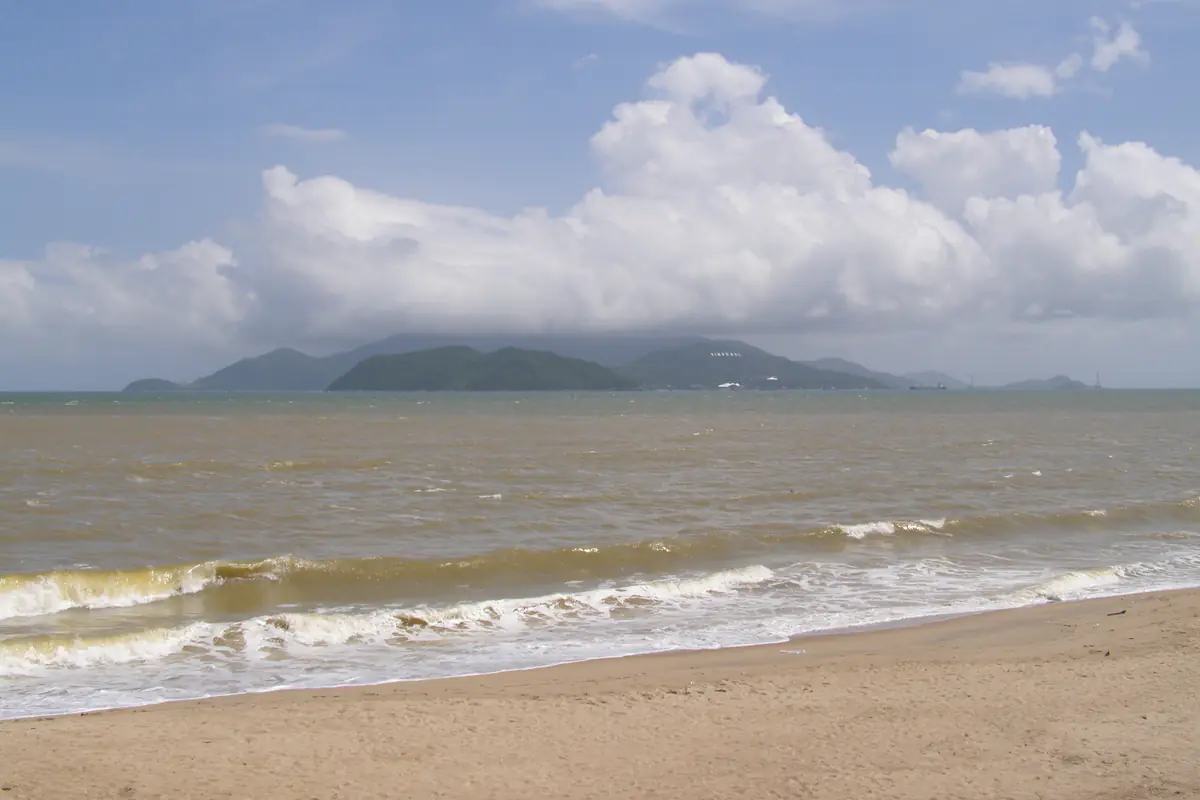
Photo: RG72
Start by leaving one day of your October trip unbooked. We suggest putting that flexible day in the middle of your stay, when it can become an island outing if conditions allow. Buy your transport home around your actual travel needs, then fit the weather-dependent activities between arrival and departure.
What the October averages mean for your trip
The rainfall figure above is an average monthly total, while the temperature covers daytime and nighttime conditions. Neither tells you how wet a particular morning will be or how warm your afternoon at the beach might feel.
We would use those figures to choose a flexible city stay with optional time on the water. We would not use them to pick a particular week. Monthly rainfall can arrive in uneven spells, and a sunny afternoon does not turn the rest of the month into a dry-season trip. A ten-year average also cannot establish that the first half of every October is better than the second.
Look at the hours you will actually be outside
An all-day rain symbol is a poor planning tool for a morning walk. Open the hourly forecast for the area you intend to visit and compare the rainfall amounts, thunderstorm indication, wind, and update time. Then consider the whole activity. Two quiet hours are useful for a short outing; they do not cover a full day on a boat with a fixed return schedule.
Before leaving for the shore, compare the latest modeled waves and wind in Nha Trang Bay with what the lifeguards report at your beach. Swim only inside the marked swimming area while lifeguards are on duty, following the flags and their instructions. When thunder is present, leave the water and move to a substantial building or an enclosed, hard-topped vehicle. A beach umbrella is not lightning shelter.

Photo: Hoàng Thạch
Keep two possible mornings for the sea
For a three-night stay, we suggest keeping two neighboring mornings interchangeable. Reserve one for an island outing and use the other for a city activity that can move easily. Ask the operator before paying how a date change works, when the departure decision is made, and what happens to your money if the boat cannot leave. Get the agreement in writing so everybody in your party understands the same arrangement.
The important booking detail is the actual swimming or diving location, rather than the island name on the advertisement. Ask where you enter the water, what activity is authorized there, and how long the boat remains. We favor a manageable route with useful time ashore over an itinerary designed around the largest possible number of stops. A longer list can mean more transfers and less time doing the thing you paid for.
For any boat trip, confirm that departure is permitted and wear the life jacket as directed. Avoid alcohol before and during the journey. Travelers with medical conditions, pregnant travelers, and families considering activities for young children should ask a doctor about suitability. Postpone outdoor excursions during thunderstorms, heavy rain, or flood warnings. Changing a canceled sea trip into a waterfall excursion is not a sensible way to rescue the booking.
Give your land day a shape, with room to stop
We suggest choosing one attraction for the morning and a nearby lunch afterward. Keep the afternoon light rather than trying to replace every missed beach hour with another stop. Po Nagar Cham Towers (Tháp Bà Ponagar) works better during a clear interval, since the approach, steps, and much of the visit are outdoors. It is not an all-weather indoor substitute for the beach.
A mainland mud bath is another option, but ask which facilities are operating before setting off. Pools and paths can still be exposed to the weather, and thunder affects water activities even away from the sea. For a family traveling with older relatives, we would prioritize easy vehicle access, changing facilities, and a short journey over a larger complex with more things on its map.

Photo: RG72
Pay for a convenient base before paying for a view
In October, a hotel close to meals and a simple pickup point earns its place in the budget. A balcony facing the sea is pleasant, but somewhere to dry clothes and an easy entrance matter every wet day. Ask about vehicle access during rain, the room’s cancellation terms, and laundry or drying arrangements. Check the conditions attached to your actual rate rather than assuming every room has the hotel’s most flexible policy.
On a first visit to Vietnam, also keep the hotel address saved in Vietnamese. You can show it to a driver without relying on your pronunciation or a vague landmark. Save the arrival details before traveling and keep a little extra time between checkout and onward transport. Rain is a reason to simplify the journey, not to schedule another distant attraction on your way to the airport.
Pack around getting wet once and changing comfortably
Bring a compact rain layer, footwear with grip, a waterproof pouch for your phone, and a separate bag for damp clothes. Keep one dry outfit away from swimwear and towels. If you have an evening flight after checkout, put that outfit in a small accessible bag rather than at the bottom of your luggage. This is more useful than packing several extra outfits that all get damp together.
We suggest checking the route before committing to a long walk. A short stretch between two cafés is a different outing from a coastal walk that leaves you far from shelter. Choose your turnaround point while you still have a dry place nearby. With children, agree on the next indoor stop before leaving the previous one, so a sudden shower does not become a hurried search for somewhere suitable.
Set one main task for each day
Use arrival day for check-in, food near your accommodation, and a shore walk if conditions permit. Give the middle day to your weather-dependent activity only after the operator confirms the departure. Keep the last morning for a city visit and lunch before your transfer. If the island trip falls through, use your prepared land plan without adding a rushed outing to compensate.
We would choose October for travelers who enjoy food, cafés, and a city base with occasional sea time. If daily swimming is the whole purpose of your holiday, compare the different rainy seasons at Vietnam’s beach destinations before buying flights. The right destination at the planning stage saves more frustration than a tightly packed replacement itinerary after you arrive.
FAQ
Should I bring a separate camera?
Bring it if photography matters to you, with a protective bag and a dry place for lens changes. A phone is simpler for a short outing.
Is a full-day private car worthwhile?
We would book one for a clear route the group wants, rather than hold a car all day for one or two nearby stops.
Umbrella or rain jacket?
Choose what is comfortable for short walks. A compact rain layer leaves your hands free when managing children or bags.
Related posts

Weather
4 Days in Nha Trang in November: Leave Room for Rain
Keep a November stay flexible enough to move the sea day and shorten travel in heavy rain.

Weather
Best time to visit Nha Trang: why March beats the summer months
March offers the best balance of beach weather, comfortable temperatures, and manageable crowds in Nha Trang.

Weather
Is Nha Trang Weather in February Good for a Beach Trip?
We suggest a February plan that leaves space for the beach without making every day depend on a boat.