Po Nagar Cham Towers (Tháp Bà Ponagar): Take Time on the Terrace
You get Cham architecture and a view toward the river, with steps and substantial time outdoors in return. We suggest starting with the lower columns.
Written by Tụi mình mê biểnUpdated
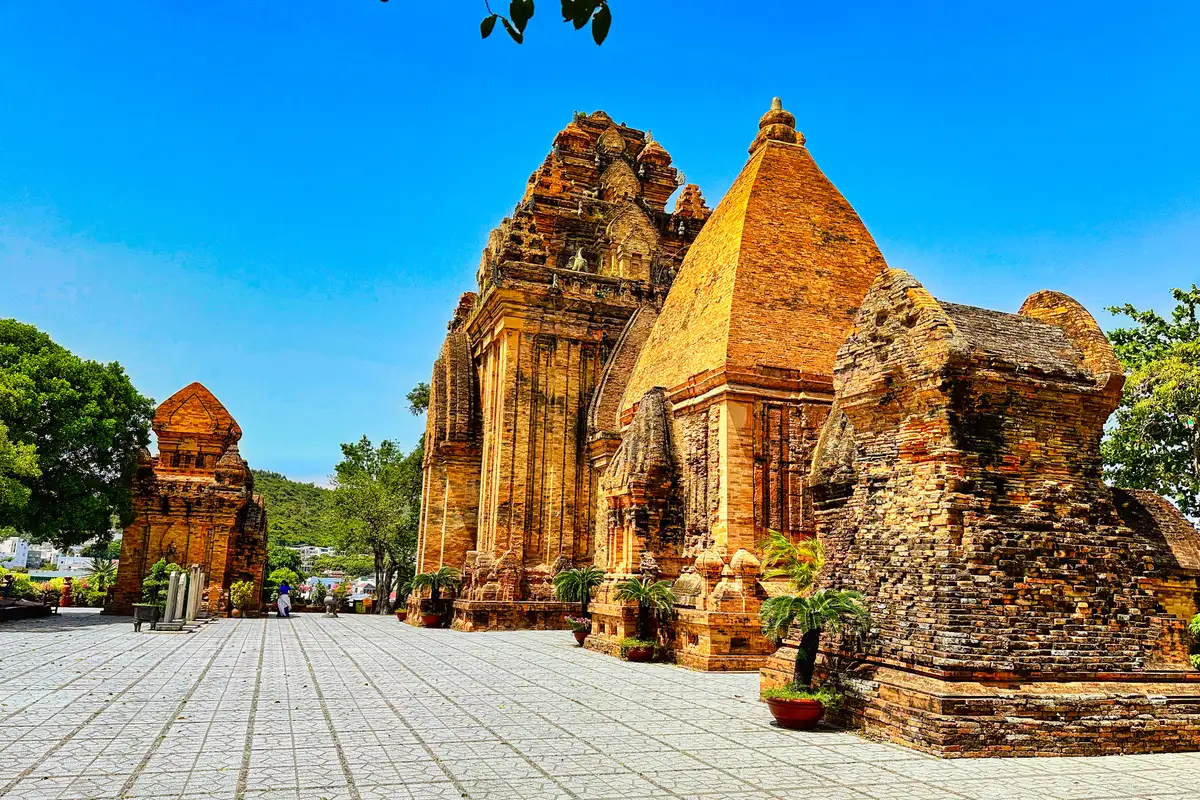
Photo: Ms Sarah Welch
The separate rows of brick columns below the hill are worth noticing before you climb to the towers. They give the visit a sense of several connected spaces rather than one monument with a convenient photo spot. We suggest allowing about an hour at a comfortable pace, with more time if you want a detailed explanation of the architecture and worship traditions.
Make this a northern-side outing
Po Nagar Cham Towers stand on Cu Lao (Cù Lao) hill beside the Cai River (sông Cái) area in Nha Trang. We would combine the visit with another activity on the same side of town rather than crossing the center repeatedly. When arranging a ride, select the actual temple complex. A mud-bath business also uses the Thap Ba (Tháp Bà) name, so a shortened destination can cause confusion.
We favor a morning visit because much of the route is outdoors and includes steps. That is a scheduling preference, not a promise that mornings are always quiet. Allow more time around religious celebrations and large group arrivals. Before your driver leaves, agree on a clear pickup point for the return. Save the location on your phone rather than relying on a description that becomes hard to recognize among several waiting vehicles.
Buy admission at the entrance and keep your ticket during the visit. If you are eligible for a concession, bring the relevant documents and ask before paying. For a guided group, clarify the total price and what service it includes. We would decide whether we want a guide before accepting an additional package offered beside the arrival point, especially when the group has different levels of interest.
Look at the lower courtyard before heading up
The columned area is commonly called the mandapa, a reception or assembly space associated with the complex. Stand where you can see the rows together before continuing uphill. We prefer that order because the relationship between the lower space and the towers is easier to understand after you have looked at both. There is no need to block a path with a long photo session to appreciate the brickwork.
Use the route designated for visitors and follow the signs rather than choosing an older-looking stairway because it appears more direct. Take extra care on wet surfaces. If someone in your party has limited mobility, ask staff about the practical route before starting. We would also avoid scheduling another demanding climb immediately afterward when traveling with older relatives or people who prefer frequent breaks.
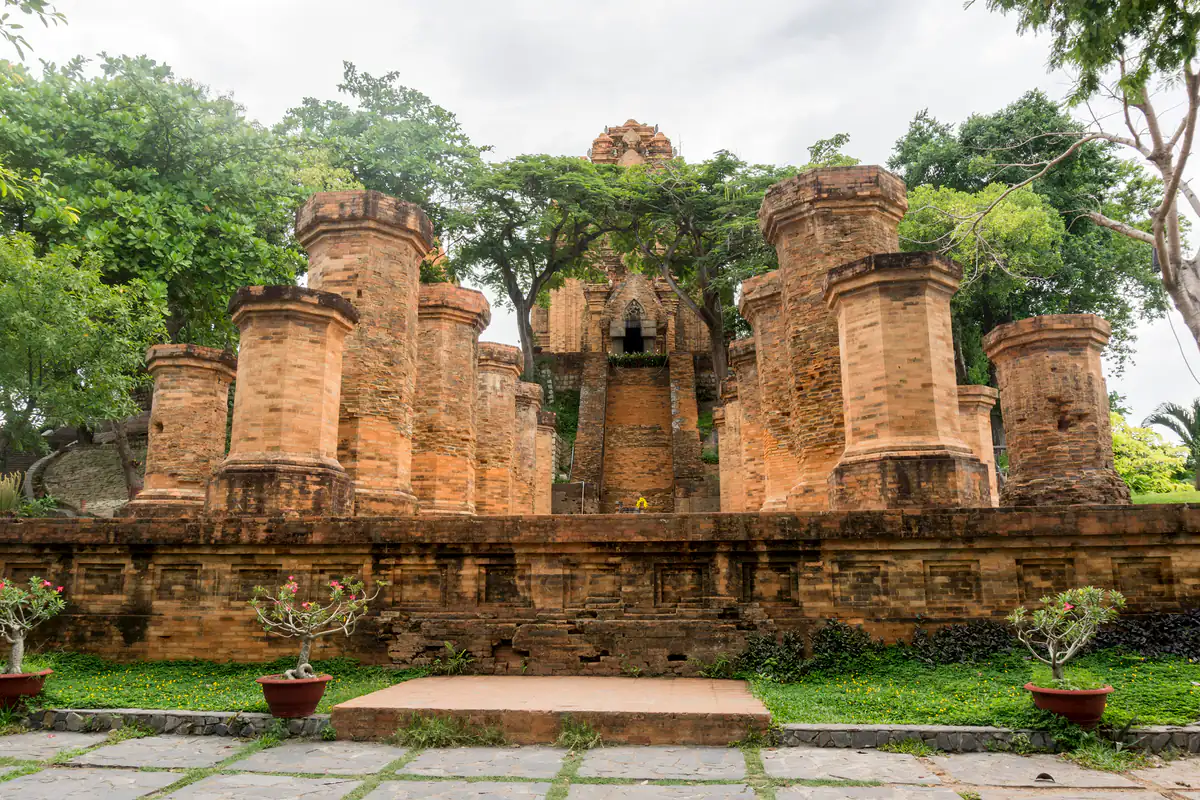
Photo: Castelfranco
Look at the whole building before the carved details
The complex developed between approximately the eighth and thirteenth centuries and is associated with Cham architecture and religious traditions. Four towers remain standing. Walking through the accessible parts of the upper area lets you compare the forms, heights, and placement of the separate structures. We suggest doing that before concentrating on a single doorway, so the smaller details have a place in the overall layout.
The stone carving above an entrance deserves a pause of its own. Look from a position that leaves the doorway clear for worshippers and other visitors. You do not need to identify every figure to appreciate the difference between the brick surfaces and carved stone. If you want a deeper interpretation, arrange a guide who can explain the history rather than trying to infer the entire religious meaning from the appearance of one relief.
This remains a place of worship, connected with the veneration of Thien Y A Na (Thiên Y A Na) among Cham and Vietnamese communities. Give people space to pray, keep your voice low, and leave entrances unobstructed. We would never arrange a group photograph around someone else’s worship. Stay outside ropes and restricted areas, and do not touch ritual objects simply because there is no attendant standing beside them.
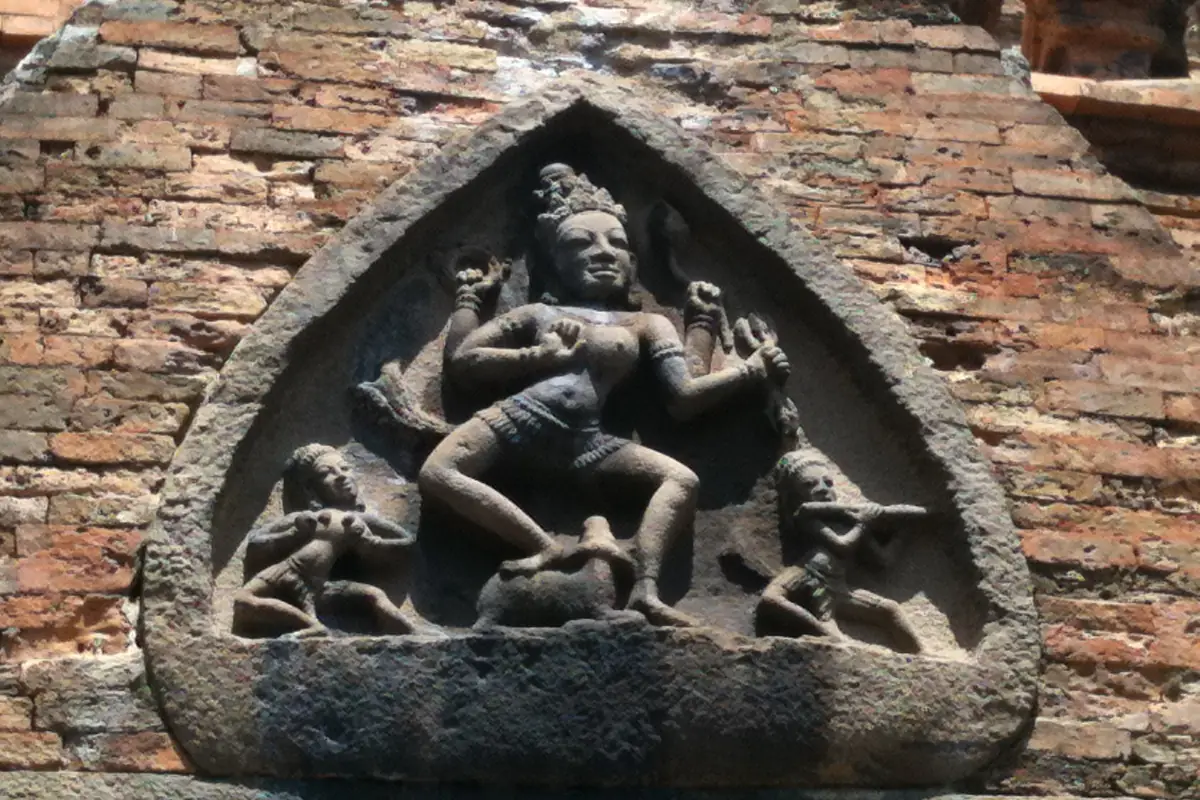
Photo: Dragfyre
Dress for a worship site before you arrive
We recommend clothing that covers shoulders and knees. Starting the outing dressed that way is easier than carrying a separate outfit and searching for a place to change. At individual entrances, follow instructions about footwear, clothing, and access. Do not assume that a rule for the open courtyard is identical to the conditions for entering a shrine. Ask staff when the instruction is unclear.
A hat and water help for the outdoor portion, but keep bags manageable so you can move aside easily. For children, explain before entering that people come here to worship as well as to visit. A short conversation at the gate is better than repeated corrections inside. Ask before photographing individuals, especially in a religious setting where being visible to visitors does not imply agreement to appear in their pictures.
Leave a few minutes for the river side of the visit
The view toward the river and bridge shows another part of Nha Trang beyond the beachfront hotel strip. We like leaving that pause toward the end, after seeing the towers. Remain within the visitor route and barriers rather than moving toward an exposed edge to improve a photograph. A wider composition is a reasonable price for keeping the group comfortably inside the designated area.
If rain begins, shorten the photography stop and use the safe route down. Postpone an outdoor visit during thunder, heavy rain, or flood warnings. A plan for a sustained rainy spell is more useful than trying to preserve a sightseeing appointment regardless of conditions. You can return for architecture; a wet stairway does not need to become part of an ambitious schedule.
Choose one more activity, then leave room to rest
A mainland mud bath can follow the visit once you have checked the service package and operating conditions. A lunch and a return to your hotel are equally reasonable. We would not add several attractions just because their pins look close on the map. Entrances, changing facilities, and the pace of the people traveling with you all take real time.
Travelers interested in history may want longer than our suggested hour. Others will prefer a shorter visit focused on the columns, courtyard, and river view. Finish while the group is still comfortable, particularly if another transfer is scheduled later. The value of this stop comes from having time to notice what is there, rather than fitting the largest possible number of nearby places into the same morning.
FAQ
Do I need to buy offerings to visit?
We would not treat buying offerings as a sightseeing requirement. Let your purpose and the instructions at the site guide you.
Do solo visitors need to hire a photographer?
No. Choose a safe position, ask only when someone is willing, and keep your belongings under your control.
How can I prepare for a more detailed visit?
Bring a few specific questions about architecture or worship to discuss with a guide rather than a long list to rush through.
Related posts
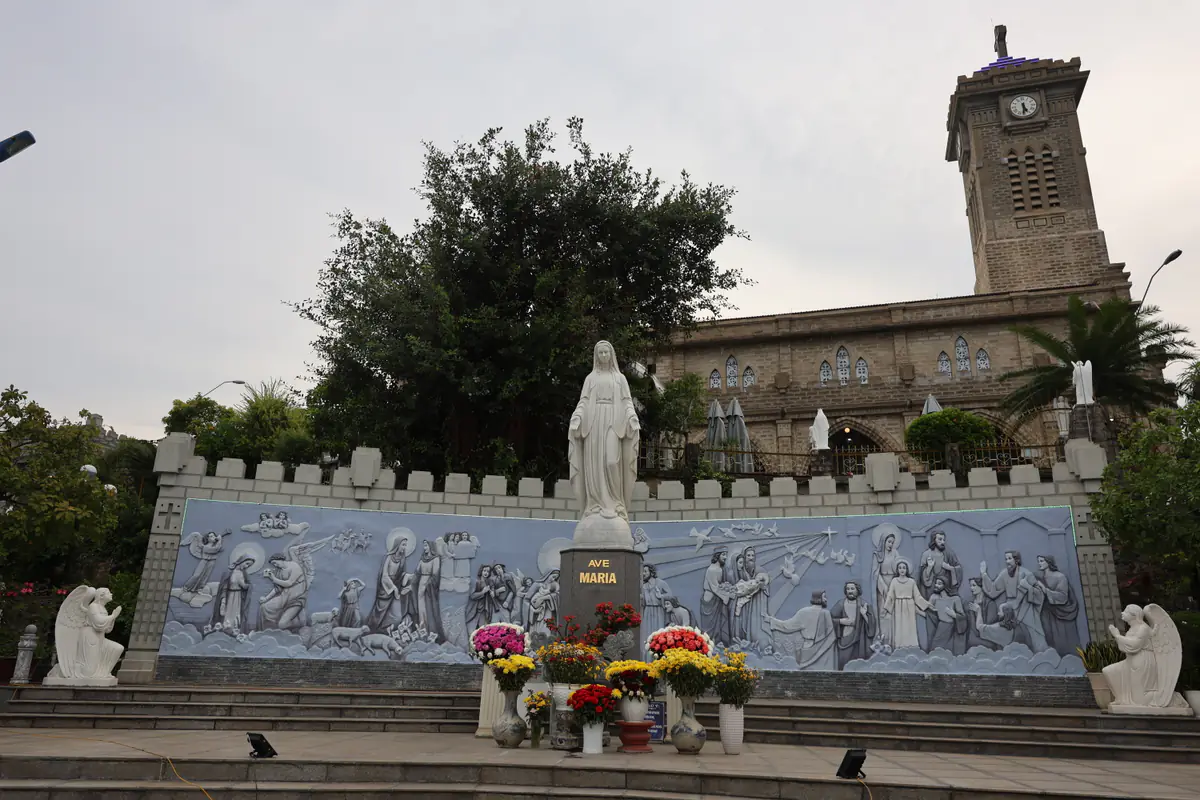
Places
Nha Trang Cathedral is worth visiting, but not during Mass
Visit Nha Trang's famous Stone Church at the right time and without interrupting Mass.
Places
Where to go near Nha Trang? 5 easy day trips worth taking
Compare five places near Nha Trang for an easy half-day or full-day escape.
Places
5 Stops at the Temple of Literature (Văn Miếu Quốc Tử Giám), Hanoi (Hà Nội)
Give the buildings and inscriptions your first visit, then consider the evening program separately.