Why pack only five days of clothes for two weeks in Vietnam?
Packing light makes Vietnam's trains, buses and hotel changes easier. The trade-off is doing laundry along the way and bringing the right extra layer for each region.
Written by Tụi mình mê biểnUpdated
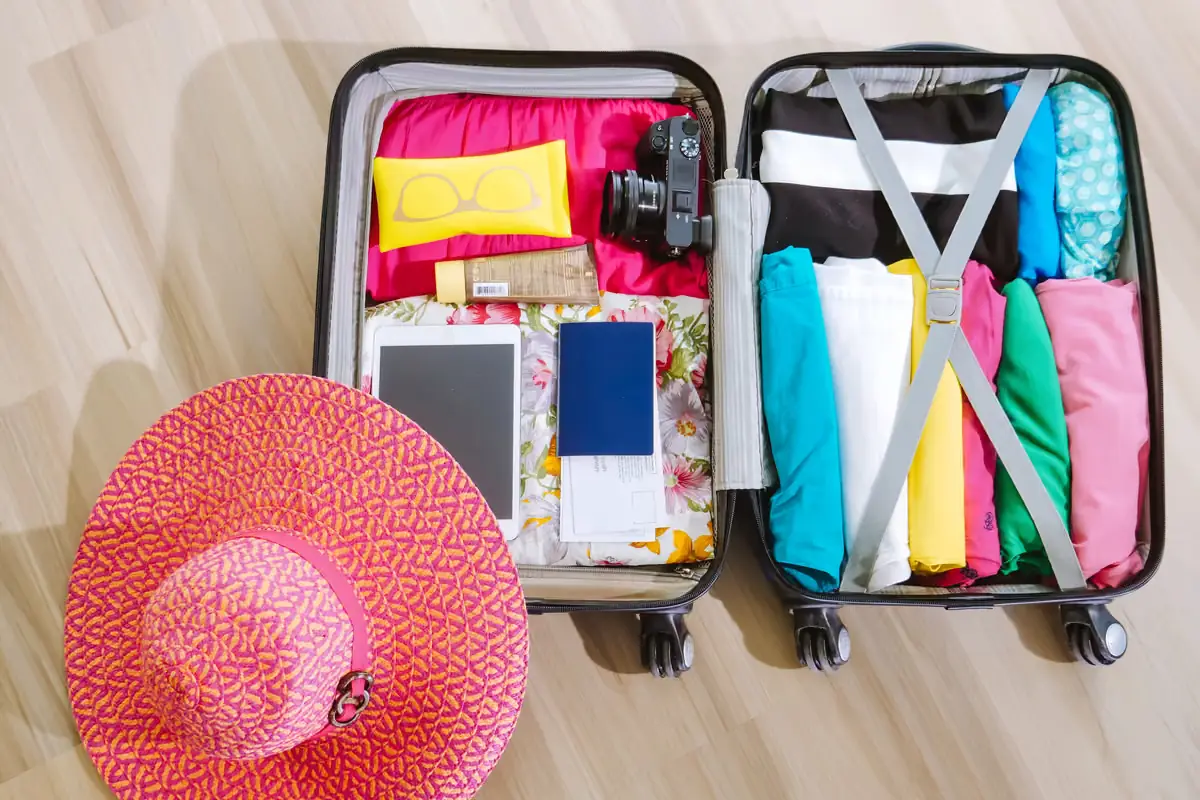
Photo: Kindel Media
For a two-week trip, start your Vietnam packing list with five everyday tops, three bottoms, seven sets of underwear, walking shoes, sandals and a compact day bag. Plan to wash clothes every four or five days, then add a rain layer, warmer clothing or hiking gear only where your itinerary requires it. That gives you a usable bag straight away, without spending the evening before your flight trying to force fourteen outfits into a suitcase.
Vietnam is not uniformly hot. December in Hanoi can feel chilly, an autumn visit to Hue can be very wet, and Ho Chi Minh City may still be warm enough for a T-shirt. This guide is for international visitors spending one to three weeks in the country, as well as Vietnamese hosts helping friends figure out what to bring. Pack for what you will actually use.
Decide what to pack from your itinerary, not a generic weather icon
Before choosing clothes, write down four things: the month, the cities, how you will move between them, and your most demanding activity. A sample December route might look like Hanoi for three nights, Sa Pa for two, Nha Trang for four and Ho Chi Minh City for three. That small list already tells you more than an average-temperature chart for “Vietnam.”
Hanoi and Sa Pa need cold-weather planning; Nha Trang deserves a check of coastal rain and sea conditions; Ho Chi Minh City calls for lightweight clothes. Add Ha Giang trekking and your footwear matters far more than whether you have a smart dinner outfit. Ten days beside the beach changes that priority again.
Try a simple test for every item: Where will I wear this, and on which day? An answer of “maybe somewhere” means it stays home, unless it is a critical health, safety or travel document. One versatile long-sleeved shirt can serve as sun protection, temple clothing and an extra layer on a cold bus. Three pieces that do almost the same job are usually unnecessary.
Check the forecast again shortly before departure. Weather patterns tell you what is likely; the actual forecast helps you decide whether to bring the thicker jacket, lighter rain shell or extra dry socks. If you are planning a boat excursion or a mountain trek, also follow operator updates and official weather warnings.
The two-week Vietnam packing list
This is a starting point for a city-and-coast trip with access to laundry, not a strict rule. Most visitors will use it with a small suitcase or travel backpack. A longer trip does not automatically require more clothes; it usually requires a more reliable laundry plan.
5
everyday tops
3
bottoms
7
sets of underwear
4-5 days
between laundry days
| Item | Suggested amount | Why it earns space |
|---|---|---|
| Breathable everyday tops | 5 | Choose pieces that dry reasonably fast; include one with sleeves for temples |
| Trousers, shorts or skirts | 3 | At least one should cover your knees |
| Underwear | 7 sets | Gives some room between laundry days |
| Socks | 4-5 pairs | More if you hike or expect cold, wet days |
| Sleepwear | 1-2 sets | Lightweight and easy to reuse |
| Warm or light outer layer | 1-2, as needed | Match Hanoi, mountain nights, air-conditioned transport or rainy weather |
| Swimwear | 1 set | Only if you expect to swim |
| Comfortable walking shoes | 1 pair | Wear them while flying to save luggage space |
| Sandals or flip-flops | 1 pair | Choose grippy sandals if you plan to walk outside in them |
| Sun hat and sunglasses | 1 each | Useful for both urban walking and the coast |
| Small daypack | 1 | For water, documents, layers and everyday essentials |
| Dry bag or waterproof pouches | 1-2 | Separate wet clothes and protect your phone |
Dresses can replace some bottoms; choose a long, easy-care one. People who sweat heavily get more use from a spare top than from a bulky extra pair of jeans. Denim has its place, especially on cooler days, but thick jeans take up space and can be slow to dry in humid weather. A comfortable pair worn on the flight may be enough.
For one week in Vietnam, the list can be reduced slightly, particularly if accommodation has laundry facilities. Three weeks in Vietnam works with roughly the same clothing rotation and washing scheduled at a convenient stop. Add more socks or underwear only if you will be camping, hiking for several days or staying somewhere with no realistic laundry option.
This is why a seven-day capsule wardrobe often works better than a suitcase filled for the whole duration. You can change destinations without dragging around clothes that spent the previous two weeks folded at the bottom of the bag.
Northern Vietnam: yes, there is a real winter
Travelers arriving from tropical Southeast Asia sometimes underestimate northern Vietnam in December, January and February. Hanoi can be cold and damp; Ha Long Bay may be windy and overcast; Sa Pa and other mountain areas can be considerably colder. Being outdoors before sunrise or after dark makes the difference more noticeable.
For a winter city stay, pack long trousers, a long-sleeved top, a fleece or knit layer and a wind-resistant jacket. Sa Pa, higher parts of Ha Giang and early-morning mountain viewpoints are colder again: add a proper insulated jacket, warm socks and a suitable outer layer. Thermal base layers may be worth their space when low temperatures are forecast. A thin cardigan intended for a chilly restaurant is not enough protection for a cold mountain evening.
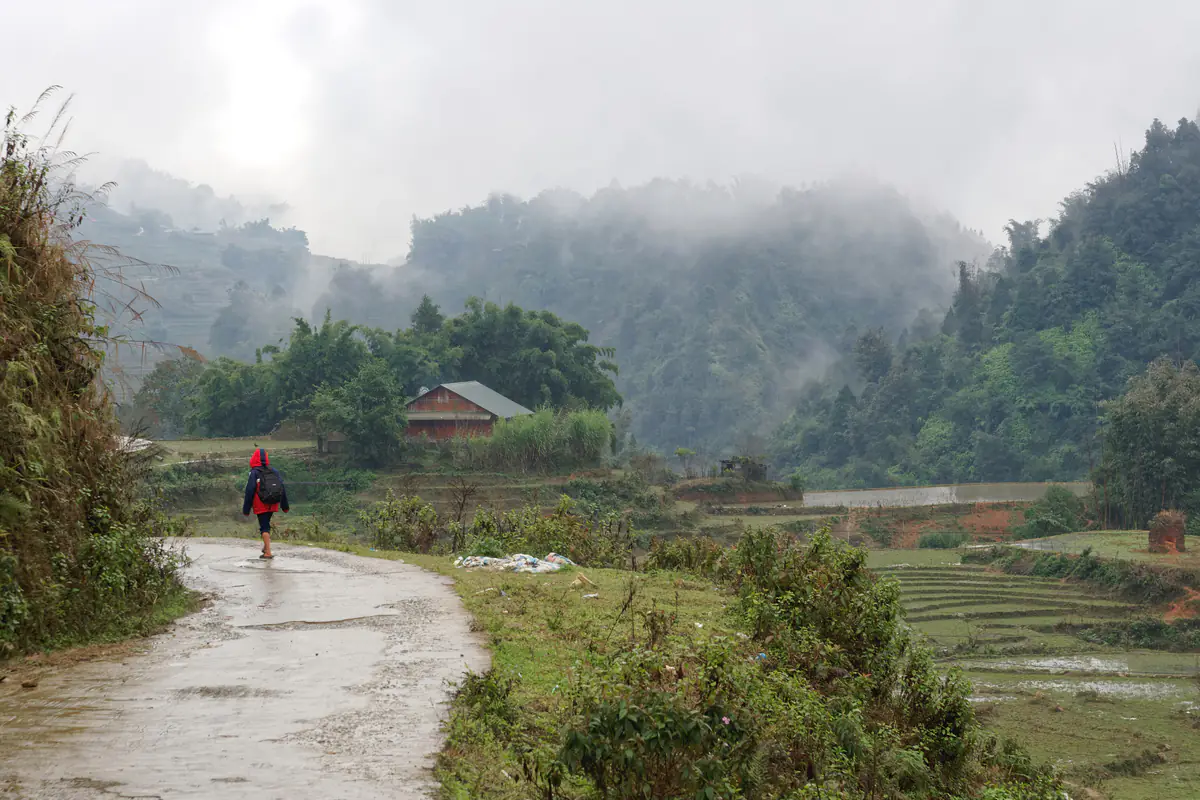
Photo: Jakub Hałun
On the other hand, northern Vietnam in June or July is usually hot and humid, with rain. In that season you will get more use from breathable shirts, quick-drying clothes and compact waterproof protection than from a heavy coat. Ha Long cruises can also be affected by storms; if sailings are canceled or local authorities issue warnings, changing plans is safer than assuming rain gear solves the problem.
Ninh Binh makes a useful example. A day of cycling or walking between limestone landscapes needs sun protection and comfortable shoes during warm months. The same area on a cool winter morning may require a fleece while you wait for a boat. Bring layers you can remove, not one outfit that only works at a single temperature.
Central Vietnam: rain gear matters more in autumn
Central Vietnam is where packing only for warm weather can catch people out. Hue, Da Nang and Hoi An commonly experience heavy rain during the later part of the year, especially around September to November. Storms and flooding can disrupt transport. Nha Trang has its own coastal weather pattern, with rain often more relevant late in the year than a first-time beach visitor expects.
Rainy-period visits to Hue or Hoi An need a lightweight rain jacket or poncho, a waterproof pouch for your phone and sandals with dependable grip. Keep one dry change of clothes accessible on transfer days. Quick-drying trousers are easier to manage than stiff jeans when you are getting in and out of vehicles, walking between hotels and eating in open-front restaurants.
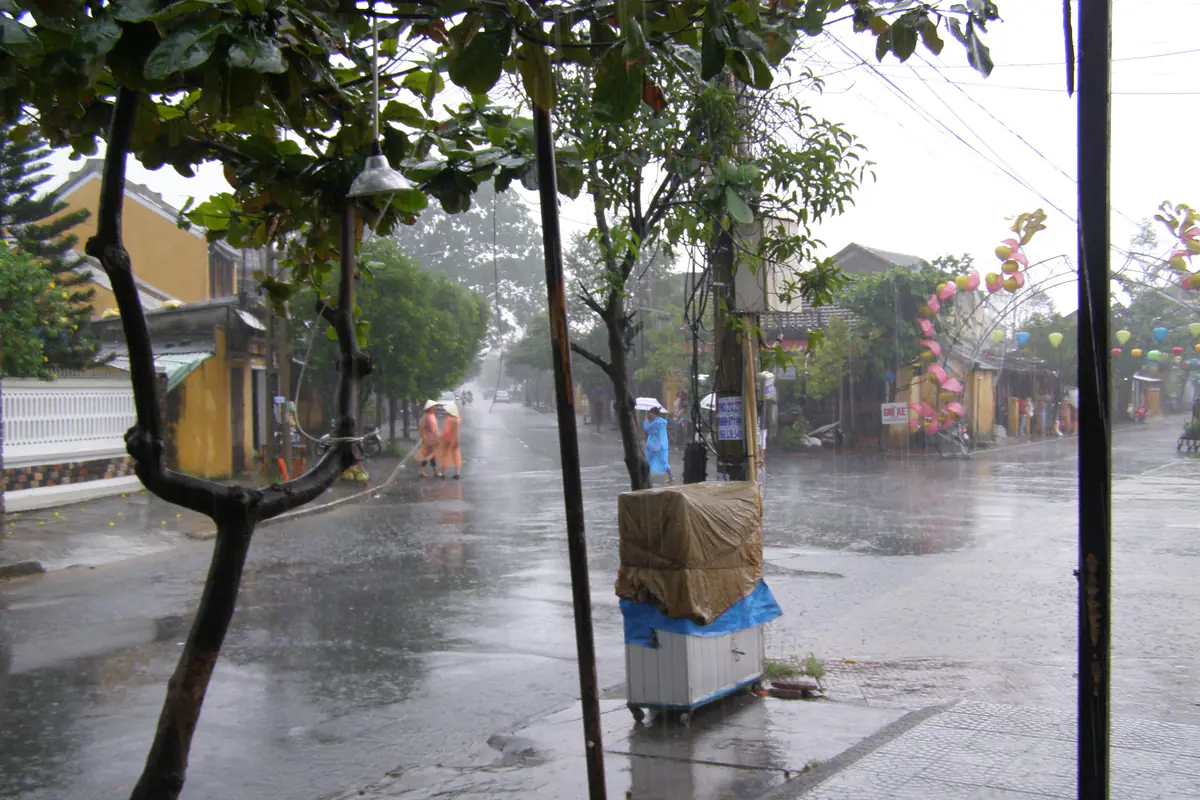
Photo: RG72
In drier, sunnier months, your central-coast priorities shift. You may want a rash guard for beach activities, swimwear, a sun hat and a light shirt for midday exposure. Look at your actual stops: a week divided between Da Nang beaches and Hoi An is not the same packing problem as a November road trip into the hills west of Hue.
Southern Vietnam: light clothes, sun protection and one spare layer
Ho Chi Minh City, the Mekong Delta and Phu Quoc are generally warm throughout the year. Expect humidity and, in the wetter months, heavy showers that may arrive quickly. For normal sightseeing, choose loose, breathable fabrics and items that recover quickly after washing.
An airy shirt, comfortable shorts or lightweight trousers and shoes that can handle long walks will cover most city days. Still pack one long-sleeved layer. It can protect your arms on a boat in the Mekong Delta, cover your shoulders at a religious site or make a strongly air-conditioned bus more comfortable. A journey that stays entirely in the lowlands still has no use for winter clothing.
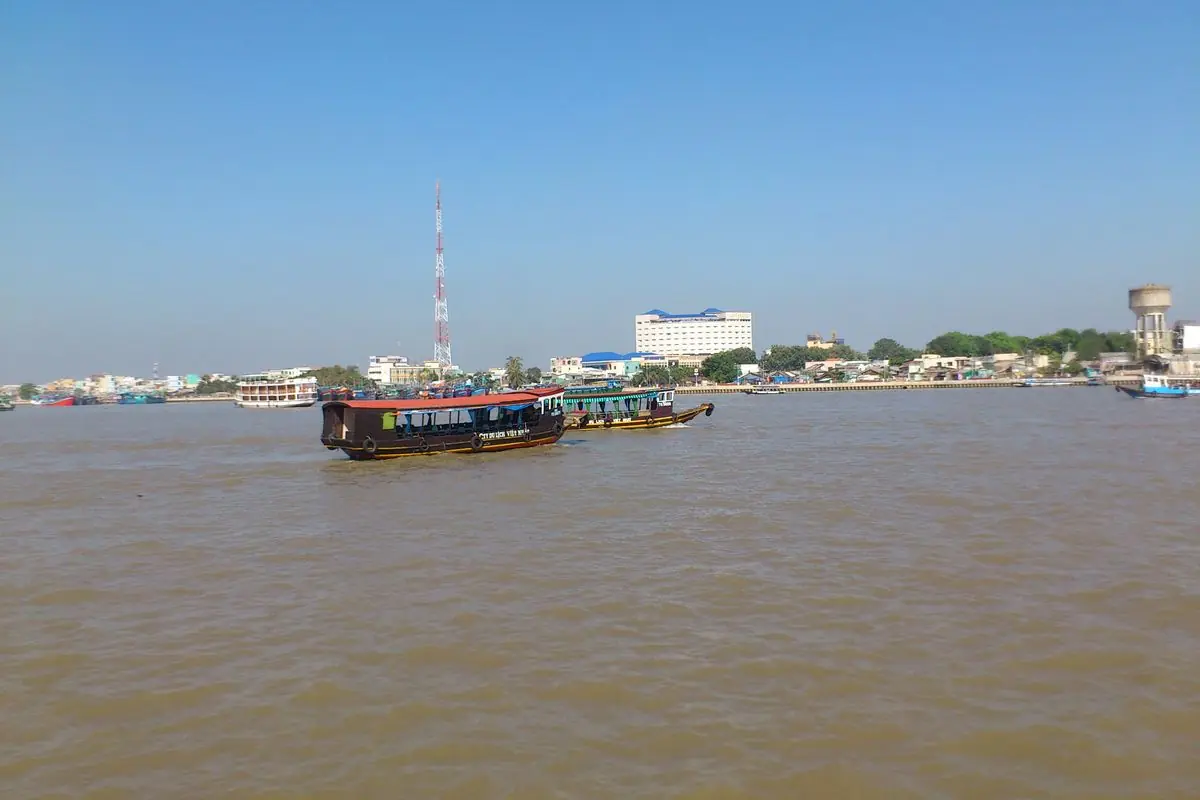
Photo: Martino pun
Time on the water around Phu Quoc adds swimwear, a dry bag and good sun protection to the list. On a Mekong Delta excursion, a brimmed hat and mosquito repellent tend to be more useful than an extra outfit for photos. In Ho Chi Minh City, footwear you can wear for hours is a better choice than heavy hiking boots.
One important exception to the “southern Vietnam is warm” rule is Da Lat. It sits at a much higher elevation and can feel cool in the mornings and evenings. Coming up from Nha Trang or Ho Chi Minh City, take a jacket and closed shoes to Da Lat even if you spend the first part of your trip in shorts.
What to wear in Vietnam's temples and pagodas
When visiting Buddhist pagodas, temples and many other religious sites, cover your shoulders and knees. The easiest outfit is a shirt with sleeves and lightweight long trousers. A skirt or dress that falls below the knees can work too. Avoid sheer fabrics, very short shorts and tops that leave your shoulders bare. Follow any dress rules at the entrance; individual sites may set stricter expectations.
For a morning at Long Son Pagoda in Nha Trang, a clean T-shirt with sleeves, loose trousers and comfortable shoes works for the visit and for lunch afterward. In Hanoi, the same outfit is practical for the Temple of Literature and walking through the surrounding streets. It is far better than packing a special outfit that will be used once.
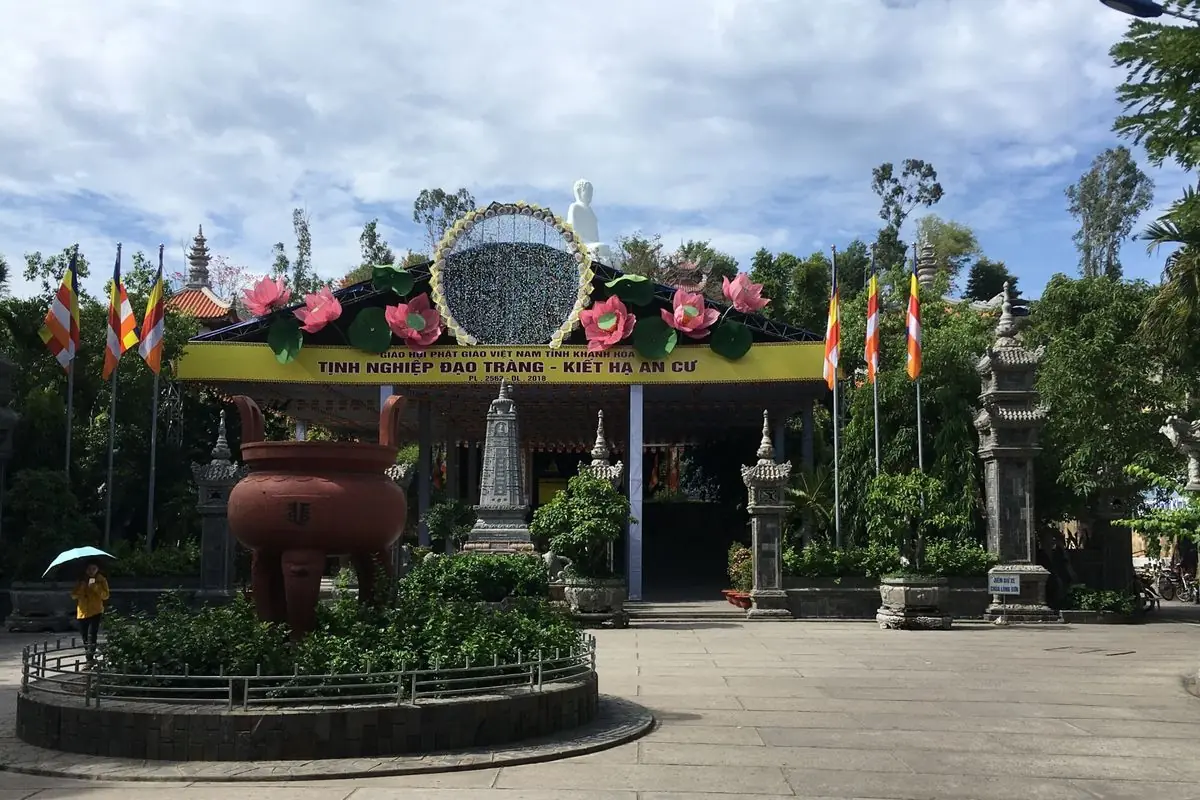
Photo: Christophe95
A large scarf is a useful backup for an unplanned temple stop in a sleeveless top. But it does not guarantee admission if your shorts are too short or the site applies its rules strictly. At sacred indoor areas, visitors may be asked to remove shoes and hats. Watch what signs and staff request; temples do not all follow exactly the same procedure.
Outside religious spaces, Vietnam's major cities are relatively casual. Shorts, summer dresses and sleeveless tops are common in leisure areas. Beachwear is best kept for the beach or pool, with an easy cover-up for restaurants and streets.
Vietnam packing list for women: choose outfits that do two jobs
There is no separate mandatory wardrobe for female travelers. A woman planning café visits, beaches and city sightseeing needs the same practical basics as anyone else: breathable layers, comfortable shoes, sun protection and clothing suitable for temples. Personal style can fit around those requirements.
One possible rotation is two T-shirts, two loose shirts or blouses with sleeves, one lightweight long-sleeved top, two pairs of trousers and one dress or pair of shorts. A long dress can be useful for daytime sightseeing and dinner, provided it is comfortable and not too delicate. A roomy linen shirt works over swimwear, under a jacket and with trousers in town.
Footwear is where many travelers overpack. You probably do not need sneakers, running shoes, hiking boots, heels and three kinds of sandals. Wear the pair that is best for walking and pack one other suitable pair. Leave specialist shoes at home unless the itinerary includes the activity that requires them.
Common toiletries and period products are available in larger Vietnamese cities. However, bring your preferred brand or type if you have sensitive skin, specific medical needs or a product that is difficult to substitute. The same applies to prescription skincare, contact lenses and personal care products. Saving luggage space is useful, but running out of something important to you is not.
For any traveler, avoid building a bag around outfits that demand ironing, special cleaning or shoes you cannot walk in. Choose pieces that mix easily and can handle a day involving a café, a market, a pagoda and a train station without requiring a complete change.
Walking shoes or trekking boots?
A comfortable pair of well-worn walking shoes is one of the most valuable items on this list. Hanoi's sidewalks can be uneven or obstructed, and sightseeing in Hue or Hoi An involves time on your feet. Shoes should grip reasonably well, fit your feet without rubbing and remain comfortable after several hours. Breaking in new shoes on the first day of a long trip is rarely a good idea.
For a day exploring Nha Trang's city center, sneakers or supportive walking sandals may be enough. A genuine trek near Sa Pa, in Ha Giang or around Pu Luong is different: think about trail shoes or hiking footwear suited to mud, rocks, inclines and the load you will carry. Easy, dry trails and multi-day mountain treks are not the same activity. Ask your guide or trekking operator what terrain and equipment to expect.
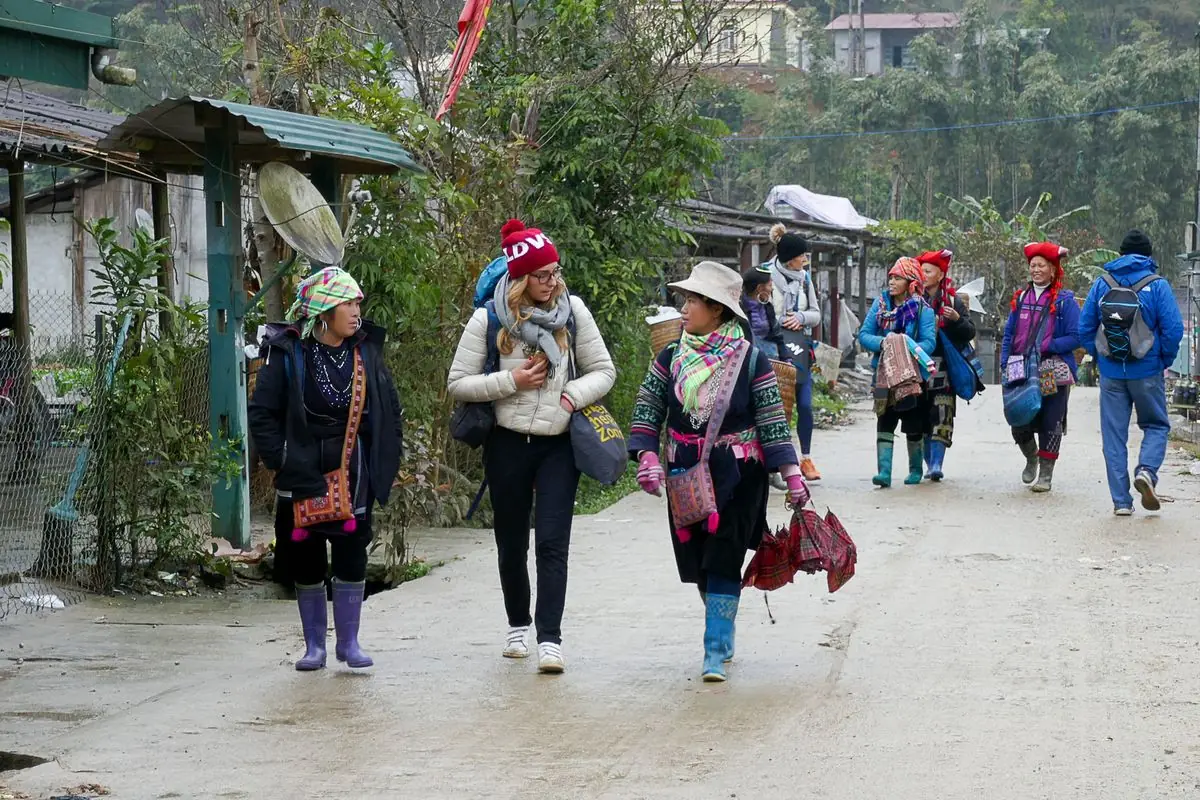
Photo: mmmmngai@rogers.com
A second pair of footwear is helpful after rain or a beach visit. Sandals with straps and a grippy sole are more versatile than thin shower flip-flops, especially when crossing wet steps. Waterproof boots are not automatically better: if water enters through the top, they can take a long time to dry. Whatever you choose, pack a few blister bandages.
Do not let an impressive-looking pair of boots persuade you to walk in dangerous weather. Proper footwear reduces certain risks but cannot make a flooded trail or an officially closed route safe.
Sun protection and mosquito repellent: two small essentials
A beach day at Nha Trang, Hon Tam or Phu Quoc can expose you to strong sunshine, but so can cycling around Ninh Binh or taking a boat in the Mekong Delta. Bring broad-spectrum sunscreen with SPF 30 or higher, sunglasses, a hat and clothing that covers your skin when practical. Follow the product directions and reapply sunscreen during prolonged outdoor exposure, especially after swimming or heavy sweating.
Choose a clearly labeled mosquito repellent containing an established active ingredient such as DEET or picaridin, also called icaridin. Use it according to the label, including age-specific guidance. When applying both sunscreen and repellent, generally put sunscreen on first, then use repellent. Lightweight long sleeves and trousers also reduce exposed skin during outdoor excursions.
Dengue is a concern in Vietnam, including urban areas; mosquito protection matters in cities as well as on jungle treks. A standard air-conditioned room with screened windows makes your own bed net unnecessary. At a campsite, open-air accommodation or a remote homestay, ask the property what mosquito protection is provided and pack accordingly.

Photo: Wee Hong
Do not pack every kind of insect spray or assume a coil replaces personal repellent. A suitable skin repellent, practical clothing and an appropriate sleeping environment are the useful starting points. Vaccines and destination-specific disease precautions belong in a conversation with a qualified travel health professional.
A basic medical kit without turning your bag into a pharmacy
A small health kit can contain adhesive bandages, blister dressings, oral rehydration salts, a compact antiseptic product and any everyday medicines you know you can use safely. Think about your own health rather than buying a long list of tablets simply because someone recommended them online. Pain relief, motion-sickness medicine or antihistamines should be chosen with your medical conditions, allergies and other medications in mind.
Antibiotics and malaria prevention medicines are not default items for every visitor. Whether they are appropriate depends on the person, route and exposure risks, and should be discussed with a clinician. Major cities have pharmacies and hospitals, but availability of an exact brand or formulation varies. Take enough of medicine that cannot easily be replaced, and use legitimate pharmacies for anything purchased locally.
Travel insurance and a pre-trip health consultation can be particularly important if you plan remote hiking or have a medical condition. Review the coverage for medical treatment, evacuation and the activities you intend to do. That is a separate planning task from choosing the size of your first-aid pouch, but both belong on the pre-departure checklist.
Power sockets, power banks and mobile data
Vietnam uses a 220 V, 50 Hz electricity supply. You may encounter sockets that accept two round pins, two flat pins or a combination, so a compact universal plug adapter covers chargers that do not match. Check the text printed on your charger. A phone or laptop charger marked 100-240 V, 50/60 Hz can generally handle the voltage; a plug adapter alone will not safely convert a 110 V-only hairdryer or styling tool.
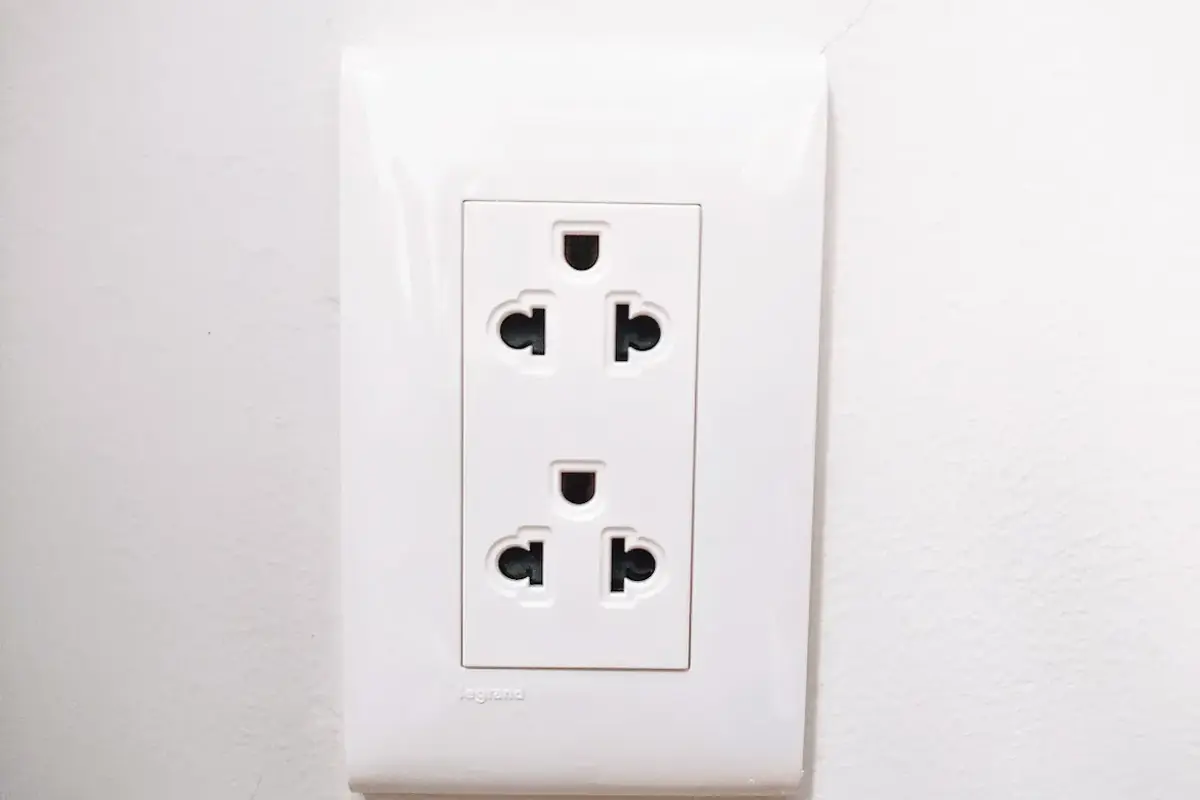
Take a reliable charger, the cables you actually use and a spare short cable. A multi-port charger saves space. Unless you must work during the trip, consider leaving the laptop at home. Download offline maps, accommodation addresses, train tickets and important bookings before your flight; they still open when you land without mobile data.
A local physical SIM works for internet access on an unlocked phone. An eSIM is convenient if your phone supports one and you want data ready on arrival. Check device compatibility, activation instructions and coverage for your itinerary.
Documents and cash: pack for arrival day, not the whole vacation budget
Passport and entry permission come before clothing. Check the visa rules that apply to your nationality, passport validity, onward travel requirements if relevant and travel insurance. Save copies of important documents securely and keep essential details available offline. A printed address for the first hotel can help if you cannot immediately access your phone.
Bring a payment card and enough Vietnamese dong for initial transport, a meal and small purchases. International cards are accepted in many hotels and larger businesses, but local markets, small food stalls and some rural services work better with cash. ATMs and exchange options are available in major cities and airports. There is usually no reason to carry your entire two- or three-week budget as banknotes.
Put a backup card somewhere separate from your main wallet. Split cash into a small daily amount and a reserve rather than constantly opening a large bundle in public. Read the bank's foreign withdrawal and conversion terms before leaving home. If you are traveling with very large sums of currency, check the applicable customs declaration thresholds in advance.
For transit days, use a small pouch or crossbody bag that stays with you. Your passport, phone, essential medicine and payment method should not all disappear into the luggage compartment under a bus. This matters more than choosing between a particular suitcase brand or backpack model.
What can you buy easily in Vietnam?
In major cities such as Hanoi, Da Nang, Nha Trang and Ho Chi Minh City, you can buy basic shampoo, toothpaste, soap, tissues, everyday clothing and many ordinary toiletries. Supermarkets, local shops and convenience stores can cover a forgotten item. There is little advantage in transporting several large bottles of routine products across multiple flights.
That does not mean everything will be cheaper or exactly the same as at home. Prices vary by brand, shop, size and year; imported specialist products can be expensive or hard to find. Bring skincare that you know works for you, prescription products, contact lenses, particular period products and any required specialist equipment. Shoes in an uncommon size are another item worth securing before the trip.
You can often find inexpensive rain ponchos or umbrellas in town, but do not rely on last-minute shopping for safety equipment before a hike, a boat trip or a remote transfer. Pack an initial supply of any specific sun protection or mosquito repellent you rely on. Replenish it later if necessary.
A large beach towel is often unnecessary if your accommodation provides towels and you do not have a special activity that requires your own. Bulky hair tools, large cosmetic collections, several books and clothes that cannot be washed easily are also good candidates to leave behind. Keep a little free space for gifts and souvenirs rather than checking an extra empty suitcase.
Backpack or suitcase for Vietnamese trains and buses?
Choose a rolling suitcase if you will stay in a few hotels, mainly use taxis and have straightforward access to your rooms. Choose a travel backpack if the trip involves frequent hotel changes, stairs, small lanes, rural stays or walking between transport stops. The choice comes down to how the bag moves through your itinerary.
On a north-to-south route through Hanoi, Ninh Binh, Hue, Da Nang and Nha Trang, you may move repeatedly between taxis, station entrances, train carriages and hotel lobbies. You will need to handle your own bag at some point. Sleeper trains are more comfortable than many long bus journeys for moving around, but they do not provide unlimited luggage space. A bag you can lift comfortably is useful whichever transport you choose.
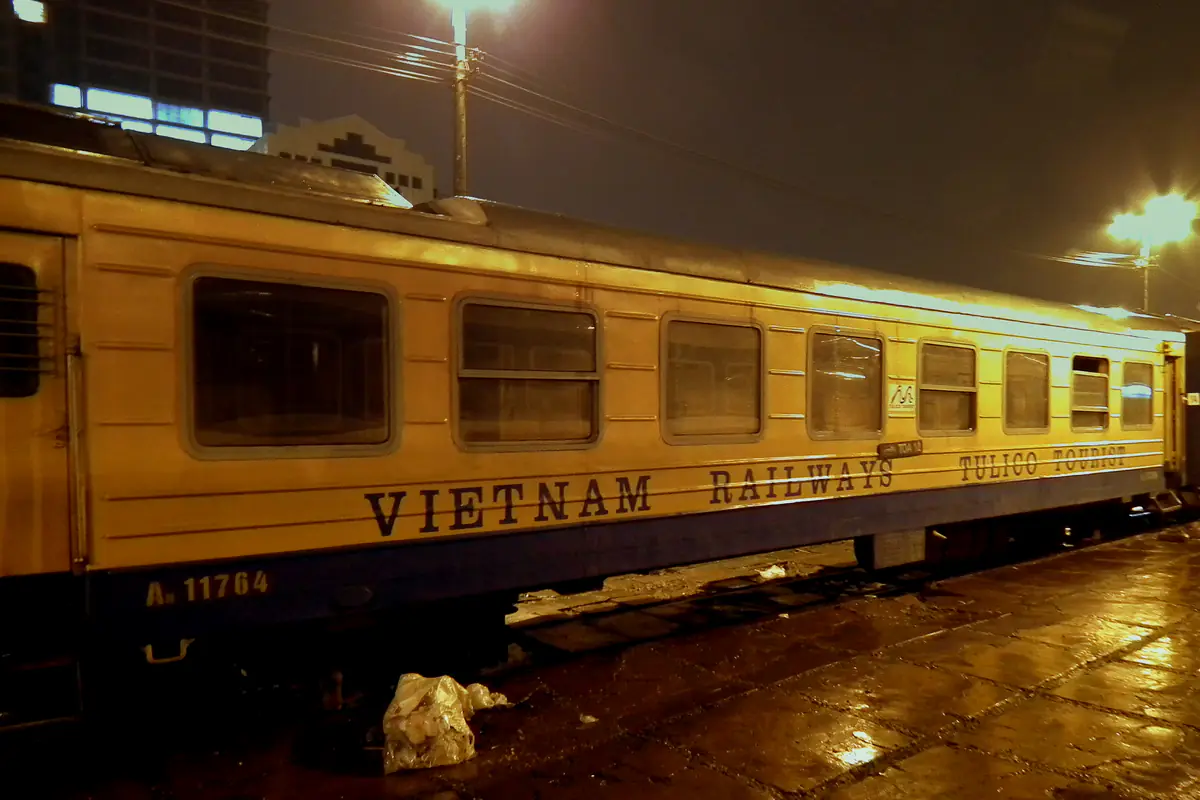
Photo: calflier001
Buses vary widely in baggage arrangements and allowed sizes. Clear oversized suitcases, sports equipment and fragile gear with the operator first. Keep valuables, travel documents and medicines with you rather than in the hold. A small daypack solves most of this even if your main bag is checked or stored elsewhere.
A 35-45-liter backpack may be enough for a lightweight trip with regular laundry, but capacity is personal. Winter clothing, photography equipment, family travel and medical supplies change the calculation. Leave room in a suitcase for wet or dirty laundry and keep a rain jacket easy to reach. The most useful luggage is the one you can repack at 6 a.m. without having to spread everything across the hotel floor.
Three itineraries and what to add for each
Two weeks from north to south
Five tops, three bottoms
Start with the five-top, three-bottom wardrobe. Add warmer layers for a winter stop in Hanoi or Sa Pa, rain protection if visiting Hue during the wet period, and swimwear for Nha Trang or Phu Quoc. Schedule laundry during a two-night hotel stay so you are not searching for a washing service during a one-night transfer.
One week in Nha Trang
Light clothes, swimwear, dry bag
Concentrate on breathable daily clothes, walking shoes, comfortable sandals, sun protection and swimwear. Add a dry bag for boat activities and a light rain layer in the wetter months. For a straightforward trip involving Tran Phu Beach, Po Nagar Cham Towers, Long Son Pagoda and the city restaurants, heavy trekking boots are unlikely to be useful.
Three weeks with mountain hiking
Trail shoes, warm layers, rain gear
Proper trail footwear, good socks, warm layers, rain protection and a waterproof liner move higher on the list. Ask your trekking provider about sleeping equipment, drinking water, medical access and the weight you must personally carry. If the region has heavy rain, flash-flood or landslide warnings, postpone the trek rather than pushing on because a guide has been booked.
A trip based mainly in Ho Chi Minh City and the Mekong Delta will look different again. You can drop most winter clothing and emphasize sun protection, light long sleeves, sandals and a small daily bag. Two nights in Da Lat put a warmer layer back on the list. It is much easier to adjust this way than to pack one generic “Vietnam wardrobe” for the entire country.
The final check before you close the bag
Make three piles. The bag that stays with you should hold travel documents, cards, phone, critical medication, valuables and a light change of clothes. Your daypack should be ready for water, sunscreen, repellent, tissues, a rain layer and a phone pouch. Your main luggage carries most clothing, secondary shoes and toiletries within the airline's applicable rules.
Finally, check the forecast for the specific dates you will spend in Hanoi, Hue, Nha Trang or Ho Chi Minh City.
FAQ
What should I pack for one week in Vietnam?
Four or five tops, two or three bottoms, underwear, comfortable walking shoes, sandals, sun protection, personal medicines and essential documents are a good start. Add a warm or waterproof layer based on your exact route.
Do I need fourteen outfits for a two-week Vietnam trip?
No, not if you can do laundry every four or five days. Pack clothing for about five to seven days and repeat the rotation. Bring more only when laundry will not be available or your activities demand extra gear.
What should women wear in Vietnam?
Everyday city and beach clothing is generally casual. Lightweight dresses, trousers and shirts work well. For temples and pagodas, cover your shoulders and knees and follow signs or staff instructions at the site.
Do I need a jacket in Vietnam in December?
Yes if your route includes Hanoi, northern mountains or cooler highland destinations such as Da Lat. The type matters: a thin layer is fine for an air-conditioned bus, but cold mountain weather may require proper insulation.
Should I bring mosquito repellent, sunscreen and a power adapter?
Bring an initial supply of sunscreen and suitable mosquito repellent, especially if you use particular products. Vietnam's supply is 220 V at 50 Hz, so check your charger's voltage rating and plug type before deciding whether an adapter is needed.
Related posts
Guides
Why do Nha Trang beach photos look better at sunrise?
Find the best Nha Trang photo spots, shooting times, and outfit colors for your trip.
Weather
Why is February better than September for outdoor activities in Da Lat?
Compare Da Lat's weather across all 12 months to choose the right season for sightseeing, cloud hunting, flowers, and packing.

Guides
14-day Vietnam and Cambodia itinerary for first-time visitors
Plan two weeks in Vietnam and Cambodia, including routes, border crossings, visas, and transportation.