Check which vaccines you need before traveling to Vietnam
Not every traveler needs the same vaccines before visiting Vietnam. A two-week beach vacation and a month spent in rural villages come with different health risks, so choosing the right vaccinations matters more than getting every available shot.
Written by Tụi mình mê biểnUpdated
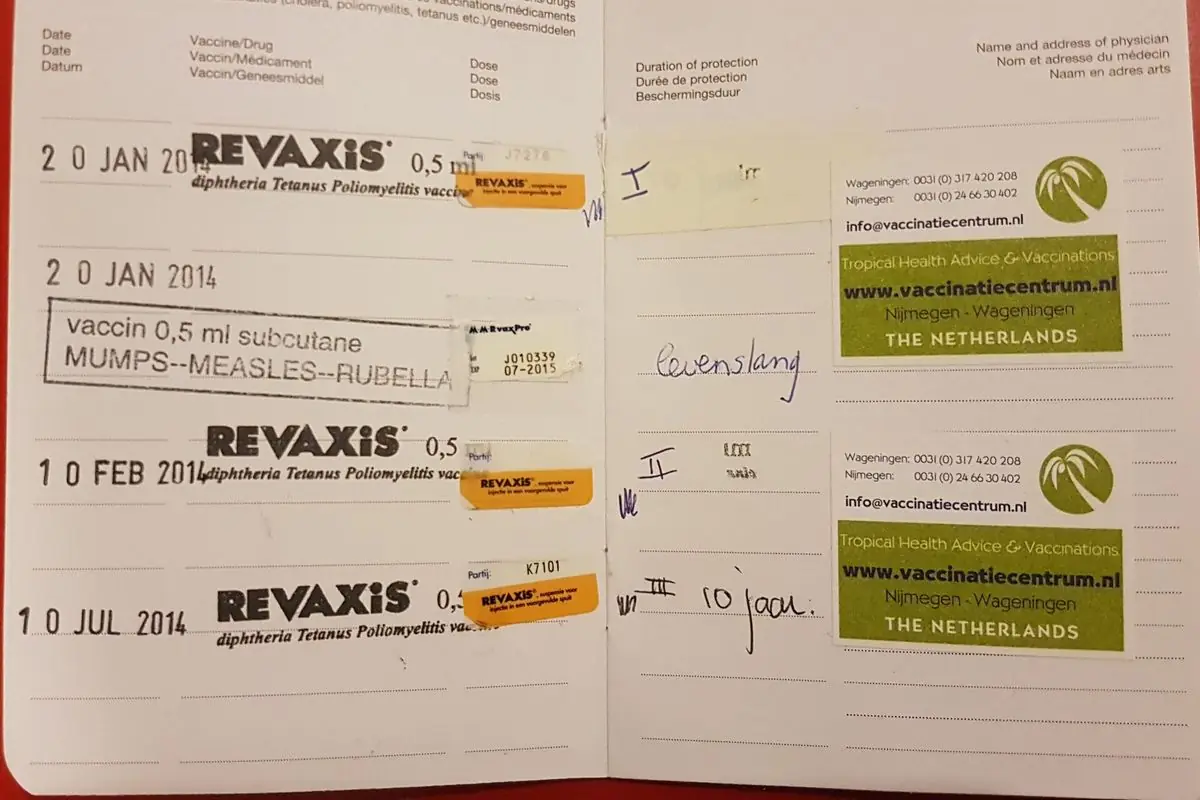
Photo: Nederlandse Leeuw
Before booking travel vaccinations for Vietnam, find your vaccination records and write down everywhere you plan to visit. For most travelers, the first things to review are routine vaccinations, hepatitis A, hepatitis B, and typhoid; rabies and Japanese encephalitis vaccines depend more on your itinerary and potential exposure. The US Centers for Disease Control and Prevention (CDC) recommends visiting a healthcare provider or travel medicine clinic at least one month before departure.
What vaccines do you need to travel to Vietnam?
The CDC separates vaccination preparation for Vietnam into routine immunizations and destination-specific recommendations. The second group depends on your age, health, length of stay, and planned activities. Travel medicine clinics use these details to assess your individual risk before recommending additional vaccinations.
| Vaccine | Who should discuss it with a doctor? | Priority |
|---|---|---|
| Measles, mumps, and rubella (MMR) | Travelers without adequate vaccination or evidence of immunity, especially families with children | Check before every trip |
| Tetanus, diphtheria, and pertussis | Travelers who have not completed their vaccination series or are due for a booster | Routine vaccination review |
| Polio | Travelers who have not completed the recommended vaccination schedule | Routine vaccination review |
| Seasonal influenza | Travelers who are not up to date under their home country's recommendations | Generally recommended |
| COVID-19 | Travelers eligible for vaccination under current guidance | Generally recommended |
| Hepatitis A | Unvaccinated travelers, including those visiting for a short time | Recommended by the CDC |
| Hepatitis B | Unvaccinated travelers | Recommended by the CDC |
| Typhoid | Most travelers, particularly those visiting multiple destinations, eating local food, or staying in rural areas | Recommended by the CDC |
| Japanese encephalitis | Travelers staying for a month or longer, visiting rural areas, or spending considerable time outdoors | Depends on itinerary |
| Rabies | Travelers who may interact with animals or have difficulty accessing medical care after an exposure | Depends on risk |
This table is not a vaccination prescription. Someone who completed their hepatitis B vaccination series during childhood may not need to start another series. On the other hand, an adult without reliable vaccination records should have their history reviewed by a healthcare professional before deciding to skip a vaccine.
A 12-day trip through Hanoi, Ha Long Bay, Da Nang, Hoi An, Nha Trang, and Ho Chi Minh City is different from spending six weeks exploring remote villages in northern Vietnam.
Travelers staying in cities and air-conditioned hotels generally do not have the same reasons to consider Japanese encephalitis vaccination as someone cycling through rural areas, camping, or sleeping in homes without window screens.
When you visit a travel clinic, bring your full itinerary rather than simply telling the doctor that you are going to Southeast Asia.
Vaccines commonly recommended before visiting Vietnam
Hepatitis A: worth discussing even for a one-week trip
Hepatitis A spreads primarily through the fecal-oral route, often through contaminated food or drinking water.
The CDC recommends hepatitis A vaccination for unvaccinated travelers aged one year or older visiting Vietnam. Babies between 6 and 11 months also have a specific recommendation for international travel. A dose given before the first birthday does not count toward the routine two-dose series administered afterward.
This vaccine is worth considering even if you never leave the cities.
During a typical vacation, you might eat at restaurants, visit local markets, try street food, and order drinks with ice. Foods served with raw vegetables or ingredients that have not been cooked can introduce additional hygiene considerations.
Vaccination does not mean you can safely drink untreated tap water or ignore food hygiene. The hepatitis A vaccine protects against one particular infection, not every cause of traveler's diarrhea.
Ask your doctor when to receive the first dose and how to complete the remaining schedule.
Travelers over 40, people with weakened immune systems, and those with certain chronic medical conditions who are leaving in less than two weeks may need an individual assessment about immune globulin in addition to vaccination.
Hepatitis B: check your vaccination records first
Hepatitis B can spread through blood, sexual contact, and medical or cosmetic procedures involving inadequately sterilized equipment.
It does not spread through sharing a bowl of pho or sitting next to someone on a bus.
The CDC recommends hepatitis B vaccination for unvaccinated travelers of all ages going to Vietnam, and particularly emphasizes its importance for long-term visitors and people relocating to the country.
If you received hepatitis B vaccinations during childhood, bring your records to the appointment. Forgetting the date of your most recent dose is no reason to restart the entire series on your own.
People planning to stay in Vietnam for several months, work or study in the country, or potentially receive medical treatment during their trip should pay particular attention to their vaccination status.
If you have never been vaccinated or have an incomplete series, your doctor can recommend an appropriate product and schedule.
Some hepatitis B vaccines have faster schedules than others. There is no single accelerated schedule that applies to every product.
Typhoid: particularly relevant when exploring different regions
Typhoid fever is a bacterial infection that can spread through contaminated food and water.
The CDC recommends typhoid vaccination for most travelers visiting Vietnam.
It deserves particular attention if you plan to travel between several provinces, stay with local families, spend time in rural communities, or frequently eat where access to safe water is uncertain.
Depending on your home country, typhoid vaccines may be available as injections or oral capsules.
For example, the injectable Vi capsular polysaccharide (ViCPS) vaccine is available for people aged two and older and should generally be administered at least two weeks before travel. The oral Ty21a vaccine has different age restrictions and a different dosing schedule.
Availability varies by country and clinic. Ask your healthcare provider which type is available, who can receive it, and when the vaccination series needs to be completed.
Even after vaccination, you still need to follow food and water precautions. Typhoid vaccines do not provide complete protection.
MMR, tetanus, influenza, and other routine vaccines
Many travelers focus on tropical diseases and overlook vaccinations they may have received years earlier.
The CDC recommends being up to date on routine vaccinations before international travel. These include MMR, diphtheria-tetanus-pertussis, polio, influenza, and other vaccines appropriate for your age and medical history.
MMR deserves a close look before any international trip.
The CDC recommends that eligible international travelers have evidence of protection against measles and ideally complete their necessary doses at least two weeks before departure.
Travelers without evidence of immunity may require two doses at least 28 days apart, depending on age and medical history.
Not every routine vaccine requires another dose before traveling. For instance, whether you need a tetanus booster depends on your vaccination history and the recommendations in your country of residence.
For influenza and COVID-19, ask your doctor which current recommendations apply to your age and health conditions. Do not assume the vaccination advice you received for a trip several years ago is still appropriate.
Do you need a Japanese encephalitis vaccine for Vietnam?
Not everyone traveling to Vietnam needs a Japanese encephalitis vaccine. It is mainly considered for people staying for longer periods or participating in activities that increase exposure to mosquitoes carrying the virus.
Japanese encephalitis occurs in Vietnam. Transmission can occur throughout the year, but activity is generally higher between May and October, particularly in northern Vietnam. The CDC recommends vaccination for travelers staying for at least one month and considers it for some shorter trips involving higher-risk exposure.
Which itineraries make vaccination more relevant?
Discuss Japanese encephalitis vaccination with your travel clinic if you plan to:
- Stay in Vietnam for at least one month or make frequent visits to areas where the disease occurs.
- Go trekking, camping, cycling, or working outdoors in rural areas for extended periods.
- Sleep in rural accommodation without air conditioning, screened windows, or mosquito nets.
- Visit agricultural areas during periods of greater disease transmission.
- Travel without a fixed itinerary or clear information about accommodation and outdoor activities.
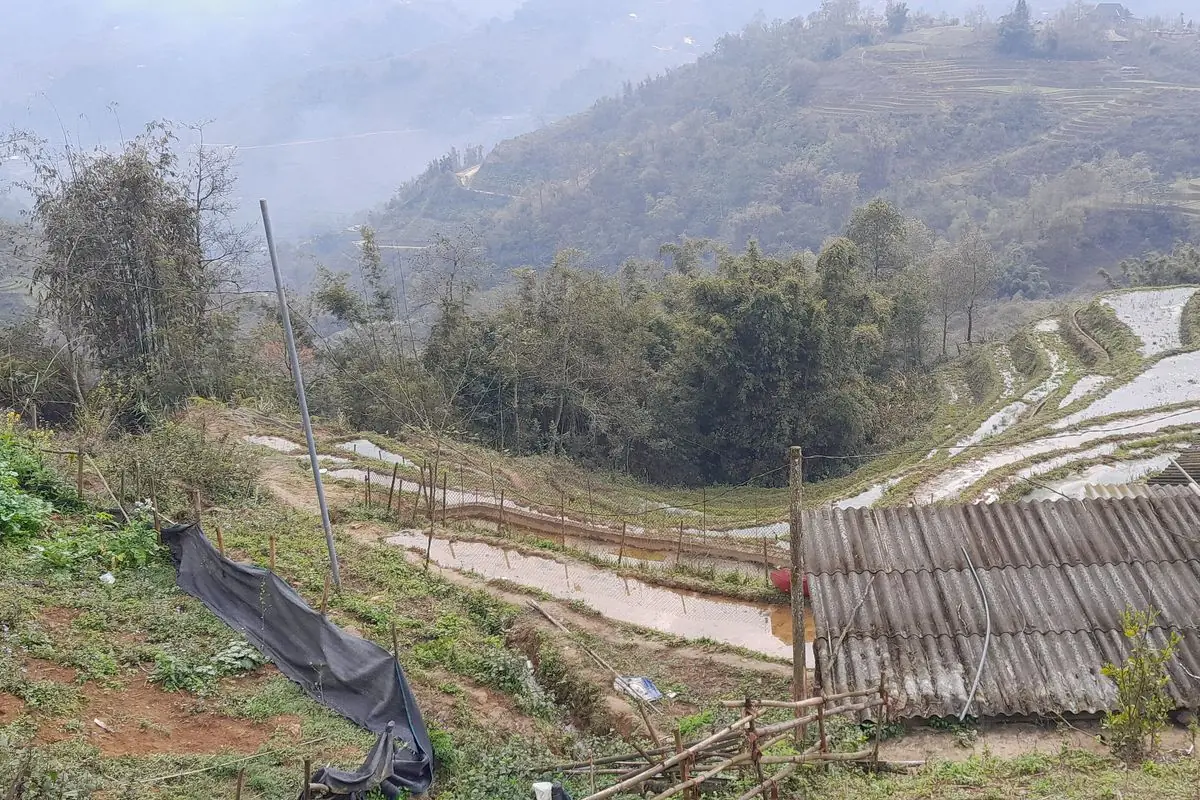
Photo: JakobHosp
For short trips limited to cities and urban attractions, the CDC generally does not recommend Japanese encephalitis vaccination as a routine measure.
For example, spending four nights in central Nha Trang, visiting the beach, exploring Po Nagar Cham Towers, and sleeping in an air-conditioned hotel usually presents a different exposure profile from spending several weeks in rural communities and undertaking outdoor activities in the surrounding parts of Khanh Hoa Province.
That difference does not mean either destination is completely free of mosquitoes or mosquito-borne diseases.
How far in advance should you get vaccinated?
In the United States, the Japanese encephalitis vaccine IXIARO uses a primary series of two doses.
Adults aged 18-65 can receive the second dose 7-28 days after the first. Children and adults over 65 follow a 28-day interval. The final dose should be administered at least one week before travel.
This schedule applies to a particular vaccine product. It should not automatically be used for other Japanese encephalitis vaccines offered in different countries.
Families traveling with children should ask their healthcare provider about approved products, minimum ages, and the appropriate schedule.
Booking early matters because some vaccination courses cannot be completed in just a few days.
Rabies vaccination before visiting Vietnam: who needs it?
Rabies remains a concern in Vietnam, particularly in dogs. Rabies post-exposure vaccination is available at many medical facilities in Vietnam, but access to treatment and travel time to an appropriate facility should still be considered when evaluating risk.
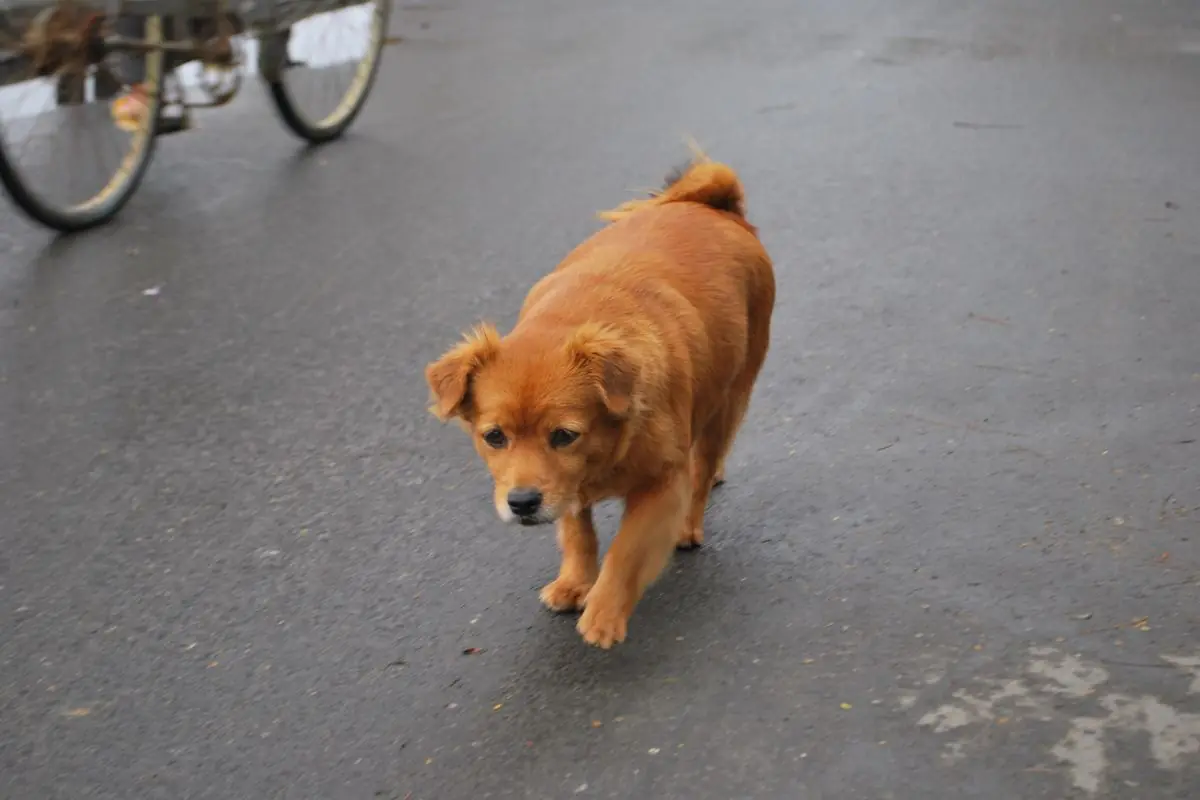
Photo: Stan
Pre-exposure rabies vaccination is not mandatory for every international visitor.
You should discuss it with a doctor if you expect to:
- Work or volunteer with animals.
- Cycle, run, or camp in rural areas where free-roaming dogs may be present.
- Visit remote places where reaching a medical facility could take considerable time.
- Travel with young children who may approach or touch unfamiliar cats and dogs.
- Stay in Vietnam for an extended period with frequent opportunities for animal contact.
In the United States, the CDC's pre-exposure rabies vaccination schedule consists of two doses, given on days 0 and 7, for eligible travelers.
The need for antibody testing or future booster doses depends on how long the risk continues and the nature of that exposure.
If you have already been vaccinated, do you still need treatment after an animal bite?
Yes. Pre-exposure rabies vaccination does not replace medical assessment and post-exposure treatment.
Do not wait until you return home before seeking help.
You should also avoid assuming an animal is safe because it is small, appears friendly, or leaves only a minor scratch without obvious bleeding.
Before traveling with children, establish a few simple rules: do not pet unfamiliar dogs or cats, do not feed monkeys, and do not try to touch wild animals.
These precautions apply even at busy tourist attractions.
Are any vaccinations mandatory for entering Vietnam?
For ordinary tourist itineraries, CDC and WHO guidance does not list a universal mandatory vaccination requirement for entering Vietnam.
Entry requirements and medical recommendations are two different things, though.
They serve different purposes:
- Entry requirements: Health documents or conditions that immigration and border authorities may require.
- Medical recommendations: Vaccinations that healthcare professionals recommend to reduce the risk of illness during travel.
A vaccine does not need to be legally mandatory to be medically important.
Special consideration: yellow fever vaccination certificates
This issue deserves particular attention if you have recently visited or transited through a country where yellow fever transmission is a risk.
The WHO International Travel and Health country list states that Vietnam does not require a yellow fever vaccination certificate.
The CDC also lists Vietnam as having no yellow fever vaccination entry requirement.
However, guidance published by the Australian Embassy in Vietnam states that proof of yellow fever vaccination is required for travelers arriving within six days of leaving or transiting through an affected area.
Official guidance on this point is therefore not entirely consistent.
Travelers arriving from countries without a yellow fever transmission risk, such as Singapore, Australia, or most European countries, don't need to worry about this.
If your itinerary involves a country with a yellow fever risk, provide the Vietnamese embassy or consulate with your countries of travel, transit airports, layover durations, and planned entry date.
You should also check with your airline about any health documents that may be reviewed at check-in.
Do not get a yellow fever vaccine solely because an old travel article says it is necessary. This vaccine has specific indications and contraindications that require professional assessment.
What vaccines do you need for Vietnam, Cambodia, and Thailand?
Combining Vietnam with Cambodia or Thailand is a common way to travel through Southeast Asia.
You might take a bus from Ho Chi Minh City to Phnom Penh and continue to Siem Reap, or fly from Hanoi to Bangkok before exploring northern Thailand.
Although the three countries share some health concerns, their risks and entry requirements are not identical.
| Vaccination or health concern | Vietnam | Cambodia | Thailand |
|---|---|---|---|
| Routine vaccines | Stay up to date | Stay up to date | Stay up to date |
| Hepatitis A | Recommended for unvaccinated travelers | Recommended for unvaccinated travelers | Recommended for unvaccinated travelers |
| Hepatitis B | Recommended for unvaccinated travelers of all ages | Recommended depending on age and vaccination history | Recommended depending on age and vaccination history |
| Typhoid | Recommended for most travelers | Recommended for most travelers | Recommended for most travelers |
| Japanese encephalitis | Depends on length of stay and activities | Depends on length of stay and activities | Depends on length of stay and activities |
| Pre-exposure rabies vaccine | Depends on animal exposure and access to treatment | Depends on animal exposure and access to treatment | Depends on animal exposure and access to treatment |
| Yellow fever certificate | CDC and WHO say not required; conflicting guidance warrants checking certain itineraries | Required for certain travelers arriving from risk areas | Required for certain travelers arriving from risk areas |
Cambodia requires a yellow fever certificate for travelers aged one year and older arriving from countries with a risk of yellow fever transmission, including certain airport transits lasting more than 12 hours.
Thailand has a corresponding requirement beginning at nine months of age.
These regulations should be checked against your actual itinerary and the rules in effect when you travel.
Two-week itinerary: Vietnam and Cambodia
Suppose you spend eight days in Vietnam and six days in Cambodia, visiting Ho Chi Minh City, Hoi An, Phnom Penh, Siem Reap, and Angkor.
Before departure, a healthcare provider will review your routine vaccinations, hepatitis A, hepatitis B, and typhoid protection.
Japanese encephalitis and rabies do not automatically become necessary just because you are visiting two countries.
However, they deserve additional consideration if your trip includes extended outdoor activities, animal exposure, or stays in areas where medical care is difficult to access.
There is no or negligible malaria transmission risk in Phnom Penh, Siem Reap city, and the main Angkor Wat temple complex. Some forested and rural areas elsewhere in Cambodia may require malaria prevention medication.
Tell your doctor exactly where you plan to travel outside the main cities.
Three-week itinerary: Vietnam and Thailand
The initial vaccination review for a trip covering Hanoi, Ha Long Bay, Nha Trang, Bangkok, and Phuket is similar to what you would need for Vietnam alone.
The main additional consideration is whether you will be trekking, camping, or staying in forested areas, particularly near international borders.
Malaria risk in Thailand is concentrated mainly in certain forested and border regions.
Major tourist destinations should not automatically be treated as having the same risk as those areas.
Traveling through several countries also does not mean receiving the same vaccine again in each destination.
Bring your complete itinerary to one travel medicine appointment so your healthcare provider can prepare a coordinated plan.
How long before your Vietnam trip should you get vaccinated?
A practical time to begin preparing is 4-6 weeks before departure.
This gives your healthcare provider time to review your medical history, identify missing vaccinations, and arrange vaccines requiring multiple doses.
4-6 weeks
before departure to book a clinic visit
1 month
or longer in Vietnam: CDC recommends Japanese encephalitis vaccine
2 weeks
before travel for injectable typhoid and completed MMR doses
15 minutes
washing a bite with soap, then see a doctor
- 6-8 weeks before
Six to eight weeks before departure
This is a good time to book an appointment if you are planning an extended trip, traveling through several countries, or bringing young children.
Bring the following information:
- Your vaccination records, including digital records.
- A list of the countries and destinations you will visit.
- Departure and return dates, including the time spent in each location.
- Planned trekking, cycling, camping, and animal-related activities.
- Current medications, allergies, and relevant medical conditions.
Pregnant travelers, people with weakened immune systems, those managing chronic conditions, and people receiving immunosuppressive treatment need individualized advice.
Certain live vaccines may be unsuitable for some of these groups.
- 4 weeks before
Four weeks before departure
By this point, you should ideally have reviewed your routine vaccinations and established a schedule for vaccines requiring multiple doses.
Japanese encephalitis is a useful example.
Depending on the vaccine product and age group, the primary series may require a 28-day interval between doses, followed by a minimum period before departure.
Before leaving the clinic, make sure you know the exact dates for any remaining appointments.
- 2 weeks before
Two weeks before departure
Check whether your vaccinations have been completed early enough to provide the intended protection.
The CDC recommends getting the injectable ViCPS typhoid vaccine at least two weeks before travel.
MMR doses should also be completed at least two weeks before departure.
If you are running short of time, your doctor may be able to adjust the schedule for certain vaccines.
Do not shorten the interval between doses on your own.
- A few days left
What if you are leaving in a few days?
You should still visit a travel clinic.
Some preventive measures don't need several weeks of preparation.
A healthcare provider can determine which vaccines are still appropriate, which doses need to be scheduled later, and whether you require malaria prevention medication or other precautions.
Do not abandon all vaccination planning just because your flight is approaching.
Likewise, do not attempt to receive every available travel vaccine in one appointment without a medical assessment.
Traveling to Vietnam with children: what vaccinations should you check?
For families with young children, preparation should begin with the child's routine vaccination schedule in their country of residence.
Children are not always eligible for the same vaccines or doses as adults.
Some routine vaccinations can be given earlier for international travel, while others are not approved below certain ages.
Babies aged 6-11 months
The CDC recommends that infants aged 6-11 months receive an early MMR dose before international travel.
They will still need to complete the routine MMR schedule after their first birthday, because a dose received before 12 months does not replace the later doses.
The CDC also provides a specific hepatitis A vaccination recommendation for infants aged 6-11 months traveling to Vietnam.
A doctor should advise on the timing of this dose and the subsequent routine series.
MMR is not recommended for infants younger than six months.
Families traveling with younger babies should consult a pediatrician or travel medicine specialist about the risks and appropriate protective measures.
Children aged one year and older
Check MMR, hepatitis A, and all other routine vaccinations appropriate for the child's age.
For children aged two and older, a doctor may consider the injectable typhoid vaccine when indicated.
Japanese encephalitis and rabies vaccination depend on age, the specific vaccine product, and the child's anticipated exposure.
A child spending five days at a Nha Trang resort has a different risk profile from a child accompanying their family to live in rural Vietnam for three months.
Keeping children healthy during the trip
Vaccinations are only part of the preparation.
Families should also arrange access to safe drinking water, age-appropriate mosquito protection, and basic medical supplies.
When eating out, choose thoroughly cooked food served hot.
Avoid giving children raw seafood, undercooked meat, or food that has been sitting at an unsafe temperature for an extended period.
If a child is bitten or scratched by a dog or cat, wash the wound and seek immediate medical care, even if the child received pre-exposure rabies vaccination.
Ask your pediatrician about appropriate fever medication, oral rehydration, and symptoms that require medical attention.
Never use an adult prescription as a substitute for a child's medical advice.
How to prevent dengue fever while traveling in Vietnam
Dengue fever is an important health concern for travelers visiting Vietnam.
The infection is caused by the dengue virus and spread by Aedes mosquitoes, which are found in both urban and rural environments.
The CDC has a global dengue notice identifying year-round dengue risk in numerous destinations, including Vietnam.
Mosquitoes transmitting dengue are often active during the daytime.
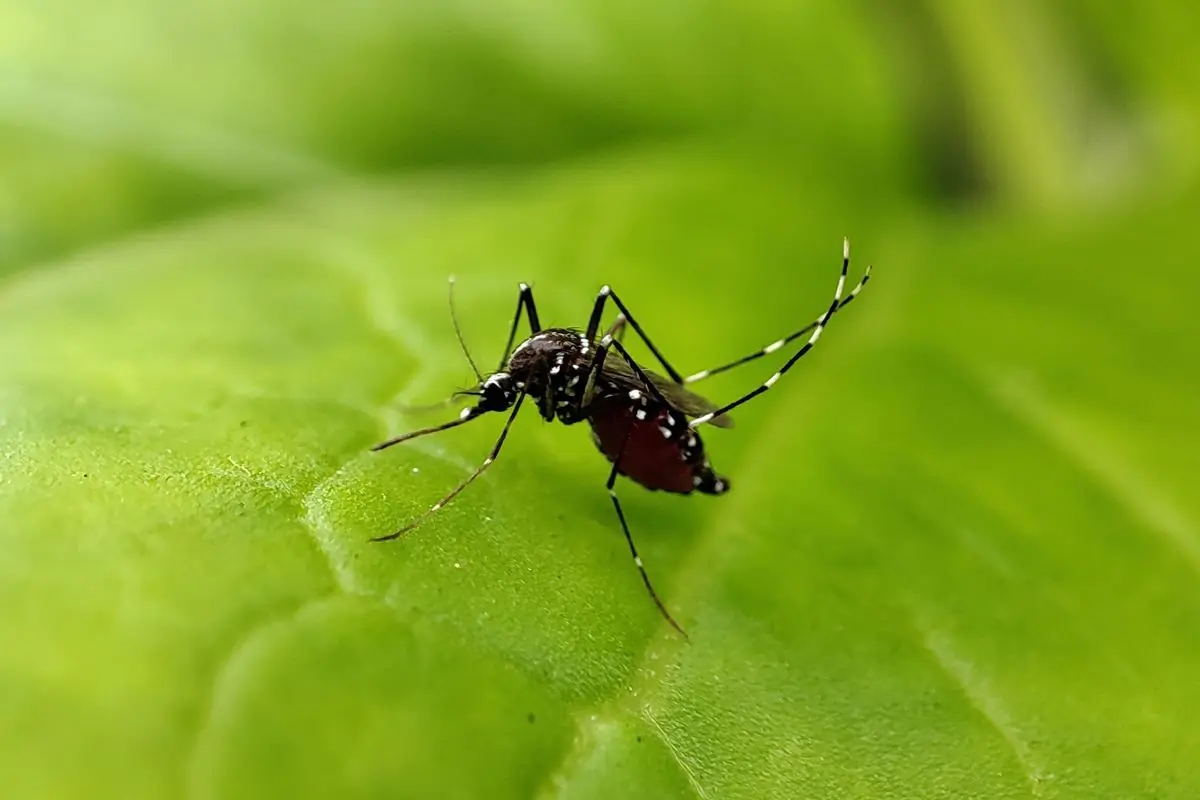
Photo: Wee Hong
Should travelers get a dengue vaccine?
A dengue vaccine should not be treated as a routine requirement for every visitor.
Dengue vaccines have been licensed in certain markets, but their indications and recommendations vary by country, age, previous dengue infection, and medical history.
The CDC does not recommend routine dengue vaccination for travelers from the United States.
In countries where dengue vaccines are available, anyone considering vaccination should consult a healthcare professional about the specific product, eligibility requirements, and possible risks.
Whether or not a vaccine is appropriate for you, avoiding mosquito bites remains essential.
Protect yourself from mosquitoes throughout the day
The CDC and WHO recommend effective insect repellents, clothing that covers exposed skin, and accommodation designed to reduce mosquito entry.
Practical steps include:
- Use an insect repellent containing an effective ingredient such as DEET, picaridin, or IR3535, following the product label.
- Wear lightweight long-sleeved shirts and long pants when walking through gardens, rural areas, or places with many mosquitoes.
- Stay in rooms with air conditioning or properly fitted window and door screens.
- Sleep under a mosquito net where effective barriers are unavailable.
- Do not apply permethrin directly to your skin. It is used to treat clothing and equipment according to product instructions.
Always follow the age restrictions and application instructions on the label when using repellent on children.
Do not use products containing oil of lemon eucalyptus (OLE) or para-menthane-diol (PMD) on children younger than three, and keep repellent off a child's hands, eyes, mouth, and damaged skin.
Do you need mosquito protection in Nha Trang, Da Nang, or Ho Chi Minh City?
Yes. Being in a city does not eliminate the risk of dengue.
You might spend the morning at Tran Phu Beach, return to your hotel in Nha Trang during the afternoon, and eat seafood in the city in the evening.
Staying in an air-conditioned hotel may reduce exposure indoors, but it does not eliminate the possibility of mosquito bites when you are outside.
Dengue-carrying mosquitoes can bite during the day, so using insect repellent only at night is not enough.
What should you do if you develop a fever in Vietnam?
If you develop a fever, headache, muscle pain, pain behind the eyes, or a rash, seek medical assessment and tell the healthcare provider where you have traveled.
The WHO and CDC recommend avoiding aspirin and ibuprofen when dengue is suspected because of the potential for bleeding complications.
Paracetamol, also called acetaminophen, may be used for fever or pain when appropriate, but it does not replace medical assessment and monitoring.
Do you need malaria prevention medication for Vietnam?
Malaria and dengue are different diseases. Medication used to prevent malaria does not protect against dengue.
Malaria transmission in Vietnam is concentrated mainly in certain rural areas. The CDC does not identify malaria transmission in major cities such as Hanoi, Hai Phong, Da Nang, Ho Chi Minh City, Nha Trang, and Quy Nhon.
That means someone spending three days in central Nha Trang generally does not have the same need for malaria prevention medication as a traveler entering forested rural areas of Khanh Hoa Province.
Similarly, the CDC does not recommend malaria chemoprophylaxis simply because you are visiting the Red River Delta or Mekong Delta, although avoiding mosquito bites remains important.
For some other rural regions, a healthcare professional may recommend preventive medication based on your exact destination, length of stay, age, medical conditions, and local drug resistance patterns.
Certain malaria medications must be started before entering a risk area and continued after leaving it.
Do not buy medication based on another traveler's prescription. A drug suitable for one person may not be appropriate for someone else.
Give your doctor the names of the provinces, districts, and outdoor activities included in your itinerary.
Simply saying that you are going to Nha Trang or the Central Highlands may not provide enough detail for a trip that combines city accommodation with travel into remote rural areas.
How to eat and drink safely in Vietnam
Vaccination against hepatitis A and typhoid does not protect against every gastrointestinal infection.
The CDC recommends eating thoroughly cooked food served hot, drinking water from safe sources, and washing your hands regularly.
In Vietnam, do not drink untreated tap water.
Drinking water and ice
After landing at Cam Ranh International Airport and traveling into central Nha Trang, you can buy sealed bottled water at convenience stores or supermarkets.
When you cannot confirm that a water source is safe, choose factory-sealed bottled water or water that has been properly boiled or treated.
Ice should also be made from safe drinking water, and you cannot tell whether it is safe by looking at how clear the cubes are.
If you are uncertain about the source, ordering a drink without ice is the simpler choice.
Pho, noodles, rice, and seafood
Pho and noodle soups made with hot broth, cooked thoroughly, and served immediately can be easier choices than dishes left at room temperature for long periods.
In Nha Trang, choose thoroughly cooked fish, shrimp, crab, clams, and shellfish.
Avoid raw or undercooked seafood when you cannot assess storage and handling conditions.
At a local fish cake noodle shop, for example, you can order bún chả cá with hot broth and cooked fish cakes.
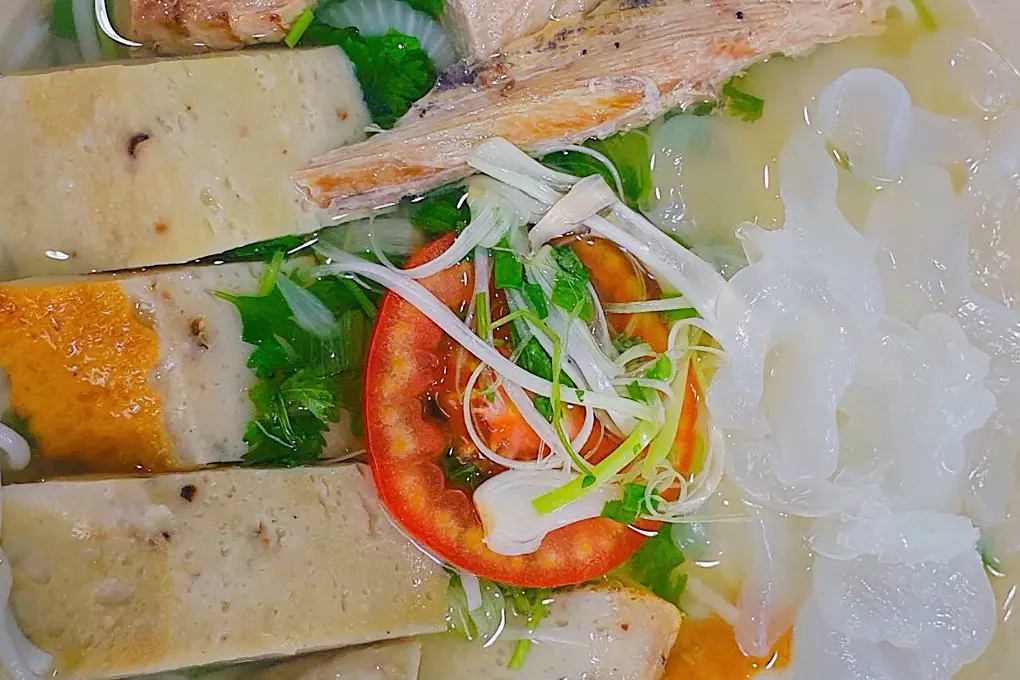
Photo: Bún Cá Mịn
Fresh herbs and vegetables served alongside the soup should be washed using safe water. Travelers at higher risk of foodborne illness may prefer cooked vegetables.
At a hotel buffet, check whether hot dishes are kept hot and cold foods are properly refrigerated.
An expensive hotel doesn't make food safe once it has sat at room temperature for a long time.
Foods that deserve extra caution
The CDC advises travelers in Vietnam to avoid dishes containing raw animal blood, undercooked meat or seafood, and vegetables or fruit that may have been washed with unsafe water.
Tiết canh, a traditional dish prepared with uncooked animal blood, is a clear example of something travelers should avoid because of infection risks.
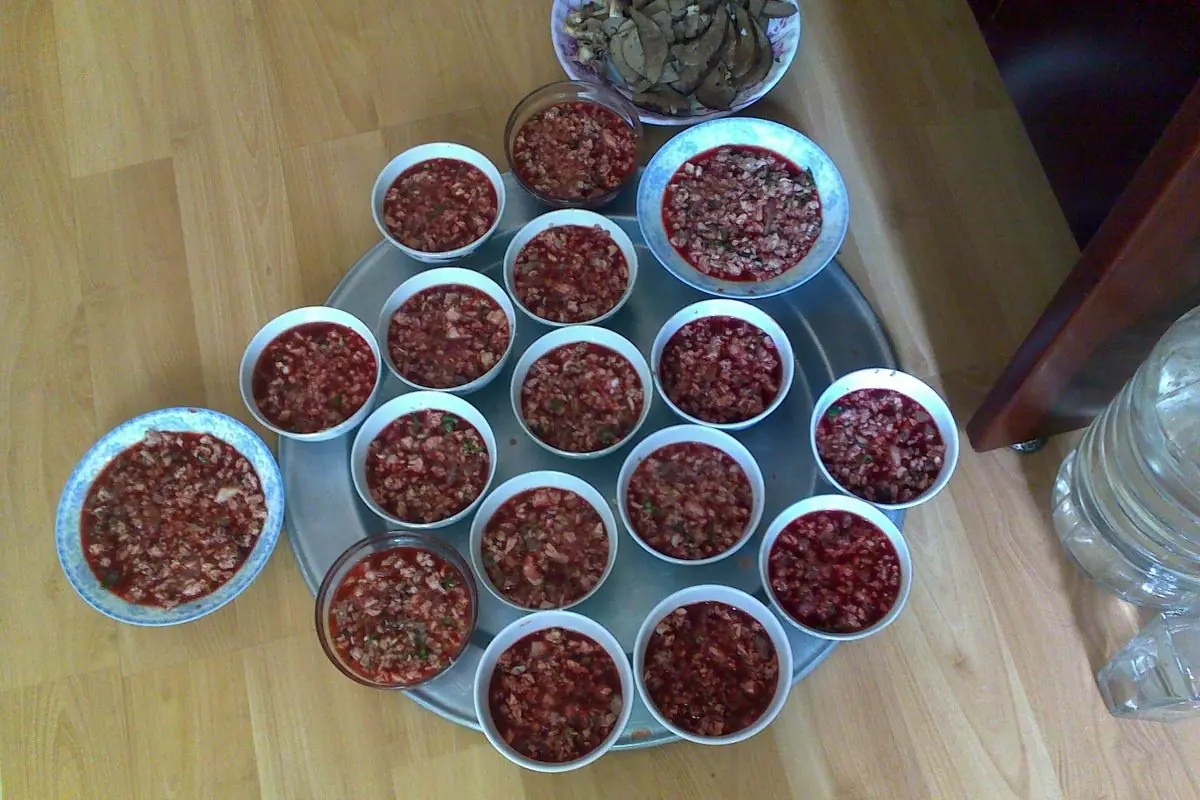
Photo: Handyhuy
For fruit, bananas, oranges, and mandarins that you peel yourself are easier to manage than pre-cut fruit when the washing and storage conditions are unknown.
Wash your hands with soap and water before eating and after using the bathroom.
Alcohol-based hand sanitizer can be useful when soap and water are unavailable, but it is not a complete replacement for proper handwashing in every situation.
Prepare medication and health documents before flying
A travel medical kit can stay small, as long as the supplies match your health needs and itinerary.
The CDC and Singapore's health authorities recommend preparing regular medication, basic medical supplies, and information about access to healthcare at your destination.
Medication and supplies to discuss with your doctor
Ask about suitable fever medication, oral rehydration salts (ORS), insect repellent, any allergy medication you normally take, and what to do if you develop traveler's diarrhea.
A chronic medical condition means carrying enough prescribed medication for the entire trip, with an appropriate reserve in case your travel plans change.
Do not take antibiotics routinely to prevent traveler's diarrhea.
Whether you should carry prescription treatment for use if illness develops is something to discuss with a healthcare professional.
Families with children should bring medications in age-appropriate forms and dosages recommended by their pediatrician.
Do not assume adult medicines or doses are suitable for children.
Important health documents
A large folder of paper records is overkill for most vacations, but it is sensible to keep your vaccination records and essential medical information accessible.
In particular, save the generic English names of your medications, details of severe allergies, your blood type if known, travel insurance information, and emergency contacts.
Already have an international vaccination certificate? Ask your travel clinic whether the original document is required for your specific route.
Check whether your travel insurance covers outpatient treatment, hospitalization, and medical evacuation. On a multi-country trip, make sure the coverage applies throughout the itinerary.
Choose a vaccination plan based on your travel style
The following examples can help you prepare for a conversation with your doctor.
They are not fixed vaccination packages.
Seven to fourteen days, mostly cities and beaches
Hanoi - Ha Long Bay - Da Nang - Hoi An - Nha Trang - Ho Chi Minh City
Start by checking MMR, routine vaccinations, hepatitis A, hepatitis B, and typhoid.
For a trip limited to urban areas and air-conditioned hotels, Japanese encephalitis vaccination is generally not recommended as a routine measure for everyone.
Rabies vaccination should also depend on expected animal exposure and access to medical care rather than the number of days spent in Vietnam alone.
Alongside vaccination, prepare mosquito protection and practice food and water precautions from your first day.
Three to four weeks, including mountains and homestays
Hanoi - Sa Pa - Ha Giang - Ninh Binh - Hue - Hoi An
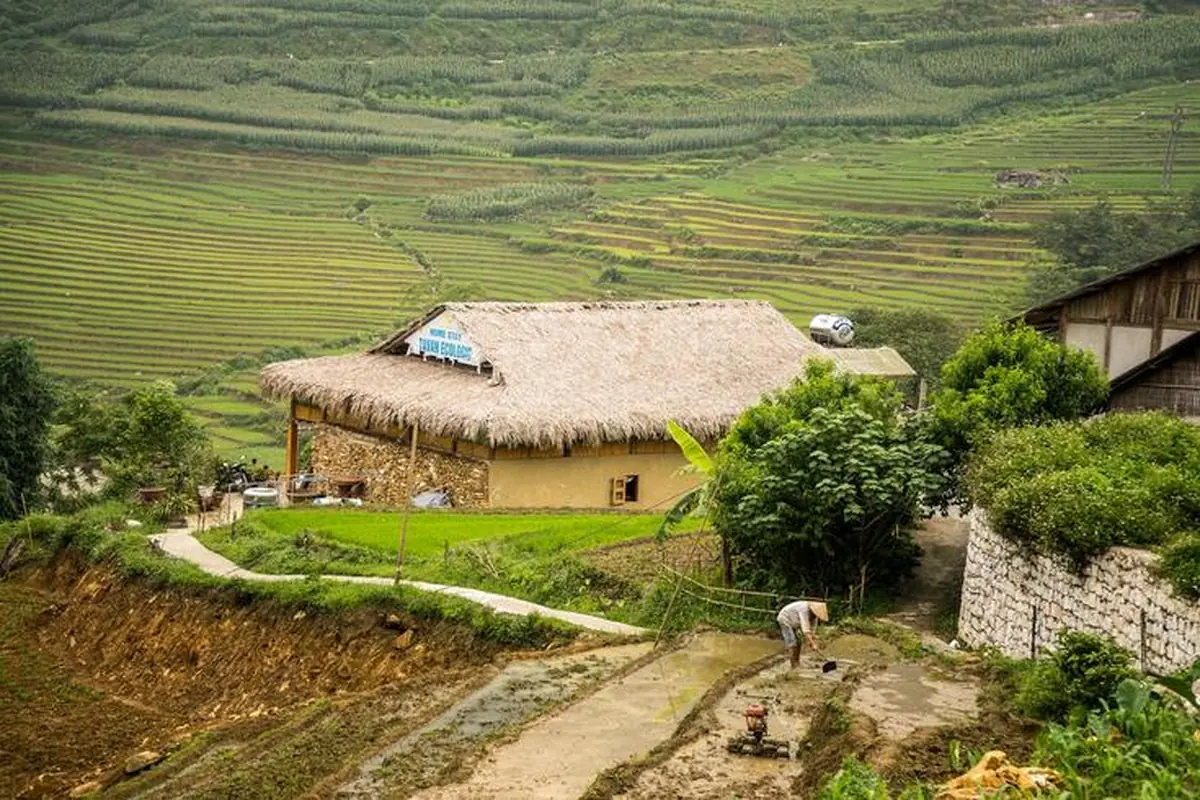
Photo: Vietnam Discovery
In addition to routine vaccinations and the commonly recommended travel vaccines, discuss Japanese encephalitis if you will spend considerable time outdoors, particularly in rural areas.
Remote accommodation or frequent animal contact is a reason to ask about pre-exposure rabies vaccination.
Malaria prevention medication should not be prescribed merely because your itinerary includes mountains.
Your healthcare provider needs to know whether you are visiting specific malaria transmission areas.
One month or longer, including rural work or accommodation
Long stays in the countryside
The longer the stay, the more relevant Japanese encephalitis vaccination becomes under CDC recommendations.
People doing community-based work, participating in animal-related activities, or living far from medical facilities should also discuss rabies vaccination.
Review your hepatitis B vaccination status, long-term medication needs, and plans for accessing medical care.
Families with children younger than two
A separate plan for the child, not an adult checklist
Do not use an adult vaccination checklist as the child's vaccination plan.
Make an appointment with a pediatrician or travel medicine clinic, bring the child's vaccination records, and confirm their exact age on the departure date.
Ask specifically about MMR, hepatitis A, and any unfinished routine vaccinations.
Typhoid, Japanese encephalitis, and rabies vaccines should be considered according to the child's age, available vaccine products, and expected exposure.
Throughout the trip, mosquito protection and safe food preparation remain everyday priorities.
Five questions to ask your doctor before departure
Preparing a few specific questions makes a travel medicine appointment more useful.
- Am I up to date on routine vaccinations? Bring your records rather than relying entirely on memory.
- Do I need hepatitis A, hepatitis B, or typhoid vaccination for this itinerary? Explain which doses you have already received.
- Should I consider rabies or Japanese encephalitis vaccination? Describe rural stays, outdoor activities, animal exposure, and accommodation.
- Will I visit an area where malaria prevention medication is recommended? Provide specific destinations rather than just country names.
- Is there enough time to complete the necessary vaccinations? Confirm the dates of each dose and when protection is expected to develop.
If your clinic does not stock a vaccine your doctor recommends, ask where it is available and how to arrange the remaining doses.
Do not independently substitute another vaccine product without professional advice.
Find your vaccination records, write down your departure date and destinations, and book an appointment with your primary care provider or a travel medicine clinic about 4-6 weeks before leaving. Bring that information to the appointment so your healthcare provider can identify the appropriate vaccines, preventive medication, and vaccination schedule for your trip.
FAQ
Are any vaccines mandatory for visiting Vietnam?
Vietnam does not have a universal mandatory vaccination requirement for ordinary tourists. However, official guidance on yellow fever certificates is inconsistent, so travelers arriving from or transiting through countries with a yellow fever risk should confirm the rules with a Vietnamese embassy or consulate. Vaccines such as hepatitis A, hepatitis B, and typhoid are medical recommendations rather than general entry requirements.
Do I need rabies and Japanese encephalitis vaccines for a two-week trip to Vietnam?
Not necessarily. Someone visiting cities and staying in hotels generally has a lower exposure risk than someone camping in rural areas, interacting with animals, or staying far from medical services. The CDC recommends evaluating these vaccines based on activities, duration, and access to medical care. A travel medicine professional should assess your specific itinerary.
How early should I get vaccinated before traveling to Vietnam?
Ideally, arrange a travel medicine appointment 4-6 weeks before departure, or earlier if you need several vaccinations or are traveling with young children. Some vaccines require multiple doses or a minimum interval before travel. Even if your flight is only a few days away, visiting a clinic can still be worthwhile.
Is there a dengue vaccine for travelers visiting Vietnam?
Dengue vaccines are available in certain countries, but there is no universal recommendation for all travelers. Eligibility depends on the vaccine, age, previous dengue infection, and local medical guidance. The CDC does not currently recommend routine dengue vaccination for travelers from the United States. Effective insect repellent, protective clothing, and accommodation that limits mosquito entry remain important.
Do I need additional vaccinations if I visit both Vietnam and Cambodia?
Not automatically. Vietnam and Cambodia share several recommendations, including routine vaccines, hepatitis A, hepatitis B, and typhoid. However, rabies, Japanese encephalitis, and malaria prevention depend on your exact activities and destinations. Cambodia also has yellow fever certificate requirements for certain travelers arriving from risk countries. Bring your itinerary for both countries to the same travel medicine appointment.
Related posts
Guides
Vietnam travel insurance: 7 things to check before you buy
A practical guide to Vietnam travel insurance, costs, coverage, and common exclusions.
Guides
Is Vietnam safe for tourists? 7 things to do before your trip
A Vietnam travel safety checklist for international visitors, solo travelers, and families.
Guides
Why does Vietnam's pre-arrival form need a QR code?
How to submit Vietnam's free pre-arrival form, enter your visa details, and save your QR code.