Why does Vietnam's pre-arrival form need a QR code?
If you're flying to Vietnam with a foreign passport, you should complete the pre-arrival form within three days before landing. Vietnamese passport holders and passengers staying airside during international transit generally don't need it.
Written by Tụi mình mê biểnUpdated
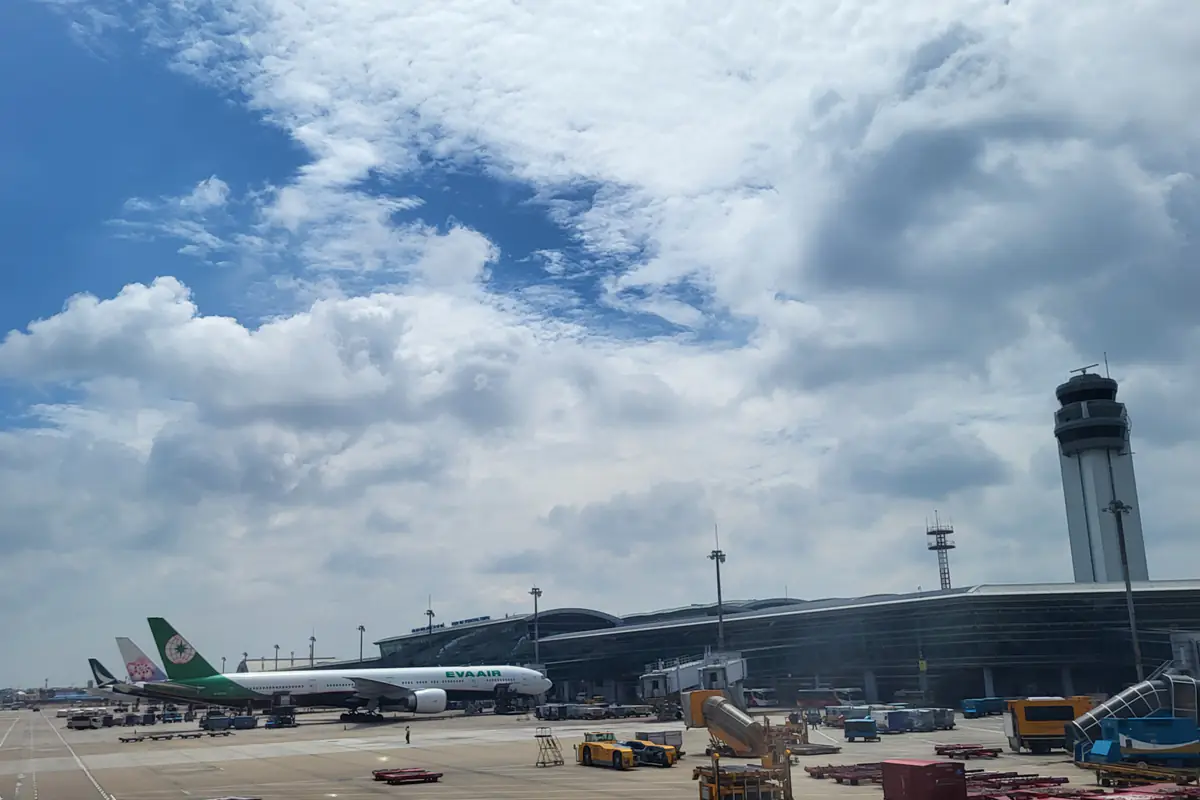
Photo: Hwi.padam
On April 15, 2026, Vietnam began testing its Pre-arrival Information system at Tan Son Nhat International Airport in Ho Chi Minh City. Foreign travelers can enter their passport, visa, and flight details through an official immigration website and receive a QR code for use at passport control. Known as PAI, this free declaration is separate from the visa application process.
What is the Vietnam pre-arrival form?
The Vietnam pre-arrival form is an online declaration that allows foreign nationals to provide their personal information and travel details before entering the country. Its official name is Pre-arrival Information, abbreviated as PAI. You may also see it described as the Vietnam pre arrival form, Vietnam pre-arrival declaration, or Vietnam Digital Arrival Card.
These terms generally refer to the same procedure. Instead of providing all the required information after landing, travelers can submit their details in advance through the Immigration Department's online system.
The form collects information such as:
- Personal details and passport information.
- Visa type or visa-exemption category.
- Expected arrival date, airport, and flight number.
- Purpose of travel and accommodation address.
- Contact information and accompanying passengers, where required.
After successful submission, the system generates a QR code. This code allows immigration officers to retrieve the information you've provided. It does not mean you've been approved for entry, nor does it allow you to skip passport control.
You must still present your passport and relevant immigration documents at the airport. The immigration officer may ask questions or request additional information before allowing you to enter Vietnam.
Is the PAI form the same as a Vietnam e-visa?
No. They serve different purposes.
| Detail | Pre-arrival form (PAI) | Vietnam e-visa |
|---|---|---|
| Main purpose | Collect travel information before arrival | Apply for permission to enter Vietnam |
| Responsible authority | Vietnam Immigration Department | Vietnam Immigration Department |
| When to complete | Within three days before arrival, or upon arrival where permitted | Before traveling to Vietnam |
| Cost | Free on the official website | Government visa processing fee |
| What you receive | QR code confirming submission | Electronic visa |
| Can it replace the other? | No | No |
For example, an American tourist arriving with an approved e-visa may also be asked to complete PAI. A British visitor who qualifies for visa-free entry may still be encouraged to submit the pre-arrival form, even though they don't need an e-visa for that trip.
Is the Vietnam pre-arrival form mandatory?
On May 11, 2026, Vietnam's Ministry of Public Security announced that the PAI system was being introduced at Tan Son Nhat Airport on an encouraged, voluntary basis. It was not mandatory during the initial pilot.
An announcement from the Consulate General of Vietnam in Pakse, dated August 25, 2026, also described the declaration as voluntary rather than compulsory. However, some airline notices and airport guidance describe the form as something passengers should complete before arrival. This difference in wording has caused confusion.
There are three separate issues to consider:
- Vietnamese immigration authorities may encourage passengers to submit PAI.
- Airlines may instruct passengers to complete the declaration before departure to reduce delays.
- A nationwide mandatory requirement needs to be supported by an applicable official instruction, not simply by a commercial visa website.
Should you complete it anyway?
Yes, particularly if you're arriving at an airport where PAI has been introduced. It costs nothing and gives you one less task to manage after a long flight.
This is especially useful when traveling with children, older relatives, or arriving late at night. Finding your passport details, flight information, and hotel address while standing in an airport queue is more inconvenient than completing the form at home.
Still, you shouldn't assume that arriving without a QR code automatically means you'll be refused entry. Admission to Vietnam depends on your passport, immigration status, visa or visa exemption, and the decision of immigration authorities.
Which Vietnamese airports use the pre-arrival form?
Tan Son Nhat International Airport was the first airport officially announced for the PAI pilot, beginning April 15, 2026. Later announcements identified several additional international airports. On July 2, 2026, the Embassy of Vietnam in Singapore listed Noi Bai, Da Nang, Cam Ranh, and Phu Quoc alongside Tan Son Nhat. The five airports mentioned in official diplomatic notices are:
| Airport | IATA code | Main destination | Reported PAI status |
|---|---|---|---|
| Tan Son Nhat International Airport | SGN | Ho Chi Minh City | Pilot began April 15, 2026 |
| Noi Bai International Airport | HAN | Hanoi | Included in June-July 2026 notices |
| Da Nang International Airport | DAD | Da Nang | Included in June-July 2026 notices |
| Cam Ranh International Airport | CXR | Nha Trang, Khanh Hoa | Included in June-July 2026 notices |
| Phu Quoc International Airport | PQC | Phu Quoc | Included in June-July 2026 notices |
Why do different websites list different airports?
The initial announcement from Vietnam's Ministry of Public Security focused on Tan Son Nhat, with plans to expand the system after the pilot. On June 25, 2026, the Embassy of Singapore in Hanoi said the system covered major airports serving Hanoi, Ho Chi Minh City, Da Nang, Nha Trang, and Phu Quoc.
The Embassy of Vietnam in Singapore listed all five airports on July 2, 2026. However, the Vietnamese Consulate General in Pakse published an announcement on August 25, 2026, that still emphasized the Tan Son Nhat pilot.
These notices don't provide a completely consistent account of the implementation timeline, the current scope, or the procedures at every airport. Cam Ranh is a particularly good example.
Some earlier information doesn't mention Cam Ranh at all, while the Vietnamese Embassy's July notice specifically includes it. Therefore, it would be misleading to say Cam Ranh hasn't introduced PAI simply because it was missing from an announcement published in April or May.
A direct flight to Cam Ranh for a holiday in Nha Trang still calls for preparing your PAI declaration in advance.
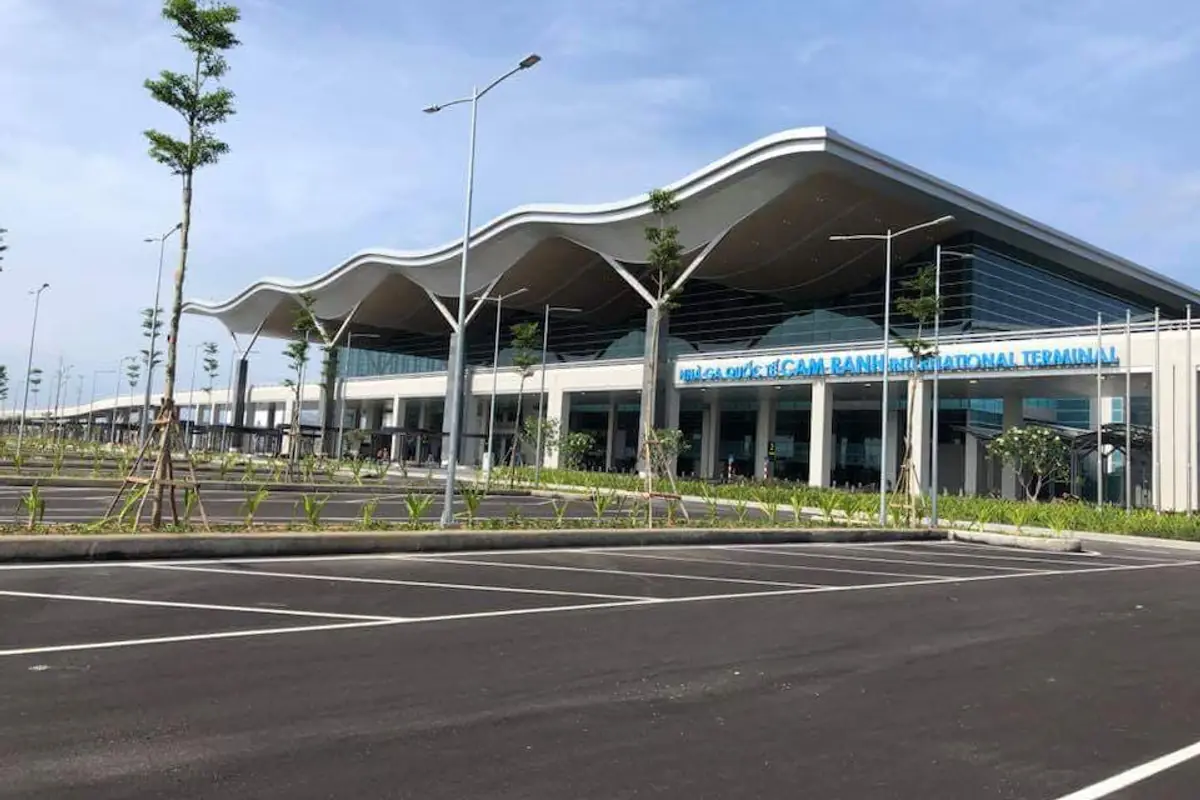
Photo: Ed Crystal
What about Hanoi and Da Nang?
Both airports appear in the official diplomatic announcements published in June and July 2026.

Photo: Christakis Mina
Foreign passengers arriving there should prepare the declaration and check the latest instructions before departure. However, don't assume the procedure applies in the same way at every Vietnamese international airport, land border, or seaport.
Which airport should you select if you have a connecting flight?
Choose the airport where you actually clear immigration into Vietnam. For example, suppose you're flying from overseas to Hanoi, passing through immigration at Noi Bai Airport, and then taking a domestic flight to Nha Trang.
Your first Vietnamese immigration checkpoint is Noi Bai, not Cam Ranh. A direct international flight to Cam Ranh, with immigration cleared there, means you select Cam Ranh.
The correct airport is the one where you enter Vietnam through passport control, not necessarily your final holiday destination.
Who should complete the Vietnam pre-arrival declaration?
The PAI system primarily targets people entering Vietnam with foreign passports. This includes tourists, business travelers, people visiting family, and foreign nationals entering under other valid immigration arrangements.
Foreign tourists with an e-visa
Complete it after your e-visa is approved
Complete the PAI form after your e-visa has been approved and before departure. Your passport details and visa information should match the documents issued to you.
Keep your e-visa separately. The PAI QR code does not replace it.
Visitors eligible for visa-free entry
May also be encouraged to complete PAI
Visa-exempt travelers may also be encouraged to complete PAI. For example, a Japanese tourist who qualifies for visa-free entry under Vietnam's applicable rules does not need to apply for an e-visa simply to complete the arrival form.
Instead, they should choose the appropriate visa-exemption category. The exemption depends on the traveler's nationality, passport type, purpose of travel, and applicable entry conditions.
Overseas Vietnamese traveling with foreign passports
Follow the procedure for foreign passports
People of Vietnamese origin who enter using foreign passports should follow the relevant procedures for foreign-passport holders. This includes travelers using a five-year visa-exemption certificate or another valid immigration document. Having a Vietnamese name or family in Vietnam does not automatically mean the traveler is processed as a Vietnamese passport holder.
Children traveling with their parents
Each child's details from their own passport
Children entering Vietnam with foreign passports also need accurate immigration information. Parents can help complete the declaration.
If the online form allows passengers to be added to the same submission, enter each child's details separately using their own passport. Don't enter a parent's passport number for a child or assume that one adult QR code covers everyone traveling together.
Vietnamese passport holders
Not the primary target group
Vietnamese citizens entering with valid Vietnamese passports are not the primary target group of the PAI declaration for foreign nationals.
International transit passengers
Generally not needed if you stay airside
Passengers who remain in the international transit area without passing through Vietnamese immigration generally don't need to complete PAI. However, connecting flights can be more complicated.
You may need to clear immigration if you're required to collect checked baggage, change terminals, recheck luggage, or otherwise leave the international transit area. Check your airline's transfer procedure and the entry requirements for your nationality before traveling.
The length of your layover alone doesn't determine whether you need to enter Vietnam.
What is the official Vietnam pre-arrival form website?
The official PAI website is:
prearrival.immigration.gov.vn
It belongs to Vietnam's Immigration Department under the Ministry of Public Security. You can type the address directly into your browser. The complete official link is also in the More information box at the end of this article.
This website is separate from the official portal used to apply for a Vietnam e-visa.
How to recognize the official website
Before entering personal information, check three things:
- The domain is exactly prearrival.immigration.gov.vn.
- The connection uses HTTPS.
- The official PAI declaration does not require payment.
Be careful with websites that use similar-looking addresses containing phrases such as "Vietnam arrival", "visa service", or "fast track". A professional-looking design does not prove that a website is operated by the Vietnamese government.
Some commercial companies offer paid assistance with immigration paperwork. These services are different from the government's free PAI submission procedure. The simplest approach is to visit the official website directly rather than clicking a search advertisement.
When should you submit the Vietnam pre-arrival form?
The recommended submission window is within three days, or approximately 72 hours, before arriving in Vietnam. Suppose your flight is scheduled to land at Tan Son Nhat at 6:00 PM on November 20, 2026.
Based on a 72-hour window, you could plan to submit your declaration from approximately 6:00 PM on November 17, 2026. This is an illustration of the time calculation. The website's actual submission rules determine when your form can be accepted.
Booking a flight several weeks or months ahead doesn't mean completing PAI right away. A practical time to do it is one or two days before departure, when you already have:
- Your confirmed flight itinerary.
- Your current passport.
- Your approved e-visa, if required.
- Your first night's accommodation details.
- An email account you can access easily.
Avoid leaving it until you're standing at the boarding gate. An incorrect flight number, missing verification email, or unstable internet connection can turn a simple task into an unnecessary delay.
Some diplomatic notices indicate that travelers can complete the declaration upon arrival. Even so, submitting it before departure is easier than relying on airport Wi-Fi or mobile data after landing.
What documents and information do you need?
Put your passport, flight itinerary, and immigration documents beside you before opening the form.
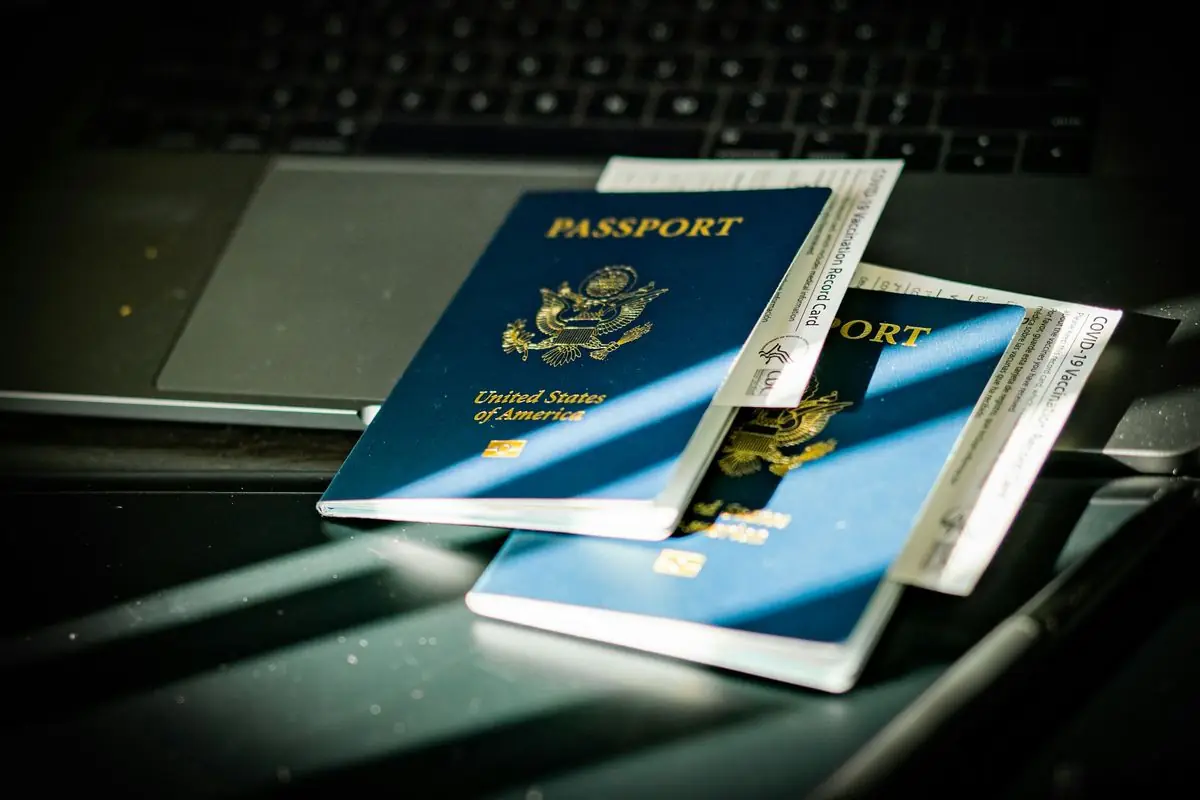
Photo: Oxana Melis
Having everything ready makes the process much easier.
| Information required | Where to find it |
|---|---|
| Full name, date of birth, nationality | Passport information page |
| Passport number and expiration date | Current passport |
| Visa type or visa-exemption category | Visa, exemption certificate, or applicable entry rules |
| Visa number and validity dates | Issued visa or immigration document |
| Expected arrival date | Flight itinerary |
| Airline and flight number | E-ticket or booking confirmation |
| Airport of entry | International flight arriving in Vietnam |
| Hotel name and address | Accommodation booking |
| Email and telephone number | Your personal contact information |
A hotel in Nha Trang might be on Tran Phu Street, Nguyen Thien Thuat Street, or in the Bai Dai beach area. You need the full address of the accommodation where you'll actually stay.
Some versions of the form may allow you to upload an image of your passport information page so the system can read certain fields automatically. Use a clear image showing the entire information page, without glare or missing corners.
After the information is extracted, check every field manually. Characters such as the number 0 and the letter O, or the number 1 and the letter I, can be confused.
How to fill out the Vietnam pre-arrival form step by step
The PAI website may change as the system develops. The following instructions explain the general process announced by Vietnamese authorities and the fields reported in the 2026 form. If a field on the live website is different, follow the official instructions displayed there.
- Step 1
Open the official website and select a language
Visit the PAI portal and choose your preferred language. The system supports several languages, including Vietnamese, English, Chinese, and French.
The English version is convenient for most international visitors because you can compare the form directly with your passport and e-visa. Select Create and Submit Declaration.
The website may ask you to complete a CAPTCHA. Enter the characters exactly as displayed, following any instructions about capital and lowercase letters.
- Step 2
Enter your travel information
Start with the details of your arrival in Vietnam. Depending on the version of the form, the travel section may include:
- Mode of entry.
- Arrival airport.
- Expected arrival date.
- Airline.
- Flight number.
- Expected departure date.
- Purpose of visit.
Choose Tan Son Nhat (SGN) when your international flight lands in Ho Chi Minh City and you clear immigration there, and Cam Ranh (CXR) when you fly directly from overseas to Cam Ranh and enter Vietnam there. Use the flight number from your actual itinerary.
Flight Number is not the same as Booking Reference or PNR.
A flight number normally includes an airline code followed by numbers. A booking reference is a separate code used to retrieve your reservation.
For codeshare flights, your ticket might display the marketing airline's code as well as the operating airline's details. Check the confirmed flight information for the international segment arriving in Vietnam, and follow any guidance provided by the form.
Some PAI submissions have failed because the entered flight number did not match passenger data supplied by airlines. This is one of the most important fields to check.
- Step 3
Enter your passport details
The personal information section generally asks for:
- Surname/Family Name: your surname as shown in your passport.
- Given Name: your given names, following the passport's field structure.
- Gender: the information shown on your travel document.
- Date of Birth: your date of birth.
- Nationality: your nationality.
- Passport Type: your type of passport.
- Passport Number: your passport number.
- Passport Expiry Date: your passport's expiration date.
Enter your name according to the passport's separate name fields. Don't reverse your name to match the Vietnamese order.
Follow the spelling printed in your passport rather than adding Vietnamese accents or a preferred everyday name. Be careful with dates.
Passport Date of Issue and Visa Date of Issue are not interchangeable.
Read the heading of each section before entering a date.
Step 4: Choose the correct Visa Type/Purpose
This is one of the most confusing sections for foreign visitors. The Visa Type/Purpose field identifies the type of immigration document or entry arrangement you're using. Options reported in the form include:
| Option | Meaning |
|---|---|
| Electronic Visa (E-Visa) | Electronic visa |
| Visa | Regular visa |
| Unilateral Exemption | Unilateral visa exemption |
| Bilateral Exemption | Visa exemption under a bilateral agreement |
| Visa Exemption Certificate | Visa-exemption certificate |
| Temporary Residence Card | Temporary residence card |
| Phu Quoc Visa Exemption | Visa exemption under Phu Quoc's specific entry arrangements |
| ABTC Card | APEC Business Travel Card |
Choose the category that matches your actual immigration status.
Approved Vietnam e-visa: select Electronic Visa and enter the relevant visa details.
Regular visa: select Visa and enter the information printed on the issued visa.
Visa-free entry: select the appropriate exemption category rather than E-Visa.
Overseas Vietnamese traveler with a five-year visa-exemption certificate: use Visa Exemption Certificate where applicable.
Temporary residence card: select the corresponding option when the form requires that document.
Don't select a visa-exemption category without checking that it applies to your nationality, passport, and travel purpose. For example, Unilateral Exemption and Bilateral Exemption are not interchangeable. The system may display an error when the selected exemption category doesn't match the nationality and passport information you've entered.
Step 5: Fill in Visa Number, Date of Issue, and Date of Expiry
Depending on the visa type selected, the form may request:
- Visa Number.
- Date of Issue.
- Date of Expiry.
- Place of Issue, where applicable.
Visa Number
Enter the visa number printed on your immigration document.
For an e-visa, don't confuse the visa number with your application reference or passport number.
Date of Expiry
Use the date your visa expires. For a Vietnam e-visa, compare this with the field labeled "Valid until".
Date of Issue
This field requires more care. A regular visa may clearly display its issue date, making it straightforward to enter. However, Vietnam e-visas commonly display "Valid from" and "Valid until" without necessarily showing a separate field explicitly labeled "Date of Issue".
"Valid from" indicates when the visa becomes valid. It isn't necessarily the date the visa was issued.
Some commercial guides suggest entering the "Valid from" date. Others recommend using the date on which the e-visa approval was received. Official public guidance does not establish one universally applicable rule for converting the dates on every e-visa format into the PAI Date of Issue field. The safest approach is to:
- Read the exact field label and any instructions shown on the PAI website.
- Compare the information with your approved visa and the official e-visa portal.
- Follow any clarification provided by the PAI system itself.
- Contact the Vietnam Immigration Department or ask your airline for guidance if the required date remains unclear.
Selecting the correct exemption category may make the form adjust or fill in some visa fields. Don't invent a visa number, issue date, or issuing authority when you don't have such a document.
- Step 6
Enter your accommodation details
The form may request the type of accommodation, province or city, ward or commune, and full address. Use the address where you expect to stay on your first night.
For example, if you land at Cam Ranh and travel to a hotel in central Nha Trang, enter your Nha Trang hotel address. Don't enter Cam Ranh Airport as your accommodation.
A booking made through an accommodation platform has what you need in the confirmation:
- The hotel's official name.
- Building number and street.
- Current ward or commune.
- Current province or city.
Vietnam has undergone administrative boundary and naming changes, so older hotel addresses may not match the options shown in the online form. If you can't find the correct ward or commune, ask your accommodation provider for its current administrative address.
Don't choose a nearby location just to fill a required field. Staying with friends or family means preparing their full address and relevant contact information.
- Step 7
Add your email and telephone number
Use an email account you can access while traveling. Some versions of the form may use email verification codes or send submission information by email.
Keep your inbox open during the process. For your telephone number, choose the correct country code where requested.
Without a Vietnamese SIM card, use your current contact number according to the instructions shown on the form. Don't invent a local number.
- Step 8
Add accompanying passengers
Families and groups may be able to include additional travelers when the website displays an Add Passenger function. Each person must have accurate passport and immigration information.
Don't assume every family member has the same visa arrangement. For example, a family might include one Vietnamese passport holder, one British passport holder, and a child traveling with another foreign passport.
Their immigration requirements may differ. After adding travelers, check that the submission confirmation covers everyone you've entered.
- Step 9
Review and submit
Before submitting, check the entire form. Pay particular attention to five details:
- Full name.
- Passport number.
- Visa type.
- Airport of entry.
- Flight number.
All five can be checked against your passport, immigration documents, and confirmed itinerary. Complete the confirmation process and submit the declaration.
Once the form is successfully accepted, the system generates a QR code. Save it immediately rather than closing the browser and trying to retrieve it later.
What should you do after receiving the QR code?
Save your PAI QR code in at least two ways. You can take a screenshot and keep it in your phone's photo gallery. If the system provides a downloadable confirmation, save that file as well.
Printing a copy is another option if the system allows it. Keep the QR code somewhere you can open without an internet connection.
After landing, your mobile data might not work immediately. You may need to activate a travel eSIM, change SIM cards, or connect to airport Wi-Fi. An offline screenshot avoids that problem.
At immigration, have the QR code ready alongside your passport and relevant entry documents. Show it when requested by an immigration officer.
Don't give your phone to an unknown person or share verification information through an unofficial website.
Having a QR code does not guarantee priority immigration processing.
Queue times still depend on passenger numbers, staffing, airport procedures, and the immigration system.
What documents should you bring to immigration?
Your passport remains the most important document. Submitting PAI does not remove any visa or entry-document requirements.
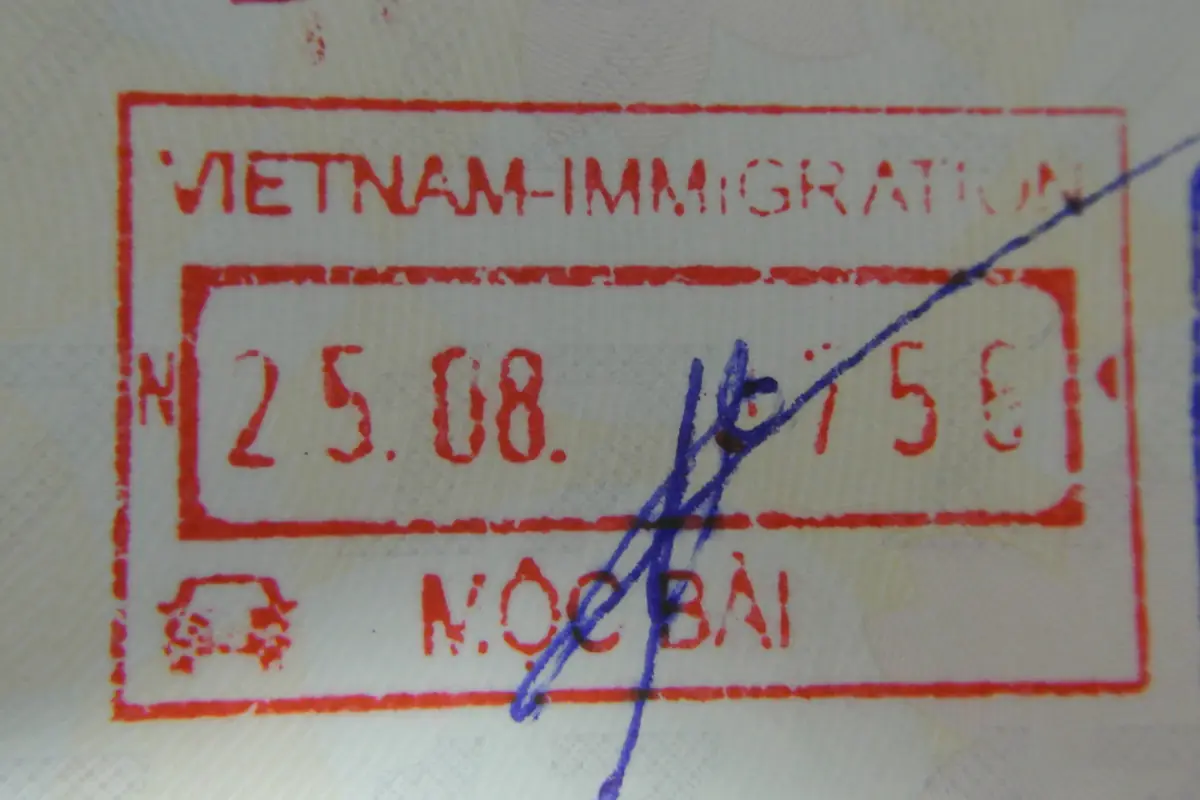
Photo: Tonbi ko
| Document | When you may need it |
|---|---|
| Original valid passport | At immigration control |
| E-visa or regular visa | When entering under a visa-required category |
| Visa-exemption certificate or residence card | If entering using that document |
| PAI QR code | If you've submitted the declaration and are asked to show it |
| Accommodation confirmation | Useful if immigration officers request your address |
| Return or onward ticket | May be required depending on entry conditions or verification |
| Documents concerning accompanying children | Depending on family circumstances and official requirements |
Keep the PDF of your e-visa available offline. A printed copy is also useful as a backup.
Check your visa's validity dates before departure. A successfully submitted PAI declaration won't correct an e-visa with an incorrect name, wrong passport number, or validity period that hasn't started.
Visa-free travelers should verify the permitted length of stay for their nationality under the rules currently in force. Don't calculate your permitted stay using an exemption intended for another nationality.
After arriving, follow the signs for Immigration or Passport Control. At airports with standard international arrival procedures, travelers generally pass immigration before collecting checked baggage and then proceed through customs.
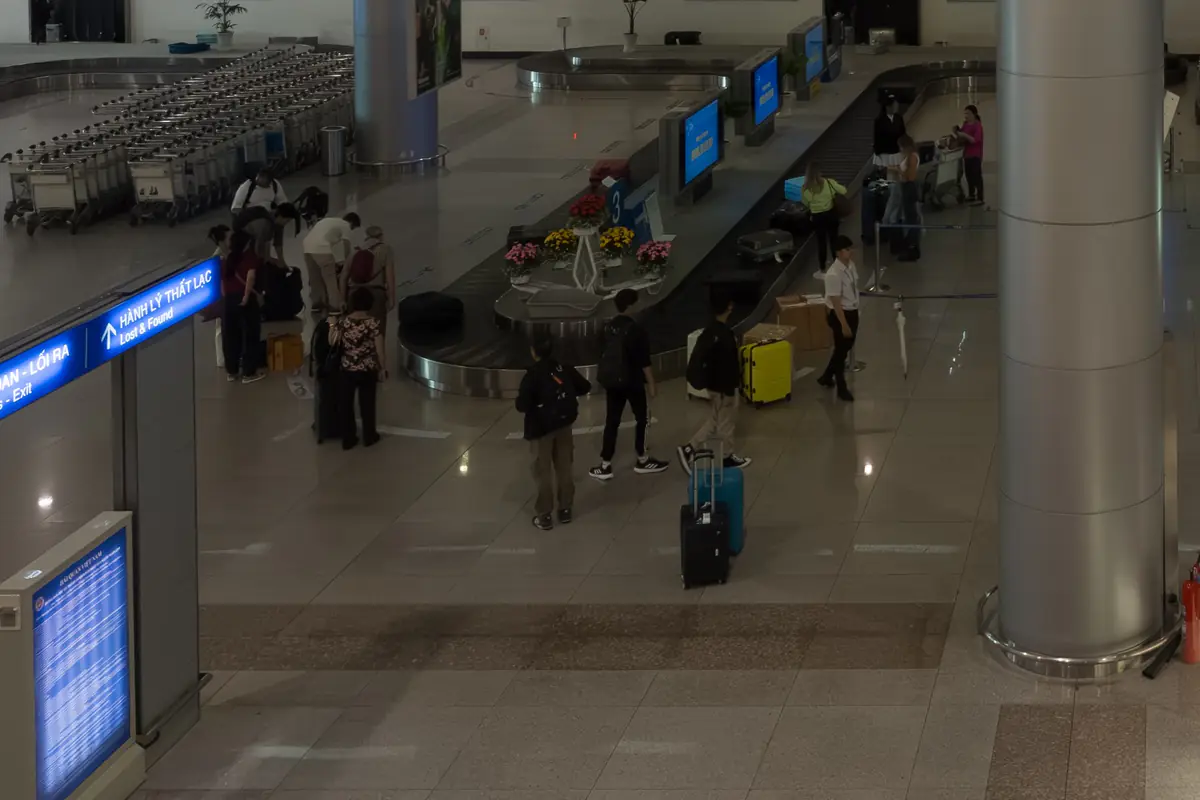
Photo: Matti Blume
PAI doesn't replace customs declarations for cash, goods, or other items subject to declaration requirements.
Common Vietnam pre-arrival form problems
Entering the booking reference instead of the flight number
These are different codes. The flight number identifies your flight. The booking reference or PNR identifies your reservation.
Use the flight information on your confirmed itinerary. For connecting flights, identify the international leg that actually brings you to your first Vietnamese immigration checkpoint.
Choosing the wrong visa category
A visa-exempt traveler who selects E-Visa may be shown fields that don't apply to their situation. Return to Visa Type/Purpose and select the correct category. Don't enter "0" or "N/A" as a visa number unless the current official form explicitly allows it.
Getting a Date of Issue error
Some travelers report errors stating that the visa issue date cannot be later than the expected arrival date. First, make sure you haven't entered the expiration date in the issue-date field.
Then check the date format, year, arrival date, and selected visa category. If your e-visa doesn't show a separate issue date, don't keep changing the date at random until the website accepts it.
Seek clarification from the official system or immigration authorities before submitting inaccurate information.
Selecting the wrong airport or arrival date
Suppose you're visiting Nha Trang but enter Vietnam through Noi Bai Airport in Hanoi before taking a domestic flight south. Your first immigration airport is Noi Bai. Likewise, if your airline reschedules your flight and you now land on a different calendar date, the arrival date in your declaration may need updating.
Entering an outdated hotel address
Your booking confirmation may use administrative names that are no longer current. Check with the hotel and use the correct location. Don't select an unrelated ward or commune simply to complete the form.
Not receiving an email code or having trouble loading the website
Check your internet connection, email address, and spam folder. If the official portal doesn't respond, try refreshing the page, using another browser, or completing the form on a computer.
Don't switch to an unfamiliar paid service simply because the official website is temporarily slow. Vietnamese authorities have warned about fraudulent PAI websites designed to collect personal information and credit card details.
What happens if your flight is delayed or changed?
A small schedule change can leave the rest of your declaration accurate. However, changes to your arrival date, flight number, or airport of entry deserve attention.
A flight rerouted from Tan Son Nhat to Noi Bai makes the entry airport on your original declaration inaccurate. Return to the official PAI portal and look for a declaration lookup or editing function, if one is available.
If you can't edit the existing declaration, follow the official instructions for submitting updated information or contact the relevant support service. Avoid creating several conflicting declarations without knowing which submission is being used.
After a last-minute airline change, confirm your new itinerary and immigration documents first. You can also ask airline staff or airport support personnel how to handle the declaration.
For e-visa holders, check whether the revised arrival date still falls within the visa's approved validity period.
Can someone else complete the form for you?
A friend or family member can help prepare and enter the information, provided the traveler agrees and the declaration is accurate. For example, you might live in Nha Trang and have a foreign friend flying into Cam Ranh.
You can help them identify the correct airport, accommodation address, and visa category. It's still best for the traveler to check the important fields before the form is submitted.
When helping someone remotely, pay attention to three things.
Use current documents. Don't rely on an old passport photo, expired visa, or previous travel itinerary.
Protect personal information. Passport and visa details are sensitive. Don't upload them publicly or send them to unverified accounts claiming to provide immigration support.
Make sure the traveler receives the QR code. The person going through immigration must be able to access their declaration and present their own travel documents.
Helping someone submit PAI doesn't transfer responsibility for their passport or immigration status to you.
Arriving in Nha Trang through Cam Ranh Airport
Cam Ranh International Airport is approximately 35 km from central Nha Trang. The journey by car usually takes around 45-60 minutes, depending on traffic and the location of your hotel.
Direct arrivals from overseas at Cam Ranh should prepare their PAI declaration within the recommended 72-hour arrival window. Keep your passport and immigration documents ready as well.
Your accommodation might be a hotel in central Nha Trang, a resort near Bai Dai Beach, or a property elsewhere in Khanh Hoa. Enter the actual accommodation address.
For evening arrivals, having three things saved offline is particularly helpful: your PAI QR code, hotel booking confirmation, and airport transfer details. After clearing immigration, collect your baggage, complete the necessary customs procedures, and continue to the arrivals area.
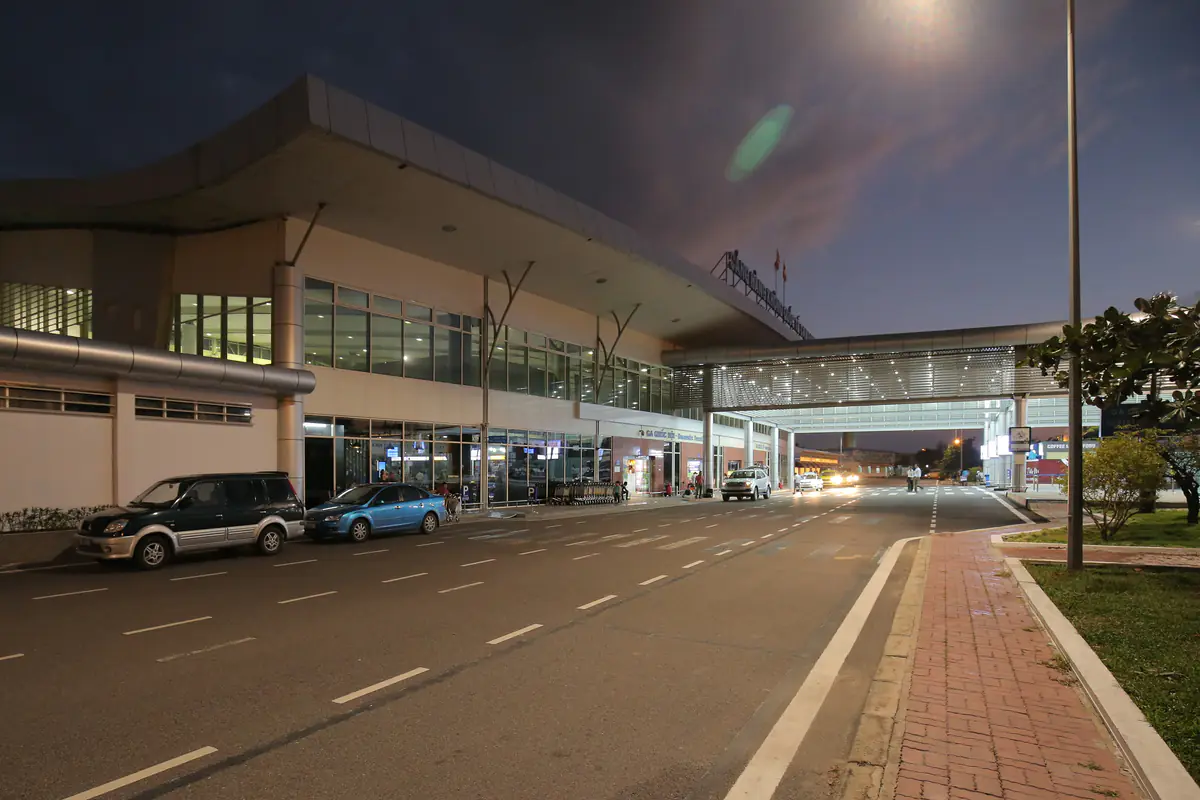
Photo: Shansov.net ([Tycho])
If you're connecting through Hanoi or Ho Chi Minh City before flying domestically to Cam Ranh, confirm where you'll clear immigration. Your entry airport is where you clear immigration, whatever your final destination.
Final checklist before flying to Vietnam
The day before departure, open your travel documents and check everything once more.
- Your passport is the same one used for your visa application and PAI declaration.
- Your visa or visa exemption is valid for your nationality and intended trip.
- Your arrival date, airport, and flight number match your latest itinerary.
- Your first night's accommodation address is correct.
- Your PAI declaration has been submitted successfully and the QR code is saved offline.
- Your e-visa and hotel confirmation can be opened without internet access.
- You haven't paid an unofficial website claiming to charge a government PAI fee.
Separate folders for everyone's documents help when you're traveling with children or older relatives. It's easier to find the right passport, visa, or QR code when you're standing at immigration. Check the latest notices from the Vietnam Immigration Department before departure, especially if you're arriving at an airport outside the five listed in the 2026 diplomatic announcements.
Final thoughts: complete the form before you fly
Vietnam's pre-arrival form is a free preparation step worth completing if you're entering with a foreign passport through an airport using PAI. Once you have your QR code, check your visa details on the official evisa.gov.vn portal if you're traveling with an e-visa, then save your passport information, visa, and hotel confirmation together before heading to the airport.
FAQ
Is the Vietnam pre-arrival form mandatory for all foreign visitors?
Official announcements do not establish a universal mandatory requirement covering every foreign traveler at every Vietnamese border crossing. Vietnam's Ministry of Public Security and several diplomatic missions describe PAI as encouraged rather than compulsory. However, travelers arriving at participating airports should complete it in advance and check the latest airline and immigration instructions.
Is the Vietnam pre-arrival declaration free?
Yes. Submitting PAI directly through the official Vietnam Immigration Department portal is free. A website asking you to pay to submit PAI is not the government's direct declaration process. If you need a Vietnam e-visa, its application fee is separate.
Can I use the Tan Son Nhat pre-arrival form for Hanoi, Da Nang, or Cam Ranh?
PAI is a national online system, not a separate form created only for Tan Son Nhat. Official diplomatic notices in 2026 also named Noi Bai, Da Nang, Cam Ranh, and Phu Quoc airports. Select the airport where you will actually clear immigration and check the latest instructions before flying.
What should I enter for Visa Type and Date of Issue if I'm visa-exempt?
Select the visa-exemption category that genuinely applies to your passport, such as unilateral or bilateral exemption. Depending on the form, certain visa number and date fields may be filled automatically or adjusted after you select the exemption. Don't invent a visa number or issue date. If the website still requires a date without clear instructions, seek clarification from the immigration authorities.
What do I need to bring to Vietnam after receiving the PAI QR code?
You still need your original passport and any visa or other immigration document required for your entry category. Keep your PAI QR code ready to show if requested. It's also useful to have your accommodation confirmation, onward or return ticket, and a copy of your e-visa. The QR code doesn't replace your visa or guarantee admission to Vietnam.
Related posts

Guides
Why can some travelers stay in Vietnam for 45 days without a visa?
Check your passport, visa-free stay allowance, and official application options before traveling to Vietnam.
Guides
Why is walking to Nha Trang Beach sometimes faster than taking Grab?
A practical guide to walking, Grab and taxis for everyday trips around Nha Trang.

Road trips
Why does choosing the right departure point matter when traveling from Hoi An to Nha Trang?
A practical guide to sleeper buses, trains, and flights from Hoi An and Da Nang to Nha Trang.