Choose a Vietnam eSIM Around Your Phone and Your Needs
Buying an eSIM ahead saves a stop at arrivals, but you handle setup; a staffed carrier counter is easier when you want help in person.
Written by Tụi mình mê biểnUpdated
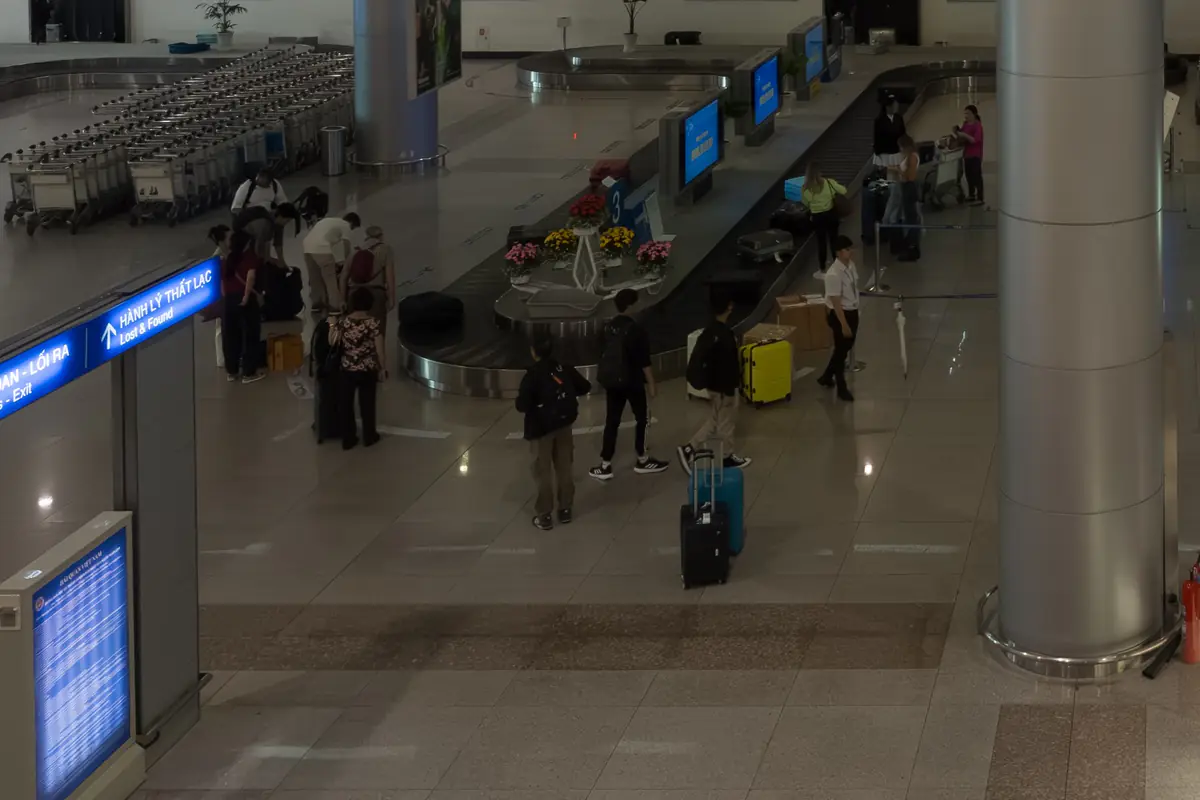
Photo: Matti Blume
At the arrivals exit, the first useful connection is often the one that lets you message your driver and open the hotel address. We suggest sorting out that small moment before the flight. Check your phone, decide how you will get data on arrival, and save the essential details offline. The biggest advertised data allowance is not the best starting point.
Buy ahead if you are comfortable setting it up
A pre-purchased eSIM suits travelers who can check compatibility and follow the installation instructions themselves. You avoid swapping a physical card, but you still need to understand when the plan’s validity starts. If you want someone to set it up and test it with you, a staffed carrier counter or service store is our preference.
An airport counter is convenient because you can solve the problem before traveling to your accommodation. The trade-off is reading plan details when tired from a flight. Do not choose from the word “unlimited” alone. Ask about high-speed data, what happens after the allowance, the expiry rule, and whether calls and text messages are included.
| Your situation | Our suggestion | Check first |
|---|---|---|
| Comfortable with phone settings | Buy an eSIM before travel | Compatibility, carrier lock, activation |
| Want help in person | Use a staffed carrier counter | Documents, plan details, a working test |
| Need ordinary calls or local texts | Choose a plan with a local number | Actual voice and SMS inclusion |
| Phone lacks eSIM support | Use a suitable physical SIM | Card slot, size, carrier lock |
Check the exact phone, not just the model name
An eSIM is a digital SIM built into a compatible device. It is not a separate type of Wi-Fi. Your phone must support both the technology and the provider’s activation method. Regional versions of phones can have different SIM arrangements, so a friend’s experience with a similarly named model is not enough. Check the settings and the manufacturer’s documentation for your own device.
If you bought the phone under a contract abroad, check whether it is locked to that carrier. Buying another plan will not remove the lock. Resolve this with your home carrier before leaving. A helpful airport employee in Vietnam cannot change the terms of your overseas phone contract.
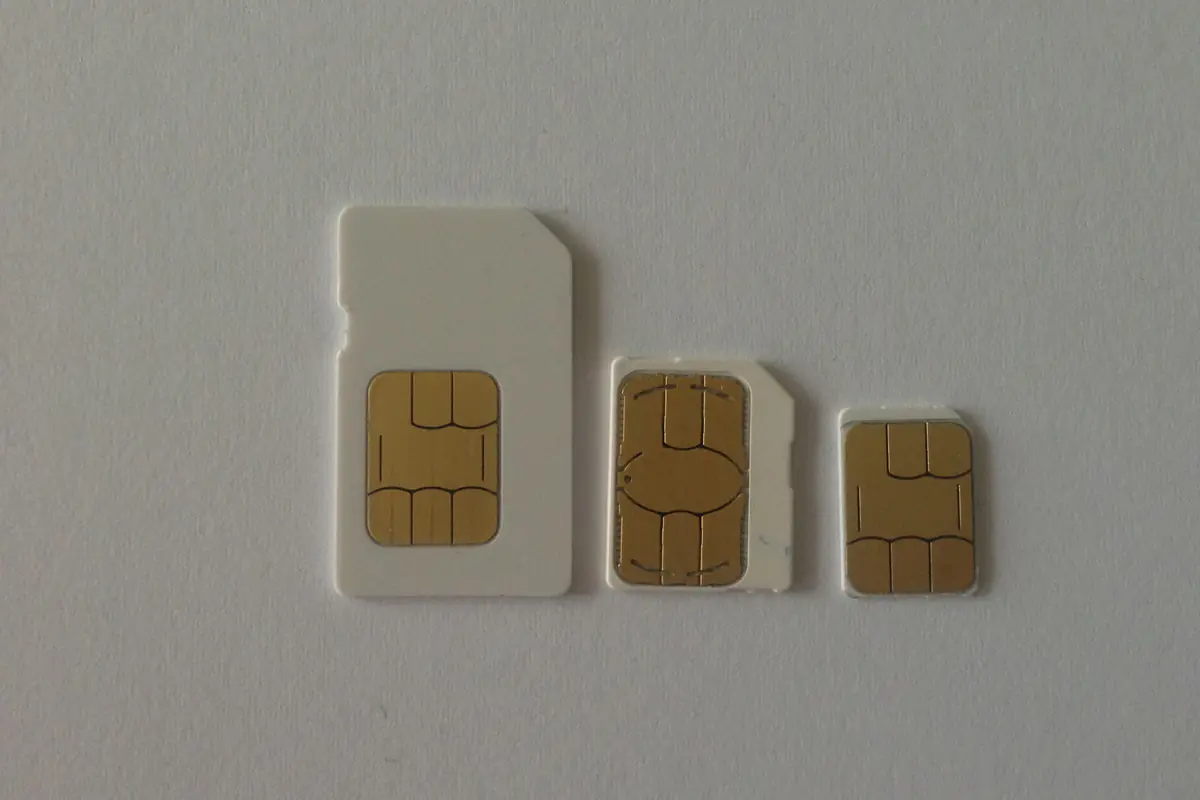
Photo: Bidouille82
For a physical SIM, confirm the size your phone takes and keep the original card in a labeled holder. If you need your home number for security codes, work out how to retain access before removing it. Dual-SIM capabilities depend on the device. Save a second way to access essential travel documents instead of relying on one incoming text message.
Separate data, calls, and tethering
Maps, messaging, and calls made inside an app use data. Dialing an ordinary phone number is a different service. A data-only plan should not be treated as a complete replacement for a domestic mobile subscription. If you need to call accommodation or receive local service texts, choose a plan that explicitly includes the relevant number and services.
Read how the allowance is divided. A trip-wide total differs from a daily limit, and unused daily data does not necessarily roll over. Ask whether you can share the connection with a laptop or another phone. If you need to work, the plan should permit the way you actually use it rather than merely show a large number of gigabytes.
We suggest downloading offline maps, disabling automatic mobile-data updates, and saving large backups for accommodation Wi-Fi. Video uploads can wait until you have a suitable connection. That leaves mobile data for navigation, messaging, and practical arrangements. Keep an offline copy of your first night’s address even if your chosen plan promises instant activation.
Choose a seller you can reach afterward
Bring your original passport and ask the carrier what registration process applies to a foreign visitor. Be prepared for identity-document checks and any photograph or face-verification step required by its official process. We would avoid a seller offering to skip registration with a supposedly ready-to-use card. Choose a subscription recorded correctly for its user and a clear support channel.
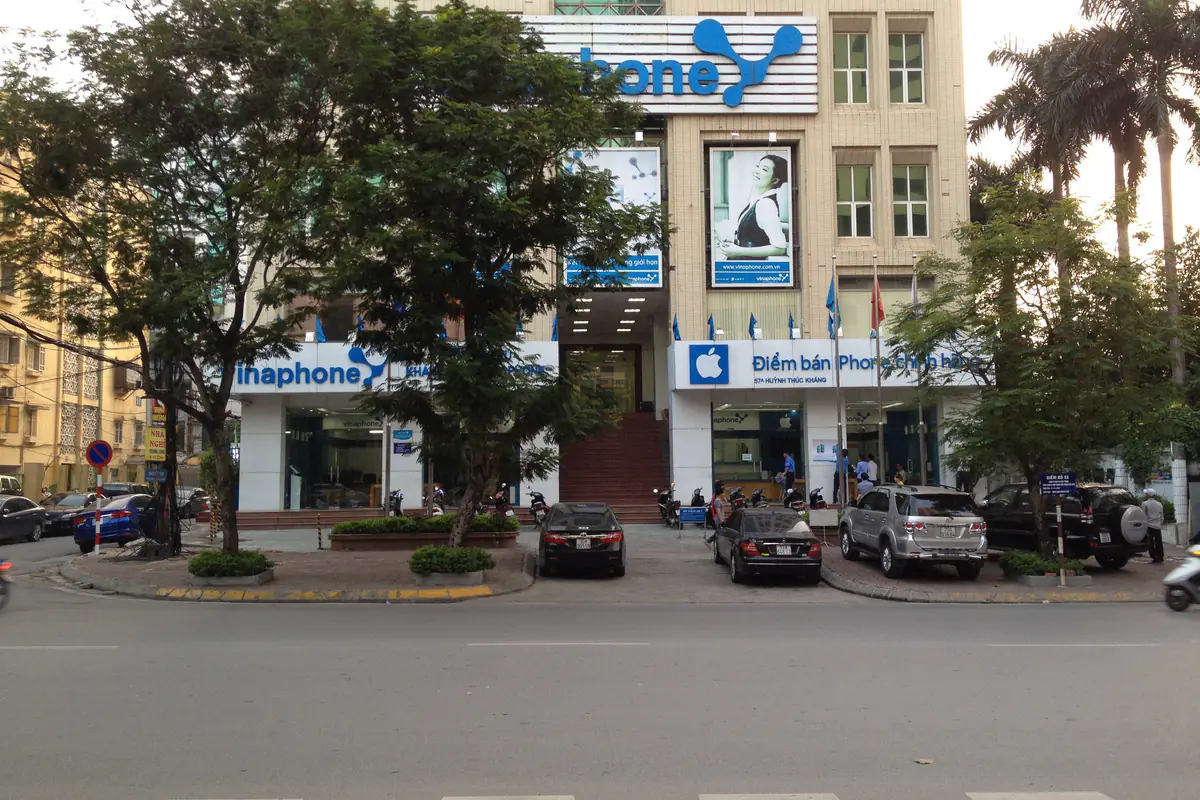
Photo: Phan Minh Tuấn
Submit identity documents only through the official registration channel, rather than an unidentified messaging account. Keep the receipt, order reference, and plan description. A street seller may be easy to find at the moment of purchase but difficult to locate when service fails. A fixed counter and a documented support route make a practical difference after the transaction.
Check it while help is still available
- Save the provider’s instructions and order details.
- Connect to Wi-Fi or an existing connection as instructed.
- Add the eSIM through the supplied QR code, app, or activation method.
- Label the lines clearly and select the intended mobile-data line.
- Turn off Wi-Fi and test the services you purchased.
Some travel plans require data roaming on the new eSIM. Follow that plan’s instructions carefully, and avoid enabling it on the wrong line. Charges on your home subscription remain subject to your own carrier’s terms. Keeping the home line available for codes also deserves a check of call, messaging, and roaming charges before you travel.
If the connection fails, check the selected data line, plan status, and installation instructions first. Do not immediately delete the eSIM and assume you can download it again. Reinstallation and replacement depend on the provider. Send support the order reference and the relevant error message, keeping unrelated personal information out of screenshots.
Internet access does not create a payment account
A working SIM does not automatically give you access to Vietnamese banking or wallet services. Bring an appropriate card and cash backup, and check how a service accepts payment before booking it. Sign in to essential apps while you have a stable connection. For drivers, an address in Vietnamese and an accurate map pin are more useful than a long description of nearby landmarks.
If you are arriving through Tan Son Nhat Airport, agree on the terminal and pickup point before the flight. Send one concise meeting message. That is easier to use at arrivals than several competing sets of instructions arriving on a newly activated phone.
FAQ
Should the group share one hotspot?
Only if the plan permits it and you mostly stay together. We would not leave someone without contact when the hotspot phone goes elsewhere.
What should I keep after the trip?
Retain the order confirmation and support details until payments are settled, then manage the eSIM profile according to the provider’s instructions.
Can I add an eSIM to a work phone?
Check with whoever manages the device first. Settle installation permissions and company data policies before traveling.
Related posts

Guides
Choose a Flight for a Short Ho Chi Minh City (Thành phố Hồ Chí Minh) to Nha Trang Trip
Choose the journey around the time you want at the beach, with both transfers included.
Guides
Travel Vietnam With a Plan for Roads and Weather
Prepare for the activities you will actually do, from city rides to mountain roads and boat trips.

Guides
Choose the best Nha Trang to Da Lat bus, limousine or private car
Compare transport options, check Khanh Le Pass conditions and plan a safer journey between Nha Trang and Da Lat.