Vietnam travel insurance: 7 things to check before you buy
There are 7 things worth checking before buying Vietnam travel insurance, from medical expenses to motorbike coverage. Understanding these details helps you choose the right policy and avoid paying for protection that may not apply to your trip.
Written by Tụi mình mê biểnUpdated
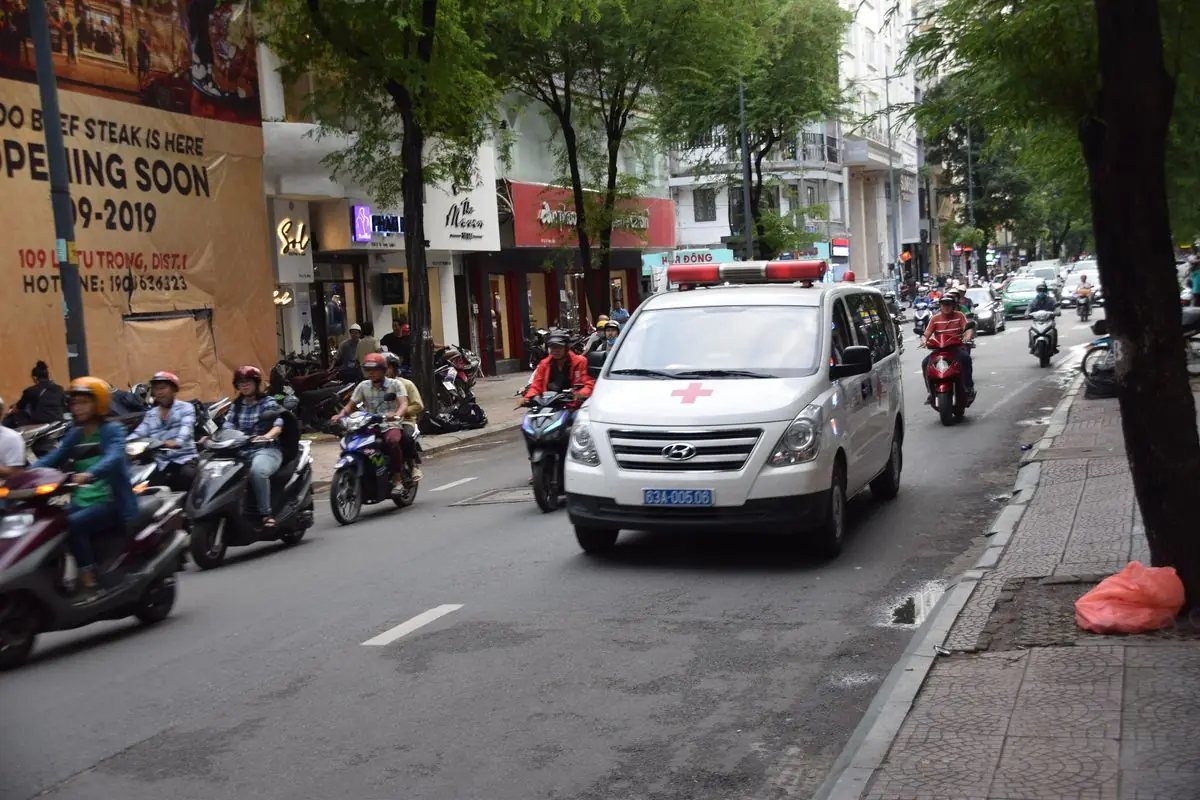
Photo: Dickelbers
A trip from Hanoi to Nha Trang might involve nothing more than flights, a hotel, and a few days at the beach. But if you end up in the hospital with an acute illness, an accident-only insurance policy may do nothing to cover your treatment. Vietnam travel insurance is not generally mandatory for international tourists, but buying a policy is strongly recommended, especially if you're traveling independently, planning outdoor activities, or visiting with older family members.
Is travel insurance mandatory for Vietnam?
Vietnam does not have a general requirement for every foreign tourist to hold travel insurance before entering the country. Travelers entering under ordinary visa exemptions or e-visas are not required to submit a travel insurance policy as part of the standard entry process.
There are, however, three situations worth distinguishing:
- Foreign visitors traveling independently: Travel insurance is not a general entry requirement, but medical coverage and emergency evacuation protection are strongly recommended.
- Travelers booking organized tours: Under point đ, clause 1 and point a, clause 2 of Article 37 of Vietnam's Tourism Law No. 09/2017/QH14, domestic travel companies and international travel companies serving inbound visitors must purchase insurance for travelers during organized tours, unless those travelers already have insurance covering the entire program.
- Travelers joining specialized activities: Some adventure tour operators may require suitable insurance before allowing participants to join. This is a condition set by the operator, not a general immigration requirement.
Tour insurance doesn't settle everything. Ask the operator for the insurance provider's name, coverage limits, policy scope, and an insurance certificate or other proof of coverage.
Personal accident insurance included with a tour is not necessarily a substitute for comprehensive travel medical insurance. The two products can have very different benefits and limits.
7 things to check when choosing Vietnam travel insurance
1. Eligibility and the geographical coverage of your trip
This is the first thing to check, even before comparing prices.
Domestic travel insurance in Vietnam is designed for people living in Vietnam who are traveling within the country. Meanwhile, travel insurance for foreigners visiting Vietnam is intended for international visitors arriving from abroad.
Both products may cover certain risks occurring in Vietnam, but their eligibility requirements can be different.
For example, Bao Viet offers domestic travel insurance for Vietnamese citizens and foreign nationals residing in Vietnam. A French citizen living in Hanoi may qualify for that product, while someone flying from Paris to Nha Trang for a one-week vacation should confirm whether they are eligible.
Bao Minh, on the other hand, offers a product specifically for foreign visitors to Vietnam. Under its insurance rules issued on June 30, 2025, eligible travelers include foreigners visiting Vietnam for tourism, family visits, or business, as well as foreign residents traveling domestically.
Before purchasing, confirm the following:
- Does the insured traveler meet the policy's residency, nationality, and age requirements?
- Does coverage last for the entire journey, or only for a particular flight, tour, or hotel stay?
- Does coverage begin when you leave your home country or only after you complete immigration procedures in Vietnam?
- If you continue to Laos or Cambodia, will the same policy still cover you?
A policy restricted to Vietnam does not automatically cover the next country on your itinerary.
Also check the exact start and end dates printed on your insurance certificate. Some policies begin when you depart, while others designed for incoming visitors only become effective after entry into Vietnam.
2. Medical expenses: prioritize both illness and accidents
For international visitors, medical coverage is usually the most important benefit.
A suitable policy should clearly explain how it covers emergency consultations, diagnostic tests, medical imaging, surgery, hospitalization, and prescribed medication. Alongside accidents, check whether unexpected illnesses arising during your trip are covered.
In Nha Trang, you might need medical treatment for acute gastroenteritis, a high fever, or an injury during an outdoor activity. An insurance contract may treat these situations differently.
For example, PVI's domestic travel insurance lists principal benefits related to accidents and death resulting from unexpected illness or disease. That does not mean someone hospitalized with a fever will have all treatment costs reimbursed. The specific medical expense benefits need to be checked.
Bao Minh's insurance product for foreign visitors to Vietnam, meanwhile, includes provisions for emergency medical expenses and inpatient treatment arising from covered accidents or illnesses.
How much medical coverage should you choose?
For international travelers visiting Vietnam for one or several weeks, the following figures are a starting point for comparison.
| Medical coverage limit | How to assess it |
|---|---|
| Under US$10,000 | Quite limited if surgery or prolonged treatment becomes necessary |
| US$10,000-30,000 | May suit some short trips, but individual limits need careful review |
| US$50,000-100,000 | A sensible range to consider for ordinary vacations |
| US$100,000 or more | Worth prioritizing for longer trips, remote destinations, or outdoor activities |
These are suggested comparison ranges, not minimum amounts required by Vietnamese law or predictions of actual hospital bills.
For a city-based trip or resort vacation in Nha Trang or Da Nang, a policy offering around US$100,000 in medical coverage, together with clearly defined emergency transportation benefits, is a reasonable option to consider.
On a trip of several weeks, a long-distance motorbike ride, or a route far from major hospitals, medical transportation and activity exclusions matter more than a higher accidental death benefit.
Check outpatient treatment too. Some policies focus on emergencies and hospitalization rather than paying for every routine medical consultation.
3. Emergency medical evacuation and repatriation
Many travelers focus entirely on hospital bills. However, transporting an injured or seriously ill traveler can become a major concern, particularly in remote areas.
Imagine suffering a serious injury while traveling the Ha Giang Loop. The nearest medical facility may only be able to provide initial emergency care. A doctor might then recommend transferring you to a larger hospital with surgical or specialist facilities.
Emergency medical evacuation coverage may help pay for that transfer when it is medically necessary and meets the policy conditions.
There are three separate benefits to understand.
Domestic emergency medical transportation: Transferring a patient to a suitable hospital using medically appropriate transport.
International medical evacuation: Transporting a patient to another country for treatment when medically necessary and covered by the policy.
Medical repatriation: Returning a patient to their home country or country of residence using transport appropriate to their medical condition.
These benefits are not interchangeable. A policy can cover ambulance transfers and still exclude an air ambulance back to Europe.
Look for terms such as emergency medical evacuation, medical repatriation, and 24/7 emergency assistance.
Check who authorizes the transfer, too. Most insurance contracts require medical necessity and approval from the insurer or its assistance provider under the relevant policy conditions.
You cannot arrange an expensive private flight yourself and expect the insurer to reimburse it afterward.
For itineraries involving Ha Giang, Cao Bang, Sa Pa, trekking routes, or several days on remote islands, this benefit deserves particular attention.
4. Trip cancellation, interruption, and travel delays
Suppose you've booked round-trip flights, hotels, and a nonrefundable Ha Long Bay cruise. Shortly before departure, you become seriously ill, and a doctor confirms that you're unfit to travel.
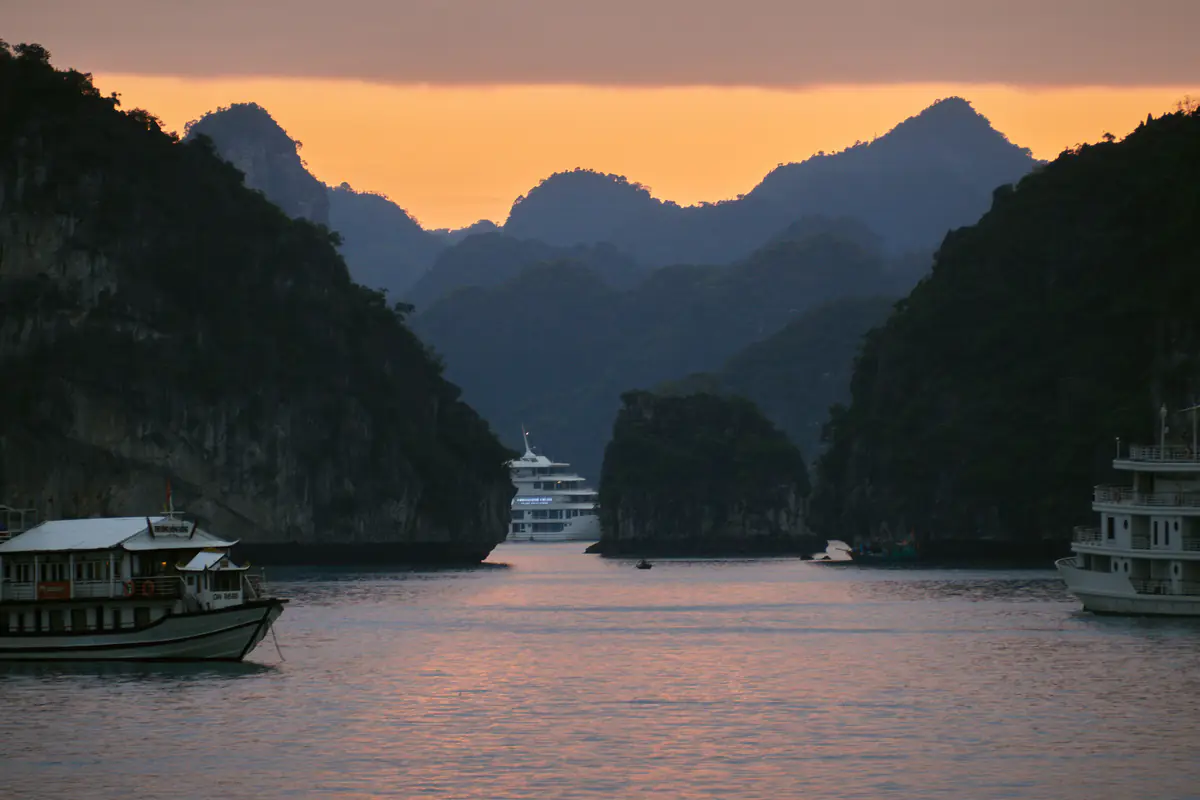
Photo: lumoplank
Trip cancellation insurance may reimburse some or all of your prepaid, nonrefundable expenses, depending on the cause, coverage limits, and policy conditions.
But not every reason for canceling qualifies.
Some policies cover unexpected serious illness, accidental injury, the death of a close relative, or other specifically listed events.
Changing your mind, deciding that the weather doesn't look appealing, or finding a cheaper hotel are generally not covered by standard trip cancellation policies.
These benefits are easy to mix up:
- Trip cancellation: You cannot begin the trip because of a covered event.
- Trip interruption: You must end your journey early because of an event covered by the policy.
- Travel delay: Your transport is delayed for a qualifying reason and for the minimum period stated in the contract.
- Missed connection: You miss an onward flight, train, or other scheduled service, subject to the policy's specific requirements.
Even when an airline cancels your flight, your insurer may not reimburse every hotel booking and tour reservation.
If you're visiting central Vietnam during the rainy season, read the provisions relating to storms, flooding, and when the policy was purchased. Insurance generally does not cover an event already known before purchase unless the contract specifically allows it.
5. Luggage, passports, and electronic devices
Baggage protection sounds straightforward, but reimbursement limits can be surprisingly restrictive.
Check three situations separately: lost checked baggage, delayed baggage, and personal belongings that are stolen or damaged.
For example, you arrive at Cam Ranh International Airport, but your checked suitcase never appears on the baggage carousel.
Your first step should be to report the missing bag to the airline's baggage service desk or its ground handling agent. Ask for a Property Irregularity Report, commonly called a PIR, and keep the report reference number.

Photo: Leductho1710
The airline must handle the matter under its conditions of carriage and applicable rules. Your travel insurer may then cover eligible losses according to your insurance contract, taking account of any compensation already received from the airline.
For electronic equipment, check the maximum payout per item.
A policy providing US$1,000 in total baggage coverage may impose a much lower limit on a single camera.
Similarly, leaving your phone on a café table, placing an unattended suitcase in a hotel corridor, or walking away from your beach bag may fall under exclusions for property left unattended.
Bao Minh's 2025 rules for foreign visitors require baggage loss or damage to be reported to the police or the management of the location where it happened within 24 hours, with written confirmation.
The same product excludes various items, including cash, passports, and certain valuable documents.
Having baggage insurance does not mean every missing item will be reimbursed.
Some policies cover the cost of replacing travel documents, while others do not. A foreign visitor who loses their passport in Vietnam should contact their country's embassy or consulate for instructions on obtaining replacement travel documents.
6. Activities: motorbikes, the Ha Giang Loop, and scuba diving
This is one of the areas most likely to affect whether a claim is accepted.
Riding a motorbike in Vietnam
Many visitors to Nha Trang rent scooters to visit beaches, restaurants, and attractions. Others rent motorbikes for multi-day journeys through Ha Giang or Cao Bang.
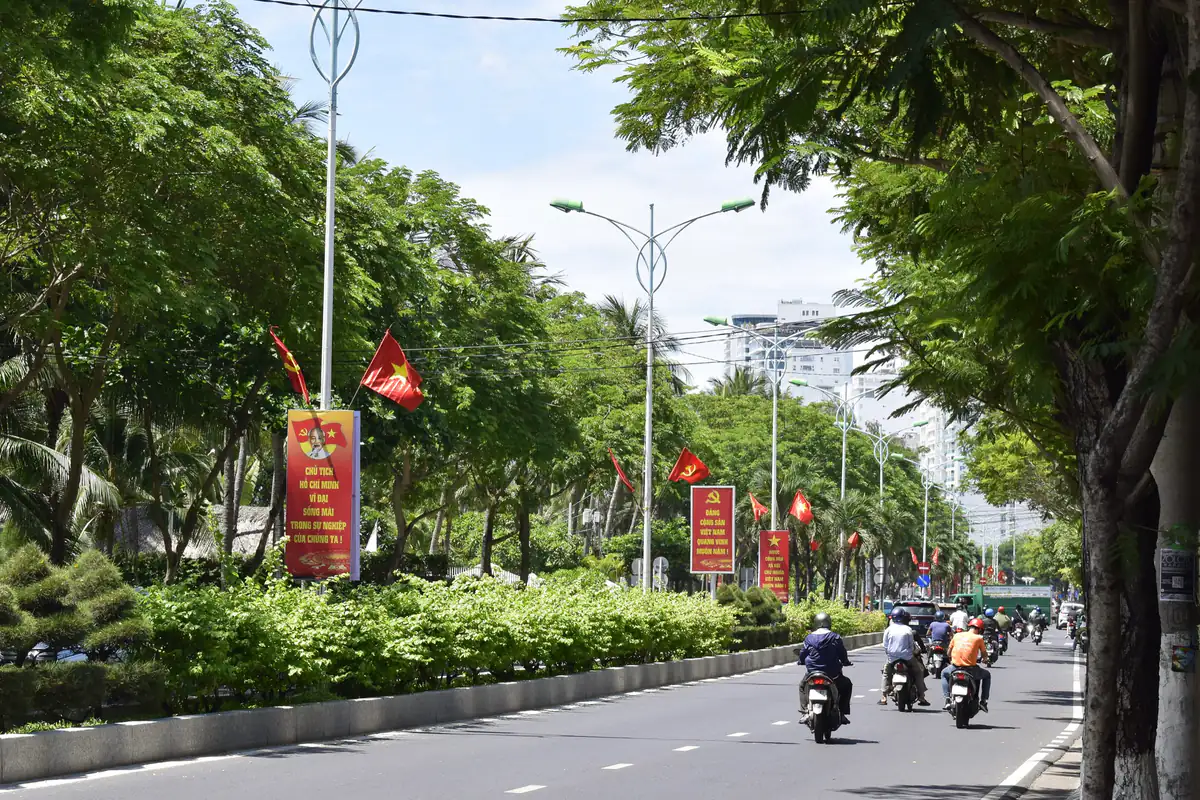
Photo: Rayrayokocha
Travel insurance, however, does not cover every motorbike accident.
World Nomads outlines conditions relating to having the appropriate license for the vehicle, complying with local traffic laws, and wearing a helmet. Passengers must also meet the relevant requirements under the policy.
Holding a driving license in your home country does not necessarily mean you're legally licensed to ride the same vehicle in Vietnam.
Insurance providers may consider compliance with local driving laws when assessing a claim.
Before renting a motorbike, ask your insurer to confirm in writing whether your intended vehicle, engine size, driving license, and planned use meet the policy conditions.
Adding adventure sports coverage still leaves some motorbike accidents unpaid, because it cannot make unlicensed riding legally permitted.
For insurance purposes, the essential point is that the validity of your driving license can affect whether medical expenses are covered.
Joining the Ha Giang Loop with an Easy Rider
For visitors who aren't legally qualified to ride a motorbike themselves, traveling as a passenger with an experienced driver is often a more suitable option.
But being a passenger on an Easy Rider tour does not guarantee insurance coverage.
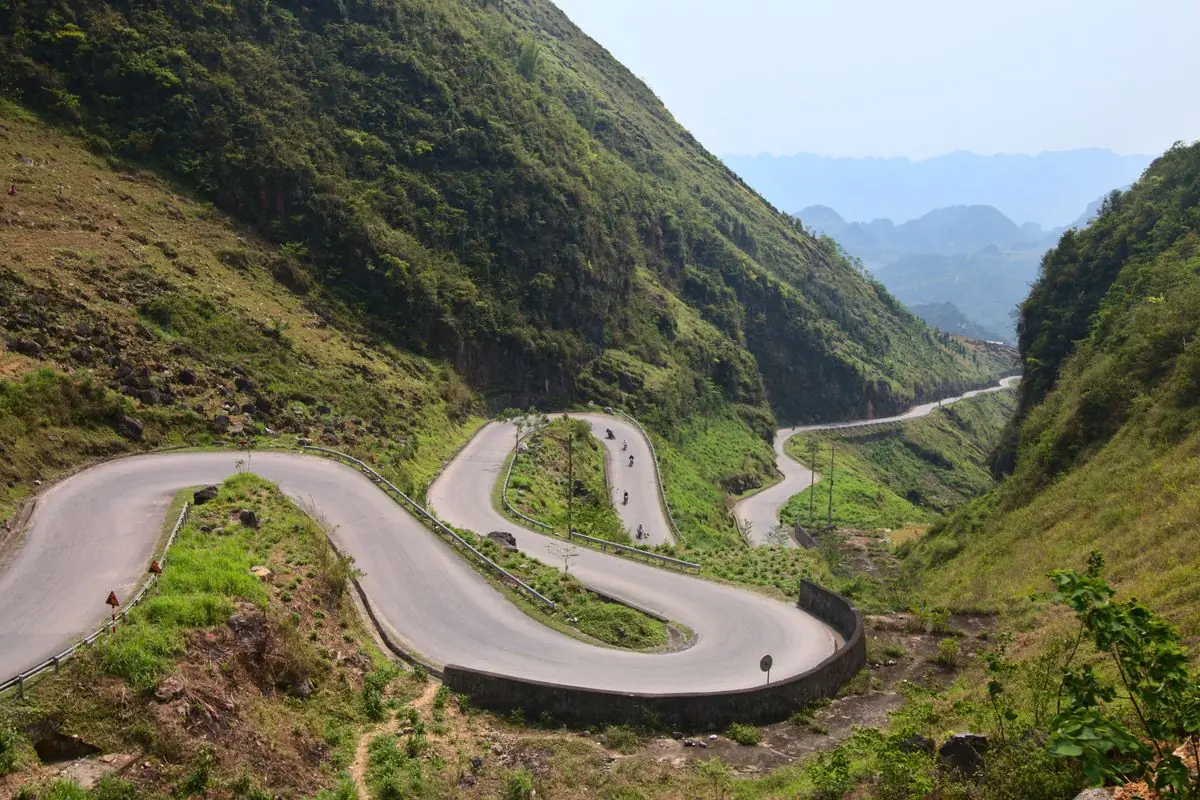
Photo: Benjamin Smith
Before booking, ask the operator what kind of motorbike is used, who drives it, whether passenger insurance is included, and exactly what that insurance covers.
Then ask your own travel insurer whether you are covered while riding as a passenger on a motorbike operated by a professional driver.
Some policies distinguish between ordinary motorbike transportation and multi-day motorcycle touring. A product might cover certain forms of motorcycle use while excluding motorbike touring.
Describe the activity accurately as a multi-day Ha Giang Loop motorcycle tour rather than simply saying you'll be riding a motorbike.
Scuba diving in Nha Trang
Snorkeling and scuba diving are different activities for insurance purposes.
Scuba diving comes with more specific conditions relating to certification, diving depth, and supervision.
World Nomads, for example, offers products that can cover scuba diving subject to conditions involving qualifications and maximum depths. These conditions vary according to the insurance program, country of residence, and individual policy.

Before booking a diving session in Nha Trang, confirm whether you're snorkeling or scuba diving, the maximum planned depth, whether an instructor will accompany you, and what certification is required.
A policy that covers snorkeling but not scuba diving may not protect you on a scuba dive.
The same approach applies to paragliding, jet skiing, mountaineering, cave exploration, and difficult trekking routes.
7. Exclusions, deductibles, and claims procedures
Once you've found a policy with suitable benefits, read the exclusions before paying.
Five groups of exclusions deserve particular attention.
First, pre-existing medical conditions. Someone previously diagnosed with heart disease, diabetes, high blood pressure, or another chronic condition may not be covered for related treatment unless the policy specifically includes appropriate benefits. Don't assume a premium plan automatically covers pre-existing conditions.
Second, unlawful activities and safety violations. Riding without a valid license, using intoxicating substances, or participating in prohibited activities may lead to a claim being denied, depending on the exact wording of the policy and circumstances of the incident.
Third, undeclared hazardous activities. Insurance for ordinary sightseeing may leave out scuba diving, technical climbing, or other adventure sports.
Fourth, medically unnecessary expenses. Routine medical examinations, cosmetic procedures, elective services, or treatments without appropriate medical justification are commonly excluded or restricted.
Fifth, incidents outside the policy period. Buying insurance after an accident does not normally create a right to compensation for that earlier incident.
There are also two financial terms worth understanding.
A deductible, sometimes called an excess, is the amount you must pay yourself before the insurer covers eligible expenses, according to the policy's calculation method.
A sub-limit is a separate limit for a particular benefit, which may be substantially lower than the overall insurance limit.
For example, a policy might offer US$100,000 in medical coverage but limit emergency dental treatment to US$500. Your dental claim would be subject to the smaller limit.
You should also understand the difference between direct billing and reimbursement.
Under a direct billing arrangement, the insurer or assistance company may guarantee payment of eligible costs directly to the hospital. Under reimbursement, you pay first and submit a claim afterward.
Not every hospital accepts direct billing arrangements from every insurance company.
How much does Vietnam travel insurance cost in 2026?
Travel insurance prices depend on your country of residence, age, trip duration, medical coverage, insurance limits, and planned activities.
Several companies publish prices or premium schedules that can be used as reference points. The figures below are 2026 prices from the insurers' own product pages.
| Insurance provider and product | Price or premium | Important details |
|---|---|---|
| Bao Viet - Domestic travel insurance | From VND 17,000 per person per day | Intended for Vietnamese citizens and foreigners living in Vietnam |
| PVI - Domestic travel insurance | Main benefits: 0.015% of the insured amount per day; PVI prices start from VND 17,000 for a one-way trip and VND 38,000 for a round trip with extended benefits | Confirm the actual benefits and selected plan before buying |
| SafetyWing - Nomad Insurance Essential | US$62.72 for four weeks, ages 10-39 | International travel medical insurance, not a seven-day Vietnam-specific quote |
| Bao Minh - Insurance for foreigners traveling in Vietnam | No single standard premium published for all travelers on its product page | A personalized quote is required |
These products are not directly equivalent.
A low-cost domestic accident insurance plan may provide much narrower protection than an international travel medical policy.
For example, SafetyWing's Essential product lists an overall coverage limit of US$250,000 and an emergency medical evacuation limit of US$100,000. Individual benefits still depend on the applicable insurance contract.
Meanwhile, inexpensive domestic policies offered by PVI or Bao Viet should not be assumed to provide the same international medical coverage.
At Bao Viet's starting price of VND 17,000 per person per day, five days works out to VND 85,000. The final premium depends on the actual plan and contract issued.
VND 17,000
per person per day, Bao Viet domestic
VND 85,000
for five days at the starting price
US$62.72
SafetyWing Essential, four weeks, ages 10-39
US$250,000
SafetyWing Essential overall limit
If you're a foreign visitor spending 7-14 days in Vietnam, request quotes based on your nationality, country of residence, age, and itinerary.
Compare at least two policies with reasonably similar benefits.
Choose the coverage you need before choosing the cheapest premium. Saving a small amount on insurance is rarely worthwhile if it means losing an important medical or evacuation benefit.
Should foreigners buy travel insurance at home or in Vietnam?
Both options can work, depending on the product and eligibility conditions.
Buying insurance before traveling to Vietnam
This is the better choice for most international visitors.
It gives you time to read the contract, declare any pre-existing conditions, check whether your activities are covered, and arrange trip cancellation protection before an unexpected event occurs.
Residents of the United States, United Kingdom, Germany, France, Australia, and Singapore can compare international travel insurance products available in their country.
Make sure Vietnam is included in the geographical coverage and request an insurance certificate in English.
The insurer's headquarters are less important than the contract itself: it needs to provide valid coverage in Vietnam, offer assistance if you're hospitalized, and match your travel plans.
Medical repatriation is also worth checking. Transporting an injured traveler back to Europe may involve very different arrangements from transferring someone between hospitals within one city.
Buying travel insurance in Vietnam for foreign family members
Suppose you live in Vietnam and want to buy insurance for your parents, friends, or relatives visiting from another country.
You can look for products specifically designed for international visitors to Vietnam.
Bao Minh, for example, offers Insurance for Foreigners Traveling in Vietnam. Under its rules issued on June 30, 2025, the policyholder may be an individual in Vietnam aged 18 or older with full legal capacity.
When contacting an insurer, prepare the insured traveler's full name as shown on their passport, date of birth, nationality, arrival date, departure date, and planned itinerary.
You should also declare relevant activities, including scuba diving, trekking, and motorbike tours.
Ask the insurer to confirm that coverage will begin before the activities you need protected and that the traveler meets all eligibility requirements.
The person paying for insurance and the insured traveler can be different people, so the name on the certificate matters more than who pays the premium.
Can you buy travel insurance after arriving in Vietnam?
Yes, some products allow it, but not all policies do.
Nonresidents can purchase Chubb Flight Insurance - Domestic Plan while in Vietnam for eligible domestic flights.
However, this is flight insurance and should not be confused with comprehensive medical coverage for an entire vacation.
SafetyWing also allows eligible customers to purchase Nomad Insurance while already abroad, subject to its rules regarding the start of coverage.
World Nomads offers products that can be purchased after departure. However, some policies impose a 72-hour waiting period on many benefits when purchased after the journey has begun.
For insurance companies operating in Vietnam, confirm whether the specific product accepts travelers who have already entered the country.
Ask when coverage starts and whether any waiting period applies.
Some benefits only start after a waiting period. Incidents occurring before the effective coverage period are generally excluded.
Choosing insurance for different Vietnam itineraries
Each type of trip has its own priorities.
| Type of trip | Recommended priorities |
|---|---|
| Four or five days at a Nha Trang resort | Medical expenses, emergency assistance, luggage, and 24/7 support |
| Seven days in Hanoi, Ha Long Bay, and Ninh Binh | Medical coverage, cancellation benefits for large deposits, and baggage protection |
| Ha Giang Loop | Appropriate motorbike accident coverage, hospital transfers, and emergency medical evacuation |
| Nha Trang with scuba diving | Medical expenses, diving activity coverage, and emergency assistance |
| Traveling around Vietnam for 30-90 days | Continuous coverage, acute illness protection, extensions, and multi-destination benefits |
| Visiting with older parents | Age limits, pre-existing conditions, hospitalization, repatriation, and accompanying family members |
A resort vacation in Nha Trang
Medical treatment and emergency assistance first
A trip built around the hotel, taxis, restaurants, and sightseeing needs medical treatment and emergency assistance first.
There's little reason to purchase adventure sports coverage if you aren't planning any such activities.
Scuba diving and jet skiing are the exceptions: check whether those activities require separate protection.
A trip around the Ha Giang Loop
The right activity, the right vehicle, evacuation cover
In addition to medical benefits, confirm that the policy covers the exact activity and vehicle you'll be using.
Travelers joining Easy Rider tours should check passenger coverage. Those riding independently must examine the driving license requirements and other legal conditions.
Pay particular attention to emergency evacuation limits and assistance procedures in remote areas.
Also ask whether search and rescue expenses are included. Those costs are not always part of medical evacuation benefits.
Traveling with older family members
Age limits, pre-existing conditions, full disclosure
Age can significantly affect insurance eligibility, benefits, and premiums.
Some policies reduce coverage limits, charge higher premiums, or restrict certain benefits above particular ages. Others stop accepting new customers after an age threshold.
Declare any existing medical conditions your parents have in full and request written confirmation of the applicable benefits.
A policy with a high overall coverage limit may still be unsuitable if it excludes treatment directly related to an existing health condition.
What to do if you need hospital treatment in Vietnam
Visiting a hospital abroad involves more than choosing a medical facility. You'll also need to communicate with the insurer, keep documents, and follow the appropriate payment process.
- Step 1
Get emergency treatment first
If someone has severe breathing difficulties, loses consciousness, suffers a serious injury, or experiences intense chest pain, prioritize emergency medical assistance.
Vietnam's emergency medical number is 115. The police emergency number is 113, while 112 is the national emergency hotline, which also handles search and rescue.
Emergency operators may communicate in Vietnamese. Foreign visitors who don't speak Vietnamese should ask hotel staff, a tour guide, or a local contact to help explain their location and medical condition.
Never delay necessary emergency treatment solely to obtain advance approval from an insurer.
- Step 2
Contact your insurance assistance provider
Once the patient is receiving appropriate medical care, contact your insurer's emergency assistance service as soon as practical.
Provide your policy number, the patient's name, the hospital or medical facility, a description of the condition, and a contact telephone number.
Ask whether the hospital supports direct billing with your insurer and whether approval is needed before surgery, hospital transfers, or repatriation.
Save the policy's 24/7 assistance number on your phone before traveling.
Don't rely exclusively on a sales office that only operates during standard business hours.
- Step 3
Keep medical records and payment documents
Keep consultation notes, diagnoses, discharge summaries, treatment instructions, laboratory results, invoices, and proof of payment.
Ask the hospital for an itemized bill showing individual services and charges.
A simple receipt displaying only the total amount paid may not provide enough information for the insurer to assess the claim.
After a road accident, the insurer may also request documents relating to the accident, vehicle, driver, or relevant authorities.
If documents need to be submitted in English, ask the hospital and insurer whether English-language records are available or whether certified translations are necessary.
- Step 4
Submit the insurance claim correctly
After treatment, submit your claim according to the insurer's instructions and within the applicable deadlines.
Don't assume every policy allows claims to be filed 30 or 60 days after an incident. Reporting deadlines, document submission periods, and claim deadlines can differ.
Bao Viet, for example, provides specific reporting instructions for its domestic travel insurance product. Other insurers may require baggage incidents to be reported very quickly.
Keep copies of everything submitted and save your claim reference number.
If the insurer refuses to pay a particular expense, you can request a written explanation identifying the policy provisions used to assess the claim.
If you hold multiple insurance policies, disclose payments already received from other providers. Expense-based insurance generally does not allow duplicate compensation exceeding an eligible loss.
5 common mistakes when buying Vietnam travel insurance
Looking only at the largest coverage figure. A headline figure of hundreds of thousands of dollars may refer to accidental death benefits rather than hospital expenses. Check each benefit's individual limit.
Assuming flight insurance covers the entire vacation. Insurance bundled with an airline ticket may have a much narrower scope than travel medical insurance. Read the product name and the exact coverage dates.
Failing to declare outdoor activities. Taking a motorbike tour, going scuba diving, or joining a challenging trek while holding a policy designed for ordinary sightseeing can leave serious gaps in protection.
Purchasing insurance after something has already happened. Insurance generally cannot be purchased retroactively to cover an incident that occurred before the policy became effective, unless specific provisions state otherwise.
Failing to keep documents. Hospital invoices, airline confirmations, police reports, and medical records can be essential to successful claims. Even when an incident falls within the policy's coverage, missing documentation can make reimbursement difficult.
What should you check before paying for travel insurance?
Before making payment, open the actual insurance policy wording rather than relying solely on the sales page.
Check the insured person's name, age, residency eligibility, coverage dates, geographical scope, and main benefits.
Then confirm that your planned activities are included.
Send the insurer your questions about any motorbike riding or scuba diving you plan, and keep its written response.
Review deductibles, sub-limits, the 24/7 assistance provider, hospital direct billing arrangements, and claim deadlines.
The same method used to choose insurance for Nha Trang works for Ha Giang, Cat Ba, or your next international trip: identify your planned activities, choose the protection you actually need, and compare prices afterward. Before each new journey, review the geographical coverage, policy dates, and conditions relevant to your updated itinerary.
FAQ
Do I need travel insurance to visit Vietnam?
Travel insurance is not a general entry requirement for most international tourists visiting Vietnam. However, a policy covering acute illness, accidents, and emergency medical evacuation is strongly recommended. If you're joining an organized tour, check what insurance the tour company provides and whether it covers your entire itinerary.
Does travel insurance cover motorbike accidents in Vietnam?
It can, depending on the policy. Many insurers require riders to have the correct driving license, be legally permitted to operate the vehicle in Vietnam, wear helmets, and follow traffic regulations. Riding without meeting these conditions may result in a denied claim. Passengers should also check their own coverage requirements.
What travel insurance should I buy for the Ha Giang Loop?
Choose a policy that covers medical treatment, emergency evacuation, and the specific motorcycle activity you'll be participating in. Independent riders must meet the relevant licensing conditions. Easy Rider passengers should confirm coverage for riding as a passenger. Don't rely solely on basic accident insurance advertised by the tour operator.
How much does Vietnam travel insurance cost?
In 2026, Bao Viet advertises domestic travel insurance starting at VND 17,000 per person per day. SafetyWing lists Nomad Insurance Essential at US$62.72 for four weeks for travelers aged 10-39. These are different types of products with different coverage. Your actual premium depends on age, residency, trip duration, and selected benefits.
Can foreigners buy travel insurance in Vietnam?
Yes, if the insurance product accepts their eligibility and purchase circumstances. Bao Minh offers a policy designed for foreigners traveling in Vietnam, while some international companies allow eligible travelers to purchase coverage after leaving their home country. Always confirm the policy's effective date, waiting periods, and exclusions before paying.
Related posts
Guides
Check which vaccines you need before traveling to Vietnam
A practical guide to Vietnam travel vaccines, from short vacations to extended trips across Southeast Asia.
Road trips
First-time Ha Giang Loop: self-ride, easy rider or car?
How to choose your transport, itinerary, travel season and budget for the Ha Giang Loop.
Guides
Renting a motorbike in Nha Trang: prices, licenses and tips for independent travelers
A practical guide to Nha Trang motorbike rental prices, driving licenses, deposits and safety checks in 2026.