Nha Trang diving for beginners: snorkeling or scuba diving?
This guide is for first-time visitors to Nha Trang who want to see coral reefs, try scuba diving or learn to dive properly. It covers the different diving options, 2026 prices, dive sites, seasonal conditions and what to check before booking.
Written by Tụi mình mê biểnUpdated
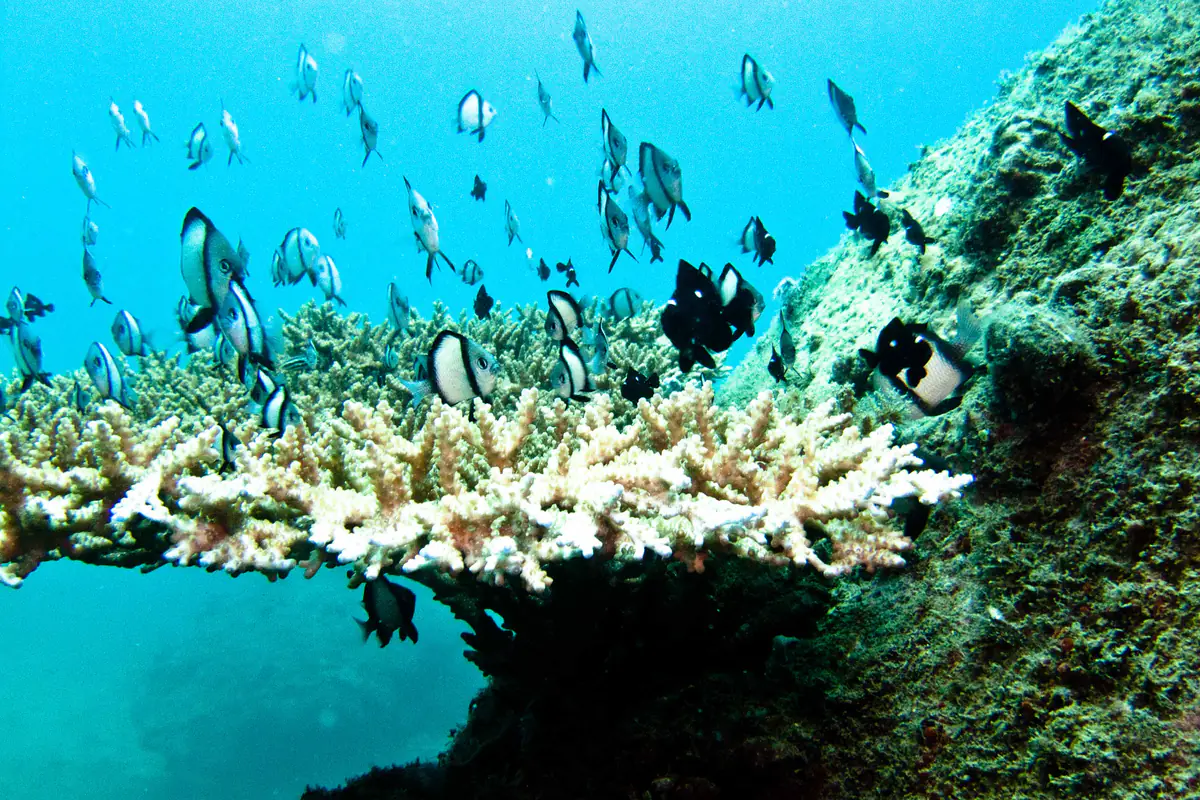
Before booking a diving trip in Nha Trang, decide whether you want to watch coral reefs from the surface or breathe underwater with scuba equipment. Beginners can join a snorkeling trip or a supervised Discover Scuba Diving program without certification. Travelers who plan to dive regularly in other destinations will get more long-term value from an Open Water Diver course.
Choose the right type of diving in Nha Trang
In Nha Trang, the term "diving tour" can describe several very different activities. A budget island excursion might include a mask, snorkel and a short swim above the reef. A proper scuba diving program includes breathing equipment, safety training, an instructor and time underwater.
The difference matters. You'll pay different prices, need different skills and face different safety requirements.
12 m
maximum depth on a DSD try dive
18 m
usual Open Water Diver limit
12 hours
wait before flying after one scuba dive
18 hours
wait before flying after multiple dives
| Activity | Best for | Certification required? | What you do |
|---|---|---|---|
| Snorkeling | Beginners, families and casual swimmers | No | Float or swim at the surface while watching marine life below |
| Discover Scuba Diving (DSD) | First-time divers who want to breathe underwater | No | Explore underwater with scuba equipment and direct instructor supervision |
| Open Water Diver course | Travelers who want to dive regularly | No previous certification required | Complete theory, confined-water training and open-water dives |
Snorkeling: the easiest way to see coral reefs
Mask and snorkel, swimming at the surface
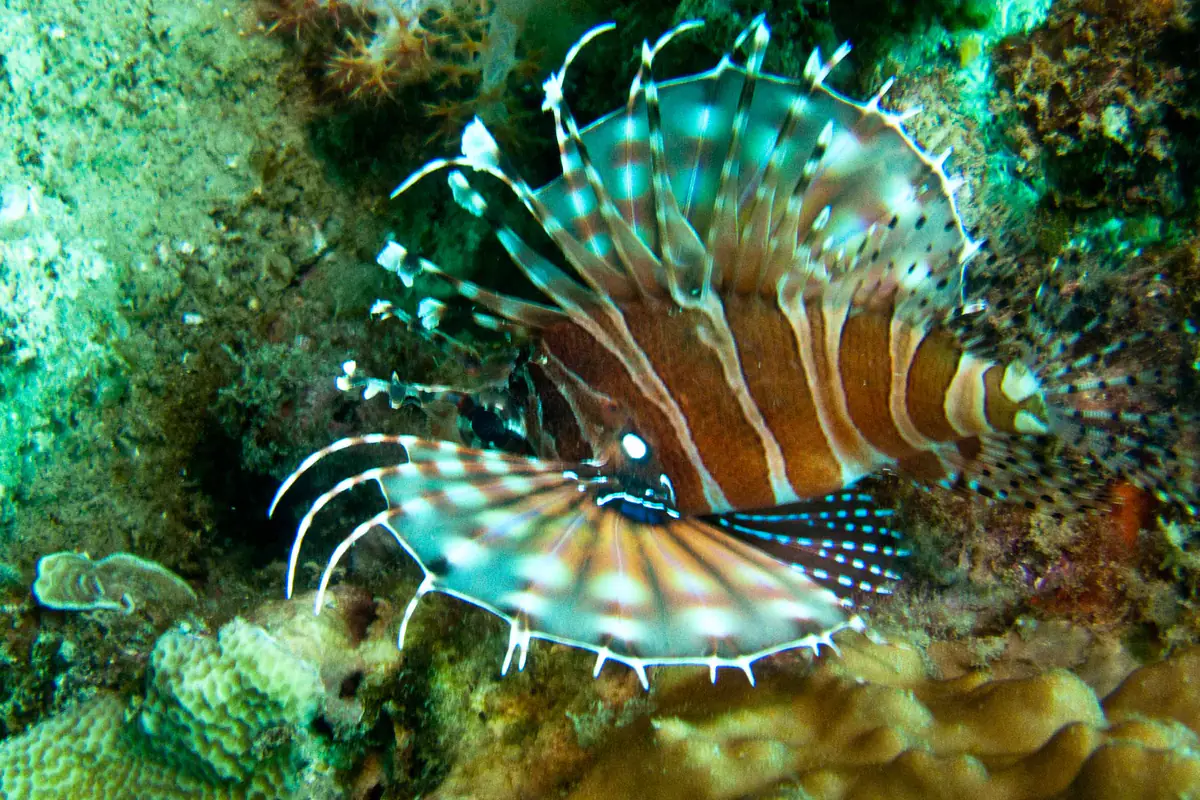
Snorkeling requires a mask, snorkel and usually fins. You stay near the surface, breathe through the snorkel and look down at fish, coral and underwater rock formations.
You don't need to dive several meters below the surface to see marine life. When coral grows in shallow water, swimming slowly above the reef can provide a clear view.
This makes snorkeling a sensible first choice for anyone unsure about spending an extended period in the water.
It's also easier to arrange for families. Older children and less confident swimmers may be able to participate, provided they meet the operator's requirements and receive appropriate supervision.
Weak swimmers should choose a guided excursion with a properly fitted flotation device and someone accompanying them in the water. Wearing a life jacket doesn't make it safe to swim far from the boat on your own.
Ordinary snorkeling takes place at the surface. Breath-hold diving below the surface, often called freediving or skin diving, requires different skills and precautions. Beginners shouldn't attempt deep breath-hold dives without appropriate training.
Discover Scuba Diving: try breathing underwater without certification
Supervised scuba, from age 10
Discover Scuba Diving, commonly shortened to DSD or called a try dive, is designed for people without previous scuba training.
You wear a buoyancy control device, carry a scuba cylinder and breathe through a regulator while an instructor supervises you underwater.
PADI's program requires participants to be at least 10 years old and meet the relevant medical requirements. Open-water dives are limited to a maximum depth of 12 meters, although beginners don't have to reach that depth.
Before entering deeper water, you'll learn several essential skills:
- Breathing normally through a scuba regulator.
- Clearing water from your mask.
- Recovering a regulator if it comes out of your mouth.
- Equalizing pressure in your ears.
- Recognizing and using underwater hand signals.
These aren't formalities. Breathing through a regulator feels different from normal breathing, especially when you're hearing bubbles, wearing unfamiliar equipment and adjusting to underwater pressure.
Ecodive Vietnam runs a one-day DSD program with two dives and one-to-one instructor supervision.
Rainbow Divers takes another approach, with initial practice in a swimming pool or shallow water before two ocean dives, which may take place the following day.
Choose DSD if you genuinely want to experience being underwater but aren't ready to commit to a full certification course.
DSD isn't a diving qualification. Completing the program doesn't authorize you to rent scuba equipment and dive independently.
Open Water Diver: learn to dive properly
Entry-level scuba certification, from age 10
Open Water Diver is an entry-level recreational scuba certification. Once you've successfully completed the training, adult certified divers can generally dive with a suitable buddy to a maximum depth of 18 meters, within the limits of their training and experience.
A PADI Open Water Diver course has three main components:
- Knowledge development: Learn about pressure, diving equipment, dive planning, safety procedures and the underwater environment.
- Confined-water training: Practice essential skills in a swimming pool or another suitable, controlled shallow-water environment.
- Open-water training: Complete four training dives and demonstrate the required skills.
You must also meet swimming requirements. These include swimming 200 meters continuously without swimming aids, or 300 meters with a mask, fins and snorkel, along with a 10-minute floating or treading-water assessment.
Training takes about four days at the fastest, sometimes longer depending on your progress, the schedule and sea conditions.
Ecodive Vietnam's PADI Open Water Diver course costs US$400 per person in 2026.
Children aged 10 to under 15 may qualify for the Junior Open Water Diver program, which carries age-specific depth and supervision restrictions.
A two-day visit to Nha Trang leaves little room for an entire certification course. Allow several dedicated days rather than squeezing the training between island tours and sightseeing.
Where to go diving in Nha Trang
Search for diving in Nha Trang and you'll probably see Hon Mun mentioned repeatedly. Hon Mun has long been associated with the bay's coral reefs. However, access restrictions mean you shouldn't assume every area around the island is open for snorkeling or scuba diving.
Hon Mun: check the exact area and permitted activity
Swimming, diving and glass-bottom boat and basket-boat tours in the waters around Hon Mun Island were suspended in late June 2022 to support coral reef recovery.
A survey by the Nha Trang Bay management board on May 13, 2026, found that live coral coverage, density and area had increased there. That is news about coral recovery, not a notice reopening swimming or diving.
On June 22, 2026, the management board also recorded a group of visitors being guided to swim and view coral at a buoy-marked swimming area within the Hon Mun marine protected area.
A buoy-marked swimming area doesn't mean all the waters around Hon Mun are open, and it doesn't establish that scuba diving is permitted there.
When a tour sells "Hon Mun diving," ask the operator:
- Where exactly will guests enter the water?
- Is the activity surface snorkeling or scuba diving?
- Is that particular activity currently permitted in the designated area?
- Who operates the activity and supervises participants?
Having Hon Mun written on an itinerary isn't sufficient confirmation that the activity can legally take place there.
Areas previously selected for recreational diving trials
In June 2024, Khanh Hoa authorities agreed in principle on a pilot plan for recreational scuba diving activities at four locations in Nha Trang Bay.
| Area | Location |
|---|---|
| Northern Hon Rua | Waters north of Hon Rua Island |
| Vinh Hoa artificial reef | Artificial reef area in Vinh Hoa |
| Northeast Tri Nguyen | Northeastern side of Tri Nguyen Island |
| Bai Tranh - Bai Soi | Waters between Bai Tranh and Bai Soi, east of Tri Nguyen |
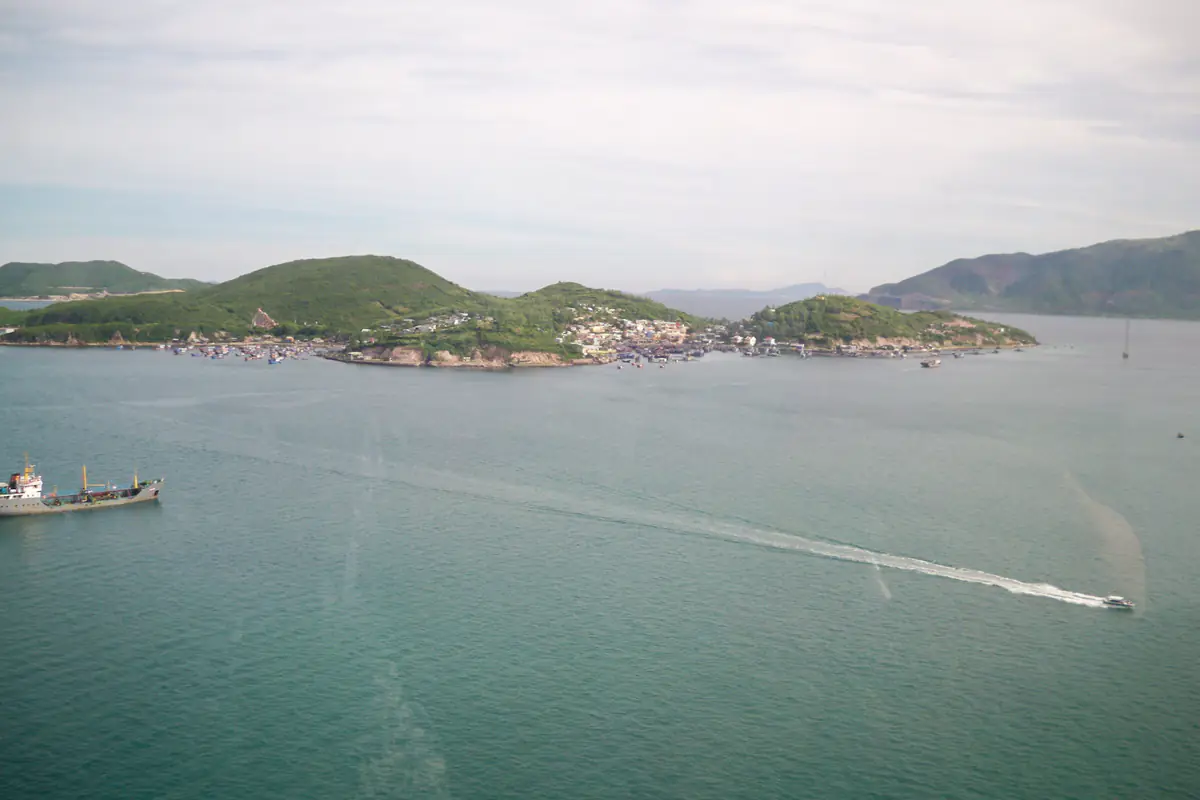
Ask your diving center for the planned dive site and confirmation that the activity is currently permitted there.
A well-managed, sheltered and appropriately shallow site is a better choice for your first dive than a famous location with unsuitable conditions.
Hon Mot, Dam Bay and other dive sites
Some Nha Trang dive operators promote locations such as Hon Mot, Dam Bay, Madonna Rock and Cemetery Bay.
For example, Sailing Club Divers offers its introductory scuba diving program at Dam Bay, Madonna Rock, Hon Mot or Cemetery Bay, depending on the trip.
Operators choose which sites to promote, and that guarantees neither that each location will be used on a particular day nor that every site is currently approved for every diving activity.
Before booking, ask about the actual dive site, expected depth, currents, underwater visibility and current permissions.
For beginners, shallow water with mild currents and a convenient area for skills practice is the better choice.
Diving from resorts on Hon Tre Island
Some resorts on Hon Tre Island may arrange underwater activities through their own services or outside partners. This can be convenient if you're already staying on the island and don't want an additional trip back to the mainland.
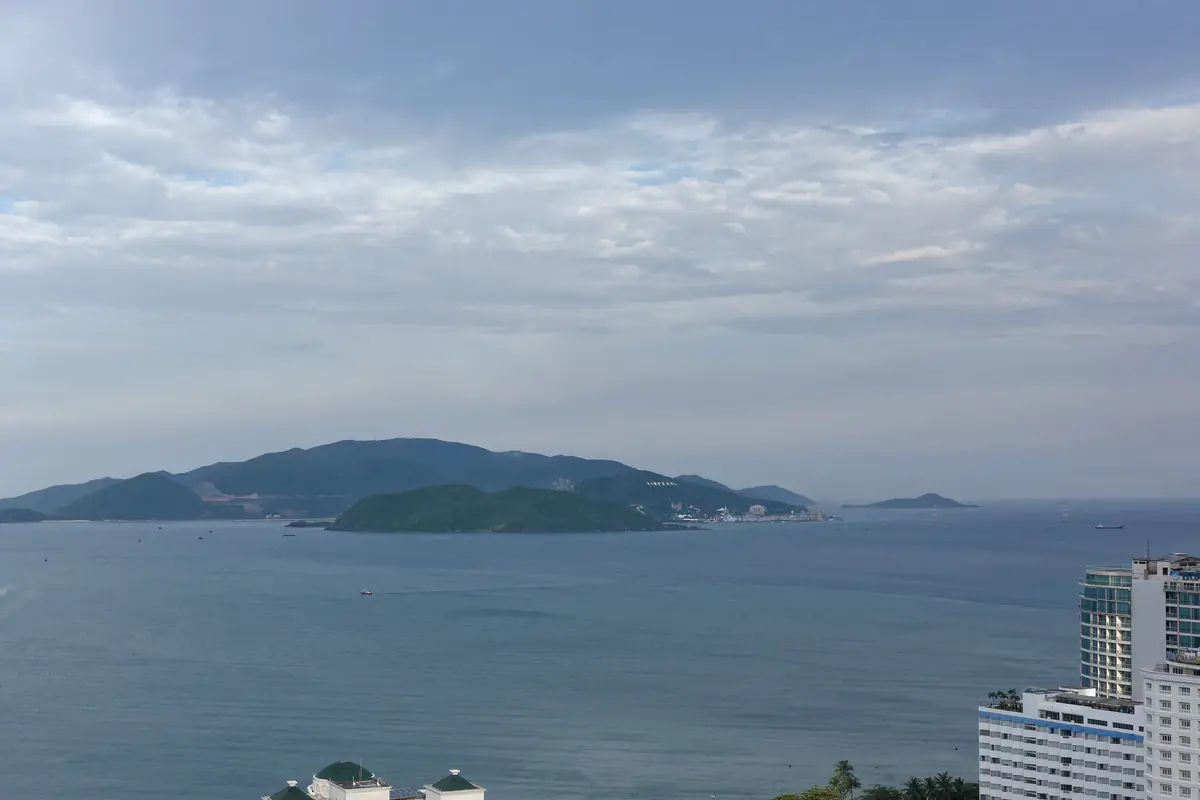
Photo: Leonid
Confirm the exact activity, dive location, instructor arrangements and separate fees. Not every resort booking includes scuba diving.
Best time for diving in Nha Trang
March to August is generally the most favorable period for diving in Nha Trang, with April to June particularly worth considering for beginners.
During these months, the sea is often calmer and weather conditions are more suitable for boat trips and underwater activities. That doesn't mean underwater visibility will be good every day. Recent rainfall, strong winds and suspended sediment can make the water cloudy even when the sky is clear.
| Months | Typical conditions | Recommendation |
|---|---|---|
| January-February | Conditions may still be affected by seasonal winds | Book only when the marine forecast is favorable |
| March-May | Generally calmer seas and improving conditions | Good for snorkeling, DSD and certification courses |
| June-August | Warm water and usually favorable summer conditions | Suitable for most recreational diving activities |
| September | Transitional weather with possible rain and rougher seas | Keep your schedule flexible |
| October-December | Greater chance of rain, monsoon winds and rough water | Avoid locking in a nonrefundable diving date too early |
April to June: a good choice for first-time divers
Beginners benefit from relatively calm water, particularly when getting on and off a boat, adjusting unfamiliar equipment and practicing breathing.
April through June often provides more opportunities for suitable conditions than the later rainy-season months. Still, a diving center must assess the actual sea conditions before every trip. Monthly weather patterns shouldn't replace a proper forecast.
July and August: popular but busier
July and August are busy months for domestic tourism in Nha Trang. Shared island boats may carry more passengers, especially on weekends. Diving centers can also receive more reservations for introductory programs and certification courses.
Book DSD ahead so the operator can arrange an instructor and appropriately sized equipment.
Traveling with friends who have different interests? Ask whether certified divers, first-time scuba participants and snorkelers can travel on the same boat. Some centers offer combined arrangements.
October to December: allow for cancellations
Nha Trang's later months can bring prolonged rain, stronger winds and rough seas. A sunny morning in the city says little about conditions outside the bay.
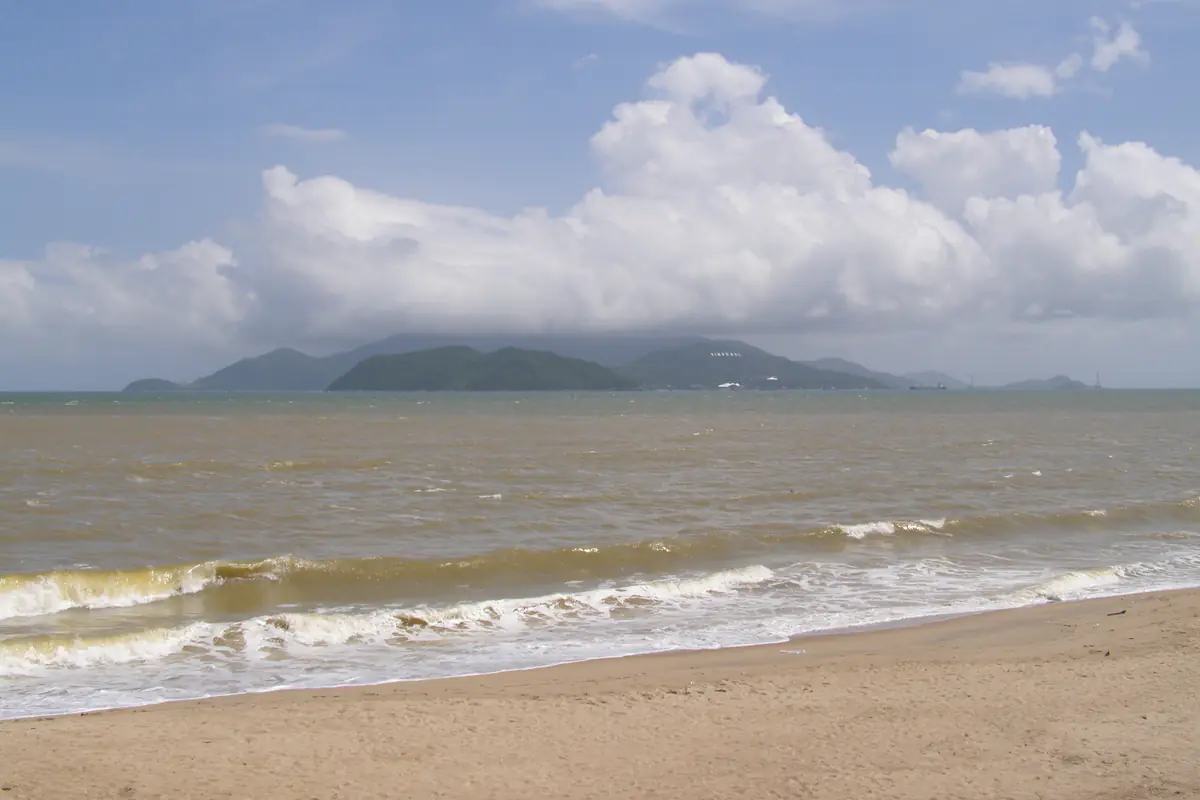
Photo: RG72
In November, treat diving as a weather-dependent activity rather than an unchangeable part of your itinerary.
Read the cancellation and rescheduling policy before paying for a nonrefundable trip. If hazardous weather is forecast or the diving center determines conditions are unsuitable, postpone the dive. Having already paid isn't a reason to enter unsafe water.
Morning or afternoon diving?
Many diving trips in Nha Trang depart in the morning. This gives operators enough time to conduct multiple dives and return to shore during daylight.
Rainbow Divers runs one- and two-dive boat programs from approximately 7:00 a.m. to 1:00 p.m., while its three-dive option may finish around 2:00 p.m. Ecodive Vietnam's snorkeling departs at approximately 7:30 a.m.
Each operator sets its own schedule, so departure times vary across Nha Trang.
Morning light may help underwater photography, but water clarity remains important. Sunshine can't make sediment-filled water clear.
Nha Trang diving prices in 2026
Prices depend heavily on the activity, the number of dives and the level of supervision. A cheap snorkeling excursion isn't equivalent to a Discover Scuba Diving program that includes equipment training and direct instructor supervision.
The following are 2026 prices on operators' websites, so confirm current rates before booking.
| Activity | Operator | 2026 price |
|---|---|---|
| Snorkeling | Ecodive Vietnam | US$35 per person |
| Snorkeling | Rainbow Divers | US$35 per person |
| Discover Scuba Diving, two dives | Ecodive Vietnam | US$85 per person |
| Discover Scuba Diving, pool or shallow-water introduction plus two ocean dives | Rainbow Divers | US$135 per person |
| One scuba dive for a certified diver | Rainbow Divers | US$50 per person |
| Two scuba dives for a certified diver | Rainbow Divers | US$80 per person |
| Three scuba dives for a certified diver | Rainbow Divers | US$105 per person |
| PADI Open Water Diver course | Ecodive Vietnam | US$400 per person |
Prices are shown in US dollars, matching the operators' own rates. Payment in Vietnamese dong may depend on the provider's exchange rate and payment policy.
Why do introductory scuba diving prices differ?
Ecodive Vietnam's US$85 DSD program includes two dives during a one-day experience, with one-to-one instructor supervision.
Rainbow Divers' US$135 introductory program includes theory and initial practice in a swimming pool or suitable shallow-water location, followed by two ocean dives. The program may be spread over two days.
The higher price therefore doesn't indicate a more expensive version of the same service.
Compare the total training time, number of ocean dives, instructor-to-participant ratio, included equipment and additional charges.
What is included in a snorkeling tour?
Ecodive Vietnam's US$35 snorkeling program covers equipment, boat transport, guiding, hotel pickup and drop-off, food and drinks, and applicable program fees.
Rainbow Divers also charges US$35 for snorkeling in Nha Trang, although you should confirm the inclusions for your exact booking. Less expensive sightseeing tours may include snorkeling only as a short stop. In some cases, equipment or additional activities cost extra.
Ask how much time you'll actually spend snorkeling, whether a guide enters the water with guests, and whether equipment is included.
Additional costs to check
Before paying, ask whether the price covers:
- Marine protected area or site access fees.
- Hotel pickup and return transport.
- Underwater photos or videos.
- Prescription diving masks, if available.
- Rescheduling or cancellations due to poor weather.
- Insurance and the types of activities it covers.
Insurance deserves particular attention. General travel insurance doesn't always provide the same protection for recreational scuba diving.
Benefits differ from one diving center to the next, so check each item.
Health requirements before diving
Snorkeling at the surface and breathing compressed gas underwater have different medical considerations. During scuba diving, increasing pressure affects air spaces in the body. Your body also absorbs breathing gases under elevated pressure, which is why diving depth, duration, ascent procedures and surface intervals matter.
Medical conditions you must disclose
The Diver Medical Participant Questionnaire dated January 1, 2026, covers several health areas, including:
- Asthma, lung disease and respiratory conditions.
- Heart problems and cardiovascular fitness.
- Ear and sinus conditions affecting pressure equalization.
- Previous seizures, fainting or neurological conditions.
- Recent surgery.
- Diabetes and certain other medical conditions.
- Medications and conditions that may affect physical performance.
Answering "yes" doesn't mean you can never dive. Depending on your answers, you may need a doctor's assessment and medical clearance before participating.
Can you try scuba diving if you can't swim?
Some supervised introductory scuba diving programs accept participants who aren't strong swimmers. However, you must still be comfortable in the water, satisfy medical requirements and demonstrate the skills needed to participate safely.
There's an important difference between being unable to swim confidently and panicking when your face goes underwater. If you cannot control your breathing, follow instructions or remain calm during basic training, you shouldn't proceed to deeper water.
Learning basic swimming skills before traveling is a sensible precaution.
For snorkeling, weak swimmers should use appropriate flotation equipment and remain under close supervision.
A PADI Open Water Diver course has specific swimming and floating requirements. These are part of the training standard and cannot simply be skipped.
Can you dive if you wear glasses?
Glasses or short-sightedness alone won't keep you out of the water. A prescription diving mask can improve visibility underwater. Some centers may provide masks with corrective lenses if you contact them ahead of time. Tell the operator your approximate prescription and ask what's available.
Ordinary swimming goggles aren't a substitute for a scuba diving mask.
Contact lens wearers should discuss appropriate arrangements with their instructor and, when needed, an eye care professional, because scuba training includes mask-clearing and mask-removal exercises.
Essential safety rules for snorkeling and scuba diving
Underwater activities involve risks, but suitable training, medical screening, equipment checks and responsible supervision can significantly reduce many of them.
A diving center that explains its safety procedures clearly is more reassuring than one that promises an "absolutely risk-free" experience.
Snorkeling safety
Before entering the water, check the fit of your mask, snorkel and fins. Your mask should seal comfortably without excessive pressure. Fins should fit securely without causing pain.
While snorkeling:
- Stay away from boat traffic and propellers.
- Swim with a buddy or remain with your guide.
- Don't attempt prolonged breath-hold dives.
- Don't hyperventilate to extend your breath-holding time.
- Avoid standing on coral or using the reef for support.
- Return to a safe flotation position if you become tired or uncomfortable.
If you feel breathless, dizzy, exhausted or frightened, signal for assistance immediately.
Scuba diving safety
Pressure changes also affect your ears. Equalize early and gently while descending. If you experience pain or cannot equalize, signal the instructor and stop descending.
Don't force your ears to clear by blowing excessively hard.
Before each dive, your instructor should explain hand signals, equipment checks, regulator recovery, mask clearing, gas monitoring and how the dive will end.
An uncertified beginner shouldn't be handed scuba equipment and sent underwater after only a brief verbal explanation without appropriate practical training.
Protect the coral reefs
Coral isn't a collection of decorative rocks. It's made up of living animals.
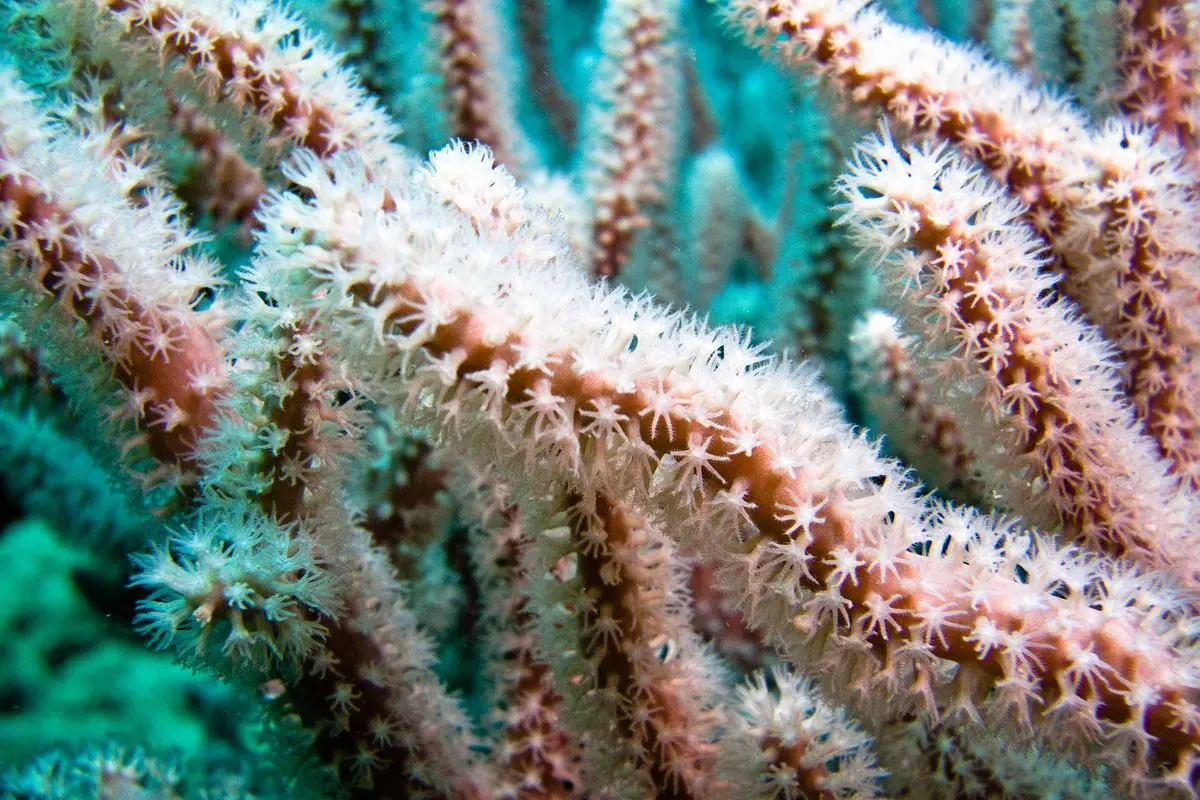
Standing on a reef, kicking it with fins or gripping coral for balance can damage fragile structures.
When snorkeling, keep your body horizontal and maintain enough distance that your fins cannot strike the reef.
During scuba diving, maintaining neutral buoyancy is an essential skill. Beginners often find this difficult, which is another reason to choose a suitable training area with a qualified instructor.
Don't remove coral, sea stars, shells containing living animals or other marine life. Avoid feeding fish for photographs as well.
How long should you wait before flying after scuba diving?
This matters if you're planning to fly home from Cam Ranh International Airport.
Recreational dives that don't require mandatory decompression stops have these minimum preflight surface intervals:
| Diving activity | Recommended minimum interval before flying |
|---|---|
| One no-decompression scuba dive | 12 hours |
| Multiple dives in one day or over several days | 18 hours |
| Dives requiring decompression stops | Longer intervals, based on the dive profile and professional guidance |
Scuba diving is easier to schedule toward the beginning of your trip, leaving enough time before your return flight.
Travel to significantly higher altitudes after diving also requires consideration.
If you develop unexplained joint pain, numbness, weakness, dizziness, breathing difficulties or chest pain after a dive, inform the diving staff and seek urgent medical help. Do not board a flight if decompression illness is suspected.
Ordinary surface snorkeling without compressed breathing gas doesn't carry the same post-scuba flying restrictions.
How to choose a diving center in Nha Trang
A diving center should be able to explain its programs, instructors, equipment, locations and emergency procedures clearly. Neither the cheapest nor the most expensive company is the automatic choice.
Two Nha Trang operators with clear programs and prices online provide useful starting points for comparison.
Ecodive Vietnam
316/30 Da Tuong Street, Nha Trang
Ecodive Vietnam offers snorkeling, Discover Scuba Diving, diving for certified divers and PADI training courses.
Its DSD program includes one-to-one instruction, while its snorkeling program comes with equipment and transport-related services according to the package conditions.
It's worth comparing if you want a packaged experience that includes boat arrangements and guided activities.
Rainbow Divers
132 Nguyen Thien Thuat Street, Nha Trang
Rainbow Divers offers snorkeling, introductory scuba diving and programs for certified divers. One feature of its DSD option is the initial training session in a swimming pool or suitable shallow-water environment before the ocean dives.
This may appeal to beginners who prefer additional time to become comfortable with scuba equipment.
Loading map...
- Rainbow Divers: 132 Nguyen Thien Thuat Street, with a practice session before ocean dives
- Nha Trang tourist boat terminal: 388 Vo Thi Sau Street, used for many bay and island excursions
Five questions to ask before booking
1. Where exactly will we dive?
Ask for the actual dive site rather than only the island name. Confirm that the proposed activity is currently permitted at that location.
2. Who will be supervising us?
Ask about the instructor's qualifications and whether they can conduct the full safety briefing in a language you understand.
For English-speaking visitors, an English-language booking agent isn't enough. The instructor supervising you underwater must also be able to communicate effectively.
3. How many participants will each instructor supervise?
One-to-one instruction suits nervous beginners.
Other programs may operate with different instructor-to-participant ratios under their applicable standards. Ask about your actual group rather than the total number of employees on the boat.
4. What's included in the quoted price?
Confirm equipment, boat transport, meals, drinks, site fees and insurance.
For scuba diving, also ask how equipment is maintained and whether the operator has first-aid supplies, emergency oxygen and an emergency action plan.
5. What happens when the weather is unsuitable?
A responsible operator should be prepared to cancel, postpone or change a dive when conditions are unsafe.
Understand the refund and rescheduling terms before making payment.
Avoid operators who pressure participants to enter the water despite health concerns or unsuitable sea conditions.
What to bring for a diving trip in Nha Trang
Diving centers generally provide or rent the equipment their programs require, so a complete scuba set can stay at home.
However, there are a few things worth arranging before the departure day.
One or two days before diving
Confirm your chosen activity and provide any information the operator needs. This may include your age, swimming experience, height, weight, shoe size and relevant medical information.
For a certification course, you may receive learning materials and medical screening forms in advance.
Don't wait until you're standing on the boat to disclose that you're uncomfortable in water or currently experiencing ear problems.
Check the weather forecast and the cancellation policy. Also confirm whether your accommodation is within the operator's pickup area.
On the morning of your dive
Bring:
- Swimwear, preferably worn under your clothes.
- A towel and dry clothes.
- A waterproof pouch for your phone and valuables.
- Sunscreen suitable for marine activities.
- Drinking water and personal essentials.
- Any necessary medication that has been assessed as compatible with diving.
- Your booking confirmation and the operator's contact details.
Have a reasonable breakfast rather than eating a very large meal immediately before boarding. Avoid alcohol and substances that reduce alertness before diving.
Ask a pharmacist or doctor about seasickness prevention if you're prone to it. Tell the diving center if you plan to take medication, because certain seasickness medicines may cause drowsiness.
Which harbor do diving boats leave from?
Nha Trang's tourist boat terminal at 388 Vo Thi Sau Street, commonly associated with Vinh Truong Port or Nha Trang Tourist Port, is used for many bay and island excursions.
It replaced the former Cau Da Port as a major departure point for island tours.
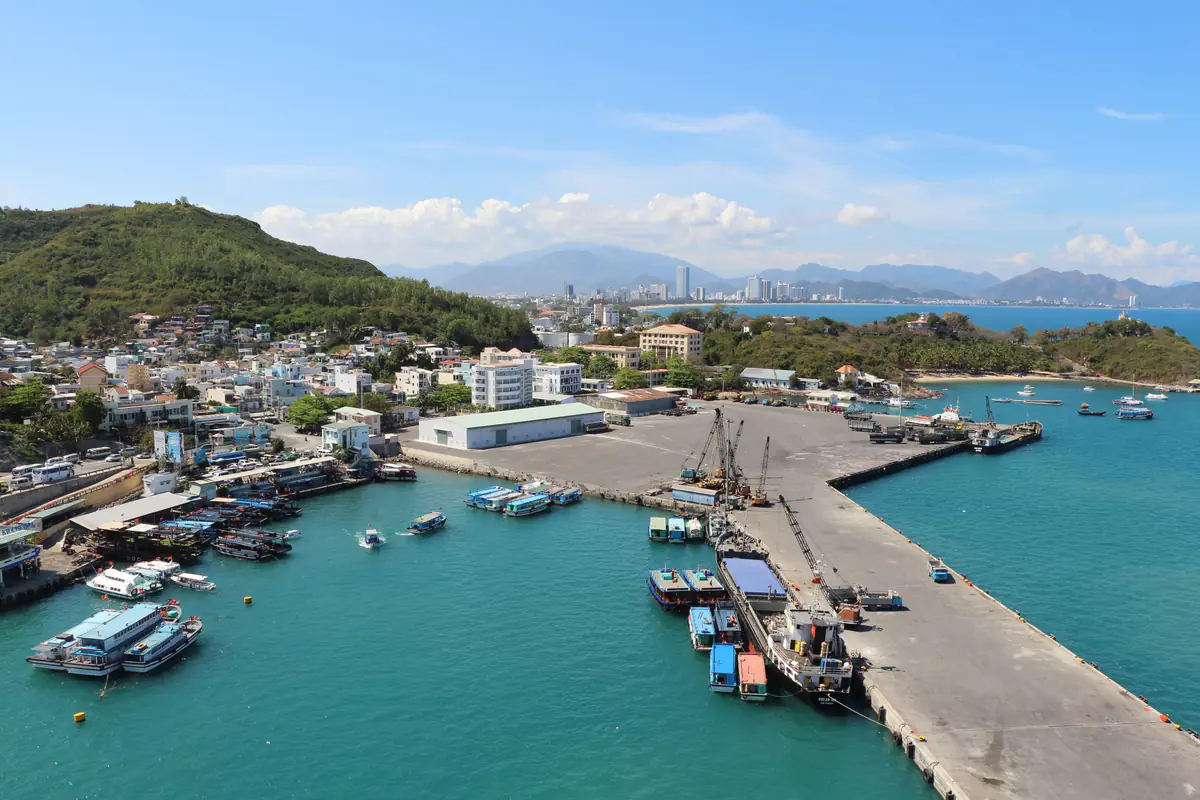
Photo: Ilya Plekhanov
However, diving operators may use different boarding arrangements or private transport.
Ask for the exact meeting point, boarding time and pickup instructions. Don't take a taxi to the old Cau Da harbor based on outdated travel information.
When hotel transport is included, the operator should confirm the pickup time after receiving your hotel address.
What happens during a beginner scuba diving trip?
Ecodive Vietnam's DSD program provides one useful example, with pickup at approximately 7:30 a.m. and two supervised dives during the day.
The actual dive locations and schedule depend on the operator's arrangements, weather, sea conditions and safety requirements.
Although every center may organize things differently, most introductory scuba experiences follow a similar sequence.
- Step 1
Getting familiar with the equipment
Staff help you select and adjust your buoyancy control device, scuba cylinder, regulator, mask and fins.
You'll learn how to breathe through the regulator and communicate using hand signals.
Speak up if something feels wrong. A leaking mask, uncomfortable fins or poorly adjusted equipment should be fixed before the dive starts.
- Step 2
Practicing basic skills
Your instructor helps you become comfortable breathing underwater and controlling your position.
You'll practice essential skills such as regulator use, mask clearing and pressure equalization.
Take your time. Ask to repeat the exercise or stop whenever you're uncomfortable. Reaching a particular depth isn't the goal of a successful first dive.
- Step 3
Exploring underwater
Once you've demonstrated the necessary skills, your instructor guides you into an appropriate underwater area.
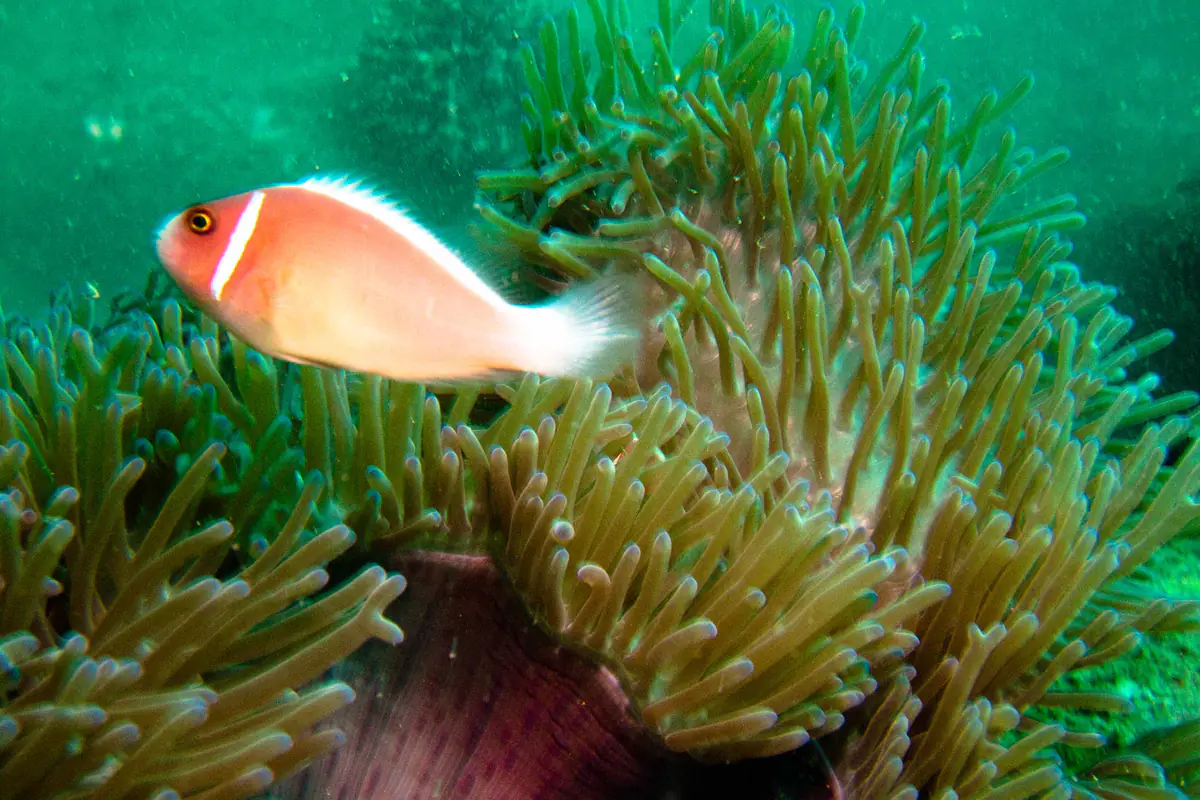
Depending on the dive site, you might see reef fish, anemones, hard corals, soft corals or small marine animals sheltering among rocks.
Real underwater colors vary with depth, sunlight and water clarity. Don't expect every dive to look like a brightly edited underwater photograph.
One of the most noticeable changes for beginners is the sound. Underwater, you'll mainly hear breathing and bubbles, while movement becomes slower and more deliberate.
- Step 4
Resting between dives
Programs with two dives include a surface interval arranged by the instructor.
This period is part of the dive plan and helps manage exposure to compressed breathing gas.
Don't ask to shorten the interval simply because you want more underwater time. The instructor determines whether and when the next dive is appropriate.
- Step 5
Returning to shore
After the final dive, change into dry clothes, drink water and rest.
Some programs include lunch, fruit or drinks during the return journey.
If you feel unusually unwell after diving, tell the crew immediately.
Before leaving, check your required no-fly interval and any plans to travel to a higher altitude.
Which diving tour is best for your travel style?
You don't need to scuba dive just because you're visiting Nha Trang.
Choosing the activity that matches your swimming ability, schedule and expectations is a better way to enjoy the sea.
Families with children or older travelers
Start with guided snorkeling
Start by looking at guided snorkeling in a permitted area with suitable sea conditions and flotation equipment.
Age alone doesn't exclude older travelers, but their fitness, medical history and comfort in the water matter.
Children must meet the activity's minimum age, health and supervision requirements.
A child who isn't comfortable swimming shouldn't be pressured to join just for an underwater family photograph.
Groups of friends looking for an adventure
DSD if everyone is medically fit
Discover Scuba Diving may be a good choice if everyone meets the medical requirements and genuinely wants to try breathing underwater.
Consider a small group with enough time for skills training.
Friends who prefer snorkeling can ask whether both activities take place on the same boat.
Don't let group pressure push a nervous participant beyond their comfort level.
A two-day, one-night trip to Nha Trang
Snorkeling is easier to schedule
Snorkeling is usually easier to schedule. It takes part of a day and doesn't involve the post-dive flying restrictions associated with compressed-gas scuba diving.
DSD may still be possible, but you'll need enough time for training, the dives and the required interval before any flight.
Short trips also leave less flexibility if rough weather forces a cancellation.
Four or five days in Nha Trang
Time for DSD or an Open Water course
With several days available, you can comfortably consider a DSD experience or plan for an Open Water Diver course.
When certification is your main goal, reserve the training days first and arrange sightseeing around them.
Skill development takes time, and poor sea conditions may delay completion.
Don't assume every participant will finish a course on an identical schedule.
English-speaking international travelers
Look for an operator that confirms the instructor responsible for your dives speaks English well enough to deliver safety instructions and respond to problems.
Useful terminology includes:
| Term | Meaning |
|---|---|
| Snorkeling | Swimming at the surface with a mask and snorkel |
| Discover Scuba Diving | Supervised introductory scuba program |
| Certified diver | Someone holding a recognized diving qualification |
| Open Water Diver course | Entry-level recreational scuba certification training |
| Dive site | The specific location where diving takes place |
| Instructor | Qualified professional responsible for training and supervision |
| Marine park fee | Charge associated with a protected marine area |
| No-fly interval | Required waiting period before flying after scuba diving |
One useful question is: "Where exactly will we enter the water?"
The answer helps you understand the proposed dive site, the conditions and whether the activity on offer is permitted there.
Common mistakes to avoid when diving in Nha Trang
Booking based only on beautiful coral photos
Promotional images may have been taken at different sites, in different seasons or at different depths. Ask where your actual tour goes and what conditions are expected.
A colorful coral photograph doesn't guarantee equally clear water on the day of your trip.
Choosing the cheapest scuba package
Price matters, but it shouldn't take priority over health requirements, instructor qualifications and supervision. Compare the structure of the program.
A short underwater experience is a different product from a full DSD program with skills practice.
Exaggerating your swimming ability
The operator needs an accurate understanding of how comfortable you are in the water. Being honest about your experience helps the instructor determine whether the activity is appropriate.
Ignoring ear pain
Pressure-related ear injuries can occur when you can't equalize properly. Stop descending and signal your instructor if you feel increasing pain or pressure.
Never force yourself deeper just to finish the dive.
Scheduling scuba diving on departure day
This may leave too little time between your final dive and your flight.
For a three- or four-day holiday, schedule scuba diving earlier in the trip and allow the necessary surface interval.
Standing on coral for photographs
Some reefs appear shallow from the surface, but the structures below are living organisms.
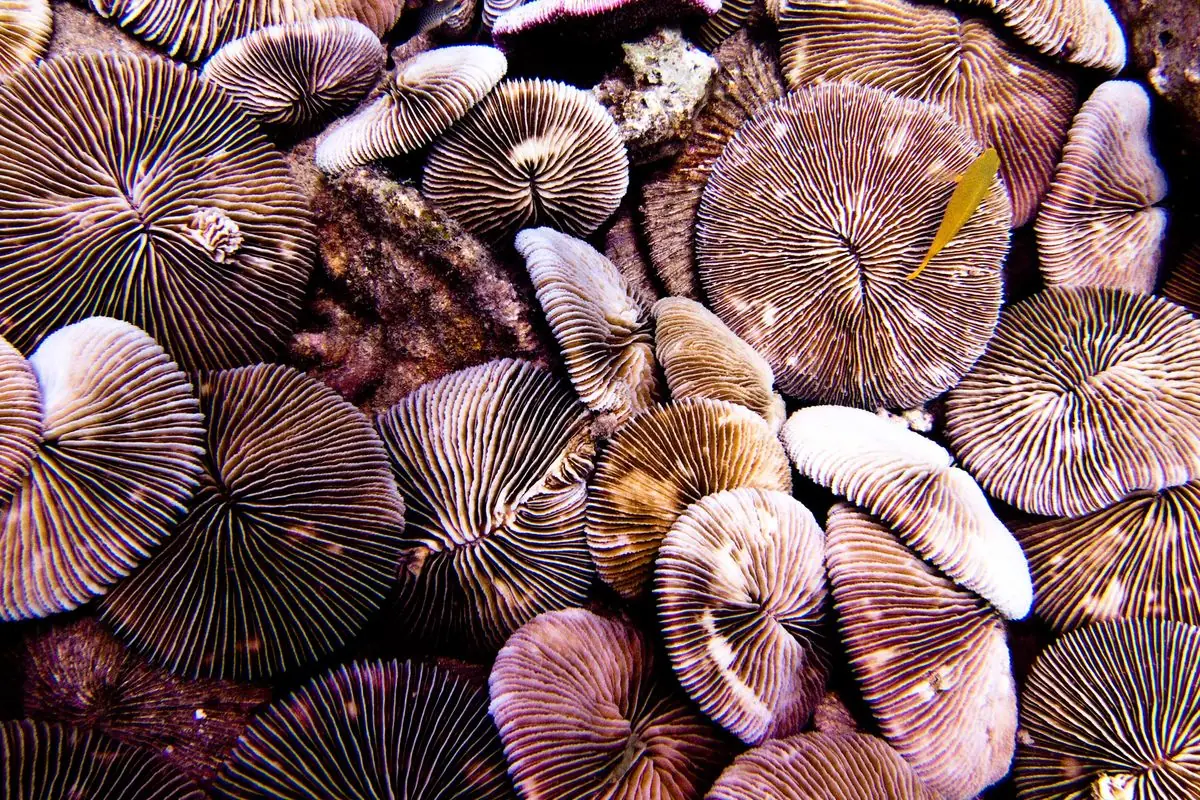
Don't stand on coral, break pieces off or ask someone to hold you in place by grabbing the reef.
Should you try snorkeling before scuba diving?
Guided snorkeling is usually a more comfortable starting point for people who haven't spent much time in the ocean. You'll learn how a mask fits, how to breathe through a snorkel and how to remain relaxed while looking underwater. It also helps you decide whether you enjoy spending time in the sea.
Confident swimmers who want a more immersive experience can take a supervised Discover Scuba Diving program as a first step, provided they pass the medical screening and meet the instructor's requirements.
Consider the Open Water Diver course if your ambition is to dive regularly in destinations such as Phu Quoc, Con Dao or other countries.
Certification provides the foundation for further training and experience, though it doesn't replace good judgment or familiarity with local conditions.
Your first scuba dive doesn't need to reach 10 or 12 meters. Being comfortable in shallow water, maintaining steady breathing and responding correctly to the instructor are much more important than reaching a particular depth.
For your first diving experience in Nha Trang, start with guided snorkeling in a permitted area or consider Discover Scuba Diving through Ecodive Vietnam or Rainbow Divers after confirming the dive site and sea conditions. Once you're comfortable underwater, a PADI Open Water Diver course is a practical next step toward exploring more dive destinations.
FAQ
Do you need a diving license to scuba dive in Nha Trang?
You don't need certification for snorkeling or a supervised Discover Scuba Diving experience. However, recreational scuba dives designed for already-trained divers generally require an appropriate certification, such as Open Water Diver. Completing DSD doesn't qualify you to dive independently.
How much does snorkeling or scuba diving cost in Nha Trang?
In 2026, Ecodive Vietnam and Rainbow Divers both charge US$35 per person for snorkeling. Ecodive Vietnam's Discover Scuba Diving costs US$85, while Rainbow Divers' introductory program with pool or shallow-water preparation and two ocean dives costs US$135 per person. Confirm the current price and inclusions before booking.
What is the best month for diving in Nha Trang?
March through August generally offers favorable conditions, with April to June particularly attractive for beginners. October through December has a higher chance of rain, stronger winds and rough seas. Check the actual marine forecast before your diving day regardless of the month.
Is scuba diving in Nha Trang dangerous?
Scuba diving carries risks related to health, pressure changes, equipment and underwater conditions. Proper training, medical screening, qualified supervision and appropriate dive planning can reduce many of these risks. No diving activity is completely risk-free, so never ignore symptoms or continue a dive when conditions are unsuitable.
Can you scuba dive in Nha Trang if you can't swim?
Some Discover Scuba Diving programs accept participants who aren't strong swimmers, provided they're comfortable in the water, medically suitable and able to complete the required skills under direct supervision. However, people who panic underwater shouldn't be pushed to continue. Open Water Diver certification has specific swimming and floating requirements that must be met.
Related posts
Islands & beaches
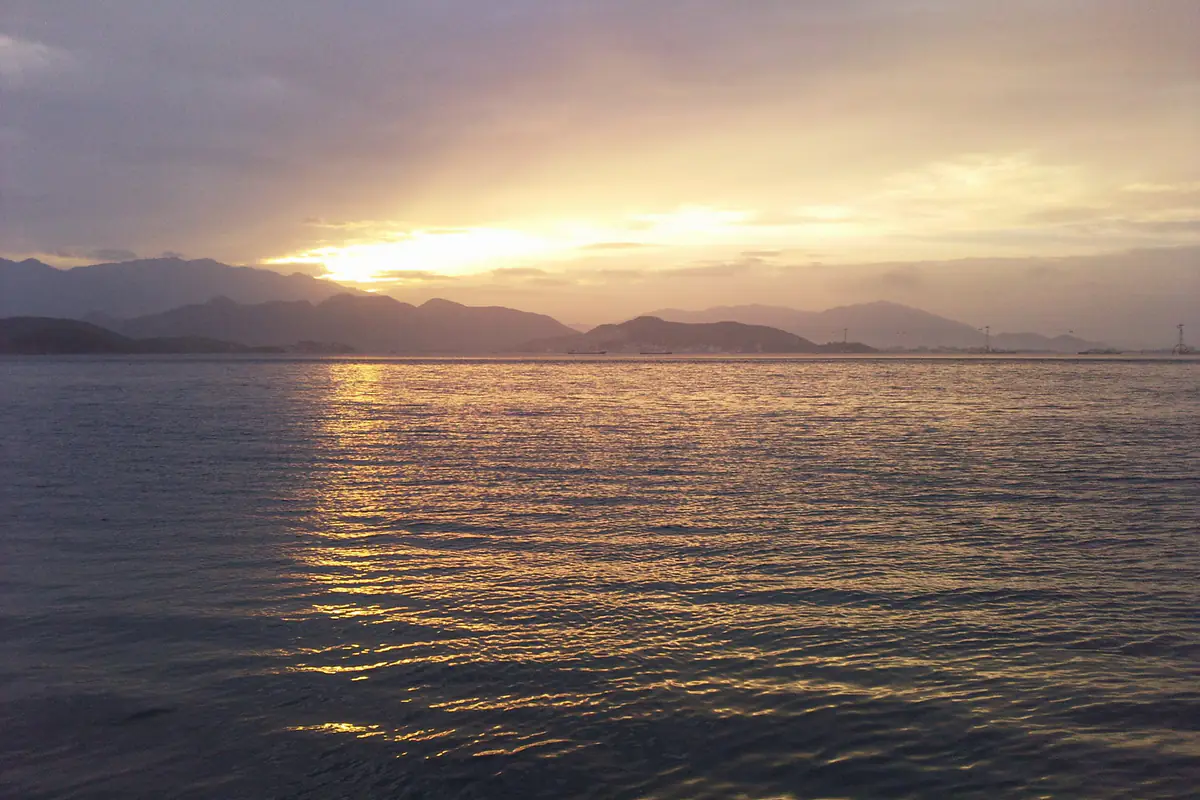
Choose the right Nha Trang cruise: dinner or swimming?
Compare Nha Trang cruises by price, schedule, departure pier, meals, and onboard activities.
Islands & beaches
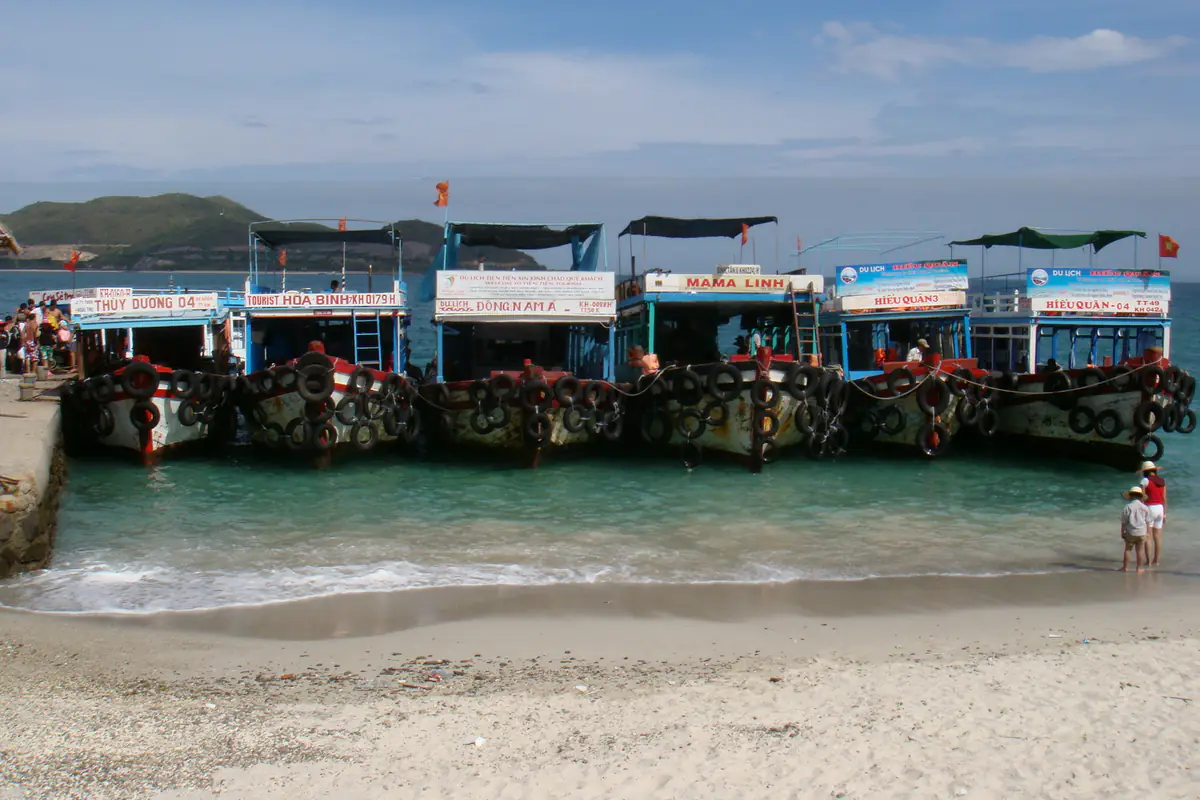
Nha Trang Island Hopping: Shared Tour or Private Boat?
Compare actual stops, time ashore and the complete price before choosing a boat.
Guides
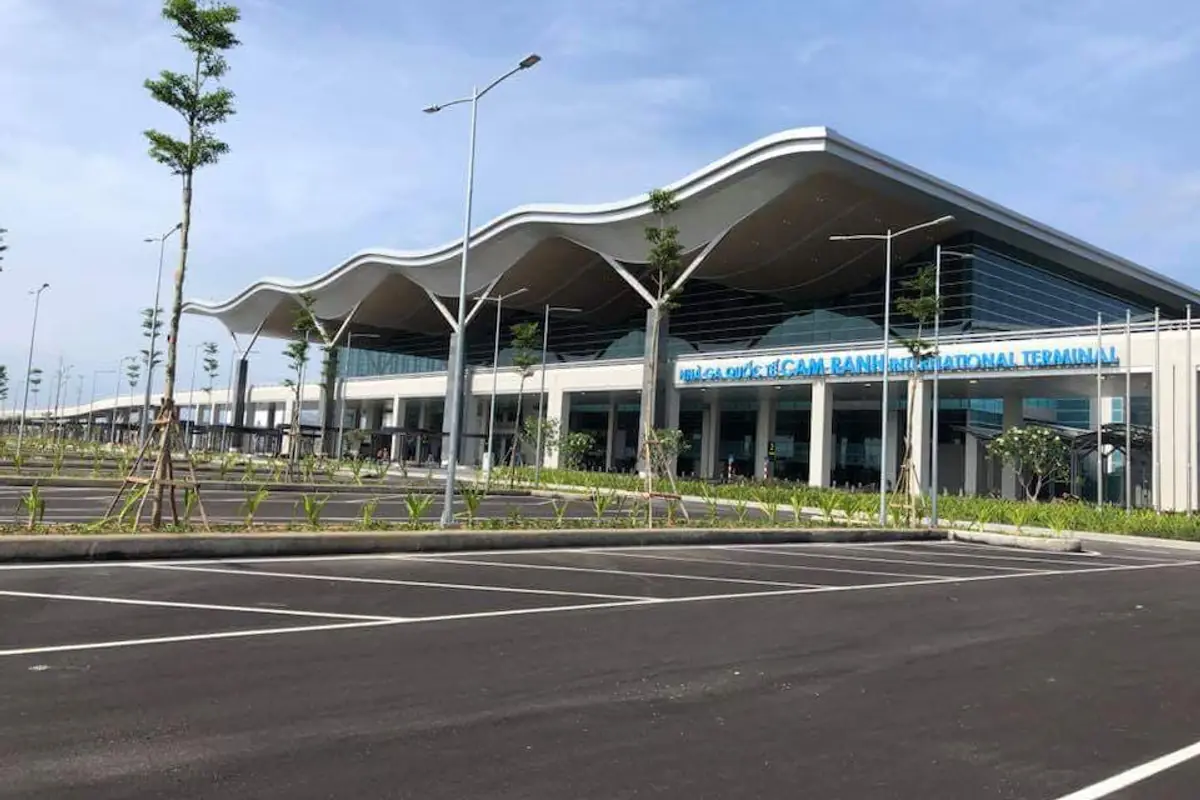
Bus or taxi? How to get from Cam Ranh Airport to Nha Trang
Compare buses, taxis, Grab, and private airport transfers from Cam Ranh Airport to Nha Trang.