First-time Ha Giang Loop: self-ride, easy rider or car?
Four days and three nights are ideal for a first Ha Giang Loop trip, especially if you want to visit Lung Cu, take a boat on the Nho Que River and avoid rushing through the mountain passes. Choose an easy rider if you lack mountain-riding experience, or a private car with a driver if you're traveling with family or prefer more comfort.
Written by Tụi mình mê biểnUpdated
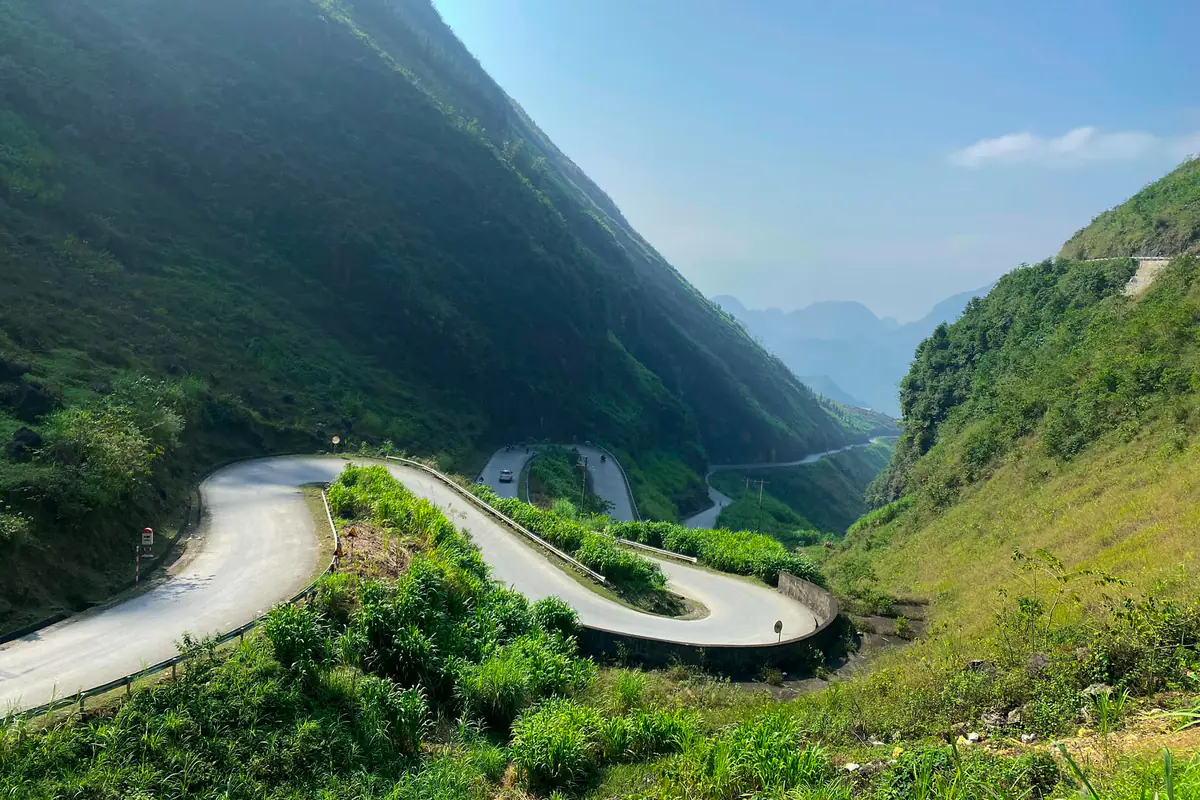
Photo: NKSTTSSHNVN
A typical Ha Giang Loop starting and ending in central Ha Giang covers roughly 310-400 km depending on the return route, or more than 400 km with side trips. You'll need at least three days to travel through Quan Ba, Yen Minh, Dong Van, Ma Pi Leng Pass, Meo Vac and Du Gia, while four days give you more time for Lung Cu and the Nho Que River. Most of your time won't be spent at attractions, but on steep mountain roads where short distances can take surprisingly long to cover.
How many days do you need for the Ha Giang Loop?
Three days and two nights are suitable if you're short on time, already comfortable riding on mountain roads or traveling with a local driver. Four days and three nights are a better choice for first-time visitors, particularly international travelers who want to experience the Ha Giang Loop without constantly watching the clock.
| Duration | Recommended destinations | Best for |
|---|---|---|
| 2 days, 1 night | Quan Ba, Yen Minh, Dong Van and Ma Pi Leng on a shortened route | Travelers with very limited time and a driver |
| 3 days, 2 nights | Quan Ba, Dong Van, Ma Pi Leng, Meo Vac and Du Gia | Travelers wanting to complete the main loop |
| 4 days, 3 nights | Main loop plus Lung Cu, Lo Lo Chai and a Nho Que River boat trip | First-time visitors who want a comfortable pace |
| 5 days, 4 nights | Main loop plus villages and smaller mountain roads | Photographers and travelers who prefer slow travel |
These durations cover the loop from Ha Giang itself. They do not include the journey between Hanoi and Ha Giang.
Traveling from Hanoi by bus usually takes around 6-7.5 hours. You can catch an evening departure, stay overnight in Ha Giang and begin the loop the following morning. Travelers arriving from southern Vietnam or overseas need additional time to reach Hanoi.
Should you choose 3 days or 4 days?
For experienced riders, three days are enough to cover the main loop. You'll need to leave around 7:30-8 a.m., stop for lunch along the route and aim to reach your accommodation before dark.
Four days make more sense for beginners. The daily riding distances are shorter, leaving more time to check the weather, stop for photographs and enjoy the scenery without rushing during the late afternoon.
Three days in total, including the trip from Hanoi and back, isn't enough for the entire loop. You'll spend most of your trip in transit, with little time left to explore.
How long is the Ha Giang Loop, and which route should you take?
The Ha Giang Loop doesn't have one official fixed distance. The name refers to several circular motorbike and car routes through the Dong Van Karst Plateau and back to Ha Giang.
310-400 km
loop through Du Gia
About 50 km
added by Lung Cu
About 20 km
Ma Pi Leng Pass
In this guide, all distances are calculated from the area around Ha Giang Bus Station, with the route ending at the same location. Hanoi is not included in the loop distance.
The recommended clockwise itinerary is:
Ha Giang - Quan Ba - Yen Minh - Sung La - Sa Phin - Dong Van - Ma Pi Leng - Meo Vac - Mau Due - Du Gia - Ha Giang.
This route allows you to explore the rocky plateau first, cross Ma Pi Leng Pass and then continue through the greener valleys around Du Gia.
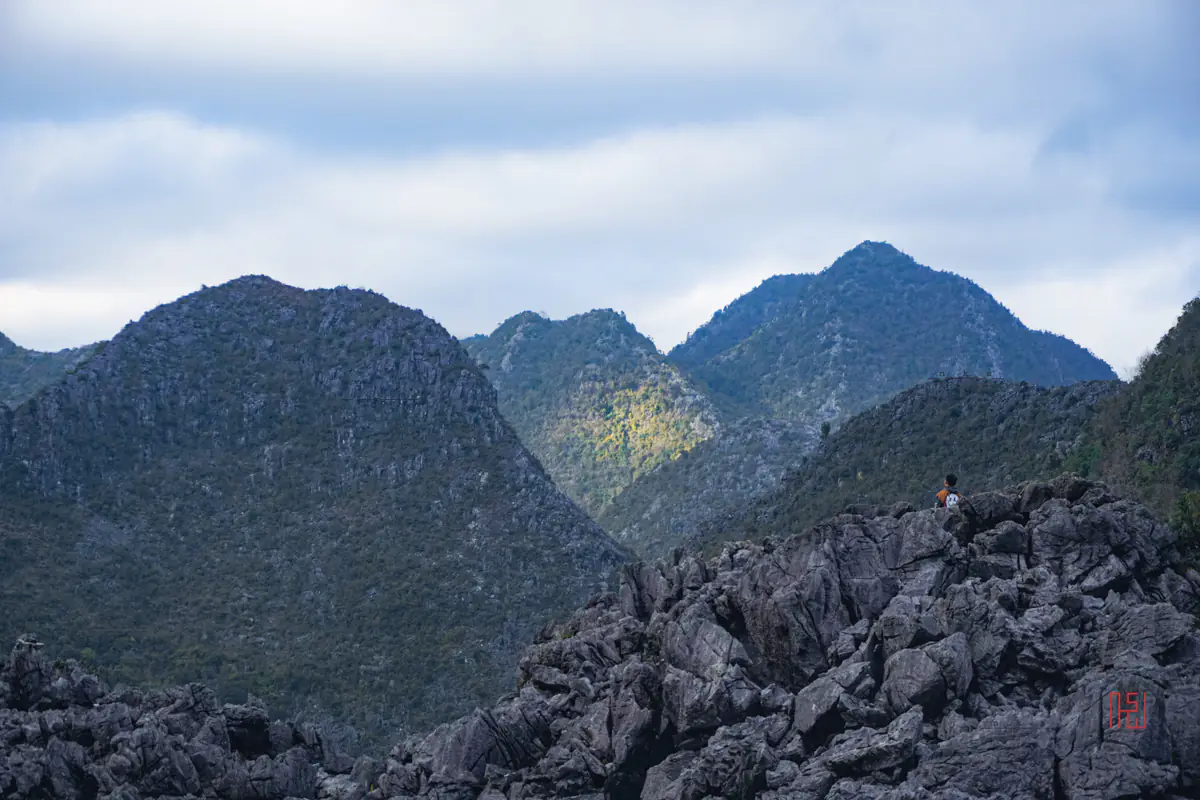
Photo: NKSTTSSHNVN
| Route section | Approximate distance |
|---|---|
| Ha Giang - Quan Ba - Yen Minh | 90-110 km |
| Yen Minh - Sung La - Sa Phin - Dong Van | 45-60 km |
| Dong Van - Ma Pi Leng - Meo Vac | 20-25 km |
| Meo Vac - Mau Due - Du Gia | 70-95 km |
| Du Gia - Ha Giang | 80-110 km |
Depending on the roads you choose, a loop through Du Gia generally covers about 310-400 km. These are rounded planning estimates rather than exact navigation distances.
Lung Cu is a side trip rather than part of the direct loop. Traveling from Dong Van to Lung Cu and returning toward Dong Van can add roughly 50 km.
Visiting the Nho Que River also adds extra riding distance and time for the descent to a boat pier. Different tour operators may use different access roads and departure points.
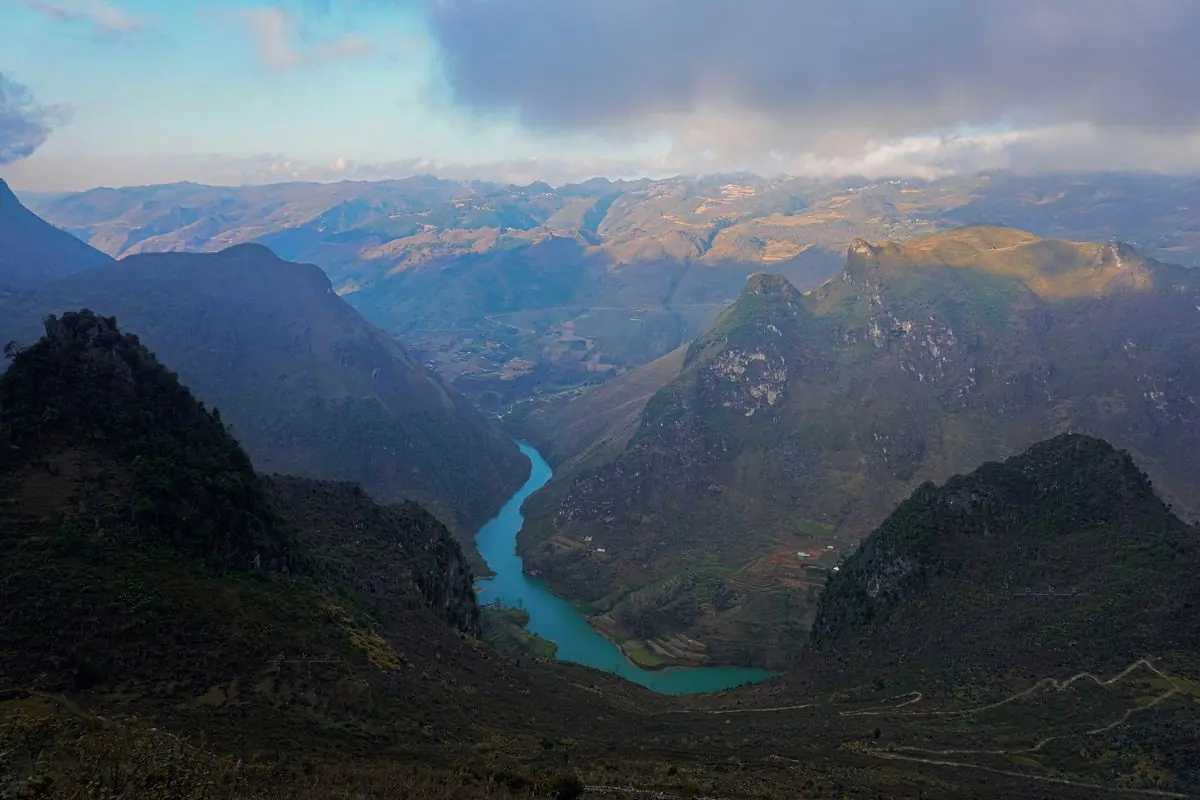
Photo: NKSTTSSHNVN
Some itineraries return to Ha Giang via Bao Lam and Bac Me along National Highway 34 instead of traveling through Du Gia. The total distance changes considerably depending on this choice.
That's why you'll see Ha Giang Loop guides quoting 310 km, 350 km or more than 400 km. When comparing tours, ask for the actual route and overnight stops for each day, not just the total distance.
Which stops are actually worth your time?
Loading map...
- Ha Giang Bus Station: Start and end of the loop
- Quan Ba Heaven Gate: View across Tam Son Valley
- Yen Minh: Lunch stop, first night on the 4-day plan
- Tham Ma Pass: Winding road before Sung La
- Sung La: On the way to Sa Phin
- Hmong King's Palace: In Sa Phin
- Dong Van Old Quarter: Overnight stop, Sunday morning market
- Lung Cu Flag Tower: Side trip, about 50 km there and back from Dong Van
- Ma Pi Leng Pass: About 20 km between Dong Van and Meo Vac
- Meo Vac: Sunday morning market
- Mau Due: On the road from Meo Vac to Du Gia
- Du Gia: Final overnight stop on the loop
For a first visit, six places deserve priority.
Quan Ba Heaven Gate and the Twin Mountains
First section of the loop, 20-30 minutes
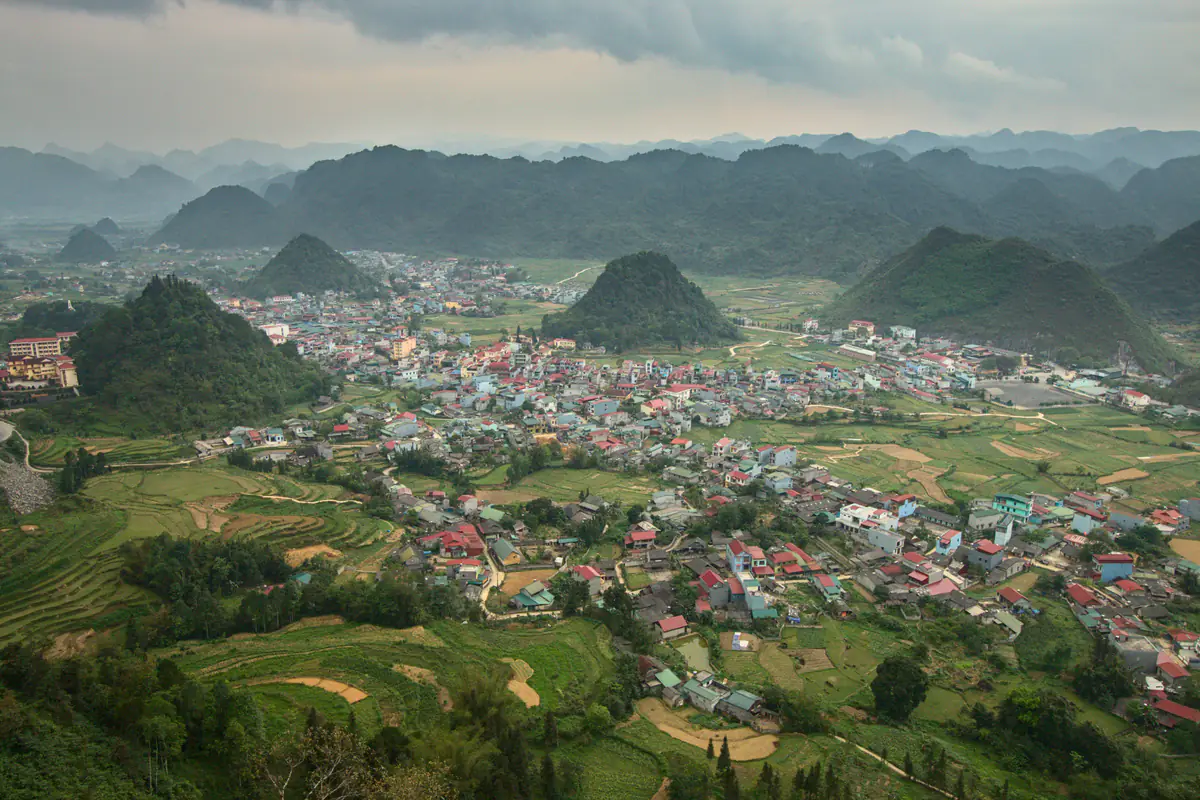
Photo: Benjamin Smith
Located on the first section of the journey, Quan Ba offers views across Tam Son Valley and the distinctive pair of rounded mountains known as the Twin Mountains. Allow approximately 20-30 minutes at a suitable viewpoint, not an entire morning.
Tham Ma Pass
Before the Sung La area
This winding stretch of road sits before the Sung La area. From a safe viewpoint, you can see several sharp bends climbing the mountainside. It's a popular photography stop, but you should only park where there is enough space and never obstruct traffic on the slope.
Hmong King's Palace
Sa Phin
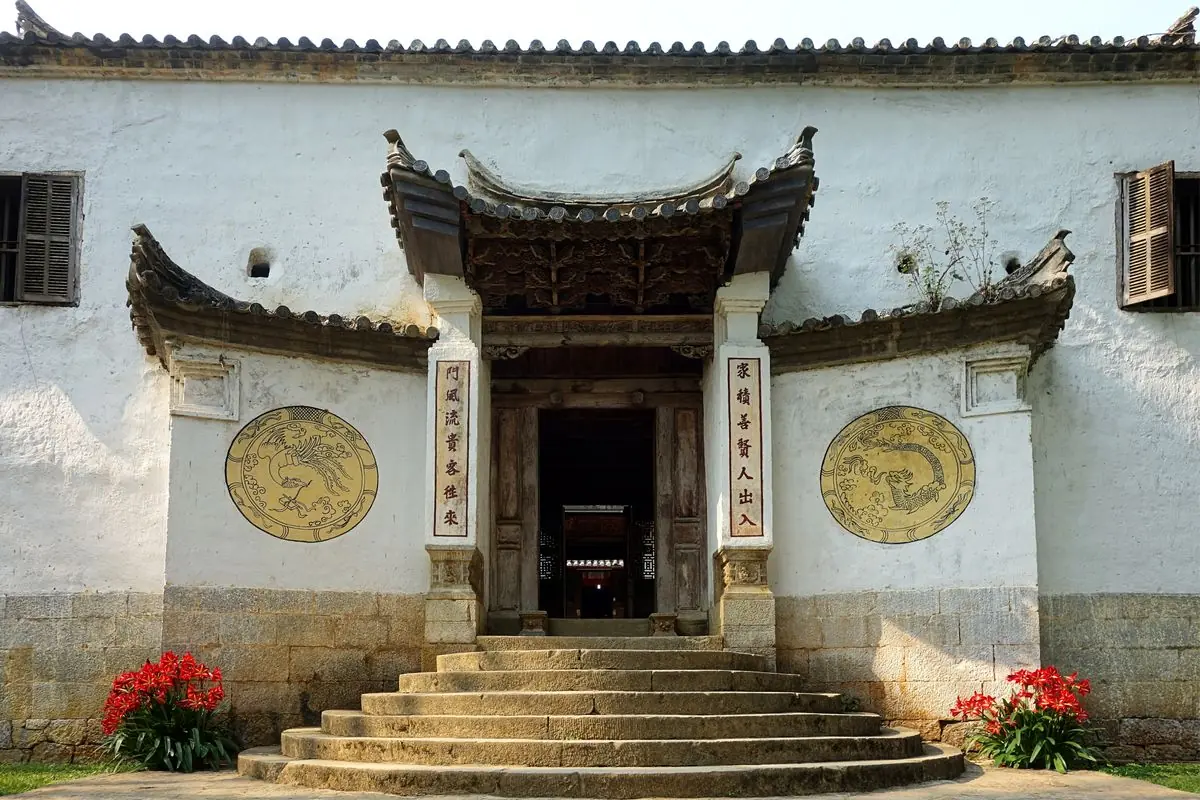
Photo: Velvet
Located in Sa Phin, this historic residence is known for its stone walls, wooden architecture and traditional courtyards. It's one of the most worthwhile historical attractions on the Dong Van Karst Plateau and provides a break from the constant mountain scenery.
Dong Van Old Quarter
Overnight stop, Sunday morning market
Dong Van is a convenient overnight stop with restaurants, accommodation and a small historic quarter that's pleasant to explore on foot. The weekly Dong Van Market usually takes place on Sunday mornings. Anyone keen on a traditional highland market should stay in Dong Van on Saturday night.
Ma Pi Leng Pass
About 20 km between Dong Van and Meo Vac
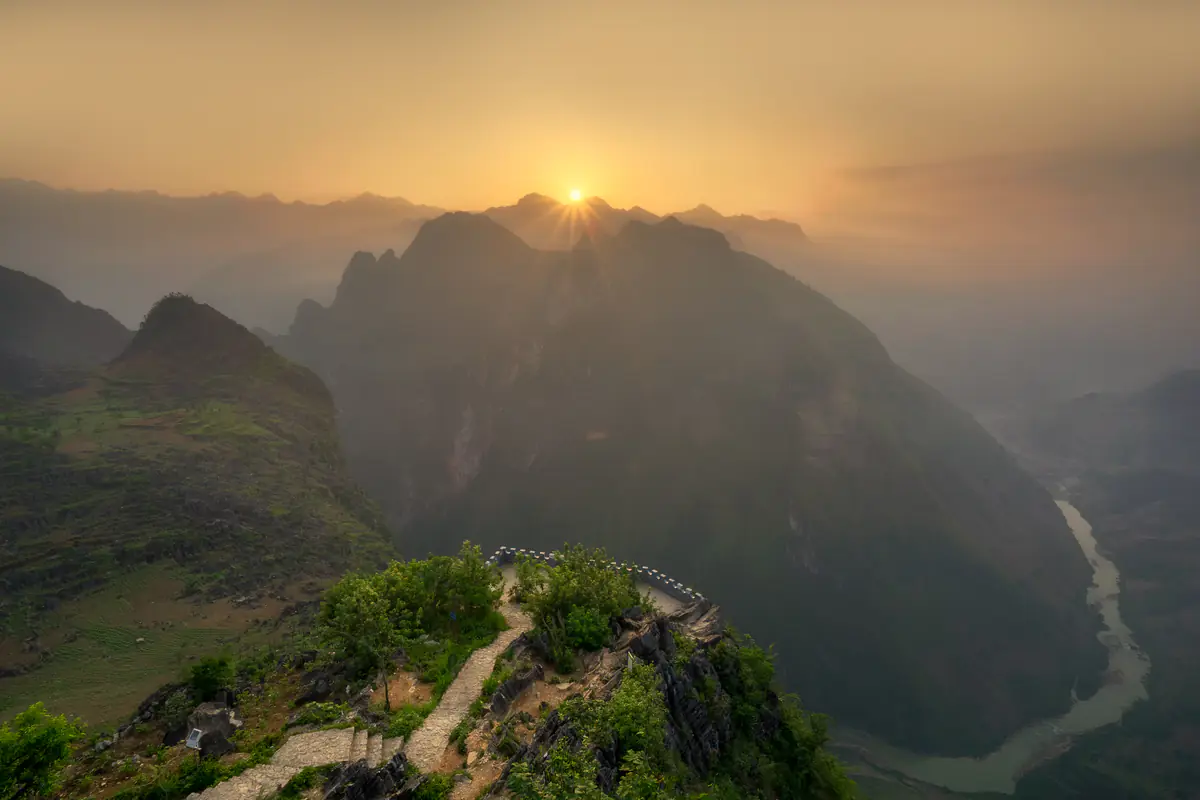
Photo: Hoach Le Dinh
The road follows steep mountain slopes above the Nho Que River and offers some of the most recognizable views of northern Vietnam. It's also a section where riders need to pay particular attention to the road rather than the scenery.
Du Gia Village
Final overnight stop via Mau Due
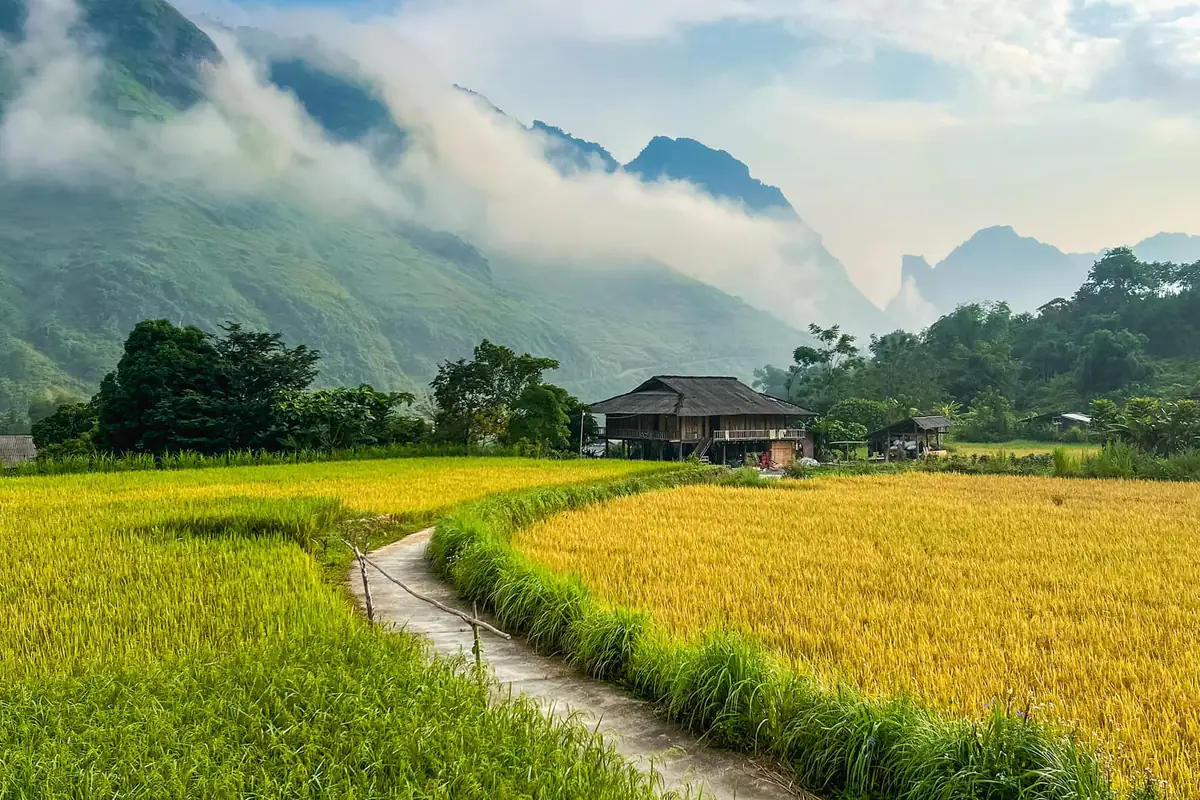
Photo: NKSTTSSHNVN
Du Gia is a good final overnight stop on the route through Mau Due. The landscape changes from exposed limestone mountains to green valleys, fields and small villages. Some sections of the road between Meo Vac and Du Gia are narrow or uneven, so check current conditions before setting out.
Should you self-ride, book an easy rider or travel by car?
Choosing how to travel is the most important decision you'll make when planning a Ha Giang Loop trip: the scenery is largely the same, but the experience, level of independence and responsibilities are quite different.
| Feature | Self-riding | Easy rider | Private car with driver |
|---|---|---|---|
| Who drives? | You | A local motorbike driver | A professional car driver |
| Riding experience needed | Strong mountain-road skills | None | None |
| Flexibility | High | Moderate, depending on the tour | High with a private itinerary |
| Luggage | Must be compact | Must be compact | More luggage space |
| Best for | Experienced motorbike riders | Beginners, solo travelers | Families and comfort-focused travelers |
| Main drawback | Physically demanding, requires constant attention | Long hours as a passenger | Higher cost, limited access to some small roads |
Self-riding: best for experienced motorbike riders
Riding your own motorbike gives you control over the journey. You can stop longer at a viewpoint, change your lunch location or skip an attraction when the weather deteriorates.
The trade-off is that you're responsible for navigating steep descents, blind corners, occasional trucks and road surfaces that may deteriorate after rain.
Ha Giang is not an appropriate place to learn how to ride a manual or semi-automatic motorbike for the first time.
Semi-automatic 110-125cc motorcycles, such as the Honda Blade, Wave or Future, are practical choices for people who already know how to use them. You can select a lower gear to help control speed on descents instead of relying continuously on the brakes.
Manual motorcycles such as the Honda Winner 150 or XR150 suit riders who are familiar with clutch control and mountain riding. A larger motorcycle won't handle hills more safely.
Automatic scooters can travel on many of the paved sections, but extra care is needed with braking and speed control on long downhill stretches.
A familiar, well-maintained motorcycle with good brakes and tires is a better choice than a more powerful bike you've never ridden before.
Easy rider: the best choice for many first-time visitors
An easy rider tour means sitting on the back of a motorcycle driven by a local rider. Your driver handles the road while you concentrate on the scenery. Organized tours typically include accommodation, meals, scheduled stops and a group leader.
This is a practical option for international travelers who don't hold a motorcycle license recognized in Vietnam, people without mountain-riding experience and solo visitors who prefer traveling with a group.
An easy rider doesn't eliminate every risk: you're still traveling on a motorcycle through steep terrain, with possible rain, fog and changing road conditions.
Before booking, ask whether each driver carries one passenger, what motorcycle is used, what kind of helmet is provided, how large the group is and how many hours you'll spend riding each day.
Group tours can be sociable, but the schedule depends on everyone, so you can't easily spend another hour at a viewpoint or turn back to somewhere you've already passed.
Private car: better for families and travelers seeking comfort
The Ha Giang Loop works without a motorcycle too: most major destinations, including Quan Ba, Yen Minh, Dong Van, Ma Pi Leng and Meo Vac, are accessible by car. A suitable vehicle makes it easier to carry luggage, avoid direct exposure to rain and take breaks between mountain sections.
Families traveling with elderly relatives or children should consider a private car with a driver who knows the area well. Children must use appropriate safety equipment in accordance with applicable regulations.
The main drawbacks are the higher cost and limited parking at some roadside viewpoints. People who are prone to motion sickness may also struggle with the repeated bends, even in an air-conditioned car.
A car doesn't remove all the risks of mountain travel. Driver experience, vehicle condition and the weather remain important.
Can you complete the Ha Giang Loop by public bus?
Public buses are useful for reaching Ha Giang and traveling between some towns, but they aren't a convenient way to visit every attraction along the loop. Viewpoints such as Tham Ma Pass and Ma Pi Leng, as well as smaller roads through Du Gia, aren't served by a frequent hop-on, hop-off public transport network.
Take a bus from Hanoi to Ha Giang instead, then rent a motorcycle, join an easy rider tour or arrange a private car with a driver.
Ha Giang Loop 3-day, 2-night motorbike itinerary
This itinerary is intended for reasonably experienced self-riders or travelers with easy riders. You'll spend one night in Dong Van and another in Du Gia. The expected total distance is approximately 310-380 km, depending on detours and accommodation locations. Travel between Hanoi and Ha Giang is not included.
- Day 1
Ha Giang - Quan Ba - Yen Minh - Dong Van
Distance: Approximately 130-150 km.
Suggested timing: Depart at 7:30-8 a.m. and reach Dong Van around 4-5 p.m., assuming suitable weather and road conditions.
Have breakfast in Ha Giang before collecting your motorcycle. Fill the tank, check the brakes and tires, secure your luggage and make sure you're comfortable with the bike before leaving town.
Follow National Highway 4C toward Quan Ba. After climbing into the mountains, stop at Heaven Gate for a view across Tam Son Valley. Spend around 20-30 minutes here before continuing toward Yen Minh.
Stop for lunch in Yen Minh, then follow the mountain roads toward Sung La. Tham Ma Pass is a popular viewpoint along this section, where the road twists through several hairpin bends.
If time allows, visit the Hmong King's Palace in Sa Phin. In 2026 the palace opens from about 7:30 a.m. to 5 p.m. Confirm the schedule before visiting, especially during holidays.
Continue to Dong Van, check into your accommodation and spend the evening exploring the old quarter.
For dinner or breakfast, you can look for local specialties such as banh cuon (steamed rice rolls) or chao au tau, a traditional highland porridge. Banh Cuon Ba Ha and Moc Mien are two names to ask about, but check with locals that they're still open and what they serve before heading over.
The first day is already relatively long. Don't add Lung Cu at the end of the afternoon, as the extra detour may leave you riding back toward Dong Van after sunset.
- Day 2
Dong Van - Ma Pi Leng - Meo Vac - Du Gia
Distance: Approximately 90-120 km, excluding some boat-pier detours.
Suggested timing: 8 a.m.-4:30 p.m., or later if you include a boat trip.
After breakfast, leave Dong Van around 8 a.m. and begin the ride across Ma Pi Leng Pass. This is one of the sections where you should allow plenty of time.
The road follows the mountainside above the Nho Que River and Tu San Canyon. On clear days, the limestone cliffs and river are visible far below. In thick fog, some viewpoints may offer little more than a white wall of mist. Don't approach unsafe edges or attempt to reach unofficial viewpoints just to take photographs.
A boat trip on the Nho Que River takes extra time: reaching the pier, buying tickets, waiting for departure and returning to the main route. Depending on the pier, visitor numbers and operating conditions, the activity can take several hours.
On a three-day itinerary, only include the boat trip if you leave early, conditions are favorable and you can still reach Du Gia before dark.
After Ma Pi Leng, pass through Meo Vac and continue toward Mau Due and Du Gia. Parts of this route are narrow, with uneven road surfaces. Don't increase your speed simply because the distance on the map looks short.
Arrive in Du Gia, check into your homestay and have dinner. Many local homestays prepare evening meals for guests who order in advance. Let your host know during the afternoon if you'd like to eat there.
- Day 3
Du Gia - Ha Giang
Distance: Approximately 80-110 km, depending on the return route.
Suggested timing: Depart at 8 a.m. and arrive back in Ha Giang during the early or middle part of the afternoon.
You can spend a little time walking around your accommodation before beginning the return journey. Keep the morning light, as the road back to Ha Giang still includes hills and winding sections.
Du Gia Waterfall is only worth the detour when access is good, the weather is stable and you have enough time. Avoid entering fast-flowing water or swimming when heavy rain has occurred upstream.
Stop for lunch in a village or town with operating restaurants. Keep an eye on your fuel level rather than waiting until the tank is nearly empty.
Back in Ha Giang, return the motorcycle, check your luggage and photograph the bike's condition when handing it over.
A same-day bus to Hanoi needs a generous buffer, so don't book a departure right after your estimated arrival.
Ha Giang Loop 4-day, 3-night itinerary for first-timers
Four days make it easier to divide the longer riding sections and add Lung Cu without cramming everything into one afternoon.
This itinerary begins in central Ha Giang, passes through Quan Ba, Yen Minh, Dong Van, Meo Vac and Du Gia, then returns to Ha Giang. The total journey may reach approximately 350-450 km when the Lung Cu detour and boat-pier access roads are included.

Photo: vi:User:Leminhel
- Day 1
Ha Giang - Quan Ba - Yen Minh
Distance: Approximately 90-110 km.
Leave around 8 a.m. and travel toward Quan Ba. Stop at Heaven Gate and the Twin Mountains before continuing toward Yen Minh, with lunch along the way.
This first day gives you a chance to adjust to mountain roads without covering an excessive distance. You'll also have time to check the motorcycle and make sure your luggage remains secure after the first few hours.
Stay overnight in Yen Minh rather than pushing onward to Dong Van. Spend the evening relaxing at your accommodation or walking around the nearby area.
- Day 2
Yen Minh - Sung La - Sa Phin - Lung Cu - Dong Van
Distance: Approximately 90-110 km, including the Lung Cu detour.
Leave Yen Minh around 8 a.m. Travel across Tham Ma Pass, stop in the Sung La area and visit the Hmong King's Palace in Sa Phin.
Continue toward Lung Cu, near Vietnam's northern border. The Lung Cu Flag Tower stands on Dragon Mountain and is a popular destination for travelers wanting to visit the country's far north.
Nearby Lo Lo Chai Village has traditional houses and guest accommodation. You can explore the village, stop for a drink or learn about local culture. Be respectful of residents' private homes and ask permission before photographing people.
In the afternoon, return toward Dong Van, check into your accommodation and have dinner in the old quarter. Don't spend so long taking photographs at Lung Cu that you have to rush back through the mountain bends after sunset.
- Day 3
Dong Van - Ma Pi Leng - Nho Que River - Meo Vac - Du Gia
Distance: Approximately 95-120 km, plus some access roads to the boat pier.
Leave Dong Van around 7:30-8 a.m. Spend the morning crossing Ma Pi Leng Pass and visiting the Nho Que River.
With four days available, a boat trip is easier to fit into the schedule. You should still confirm which pier is operating, departure arrangements and current conditions. Fog, heavy rain or unsuitable river conditions may affect boat services.
After lunch, continue through Meo Vac toward Du Gia. This section shouldn't be rushed, particularly when roads have been damaged by rain or repairs are underway.
Spend the night in Du Gia.
- Day 4
Du Gia - Ha Giang
Distance: Approximately 80-110 km.
Have breakfast and leave Du Gia around 8:30 a.m. Return to Ha Giang without adding too many side trips. You should have a relatively manageable final day if road and weather conditions are favorable.
After returning to the area around Ha Giang Bus Station, hand back the motorcycle and rest before catching your onward bus.
Easy rider groups should ask the operator for the realistic return time, since photography stops, lunch breaks and waiting for other group members can affect the schedule.
A note about local markets: Dong Van and Meo Vac markets usually take place on Sunday mornings. If visiting one is a priority, arrange an overnight stay nearby on Saturday rather than trying to change the entire route at the last minute.
When is the best time to visit the Ha Giang Loop?
For first-time travelers looking for relatively comfortable conditions, March-April and October-November are two of the best periods to consider. The scenery changes substantially with the seasons, and mountain roads are directly affected by rain, fog and temperature.
March-April: comfortable weather and spring scenery
Early spring brings peach and plum blossoms to some parts of Ha Giang, although flowering dates vary from year to year. By March and April, temperatures are generally more comfortable than in midwinter.
This is a good period for travelers who want to ride mountain roads, photograph the limestone plateau and avoid the heaviest summer rainfall. April can still bring increasing rain, so don't assume every day will be sunny just because it's spring.
September: best for rice terraces
September is a good time to consider the rice terraces of Hoang Su Phi. In some areas, the rice begins turning golden before harvest, although the exact timing varies by location and weather.
Hoang Su Phi is not part of the standard Dong Van - Meo Vac - Du Gia loop. To combine both areas, you'll need extra days and a revised route.
Three days only leave room for one, the Dong Van Karst Plateau or the rice terraces of Hoang Su Phi. Trying to cover both usually results in too much time on the road.
October-November: buckwheat flower season
Buckwheat season is one of the most popular times to visit Ha Giang. The flowers typically appear from October through November, with some fields continuing to bloom into December.
Dong Van, Sung La, Pho Cao and the area around Lung Cu are among the places commonly associated with the flowering season. Not every field blooms at the same time.
Check recent local photographs or updates shortly before departure rather than relying on pictures taken in previous years.
November also brings cooler temperatures to the higher parts of the plateau. Early mornings in Dong Van and Meo Vac can be foggy, particularly during changes in the weather.
December-February: cold but atmospheric
Winter can appeal to travelers who enjoy misty mountain landscapes, cooler weather and fewer hot afternoons.
Temperatures on the plateau can be significantly lower than in Ha Giang's valleys. During strong cold spells, the wind makes motorcycle travel feel even colder.
Gloves, wind-resistant outerwear and insulating layers are more useful than a fashionable heavy jacket that absorbs water.
May-September: green landscapes and higher rainfall
These months generally bring more rain, especially during the middle of summer. The mountains are green, streams carry more water and rice fields change with the agricultural season.
The downside is the increased risk of landslides, falling rocks, water crossing roads and damaged surfaces after prolonged rain. Some roads between Meo Vac and Du Gia can become more difficult after heavy rainfall.
Which month should you choose?
| Travel priority | Recommended period |
|---|---|
| Motorbike riding in relatively comfortable weather | March-April |
| Buckwheat flowers | October-November |
| Hoang Su Phi rice terraces | September |
| Winter mountain scenery | December-February |
| Reducing exposure to heavy seasonal rain | Avoid major summer rain events |
For a first Ha Giang Loop, choose November for the buckwheat flowers and generally lower rainfall than in summer. March may be a better choice if you prefer warmer conditions for motorbike riding.
How much does the Ha Giang Loop cost in 2026?
Your budget depends on whether you rent your own motorcycle, join an organized tour, travel as an easy rider passenger or book a private car. Don't compare the daily price of motorcycle rental directly with the price of a complete tour. A rental usually covers the vehicle, while a package may include a driver, fuel, accommodation, meals and entrance fees.
Motorbike rental prices in Ha Giang in 2026
The following figures are Jasmine's rental prices for 2026. Other rental companies in Ha Giang will quote differently.
| Motorcycle | Rental per day | Vehicle protection per day | Daily total |
|---|---|---|---|
| Honda Wave Blade 110cc | 180,000 VND | 100,000 VND | 280,000 VND |
| Honda Wave/RSX 110cc | 250,000 VND | 100,000 VND | 350,000 VND |
| Honda Future 125cc | 350,000 VND | 150,000 VND | 500,000 VND |
| Honda Winner 150cc | 300,000 VND | 120,000 VND | 420,000 VND |
| Honda XR150 | 550,000 VND | 250,000 VND | 800,000 VND |
For example, renting a Honda Wave Blade 110cc for three days, including the listed vehicle protection package, would cost approximately 840,000 VND before fuel.
When collecting the bike, confirm the deposit amount, damage policy, roadside assistance arrangements, replacement-bike availability and refund conditions.
Estimated budget for a self-riding 3-day Ha Giang Loop
The following example is for one person renting a Honda Wave Blade 110cc at the rate above, staying in budget accommodation and taking a return bus from Hanoi.
Food, accommodation, fuel and sightseeing figures are planning allowances; actual restaurant and hotel prices will vary.
| Expense | Estimated cost |
|---|---|
| Motorcycle rental and protection, 3 days | 840,000 VND |
| Fuel for the loop | 250,000-350,000 VND |
| Two nights' accommodation | 400,000-700,000 VND |
| Food for 3 days | 400,000-750,000 VND |
| Entrance fees and optional activities | 200,000-500,000 VND |
| Return bus from Hanoi | 470,000-760,000 VND |
| Estimated total | 2,560,000-3,900,000 VND |
This doesn't include personal equipment, an additional night in Ha Giang, a refundable motorcycle deposit or emergency expenses. It's a practical starting budget, but don't assume you'll always spend the minimum. Weekend demand, private rooms and optional activities can increase the cost.
Travelers who already own a suitable motorcycle may save on rental fees, although they'll need to account for additional fuel, travel time, maintenance and accommodation when riding from Hanoi.
Easy rider tour prices in 2026
Jasmine Tours and Freedom Ha Giang Loop are two operators with publicly listed prices.
| Operator and tour type | 3 days, 2 nights | 4 days, 3 nights |
|---|---|---|
| Jasmine Tours - easy rider, excluding return Hanoi bus | 4,680,000 VND/person | 6,048,000 VND/person |
| Jasmine Tours - easy rider, including return Hanoi bus | 5,232,000 VND/person | 6,600,000 VND/person |
| Freedom Ha Giang Loop - easy rider | 4,700,000 VND/person | 5,700,000 VND/person |
| Freedom Ha Giang Loop - self-riding organized tour | 3,750,000 VND/person | 4,550,000 VND/person |
Routes, accommodation and services can differ between these operators.
Before booking, request written confirmation of what your package includes:
- Whether return bus tickets between Hanoi and Ha Giang are included.
- Whether the itinerary visits Lung Cu, Du Gia and the Nho Que River.
- Whether accommodation is in dormitories or private rooms, and any private-room supplement.
- How many meals, drinks and entrance tickets are included.
- Which company provides insurance, along with coverage limits and exclusions.
- Cancellation, rescheduling and refund arrangements if roads are closed by bad weather.
A tour that costs a few hundred thousand dong less may not be better value if it excludes boat tickets, bus transfers or accommodation upgrades.
How much does a Ha Giang Loop car tour cost?
Private car travel costs more, with the price depending heavily on group size.
In 2026, Ha Giang Vision's three-day car tour starts at approximately 6,600,000 VND per person, while its four-day tour starts at approximately 8,600,000 VND per person.
These are per-person tour prices. Private arrangements may be quoted according to the number of passengers, vehicle type, accommodation category and route. Four travelers may sometimes achieve a lower per-person cost than two people, but you'll need a specific quotation to make a meaningful comparison.
Car travel makes the most sense for families, groups with people who don't want to ride motorcycles and travelers who want better luggage capacity and protection from the weather.
How do you get from Hanoi to Ha Giang?
For most travelers starting in Hanoi, taking a bus is the simplest way to reach the beginning of the loop.
Services include standard buses, limousine vans, sleeper buses and private sleeper cabins. The journey usually takes about 6-7.5 hours, depending on the pickup point, route and traffic.
Bang Phan operates services between the area around 156 Tran Quang Khai Street in Hanoi and Ha Giang Bus Station. One limousine departure leaves at 7 a.m. and arrives at approximately 1:30 p.m. The operator also offers overnight departures.
In 2026, Bang Phan's fares on Vexere start at around 235,000 VND one way for sleeper services and 285,000 VND for limousine services, depending on the vehicle and travel date.
Other operators, including Cau Me, Quang Nghi and Ngoc Cuong VIP, also serve the Hanoi-Ha Giang route. Their pickup points and vehicle types aren't identical.
Always check the address printed on your ticket. Don't assume every bus leaves from My Dinh Bus Station.
For a 3-day Ha Giang Loop: Arrive in Ha Giang the previous evening if possible, sleep at a hostel or guesthouse, and begin the ride the next morning. On day three, return to town and catch a suitable bus after allowing time to rest.
For a 4-day Ha Giang Loop: Use a similar arrangement. Avoid booking the return bus too close to your expected motorcycle return time, particularly when the Du Gia-Ha Giang road has recently experienced heavy rain or roadworks.
Is the Ha Giang Loop dangerous?
There are real risks, particularly when riding a motorcycle yourself. However, not every section of the Ha Giang Loop is an unpaved road beside a cliff.
Much of the main route through Quan Ba, Yen Minh, Dong Van and Meo Vac is paved. The main difficulties come from frequent bends, long descents, changing visibility, fog and road damage after rain.
The Meo Vac-Mau Due-Du Gia section deserves particular attention because some parts are narrow and the road surface can be uneven.
Don't self-ride without a valid motorcycle license
Since January 1, 2025, a newly issued category A1 license covers two-wheeled motorcycles with engine capacities up to 125cc or electric motor power up to 11kW. Category A covers motorcycles above 125cc as well as vehicles in category A1. Motorcycle licenses issued before that date are subject to transitional provisions. For example, a previously issued A1 license that remains valid can continue to authorize motorcycles from 50cc to below 175cc.
Passengers traveling with an easy rider don't need a motorcycle driving license to sit behind the driver, but the person operating the motorcycle must meet the legal requirements.
International travelers should verify their specific IDP, vehicle category and insurance conditions before arriving. A rental company agreeing to hand over a motorcycle doesn't prove you're legally entitled to ride it.
Check your motorcycle before leaving
Inspect the basics yourself, no mechanic's training required:
- Front and rear brakes work correctly.
- Tires have adequate tread, suitable pressure and no obvious damage.
- Headlights, taillights, brake lights, horn and mirrors function properly.
- Luggage straps are secure and clear of the wheels and exhaust.
- The helmet fits correctly and the chin strap fastens securely.
- Vehicle documents and roadside assistance contact details are available.
Take a short test ride in a safe area before accepting the motorcycle. If the brakes feel weak, the bike makes unusual noises or the gears don't engage properly, ask for a replacement.
How to ride more safely on mountain roads
On long descents, select an appropriate gear to help control speed. Avoid coasting in neutral or relying entirely on the brakes for extended periods.
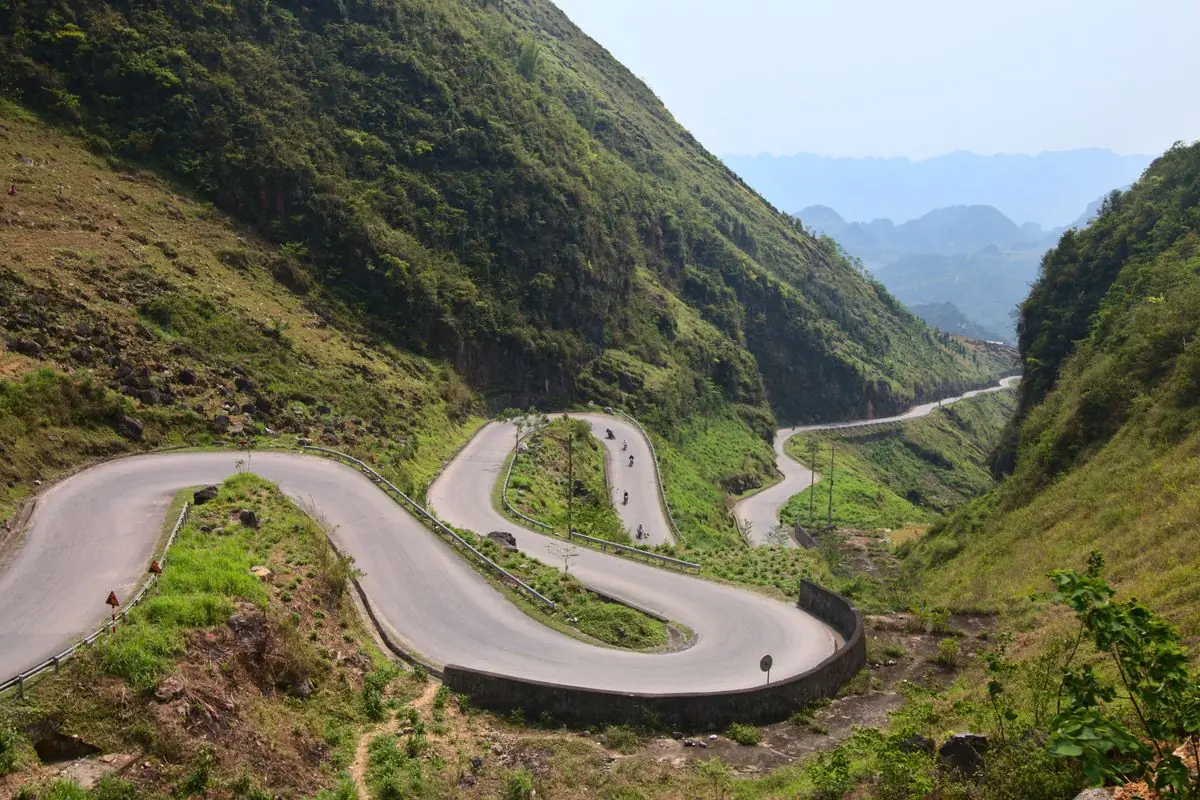
Photo: Benjamin Smith
Don't overtake on blind bends. When approaching oncoming traffic along a narrow section, slow down and choose a safe passing place with enough clearance.
Don't film videos while riding. For photographs, stop completely in a permitted location where you won't obstruct other vehicles.
When fog becomes thick, heavy rain starts or falling rocks are reported, find a safe place to stop and assess the conditions before continuing.
Avoid riding mountain roads after dark. If you're running behind schedule, skip an attraction or change your overnight stop instead of increasing your speed.
Alcohol and motorbike riding should never be combined. Vietnam prohibits driving with alcohol present in the blood or breath.
What should you do in bad weather?
Before each stage, ask your homestay owner, local driver or tour operator about current road conditions. Information from someone who has recently traveled the same route can help identify repairs, blocked sections or rain damage.
When authorities issue landslide, flash-flood or road-closure warnings, follow their instructions. Don't attempt to bypass a road closure simply to stay on schedule.
Independent travelers should keep emergency funds for an extra overnight stay or a change of transport. An itinerary with fewer attractions and more flexibility is often preferable to a schedule packed from morning until sunset.
What should you pack for the Ha Giang Loop?
Keep your luggage light and compact so the motorcycle doesn't become excessively heavy at the rear. Easy rider passengers should also follow the operator's baggage restrictions.
A medium-sized backpack is usually more practical for three or four days than a large hard-shell suitcase. Some hostels and tour operators in Ha Giang offer luggage storage, but confirm availability before arriving.
Useful equipment includes a wind-resistant jacket, warm layers in winter, proper rain gear, gloves, shoes with good grip and a waterproof phone pouch.
Bring personal medication, drinking water, a few snacks, a power bank and some cash. Not every small shop or restaurant along the route accepts electronic payments.
Download offline maps before departure. Mobile coverage can be unreliable in remote mountain areas.
International travelers should carry their passport, relevant travel documents and valid driving documents if self-riding. Accommodation providers must register foreign guests' temporary stay in accordance with Vietnamese regulations.
What should you book in advance?
During buckwheat flower season and busy weekends, book accommodation in Dong Van and Du Gia ahead of time. A confirmed bed saves groups from searching for accommodation after dark.
Choose an easy rider operator with a clear itinerary, transparent inclusions and written rescheduling conditions. Don't rush to pay because someone claims that every other tour is sold out.
Motorcycle rentals need the exact bike model, daily rate, deposit policy and breakdown contact confirmed up front.
Private car quotes should state whether they include the vehicle, driver, fuel, the driver's accommodation and any applicable entrance or parking fees.
What should you skip to make the Ha Giang Loop more enjoyable?
One of the most common planning mistakes is trying to visit every attraction on the map. Some travelers attempt to fit Lung Cu, the Hmong King's Palace, Ma Pi Leng, a Nho Que River boat trip and an overnight stay in Du Gia into a single day.
The places may appear reasonably close on a map. In practice, the journey includes mountain roads, detours, attraction opening hours and the time needed to descend to a boat pier.
On a three-day trip, prioritize the main loop. Lung Cu can be skipped, the Nho Que boat trip can be optional, and Hoang Su Phi is better saved for another journey.
Four days give you more freedom, but there's still no reason to stop at every roadside café or viewpoint. One clear view of the Nho Que River on a sunny day can be more rewarding than visiting three viewpoints when thick fog blocks the scenery.
An evening in Dong Van doesn't need a complicated schedule either. A hot meal, a short walk around the old quarter and an early night may be exactly what you need before the next day's ride.
Arrange your top priority first, such as a Sunday market or a boat trip, and build the rest of your itinerary around it.
Book a four-day easy rider trip for your first Ha Giang Loop if you're still choosing between self-riding and an easy rider, especially if you've never ridden a motorcycle on long mountain passes. A three-day self-riding itinerary is better reserved for travelers with valid licenses, confident mountain-riding skills and the flexibility to skip attractions rather than ride after dark.
FAQ
How many days are enough for the Ha Giang Loop?
Three days and two nights are enough to cover the main loop from Ha Giang through Quan Ba, Dong Van, Ma Pi Leng, Meo Vac and Du Gia before returning. Four days and three nights are better for beginners, with more time for Lung Cu, a Nho Que River boat trip and rest stops. These durations don't include travel between Hanoi and Ha Giang.
What is the best month to do the Ha Giang Loop?
March and April are good choices for travelers who prefer relatively comfortable riding weather. October and November are popular for buckwheat flowers, with November particularly attractive to many visitors. September is suitable for the rice terraces of Hoang Su Phi, which are outside the standard Dong Van loop. No month guarantees clear weather throughout the trip.
How many kilometers is the Ha Giang Loop?
The route from central Ha Giang through Quan Ba, Yen Minh, Dong Van, Meo Vac and Du Gia, returning to Ha Giang, is approximately 310-400 km depending on the roads used. Adding Lung Cu, boat-pier access roads and other detours can push the total above 400 km. The Hanoi-Ha Giang journey isn't included.
How much does the Ha Giang Loop cost in 2026?
For a self-riding three-day trip including a return bus from Hanoi, a practical estimated budget is around 2.6-3.9 million VND per person. Jasmine Tours lists a three-day easy rider package at 4,680,000 VND per person without the return Hanoi bus, or 5,232,000 VND with the bus included. Actual costs depend on dates, accommodation and optional services.
Is the Ha Giang Loop dangerous, and can foreign tourists ride motorbikes?
The Ha Giang Loop carries risks from mountain roads, tight bends, fog, rain and landslides. Foreign visitors should only self-ride if they have suitable experience and a motorcycle license recognized in Vietnam for the appropriate vehicle category. Travelers without the required documents or mountain-riding skills should choose an easy rider or private car. In dangerous weather, postpone or change the route regardless of transport type.
Related posts
Road trips
Hanoi to Sapa: choose the right bus or train and arrive on time
Compare five ways to travel from Hanoi to Sapa, including 2026 ticket prices, schedules and where to book.
Guides
Da Nang to Hoi An is just 30 km: Grab is easier, but the bus is cheaper
Compare transport prices, travel times, and pickup points from Da Nang Airport, the railway station, and the city center.
Places
Go to Nha Trang for a Beach Beside the City
Choose Nha Trang when you want beach time with city life close at hand.