Vietnamese phrases for travelers: thirty useful sentences beat memorizing a hundred words
You don't need to speak fluent Vietnamese to manage your first trip. Learn around 30 practical phrases, understand a few polite forms of address, and keep the written Vietnamese handy when pronunciation gets difficult.
Written by Tụi mình mê biểnUpdated
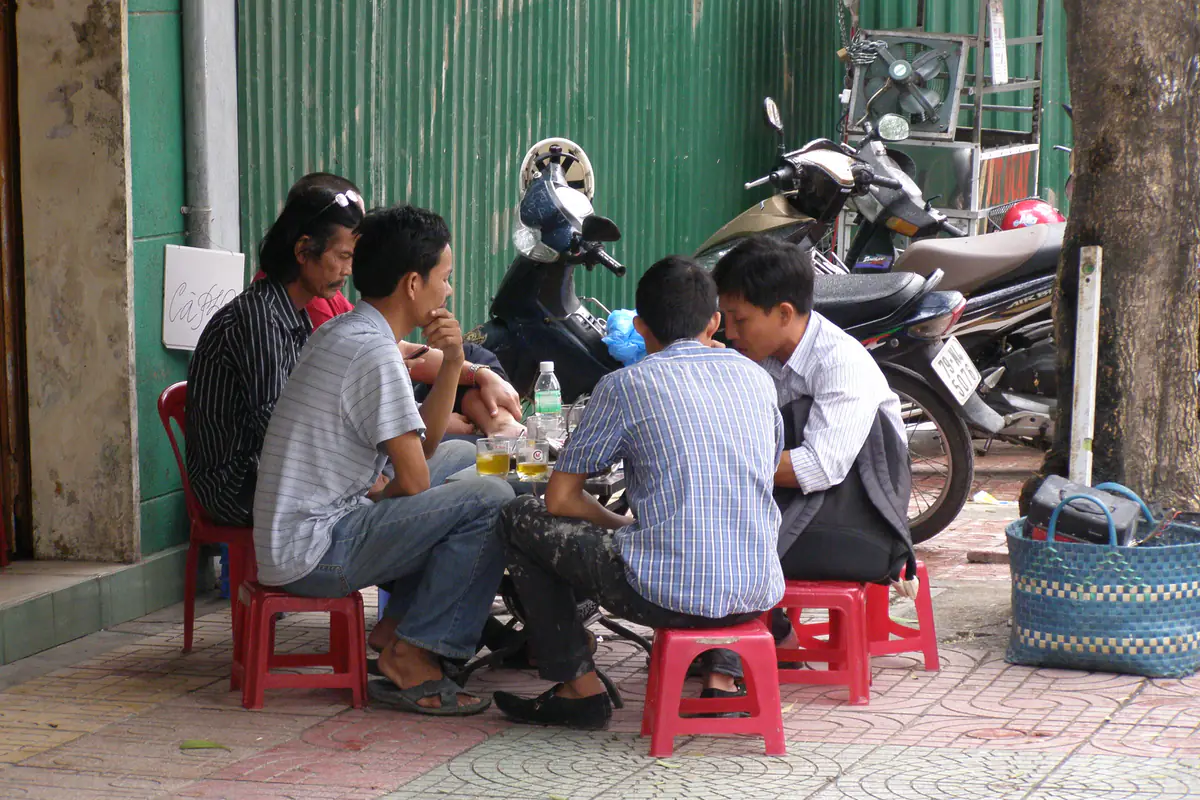
Photo: RG72
Imagine arriving at a noodle shop in Nha Trang. Knowing the Vietnamese names of twenty dishes won't help much if you can't tell the server you want one bowl without chili. Knowing “Cho tôi một tô”, “Không cay”, and “Bao nhiêu tiền?” gives you something much more useful: a way to order, explain a preference, and check the price without switching immediately to English.
The basic Vietnamese phrases every traveler should know
Vietnamese can look familiar because it uses the Latin alphabet. But familiar letters don't always make familiar sounds, and the marks above or below vowels affect pronunciation.
For a first visit, the best approach is to learn complete phrases before studying grammar. Focus on greetings, prices, food, directions, and asking for assistance. You'll encounter these situations in Hanoi, Da Nang, Nha Trang, Ho Chi Minh City, and smaller towns.
12
phrases to learn first
6
tones in written Vietnamese
115
ambulance number
Here are twelve phrases worth practicing before you arrive.
| Vietnamese | Approximate pronunciation | English meaning |
|---|---|---|
| Xin chào | sin chow | Hello |
| Cảm ơn | gahm uhn | Thank you |
| Xin lỗi | sin loy | Sorry / Excuse me |
| Tạm biệt | tahm bee-et | Goodbye |
| Vâng | vuhng | Yes, polite, common in the North |
| Dạ | yah | Polite acknowledgment, common in the South |
| Không | khong | No / Not |
| Không, cảm ơn | khong, gahm uhn | No, thank you |
| Bao nhiêu tiền? | bow nyew tee-en | How much is it? |
| Tôi không hiểu | toy khong hee-ew | I don't understand |
| Bạn nói tiếng Anh không? | ban noy tee-eng anh khong | Do you speak English? |
| Nhà vệ sinh ở đâu? | nyah veh sin uh dow | Where is the toilet? |
These pronunciations are rough guides for English speakers, not precise phonetic transcriptions. They cannot fully represent Vietnamese tones or sounds that don't exist in English.
If you have only one evening to practice, learn the first four phrases, “Bao nhiêu tiền?”, and “Không”. Add more when those feel comfortable.
How do you say thank you in Vietnamese?
The standard expression is Cảm ơn. You can use it after receiving food, paying a driver, asking someone for directions, or getting assistance at a hotel.
You might also hear “Cảm ơn anh” or “Cảm ơn chị”, which adds a respectful form of address. Those words depend on the person you're speaking to, so beginners can simply use “Cảm ơn”.
A natural reply to thanks is “Không có gì”, meaning “You're welcome”, or “Không sao đâu”, which can mean “No problem”.
Skip memorizing every possible reply. In many ordinary encounters, a smile and a short acknowledgment are enough.
How do you apologize or get someone's attention?
Xin lỗi means “Sorry” or “Excuse me”.
Use it if you accidentally bump into someone, interrupt a conversation, or want to start a question politely.
In restaurants, though, you'll often hear people call “Anh ơi”, “Chị ơi”, or “Em ơi” to get a server's attention. These phrases sound more natural than repeating “Xin lỗi” across a busy dining room.
The correct expression depends on who you're addressing. Once you understand the basic pronouns, this becomes easier.
How to pronounce Vietnamese without learning the entire alphabet
Vietnamese pronunciation is the biggest obstacle for many English-speaking visitors. You can understand the written meaning of “Cảm ơn” and still struggle to make yourself understood.
Unfamiliar vowels are only part of the reason. Vietnamese is tonal, which means the pitch and voice quality used on a syllable can distinguish words.
English uses pitch mostly for things such as emphasis and questions. In Vietnamese, a change in tone may change the word itself.
The six Vietnamese tones
Standard Vietnamese spelling represents six tones. A traditional way to demonstrate them is with the syllable ma.
| Tone | Example | Beginner's description |
|---|---|---|
| Ngang (level) | ma | Relatively steady pitch |
| Huyền (falling) | mà | Lower, falling pitch |
| Sắc (rising) | má | Higher, rising pitch |
| Hỏi | mả | Pitch falls and changes direction |
| Ngã | mã | Often a broken or creaky rising tone |
| Nặng | mạ | Low, constricted, and often short |
These descriptions broadly reflect northern Vietnamese pronunciation. They are teaching shortcuts, not complete acoustic descriptions.
In many southern accents, the written hỏi and ngã tones merge in pronunciation. Northern Vietnamese, particularly the Hanoi variety, generally distinguishes all six. Central Vietnamese accents have their own patterns, which can be noticeably different.
This means a visitor who learns from a Hanoi recording may hear a different pronunciation in Ho Chi Minh City. The spelling, however, remains the same.
Don't try to turn every high-pitched word into the sắc tone. Listen to the whole syllable, including its beginning, ending, and tone.
Sounds that English speakers often get wrong
A few consonants deserve special attention.
Đ is close to the English d in “dog”. The ordinary Vietnamese letter d has a different pronunciation: often similar to z in the North and y in parts of the South.
Ph sounds close to f in “food”. Nh resembles the ny sound in “canyon”. Ng is like the ending of “sing”, except Vietnamese can place it at the beginning of a word, as in “ngon”.
Th does not sound like the English th in “think”. It is a breathy, aspirated t. Kh is a sound produced farther back in the mouth, roughly comparable to the ch in Scottish “loch”.
Final consonants can also be unexpectedly short. In words such as “một”, “bác”, and “được”, don't release the final consonant with a strong burst of air.
These differences are why writing “xin chao” without accents is not a reliable pronunciation system. It may help you recall a phrase, but it cannot tell you exactly how the Vietnamese syllables sound.
A realistic way to practice
Start by listening to a native speaker say one short phrase at a natural speed. Repeat it slowly, paying attention to individual syllables and pitch. Then repeat the entire phrase.
Record yourself if possible. Comparing your recording with the original often reveals mistakes that aren't obvious while speaking.
Practice “Bao nhiêu tiền?” as three distinct syllables before trying to say it quickly. The same applies to “Cảm ơn” and “Xin lỗi”.
Anh, chị, em: how Vietnamese pronouns work
One of the biggest surprises for English-speaking visitors is that Vietnamese doesn't use a single universal everyday equivalent of “you”.
The language often uses relationship terms to address people, even when they're complete strangers.
The choice depends on age, relationship, setting, and sometimes how the other person addresses you.
Mastering the whole system can wait. But knowing a few common terms will make your interactions more natural.
| Vietnamese | Common use |
|---|---|
| Anh | A man around your age or somewhat older |
| Chị | A woman around your age or somewhat older |
| Em | Someone younger, or yourself when speaking to an anh/chị |
| Cô | An older woman, often of a parental generation |
| Chú | An older man, often of a parental generation |
| Bác | A person of an older generation |
| Ông / Bà | An elderly man / woman, often of a grandparent's generation |
These aren't fixed age brackets. Context matters, and people may choose different terms based on familiarity or the relationship they want to express.
Useful phrases for addressing people
| Vietnamese | Approximate pronunciation | Meaning |
|---|---|---|
| Anh ơi! | ahn oy | Excuse me! (to a man) |
| Chị ơi! | chee oy | Excuse me! (to a woman) |
| Em ơi! | em oy | Excuse me! (to a younger person) |
| Chào anh | chow ahn | Hello (to a man) |
| Chào chị | chow chee | Hello (to a woman) |
| Em cảm ơn ạ | em gahm uhn ah | Thank you, respectfully |
The word “ơi” calls someone's attention. It is commonly used with a name or a form of address.
At a restaurant, for example, you may call “Chị ơi!” to attract the attention of a female server who seems older than you.
If the server is much younger, “Em ơi!” may fit better. You can then place your order without a complicated introductory sentence.
Can foreigners just say “tôi” and “bạn”?
Yes, within limits.
Tôi is a straightforward way to say “I”. It can sound more formal or distant than the relationship-based pronouns Vietnamese speakers commonly use, but it is useful for beginners.
Bạn means “you” or “friend” in certain contexts, particularly among peers. It isn't appropriate as a universal replacement for every form of address.
For travel situations, phrases such as “Cho tôi một ly nước” are convenient because you don't have to choose a word for the person you're addressing.
If you aren't sure whether to use anh, chị, or em, start with “Xin chào” or “Xin lỗi”. Clear and polite communication matters more than guessing a stranger's exact age.
Vietnamese phrases for ordering food
Food ordering is one of the best situations for practicing Vietnamese. You'll use the same patterns repeatedly, whether you're buying bánh mì from a street stall or sitting down for a bowl of noodles.
A particularly useful sentence structure is:
Cho tôi + quantity + food or drink.
This means, roughly, “Give me…” or “I'd like…”.
For example, “Cho tôi một tô phở” requests one bowl of phở. You can replace the dish with bún chả cá, bánh canh, or another menu item.
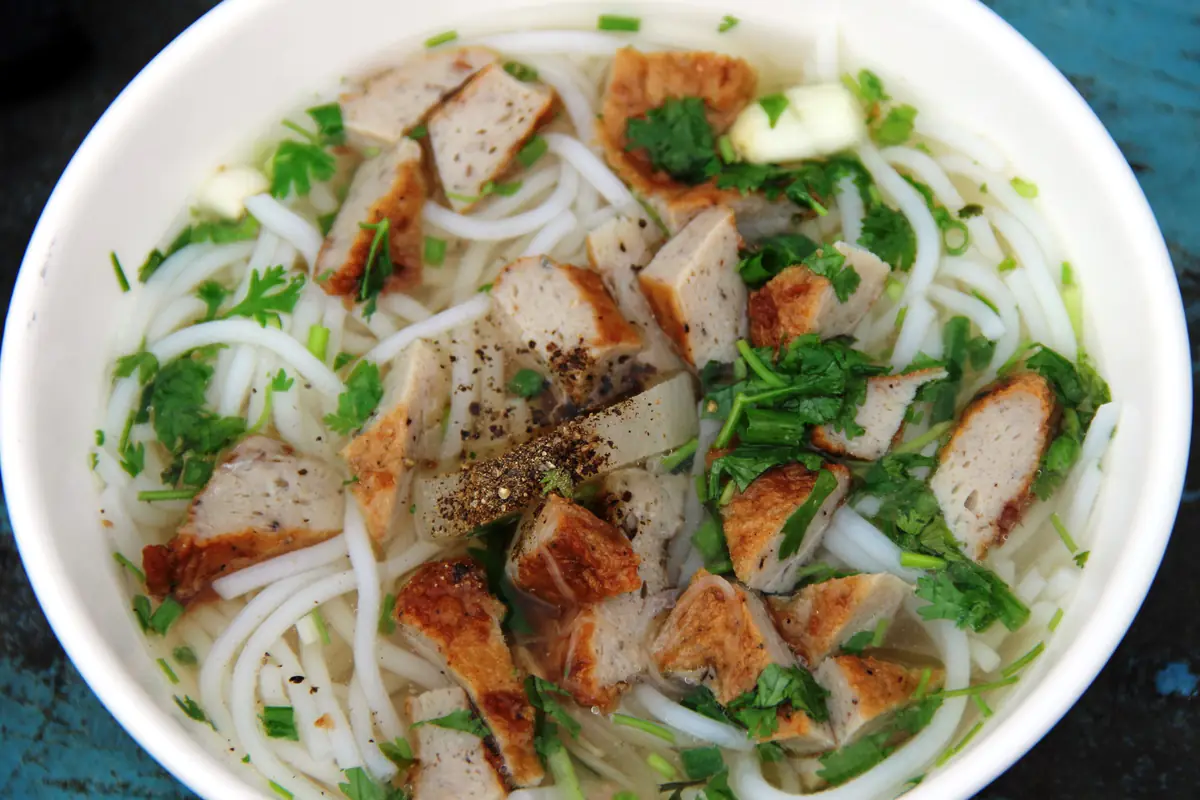
Photo: Phương Huy
Essential restaurant phrases
| Vietnamese | Approximate pronunciation | English |
|---|---|---|
| Cho tôi một tô phở | chaw toy moht toh fuh | One bowl of phở, please |
| Cho tôi một tô bún chả cá | chaw toy moht toh boon chah kah | One bowl of fish cake noodles, please |
| Cho tôi một ly cà phê sữa đá | chaw toy moht lee kah feh soo-ah dah | One iced Vietnamese milk coffee, please |
| Cho tôi nước lọc | chaw toy nook lawk | Drinking water, please |
| Không cay | khong kai | Not spicy |
| Ít cay thôi | eet kai thoy | Only a little spicy |
| Đừng cho ớt | doong chaw uht | Please don't add chili |
| Không có thịt được không? | khong kaw thit doo-uk khong | Can it be made without meat? |
| Tôi ăn chay | toy ahn chai | I'm vegetarian |
| Ngon quá! | ngawn kwah | Delicious! |
| Tính tiền giúp tôi | ting tee-en zoop toy | The bill, please |
| Cho tôi xem thực đơn | chaw toy sem thook duhn | May I see the menu? |
A beginner doesn't need to pronounce every item on a long menu perfectly. Pointing to the written dish name and saying “Cho tôi một…” followed by the number of portions can be enough.
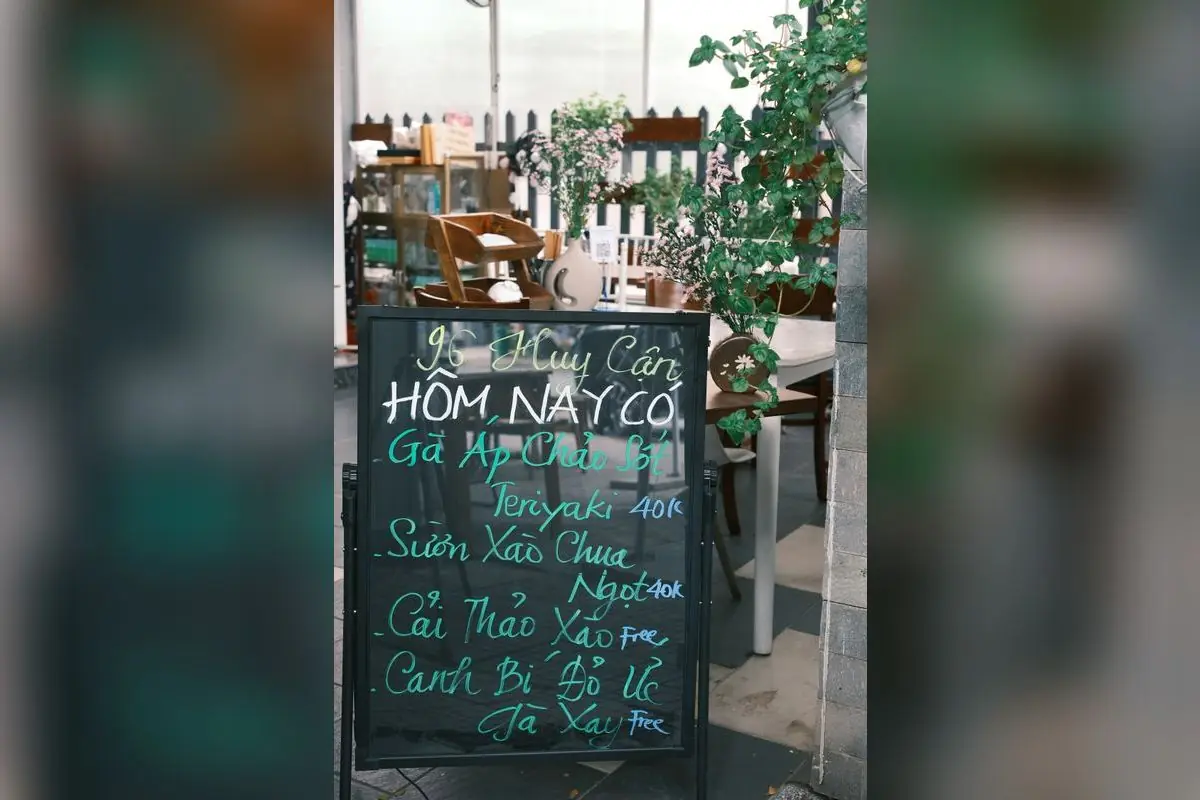
Photo: Duc Van

Photo: Clarin
How to ask for food that isn't spicy
Không cay is the most useful phrase if you don't eat spicy food.
You can also say “Đừng cho ớt”, meaning “Don't add chili”.
These requests are not identical. A dish may already contain chili paste, pepper, or spicy broth before the server takes your order.
If avoiding spicy food is important, ask before ordering. Don't assume removing visible chili pieces will make a dish mild.
A short restaurant conversation
This is an illustrative dialogue for practice.
Customer: Chị ơi! chee oy - Excuse me!
Server: Dạ? yah - Yes?
Customer: Cho tôi một tô bún chả cá. chaw toy moht toh boon chah kah - One bowl of fish cake noodles, please.
Customer: Không cay nhé. khong kai nyeh - Not spicy, please.
Server: Dạ. yah - Okay.
Customer: Cảm ơn. gahm uhn - Thank you.
After eating, you can say “Tính tiền giúp tôi” to request the bill. That's a useful phrase to remember even if the rest of your meal is handled by pointing at the menu.
How to ask prices and bargain politely in Vietnamese
Shopping is another situation where a few sentences can do most of the work.
At supermarkets and convenience stores, prices are usually displayed. At traditional market stalls without individual price labels, asking the price before buying is sensible.
You may be able to negotiate at some souvenir or clothing stalls. That doesn't mean bargaining is expected everywhere.
Useful shopping phrases
| Vietnamese | Approximate pronunciation | English |
|---|---|---|
| Cái này bao nhiêu tiền? | kai nai bow nyew tee-en | How much is this? |
| Bao nhiêu tiền một cái? | bow nyew tee-en moht kai | How much for one? |
| Đắt quá | daht kwah | Too expensive |
| Có bớt chút được không? | kaw buht choot doo-uk khong | Could you reduce the price a little? |
| Tôi lấy cái này | toy lai kai nai | I'll take this one |
| Tôi xem thêm đã | toy sem them dah | I'll look around a bit more |
| Tôi trả bằng thẻ được không? | toy chah bahng teh doo-uk khong | Can I pay by card? |
| Có hóa đơn không? | kaw hwah duhn khong | Is there a receipt? |
“Có bớt chút được không?” is a polite way to ask for a small discount. A “no” from the seller leaves two options: accept the quoted price or leave.
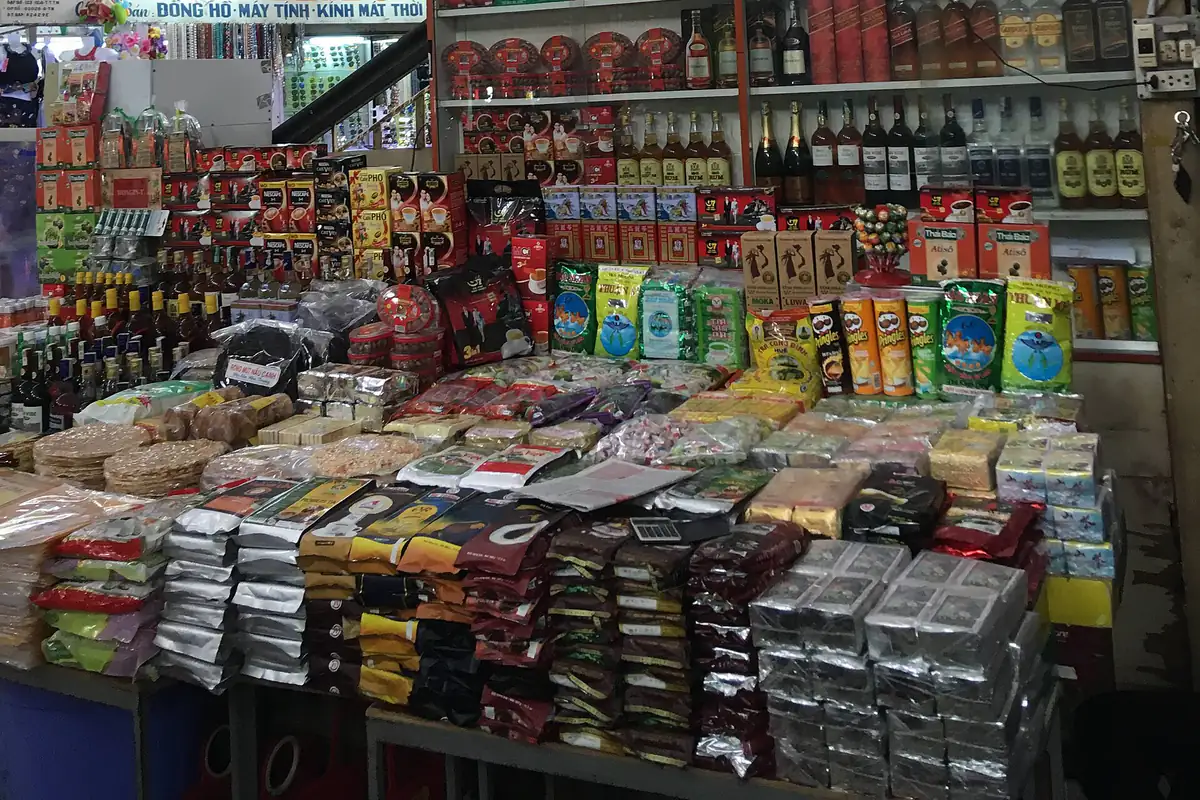
Photo: Christophe95
At places with fixed prices, focus on confirming the amount rather than negotiating. This applies to ordinary supermarket transactions and most restaurants with listed menus.
Understanding Vietnamese prices
Vietnam uses the đồng. Prices can look surprisingly large to visitors because everyday amounts often contain four, five, or six digits.
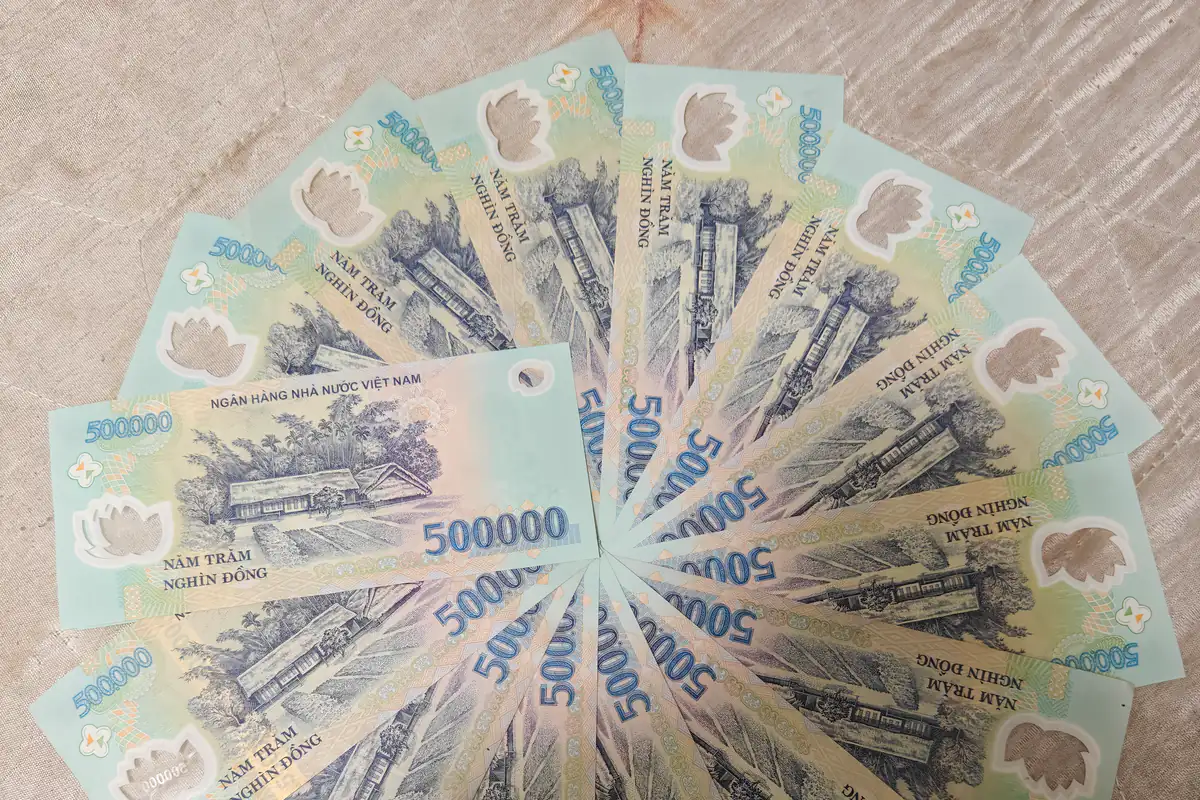
Photo: HuangWending18072009
You'll sometimes see the letter k used for thousands. For example, 50k means 50,000 VND.
Here is how a few amounts are read aloud:
| Amount | Vietnamese | Approximate pronunciation |
|---|---|---|
| 10,000 VND | Mười nghìn đồng | moo-ee ngeen dong |
| 20,000 VND | Hai mươi nghìn đồng | high moo-ee ngeen dong |
| 50,000 VND | Năm mươi nghìn đồng | nahm moo-ee ngeen dong |
| 100,000 VND | Một trăm nghìn đồng | moht chahm ngeen dong |
| 200,000 VND | Hai trăm nghìn đồng | high chahm ngeen dong |
In southern Vietnam, you'll often hear “ngàn” instead of “nghìn” for “thousand”. Both are understood.
It's useful to learn the main denominations, but don't feel obliged to interpret every spoken price immediately.
Vietnamese phrases for taxis and getting around
The most important thing when taking a taxi in Vietnam is communicating the correct destination.
Forget explaining the entire route. Keep the hotel's name and full address on your phone and show them to the driver.
That helps most after a long flight, when you're tired and pronunciation is harder than usual.
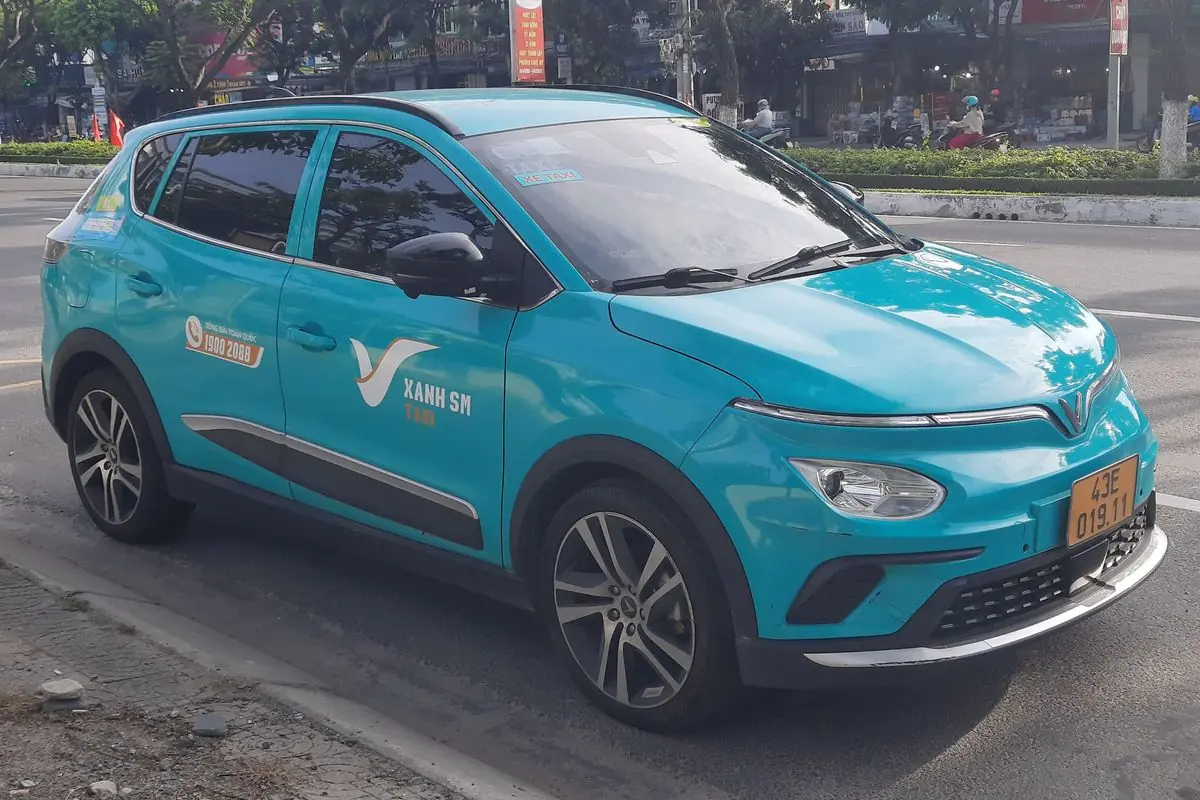
Photo: Lê Huỳnh Bộ
Practical transport phrases
| Vietnamese | Approximate pronunciation | English |
|---|---|---|
| Cho tôi đến địa chỉ này | chaw toy den zee-ah chee nai | Take me to this address, please |
| Tôi muốn đi đến ga tàu | toy moon dee den gah tow | I want to go to the train station |
| Đây có phải xe của tôi không? | dai kaw fai seh koo-ah toy khong | Is this my car? |
| Dừng ở đây | zoong uh dai | Stop here |
| Đi thẳng | dee thahng | Go straight |
| Rẽ trái | zeh chai | Turn left |
| Rẽ phải | zeh fai | Turn right |
| Có xa không? | kaw sah khong | Is it far? |
| Nhà ga ở đâu? | nyah gah uh dow | Where is the station? |
| Tôi bị lạc | toy bee lahk | I'm lost |
For example, after landing at Cam Ranh International Airport, you can show a driver your Nha Trang hotel address and say “Cho tôi đến địa chỉ này”.
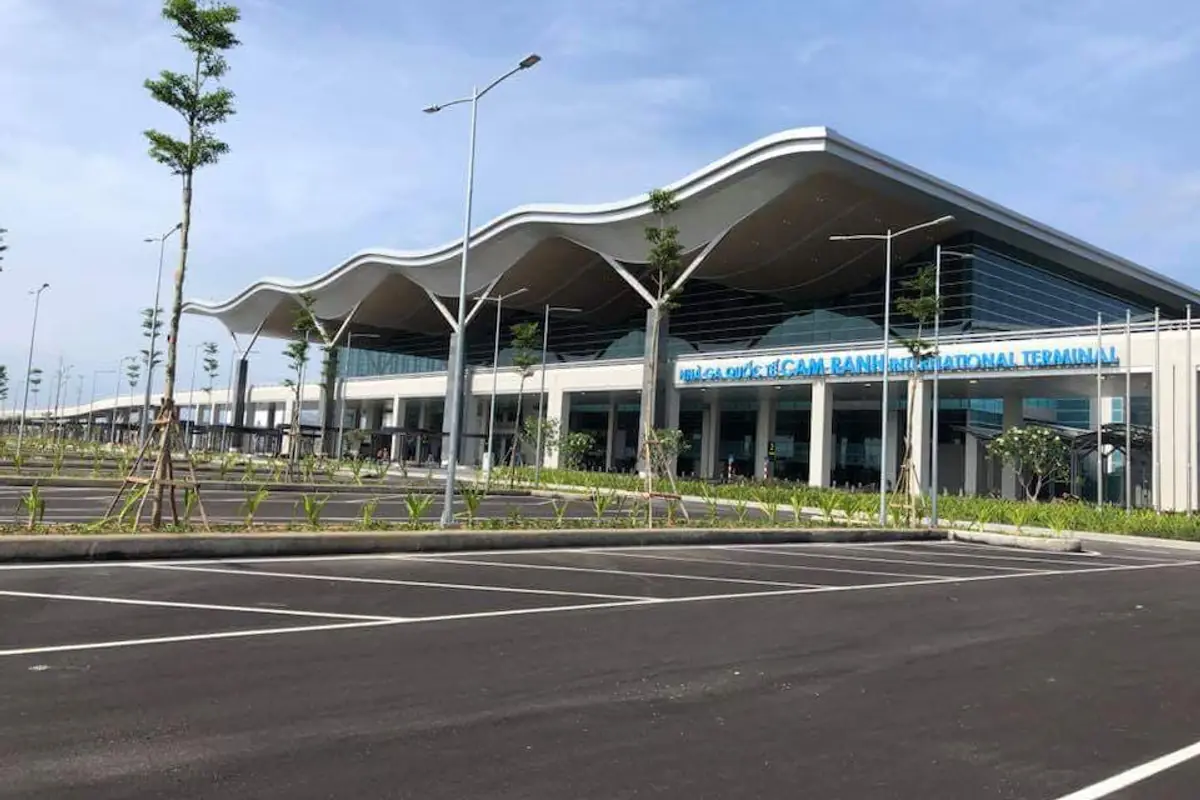
Photo: Ed Crystal
Ride-hailing apps show the vehicle's registration number and driver details; check them against the car before getting in.
“Dừng ở đây” is handy when you've reached your destination, but ask the driver to stop somewhere legal and safe rather than expecting an immediate stop in moving traffic.
Asking for directions when you can't understand the answer
Asking “Nhà ga ở đâu?” is easy. Understanding a detailed answer is harder.
The person you ask may give several turns, reference a traffic light, or describe a local landmark you don't recognize.
A useful follow-up is:
Tôi không hiểu. Bạn chỉ trên bản đồ được không? toy khong hee-ew, ban chee chen bahn doh doo-uk khong - I don't understand. Can you show me on the map?
Open your map and let the person indicate the location. Then verify the route before setting off.
Save the exact name of any bus terminal you need. Asking for “the bus station” may be too vague in a city with several terminals.
Vietnamese phrases for emergencies and asking for help
Emergency language deserves its own place in your phone, separate from restaurant and shopping phrases.
During a serious incident, short and clear sentences are better than attempting a lengthy explanation in a language you're still learning.
You should also know the emergency telephone numbers, since you may need them before someone has time to translate.
Important emergency phrases
| Vietnamese | Approximate pronunciation | English |
|---|---|---|
| Giúp tôi với! | zoop toy voy | Please help me! |
| Cứu tôi với! | kyoo toy voy | Help me! |
| Gọi cấp cứu! | goy kup koo | Call an ambulance! |
| Tôi cần bác sĩ | toy kan bahk see | I need a doctor |
| Tôi bị thương | toy bee thu-uhng | I'm injured |
| Tôi khó thở | toy khaw thuh | I'm having difficulty breathing |
| Tôi bị đau ngực | toy bee dow ngook | I have chest pain |
| Tôi bị mất hộ chiếu | toy bee muht hoh chee-ew | I've lost my passport |
| Gọi công an giúp tôi | goy kong ahn zoop toy | Please call the police |
| Tôi đang ở đây | toy dang uh dai | I'm here |
If you're unable to explain a medical problem, show someone the Vietnamese sentence on your screen. But don't delay seeking emergency assistance while trying to perfect your pronunciation.
Emergency phone numbers in Vietnam
| Number | Service | When to call |
|---|---|---|
| 113 | Police | Urgent police assistance |
| 114 | Fire and rescue | Fires and incidents requiring rescue services |
| 115 | Ambulance | Medical emergencies |
Vietnam also uses 112 for requests and information related to disasters, incidents, and search and rescue.
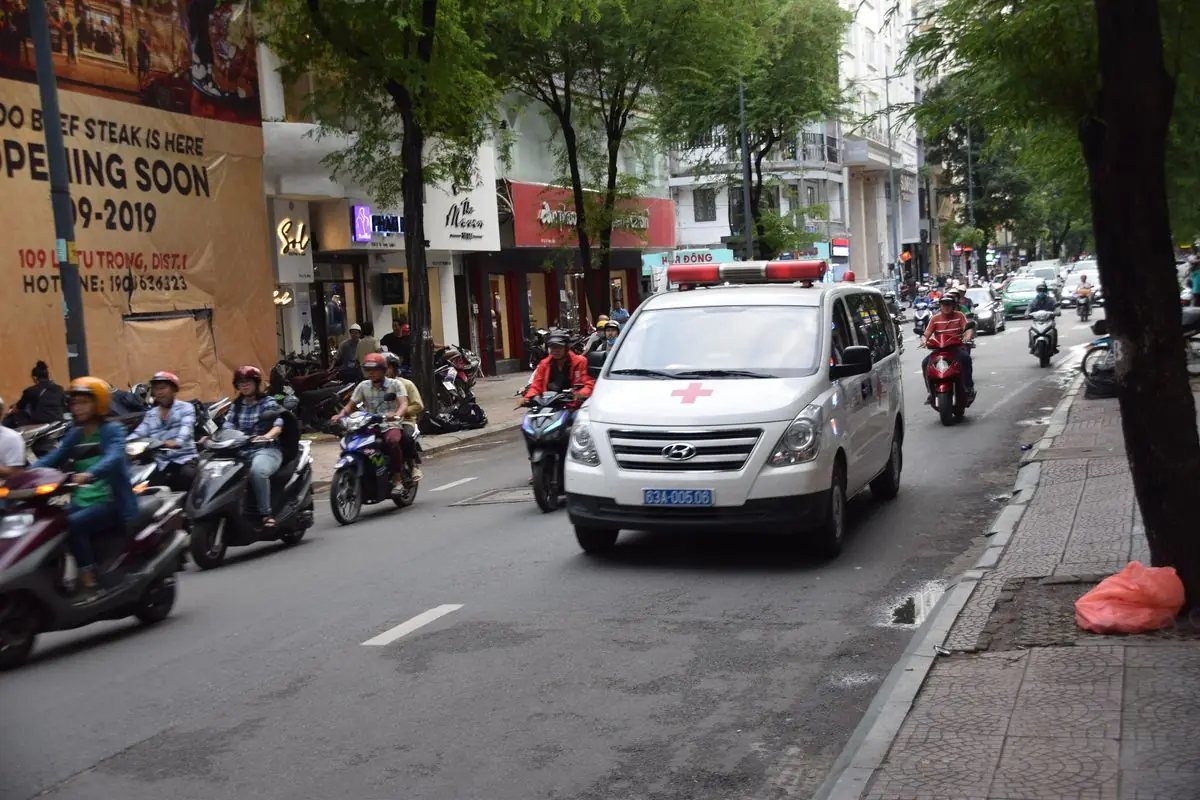
Photo: Dickelbers
Try to provide an exact address or live map location. Include the nature of the emergency and the number of people needing help.
For medical emergencies, contact the appropriate emergency service promptly. Someone translating while you arrange help is better than relying entirely on a phrasebook.
Before traveling, save your hotel address, travel insurance details, emergency contacts, and any essential medical information in a location you can access offline.
Northern and southern Vietnamese: which accent should you learn?
Vietnamese changes across the country. A visitor who learned phrases from a teacher in Hanoi may hear a different pronunciation or vocabulary choice in Ho Chi Minh City.
There are also significant central Vietnamese varieties, so dividing the entire language into just “North” and “South” is an oversimplification.
One accent is enough for a short visit. Choose one for consistent pronunciation practice, and become familiar with a few regional words.
Common regional differences
| Topic | Often heard in the North | Often heard in the South |
|---|---|---|
| Polite acknowledgment | Vâng | Dạ |
| Bowl | Bát | Chén or tô, depending on the dish |
| Corn | Ngô | Bắp |
| Peanut | Lạc | Đậu phộng |
| Turn right | Rẽ phải | Quẹo phải |
| One thousand | Một nghìn | Một ngàn |
These are tendencies, and the boundaries are loose. Vietnamese speakers generally understand many words from other regions, even when they don't use them at home.
Pronunciation differences are also important.
In Hanoi-style Vietnamese, the letters d, gi, and r often sound similar to the English z. In southern speech, d and gi are often closer to the English y, while r has other regional pronunciations.
Southern speakers also commonly merge the written hỏi and ngã tones in speech. This does not change the written accents.
What about the accent in Nha Trang?
Nha Trang is on Vietnam's south-central coast. Its local speech has regional features and isn't simply identical to the accents of Hanoi or Ho Chi Minh City.
You can still use standard phrases such as “Cảm ơn”, “Bao nhiêu tiền?”, and “Không cay”.
The main challenge may be listening rather than speaking. Someone in Nha Trang might pronounce a word you learned from a northern recording differently.
Don't try to imitate a local accent before you understand it. Speak clearly, use properly written Vietnamese when needed, and ask people to repeat themselves if you miss something.
Learn a few Vietnamese numbers before your first trip
Numbers are useful for almost everything a traveler does: ordering two drinks, buying one ticket, confirming a room number, or checking the amount of money returned as change.
Start with zero to ten; hundreds of numbers can wait.
| Number | Vietnamese | Approximate pronunciation |
|---|---|---|
| 0 | Không | khong |
| 1 | Một | moht |
| 2 | Hai | high |
| 3 | Ba | bah |
| 4 | Bốn | bohn |
| 5 | Năm | nahm |
| 6 | Sáu | sow |
| 7 | Bảy | bai |
| 8 | Tám | tahm |
| 9 | Chín | cheen |
| 10 | Mười | moo-ee |
When ordering food, you can put a number into the same sentence you already know.
“Cho tôi hai ly nước” means “Two glasses of water, please.” “Cho tôi một vé” means “One ticket, please.”
Larger numbers have a few pronunciation changes. For example, fifteen is commonly “mười lăm”, and twenty-one is “hai mươi mốt”.
These rules are worth learning if you're spending more time in the country, but first-time visitors should focus on recognizing the numbers they'll actually use.
For room numbers and phone numbers, asking someone to write the digits down is often the quickest way to avoid confusion.
How to teach basic Vietnamese to a foreign friend
Teaching a visiting friend a few useful expressions works best without trying to cover the language systematically before their holiday.
Three short practice sessions can be more productive than one long vocabulary lesson.
Each session can take around 15-20 minutes, with time to listen, repeat, and use the phrases in a realistic situation.
- Session 1
Greetings and pronouns
Start with “Xin chào”, “Cảm ơn”, “Xin lỗi”, “Không”, and “Tạm biệt”.
Then introduce anh, chị, and em with three example people: a male server around the learner's age, an older woman, and a younger hotel employee.
Ask the learner how they would greet each person. Correct only the points that affect understanding or sound noticeably inappropriate.
Don't expect them to master every Vietnamese relationship term in their first lesson.
- Session 2
Ordering food and asking prices
Find an actual Vietnamese menu from a restaurant your friend may visit.
Practice ordering one dish, changing its quantity, asking for no chili, and requesting the bill.
One person plays the server and the other the customer. Include short responses such as “Dạ”, “Có”, “Không có”, and “Hết rồi”, so the learner becomes familiar with hearing answers rather than just delivering memorized lines.
Next, practice a simple market purchase. Ask “Cái này bao nhiêu tiền?” and show a price on a calculator.
The goal is for the learner to complete a transaction, not to recite every line perfectly.
- Session 3
Transportation and getting help
Open a map and choose a hotel and a nearby train station or attraction.
Have the learner show the destination, say “Cho tôi đến địa chỉ này”, and practice “Dừng ở đây”.
Then introduce “Tôi không hiểu” and the sentence for asking someone to point out a location on a map.
Finish with the emergency numbers 113, 114, and 115. Explain what information to give and why asking a Vietnamese speaker for help with the call may be necessary.
A learner who can complete these three exercises is better prepared for everyday travel than someone who has memorized a long list of disconnected nouns.
How to save Vietnamese phrases for offline use
Don't rely on being able to find a phrasebook webpage when you're standing outside a market with no mobile data.
Create a simple phone note with the Vietnamese phrase, approximate pronunciation, and English meaning. Keep the Vietnamese spelling and all its accent marks.
Organize the note by situation: greetings, food, shopping, transportation, and emergencies.
Save your accommodation's name and full address separately, along with any essential allergy or medical information. Check that your notes and maps are available offline before departure.
Audio is also useful. Ask a Vietnamese-speaking friend to record the most important phrases slowly and then at normal speed; that's more reliable than English respelling alone.
Don't try to memorize everything on a long flight. Choose five phrases for your first day, then add the expressions you need when you actually encounter a new situation.
If you're spending most of your trip eating and exploring Nha Trang, restaurant and taxi phrases deserve more attention than classroom introductions. Staying with a Vietnamese family makes greeting older relatives and using respectful pronouns more important.
These basic Vietnamese phrases will still be useful on a second or third trip, even if you visit a different part of the country. Once you know the patterns for ordering, asking prices, and requesting help, you can replace the food, destination, or quantity without relearning the whole conversation.
FAQ
How many Vietnamese phrases should I learn before visiting Vietnam?
Around 20-30 practical phrases are a reasonable starting point. Focus on greetings, saying thank you, ordering food, asking prices, taking taxis, finding toilets, and getting help. You don't need advanced grammar for a short holiday.
How do you say thank you in Vietnamese?
Say “Cảm ơn”, roughly “gahm uhn” for English speakers. The pronunciation cue is only approximate because it doesn't fully represent the Vietnamese tone. Listening to a native recording is the best way to improve.
What is the difference between anh, chị, and em?
“Anh” commonly addresses a man around your age or somewhat older, while “chị” addresses a woman in a comparable relationship. “Em” often refers to someone younger, or is used for yourself when addressing an anh or chị. The choice depends on context and relationship, not age alone.
Does Vietnamese have five tones or six?
Vietnamese spelling represents six tones. Northern Vietnamese generally distinguishes all six, while many southern accents merge the hỏi and ngã tones in pronunciation. The written tone marks remain the same throughout the country.
Can I call emergency services in Vietnam without speaking Vietnamese?
You can dial 113 for police, 114 for fire and rescue, or 115 for an ambulance. However, emergency lines generally operate in Vietnamese, so communication can be difficult. Keep your exact location available and ask a Vietnamese-speaking person to assist with the call if necessary.
Related posts
Food
Nha Trang banh can is best fresh off the griddle, whatever the time of day
Find the right Nha Trang banh can shop for your location, schedule, and favorite toppings.
Food
18 famous Vietnamese foods to try in all three regions
From pho and cao lau to broken rice, discover 18 Vietnamese dishes worth trying.
Guides
How to use Vietnam currency: recognize banknotes, exchange money, and pay correctly
A practical guide to Vietnamese money, exchange rates, banknotes, and everyday payments.