Plan Vietnam in February 2027 around the weather and Tet holiday
February offers excellent beach weather in southern Vietnam, but northern trips can be cold and misty. Tet also changes transport demand, hotel rates and opening hours, so your travel dates matter almost as much as your destination.
Written by Tụi mình mê biểnUpdated
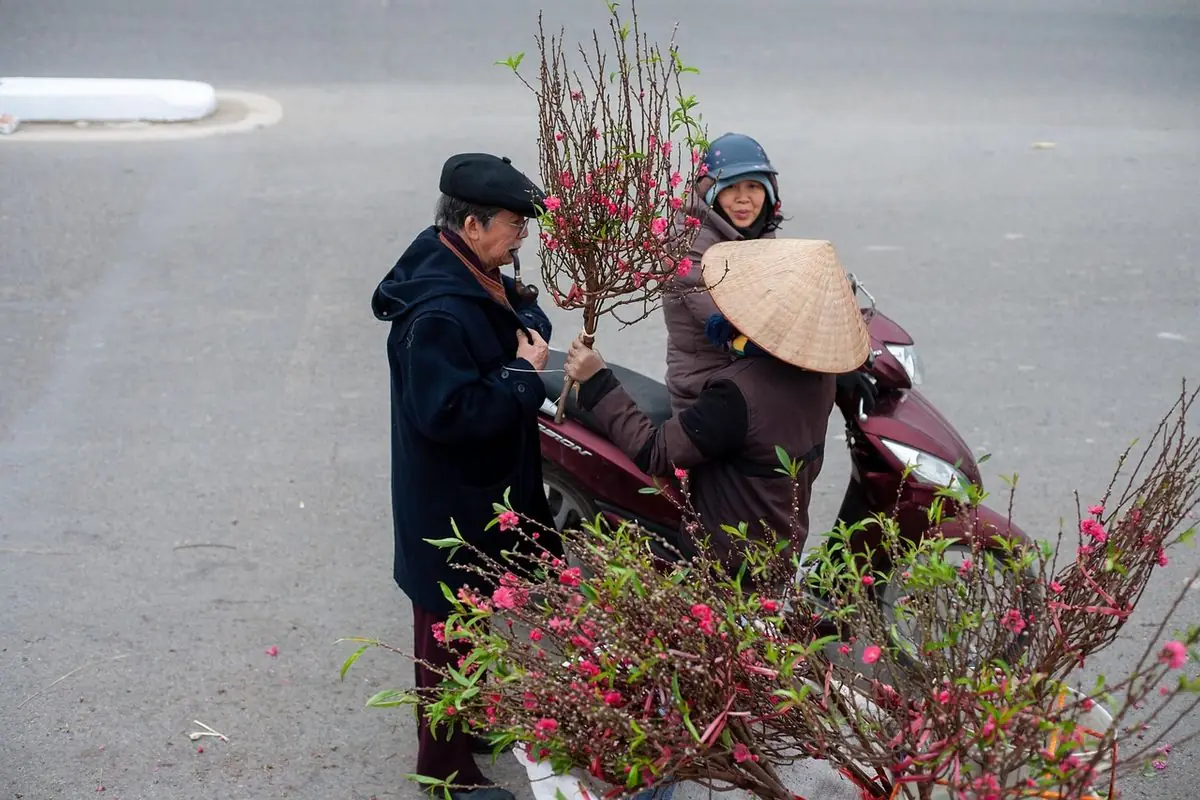
Photo: xuanduongvan87
For warm beaches in February, start with Phu Quoc or Nha Trang. Food, heritage towns and manageable temperatures point to Da Nang and Hoi An; for northern landscapes, choose Hanoi and Ninh Binh but pack for cold, damp weather. Mark 4-10 February 2027 on your calendar before booking anything: this is the official Tet holiday period for public-sector employees.
Check the regional weather before building your route
Vietnam in February is not one weather forecast. A traveler landing in Hanoi may meet mist, drizzle and cool mornings. Another arriving in Ho Chi Minh City on the same day can expect heat and relatively dry conditions. Between them, the central coast is moving out of its wetter season, while Da Lat stays cooler because of its elevation.
| Region | Typical February conditions | Practical destinations | Main trade-off |
|---|---|---|---|
| North | Cool or cold; occasional drizzle, fog and cloud | Hanoi, Ninh Binh, Moc Chau, Sa Pa | Reduced mountain views and cold evenings |
| Hue and north-central coast | Mild, with some lingering rain | Hue, Phong Nha | Outdoor plans still need flexibility |
| Da Nang and Hoi An | Warming up; generally more sunshine | Hoi An, Da Nang | The sea can feel cool for long swims |
| South-central coast | Sunnier and generally drier than late autumn | Nha Trang, Cam Ranh, Quy Nhon | Boat trips still depend on wind and waves |
| Central Highlands | Pleasant days, cooler mornings and nights | Da Lat, Buon Ma Thuot | Bring layers for temperature changes |
| South | Hot, generally dry | Ho Chi Minh City, Mekong Delta, Phu Quoc | Midday heat and high demand at beach resorts |
If you have four days, choose one area. A flight between Hanoi and the south uses more time than the flight duration suggests: you still need an airport transfer, check-in, security, baggage collection and another transfer at the other end. A week or longer allows two regions, but there is little value in crossing the country repeatedly just to tick more places off a list.
Northern Vietnam in February: go for culture and scenery, not beaches
Hanoi is an easy starting point for a northern itinerary. February can be surprisingly chilly, particularly on wet, overcast mornings. Set aside time for the Old Quarter, Hoan Kiem Lake, street food and historical sites. Walking works well in cooler temperatures, although the damp air can make the day feel colder than it looks on a weather app.
During the first days of Tet, resist the temptation to build a schedule around several specific family-run restaurants. Some close so staff can visit relatives. Larger hotels and certain visitor-oriented businesses may remain open, but each restaurant and attraction sets its own holiday hours. Confirm them before leaving your hotel, rather than assuming an opening time listed for a normal Tuesday applies during Tet.
Ninh Binh is a strong two-day extension from Hanoi. Choose a boat journey at Trang An or Tam Coc, then allow time for Hoa Lu, Bich Dong Pagoda or the viewpoint at Hang Mua. One boat route is enough for one visit. The main reward is moving slowly between limestone cliffs and waterways.
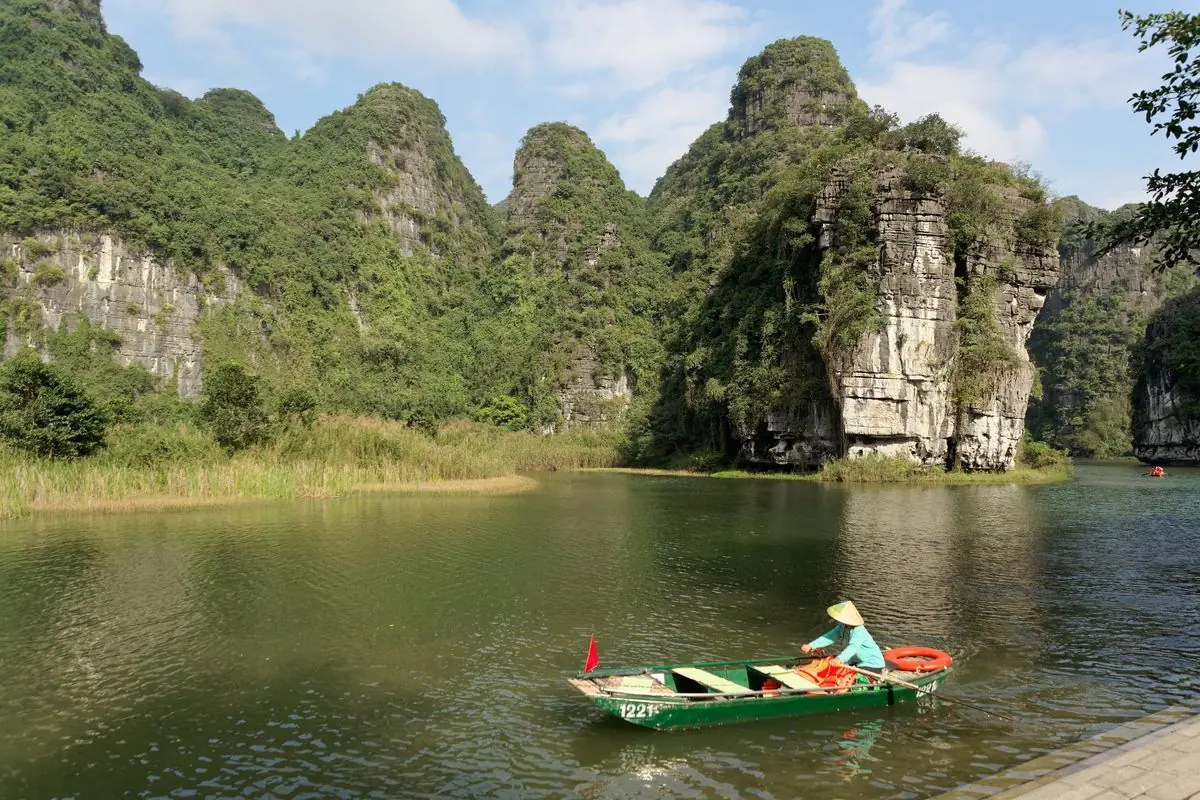
Photo: Jakub Hałun
The cold matters most when you are sitting still in an open boat. Bring a windproof layer and something to protect your bag from drizzle. Plan your boat excursion earlier in the day so that a queue does not push the end of the trip into fading light. Bai Dinh Pagoda attracts pilgrimage visitors around the new year; choose a different day for that site if you would rather avoid the busiest worship periods.
Moc Chau appeals to travelers seeking plum blossoms, peach blossoms, tea hills and rural scenery. Flowering changes with the weather. An attractive photograph posted in January does not prove the same hillside will be in bloom two weeks later. Check current images from the particular garden or village you intend to visit. February is not the golden-rice season in Vietnam's northern mountains, so set your expectations accordingly.
Sa Pa can make sense for a mountain stay, but it is not a reliable choice for open panoramic views. Temperatures drop at night, fog can cover valleys and paths can be slippery. A comfortable plan might include the town, a nearby village and flexible time indoors. Hiking demands appropriate shoes and a route suited to the conditions. If heavy rain or landslide warnings affect the area, postpone the mountain route even if you already have a local guide.
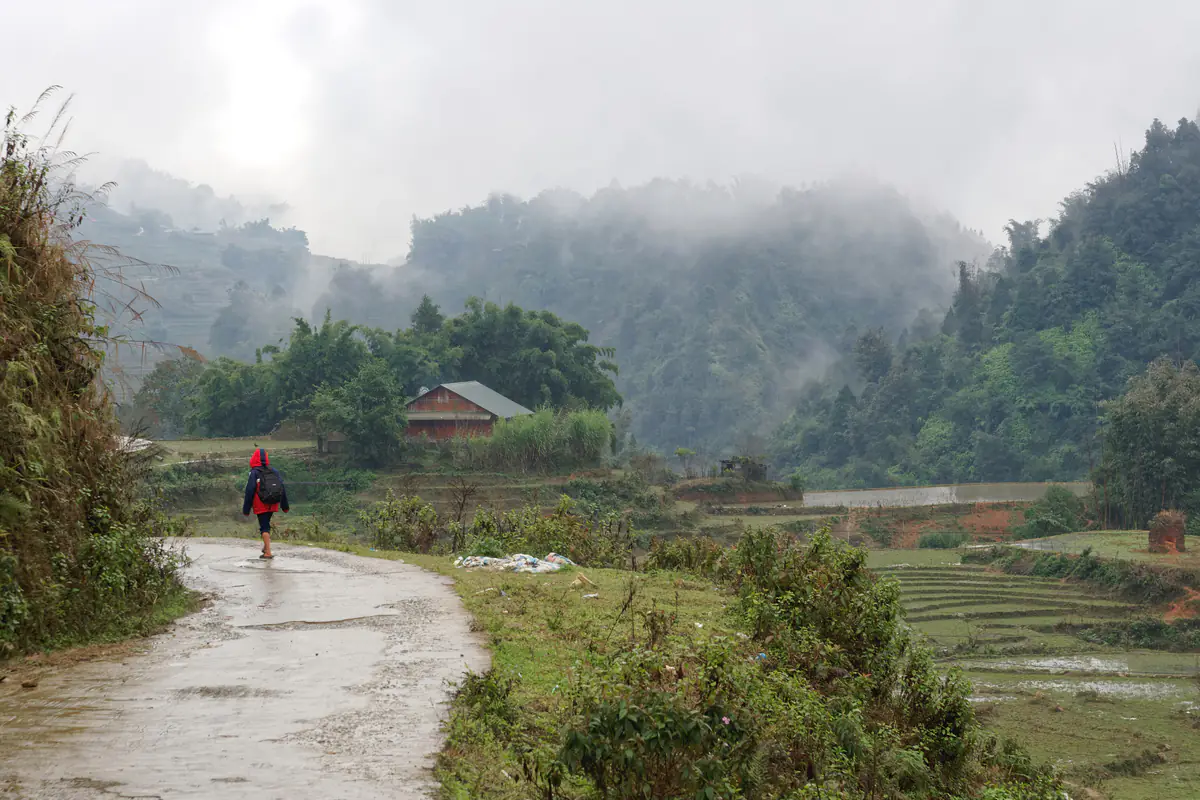
Photo: Jakub Hałun
Ha Giang requires even more care with the itinerary. Its mountain passes reward good visibility, yet mist can turn a scenic riding day into hours of slow, cold travel. Travelers without experience on steep, winding roads should not use a rented motorbike as their introduction to the route. A driver or guided road trip may be a better choice, but the weather still determines whether particular sections are suitable.
Ha Long Bay offers a different kind of February scenery. Limestone islands rising through mist can look striking, although the clear blue-water view may never appear. Cruises operate subject to local weather and navigation restrictions. Book with clear cancellation or date-change conditions and check the actual departure harbor. Travelers who specifically want blue skies and brighter views may prefer March or April.
Central Vietnam: where February starts becoming beach season
Da Nang and Hoi An are a useful combination for first-time visitors. Hoi An's wettest stretch is usually behind it by February. Days become warmer, with more opportunities to explore the Ancient Town, rice fields and surrounding streets without heavy rain. Da Nang adds a city beach, restaurants, museums and road access to the Marble Mountains.
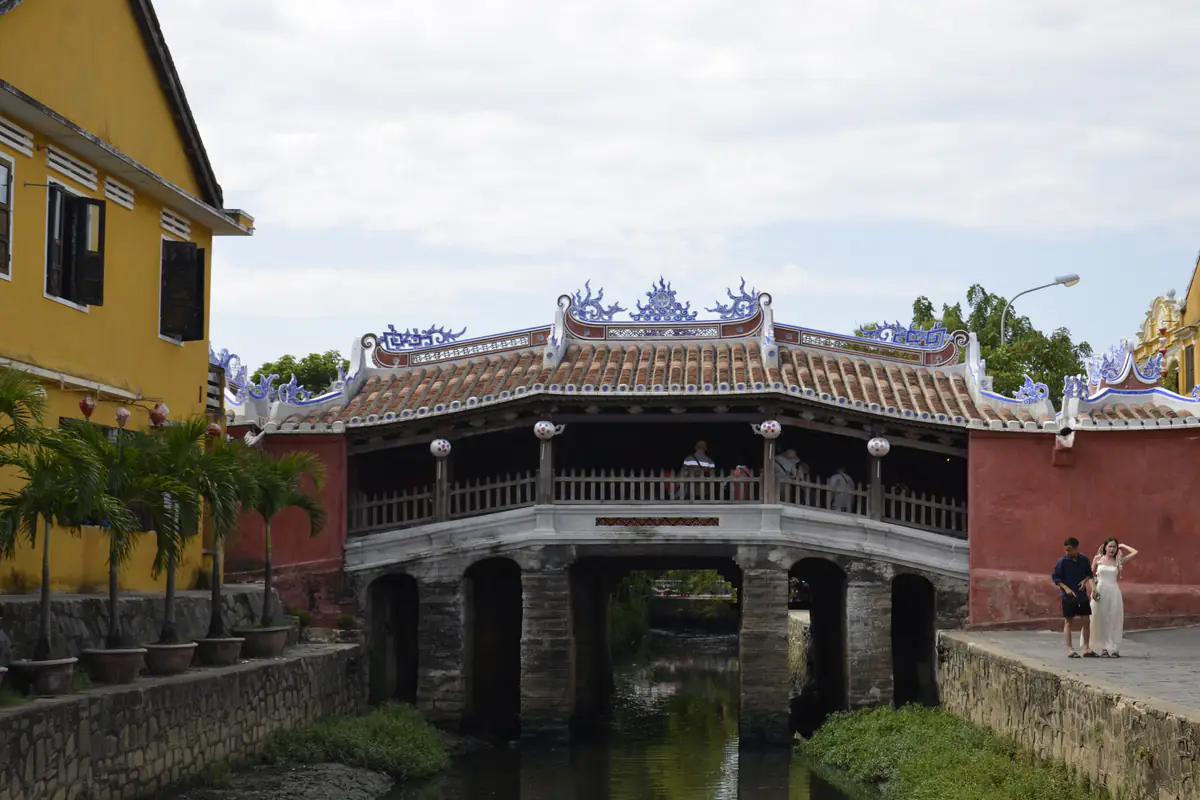
Photo: YukioSanjo
Spend a morning in Da Nang, visit the Marble Mountains on a separate half-day, then arrive in Hoi An in the afternoon. The old streets are pleasant when the midday sun eases, and you can stay for the evening lanterns. Consider sleeping in Hoi An if you want a leisurely dinner and a late walk; that removes the need for a return transfer every night.
Do not assume February guarantees warm water at My Khe or An Bang Beach. Some days are good for relaxing on the sand but feel cool or windy when swimming. Sea trips to the Cham Islands also depend on conditions and operating schedules. Confirm the boat service before making it the centerpiece of your day.
Hue is for travelers who enjoy history and food. The Imperial City, royal tombs, Thien Mu Pagoda and the city's everyday restaurants can easily occupy two days. February is generally more comfortable for walking than the hot summer months, but rain remains possible. Keep one indoor or food-focused option available so a wet morning does not ruin the schedule.
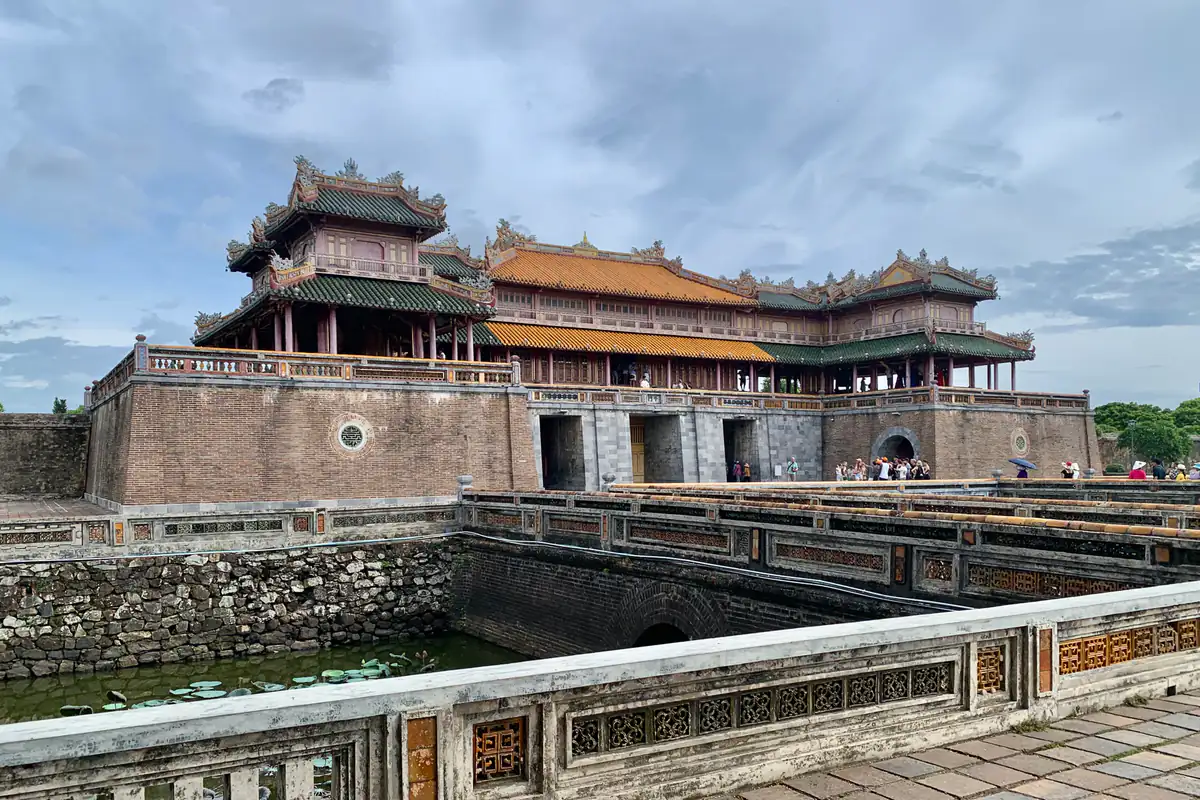
Photo: Chainwit.
A day trip between Hue and Da Nang is possible, but combining the Imperial City, several outlying tombs and a long transfer is tiring. Group the sites by location. An overnight stay makes the pace much better and leaves time to try local dishes without rushing back to a vehicle.
Nha Trang is one of the best February options for travelers who want beaches alongside normal city life. Its coastal climate is moving through the sunnier part of the year. You can alternate a beach morning with Ponagar Cham Towers, the Oceanographic Museum or the city's restaurants. This is useful when conditions are unsuitable for a boat trip but fine for walking around town.
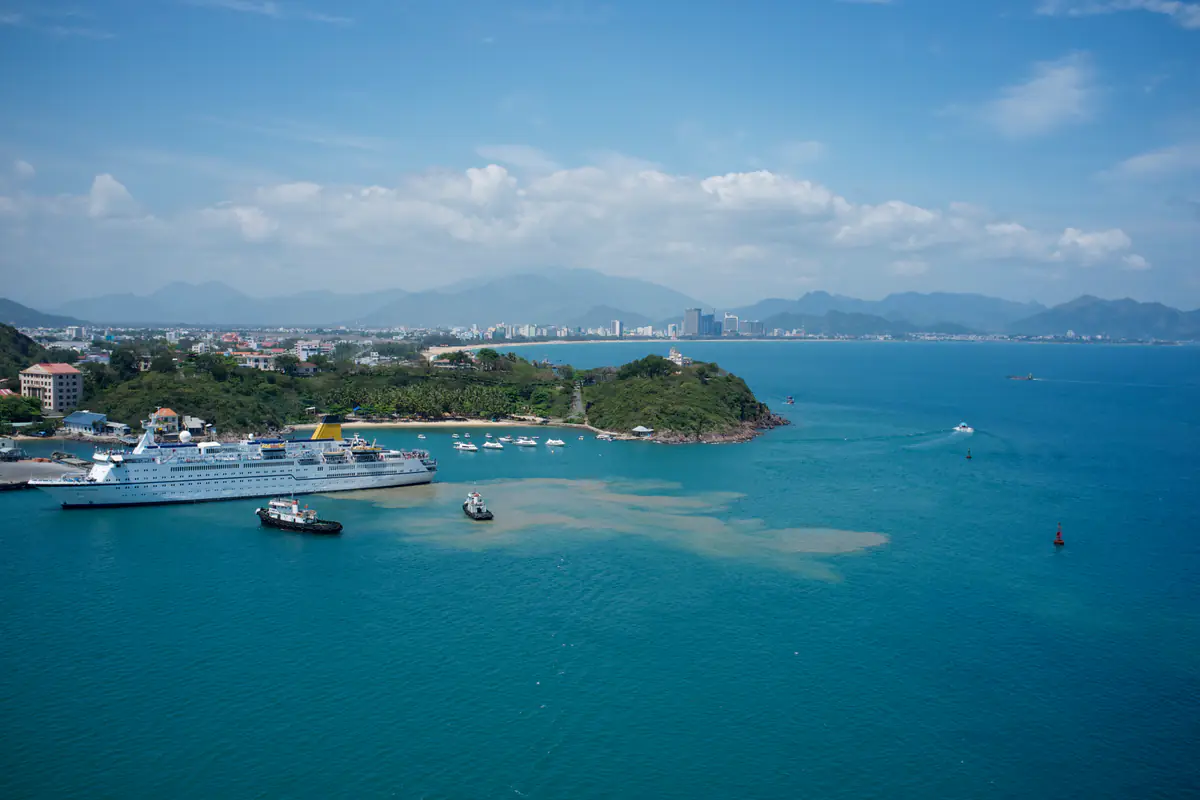
Photo: Aleksandr Zykov
Choose your hotel location carefully. Staying in central Nha Trang makes restaurants and the urban beach easy to reach. A resort at Bai Dai in Cam Ranh gives you more of a self-contained beach holiday but less spontaneous access to Nha Trang's evening food scene. Neither is automatically better; the right choice depends on whether you want to explore or spend most of your time at the resort.
Island tours should be booked against an actual itinerary, not just a generic picture of turquoise water. Ask which islands are included, where pickup takes place, whether lunch is included and what happens if the sea conditions prevent departure. Allow some flexibility rather than fixing every morning around a boat.
Quy Nhon becomes more appealing as the wetter months fade, particularly later in February. Nevertheless, northeasterly winds may still affect exposed beaches and island routes. A traveler planning to visit Ky Co or Hon Kho should hold a backup day for the coast. Those who mainly want cafes, city food and an easy waterfront break can keep a more predictable schedule.
Southern Vietnam in February: the easiest bet for warmth
Phu Quoc
Dry season, the safest bet for a beach break
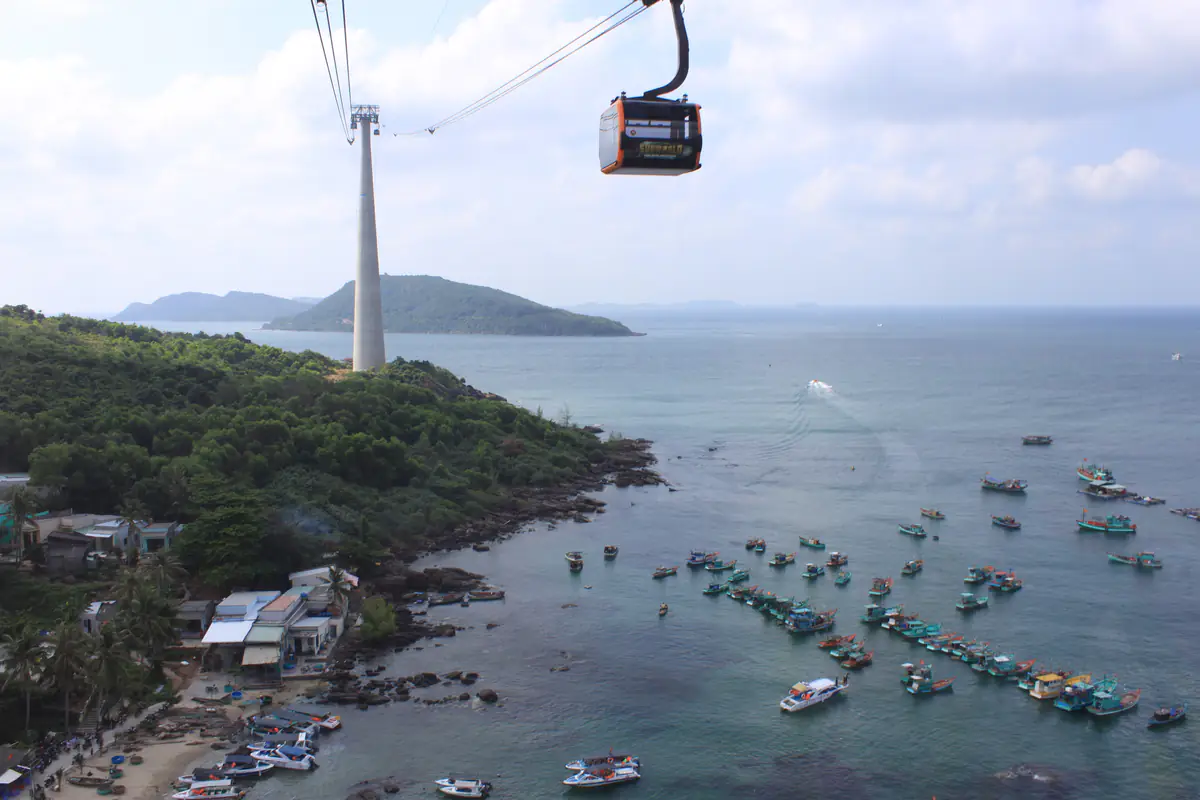
Photo: Klientos
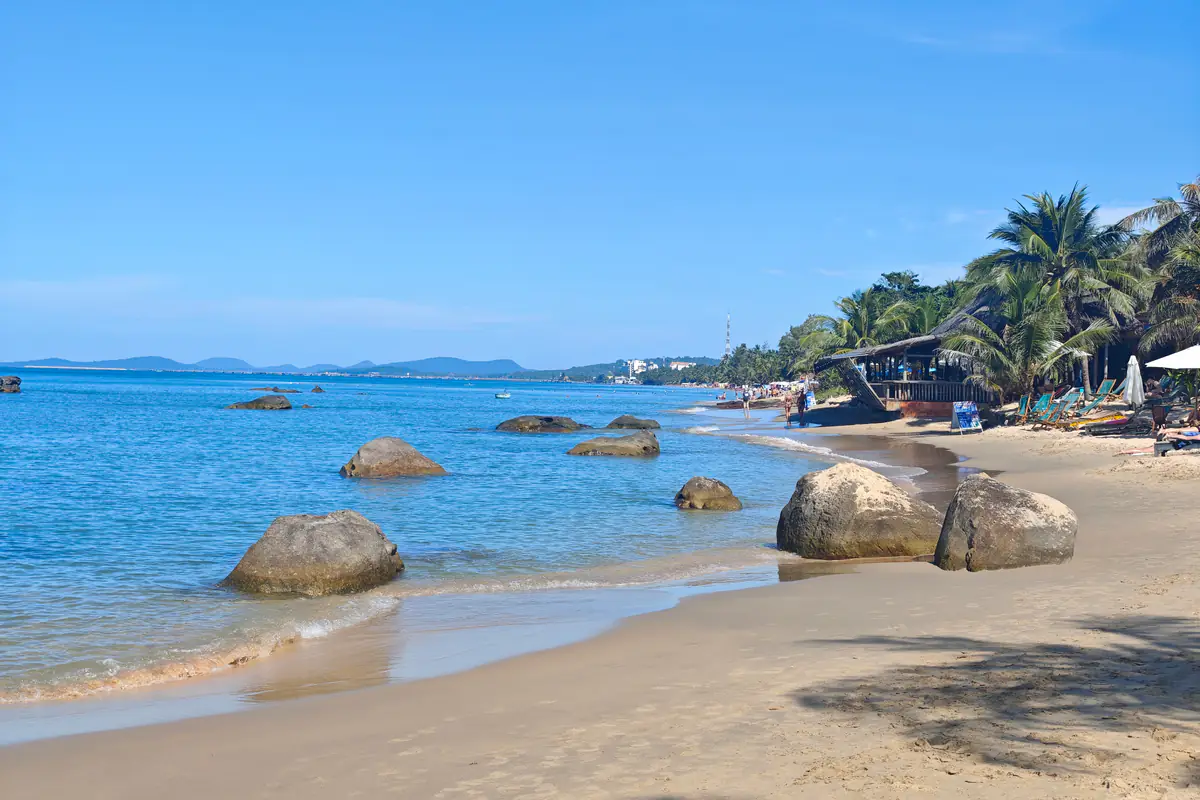
Phu Quoc is the straightforward beach recommendation. February sits within its dry season, when sunshine and calmer conditions make beach stays appealing. Three or four nights work well for travelers who do not want to move hotels. Choose accommodation near a beach you actually want to use; the island is larger than it looks on a small map.
An uncomplicated plan is to arrive and rest on day one, visit a different beach or a southern-island attraction on day two, and leave time for Duong Dong's dining area or a local market on day three. You can also add the Hon Thom cable car. Avoid building a single day around the northern tip, southern beaches, a cable car and a late dinner on the opposite side of the island.
Dry-season weather does not remove every risk of rough seas. A swimming beach may be sheltered on one day and exposed to uncomfortable waves on another. Follow local warnings and lifeguard instructions. Families with younger children may benefit more from direct beach access, a pool and reliable meals than from an ambitious island-hopping schedule.
Ho Chi Minh City
City life, food and onward travel to the Mekong Delta
Ho Chi Minh City suits travelers who prefer city life, food and onward travel to the Mekong Delta. February falls in the drier part of the year, but daytime heat can be strong. Walk through central neighborhoods in the morning, break for lunch and return outdoors later in the afternoon. Museums, cafes and shaded markets are practical options around midday.
A three-day stay leaves one day for the central city, another for an excursion such as Cu Chi, and a flexible third day. Travelers who would rather spend time in the Mekong Delta can replace the distant city excursion with an overnight trip. Cu Chi, the city center and Can Tho do not fit into one day without unnecessary travel time.
Can Tho and the Mekong Delta
Floating market, gardens and river trips
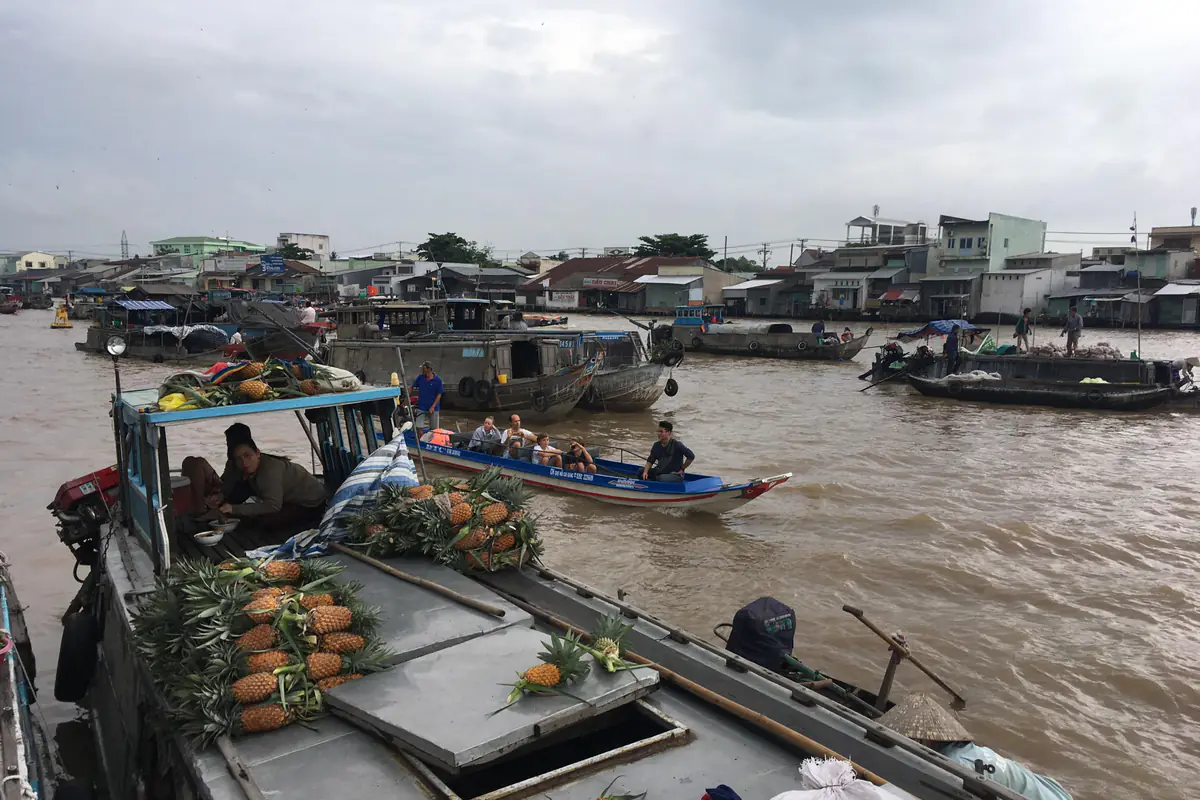
Photo: Christophe95
Can Tho is the easiest base for a Mekong Delta visit. Travelers who want to see Cai Rang Floating Market should arrange transport for the early morning and stay within a manageable distance of the departure point. The market is most interesting while trading is active, not when you arrive late after breakfast. Afterwards, choose a local meal, a garden or Binh Thuy Ancient House rather than racing between several provinces.
The Delta's dry-season conditions are convenient for road transfers and short boat trips. Even so, not every attraction runs on a fixed timetable during the Tet period. Confirm the boat operator, pickup point and any seasonal changes. A riverside homestay can be rewarding, but check how you will reach it after dark and whether dinner is available on site.
Con Dao
A quieter island that needs more travel planning
Con Dao is worth considering if you want a quieter island atmosphere. Travel connections take more planning than a conventional Phu Quoc holiday, and winds can affect sea conditions around the island. Compare flight or boat availability before committing to a short stay. It makes more sense to allow several nights than to spend much of a two-day break in transit.
Choose Da Lat for cool air and a slower pace
Da Lat gives you something different from the coast. At around 1,500 meters above sea level, the city offers comfortable daytime conditions and cooler evenings, with February generally within its drier season. It is a good choice for lakes, gardens, coffee shops and countryside visits rather than swimming.
A three-day trip can be arranged by area. Spend the first day around Xuan Huong Lake and central Da Lat. Use the next day for Tuyen Lam Lake and attractions to the south. Keep the final day for a single outlying direction, perhaps towards Cau Dat, instead of driving back and forth across the city.
Cherry-like pink blossoms may appear around this time of year, but flowering dates vary from one season and neighborhood to another. A previous year's photograph of a particular street in full bloom is not a good reason to book a non-refundable trip. Ask for recent, location-specific images if blossom viewing is your main reason for traveling.
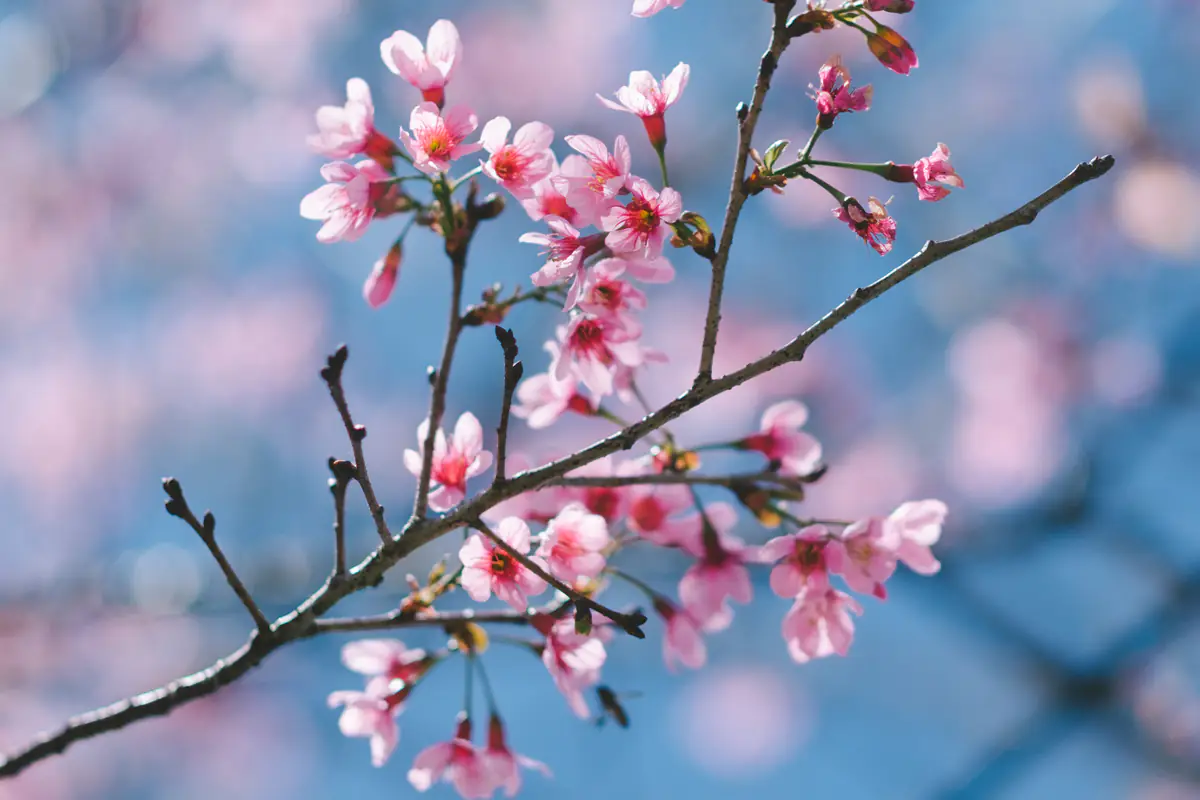
Photo: Vinnie Cartabiano
Da Lat can also become busy during Tet. Popular viewpoints and the central market area attract domestic holidaymakers. Restaurants and cafes may use special holiday schedules, while traffic and parking around narrow streets can be inconvenient. Book accommodation close to what you plan to do and pack a warm layer for evenings.
Tet 2027: the dates that affect your bookings
6 Feb 2027
First day of Tet
4-10 Feb
Public-sector Tet break
300,000
Tet train tickets on sale
20 Feb
First full moon of the lunar year
Tet, Vietnam's Lunar New Year, begins on Saturday, 6 February 2027. New Year's Eve is Friday, 5 February. The public-sector break runs from Thursday, 4 February, through Wednesday, 10 February. Private businesses may follow different holiday schedules, so these dates do not guarantee that every restaurant or service opens again on 11 February.
The main complication is not that travel stops throughout the country. It is that demand moves in different directions over a short period. Many people head from major cities to hometowns before Tet, while return journeys and leisure trips become busy afterward. A flight towards Hanoi, Da Nang or another homeward destination can be difficult to find on particular dates even when its opposite-direction service still has seats.
Domestic airfares and hotel room rates are dynamic. No single Tet surcharge applies to every flight or hotel. Compare prices for the exact dates and directions you need, including checked baggage, transfers and cancellation terms. A surprisingly low room rate may also carry a minimum-stay requirement or a non-refundable condition during the holiday.
Vietnam's railway operator began selling roughly 300,000 Tet train tickets at 8 a.m. on 5 September 2026. Its special travel sales period covers trains running 23 January to 25 February 2027. Extra services are planned on some routes, but that does not guarantee a sleeping berth on the train you want. Confirm the station name, departure date, carriage type and change or refund conditions before paying.
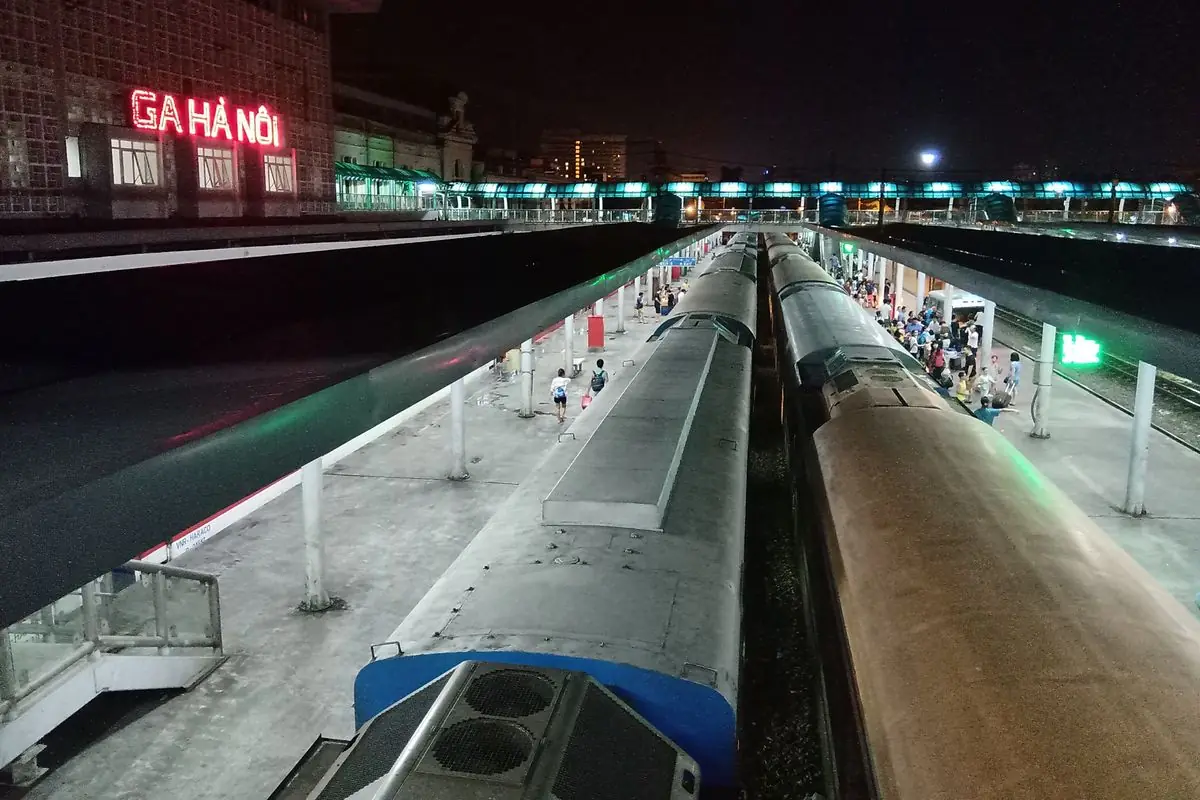
Photo: Handyhuy
A sleeper train can be more comfortable than an overnight bus for travelers who want space to lie down, stand up and use a toilet on board. The trade-off is time: trains are not necessarily the fastest way between major cities, and you may arrive at an inconvenient hour. Do not compare train and bus tickets without accounting for the exact departure station and the onward journey to your hotel.
Travelers who want to experience Tet should arrive at their main destination before 4 February and avoid changing cities during the first few days of the new year. Flower markets, festive decorations and family celebrations make the period distinctive. Travelers who simply want a conventional sightseeing holiday will find the second half of February easier to organize, though pilgrimage destinations can still be busy.
What to see during the Lunar New Year festival season
In Hanoi, the lead-up to Tet is a good time for flower markets, peach-blossom displays and festive shopping. Ho Chi Minh City has its own New Year traditions, including yellow blossoms and the annual flower displays associated with Nguyen Hue. Exact access arrangements and event programs vary by year, so leave room for local announcements.
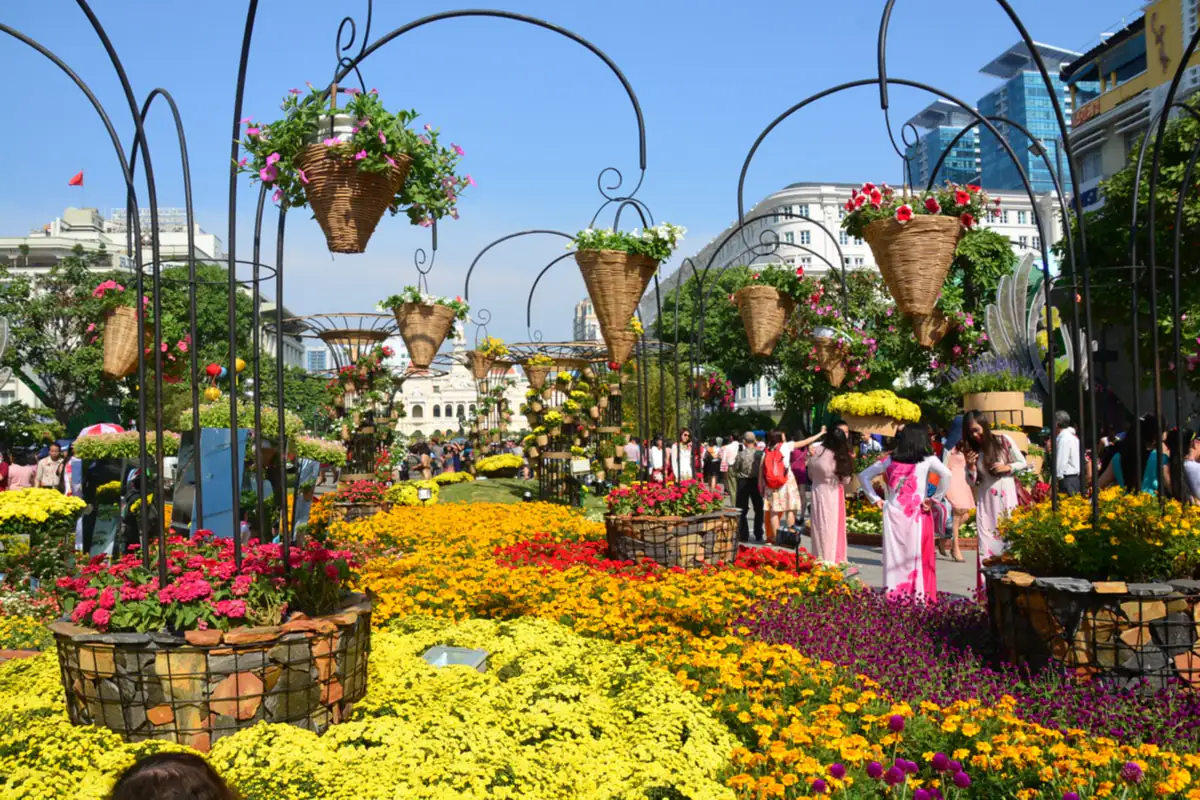
Photo: trungydang
Northern Vietnam also has a substantial spring pilgrimage season. Perfume Pagoda, near Hanoi, traditionally holds its formal festival opening on the sixth day of the first lunar month. That lunar date falls on 11 February in 2027, but the precise program and visitor arrangements should be checked when the organizers publish their schedule. The Yen Tu pilgrimage season in the north is another popular option for visitors interested in temples and mountain scenery.
These are not quiet sightseeing trips at peak festival times. At Perfume Pagoda, allow for the road journey, boat transport, steps, walking and queues. At Yen Tu, take footwear suitable for wet stone and choose the walking or cable-car sections according to your fitness. A rainy day can change the time and effort required dramatically.
The first full moon of the lunar year falls on 20 February 2027. Temples and pagodas may be especially busy around this date. Hoi An is known for lantern-lit evenings, but do not assume that a particular performance, pedestrian restriction or ticketed event will take place without checking its specific program. Visitors entering places of worship should dress modestly and respect areas reserved for ceremonies.
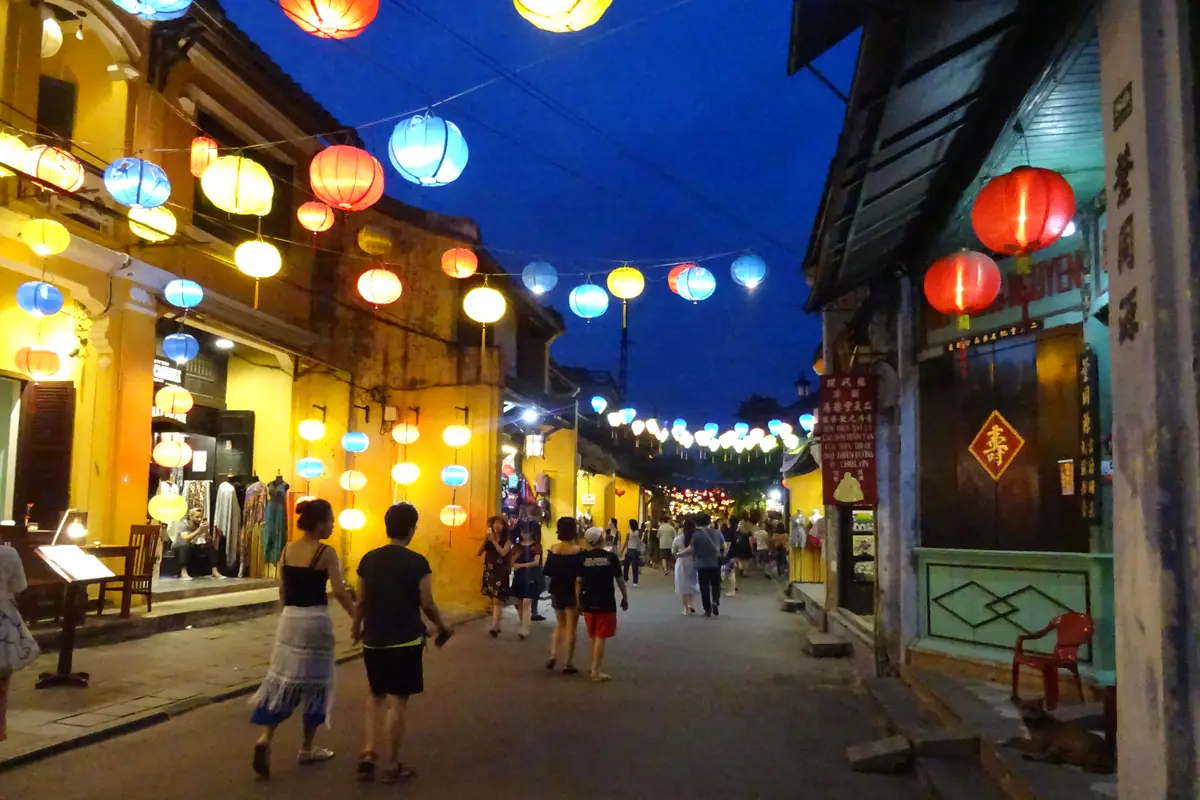
Photo: Christophe95
Which part of February 2027 should you book?
| Dates | What to expect | Sensible approach |
|---|---|---|
| 1-3 February | Tet preparations and growing demand for homeward travel | Secure your departure from major cities in advance |
| 4-10 February | Official holiday for public-sector workers | Base yourself in one place, confirm meals and opening hours |
| 11-20 February | Services gradually resume; spring pilgrimage traffic continues | Check individual businesses and busy temple areas |
| 21-28 February | More room to organize a conventional trip | Compare several flight dates and keep flexibility for boats |
The final week of February is not a guaranteed low season either. Domestic travel demand, international visitor arrivals and school schedules still affect particular places. Check prices for more than one pair of dates. A midweek flight may help, but only a live fare comparison can show whether it is cheaper on your route.
Practical itineraries for three, five and eight days
Three days for beaches: Phu Quoc. Fly in, stay in one hotel and spend the arrival afternoon near the beach. Use the second day for one main outing, such as a different beach or the southern part of the island. On day three, eat breakfast and leave enough time to reach the airport. A short break is better without an additional connection through another city.
Three days for food and architecture: Da Nang and Hoi An. Begin with Da Nang's center and a relaxed meal. Put the Marble Mountains and Hoi An on day two, staying into the evening. Day three can be breakfast, a nearby beach walk and your departure. An overnight stay in Hoi An suits travelers who care more about the old streets than about time on Da Nang's beach.
Five days for two climates: Nha Trang and Da Lat. Spend three days by the coast, including one flexible beach day and one city sightseeing day. Travel to Da Lat during daylight, then use the remaining time for the lake, cafes and nearby countryside. The mountain transfer takes time, so avoid placing your international or domestic departure too close to the road journey.
Five days for the north: Hanoi and Ninh Binh. Give Hanoi two days, then spend two or three days in Ninh Binh with one boat trip and one historical or temple attraction each day. If Sa Pa is your priority, substitute it for Ninh Binh instead of attempting both regions in the same five-day trip. February's mountain weather rewards flexible plans over tightly scheduled transfers.
Eight days for a first visit to Vietnam: allow three days for Hanoi and Ninh Binh, two for Da Nang and Hoi An, and three for Ho Chi Minh City and a Mekong Delta excursion. You will need domestic flights and will lose time changing hotels. Travelers who prefer rest should replace the southern city-and-delta section with a longer stay in Phu Quoc and remove one northern stop.
Families and older travelers are often better off with two bases across eight days than with four. Leave some unscheduled time after flights and long drives. A free afternoon can absorb a delayed service, give everyone a chance to rest and make the following morning much more enjoyable.
Vietnam in February and March: which month is better?
The difference between February and March matters most in the north. Hanoi, Ninh Binh and Ha Long gradually warm up as spring progresses. March can be more comfortable for long walks, boat journeys and general sightseeing, though humidity, drizzle and cloudy periods may persist. Neither month can guarantee clear mountain panoramas.
March is an excellent choice for Da Nang, Hoi An and Hue. Temperatures become more reliably warm, Hoi An's countryside looks fresh and Hue generally moves further away from its wetter season. February is still worthwhile, especially if you are visiting after Tet, but March often offers a slightly easier balance for cycling, walking and beach time.
Nha Trang remains appealing in both months. Its drier, sunnier conditions extend across this part of the year, making it a useful stop in a north-to-south itinerary. Treat boat schedules as weather-dependent rather than assuming every marine activity will operate because you have picked a good month.
In Ho Chi Minh City and the Mekong Delta, March is generally hotter than February. The dry season continues, but midday sightseeing becomes more tiring. Travelers sensitive to heat may prefer February. Phu Quoc stays a strong beach destination in either month, although hotel prices follow demand and booking dates more than the weather.
A trip spanning late February and early March can work well with the south or Nha Trang first, then Hoi An and the north later. Adding flights just to preserve this sequence is rarely worth it. A practical route with fewer transfers is usually better than a theoretically perfect order of seasonal conditions.
Pack for the region, not for the country
For Hanoi, Ninh Binh and the northern mountains, bring a jacket, layers and shoes that grip wet pavement or stone. Include warmer clothing for Sa Pa and mountain overnight stays. An umbrella or light waterproof layer is more useful than planning every day around the hope of sunshine.
Hue, Da Nang and Hoi An call for light clothes with a thin layer for cooler evenings and occasional showers. For Nha Trang, Cam Ranh, Phu Quoc and the south, prioritize sun protection, swimwear, breathable fabrics and water for long outdoor afternoons. Da Lat needs something warm enough for the early morning and evening even if the afternoons feel pleasant.
Ask tour operators to confirm the pickup location, included activities, meals, extra charges and weather-related rescheduling terms. Check where your hotel really is before booking transfers: a Cam Ranh beach resort is not central Nha Trang, and a northern Phu Quoc property is not the same as staying near Duong Dong. Small location mistakes can become costly when transport is limited during Tet.
Choose quickly based on your trip
For warm beaches and minimal weather worries, choose Phu Quoc or Nha Trang. Da Nang and Hoi An cover heritage streets, food and an easy city-based itinerary; for cooler scenery and the atmosphere of the spring festival season, choose Hanoi and Ninh Binh or Da Lat, allowing extra flexibility around mist, rain and Tet crowds.
FAQ
Is Vietnam good to visit in February?
Yes, particularly for Phu Quoc, Nha Trang, Hoi An and southern Vietnam. Northern destinations are cooler and can be cloudy, while Tet may affect transport availability and opening hours.
What is Vietnam in February weather like?
Northern Vietnam is generally cool and sometimes cold, with fog and drizzle. Central Vietnam becomes warmer and sunnier towards the south, while Ho Chi Minh City, the Mekong Delta and Phu Quoc are typically hot and relatively dry.
Where should I go in Vietnam in February 2027?
Choose Phu Quoc or Nha Trang for beaches, Da Nang and Hoi An for a balanced cultural trip, and Hanoi plus Ninh Binh for northern scenery. The first day of Tet is 6 February 2027, so avoid unnecessary intercity transfers during the 4-10 February holiday period.
Is late February better than early February for Vietnam?
Late February is easier for travelers who do not want their plans affected by the core Tet holiday. Spring festivals can still attract crowds, particularly at northern temples, and popular beach resorts can remain busy.
Should I visit Vietnam in February or March?
February is especially good for southern beaches and for experiencing Tet in 2027. March is often the easier choice for Hanoi, Ninh Binh, Hue, Da Nang and Hoi An, with generally warmer conditions; southern cities tend to become hotter.
Related posts
Festivals
Why are the first three days of Tet in Vietnam the hardest for travelers?
The first three days of Tet 2027 require more planning than an ordinary trip to Vietnam.
Weather
Vietnam in January for sun seekers: where to go before Tet
Find the best January destinations in Vietnam, with practical itineraries and tips for avoiding Tet crowds.
Weather
Best time to visit Nha Trang: why March beats the summer months
March offers the best balance of beach weather, comfortable temperatures, and manageable crowds in Nha Trang.