Get clothes tailored in Hoi An and collect a suit or dress that fits before you leave
A three-day stay gives you time to place an order on day one, attend a first fitting on day two and check the finished clothes before departure. A structured suit needs more room for adjustments than a simple shirt.
Written by Tụi mình mê biểnUpdated
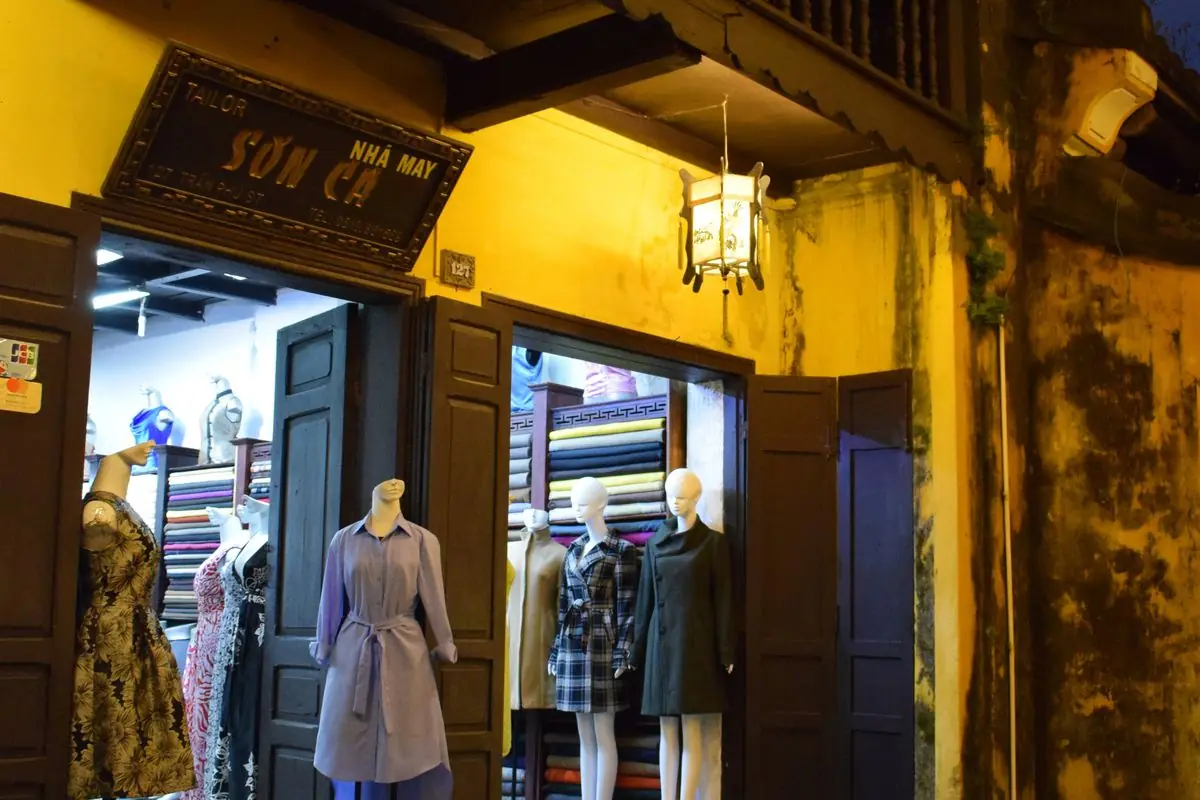
Photo: Mig Gilbert
Can you get clothes tailored in Hoi An in two to four days?
Yes, but the sensible choice depends on the garment. A basic shirt, simple trousers or an uncomplicated day dress can often be made within two days if a fitting slot is available. Three days is a more workable plan for an ao dai or some suits. Four days gives you more time to correct a jacket, a fitted dress or several pieces before you travel onwards.
The mistake is to count sewing hours but forget fitting hours. A tailor can cut and assemble a jacket quickly, yet a jacket that pulls across the chest or sits badly on the shoulders may need another round of work. The same applies to a fitted Vietnamese ao dai: it can look good on a hanger and still be hard to sit in or raise your arms in.
Put the tailor visit at the beginning of your stay. Walk in after checking into your accommodation, or arrange an appointment before arriving if you already know what you want. Do your sightseeing between fittings rather than leaving all the tailoring decisions until your last afternoon. That one scheduling change gives you a much better chance of collecting clothes you genuinely want to wear.
Hoi An's tailoring businesses are concentrated around streets such as Tran Phu, Tran Hung Dao, Le Loi and Nguyen Thai Hoc. This makes it possible to compare fabric samples and quotations without spending your whole day travelling. Two careful consultations, with the same design and fabric requirements, tell you more than ten prices for vaguely different garments.
Hoi An tailor prices in 2026
There is no official citywide price list. Hoi An tailor prices depend on what is being made, the cloth selected, whether there is a lining, the internal construction, the number of design details and the work needed after the first fitting. Use the ranges below to plan a budget; each shop will quote its own price.
| Garment | Indicative 2026 price | Time to allow |
|---|---|---|
| Basic cotton or linen shirt | VND 300,000-850,000 | 1-2 days |
| Made-to-measure trousers | VND 300,000-1,100,000 | 1-2 days |
| Simple daytime dress | VND 500,000-2,000,000 | 1-2 days |
| Lined silk or cocktail dress | Roughly VND 1,500,000-5,500,000; elaborate gowns can cost more | 2-4+ days |
| Simple ao dai in standard fabric | Roughly VND 800,000-2,500,000 | 1-3 days |
| Silk, embroidered or complex ao dai | Can start around VND 2,500,000-3,000,000 and go higher | 2-4+ days |
| Two-piece suit in standard fabric or a wool blend | Roughly VND 3,500,000-6,000,000 | 2-4 days |
| Two-piece suit using imported or premium fabric | Roughly VND 6,000,000-10,000,000 or more | 3-4+ days |
At Kimmy Tailor, suits start from US$179 for a wool blend, US$279 for pure wool and US$350 for merino wool. Linen-cotton shirts start from US$39 and pure-linen shirts from US$49. These are starting prices by fabric; the final price depends on the cut and finish. Dresses, skirts and wedding clothing require an individual quotation there.
Find out which currency the shop will actually charge in. Some shops show US dollars for overseas visitors and Vietnamese dong for local customers. If the card terminal settles in another currency, check the amount and conversion before you approve payment. A rough exchange rate remembered from an earlier trip is no basis for a precise budget.
What makes one suit much more expensive than another?
Fabric accounts for part of the difference, but tailoring is also about what happens inside the jacket. The front can be fused, half-canvassed or fully canvassed, so ask which one you are getting. Those methods involve different materials and amounts of work. The shoulder structure, sleeve setting, lining, buttons and trouser finishing all contribute to the result. A jacket completed quickly should not automatically be compared with a traditional suit constructed over several weeks.
If you are offered “Italian wool”, “cashmere” or “100% silk”, ask to see the fabric composition information, labelled swatch or supplier reference. A soft or shiny surface cannot prove the fibre content. Touch the cloth, hold the sample in natural light and ask how it should be cleaned. Do not try to burn threads or cut a sample yourself in a shop.
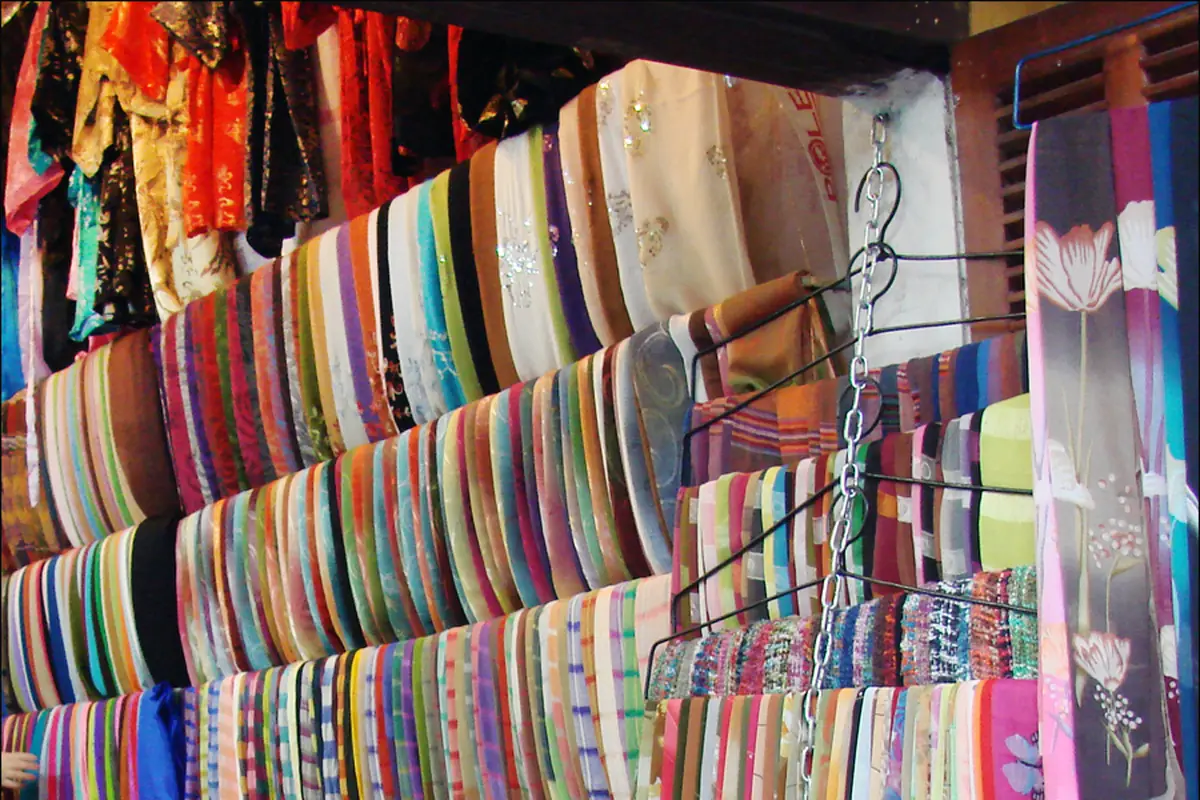
Photo: Jean-Pierre Dalbéra
Prices for women's clothing vary just as much. A straight linen dress without lining is relatively simple to produce. A lined cocktail dress with boning, pleats, a concealed zip or a shaped neckline needs different work. An ao dai with embroidery, a high collar and carefully matched trousers takes more planning than a plain design. Specify the actual garment first; compare the numbers second.
A useful budget conversation is: “Please quote this exact design in two different fabrics, including all fittings and alterations.” It keeps the style consistent, so you can see how much of the difference comes from the material. Still over budget? Ask what can be simplified without compromising the fit. A cheaper lining or fewer decorative details may be a better compromise than cutting the fitting time.
How to choose a Hoi An tailor
Choosing the right shop is less about finding a single winner on a travel website and more about matching the shop to your order. Someone making several office shirts has different requirements from someone ordering a wedding dress or a structured three-piece suit. The staff should understand your garment, explain the fabric and offer fitting times that work with your departure date.
Start with recent photos showing finished clothes on actual customers. Look for a front view, a side view and ideally a back view. Mannequin photos are useful for design ideas but cannot tell you much about a moving person's fit. Read recent reviews for details about alterations and communication rather than relying only on star ratings. A review that explains how a shop fixed a sleeve or corrected a waistline is more useful than one that simply praises the atmosphere.
Kimmy Tailor at 70 Tran Hung Dao has a fixed price list for suits and shirts, so you can set a budget before visiting. BeBe Tailor, with locations at 05-07 Hoang Dieu, 95 Phan Chau Trinh and 40 Tran Hung Dao, works through design consultation, measurements, a first fitting, adjustments and collection. The first fitting there is generally the next day, with another fitting possible after alterations. Either way, check with each shop whether your order can be finished before you leave.
Loading map...
- Kimmy Tailor: 70 Tran Hung Dao, published suit and shirt prices
- BeBe Tailor: 95 Phan Chau Trinh
- BeBe Tailor: 40 Tran Hung Dao
Suit buyers can ask to see a completed jacket. Check the collar, lapels, shoulder shape, lining and stitching. Dresses or ao dai call for examples with similar necklines, closures and fabric weights to yours. A shop that has never made anything close to your reference image is a bigger concern than a small price difference.
Do not choose a shop simply because someone approaches you while you are sightseeing. A recommendation from a hotel, driver or friend can be a useful starting point, but compare the garment and written quotation yourself. A small family operation may handle a straightforward linen order very well. A larger store may be better organised for complex alterations and international customer service. Neither size guarantees quality.
Questions to settle before leaving a deposit
- Which reference photo or sample is the final approved design, and what changes have been agreed?
- What is the exact main fabric, lining, colour and composition?
- Does the quotation include trousers with the ao dai, a waistcoat with the suit, pockets, embroidery, fittings and alterations?
- At what time is the first fitting, when can you return, and what is the latest confirmed collection time?
- What happens if the garment does not fit or is not ready before you leave Hoi An?
- How much is the deposit, when is the balance due, and will you receive a written order record?
Keep photographs of the chosen fabric and written order details. Have each piece itemised when you order several. This prevents confusion when one pair of trousers is ready but a jacket still needs alteration. It also helps if you have to contact the shop from another city or after returning home.
Hoi An tailors for men: getting a suit that actually fits
Searches for Hoi An tailors for men often lead to suit shops, but start with the occasion rather than the shop window. A business suit worn every week needs a different balance of durability and structure from a light summer suit for a wedding or a holiday. Tell the tailor where and how often you expect to wear the garment.
A two-piece suit means jacket and trousers. A three-piece suit adds a waistcoat; request the additional price rather than assuming it is included. Navy and charcoal are versatile choices for work and events. Linen and lighter fabrics may feel more suitable in hot weather, although natural linen wrinkles more readily. Consider whether you want single- or double-breasted, notch or peak lapels, one or two vents and a classic or relaxed fit.
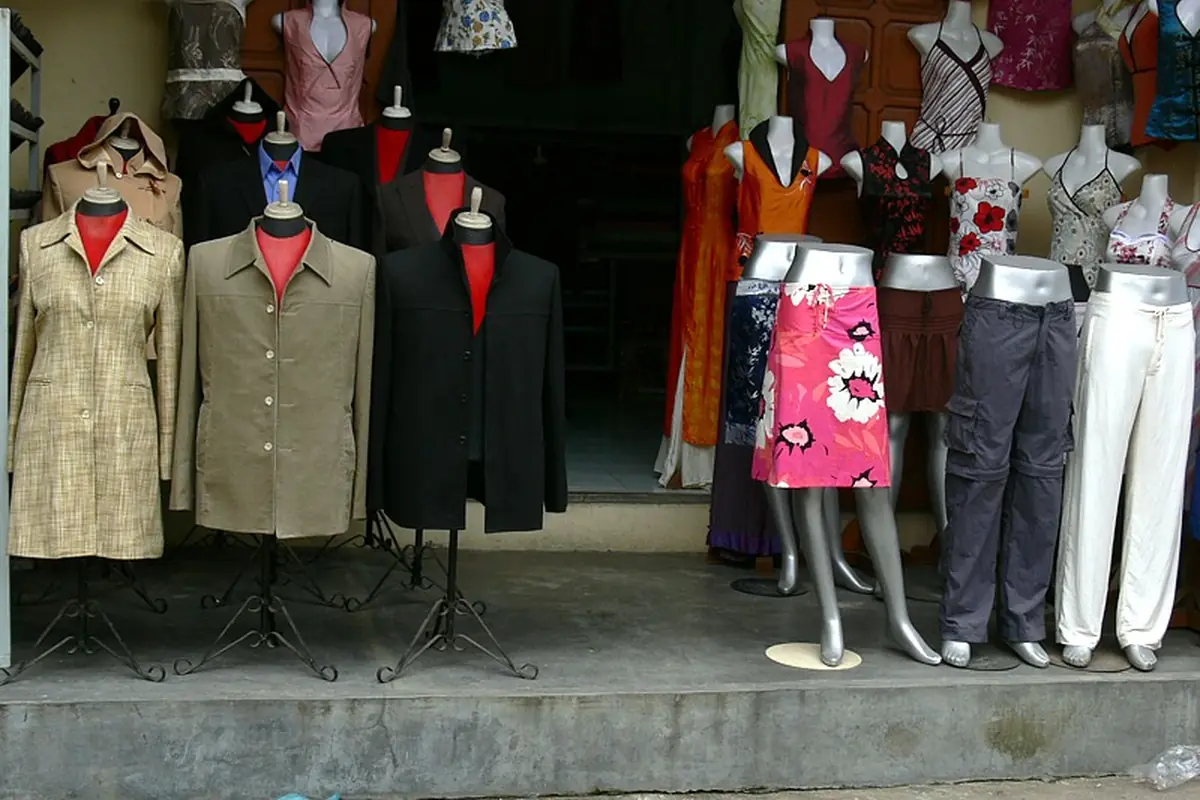
Photo: DIGIBIT.CH
A Hoi An suit tailor should spend time on your shoulder line, chest and armhole, not just your waist measurement. For your appointment, wear a reasonably thin shirt and bring the shoes you plan to wear with the finished trousers. Shoes left at home? Tell the tailor their approximate heel height and shape. Trouser break can look very different over dress shoes, loafers and trainers.
At the first fitting, stand naturally. Keep your shoulders relaxed rather than lifting them to make a jacket look smoother. Check whether the collar sits against the back of your neck, whether the lapels pull, whether the shoulders extend too far and whether diagonal creases appear around the chest or back. Button the jacket, sit down and move your arms through normal positions. You should have comfortable movement without expecting a tailored jacket to feel like a loose sweatshirt.
At the next fitting, pay attention to sleeve length, waist shaping, the trousers' seat and the hem. Get someone to photograph the back. Problems behind the shoulders or around the seat are much easier to identify with a side or rear photo than by twisting in front of a mirror. Correcting an entire shoulder line is generally more involved than shortening trousers, so raise structural concerns as early as possible.
Hoi An tailors for women: dresses, skirts and everyday outfits
Visitors looking for Hoi An tailors for women can order a wide range of clothing, including linen dresses, skirts, blouses, jumpsuits, wedding outfits and eveningwear. The important decision is how complicated the design should be for the number of days available. A simple A-line dress or straight skirt is usually easier to fit quickly than a closely shaped gown with boning, multiple layers or elaborate draping.
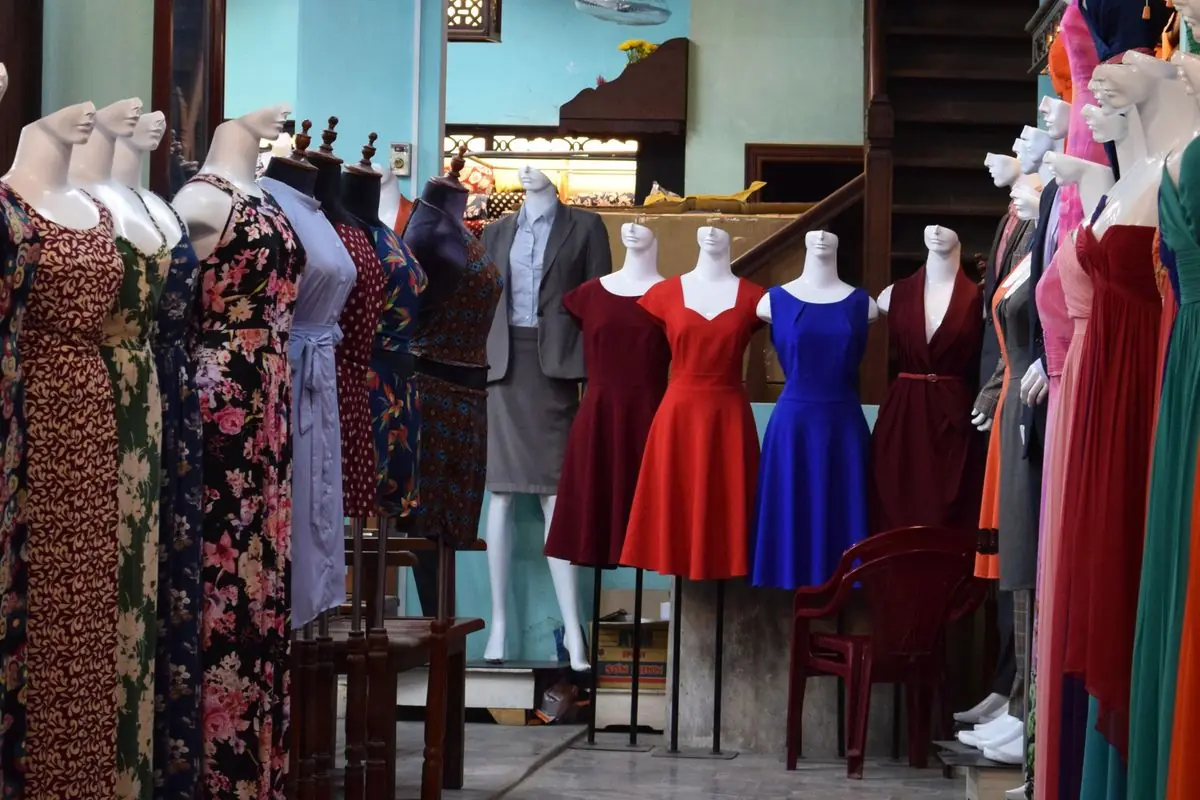
Photo: Mig Gilbert
Bring photographs showing the front and back. If the inspiration image only shows the front, discuss how you want the back to close and sit against your body. Specify the waist position, neckline depth, sleeve length, pockets and whether you want the dress fully or partially lined. A concealed zip, open back or structured bust area can make a substantial difference to the finished garment.
Try sitting down and walking across the fitting room in a fitted dress. An outfit that looks good while standing perfectly still may pull across the hips or ride up when you move. Wear the bra or other undergarments you intend to use with the dress, especially for strapless or open-backed designs. For a long dress, bring your event shoes so the hem can be set correctly.
Fabric needs the same attention as design. Linen breathes well but creases; silk drapes nicely but needs the right care. Smooth synthetic fabric can look like silk without being silk. Ask for the fibre composition and care advice, then decide whether the cloth fits your climate and maintenance preferences. A dress you plan to wear often at home needs a fabric you are happy to clean and store properly.
If you are travelling as a couple or in a group, do not use one person's measurements as a substitute for another person's fitting. Similar standard clothing sizes do not guarantee the same shoulder slope, waist position or posture. Custom tailoring is most useful when those individual differences are actually considered.
Having an ao dai made in Hoi An
An ao dai is the traditional Vietnamese long tunic worn over trousers. Visitors may want one for a wedding, cultural celebration, formal photograph or an outfit to keep and wear later. It is worth choosing a design that suits the actual occasion. A simple modern ao dai can be made more quickly than one with detailed hand embroidery or bridal decoration.
Tell the tailor how much room you want across the chest, waist and upper arms. The garment should have a defined shape while still letting you sit, walk, turn and raise your arms comfortably. A higher neckline needs testing while you turn your head. If the tunic is made from a translucent fabric, ask which areas will be lined and how it looks in daylight.
The trousers are essential to the overall fit. Make sure they are included in the quote, and try them on with the tunic. Wear the shoes you plan to use at the event. Trousers cut for high heels may drag on the pavement when worn with flats. Check that the side openings fall as intended and that the tunic does not pull across the hips when you sit down.
Reference images usually help first-time international visitors more than trying to learn a long list of Vietnamese tailoring terms. Show the exact neckline, sleeve shape, length and colour. Have the staff note the details in a language you both understand. Vietnamese customers who already own a well-fitting ao dai can bring it as a reference, although fresh body measurements are still important.
On a two-day stay, choose a relatively simple fabric and finish, and make sure the shop can offer a fitting. An embroidered bridal ao dai is not the garment to rush through without a trial wear. A less elaborate design that fits well is likely to be more useful than a complicated one collected in a hurry.
How many fittings do you need?
A simple shirt, pair of trousers or relaxed day dress may need one fitting and a final collection check. For a suit, closely fitted ao dai or structured dress, plan for two fitting appointments, with additional adjustment time if necessary. At BeBe, the first fitting comes the following day, with another after alterations; your own schedule still has to be confirmed by the person handling your order.
- First fitting
Fix the proportions
The first fitting is about proportion. Check the shoulders, chest, armholes, waist position, hips, sleeve rotation and the balance of the garment. Tell the fitter exactly where something feels tight or loose. If they pin or mark an adjustment, check that it reflects the change you intended before taking the item off.
- Second fitting
Lengths and final ease
The second fitting is about refinement. Confirm sleeve and hem lengths, final ease, lining, closures and comfort. Sit and reach forward in a shirt to test the back and shoulders. For trousers, check the seat, crotch, knees, pockets and zip while seated. Dresses need a look at the lining and whether the neckline stays in place. Try an ao dai on with tunic and trousers together.
- Collection
Try on every item
Before paying the final balance, put on every finished item. Inspect the front, sides and back. Compare sleeve lengths, button positions and pocket placement. Open and close each zip, test buttons, look for loose threads or stains and inspect the inside seams and hems. Do not sign off on a parcel for international shipping when you have not yet tried its contents.
Speak up about a problem while you are still in the fitting room. A tailor cannot fix a concern you have not described. At the same time, try not to redesign the entire garment at the final fitting. Changing a straight dress into a body-hugging dress or replacing a jacket's lapel style is a different request from correcting the original fit and may cost more time and money.
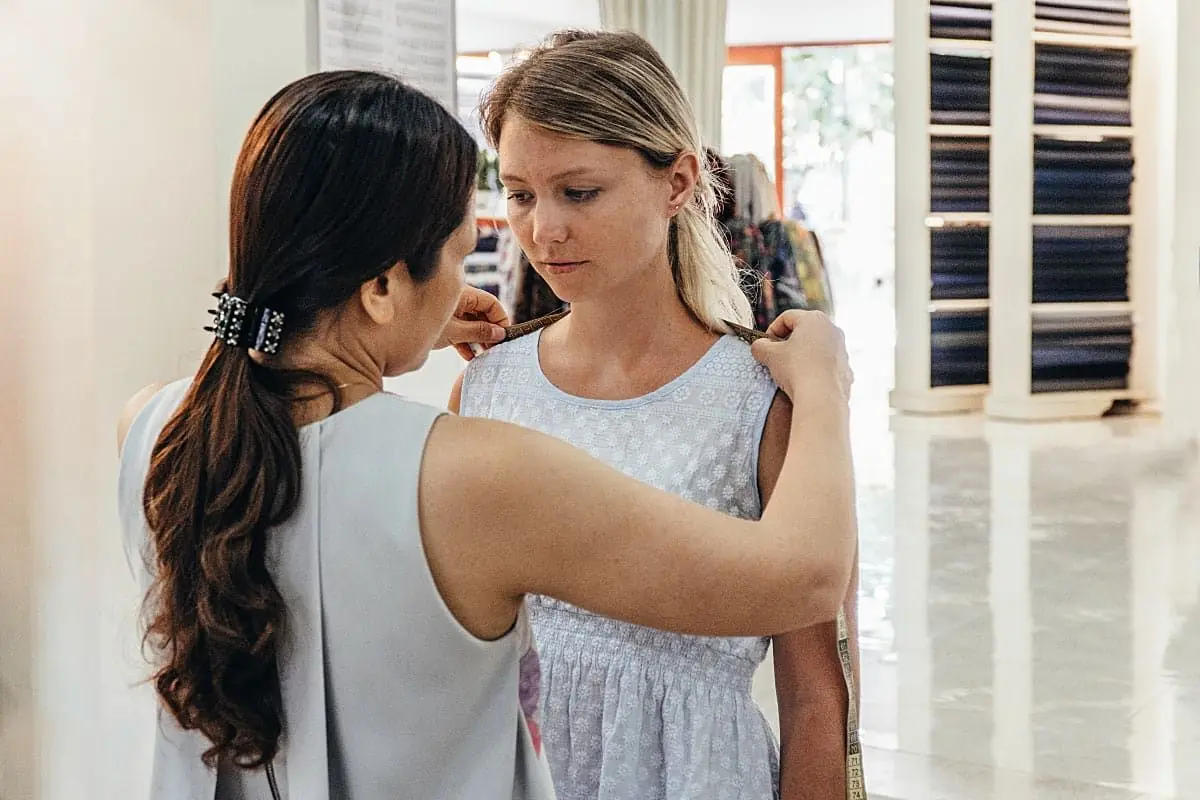
Photo: Wild 'n' Free Diary
A realistic two-, three- or four-day tailoring schedule
| Time in Hoi An | First day | Middle of the stay | Before departure |
|---|---|---|---|
| 2 days / 1 night | Visit early, select a simple garment, agree on price and first fitting | Fit and request minor changes | Collect only after trying it on; avoid complicated suits |
| 3 days / 2 nights | Order on arrival and reserve fitting times | First fitting and essential shape corrections | Second check, finishing adjustments and collection |
| 4 days / 3 nights | Compare shops and place a suit or structured-dress order | First fitting on day two | Second fitting on day three and final collection on day four |
Use these schedules to leave room; each shop sets its own delivery times. Your tailor needs to confirm the actual time of each appointment. When asking, be precise: “Can I come for my first fitting at 10 a.m. tomorrow and collect the finished garment by 4 p.m. on my final day?” A broad promise that something will be ready “soon” is not enough when you have a train, car or flight booked.
Leave space around the appointment. You may spend the rest of the day exploring the old town, visiting An Bang Beach or travelling around the area, but do not book an all-day excursion that conflicts with the fitting. A busy workshop, heavy rain or an alteration that needs to be redone can all affect the timing. Having the shop near your accommodation is useful when several short visits are required.

Photo: Edgardo W. Olivera
For a two-day stay, be realistic about what can go wrong. The most expensive mistake may not be overpaying by a few dollars; it may be leaving town with something you never had time to correct. Choosing one well-made shirt over a rushed three-piece suit is a sensible outcome.
How to recognise poor quality before you take the clothes home
Start by comparing the finished item with the written design. Is the fabric the one selected? Are the agreed pockets, collar, lining and buttons present? Check that the colour matches the chosen sample under good light. Tiny differences in appearance can come from lighting, but a different fabric, major design change or missing feature should be addressed before collection.
Look along the seams. They should be reasonably consistent, without obvious puckering, broken stitches or loose sections. Check whether the hem is level when the garment is worn rather than just when it lies flat. Both trouser legs need to hang evenly. On dresses, pay attention to lining that twists or bunches inside. On jackets, check that the lining does not pull the outer fabric out of shape.
Fit problems deserve separate attention from minor finishing problems. A protruding thread can be trimmed; a badly positioned shoulder may be more difficult to repair. If a garment is uncomfortably tight across a major seam, ask what allowance remains inside and what can realistically be changed. Do not let the discussion end with “it will relax after washing” unless the shop can give a clear explanation that applies to the particular fabric.
A trustworthy fitting discussion should be specific. “We can let out the waist a little and shorten the sleeves” is useful. “Everything is perfect” while you visibly struggle to sit down is not. You are not being difficult by asking to test normal movements in clothing made for your body.
Deposits, payments and written agreements
Deposit policies vary. Ask what the shop requires before work starts, when the remaining balance is due and whether the initial payment is refundable if the shop cannot meet the agreed terms. Have the answer recorded on the order form or in a message. Shops differ on the percentage they ask for and the cards they accept.
Your order record should show your name and contact details, the garment, chosen material, design features, total price, deposit, outstanding balance, fitting appointments and latest collection time. Any change to the colour, lining, embroidery or cut after placing the order needs its extra charge confirmed in writing. This is particularly important when several people are ordering together.
To negotiate fairly, compare like with like. A quote for a wool-blend jacket with a basic lining is not directly comparable to one using premium wool and a more complex internal structure. Ask whether there is a multiple-item discount if you plan to order several pieces, but avoid sacrificing a necessary fitting to achieve a small price reduction.
Keep photographs of your reference design and finished clothing, along with receipts and messages. Those records make it easier to explain any problem that comes up after you leave Vietnam. Ask about the after-sales policy before paying: some tailors may help with later alterations or remote orders, but the scope, postage and local alteration costs differ between businesses.
A large showroom is not a substitute for clear documentation, and a small shop is not automatically unreliable. Judge the business by whether it can explain its materials, show relevant finished work, agree on the delivery schedule and respond sensibly when you point out a problem.
Can Hoi An tailors ship clothes internationally?
Yes, international delivery is available through some tailoring businesses, but you should arrange it as a separate decision from the garment itself. A Dong Silk ships internationally with DHL, charging by destination, method and package weight. The target for eligible shipments is five to seven days. Customs checks and local delivery conditions can stretch that.
Ask for a written estimate showing the destination, packaging, actual and dimensional weight, shipping service, insurance if relevant and the party responsible for import charges. A suit packed in a protective box may cost more to send than its scale weight suggests. Dimensional weight can push up the charge, so a price for “one kilogram” won't predict the final bill on its own.
Travellers returning to the United States, Europe, Australia, Singapore or elsewhere need to check the import rules that apply to their own destination and circumstances. Provide the recipient's full legal name, address, postal code and telephone number with country code. Find out who will contact you if customs needs more information and how you can track the parcel.
Photograph the completed garments before they are packed, keep your receipt and save the tracking number. Have the contents of a multi-piece parcel itemised. It helps to know whether the shop will send a photo of the sealed box and when the package will be handed to the courier. These are simple safeguards for a purchase you may not be able to inspect in person again.
Shipping can be convenient when your suitcase is full, but do not send an untested suit or dress just to save time. Complete the fittings before the parcel leaves the shop. For a particularly important wedding outfit or expensive garment, carrying it yourself may be preferable because you remain in control of the final inspection and arrival date.
What if the parcel arrives and something does not fit?
Contact the tailor promptly with the order details, photographs of the full garment being worn and close-ups of the problem. Ask whether the proposed solution is local alteration, returning the item or remaking part of it. Confirm who pays each cost before taking action. Avoid making irreversible alterations before the shop has reviewed the issue, since that can complicate the discussion.
Some shops keep your measurements for future orders, though your body, preferred looseness and footwear may change. A reorder from home needs updated details; consider starting with a design already made successfully for you rather than an unfamiliar complicated cut.
What to bring to the fitting appointment
Save two or three reference images showing the garment from more than one angle. Bring any item that already fits you well. It gives the tailor a tangible reference for shoulder shape, sleeve length, waist position and how much ease you like. You can also show a care label to indicate the fabric composition you are comfortable wearing.
Take the shoes and underlayers intended for the finished outfit. This matters for trouser lengths, full-length dresses and ao dai. Using the same undergarments at the measurement and final fitting of a fitted dress prevents a small but noticeable change in the silhouette. With a suit, decide in advance whether you will wear a tucked-in shirt and belt or braces.
Prepare a short list of things you do not want: shoulders that extend too far, a collar that presses against your neck, sleeves covering your hands or a dress too tight to sit in. Specific boundaries are easier to communicate than saying only that you want the garment to “look elegant”. Pointing to a photograph and describing how you expect to move in the clothing works better than specialist tailoring vocabulary.
On a fixed budget, start with your most important item. Ordering one well-fitted pair of trousers, shirt or dress lets you see how the workshop handles measurements and corrections. Adding more garments makes sense only if the remaining days and confirmed fitting schedule can support them.
Choose the right option for your trip
With two days, focus on shirts, trousers or simple dresses. Three days can work for an ao dai or some suits if two fitting slots are confirmed. With four days, you have more room for a structured suit or fitted dress. Order early, keep the price and deadlines in writing, and collect or ship only after the final try-on.
FAQ
How much do Hoi An tailors charge in 2026?
As a broad guide, a basic shirt may cost VND 300,000-850,000, a simple dress VND 500,000-2,000,000, a standard ao dai roughly VND 800,000-2,500,000, and a two-piece suit approximately VND 3.5-10 million depending on fabric. Premium work can cost more. Get a written quote for the exact garment; the lowest price you saw may not apply.
Can a Hoi An suit tailor finish a suit in two days?
Some shops offer fast production, but two days give very little room to correct a jacket's shoulders, chest and armholes. A simpler shirt or pair of trousers is a safer choice on a one-night stop. If you do order a suit, confirm the fitting appointments and collection deadline before paying a deposit.
Which Hoi An tailors are suitable for women?
Look for recent examples of the type of dress, skirt, blouse or ao dai you want. Ask to inspect the cloth and talk through the neckline, lining, closure and fitting schedule. A shop's experience with women's formalwear matters more than a generic “best tailor” label.
Is an ao dai quote normally for the tunic and trousers?
Not always. Ask for an itemised price covering the tunic, trousers, lining, embroidery and fittings. Try the complete outfit with the shoes you intend to wear so the trouser length and side openings can be checked together.
Can the shop send my suit or dress home after I leave Vietnam?
Some tailors arrange DHL or other international shipping. Obtain the cost for your destination and packed dimensions, confirm tracking and accurate customs paperwork, and check import taxes in your country. Finish the fittings before the parcel is dispatched.
Related posts

Road trips
How to pick a Sapa trekking route that fits your fitness and time
Find the right Sapa trekking route for your fitness, schedule, and travel style, from Lao Chai-Ta Van to overnight village hikes.

Guides
The Reunification Express route worth choosing for first-time Vietnam train travel
A practical guide to Vietnam's north-south trains, fares, berths and routes.

Guides
Plan your 10 days in Vietnam with three routes that actually work
Three practical ways to spend 10 days in Vietnam without changing hotels every night.