A great ao dai photoshoot starts with the right city and time, not expensive equipment
Hanoi's Temple of Literature opens at 8:00 AM, while Hoi An's yellow streets are accessible much earlier. That difference matters when you want soft morning light and fewer people in your photographs.
Written by Tụi mình mê biểnUpdated
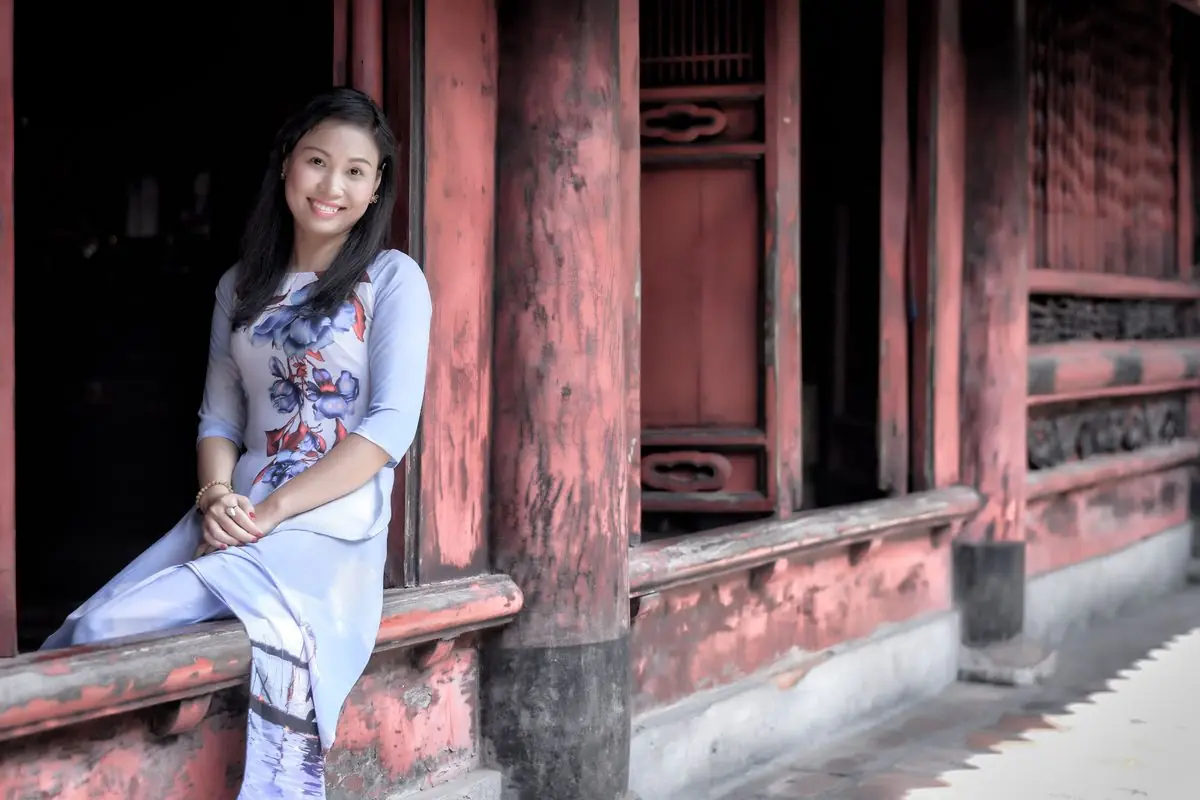
Photo: cloud.shepherd
An ao dai photoshoot is one of the most memorable ways to capture a trip to Vietnam, but the location matters as much as the outfit. Choose Hanoi for elegant streets and historical landmarks, Hue for imperial architecture, or Hoi An for yellow walls and traditional shopfronts. Ho Chi Minh City has urban portrait backdrops, while Nha Trang works well for an ao dai photoshoot by the sea.
Good photographs do not require a full production team. A well-fitted ao dai, one main location and 60-90 minutes of suitable light can be enough for a solo session. Graduation classes, families and larger groups need more planning, and historic sites add another layer of rules.
Where is the best place for an ao dai photoshoot in Vietnam?
There is no single winner. Vietnam has several very different settings for traditional dress photography, and each works better for certain outfits and occasions.
| City | Recommended locations | Best for | Suggested timing |
|---|---|---|---|
| Hanoi | Hoan Kiem Lake, Temple of Literature, Thang Long Imperial Citadel, Opera House | Classic portraits, graduation photos | Early morning; September-November |
| Hue | Imperial City, Ngo Mon Gate, Truong Tien Bridge, Thien Mu Pagoda | Traditional and imperial architecture | Morning; March-April |
| Hoi An | Tran Phu, Nguyen Thai Hoc, Bach Dang, Japanese Covered Bridge | Yellow walls, lanterns, old streets | 6:30-8:30 AM; February-April |
| Ho Chi Minh City | Central Post Office, Opera House, Ao Dai Museum | Urban portraits and vintage styling | 7:00-9:00 AM; drier months |
| Nha Trang | Tran Phu Beach, Tram Huong Tower, Hon Chong, Po Nagar | Coastal portraits and travel photos | Early morning; January-August |
These times are photography recommendations; check each attraction's opening hours separately.
Hoi An is usually the easiest city to arrange an ao dai photoshoot on a first trip to Vietnam. Rental shops are close to the old town, and several attractive backgrounds are within a short walk of one another.
Hanoi gives you more variety, but moving between locations requires additional planning. The Temple of Literature and the Old Quarter, for example, should not be treated as two stops you can comfortably cover in a rushed half-hour.
Hue is the pick for photographs that emphasize Vietnam's imperial heritage. The setting is impressive, but the historical sites are large and involve more walking.
With an itinerary already set, arrange the photoshoot in a city you plan to visit instead of crossing the country solely for pictures.
Ao dai photoshoot in Hanoi: old streets and historic landmarks
Hanoi has a distinctive visual character. Lakeside paths, old residential buildings, wooden doors and historic monuments give traditional Vietnamese clothing a natural setting.
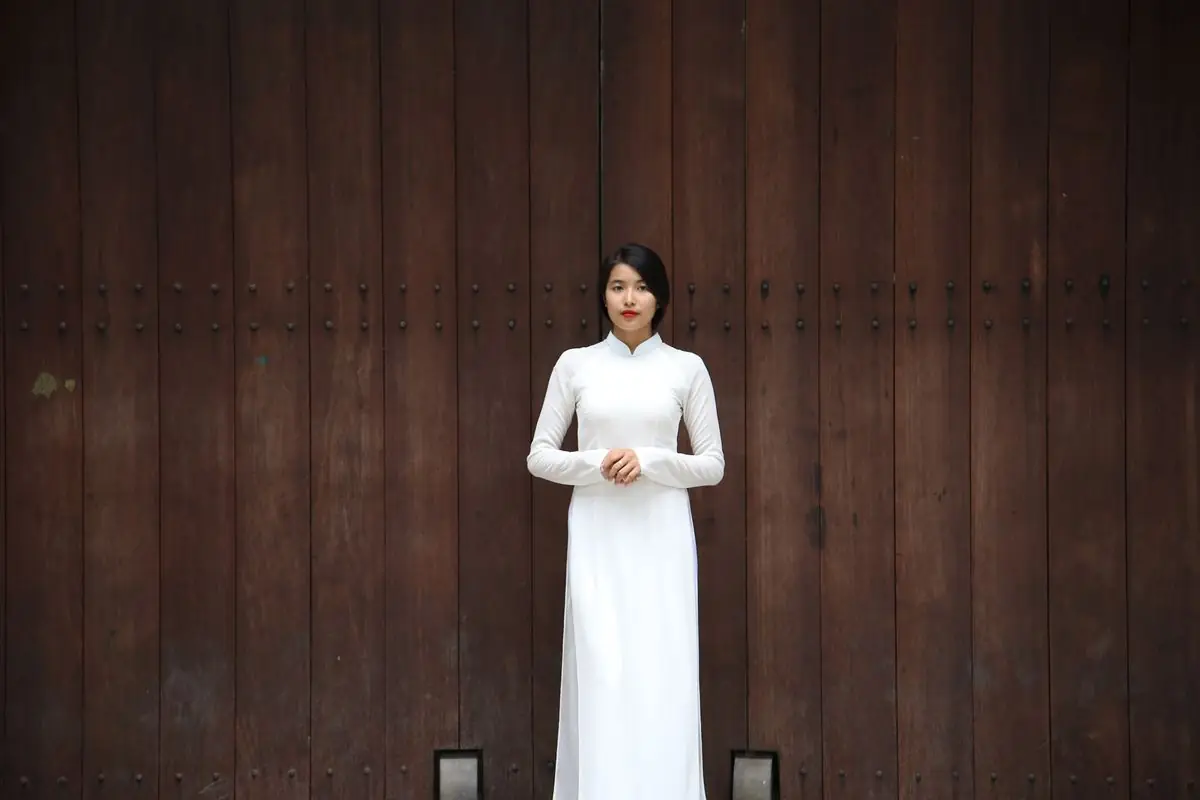
Photo: Anh Q Tran tranquynhanh012
You can build a simple photography route around Hoan Kiem Lake or spend a longer session inside a major heritage site.
Hoan Kiem Lake and the Old Quarter
Natural portraits, no ticket needed
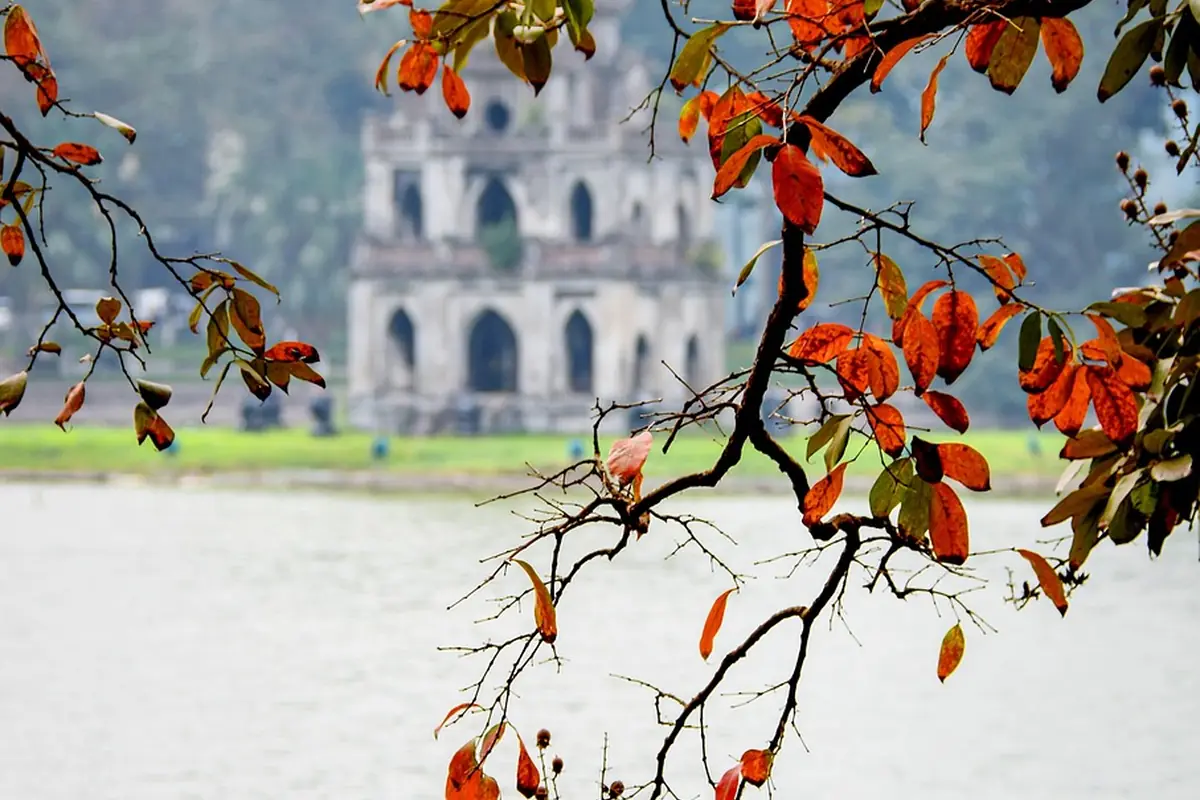
Photo: haphamcamera
Hoan Kiem Lake is a good starting point for a first ao dai photoshoot in Hanoi.
Arrive around 6:30-7:00 AM if the weather is suitable. The light is softer than at midday, and the surrounding streets may be easier to photograph before the busiest part of the day.
Look for backgrounds with trees, the lake, and views toward the red The Huc Bridge. Nearby streets with traditional shopfronts and older buildings add variety.
A white, cream, pale blue or deep red ao dai works well in this area.
You can start with standing portraits beside the lake, then try walking shots along a quieter pavement. Small movements tend to look more natural than a series of complicated poses.
Be careful around traffic. Pedestrian arrangements change by day and event, so expect some streets near the lake to stay open to vehicles.
A 60-90-minute session gives one person or a couple a useful mix of full-length and close-up images.
Temple of Literature
Graduation favorite, open 8:00 AM-5:00 PM
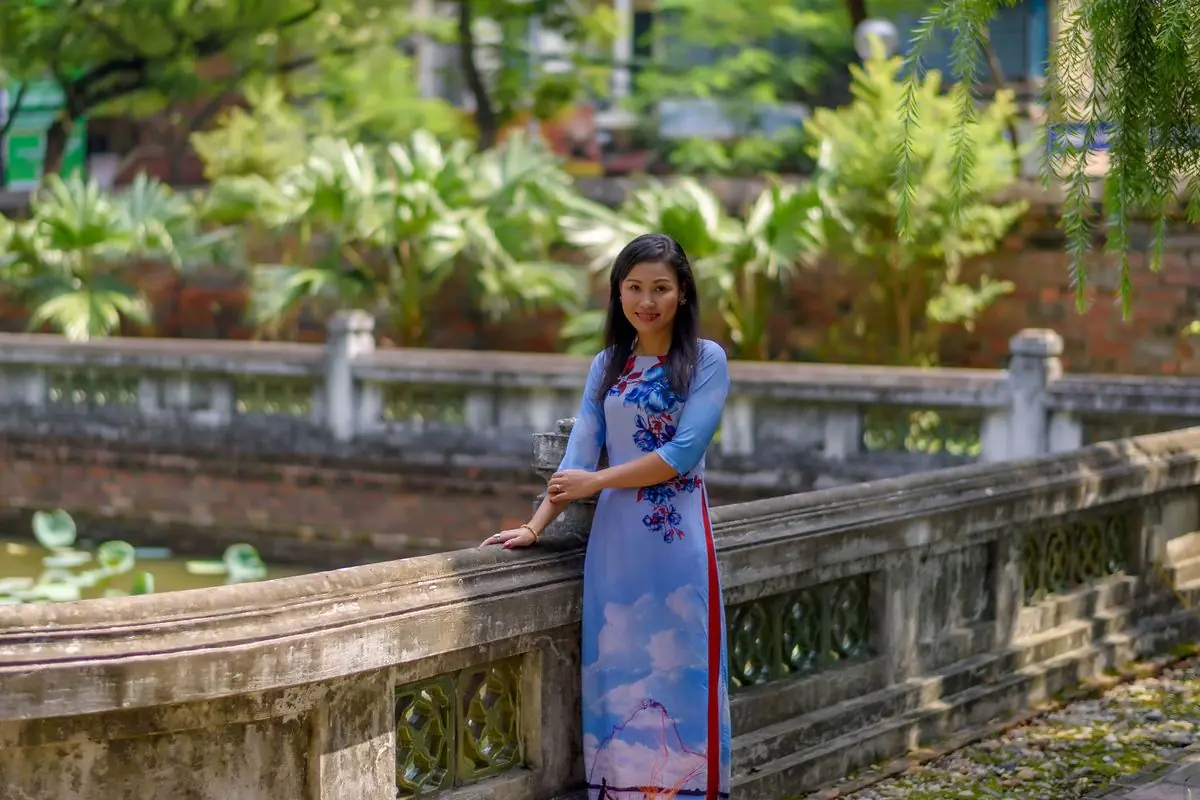
Photo: cloud.shepherd
The Temple of Literature, also called Van Mieu - Quoc Tu Giam, is one of Hanoi's most recognizable heritage sites.
Its tiled roofs, courtyards, gateways and traditional architecture make it popular for graduation photographs and formal portraits.
Temple of Literature visitor information for 2026:
- Daytime visiting hours are 8:00 AM-5:00 PM daily.
- Standard adult admission is VND 70,000.
- Eligible students in Vietnam can receive a reduced VND 35,000 ticket with the required identification.
- Children under 16 get in free.
A personal photoshoot works best entering close to 8:00 AM and allowing about 90 minutes.
Do not build your schedule around a sunrise session inside the complex. The grounds are not open for ordinary daytime visits before their published opening time.
An admission ticket allows you to visit the site under its rules. It should not be taken as automatic permission for a large commercial photoshoot, extensive equipment or a graduation production.
Contact the management team first about bringing a photographer and several assistants.
Thang Long Imperial Citadel
Wide compositions and group shots
The Thang Long Imperial Citadel is a good choice for wider compositions and group portraits.
Its historic gates, courtyards and architectural features provide room for full-length photographs and carefully arranged group shots.
Standard admission is VND 100,000 per visitor, effective from January 1, 2025. Opening hours are 8:00 AM-5:00 PM.
The management's visitor regulations also address filming, equipment and preservation of the monument. Filming and film production require relevant authorization, and drones are prohibited within the heritage complex.
A graduation or commercial photo session may fall under different rules from ordinary tourist photographs, so ask the management what applies to your activity.
Hanoi Opera House and the French Quarter
Formal urban backdrop
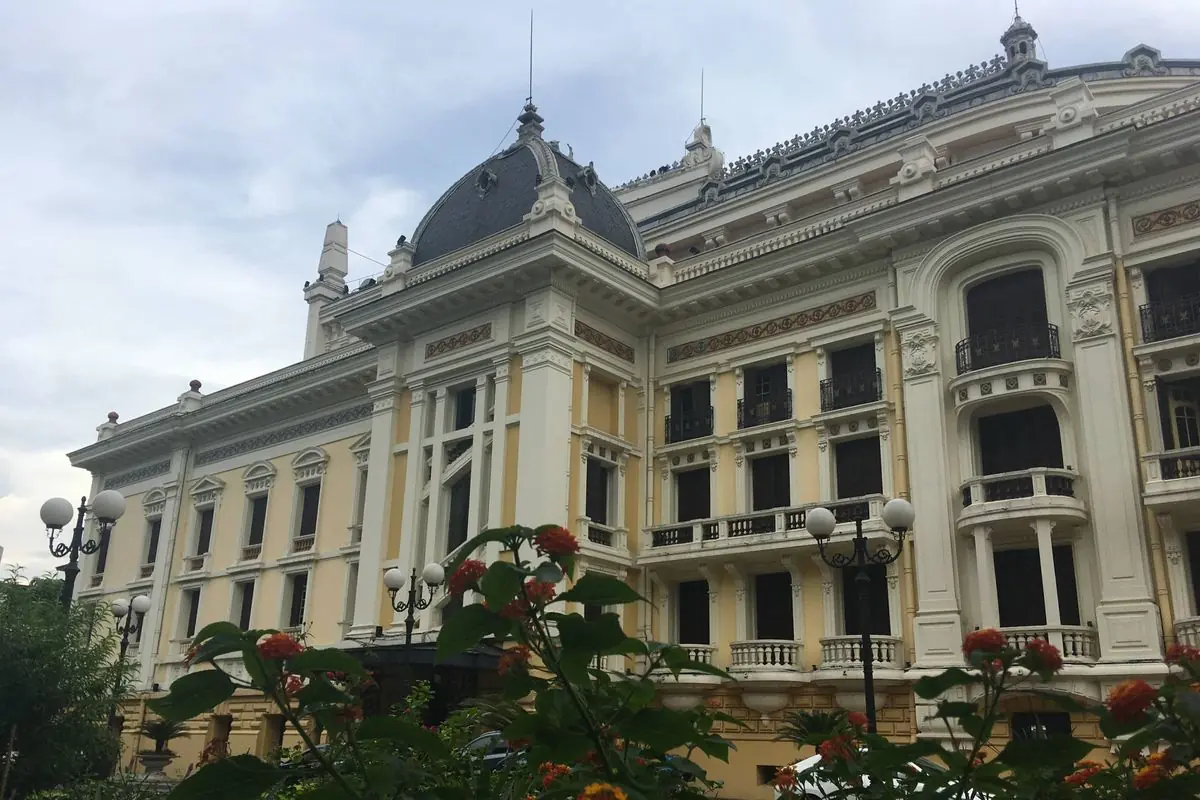
Photo: Christophe95
The area around the Hanoi Opera House gives a more formal urban background.
The building's large columns and classical facade work well with a plain ao dai, simple shoes and understated accessories.
Portraits taken from accessible public spaces can provide a different look from those at the Temple of Literature.
Avoid blocking entrances, using restricted steps or entering event spaces without permission.
The lake and the Opera House work as two nearby locations on a compact route. Adding several other attractions often leaves less time for photography.
Ao dai photoshoot in Hue: Vietnam's imperial setting
Hue is especially suitable for traditional Vietnamese portraits.
The city's imperial architecture, old gates and riverside scenery create a setting that feels different from Hanoi's streets or Hoi An's trading houses.
Hue's historical atmosphere beats a modern city backdrop.
Hue Imperial City and Ngo Mon Gate
Allow two hours, adult ticket VND 200,000
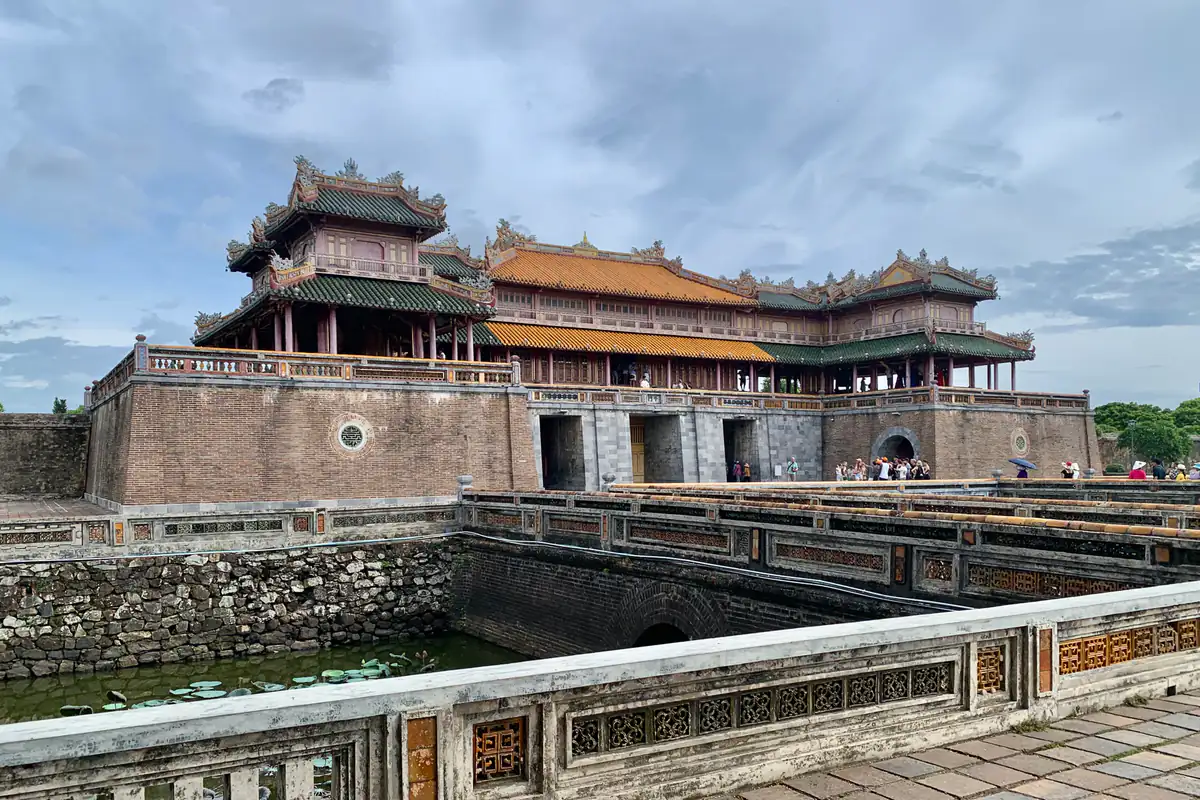
Photo: Chainwit.
Ngo Mon Gate is one of the city's defining landmarks. Its grand entrance and the surrounding architecture provide an obvious starting point for a traditional outfit photoshoot.
Inside the Imperial City, corridors and courtyards offer different compositions, although access depends on the visitor route and current restrictions.
Allow around two hours if you want time to walk, adjust your outfit and take photographs without rushing.
The adult ticket for Hue Imperial City is VND 200,000 under the pricing effective January 4, 2026.
That price covers admission only.
Agree on the meeting point and equipment with your photographer in advance. Check with the site's management about any requirements for organized or commercial photography.
Avoid scheduling the main outdoor session around midday during the hot season. Hue can become very uncomfortable when you are wearing several layers of clothing and walking between large courtyards.
Truong Tien Bridge and the Perfume River
Softer, less formal portraits
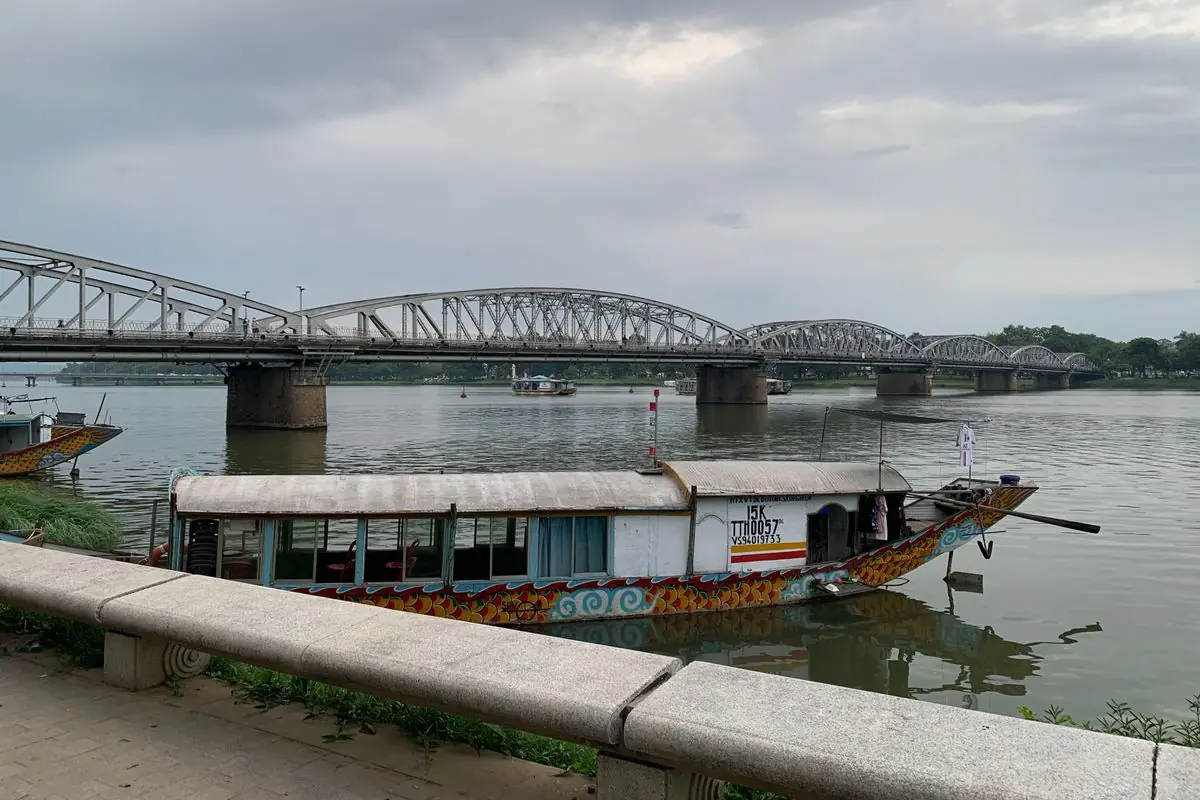
Photo: Chainwit.
Not every photo in Hue needs an imperial building behind it.
Truong Tien Bridge and the Perfume River offer a softer, less formal style. A simple ao dai, a small bouquet and a riverside walkway can produce excellent portraits.
Early morning or late afternoon is preferable to harsh midday sunlight.
Stay on safe pedestrian paths and do not step into traffic for a photograph. A wide-angle background is not worth standing on a busy road.
A good plan is to make the Imperial City your main location and add riverside photographs only if there is enough time.
Thien Mu Pagoda
Active religious site, keep it low-key
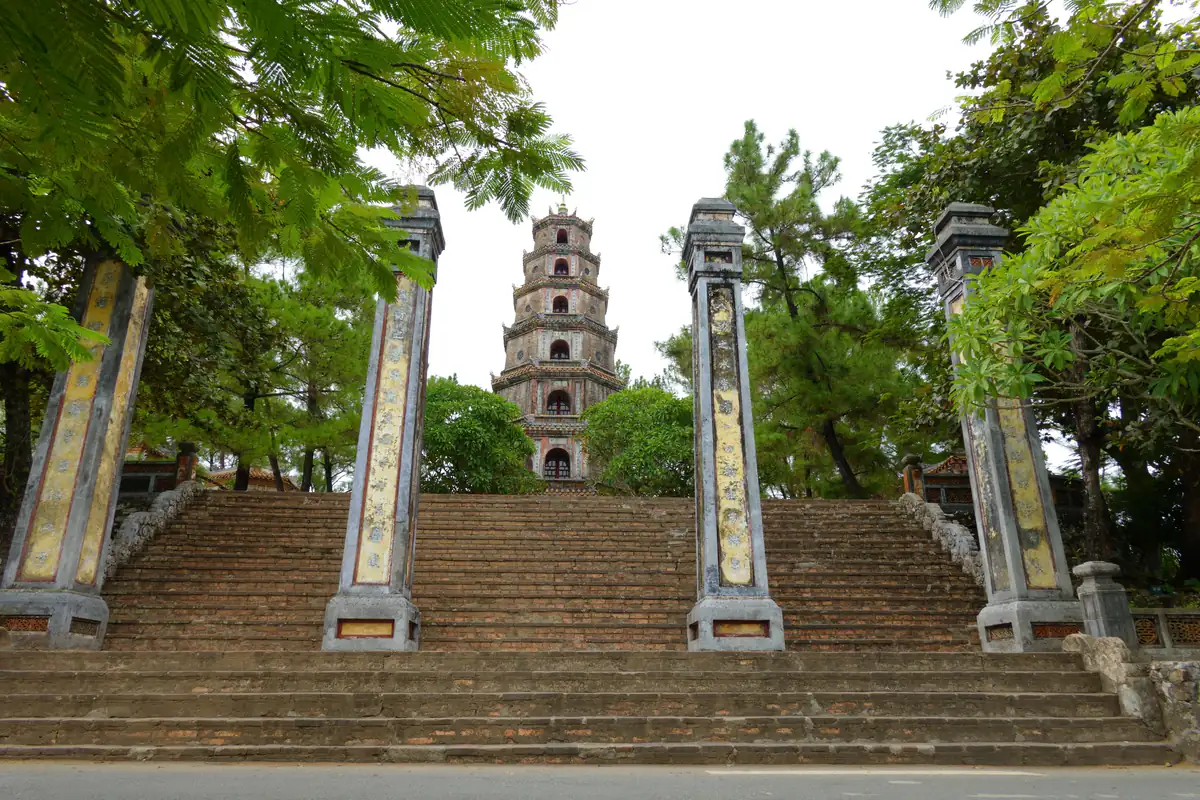
Photo: Gaodanielbo
Thien Mu Pagoda is one of Hue's well-known religious landmarks, with the Phuoc Duyen Tower as its most recognizable feature.
It can be an appropriate place for respectful personal photographs, depending on the area and the rules in force during your visit.
However, it is an active religious site. Visitors may be praying or taking part in ceremonies, and photo activities must not disturb them.
Avoid blocking entrances, staging elaborate poses in worship areas or using intrusive lights.
An extended fashion-style session belongs at a permitted heritage or public urban location instead.
Ao dai photoshoot in Hoi An: the easiest option for visitors
Hoi An is one of the most practical places to arrange an ao dai photoshoot in Vietnam.
The old town is compact, costume rentals are easy to find, and traditional wooden houses sit alongside yellow walls, narrow streets and lantern displays.
You can create several different-looking photographs without spending much time in a taxi.
That makes Hoi An a natural fit for international visitors who want to try an ao dai for the first time.
The best streets for photos
Tran Phu Street is a good choice for classic Hoi An backgrounds. Look for traditional wooden doors, yellow walls and simple sections of old architecture.
Nguyen Thai Hoc Street works well for walking portraits, especially if you prefer a more everyday atmosphere.
Bach Dang Street offers riverside views and more open space for full-length photographs.
The Japanese Covered Bridge area is an iconic background, although it can become busy. Photograph the bridge from a suitable public position without blocking other visitors or restricting movement.
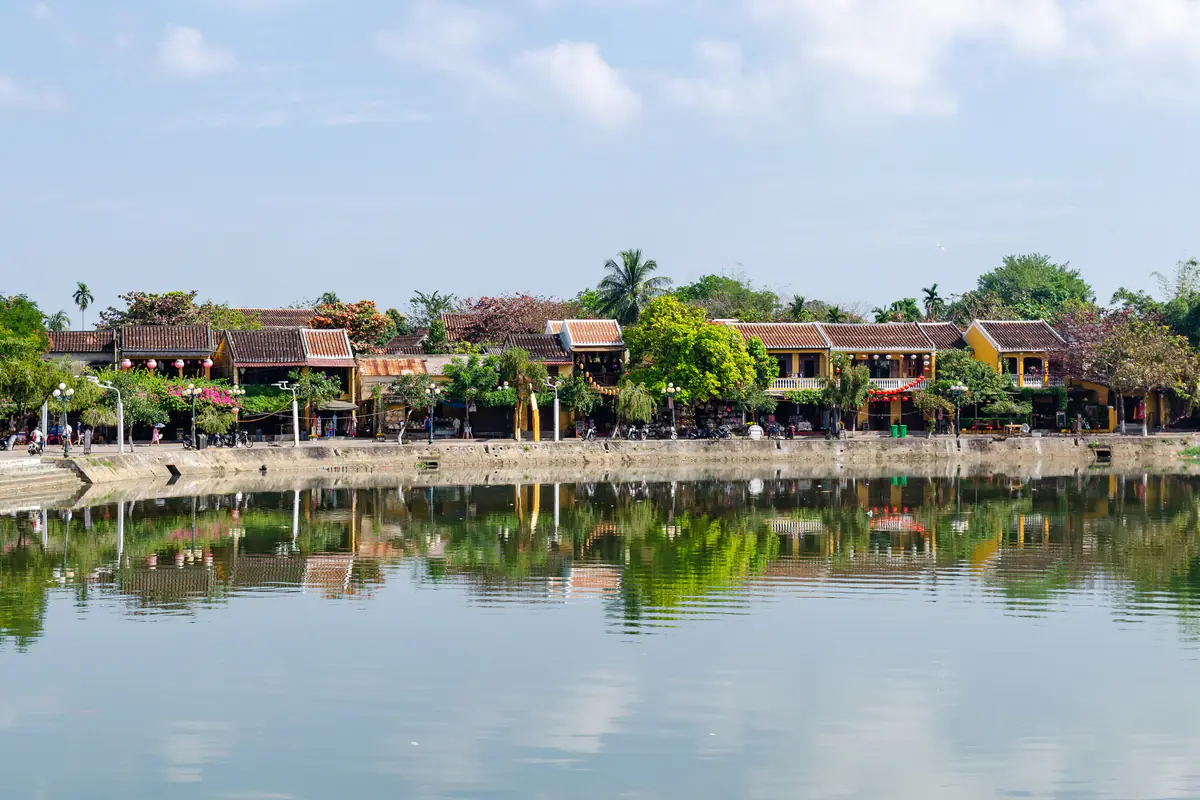
Photo: Steffen Schmitz
A short morning session can begin on Tran Phu Street, continue to Nguyen Thai Hoc, and finish near the river.
Skip the urge to cover every famous street. Three distinct backgrounds are usually more useful than dozens of photographs taken while constantly moving.
What time should you start?
For outdoor street photographs, around 6:30-8:30 AM is a practical window.
The morning light helps bring out the warm color of the buildings without producing the strongest midday shadows.
You are also more likely to find quieter sections of street before the main daytime crowds.
This does not mean the old town is empty in the morning. Other photographers, local residents and visitors also use the streets.
What about lantern photos at night?
Evening photographs have a different appeal.
Hoi An's lanterns and reflections can look attractive after dark, but crowds are heavier and the available light is weaker.
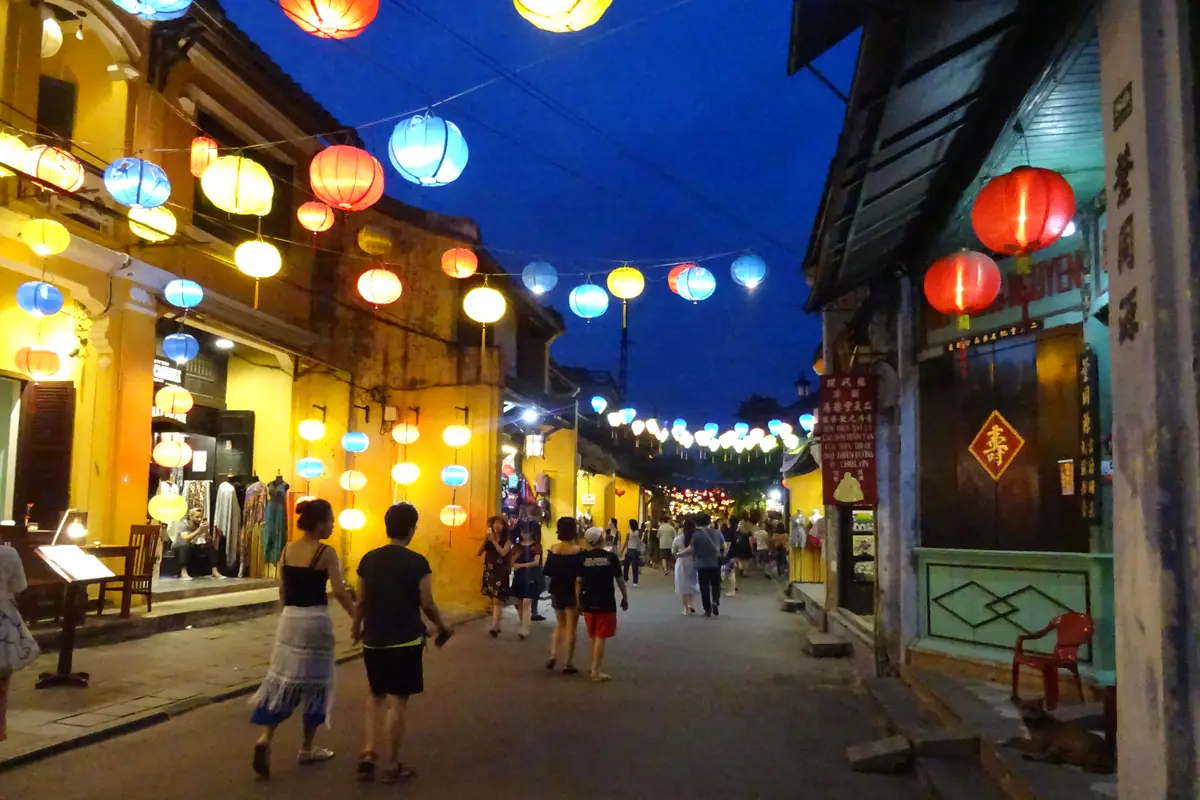
Photo: Christophe95
For smartphone photography, find a well-lit location and avoid excessive digital zoom.
A photographer with experience in low-light portraits will be useful if you specifically want an evening session.
Do not use bright flashes directly toward other visitors or set up equipment that blocks public walkways.
Hoi An Old Town entrance tickets
Hoi An Old Town's ticket update of March 16, 2026 lists VND 80,000 and VND 120,000 options, covering different combinations of heritage attractions and experiences.
These are visitor ticket categories. They are not a blanket commercial photography permit.
If you plan to enter an old house, assembly hall or other ticketed site, confirm what your ticket covers and whether photography is permitted in the relevant areas.
Groups using significant equipment should contact the venue before arriving.
Renting an ao dai in Hoi An
Several rental shops operate around the old town, many of them near Phan Chau Trinh and Tran Phu.
In 2026, a traditional ao dai in Hoi An rents for approximately VND 80,000-150,000 per day.
Designer outfits and certain historical costume sets cost approximately VND 200,000-400,000 per day.
Rates vary from shop to shop.
Some rentals include accessories such as a conical hat or fan, while others charge separately. Confirm exactly what is included.
A daily rental may also end when the shop closes, well short of 24 hours.
Before an early morning shoot, ask whether you can collect the outfit the previous evening and whether that counts as an additional rental day.
Ao dai photoshoot in Ho Chi Minh City
Ho Chi Minh City offers an urban alternative to Vietnam's historic towns.
The city's older central buildings, busy streets and cultural spaces work well for traditional outfits styled with a modern touch.
If you are staying in central Saigon, it is possible to arrange a short session without visiting distant attractions.
Saigon Central Post Office
Try 7:00-8:30 AM
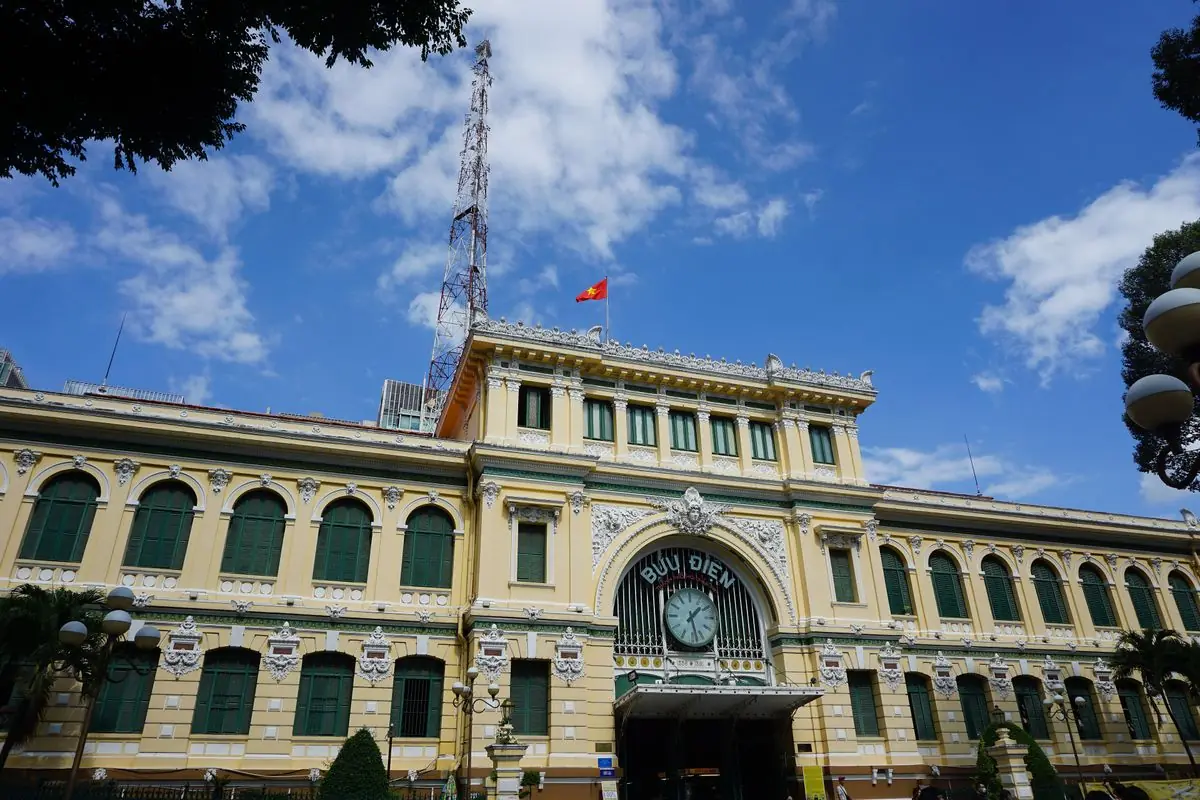
Photo: Yesvn123
The Central Post Office has a distinctive yellow facade and architectural details that make it a recognizable photography location.
Morning is usually preferable to midday. Try approximately 7:00-8:30 AM if weather conditions are suitable.
A white, pale green or deep red ao dai will stand out against the building's exterior.
Use accessible public spaces and keep entrances clear.
Notre Dame Cathedral is nearby, but its appearance may be affected by restoration works. Check its current condition before planning photographs that depend on an unobstructed view.
Nguyen Van Binh Book Street can also provide a quieter background, provided you respect businesses and other visitors.
Ho Chi Minh City Opera House
Full-length and half-body portraits
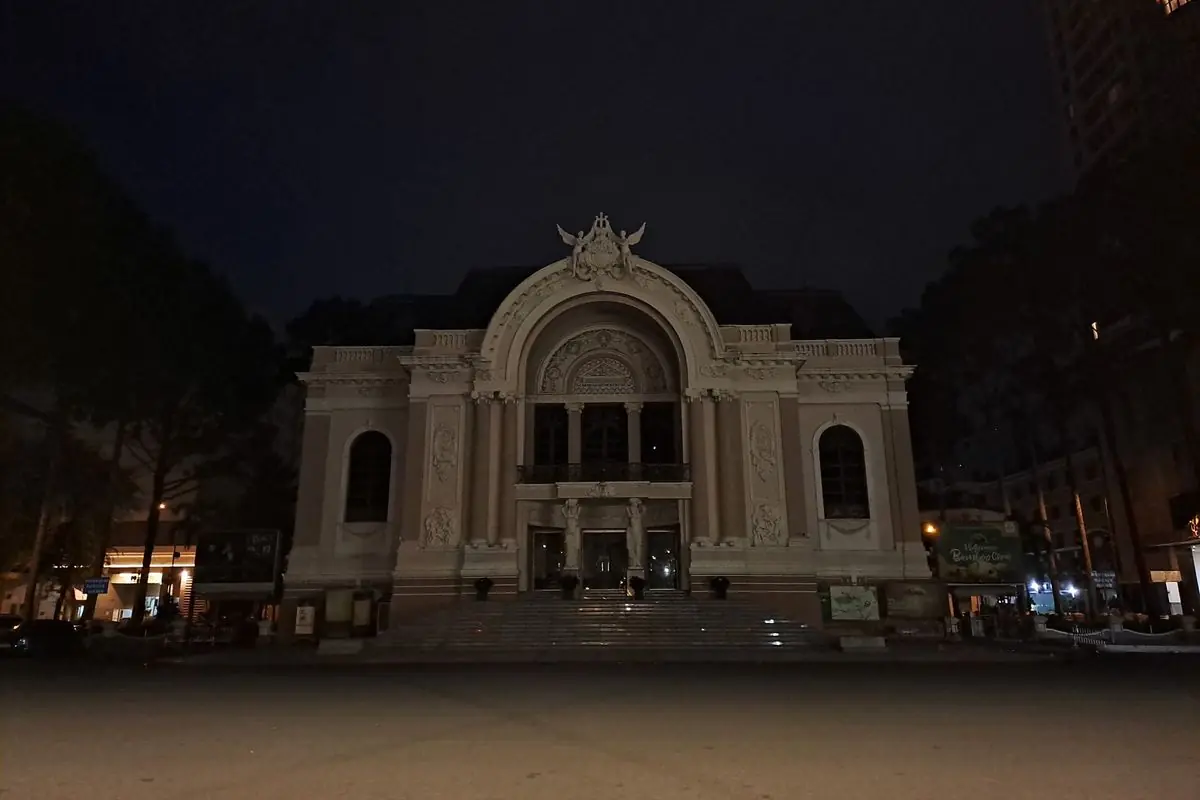
Photo: Trung geo
The Opera House offers a formal architectural setting for full-length and half-body portraits.
A simple ao dai with limited accessories often looks better here than a heavily decorated outfit.
Because this is a central urban area, choose safe standing positions and remain aware of traffic.
Steps, interior spaces and event entrances may be off limits for photography.
Ao Dai Museum
206/19/30 Long Thuan Street, 8:30 AM-5:30 PM
The Ao Dai Museum offers a setting directly connected with Vietnamese traditional dress.
It is located at 206/19/30 Long Thuan Street, Long Phuoc area, Ho Chi Minh City.
The museum combines displays about the ao dai with traditional architectural features and garden areas.
General admission in 2026 is approximately VND 50,000, with a VND 30,000 category for eligible students and other qualifying visitors.
Visitor hours are around 8:30 AM-5:30 PM, but you should confirm the operating day before traveling.
The museum is not next to the Central Post Office, so it is better treated as a separate outing.
Ask about any additional charges for costume rentals, makeup or organized photography, since standard admission may not include them.
Ao dai photoshoot in Nha Trang: portraits by the sea
Nha Trang has a very different atmosphere from Hanoi, Hue or Hoi An.
Its strongest advantage is the coastline. A traditional ao dai can create an interesting contrast with the blue sea, sandy beaches and morning sunlight.
This works especially well for travelers who want both beach holiday photographs and a few memorable traditional portraits.
Tran Phu Beach
Easiest from central hotels, start 6:00-7:00 AM
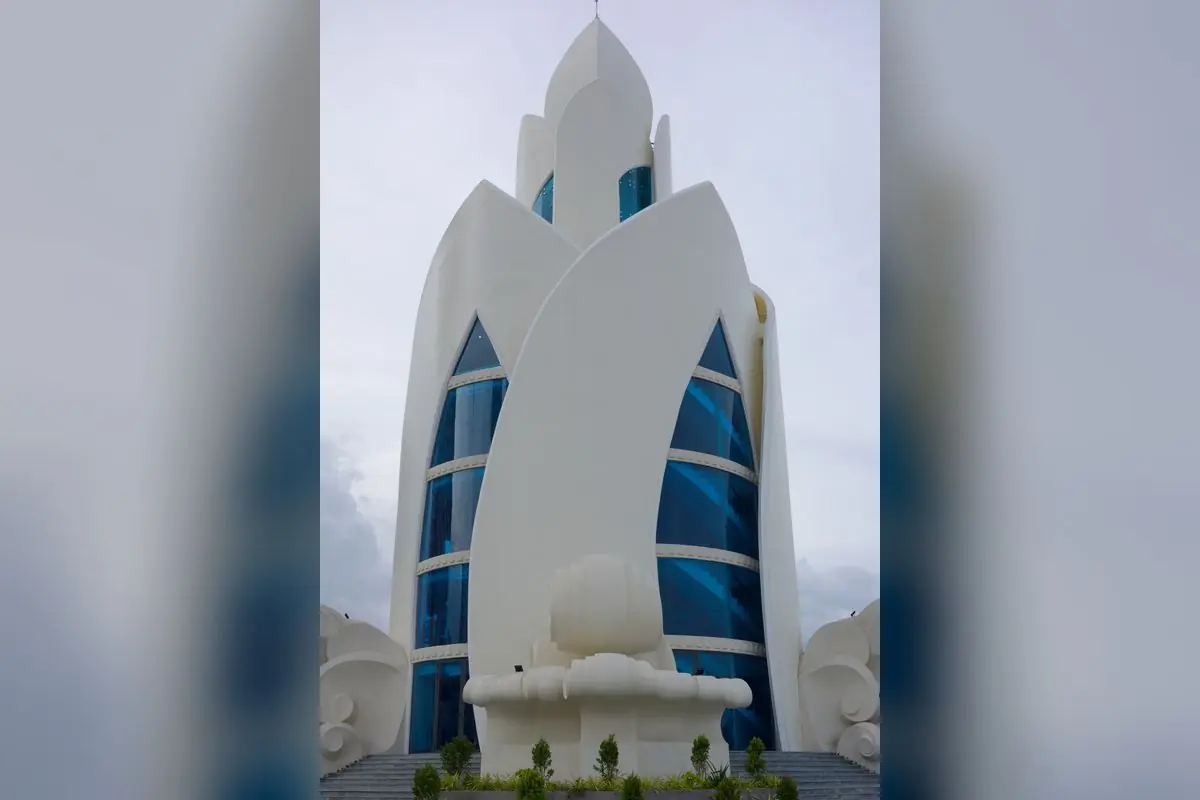
Photo: Leonid
The beachfront along Tran Phu Street is the simplest location if you are staying in central Nha Trang.
Start around 6:00-7:00 AM, adjusting for the actual sunrise time and weather.
The beach faces broadly east, making morning a useful time to consider for coastal photographs.
White, cream and pale blue outfits work well against the sea.
Choose a dry, firm section of sand if possible. Long trousers and flowing fabric can be difficult to manage on wet ground close to the water.
Avoid letting the lower part of a rented outfit drag through the surf.
Wet lightweight material can become transparent, so plan your clothing layers carefully.
The nearby Tram Huong Tower area can provide a recognizable city background if you want something beyond the beach.
Hon Chong
Rocks and sea, best for standing poses
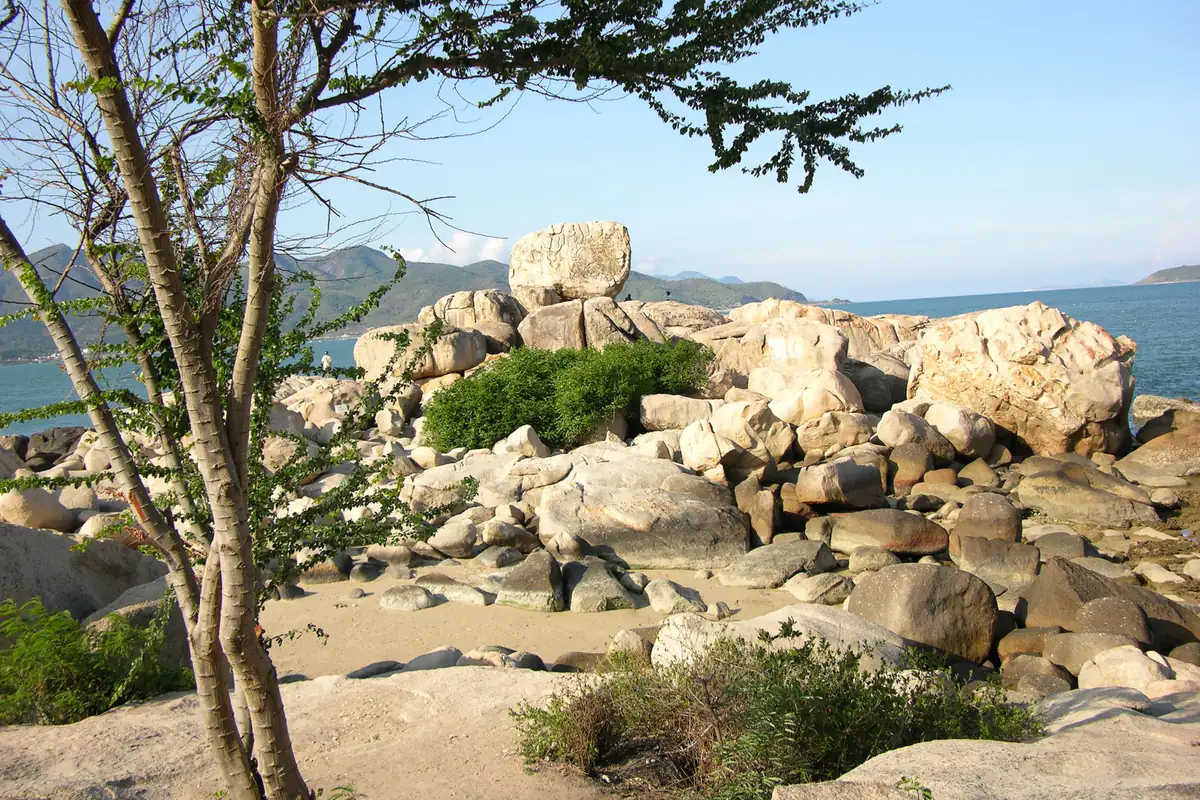
Photo: Vinhtantran
Hon Chong is known for its rocky coastal landscape.
Its rocks and sea views provide an alternative to ordinary sand-and-water photographs, but the uneven ground makes outfit choice important.
Wear comfortable shoes and avoid climbing onto high or slippery rocks while dressed in a long ao dai.
Standing portraits, side profiles and photographs looking toward the sea work better here than poses requiring running or complicated movement.
Po Nagar Cham Towers
Cultural and worship site
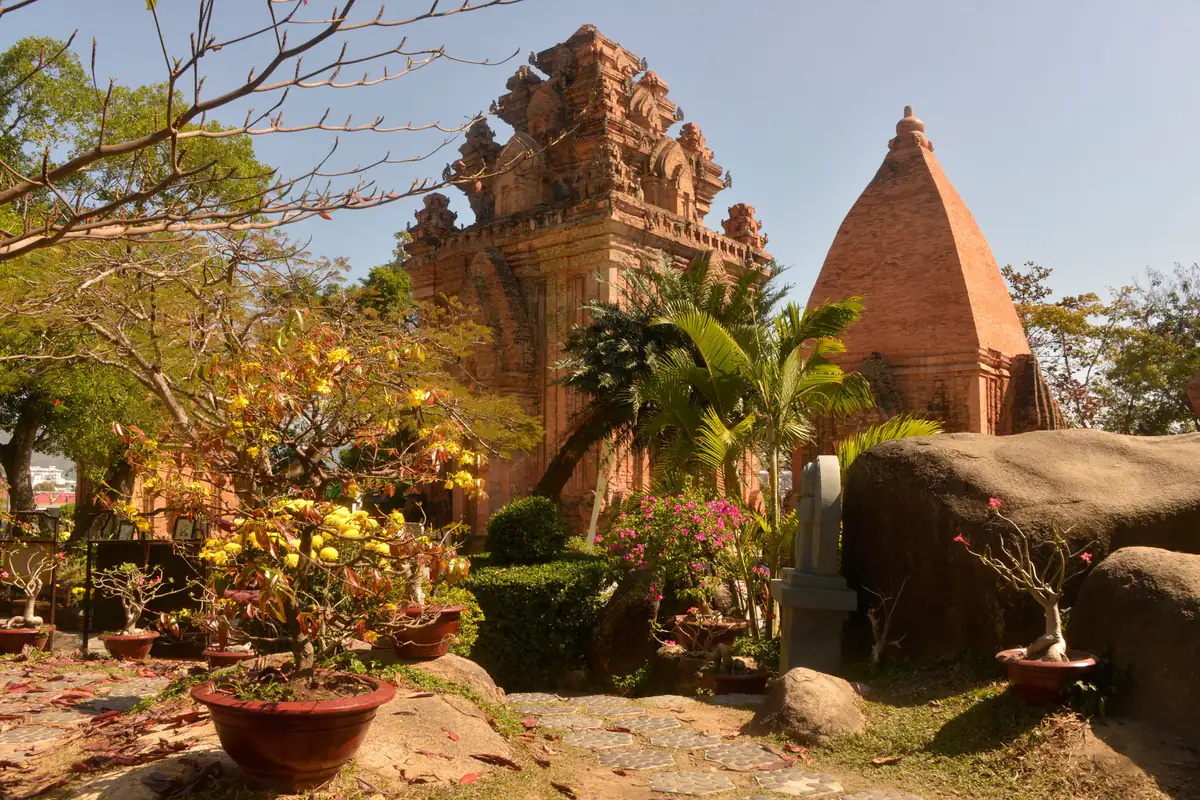
Photo: Tartarin2009
Po Nagar is a historic Cham architectural and religious complex.
It offers a distinctive setting, but it is first a cultural and worship site.
Observe the venue's clothing and photography rules, respect visitors participating in religious activities, and follow instructions from staff.
A standard entrance ticket does not automatically authorize organized commercial photography.
In a relaxed session, take most of your portraits at the beach and consider Po Nagar only if you have time and the intended photography is allowed.
What is the best season for an ao dai photoshoot?
Vietnam's weather varies significantly from north to south, so there is no universal best month.
Hanoi: September to November is usually favorable, with more comfortable temperatures and attractive outdoor conditions. December through February can be cold or misty, so bring an extra layer between photographs.
Hue: March and April are sensible months to consider. The city becomes increasingly hot later in the dry season, while September through the following months can bring heavy rain and flooding.
Hoi An: February through April is generally a good period for outdoor photography. May through August can be much hotter. September through November requires particular attention to heavy rainfall and possible flooding.
Ho Chi Minh City: The relatively drier period, usually around December through April, is easier for planning outdoor activities. A rainy-season shoot is still possible, but allow flexibility.
Nha Trang: January through August suits coastal photography better than the rainier September-December period.
These are seasonal patterns; any given day can differ.
Morning or afternoon: when does an ao dai look best?
Soft light is usually more flattering than the strongest sunlight of the day.
At outdoor locations that are accessible early, the first couple of hours after sunrise often work well.
The sun is lower, shadows can be softer, and warm light helps show the texture and movement of the fabric.
Late afternoon can also be attractive, especially for warmer colors and portraits with the sun behind the subject.
However, many heritage sites close before sunset. Always check the operating hours instead of assuming you can stay for late-evening photographs.
In the middle of the day, direct sunlight can create strong shadows across the eyes and nose.
If you have to shoot between roughly 11:00 AM and 2:00 PM, find open shade or a permitted indoor location with even lighting.
Avoid making the entire photograph overly bright. It is better to retain detail in the outfit than to lose the fabric's texture.
Groups should arrive 15-20 minutes before the arranged start time. Fixing hair, adjusting outfits and gathering people usually takes longer than expected.
Renting an ao dai in Vietnam: prices and practical details
Renting is often the simplest option for international travelers.
There is no traditional outfit to carry through the rest of your trip, and you can choose a style that matches the location.
However, the price depends on the provider, the outfit and the service package.
Here are 2026 prices from three providers:
| Provider | Service | Price |
|---|---|---|
| HoiAnIt local rental guide, 2026 | Traditional ao dai in Hoi An | Approx. VND 80,000-150,000/day |
| HoiAnIt local rental guide, 2026 | Designer or historical costume | Approx. VND 200,000-400,000/day |
| rosso PHOTOHOUSE Hanoi, 2026 | Ao dai rental listed in its FAQ | VND 150,000/outfit |
| rosso PHOTOHOUSE Hanoi, 2026 | Additional makeup and hairstyling | VND 500,000 |
| Gao Nau Photo Travel, 2026 | Ao dai or historical costume added to a shoot | VND 650,000 |
| Gao Nau Photo Travel, 2026 | Basic makeup added to a shoot | VND 1,000,000 |
These figures are not nationwide average prices. Confirm the final quote before paying.
What to ask the rental shop
First, confirm whether the outfit comes with trousers. An ao dai is usually worn as a tunic over long trousers, so renting only the upper garment is not enough.
Ask whether accessories are included. A conical hat, fan, hair accessory or extra pair of trousers may be charged separately.
Confirm the return deadline. Some shops use same-day rental periods rather than 24-hour periods.
Also ask about deposits, cleaning requirements and charges for damage.
Choosing the correct size
An ao dai should fit neatly around the shoulders and upper body while still allowing you to move comfortably.
Do not choose purely by the letter size printed on the label.
Try the outfit on, raise your arms slightly, sit down and walk a few steps. Check whether the side seams pull too tightly or the trousers drag on the floor.
For lightweight white fabric, pay attention to transparency in natural daylight.
Skin-toned undergarments are often less visible than bright white items under thin white clothing.
If you are tall, petite or need a larger size, contact the rental provider in advance and send your height and general clothing measurements.
The same applies when arranging matching outfits for a family or graduation group.
Renting or buying?
Rent if you need the outfit for one photoshoot and do not expect to wear it again.
Bring your own if you already have a well-fitting ao dai, especially for graduation pictures or personal celebrations.
Consider custom tailoring if you want to keep the outfit as a souvenir. But leave enough time for measurements, fittings and alterations.
Same-day completion is not guaranteed. Confirm the schedule before ordering, especially with a flight to catch.
How much does an ao dai photographer cost?
Photography services are considerably more expensive than simply renting an outfit.
Prices depend on the length of the session, number of people, editing requirements, locations and included services.
Gao Nau Photo Travel's 2026 prices give a concrete example:
- A 60-minute session costs VND 2,590,000 and includes 15 retouched photos.
- A 90-minute session costs VND 3,590,000 and includes 25 photos.
- Adding an ao dai or historical costume costs VND 650,000.
- Adding basic makeup costs VND 1,000,000.
- A half-day experience including makeup, one costume, two locations and 30 photos costs VND 5,900,000.
These are one company's packages, and other photographers in Vietnam set their own rates.
Independent photographers may offer lower-priced sessions, while specialist portrait studios and larger teams may charge more.
Compare what each price actually includes.
Questions to ask before booking
Ask whether the quote is for one person, a couple or the entire group.
Check whether the session duration includes travel between locations and time spent changing clothes.
Find out how many original files and edited photographs you will receive. Some photographers deliver a large selection of basic edits; others focus on fewer, more carefully retouched portraits.
Confirm the delivery timeframe and format, especially if you need the pictures before leaving Vietnam.
Ask whether transport, attraction tickets, costume rental and makeup are included.
Finally, request the cancellation and rescheduling policy in writing. Outdoor photoshoots can be disrupted by rain or venue restrictions.
International travelers should confirm that the photographer can communicate posing directions in English or that someone else will help.
It is useful to see a complete previous shoot, not just a handful of perfect portfolio images. A full set shows how consistently the photographer manages lighting, skin tones and backgrounds.
Do you need professional makeup for an ao dai photoshoot?
Not necessarily.
A short morning session with soft light may require little more than tidy hair, natural makeup and a lip color that complements the outfit.
Professional makeup becomes more useful if you want formal portraits, close-up beauty shots or a style that requires coordinated hair and makeup.
It is also worth considering for a longer session in hot weather, when keeping your appearance consistent can be difficult.
Natural makeup often works well with a classic white ao dai. A more elaborate red or patterned outfit may suit a stronger lip color, but there is no requirement to create a heavily made-up look.
Before booking a makeup artist, ask whether the price includes hairstyling, lashes, hair accessories and travel to your accommodation.
Send a photograph of your outfit and two or three makeup references.
Groups need enough preparation time for every participant. One makeup artist cannot prepare a large graduation class in half an hour.
What accessories look good with an ao dai?
The best accessories support the outfit rather than dominate the photograph.
Conical hat
The non la, Vietnam's traditional conical hat, is an obvious choice for Hoi An, Hue and countryside-inspired photographs.
You can hold it at waist level, carry it at your side or turn slightly toward the camera.
Wear it on your head in only a few pictures. Holding it often creates a more flattering composition and keeps your face visible.
Flowers
A small bouquet gives your hands something to do.
White daisies, seasonal lotus flowers or a simple arrangement in a soft color can work well.
Avoid carrying an oversized bouquet if you want the shape of the ao dai to remain visible.
Hand fan
A folding fan suits traditional architecture and more formal styling.
Hold it low or open it partially rather than covering your entire face.
Handbag and shoes
In urban photographs, a small handbag may look more natural than a conical hat.
Choose shoes you can walk in comfortably. Low heels or flats are practical for old streets and heritage courtyards.
If you are planning to stand on sand, stone or uneven paving, avoid wearing brand-new heels that you have not tested.
Use these accessories sparingly in any one photograph. Sometimes an ao dai with no additional props produces the strongest portrait.
Choosing the right ao dai color
Consider the background before selecting the outfit.
In Hanoi, white, cream, pale blue and muted red work well with brickwork, green trees and old buildings.
In Hue, colors such as soft yellow, turquoise, purple and deep red can complement imperial architecture.
Hoi An's yellow walls provide strong contrast with white, dark green, blue and red outfits. Yellow fabric can also work, but choose a contrasting doorway or darker background.
For Ho Chi Minh City's urban settings, a simple plain-colored ao dai often produces a cleaner, more modern photograph.
In Nha Trang, white, cream and light blue tend to work well with coastal colors.
Friends shooting together can coordinate the overall palette without everyone wearing the exact same design.
A group of white and pastel outfits can look consistent without being identical.
Easy ao dai poses for beginners
Professional modeling poses are not required.
Start with small, comfortable movements and let the photographer adjust your hands, shoulders and head position.
Stand at a slight angle
Clear full-length portraits
Turn your body about 30-45 degrees away from the camera.
Place one foot slightly in front of the other and relax your shoulders.
Keep your hands loosely in front of you or alongside the outfit.
This creates a clear full-length portrait while showing the shape of the fabric.
Walk slowly
Let the fabric move
Take a few short steps toward or across the camera.
Look ahead, then turn your face slightly toward the photographer.
The movement of the fabric can make the photograph feel natural.
Avoid running if the trousers or shoes make movement difficult.
Hold a conical hat
Keep your face visible
Carry the hat with both hands at waist level, or hold it gently to one side.
Try looking slightly away from the camera.
Keep the face and main part of the outfit visible.
Sit carefully
Only where seating is allowed
A low seat or suitable public bench can work for a calm portrait.
Arrange the fabric to one side, keep your posture relaxed and place your hands on your lap.
Do not sit on heritage objects, restricted steps or architectural features unless seating is explicitly allowed.
Look back over your shoulder
Corridors and quiet streets
Stand with your back partly toward the camera and turn your head.
This works well in a corridor, along a quiet street or anywhere with perspective lines.
Watch for traffic and uneven ground before taking the pose.
Take natural group photos
Two rows where space allows
For friends or graduation groups, begin with one photograph where everyone looks at the camera.
Then try walking together, looking at one another or arranging two rows where space allows.
Make sure everyone has a clear face position. In a crowded frame, people standing at the back can easily become hidden.
Ao dai photos for friends, families and graduation classes
Group photography requires more organization than a solo session.
Three to five friends need roughly 90-120 minutes if everyone wants several individual portraits as well as group photographs.
Choose one compact area rather than moving across a city.
For a graduation class, create a shot list before the day. Separate the images into whole-class photos, smaller groups, pairs and individual portraits.
Assign someone to manage time and gather people for each photograph.
If you are using the Temple of Literature or Thang Long Imperial Citadel, contact the management beforehand about the intended group activity.
An ordinary admission ticket does not give a large class unrestricted use of the site.
Families with children need time for breaks, outfit adjustments and changes of mood.
A shorter session with fewer locations is often more manageable than a long photography route.
If you are traveling with older relatives, prioritize accessible walking surfaces, seating and suitable temperatures.
Photography rules at temples, pagodas and heritage sites
Traditional Vietnamese clothing is appropriate for many cultural settings, but wearing an ao dai does not grant unrestricted permission to take photographs.
Different sites have different rules.
Ordinary personal photographs may be treated differently from organized commercial sessions involving a photographer, assistants, lighting equipment and large props.
The Temple of Literature's rules require respectful clothing in worship areas, quiet behavior and protection of the site's historical objects and architecture.
Visitors must not touch or mark protected objects, step on restricted lawns or damage plants.
Thang Long Imperial Citadel also has visitor conduct rules, including provisions on filming and a prohibition on drones.
When photographing at a religious or heritage site:
- Follow signs and staff instructions.
- Keep entrances, walkways and worship areas clear.
- Do not climb on historic structures or sit on protected objects.
- Avoid loud direction, intrusive lighting and elaborate staging near ceremonies.
- Ask about additional requirements before organizing a commercial session or large group shoot.
A simple 90-minute ao dai photoshoot itinerary
If you only have a short time during your trip, prioritize one area.
A morning in Hoi An
- 6:15 AM
Arrive ready
Arrive near Tran Phu Street already dressed, with hair and makeup completed.
- 6:30-7:05 AM
Yellow walls
Take full-length portraits in front of suitable yellow walls and traditional doors.
- 7:05-7:45 AM
Nguyen Thai Hoc
Walk to Nguyen Thai Hoc Street for portraits and natural movement shots.
- 7:45-8:15 AM
Riverside
Finish near the riverside or another accessible street nearby.
Afterward, review your pictures and return the outfit according to the rental agreement.
This schedule assumes you collected the outfit in advance and are using locations accessible to the public at that time.
A morning in Hanoi
- 6:30 AM
Meet at the lake
Meet near Hoan Kiem Lake.
- 6:30-7:15 AM
Lakeside
Take portraits beside the water and under nearby trees.
- 7:15-8:00 AM
Nearby streets
Continue to suitable streets close to the lake.
- 8:00 AM
Wrap up
Finish the main photography session.
If you prefer the Temple of Literature, book your session around its daytime opening time instead, allowing approximately 8:00-9:30 AM.
Trying to combine both routes into 90 minutes is unnecessary.
What to prepare before your photoshoot
A little preparation makes a noticeable difference.
One or two days beforehand, try on the outfit and check the trousers, shoes and accessories.
Renters should confirm collection and return arrangements. Send your photographer references showing the style and color treatment you prefer.
Check the weather forecast the previous evening and again before leaving.
Bring water, tissues, a charged phone and comfortable footwear for moving between locations.
For outdoor shoots, a small bag with a hairbrush, safety pins and basic makeup supplies can be useful.
International travelers should ask the rental shop to demonstrate how to put on and adjust the outfit correctly.
Long panels can catch on steps, bicycle parts or vehicle doors, so take extra care when getting into transport.
For group photos, share one exact meeting location rather than only the name of a large attraction with multiple entrances.
Finally, tell the photographer how you intend to use the pictures. Social media portraits, graduation albums and large prints may require different file sizes and editing decisions.
Final recommendation: choose the setting that suits your trip
Hoi An is the easiest place for first-time international visitors to rent an ao dai and complete a short photoshoot. Choose Hanoi for classic portraits or graduation memories, Hue for imperial architecture, Ho Chi Minh City for urban styling, and Nha Trang for coastal images.
Whichever city you pick, a properly fitted outfit and good light are more valuable than trying to photograph every famous landmark.
FAQ
Where is the best place for an ao dai photoshoot in Vietnam?
Hoi An is a convenient first choice because rental shops and traditional street backgrounds are close together. Hanoi offers more varied classic locations, Hue is ideal for imperial architecture, Ho Chi Minh City suits urban portraits, and Nha Trang is good for beach photography.
How much does it cost to rent an ao dai in Vietnam?
Prices vary by city and provider. In Hoi An in 2026, traditional outfits rent for approximately VND 80,000-150,000 per day and some designer or historical costumes for VND 200,000-400,000 per day. Always confirm accessories, deposits and return times.
Do I need a photographer for an ao dai photoshoot?
No. A friend with a good smartphone may be enough for casual travel pictures. A professional photographer is useful for solo travelers, formal portraits, graduation groups or sessions where you want consistent lighting and carefully edited images.
Can foreigners wear an ao dai and take photos at temples?
Foreign visitors can wear an ao dai, but photography at temples and heritage sites is subject to each location's rules. Dress respectfully, avoid disturbing religious activities and ask permission before arranging a commercial or large group session.
Is Hanoi or Hoi An better for an ao dai photoshoot?
Choose Hoi An for compact streets, yellow buildings and easy costume rental. Choose Hanoi if you prefer lakeside scenery, historic monuments and a wider variety of architectural backgrounds. Both are good choices, but they produce noticeably different styles of photographs.
Related posts
Festivals
New Year's Eve in Vietnam 2027: 5 cities for countdowns and fireworks
Where to spend New Year's Eve in Vietnam, with fireworks updates and practical transport advice.
Places
A Mekong Delta day trip is worth it for My Tho and Ben Tre, not Can Tho
Choose My Tho and Ben Tre for a day trip; stay overnight in Can Tho if you want to visit Cai Rang Floating Market.
Guides
Plane or train to Nha Trang? Which one makes more sense?
Compare four ways to reach Nha Trang and choose the best option for your schedule, budget, and comfort.