Hoi An or Phu Quoc? Where to go in Vietnam in March
Hoi An is the stronger choice for a mix of heritage, food and easy beach access, while Phu Quoc works better for a beach-focused holiday. Choose northern Vietnam instead if cool days, limestone scenery and spring flowers matter more than sunshine.
Written by Tụi mình mê biểnUpdated
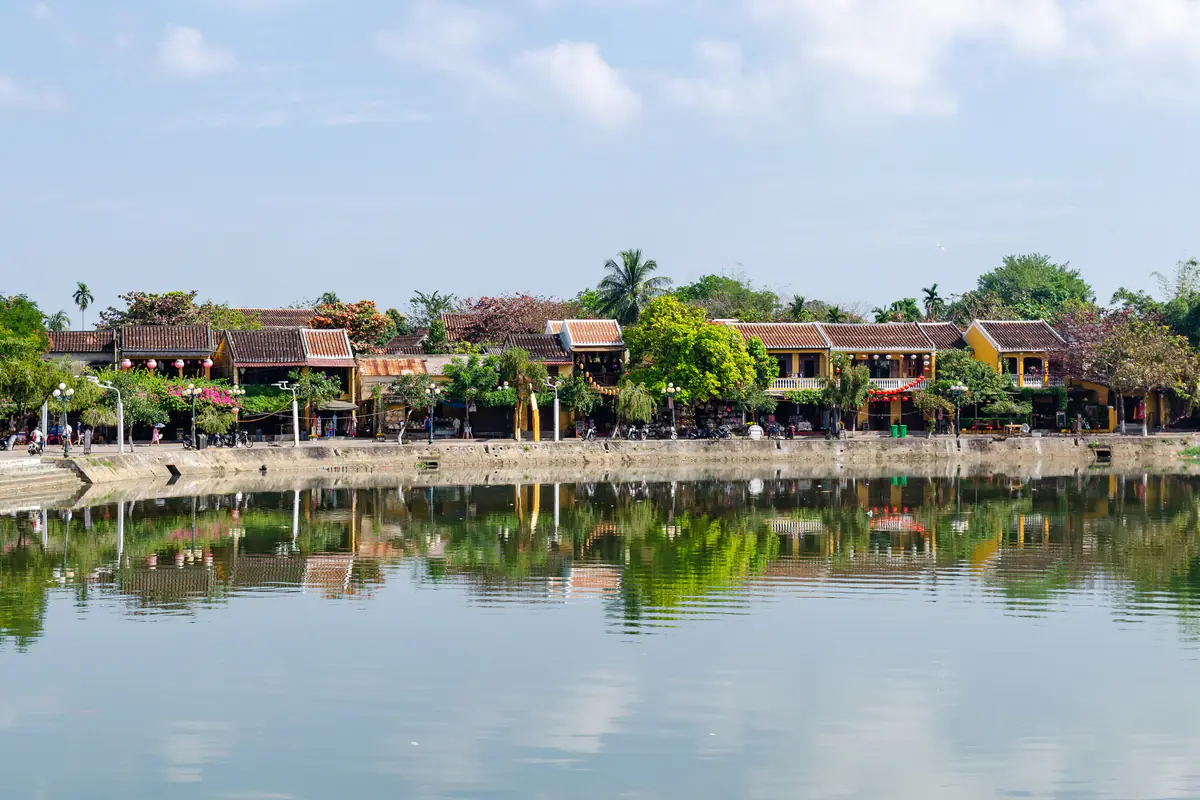
Photo: Steffen Schmitz
In Hoi An, a March day can begin among old wooden houses, move to An Bang Beach in the afternoon, and end beside the Hoai River under lanterns. On Phu Quoc, that same day is more likely to revolve around swimming, a beach lunch and a boat excursion, with stronger midday heat. Vietnam in March is a good time to travel, but central Vietnam offers the most balanced mix of conditions, the north is best for cooler cultural trips, and the south is strongest for dry-season island holidays.
Vietnam in March weather: understand the regional differences
Vietnam is long enough to have several distinct weather patterns at once. March brings late-winter humidity and rising temperatures in the north, warmer and generally drier days along the central coast, and the latter part of the dry season in the south. Treating the country as one weather zone leads to bad packing decisions and overly ambitious routes.
| Region | Typical March conditions | Places to consider | Best reason to go |
|---|---|---|---|
| Northern Vietnam | Mild or cool, humid, intermittent drizzle; mist in the mountains | Hanoi, Ninh Binh, Dien Bien, Ha Giang | Culture, walking, spring flowers and mountains |
| Central coast | Increasing sunshine, warmer days, relatively low rainfall | Hue, Da Nang, Hoi An, Quy Nhon, Nha Trang | Historic towns, food and beaches |
| Central Highlands | Clearer dry-season days, cool mornings and evenings | Da Lat, Buon Ma Thuot | Highland scenery and coffee-growing country |
| Southern Vietnam | Hot, sunny and comparatively dry | Ho Chi Minh City, Mekong Delta, Phu Quoc, Con Dao | Island stays and river journeys |
18.7-23.5°C
Hanoi, about 55 mm of rain
22.1-28.4°C
Da Nang, about 36 mm of rain
24.9-33.6°C
Ho Chi Minh City, about 18 mm
The climate averages show the contrast clearly. Hanoi's average March daily minimum and maximum are approximately 18.7°C and 23.5°C, with around 55 mm of rain across the month. Da Nang averages 22.1-28.4°C and 36 mm of rain. Ho Chi Minh City is substantially hotter, at 24.9-33.6°C, with only about 18 mm of rainfall. These are long-term averages, not a forecast for a particular week in March 2027.
Rainfall totals do not tell the whole story. Hanoi can have repeated damp, drizzly mornings even without heavy rain. A misty day on Ha Long Bay may be beautiful but will not deliver the clear, blue-water photographs many visitors expect. Da Nang offers a better chance of comfortably combining outdoor sightseeing with an afternoon on the coast. In Ho Chi Minh City, the issue is usually heat rather than rain; organize longer walks before late morning or after about 4 pm.
Pairing Hanoi and Ninh Binh with Da Nang and Hoi An gives a first-time visitor two distinct versions of the country without constant transfers. To spend as many days in the water as possible, concentrate on Nha Trang or Phu Quoc instead.
Where to go in northern Vietnam in March
Hanoi and Ninh Binh: the easiest cultural combination
Hanoi is a practical entry point for northern Vietnam. Its Old Quarter, Hoan Kiem Lake, Temple of Literature and Vietnamese food scene work well in mild weather. Allow time to walk instead of rushing between attractions. A museum or a long coffee break still makes good use of a drizzly morning.
Ninh Binh makes an excellent next stop. A short trip combines limestone formations, rivers, temples and quiet lanes around Tam Coc. The biggest planning mistake is treating Trang An, Tam Coc, Hang Mua and Bich Dong as four mandatory stops in one day. Trang An and Tam Coc are different boat experiences, but both take time. Choose one boat route, then leave space for cycling or a viewpoint.
A comfortable two-day plan starts with a journey from Hanoi to Ninh Binh, an afternoon around Tam Coc and a night nearby. The following morning, aim to arrive at the Trang An boat area around 7:30-8:00 am and allow roughly three hours for the excursion. The time is only a suggestion for when to arrive. Have lunch afterward, then return to Hanoi or continue to Bich Dong if your transport schedule allows.

Photo: Jakub Hałun
March also brings a detail that distinguishes Ninh Binh from a summer visit: red silk-cotton blossoms, often called hoa gao, can appear near Bich Dong Pagoda and village temples. They bloom earlier or later depending on the year's weather. Do not expect Tam Coc's famous golden rice landscape at this time of year; that display is associated more closely with the late spring and early summer harvest period, commonly around May and June.
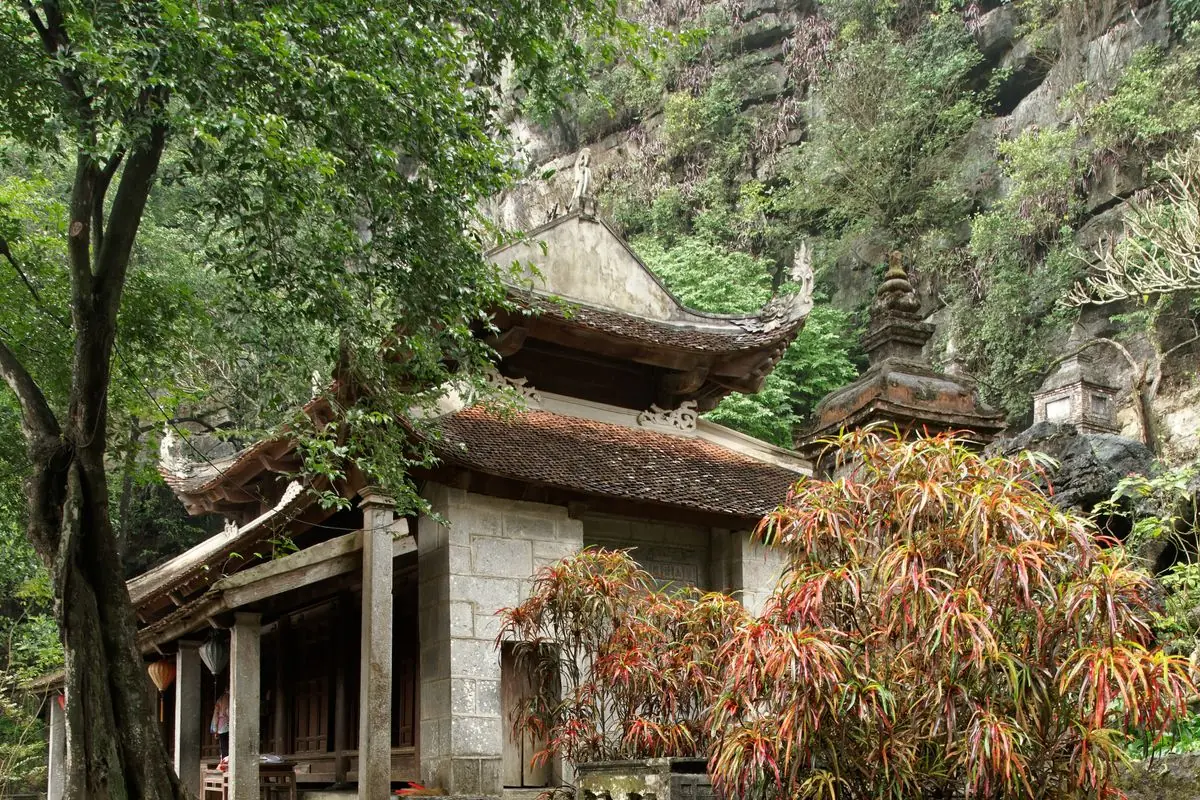
Photo: Jakub Hałun
A Hanoi-Ninh Binh holiday is particularly good for independent travelers who want scenery without committing to long mountain roads. It also works well for families and people arriving in Vietnam for the first time.
Dien Bien: spring flowers and historical sites
Dien Bien offers something more seasonal than a standard city break. March is associated with ban flowers, whose pale white and purple blossoms are closely linked to the cultural identity of Vietnam's northwest. A visit can combine flowering streets and hillsides with the A1 Hill historic site and other locations connected to the Battle of Dien Bien Phu.
Allow about three days; an out-and-back trip from Hanoi is exhausting. Road travel takes time and flight services can change. Combining Dien Bien with Son La or Moc Chau requires a proper travel-day allowance; they are not neighboring sights that can be casually fitted between breakfast and lunch.
Ha Giang, Sa Pa and Ha Long Bay: beautiful, but not necessarily clear
Ha Giang is a good March choice for travelers who value dramatic landscapes and local communities. The Dong Van Karst Plateau, Ma Pi Leng Pass and mountain villages offer an itinerary very different from Vietnam's beaches. Higher roads can be cold and foggy, especially early in the morning. Riding a motorbike there requires genuine mountain-road experience. Hiring a suitable driver is the safer choice when that experience is missing.

Photo: Hoach Le Dinh
Sa Pa calls for different expectations. March is not the golden-rice season, and the higher elevations can still feel chilly and damp. It can be a worthwhile mountain stay for village walks and cooler air, but do not plan a trip around photos of harvest-colored terraces. Keep trekking flexible if tracks are wet or slippery.
Ha Long Bay and nearby Lan Ha Bay can look atmospheric in mist. The trade-off is visibility: some March cruises will have soft grey horizons rather than bright blue skies. Choose a day excursion if time is limited, or an overnight cruise if being on the water is itself the experience you want. Late April usually gives clearer panoramic views, though the day's conditions and marine operators still have the final say.

Photo: Vyacheslav Argenberg
Where to go in central Vietnam in March
Da Nang and Hoi An: the best all-round choice
Beaches, heritage, food and a big airport on one route
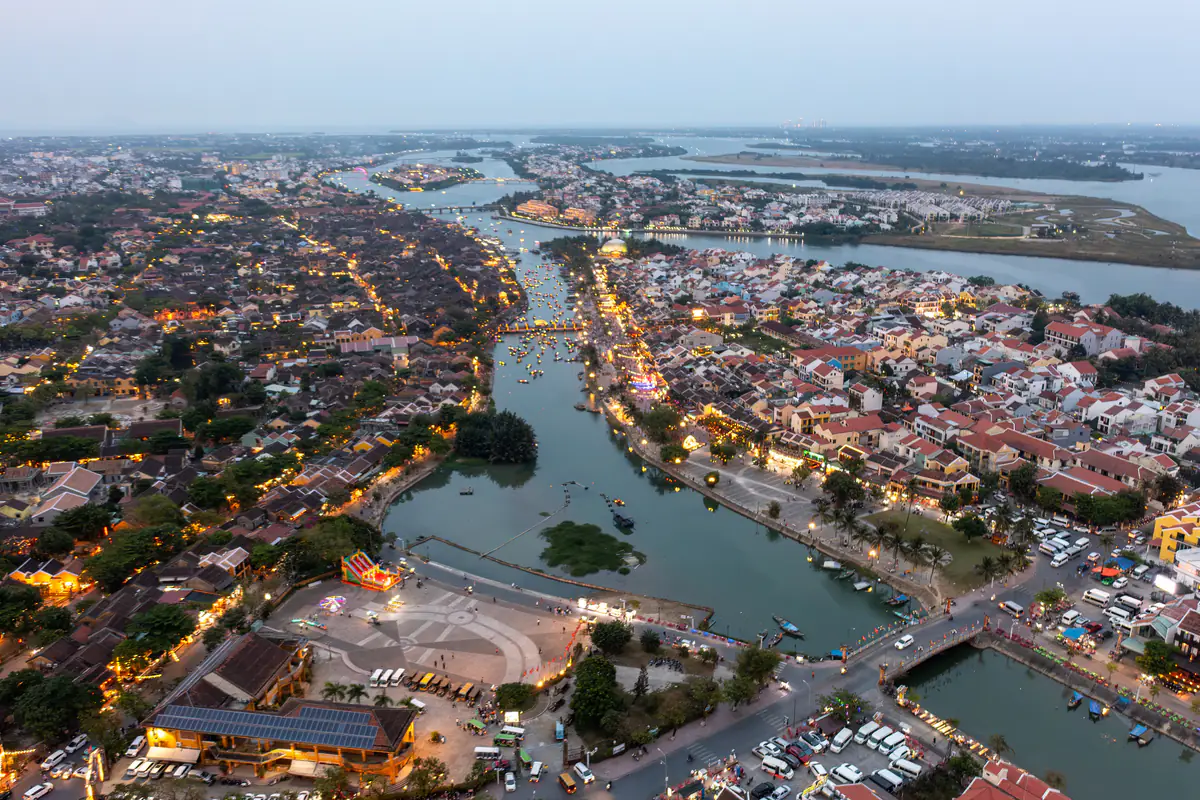
Photo: Omar David Sandoval Sida
For many visitors asking whether March is a good time to visit Vietnam, Da Nang and Hoi An provide the simplest yes. This part of the central coast is moving away from the wetter months, while the most intense summer heat is still ahead. You can combine beaches, heritage buildings, food and easy access through Da Nang's airport.
Stay in Da Nang when you want a modern beachfront base, a larger choice of hotels and convenient access to My Khe Beach or the Son Tra Peninsula. Stay in Hoi An when early-morning walks, small streets, historic houses and a quieter base matter more. The two places can be visited together without much difficulty, but spending at least one night in Hoi An makes it easier to enjoy the old town before the busiest afternoon and evening hours.
A sensible Hoi An day starts around 7 am with a walk through the older streets. Visit heritage buildings and the market during the morning, take a proper break at midday, and use the afternoon for cycling or An Bang Beach. Return to the Hoai River in the evening for dinner and a lantern-lit walk. Plan the day around cao lau, chicken rice and mi Quang, and skip the anonymous tour-stop lunches.
Hoi An's old town tickets in 2026 come in two tiers, VND 80,000 and VND 120,000, with different numbers and types of included heritage visits. The VND 120,000 option includes broader access to museums and historic sites. Buy through official ticket booths and select the ticket that matches how many buildings you intend to enter.
March is often pleasant for time at the beach, but air temperature is not the same as sea temperature. Wind and surf still determine whether swimming is comfortable or safe on a particular day. Do not force My Son Sanctuary, the Marble Mountains, Hoi An's old town and a beach afternoon into one itinerary day. Splitting them produces a better experience than collecting four hurried stops.
Hue: take time with the imperial heritage
The Imperial City one day, two royal tombs the next
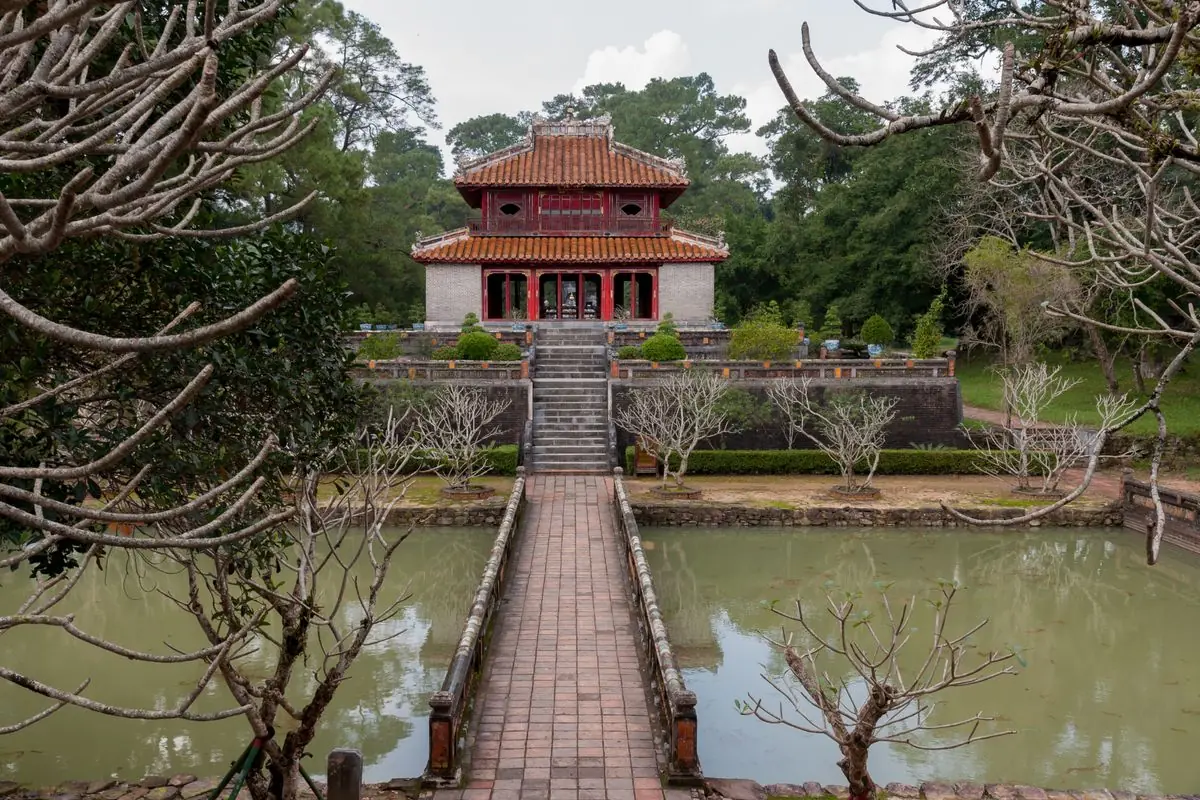
Photo: CEphoto, Uwe Aranas
Hue becomes a more comfortable prospect as the central region moves into its warmer, less rainy season. Spend one day at the Imperial City and nearby central streets. The next day, choose a couple of royal tombs, such as Minh Mang and Khai Dinh, rather than trying to see every landmark before sunset.
Early mornings can still be overcast, especially near the beginning of the month. A light layer and a compact umbrella take very little room in your bag. Combining Hue and Hoi An takes four or five days across the two cities. Two nights in each place will usually feel more relaxed than changing accommodation every evening.
Hue is especially rewarding for travelers who enjoy architecture, museums and regional food. It is less convincing as a substitute for a beach resort, even though the wider area has coastal options. Choose it for the imperial history first.
Nha Trang and Cam Ranh: a sea-focused break
Beaches, islands and a spare day for wind and waves

Photo: cloud.shepherd (Brian Miner)
Nha Trang is an appealing March destination because its principal wetter period normally falls later in the year. The coast generally moves into brighter weather from the start of the year through summer. A short visit can start at the central Tran Phu beachfront, spend another day at the Oceanographic Institute and Po Nagar Cham Towers, and keep a separate day for a boat trip if conditions allow.
Do not reserve several unrelated marine activities for the same morning. Island excursion routes and departure times depend on wind, waves and operator decisions. A day that is unsuitable for a boat outing can still be useful for a museum, a local meal or a walk around town. Keeping one flexible day prevents a single weather change from disrupting the entire holiday.
Where you stay matters. Central Nha Trang is better for evening restaurants, straightforward car journeys and walks along the waterfront. Bai Dai in Cam Ranh suits travelers who prefer a quieter resort setting and are happy to spend more time at the property. Check your airport transfer and any planned trips into Nha Trang before booking a resort far from the center.
Compared with Hoi An, Nha Trang is less about wandering historic lanes and more about building days around the water. Hoi An makes it easy to combine cultural visits with a few beach hours. Nha Trang makes it easier to turn the beach into the main event, then finish with bun cha ca or nem nuong for dinner. A hotel swimming pool is a useful fallback for families on windier days.
Quy Nhon and Phong Nha: for a slower trip
Coast and seafood, or caves, rivers and limestone

Quy Nhon suits people who prefer a coastal city without a packed sightseeing timetable. Give the first day to its seafront and local food, then visit selected stretches of coast on another day. Several appealing seaside spots are outside the central city, so travel time matters. Three well-chosen stops usually work better than a hurried attempt to see every beach in one afternoon.
Phong Nha is about caves, rivers and limestone landscapes instead of resort beaches. Cave routes have distinct operating conditions, and activities involving rivers or longer treks can be affected by weather. Choose one main cave experience before adding smaller stops. An itinerary with time for an unhurried entrance, cave visit and lunch is much easier to manage than a sequence of tightly timed transfers.
Southern Vietnam in March: which destination is right for you?
Phu Quoc is one of the clearest March recommendations for travelers who want to rest by the sea. Much of the month falls within the island's relatively dry period, making three or four nights a sensible beach holiday. Plan the bigger outdoor activities for the morning and late afternoon. The midday sun can be intense, and a slow lunch or a few hours in the shade is often more enjoyable than another exposed sightseeing stop.
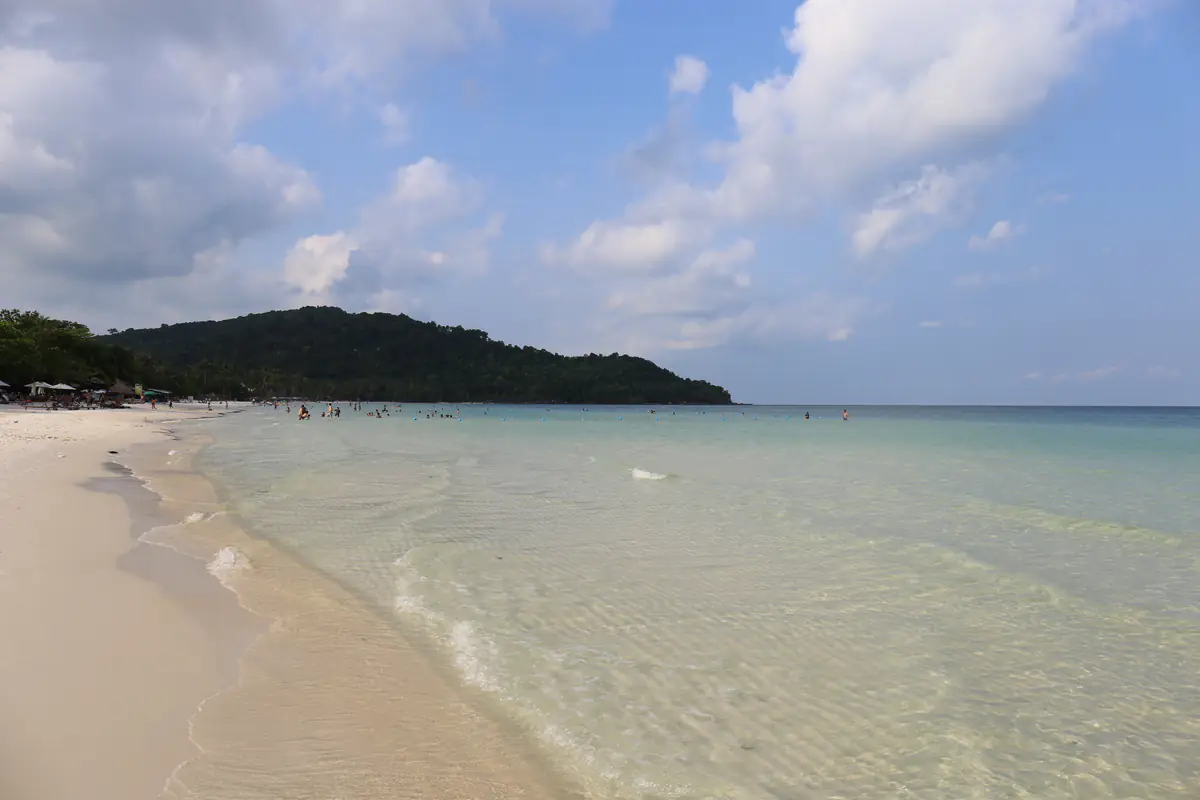
Photo: Vnecofriendly
Ho Chi Minh City is ideal for city food, markets, museums and urban architecture. Dry-season conditions reduce the likelihood of long rain interruptions, but March is hot. Walk through the Dong Khoi area or visit the Central Post Office earlier in the day, then switch to indoor attractions at midday. Reserve evening hours for restaurants and a walk by the river.
The Mekong Delta is a worthwhile extension when river life interests you more than beaches. Can Tho is an accessible base for an early-morning visit to Cai Rang Floating Market, followed by a more relaxed exploration of nearby waterways or villages. Fruit varieties and harvests change through the year. March is not peak season for every tropical fruit you see in travel photos.
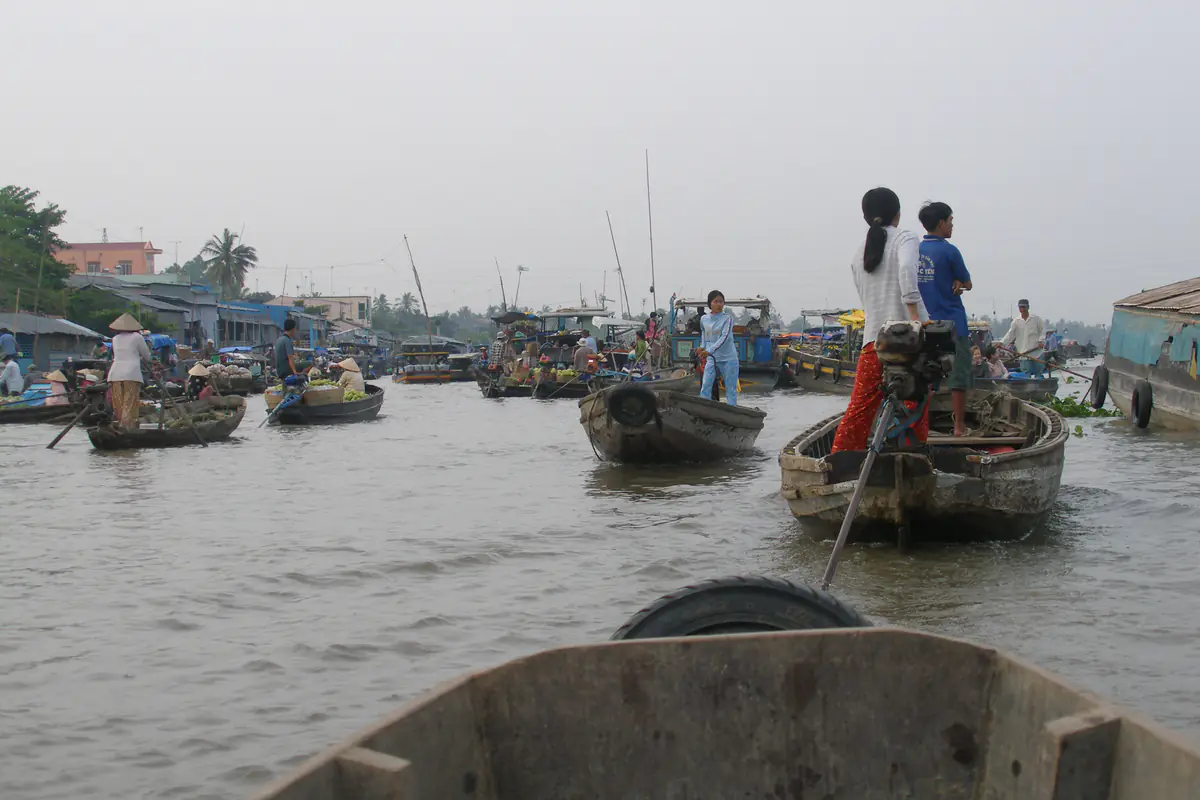
Photo: Vyacheslav Argenberg
A week in southern Vietnam works best with just two bases. Ho Chi Minh City plus Phu Quoc gives a clean combination of urban culture and a resort stay. Ho Chi Minh City plus Can Tho is a better option when you want markets, food and river landscapes rather than several full beach days.
Spring flowers and festivals in Vietnam in March
Ban flowers in Dien Bien
Ban blossoms are one of the strongest reasons to travel northwestern Vietnam in spring. Their blooming period often centers on March, but flowering dates vary with local weather and elevation. The flowers and the festival are separate things. The provincial festival has a programmed schedule of cultural activities; the trees do not follow that schedule. Confirm both before making a flower-focused trip.
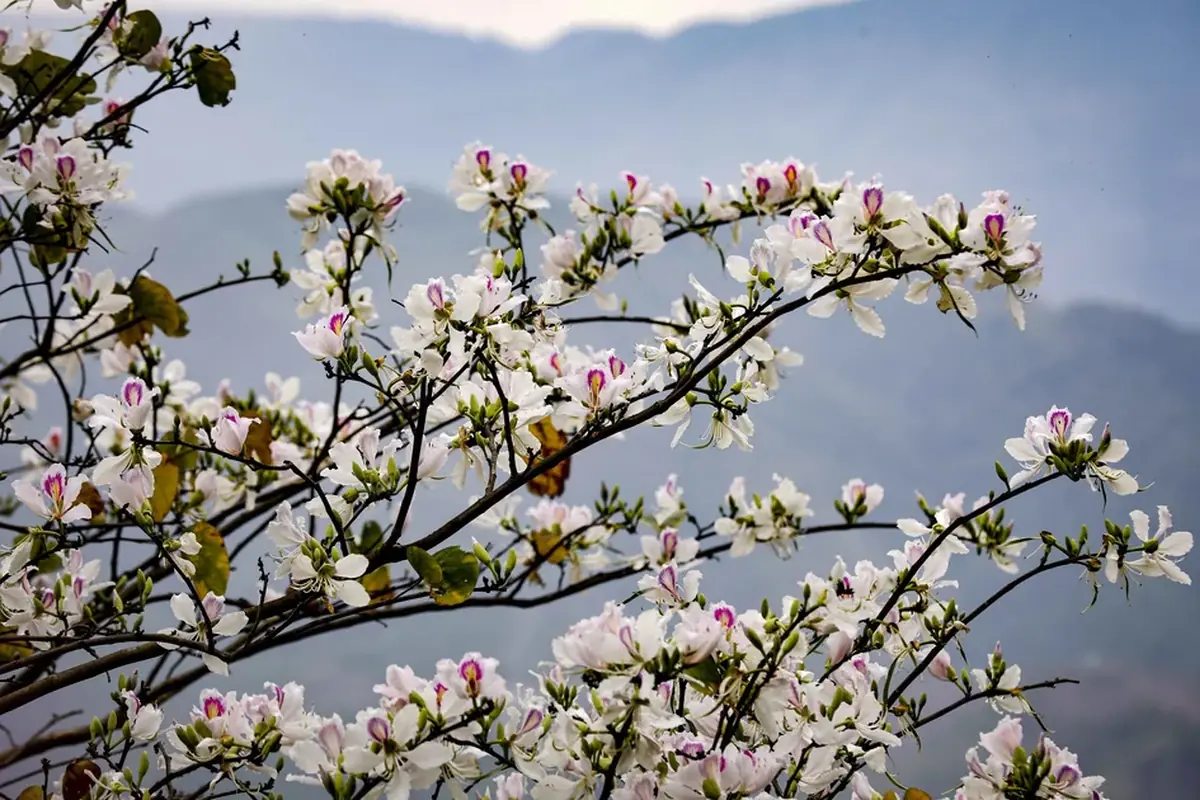
Photo: GoStay
Red silk-cotton flowers in Ninh Binh
The striking red-orange silk-cotton flower, called hoa gao, is another March highlight. Bich Dong and other sites around Ninh Binh have examples that stand out against old gates and limestone scenery. Treat it as a bonus on a countryside trip; nobody can promise a single tree's bloom months ahead. Combine blossom spotting with your boat outing and a visit to a temple.

Photo: Đinh Văn Linh
Coffee flowers in the Central Highlands
Coffee-growing districts around Buon Ma Thuot and elsewhere in the Central Highlands can have spectacular white blossoms in late February, March or into April. The flowers open in relatively short waves and can fade after roughly a week or a little longer. Rainfall, irrigation and local conditions influence the timing. Plantations are working farms. Arrange access with the owner or join a local visit before walking into the fields.
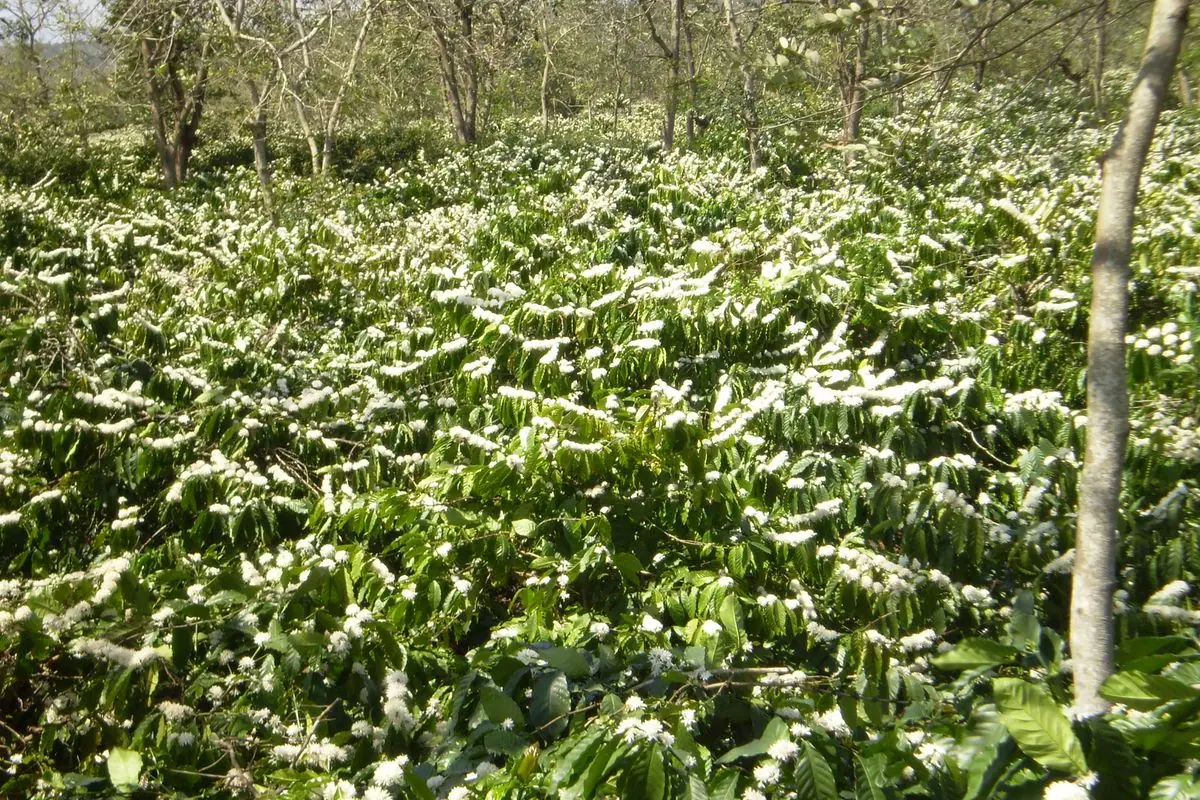
Photo: DXLINH
The coffee landscape is especially interesting for people who want to understand agriculture and everyday life, not only take photographs. Pair it with local food and a slower look at the area, and do not expect a flower park with fixed opening days.
Hoi An's lunar-calendar celebrations
Hoi An's old town has lanterns throughout the year, but its lunar-calendar events add a different atmosphere. The 14th day of the second lunar month in 2027 falls on 21 March, a potential date for the regular old-town lantern program. The organizers announce the actual activities closer to the date.

Photo: Christophe95
Religious and temple festivals elsewhere in Vietnam also follow lunar dates. This means an event held during March one year may take place in April the next. Hung Kings Commemoration Day is a useful example: in 2027 it falls on 16 April. So that holiday, and its crowds, will not shape a March trip.
The main Tet holiday also falls earlier in February 2027. March therefore avoids the central Tet travel period, though popular weekend destinations and individual festivals can still become busy. Check the specific place and dates rather than applying a single countrywide crowd prediction.
Early March or late March: when should you travel?
- Early March
The south, Da Nang and Hoi An, coffee blossom
Early March is attractive if you want the south's dry season without moving further into the pre-monsoon heat. It also works for a Da Nang-Hoi An holiday and may overlap with coffee flowering in the highlands. Northern mornings can still feel damp, and the temperature difference between Hanoi and the mountains remains important.
- Mid-March
Ninh Binh and Dien Bien
Mid-March makes sense for a culture-and-flower route that includes Ninh Binh or Dien Bien. Flowering is not guaranteed on a specific weekend, so a traveler with flexible dates should use recent bloom reports before making the last arrangements. Boats, temples and festival areas are likely to be busier on weekends than at quieter points in the week.
- Late March
Nha Trang, Hoi An and Da Nang
Late March becomes appealing for the central coast, especially Nha Trang, Hoi An and Da Nang. Temperatures are moving upward and sunny days are more likely than during the wettest months. Ha Long Bay can still have lingering mist, however. The south remains dry in many areas but becomes increasingly hot, so accommodation with good air conditioning becomes more valuable.
The best approach is to pick your region first, then choose the exact week. Climate patterns help narrow the choice; they cannot guarantee that the one morning reserved for your boat trip will be bright and calm.
Suggested Vietnam itineraries for March 2027
Four days: Da Nang and Hoi An
On day one, arrive in Da Nang, settle into a hotel and explore My Khe Beach or the city center. On day two, visit the Marble Mountains before transferring to Hoi An for dinner and an overnight stay. On day three, spend the morning in Hoi An's historic area, then cycle or head to An Bang Beach in the afternoon. On day four, return to Da Nang for your flight.
This is a good introduction to central Vietnam for couples, families and travelers with limited leave. The plan allows both sightseeing and downtime without changing hotels every night. Taxis or prearranged transfers are a sensible option for the luggage-bearing journey if you are unfamiliar with local traffic.
Four days: Nha Trang and Cam Ranh
Arrive at Cam Ranh Airport and travel to your accommodation in Nha Trang. Use the first evening for a waterfront walk along Tran Phu and dinner. Day two covers Po Nagar Cham Towers and the Oceanographic Institute, with time left for the beach. Reserve day three for a marine excursion when conditions are suitable, with an urban alternative in case of rough seas. Head back to the airport on day four.
The main advantage is a single hotel base. Resort lovers can shift some nights to Bai Dai Cam Ranh, but check journey times to the places you still want to visit before paying for the room.
Five days: Hanoi and Ninh Binh
Spend two days exploring Hanoi, mixing the Old Quarter, Hoan Kiem Lake, the Temple of Literature, museums and local meals. Travel to Ninh Binh on day three and stay around Tam Coc. Day four is for a Trang An boat trip, then Bich Dong or Hang Mua. Return to Hanoi on day five.
For independent visitors asking where to go in northern Vietnam in March, this is the simplest answer. You get city culture, countryside and limestone scenery without a long mountain loop. It is also easy to use as the opening section of a longer north-to-south itinerary.
Seven to ten days: two regions, not the whole country
One option is three days around Hanoi and Ninh Binh, followed by a flight to Da Nang and three or four days across Hoi An and the central coast. Add Hue only if you have enough time to visit its main heritage sites properly. This route gives you northern spring scenery and a second region with a better chance of beach-friendly weather.
A warmer alternative is a few days in Ho Chi Minh City followed by four nights on Phu Quoc. Add Nha Trang only when the trip is closer to ten days, because another flight, airport transfer and hotel change can consume a substantial part of a short holiday. Seven days are better spent at two well-chosen bases than three scattered ones.
With around two weeks, a possible route runs Hanoi - Ninh Binh - Hue - Hoi An - Nha Trang or Ho Chi Minh City. Use it as an outline and keep the number of stops realistic.
Vietnam in March or April: which month is better?
March is usually better for travelers who want milder sightseeing temperatures, especially in central Vietnam. The north is still cool, the central coast has comfortable walking weather, and southern islands remain in their comparatively dry season. April offers warmer northern days and often better visibility for Ha Long Bay, but central and southern temperatures rise as well.
Hanoi illustrates the difference. Its average daily March maximum is approximately 23.5°C, compared with 27.7°C in April. Da Nang rises from roughly 28.4°C to 30.9°C. Ho Chi Minh City shifts from 33.6°C to 34.5°C, and average rainfall also increases. No single year will match these averages exactly, but they explain why a long day of city walking feels harder in April.
April can be worth considering for northern photography and clearer panoramas, particularly around Ha Long Bay. For Hoi An and Hue, March often offers a more comfortable balance of warmth and sightseeing time. Phu Quoc is an attractive choice in March, before the heat builds further, although either month can still deliver a good beach holiday.
The 2027 holiday calendar matters for domestic travel. Hung Kings Commemoration Day is on 16 April, and 30 April is another national holiday immediately before the early-May holiday period. Transport and accommodation demand may rise around those dates. March 2027 avoids the main Tet period, which falls in early February, making it simpler to plan a route without those particular holiday movements.
Mid- to late March suits a first visit that combines the north with the central coast. Travelers chasing clear skies over Ha Long Bay rather than comfortable city walking should consider April, while keeping some flexibility for actual cruise conditions. March is often the more comfortable compromise for a southern island stay.
Practical planning for a March 2027 visit
Begin with the type of holiday you want. Hanoi and Ninh Binh combine city and nature. Da Nang and Hoi An pair heritage with easy beach access. A relaxed coastal break points to Nha Trang and Cam Ranh or Phu Quoc. Ha Giang, Dien Bien and Con Dao need more allowance for transport arrangements than a city pair served by major roads and airports.
Pack for the route you actually choose. Northern Vietnam calls for a light jacket, shoes with grip and something useful for drizzle. Central Vietnam needs breathable clothing, sun protection, a hat and one light extra layer. Southern Vietnam means carrying drinking water, quick-drying clothing and strong sun protection. Layering beats packing a separate wardrobe for each climate on a multi-region trip.
Do not lock every boat outing into a non-changeable booking far in advance. Weather and sea conditions can affect Nha Trang excursions, Phu Quoc boats and cruises around Ha Long. Reserve accommodation according to your route, then select water activities when a shorter-range forecast is meaningful. Start Trang An in the morning and avoid arranging your onward transfer too close to the expected end of the boat tour.
Finally, leave room for changes. A drizzly Hanoi morning is a good time for a museum. A windy day in Nha Trang can become a visit to Po Nagar or the Oceanographic Institute. A hot afternoon in Ho Chi Minh City is better used in a café or indoor attraction than on a forced walk through traffic. One free half-day can improve a holiday more than another three stops on a spreadsheet.
So, where should you go in Vietnam in March?
Choose Da Nang and Hoi An for the strongest balance of culture, coast and manageable weather. Choose Hanoi and Ninh Binh for northern spring landscapes, Nha Trang for an easy beach-and-city break, or Phu Quoc for an island-focused stay. The next useful step is to sketch either a four-day Da Nang-Hoi An route or a five-day Hanoi-Ninh Binh route, then choose the week that fits your travel style.
FAQ
Is March a good time to visit Vietnam?
Yes. Central Vietnam generally offers comfortable sightseeing weather and increasing sunshine, northern Vietnam is mild but can be misty, and southern Vietnam is hot and relatively dry. March works particularly well when you choose one or two regions rather than expecting identical conditions nationwide.
What is the weather like in Vietnam in March?
Hanoi averages roughly 18.7-23.5°C, Da Nang 22.1-28.4°C and Ho Chi Minh City 24.9-33.6°C for daily minimum-to-maximum temperatures. Northern drizzle and mountain fog remain possible, while the south is typically hotter and drier. These are climate averages rather than a March 2027 forecast.
Should I visit Vietnam in March or April?
Choose March for cooler sightseeing, the Central Highlands' flower season and a southern island holiday before the strongest heat. Choose April if you prefer warmer northern weather and a better chance of clear panoramas around Ha Long Bay. In April 2027, public holidays may also increase domestic travel demand.
Where should I go in Vietnam in late March 2027?
Hoi An, Da Nang and Nha Trang are strong choices for a central-coast holiday. Ninh Binh remains attractive for a short countryside escape, and Phu Quoc is good for a beach-focused trip. Ha Long Bay can still be misty, so leave some flexibility if visibility matters.
Are there flower festivals or lantern nights in March 2027?
Dien Bien's Ban Flower Festival is held in March most years, but the exact 2027 dates come only with the official announcement. Hoi An's lantern night on the 14th lunar day falls on 21 March 2027; the organizers confirm the detailed program later. Coffee blossoms and red silk-cotton flowers depend on actual growing conditions rather than a fixed calendar.
Related posts
Weather
Plan Vietnam in February 2027 around the weather and Tet holiday
Choose the best Vietnamese regions and dates for a February 2027 trip.
Weather
Why is Phu Quoc at its best from December to March?
December to March offers the most reliable beach weather, while July to October requires more flexibility.
Weather
Should you go to Northern Vietnam or Phu Quoc in November?
Compare Northern Vietnam and Phu Quoc to find the best destination for your November holiday.