Things to do in Quy Nhon in two or three days, from Ky Co beach to the Cham towers
Three days and three sightseeing areas are enough for a manageable first trip to Quy Nhon. Set aside one day for Ky Co and Eo Gio, one for the city and Ghenh Rang, and an optional half-day for the Cham towers.
Written by Tụi mình mê biểnUpdated
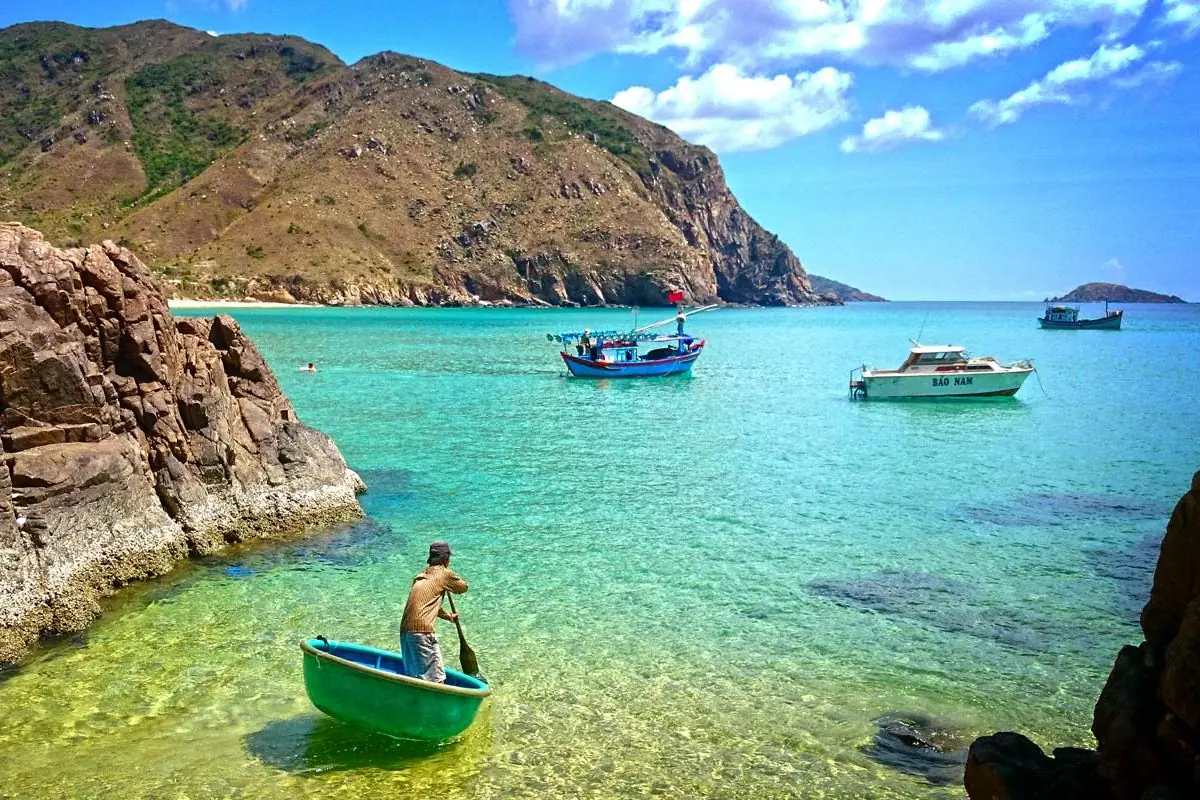
Photo: Lê Hồ Bắc
Things to do in Quy Nhon in two or three days
Ky Co beach and Eo Gio sit on the Phuong Mai peninsula, while Ghenh Rang and the main city beach are close to central Quy Nhon. With two full days, spend one across Thi Nai Bridge on the peninsula and another exploring the city beach, the Twin Towers and Ghenh Rang. Add Banh It Towers northwest of town on a third day, or keep the extra time for the beach if you are traveling with children.
Here is a realistic arrival example. Train SE8 leaves Nha Trang at 14:03 and reaches Dieu Tri at 17:55. After a taxi to your hotel, dinner and a walk by the water are all that evening needs. Save the boat or beach excursion for the next morning.
Start by grouping the sights, not ranking them
The eastern group is Quy Nhon Dong ward, covering the former Nhon Ly and Nhon Hai areas. It includes Ky Co beach, Eo Gio, the fishing village of Nhon Ly and Hon Kho. Reaching this area from central Quy Nhon means crossing Thi Nai Bridge and continuing along the peninsula roads. Allow six to eight hours for this side of the bay.
The central group covers Quy Nhon and Quy Nhon Nam wards. Here you will find the long urban beach, streets such as Xuan Dieu and An Duong Vuong, the Twin Towers, Ghenh Rang-Tien Sa and the Han Mac Tu memorial area. You can explore one or two sites before lunch and return to the beach when the sun is lower. You can manage this area all day without hiring a driver.
The northwest group is Banh It Towers in Tuy Phuoc Bac commune, around 20 km from central Quy Nhon. The towers stand on a hill outside town. Give yourself time for the uphill paths and for looking closely at the architecture. Travelers departing via Dieu Tri railway station can sometimes combine the towers with their exit route, but should never leave the visit so late that it threatens the train connection.
| Area | Best stops | Time to allow |
|---|---|---|
| Quy Nhon Dong | Ky Co, Eo Gio, Nhon Ly | 6-8 hours |
| Central Quy Nhon | City beach, Twin Towers, Ghenh Rang | An easy full day |
| Tuy Phuoc Bac | Banh It Towers | 1.5-2 hours on site, plus travel |
Loading map...
- Ky Co beach: Beach in Quy Nhon Dong ward
- Eo Gio: Cliffside walking path near Nhon Ly
- Hon Kho: Nhon Hai area, separate boat trip
- Thi Nai Bridge: Route from the city to the peninsula
- Twin Towers (Thap Doi): Tran Hung Dao street, Quy Nhon ward
- Queen's Beach, Ghenh Rang: Ghenh Rang-Tien Sa, Quy Nhon Nam ward
- Han Mac Tu's grave: Inside the Ghenh Rang area
- Banh It Towers: Tuy Phuoc Bac commune, about 20 km from the center
- Dieu Tri station: Rail stop, 10-12 km from central Quy Nhon
Is Ky Co beach worth the trip?
For beach scenery, Ky Co is one of the strongest things to do in Quy Nhon. The sandy cove is framed by rocky hills and feels much farther from the city than the main urban beach. It is on the former Nhon Ly coast, now part of Quy Nhon Dong ward. Despite the nickname “Ky Co island”, it is a mainland beach you can also reach by road.
Visitors generally use one of two routes. The first is by road, then the tourist area's own shuttle for the last stretch. The second is a boat or speedboat transfer from the Nhon Ly area when sea conditions allow. Ask which transport is running on your date; the boat and the road shuttle can keep different timetables and include different things.
Leave central Quy Nhon around 7:00-7:30 for a comfortable visit. A morning gives you time to swim, sit in the shade, take photographs and change before lunch. The sand is exposed and can get very hot around midday. During windy months, sea activities may be suspended even though the road remains open. A change of clothes, water, sun protection and sandals that stay on your feet are more useful than carrying several camera accessories to the beach.
Ticket types need careful reading. The Ky Co entrance ticket is VND 120,000 for adults and children 1.2 m or taller, VND 60,000 for children from 0.8 m to below 1.2 m, and free below 0.8 m. Road transfers within the tourist area can cost extra. Return boats and speedboats from Nhon Ly cost roughly VND 200,000-400,000 per person, frequently including the beach entrance ticket. Each is a separate option, so you usually won't pay for all of them.
Why pair Eo Gio with Ky Co beach?
Eo Gio is a cliffside walking area near Nhon Ly, with a path overlooking rocky headlands and open sea. Come here for the views and the walk; for a sandy swim, Ky Co is the place. Because the two stops sit in the same peninsula area, visiting both on one outing saves the drive back across Thi Nai Bridge. The trail includes steps, exposed sections and railings; footwear with grip is more practical than loose flip-flops.

Photo: Hưng Hồ Bá
The Eo Gio admission fee was revised to VND 30,000 per visit in late June 2026. It's still worth checking the board at the gate. The paths and viewpoints take around 45-90 minutes. Early morning is comfortable in hot weather, and late afternoon can also work. The light changes through the year, so there is no fixed “best sunset hour” to plan around.
The order of visits depends on transport. When you have booked an early Ky Co speedboat, take that sailing first and visit Eo Gio later. On the road approach with no fixed boat departure, Eo Gio can come first while the cliff path is cool. It also leaves a buffer for a delayed departure or a longer lunch.
Nhon Ly is a useful place to stop for seafood and a short village walk between activities. Check restaurant prices by weight, especially for fish, prawns, squid and crab. Ask whether preparation is included and whether a quoted price refers to 100 grams or one kilogram. Seafood prices change with the catch, so a universal “seafood meal price” is less useful than a clear menu and an agreed total before cooking.
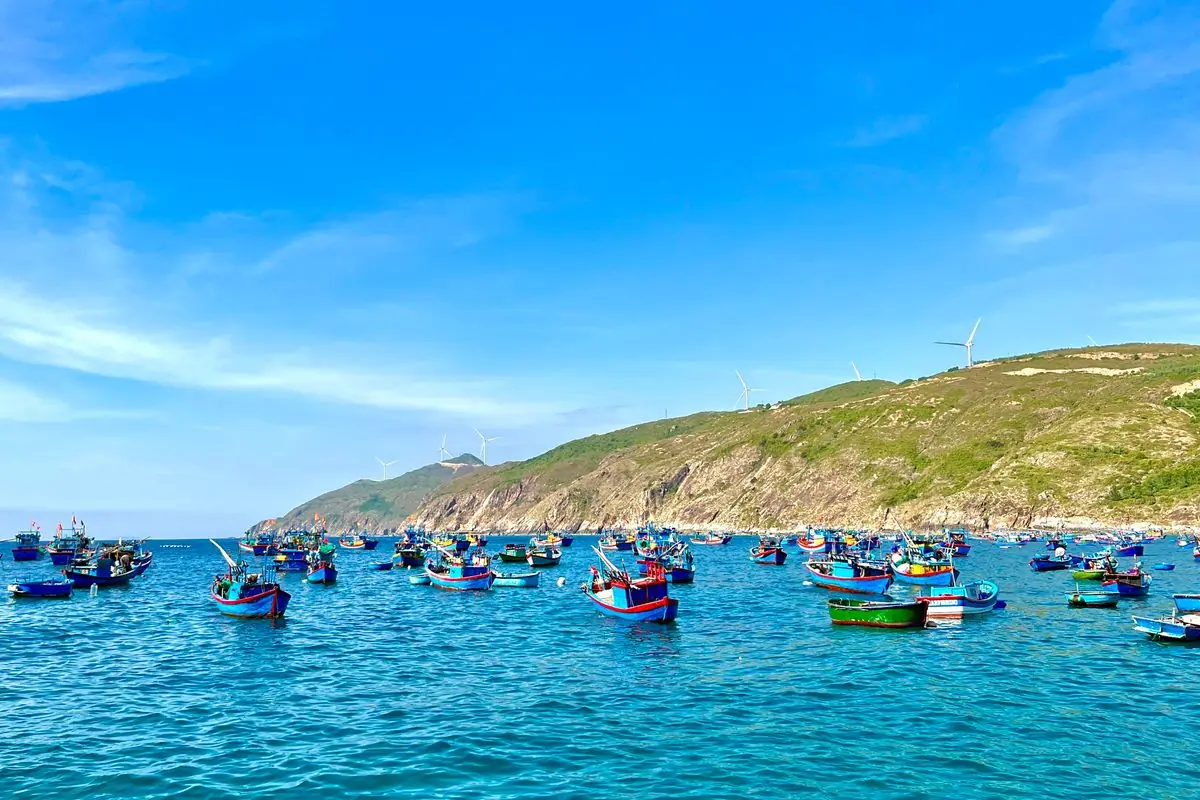
Should you also add Hon Kho or the Phuong Mai dunes?
Hon Kho is in the Nhon Hai area, also in Quy Nhon Dong ward, but sits well away from the Ky Co beach. A visit can require a separate boat departure and additional travel to the correct pier. Adding Hon Kho to a day already containing Ky Co, Eo Gio and lunch creates a lot of transfers. On a first visit of two or three days, pick one main boat trip instead of trying to collect every small island and bay.
Phuong Mai's sand dunes offer a different kind of scenery, with open sand and strong coastal light. They can be added on the return journey if your driver and schedule allow it. Midday sand gets hot and wind can blow grit into your eyes and camera. Tired after the beach? Head straight back to the hotel. The dunes are an optional extra and not worth stretching an already long day into the evening.
This approach also helps independent travelers control costs. A single peninsula outing needs one planned return route, while two separate beach-tour days usually mean paying twice for long transfers. When comparing a private driver with a group tour, include the route from the hotel to the departure point, time spent waiting and the final drop-off location. Count the whole trip door to door, including the boat ticket and every transfer.
What is there to do at Ghenh Rang-Tien Sa?
Ghenh Rang-Tien Sa lies in Quy Nhon Nam ward and works well as a short visit from the city. The coastline is rocky, with pathways through greenery and views of the water. Bai Da Trung, also called Queen's Beach, is known for large rounded stones lying close together along the shore. They make an interesting landscape, but their wet surfaces are not a good place for children to run or for visitors to treat as a normal sandy swimming beach.
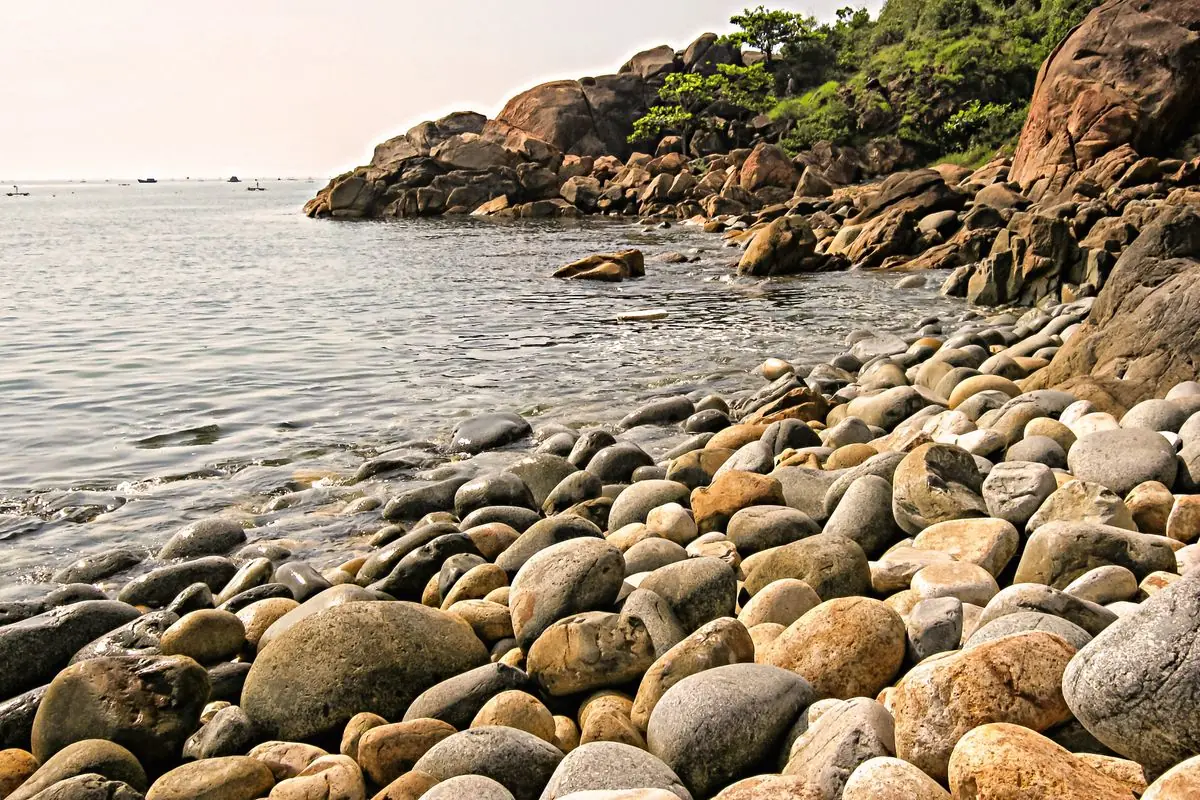
Photo: Thuydaonguyen
Ghenh Rang-Tien Sa is free to enter, opens 7:00-18:00, and most visits take about an hour. Go after breakfast, walk the accessible sections and return to the city for lunch. In hotter weather, a morning visit is more pleasant than crossing exposed rocks in the middle of the day. Wear shoes or secure sandals; leave slippery dress shoes for dinner.
The Han Mac Tu memorial and grave add a cultural stop to the visit. Han Mac Tu was an important Vietnamese poet, and Ghenh Rang is linked with his final years. Knowing his poems helps but isn't needed, and poetry lovers may want to linger. Families with younger children can simply explore the easier paths and viewpoints. There is no need to descend to every rock formation to make the visit worthwhile.
Is the city beach worth half a day?
Yes, especially on a short itinerary. Quy Nhon's central beach runs beside the urban area, so you can return to your hotel for a shower or break without organizing another vehicle. Sections near Xuan Dieu and An Duong Vuong are convenient for walking, eating and looking out across the bay. You can enjoy the beach in the early morning, have breakfast in town and return in the late afternoon when the strongest heat has passed.
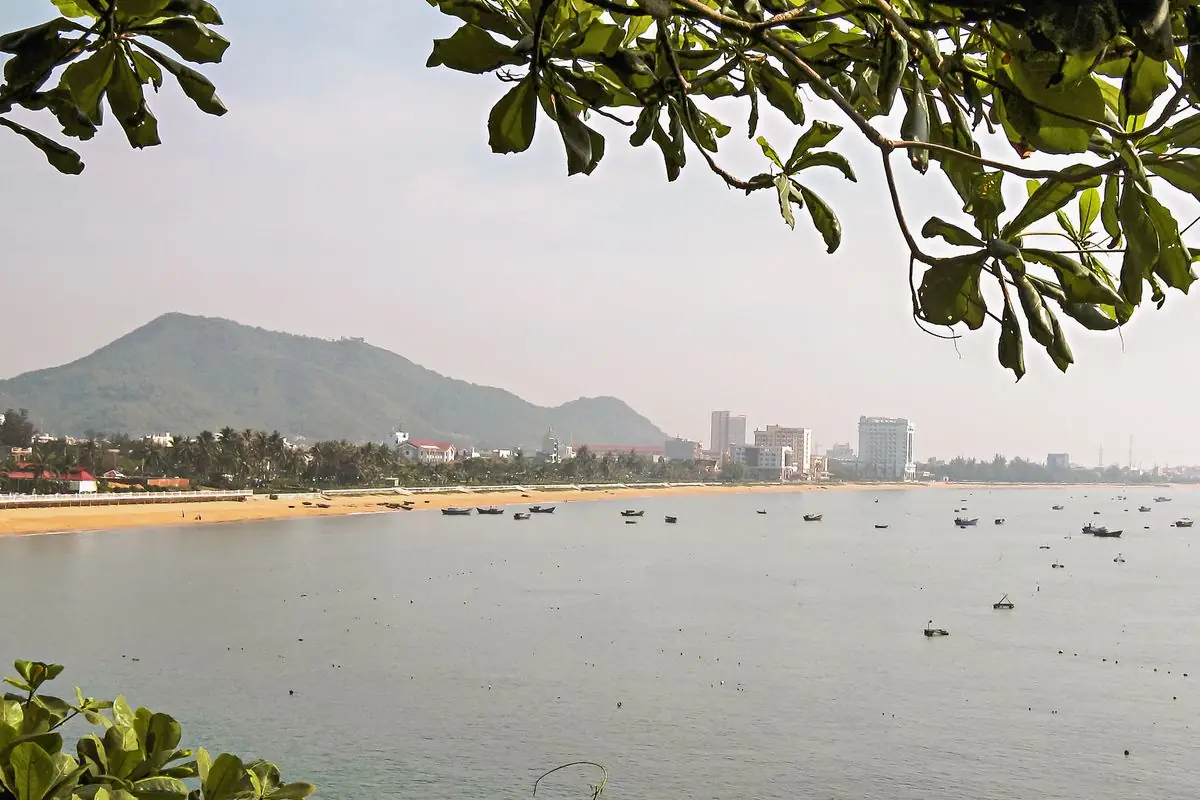
Photo: Bùi Thụy Đào Nguyên
On a two-night stay, a hotel near the beach often saves more on daily transport than a slightly cheaper room farther away. Check the actual walking route from the hotel entrance to the sand. “Sea view” and “near the sea” can mean very different things; confirm the room type and building position before booking. Families will appreciate a lift, laundry options, a convenient breakfast and a safe pickup point for taxis.
Twin Towers or Banh It Towers: which Cham site should you visit?
Twin Towers, usually called Thap Doi or Hung Thanh Towers, stand on Tran Hung Dao street in Quy Nhon ward. The site contains two historic Cham brick towers dating approximately from the late 12th to early 13th century. Their roof forms and decoration show Khmer influence within Cham architecture. The biggest advantage is location: you can visit from the city center without committing a whole morning to transport.
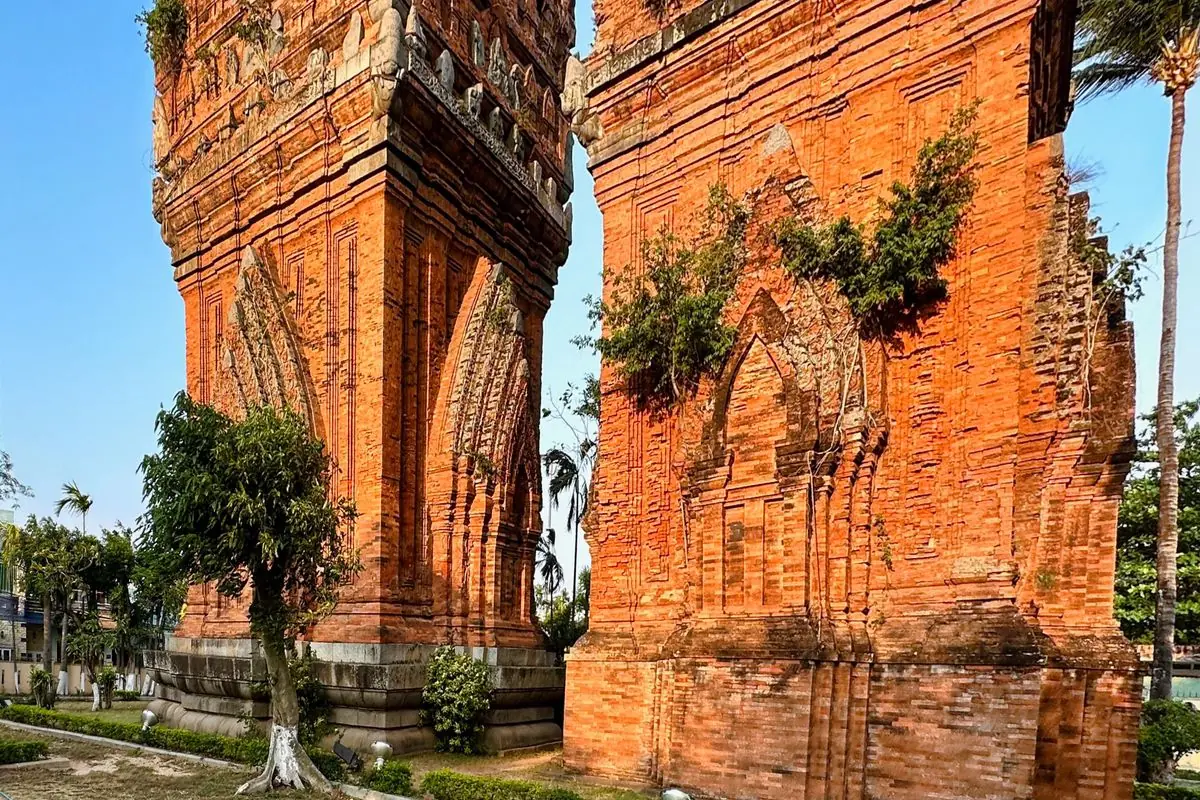
Photo: Ms Sarah Welch
Admission is VND 20,000 and the site opens 7:00-18:00. Allow about 45-60 minutes to look at both towers and the brick details. Stay outside protected structures and follow site notices. Cultural performances at the monument happen only on scheduled event dates. Check the event calendar before heading over after dinner for a show.
Banh It Towers, in Tuy Phuoc Bac commune, Gia Lai province, stand on a hill northwest of Quy Nhon. The complex includes four Cham structures dating broadly to the late 11th and early 12th centuries. From a distance the towers form a distinctive silhouette above the plain, and walking around them gives a stronger sense of the scale of the historical site than a quick roadside photograph.
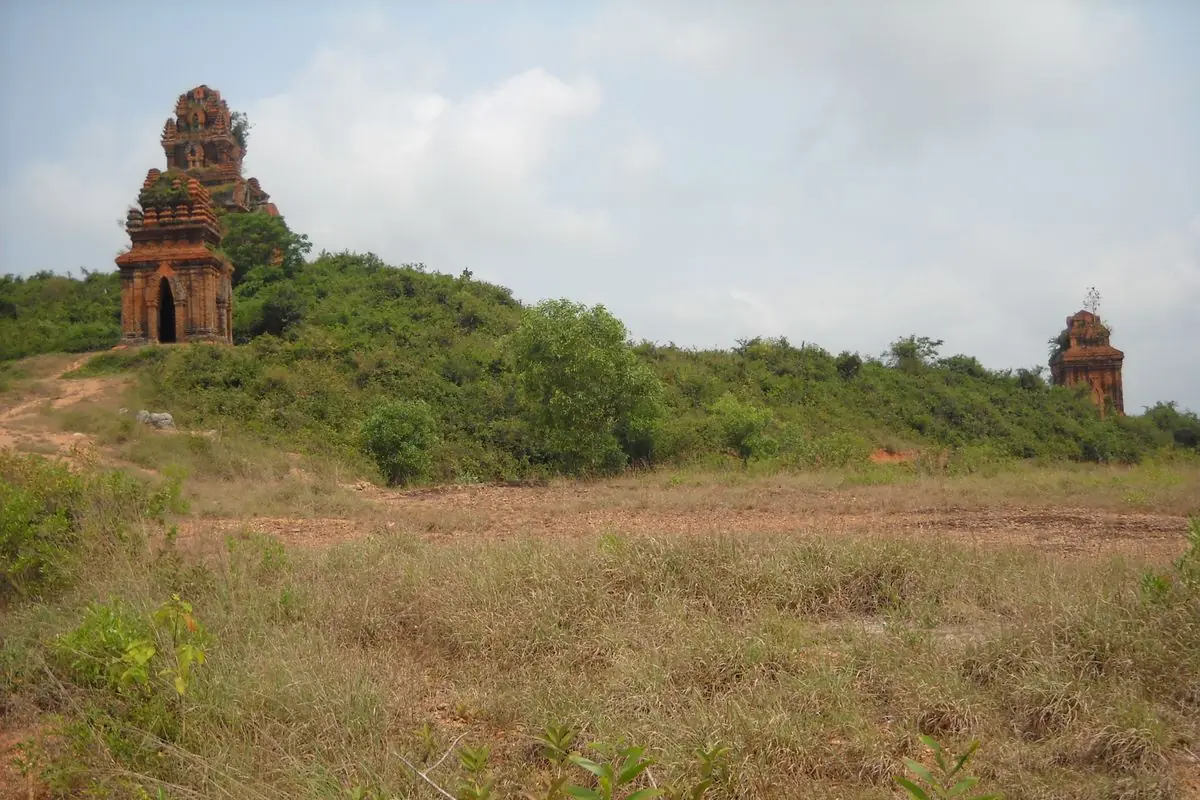
Tickets cost VND 15,000, and the gates open 7:00-18:00. The paths have an uphill section, so carry water and consider the heat before setting off. The destination is around 20 km from central Quy Nhon. It can be attractive on the way out towards Dieu Tri station, but leave enough time for the vehicle, luggage collection and station check-in. Being in the same general direction does not make it safe to visit immediately before train departure.
For someone with only one spare hour, Twin Towers is the straightforward choice. Architecture fans with a free half-day and reliable transport will get more from Banh It's larger hilltop site. Both are worth seeing, but one is enough to show that Quy Nhon is more than a beach town.
Things to do in Quy Nhon at night
The simplest evening is a walk along the urban beach, dinner, then a drink near your hotel. This suits travelers returning from the peninsula after a long day outdoors. Public spaces beside the beach are good for people-watching, and a short stretch is plenty. Quy Nhon's evening appeal is more about food and the seafront than trying to find a different major attraction every night.
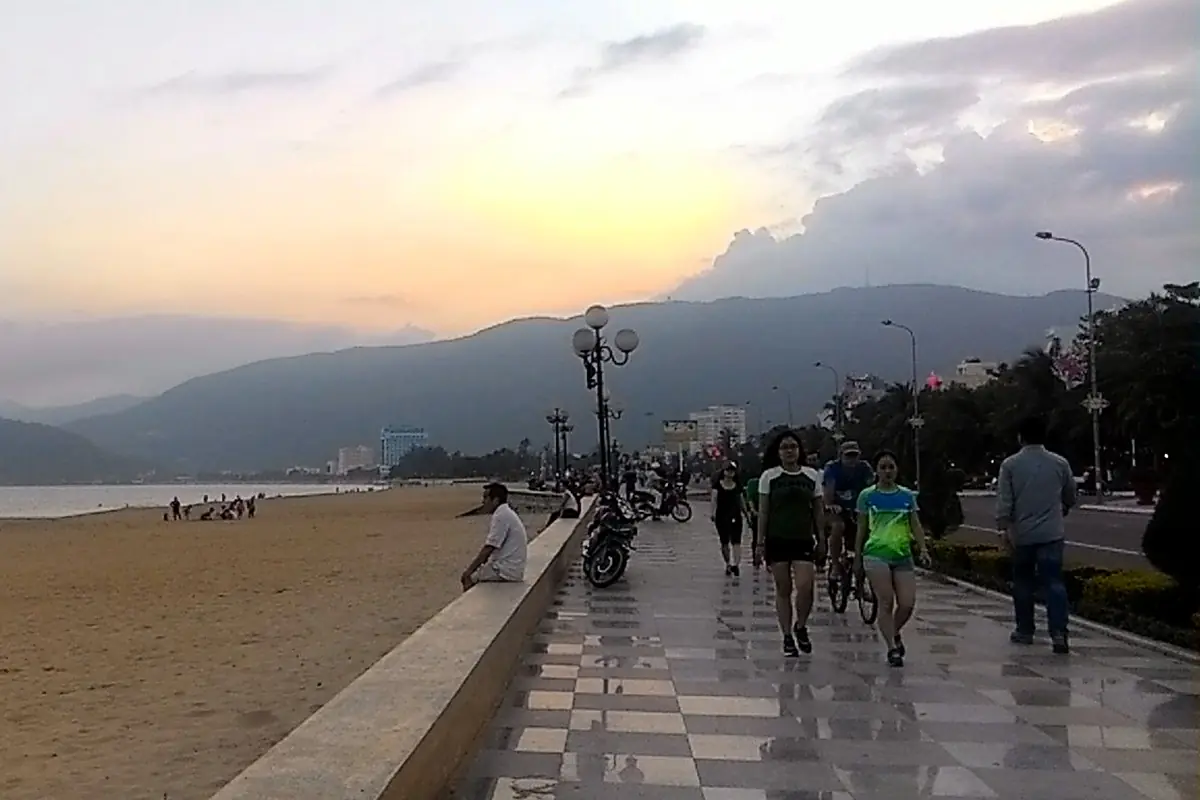
Photo: VeeWin
Food streets and night-market stalls are worth a look, but opening hours vary from stall to stall. Pick a market or food street on the day and keep the evening loose. Look for an active food area near your accommodation, check the menu and enjoy a relaxed dinner. On a wet or stormy night, choose an indoor restaurant or cafe and skip exposed coastal paths.
Photographers usually get more from the changing light between late afternoon and early evening than from full darkness. You can explore the promenade around 18:00-19:00, depending on daylight and weather, then eat. Families with young children may prefer an earlier meal and a shorter walk. A meal, the seafront and a drink can be a complete evening, with no tickets or guide required.
Things to do in Quy Nhon with kids
For preschool children, the central beach and the easier parts of Ghenh Rang are often more manageable than an all-day boat excursion. You can pop back to the hotel for a break, a change of clothes and an early lunch. Parents do not need to match a tour group's fixed pace. Older children keen on a boat trip may enjoy Ky Co when the operator accepts their age and size and the sea conditions are suitable.
Plan one main activity before lunch. That could mean Eo Gio's short cliff walk followed by lunch in Nhon Ly, or a morning at Ky Co followed by a return to the hotel. A route combining Ky Co, Hon Kho, Eo Gio and Banh It Towers in a single day leaves very little time for children to enjoy any one place. More transitions also mean more waiting, changes of clothes and tired passengers.
For children around primary-school age, Twin Towers provides an accessible introduction to Cham architecture. Ask them to look for the differences between the two brick structures, the arch forms and decorative figures. The visit is short enough to follow with a meal or time outdoors. Banh It Towers can suit older children happy to walk uphill. Keep everyone on maintained paths and within barriers on elevated areas.
What should you eat in Quy Nhon?
Banh hoi long heo
Breakfast, VND 25,000-35,000
Start with banh hoi long heo, fine rice-vermicelli sheets served with pork offal, herbs, dipping sauce and often a light bowl of porridge. Banh hoi long heo Man on Tran Phu street is a long-established breakfast option. A serving costs around VND 25,000-35,000, with service mainly in the morning. Go before late morning rather than assuming the kitchen will still have every item at noon.
Bun cha ca
Bun ca Thuy, Co Hanh
Bun cha ca, the local fish-cake noodle soup, is another useful breakfast or easy lunch. Bun ca Thuy on Tang Bat Ho street charges around VND 25,000-50,000 per bowl, depending on the dish. Bun cha ca Co Hanh on Tran Hung Dao street costs around VND 20,000-40,000 per bowl. The price at the counter is the one that counts. Add-ons and different bowl sizes affect the total.
Banh xeo tom nhay
Gia Vy 2, 14 Dien Hong
For a casual lunch or dinner, try banh xeo tom nhay, small crisp pancakes made with shrimp and served with vegetables. Gia Vy 2 at 14 Dien Hong, Quy Nhon ward, Gia Lai province, charges VND 25,000-35,000 per pancake depending on filling. Order in rounds while the pancakes are hot. Other regional foods include bun ram crab noodles, fish-cake thick noodle soup, nem cho Huyen fermented pork and banh it la gai sticky cakes.
Seafood can be a highlight, but ask the price carefully. Some restaurants sell by weight, others by portion, and cooking charges may not be included in a quoted number. Confirm the weight of live seafood before preparation and ask for an estimated total for the table. If you are rushing to catch a train or traveling on a tight budget, a noodle shop with priced bowls is easier to manage than an open-ended seafood order.
Nha Trang to Quy Nhon: train, bus or private car?
3 hr 52 min
SE8 train, Nha Trang to Dieu Tri
10-12 km
Dieu Tri station to the center
4-5 hours
bus or limousine van
VND 159,000
soft seat on SE8, SE6, from
Train is a practical option for international visitors traveling along Vietnam's central coast. Book from Nha Trang station to Dieu Tri station, in Tuy Phuoc commune, Gia Lai province. Dieu Tri is roughly 10-12 km from central Quy Nhon, depending on your hotel. You will need a taxi or arranged pickup for the final leg. Read the arrival station printed on your e-ticket rather than relying on the destination label in a booking app.
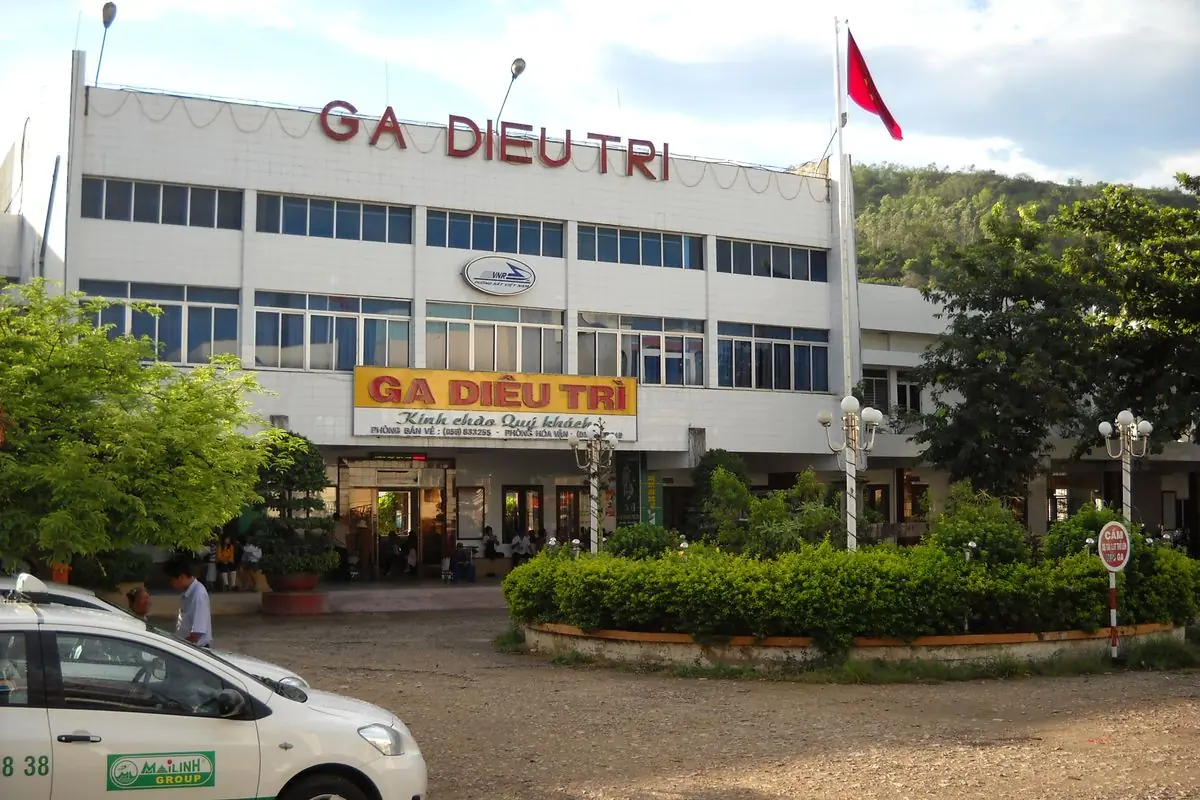
SE8 leaves Nha Trang at 14:03 and reaches Dieu Tri at 17:55, taking 3 hours 52 minutes. Soft seats start from about VND 159,000. SE6 leaves at 16:13 and arrives at 20:27, with fares also from roughly VND 159,000. There are other services overnight and early in the morning, but their arrival times may be less convenient for families. Train schedules, seat types and fares change; always search for your exact travel date before paying.
Bus or limousine van services typically take around four to five hours, depending on the operator, traffic and exact pickup and drop-off points. Some services reach locations closer to central Quy Nhon than the railway station does. Others only stop at an office, an intersection or a road junction. Check the precise address at both ends, baggage rules and any planned vehicle transfers. A “Quy Nhon” ticket does not guarantee a door-to-door ride to the seafront.
A private car makes sense for a group carrying luggage or travelers wishing to stop in the former Phu Yen area on the way. Agree on pickup, waiting time, stops and extra charges before departure. If your hotel check-in is late, an ambitious coastal detour will make the day unnecessarily long.
For foreign travelers, save the names Nha Trang Station and Dieu Tri Station as well as your hotel address in Vietnamese. Older transport websites may still use Binh Dinh for the destination. The train code, boarding station and arrival station matter more than the old province label in a ticket page's heading. Keep enough time after reaching Dieu Tri to locate your driver and travel into town.
A practical two-day Quy Nhon itinerary
- Day 1
The city and Ghenh Rang
Have banh hoi or fish-cake noodles around 7:00. Visit Twin Towers around 8:00 and continue to Ghenh Rang-Tien Sa from about 9:30. Return for lunch and a break indoors. From around 15:30, spend the afternoon at the central beach or on the seafront promenade. Have dinner in town, then walk a short stretch near the hotel. This uses the easiest connections on the first day, without a long drive to the peninsula.
- Day 2
Ky Co and Eo Gio
Leave around 7:00 and cross Thi Nai Bridge towards Nhon Ly. Use the morning for Ky Co according to your chosen boat or road arrangement. Have lunch in Nhon Ly, then visit Eo Gio in the afternoon; reverse those two stops when your transport schedule calls for it. Return to the city before evening and leave time for showers and packing. Do not book a boat excursion finishing close to a train departure from Dieu Tri.
This plan assumes two complete sightseeing days; it won't fit into one night between a late arrival and an early checkout. If that is all the time you have, stay with the city beach, Twin Towers and Ghenh Rang. Skipping Ky Co on a very short trip is often a better decision than spending nearly every available hour in vehicles.
A three-day Quy Nhon route when arriving from Nha Trang
- Day 1
Arrival and the seafront
Take the train or bus with a confirmed arrival time, reach your hotel and leave your bags. Eat dinner close to the accommodation and go for a 30-60-minute beachside walk if the weather allows. Do not pay for an attraction whose gates will already be closed when you get there. This keeps the journey straightforward for visitors arriving with luggage.
- Day 2
The Phuong Mai peninsula
Put Ky Co and Eo Gio on the day with the better sea forecast. Confirm any boat pickup with your operator the previous evening. Pack swimwear, a towel and water; keep a change of clothes ready for the return trip. Once back at the hotel, keep the evening free. If you are staying three nights, swap days two and three when the sea forecast makes that necessary.
- Day 3
Cham heritage and the city beach
Visit Twin Towers and Ghenh Rang in the morning. In the afternoon, either enjoy the urban beach or head to Banh It Towers if you have a genuine interest in Cham architecture and enough transport time. Work backward from the train time at Dieu Tri before deciding. On a departure afternoon, Twin Towers is usually a simpler choice than the distant hilltop complex.
With three full days excluding travel, give Banh It a slower visit or swap a city afternoon for Hon Kho. You can also leave part of the third day unscheduled. That flexibility is useful in a coastal destination: good weather, a swim and a meal without rushing are often worth more than collecting four extra stops on a map.
How much do the main activities cost?
Build the budget item by item instead of using one tour price for everyone. Entry tickets are VND 20,000 for Twin Towers, VND 15,000 for Banh It Towers, free admission to Ghenh Rang-Tien Sa, and VND 30,000 for Eo Gio following its June 2026 adjustment. Check posted fees when visiting, particularly at facilities managed by different operators.
Ky Co's beach entry costs VND 120,000 for adults, while road shuttles, boats and snorkeling are separate or bundled in different ways. A Ky Co-Eo Gio full-day tour costs from VND 735,000 per person, with prices varying by group size and package. Tours include combinations of transport, guiding, lunch and sea transfers. Compare the included services before deciding whether it is more expensive than planning everything independently.
On the Nha Trang-Dieu Tri rail leg, seats on SE8 and SE6 start from about VND 159,000 one way, before the city transfer. You still need a hotel, meals, local transport and any boat activity. A group of four using a private vehicle may face a very different per-person cost from a solo visitor joining a tour. Compare complete door-to-door costs, including waiting time, rather than only the cheapest single ticket.
When is the best time to visit Quy Nhon?
March to August is generally the easier period for beach-focused travel, especially Ky Co and speedboat trips. In the hotter part of the year, start outdoor activities early, take a midday break and return to walking routes later in the afternoon. Clear skies do not guarantee safe boat conditions, however. Ask the boat company directly whether boats will run.
September to December requires more attention to rain, coastal winds and weather warnings. You can still visit cultural sites and eat well in the city when conditions permit, but keep the schedule flexible and understand your sea tour's cancellation terms. Travelers working along the central coast may want a buffer day instead of back-to-back boat, train and bus bookings that are hard to change.
The choice: Ky Co excursion or an easy city day?
With two full days and favorable sea conditions, choose one day for Ky Co-Eo Gio and one for central Quy Nhon. Only one night, or young children who need frequent breaks? The city beach, Twin Towers and Ghenh Rang make the more comfortable plan.
FAQ
What are the best things to do in Quy Nhon on a first visit?
Start with Ky Co beach, Eo Gio, the central beach, Ghenh Rang-Tien Sa and Twin Towers. Two complete sightseeing days cover these highlights; add Banh It Towers on a third day if you enjoy history and architecture.
What can you do in Quy Nhon at night?
Walk along the seafront, eat local shrimp pancakes or seafood and stop at a cafe near your hotel. Shows at Twin Towers follow their own event calendar, so check the schedule first.
What are the easiest things to do in Quy Nhon with kids?
Choose the central beach and the accessible paths at Ghenh Rang for younger children. Consider a Ky Co boat trip only when the operator accepts the child's age and size, supplies a suitable life jacket and confirms safe sea conditions.
How do you get from Nha Trang to Quy Nhon by train?
Book from Nha Trang station to Dieu Tri station, then take a taxi or arranged pickup about 10-12 km into central Quy Nhon. Verify the train code, station names and current timetable before booking.
Can you visit Ky Co beach and Eo Gio in one day?
Yes. They are in the same peninsula area, and one day is usually enough for both with lunch in Nhon Ly. Set the order around the Ky Co boat or road transfer rather than adding Hon Kho automatically.
Related posts
Places
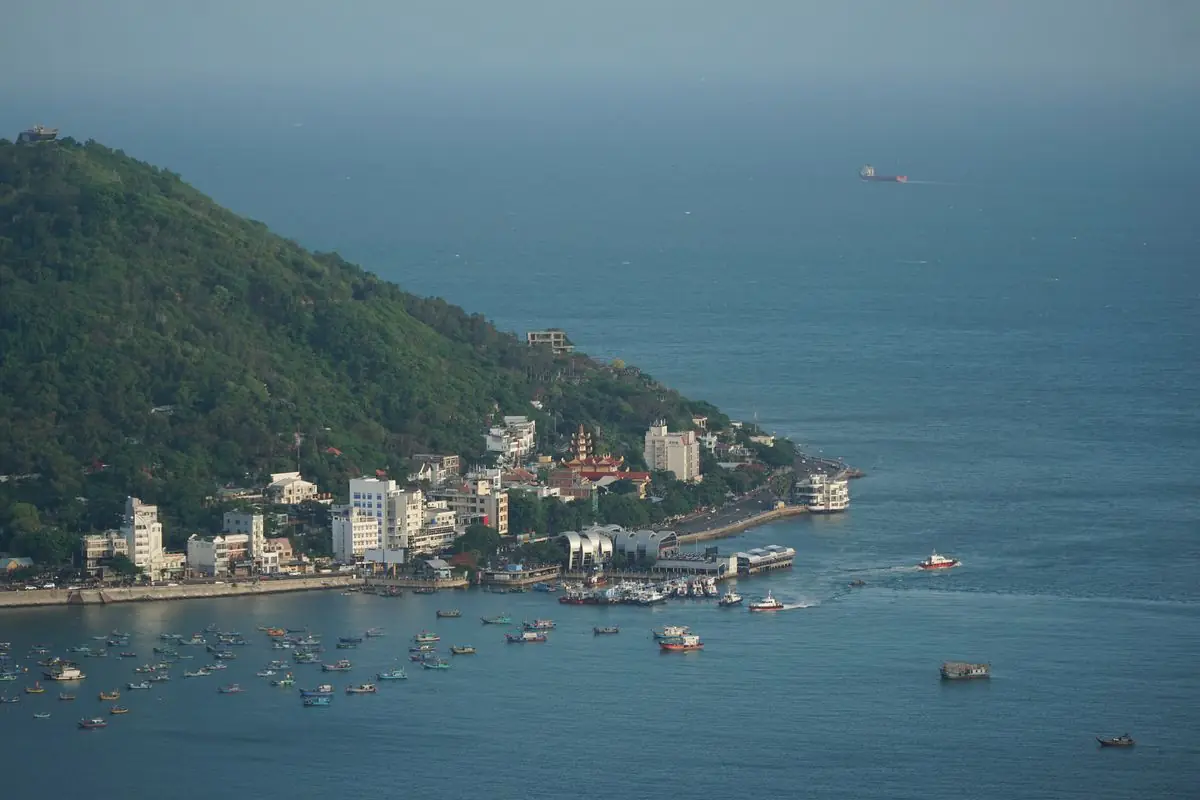
How to spend a day or two in Vung Tau, from Back Beach to Ho May Park
A practical Vung Tau plan with beaches, sights, food and transport from Ho Chi Minh City.
Places
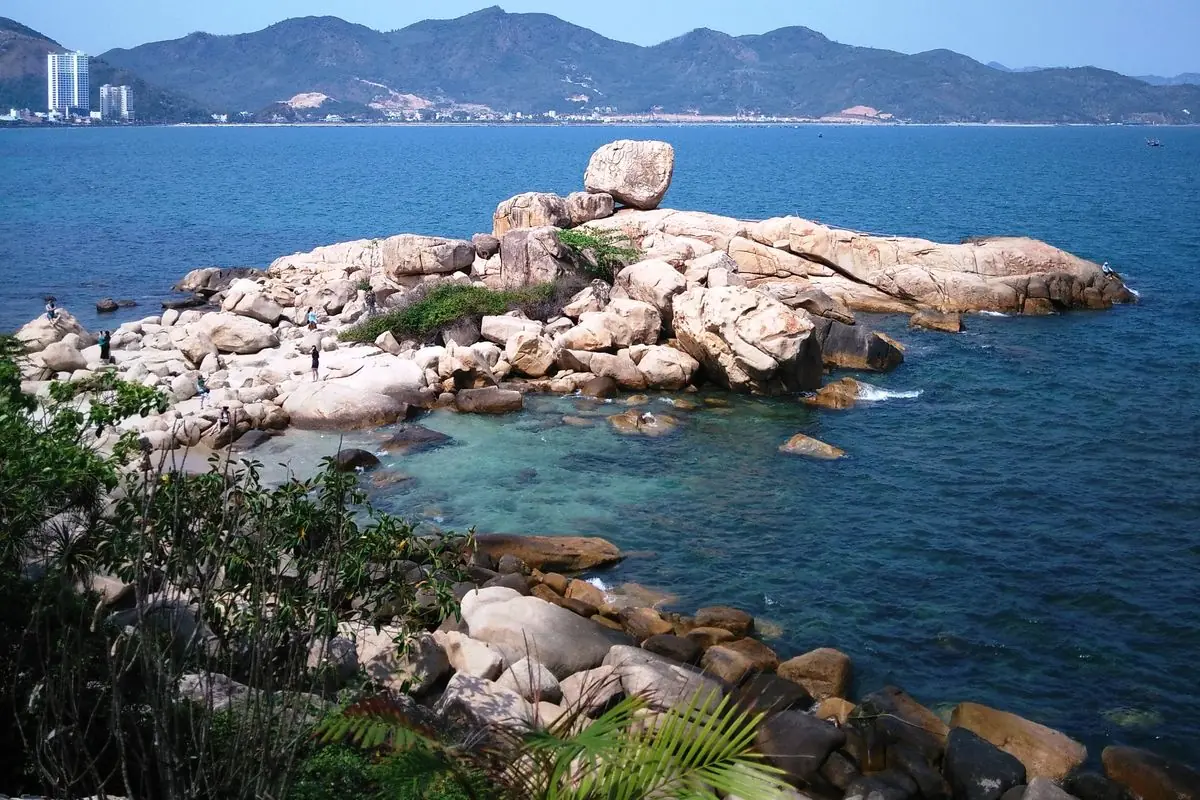
Why is there a giant handprint on the rocks at Hon Chong Nha Trang?
Hon Chong is known for its mysterious handprint, giant seaside rocks, and traditional Vietnamese music pavilion.
Weather
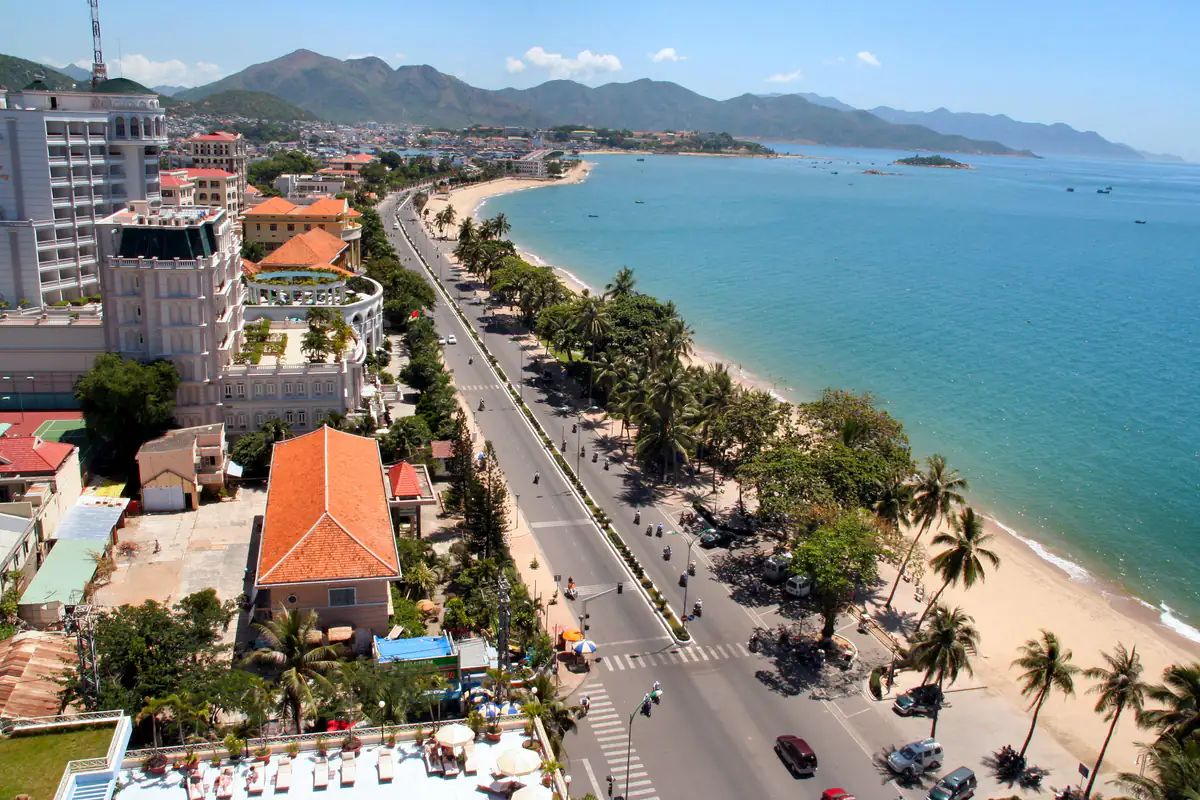
Nha Trang weather in March suits both beach days and island tours
March brings warm days and swimmable seas to Nha Trang, but island trips still depend on wind and waves.