12 Months of Ho Chi Minh City (Thành phố Hồ Chí Minh) Weather for Planning Your Stay
For a walking-focused stay, favor the earlier dry season and keep midday for rest. With rainy-season dates, we would prioritize a convenient base and flexible outings.
Written by Tụi mình mê biểnUpdated
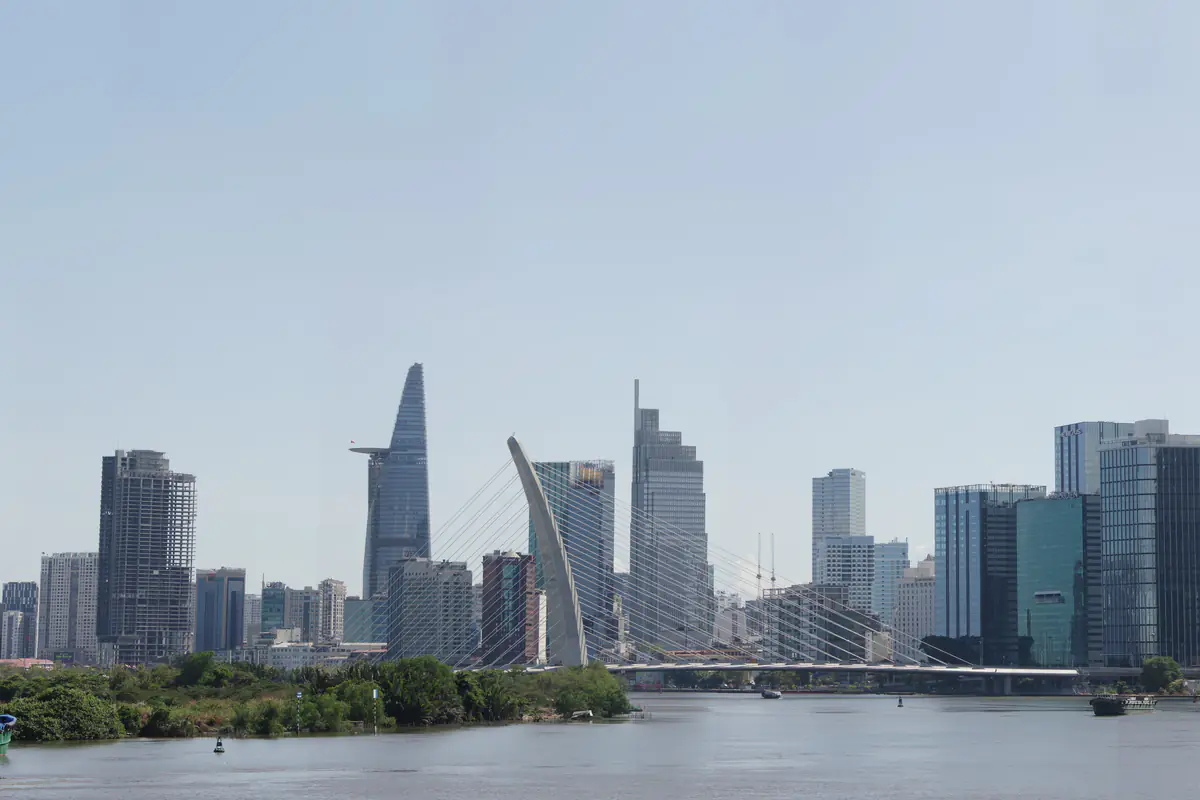
Photo: Pimnl
A January walking day and an April walking day can both be relatively dry without feeling equally comfortable. We would choose the dry season for more time on foot, then plan around the heat within each day. If your holiday falls in the rainy season, changing the daily rhythm is more useful than canceling because every forecast icon shows a shower.
December through April favors outdoor plans, with shade still essential
The city is warm throughout the year. December through April is the dry season for travel planning, while May through November is the rainy season. We favor the earlier part of the dry period for a first visit focused on walking between central sights rather than carrying rain gear from stop to stop.
Less rain does not mean a cool midday. Keep lunch, a covered attraction, or a hotel rest in the middle of the day. If heat bothers you more than showers, look beyond the chance of rain: the temperature, humidity, and hours you actually intend to spend outdoors matter to the choice.
Business travelers adding a short holiday may have little choice of month. We would prioritize accommodation near the activities that matter most and reduce long midday walks. A favorable season does not help much if every meal requires a lengthy exposed route from your room.
Plan each month around the seasonal pattern
| Month | Seasonal context | Our planning priority |
|---|---|---|
| January | Dry season | Longer city walks with a midday break |
| February | Dry season | Group nearby sights for walking |
| March | Dry season | Start early and reduce exposed midday routes |
| April | Late dry season | Water and an easy return to the hotel |
| May | Start of the rainy-season window | A covered meal or indoor alternative |
| June | Rainy season | Extra travel time between appointments |
| July | Rainy season | Fewer different areas in one day |
| August | Rainy season | Quick-drying shoes and a wet-items bag |
| September | Rainy season | Rain and flood warnings before outings |
| October | Rainy season | Tide information for low-lying destinations |
| November | Late rainy-season window | Keep rain gear and check tide warnings |
| December | Beginning of the dry window | More walking when the daily forecast allows |
These are suggested planning choices, not a claim that every day in a month behaves alike. Read the forecast shortly before traveling, then check active warnings on the morning of an outing. A booking made weeks ahead should leave space for those later decisions.
Walk early, rest at midday, and keep dinner close to the evening plan
Start with the area where you most want to explore on foot. Use the middle of the day for lunch and something covered, or return to the room. If you have a timed museum or attraction visit, fit walking around that appointment rather than insist on a continuous outdoor circuit through the hottest part of your plan.
In the evening, choose dinner and a walk close enough to avoid several car trips. Warm weather makes a compact bag practical, but consider air-conditioned rooms and long-distance vehicles too. A thin layer is useful indoors without becoming something you need to wear throughout the city.
Do not combine every famous sight simply because the pins appear close together. Junctions, crossings, and stretches without shade make a walking route more demanding than the straight-line distance suggests. Choose one sightseeing area for each half-day so a rest does not require crossing the city again.
Afternoon rain is a pattern, not an appointment
Afternoon showers are a common rainy-season consideration. Rain can arrive earlier or last longer than the familiar description suggests, so we would not promise that waiting through lunch always produces a clear afternoon. Add travel margins to reservations, timed tickets, and any meeting you cannot move.
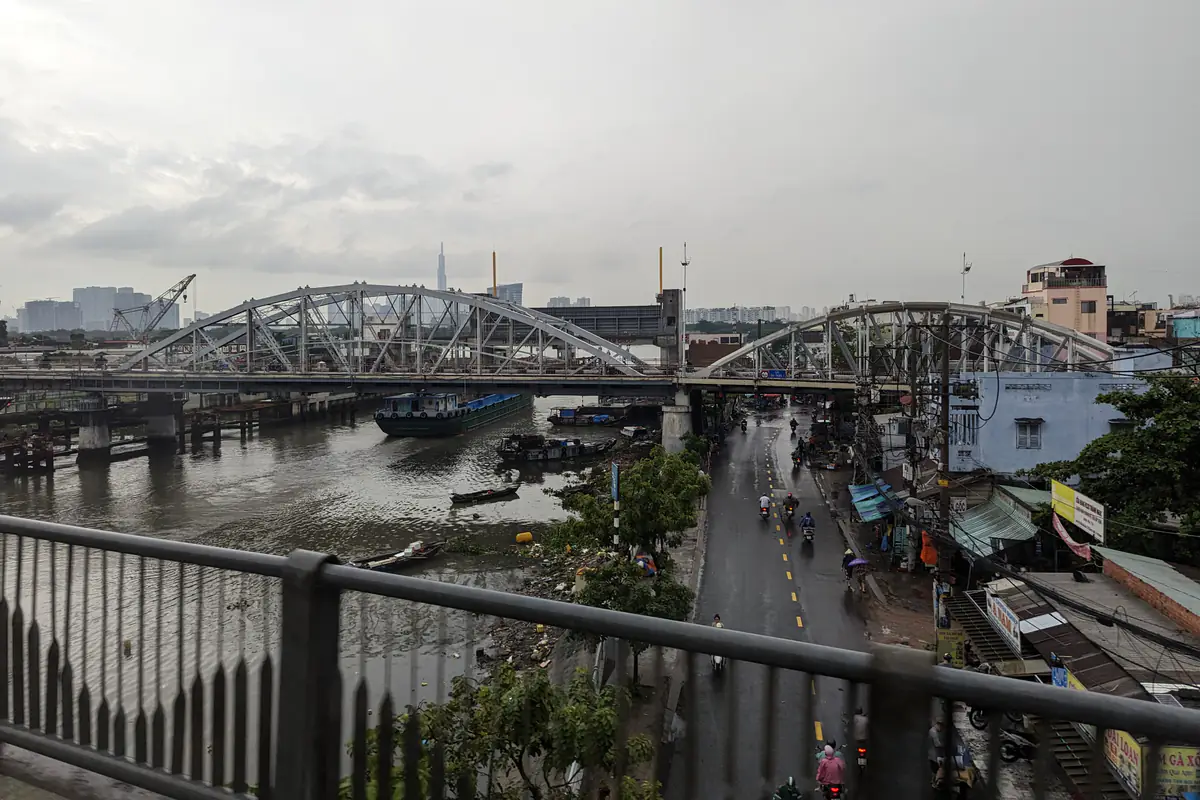
Photo: Syced
When rain starts, choose a substantial shelter along your route. Do not rush across traffic just because a cafe on the opposite side has an awning. During a thunderstorm, stop outdoor activities and wait in a safe enclosed place. A poncho helps with getting wet; it does not address lightning.
Give the indoor alternative a purpose you actually enjoy. A long meal, an exhibition, or a proper rest is more pleasant than sitting impatiently for the original schedule to resume. When conditions improve, continue with the part that still fits the time and route instead of racing toward a distant stop already made inconvenient.
Dry weather above you does not rule out flooded streets ahead
Rain-related flooding and water rising with the tide are different situations to consider when choosing a route. We check tide warnings for riverside and low-lying destinations, especially when an advisory covers the southern region. A dry street outside your hotel cannot establish that the whole journey is clear.
Read a tide bulletin for its location and timing rather than focus only on one water-level number. When authorities warn of flooded roads or restrict access, change the route and postpone outdoor plans. Do not wade into water hiding the road surface or attempt to drive through to test the depth.
If the road outside your pickup point floods, contact the driver and accommodation to agree on a safe, dry alternative. We would delay or change the meeting point rather than suggest pulling a suitcase through water to keep an exact pickup time. Keep the revised meeting point inside the same booking conversation.
Bring breathable clothes, familiar shoes, and a thin extra layer
We pack light clothing, comfortable walking bottoms, a hat, and sun protection. Choose shoes you have already worn, with grip and reasonable drying time. A day of city walking is a poor occasion to test a new pair. For religious sites, bring clothing covering shoulders and knees rather than assume something will be available to borrow.
In the rainy season, add a compact poncho, protection for your phone, spare socks, and a bag for wet items. An umbrella suits a short walk only when conditions permit; during a thunderstorm, find safe enclosed shelter. Keep regular medication in your carry-on and separate from wet clothing.
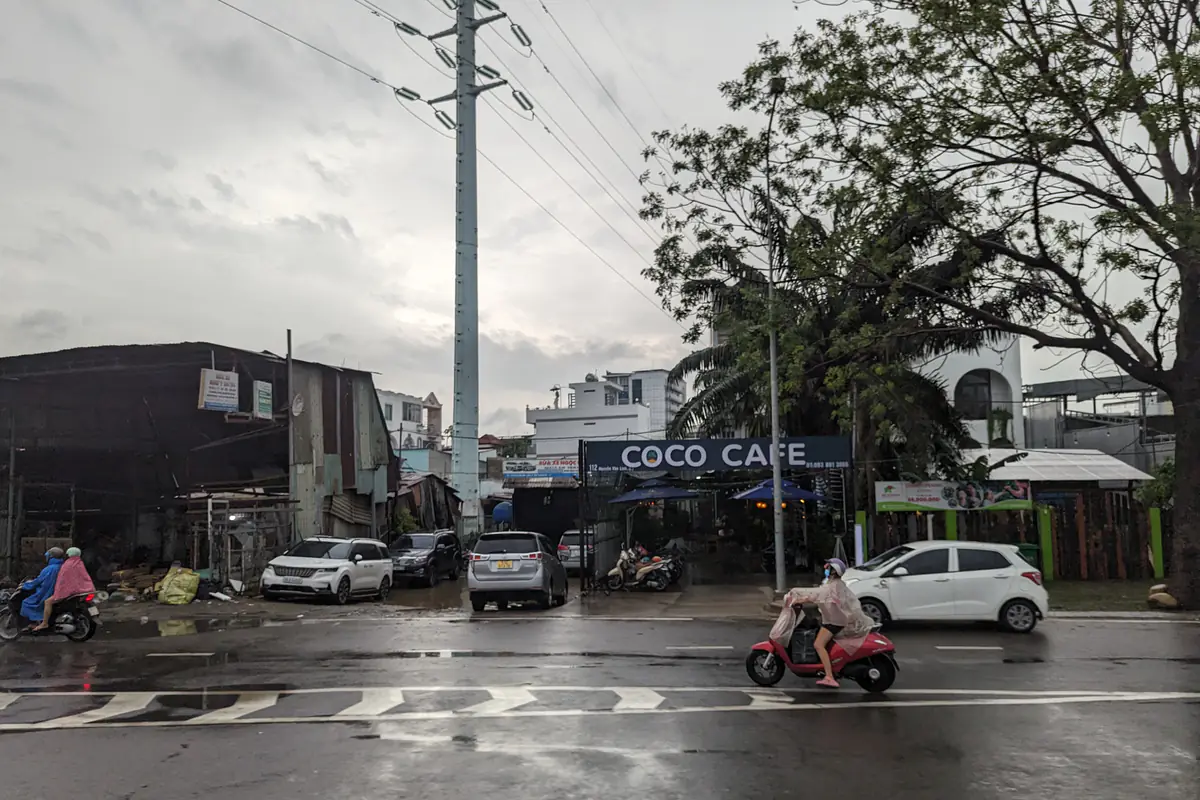
Photo: Syced
Give the airport journey its own buffer
Do not anchor arrival day to a prepaid activity immediately after landing. You still need to collect baggage and reach your accommodation. In the rainy season, we would make a nearby meal the first plan, then decide on sightseeing after checking the actual conditions and how everyone feels.
On departure day, separate driving time, a disruption buffer, and the airline’s required check-in allowance. Arrange transport to the correct airport terminal before settling the hotel departure time. Drop an extra stop along the way if heavy rain or high-tide warnings affect the journey.
If the trip continues to Da Lat (Đà Lạt), keep a warmer layer accessible and account for the different highland weather pattern. A small bag can still work for both places when you choose layers for each stage instead of packing several items with the same purpose.
FAQ
Would you choose a hotel just for one nearby attraction?
We would consider meals, other plans, and vehicle access too. A base convenient for several daily needs is more useful than being beside one short visit.
What would you reduce when traveling with older relatives?
Long walks between different areas. Include seated breaks and enough time for meals rather than filling the whole rest period with transport.
Would you pack many more clothes for a longer stay?
We would arrange laundry and bring items that work together instead of one outfit for every day. Keep a separate dry set while laundry is being done.
Related posts
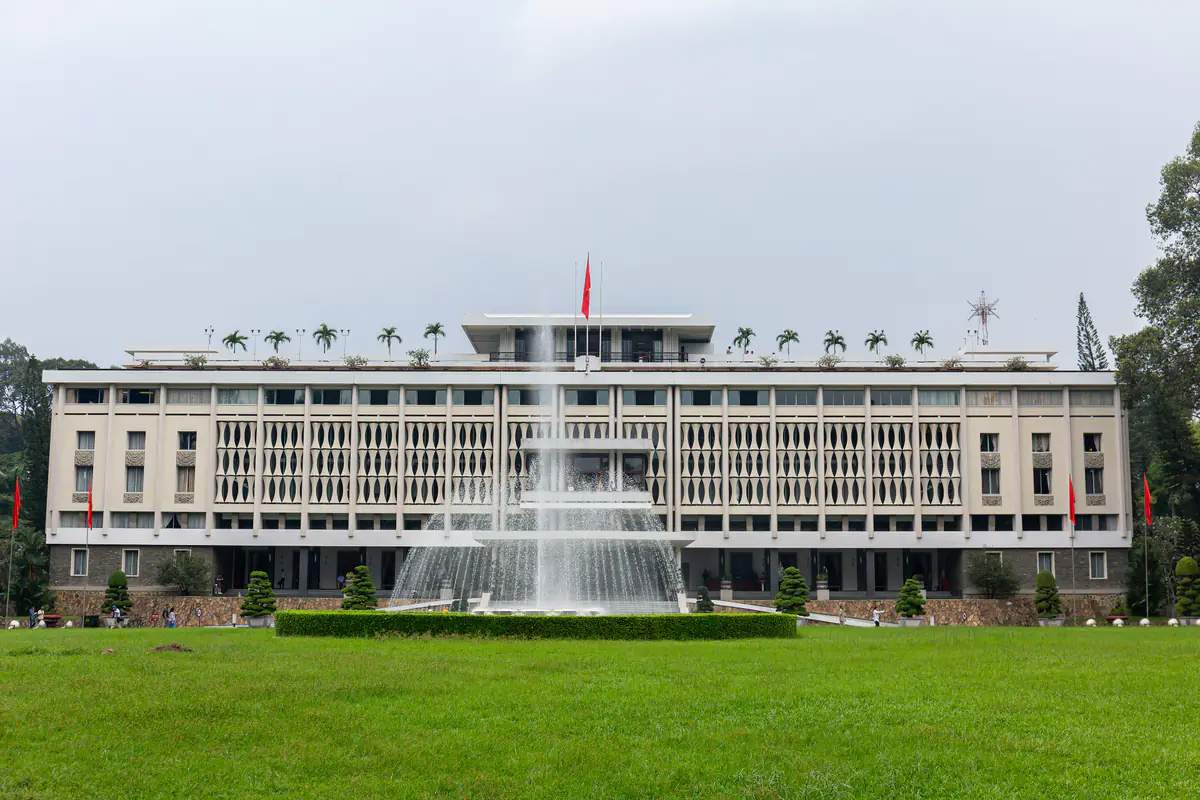
Places
7 Things to Do in Ho Chi Minh City (Thành phố Hồ Chí Minh)
Choose different sides of the city and leave enough time to enjoy each one.
Guides
Choose a Flight for a Short Ho Chi Minh City (Thành phố Hồ Chí Minh) to Nha Trang Trip
Choose the journey around the time you want at the beach, with both transfers included.

Guides
Bus or Car from Ho Chi Minh City (Thành phố Hồ Chí Minh) Airport to Your Hotel?
Choose the transfer for your hotel and locate the terminal pickup before requesting a ride.