Dam Market Nha Trang: 3 floors, opening hours and shopping guide
Dam Market Nha Trang is open 5:00 am to 6:30 pm daily, and shopping now happens in the new three-floor market, not the old round building. A morning is enough for breakfast, dried seafood, souvenirs and finding the right stalls.
Written by Tụi mình mê biểnUpdated

Photo: Hey Nha Trang
Dam Market Nha Trang opening hours: when should you go?
Aim to arrive between 7:00 and 9:00 am. Food stalls are serving breakfast, the market is active, and there is still enough time to examine products before purchasing them. The market is open 5:00 am to 6:30 pm daily, but individual shops may keep shorter hours. The opening time of the market is not a promise that every souvenir or clothing stall is ready at five in the morning.
Dam Market is in the Ben Cho area on Phan Boi Chau Street, Nha Trang Ward, Khanh Hoa Province. Some maps and older articles still use Van Thanh Ward. Following the 2025 administrative changes, Nha Trang Ward is the current ward name to use for the market's address.
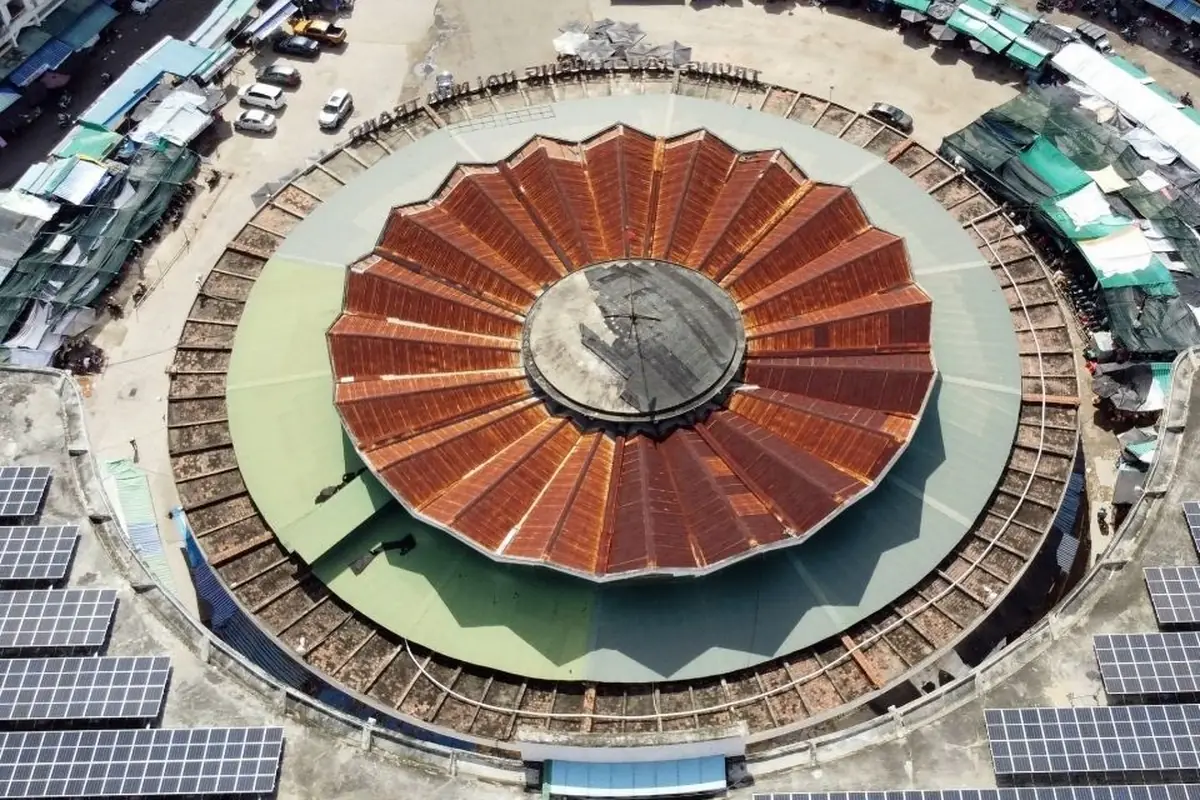
Photo: Vietravel
Allow two to three hours for breakfast, several shopping aisles, price comparisons and packing. You can make a quick visit in under an hour, but you will spend most of that time walking past products, with little left for choosing. This is a daytime market, not the Nha Trang night market on or near the Tran Phu tourist strip.
Where is Dam Market, and how do you get there?
The market is roughly 2 km by road from 2 April Square, the central seafront landmark on Tran Phu Street. Walking from the square takes about 25-30 minutes, depending on your starting point, pace and crossings. Dam Market lies north of the busiest beachfront hotel area, closer to the Cai River and the older commercial streets.
Loading map...
- Dam Market: Ben Cho area, Phan Boi Chau Street
- 2 April Square: On Tran Phu Street, about 2 km from the market
- Bun ca Nam Beo: Block B2, Cho Dam apartment complex, beside the market
- Nem Dang Van Quyen: 16A Lan Ong Street, open 10:00 am-10:00 pm
Walking works well when your hotel is on the northern part of Tran Phu Street and you plan to carry only a small bag. Search for “Dam Market” or “Cho Dam Nha Trang” on your map. Check that the walking route ends at the active new market on Phan Boi Chau Street; a photograph or map pin may still point to the closed round building.
The streets near the market are working commercial streets. Motorbikes, deliveries and pedestrians share the space. Use visible crossings where possible and allow a little time to find your entrance. Where vehicles are turning, the most photogenic view of the round building is also a risky place to stop for a picture.
A Grab car, Grab motorbike or Green SM booking is convenient from the southern hotel area, for families, and for anyone planning to buy several packages. The app shows the fare before you confirm; it depends on the pickup point, vehicle type and demand. Set the destination to the new market or Phan Boi Chau Street and agree on a clear meeting place for your return.
You can also arrive by your own motorbike. This makes sense for travellers already comfortable with Vietnamese urban traffic. Public buses serve the market area, although routes and timetables can change. Check both the outward route and your way back before relying on a bus for a tight schedule. Walking is often simpler than waiting for a connection if you are staying nearby.
Where can you park a motorbike or car at Dam Market?
There are parking areas within the market complex and around its perimeter. Do not assume that every entrance offers the same parking arrangement. Approach the active market slowly and look for a staffed “Giữ xe” sign, meaning vehicle parking or storage. Market staff or an attendant can direct you to the appropriate entrance for a motorbike or car.
Ask the parking attendant about the fee, closing time and exact pickup point before leaving your vehicle. Keep the parking ticket or confirmation somewhere separate from shopping receipts. Fees vary from one parking area to the next, so check the price on arrival instead of planning around an old online estimate.
Drivers should confirm that a space is permitted before leaving a car, including roadside space outside a stall. Choose an obvious corner or entrance for a taxi pickup and share it with your driver. A car cannot stop just anywhere along the busy frontage.
People buying heavy packages should think about the return trip before shopping. A parking spot close to the exit you intend to use can save carrying several bags through the market again. Travellers using a booked car can arrange a pickup point, finish their purchases and return to the hotel without worrying about the parking deadline.
What does Dam Market Nha Trang sell? Understand the 3-floor layout
The new Dam Market has three floors. Its original merchandising plan assigned daily essentials, dried seafood and seasonings to the first floor at ground level; clothing, bags, shoes and handicrafts to the second floor; and food and drink businesses to the third floor. Fresh products were planned for a separate area. This layout is helpful for orientation, but it is not an up-to-the-minute inventory of open stalls.
The transfer from the old round market to the new hall took years. At different points, many upper-floor units were vacant or not trading. Start at ground level and ask where active sellers of a particular item are located. Do not climb three flights simply because an outdated travel guide insists that a particular restaurant must be upstairs.
Ground floor: dried seafood, condiments and everyday goods
Begin here for dried squid, dried shrimp, dried fish, fish sauce, packaged seasonings and household products. Some sellers also carry rice crackers, ready-to-eat snacks and gifts from the wider Khanh Hoa area. Bulk products may be displayed in open trays, while travel-oriented products tend to be packed into labelled bags or boxes.
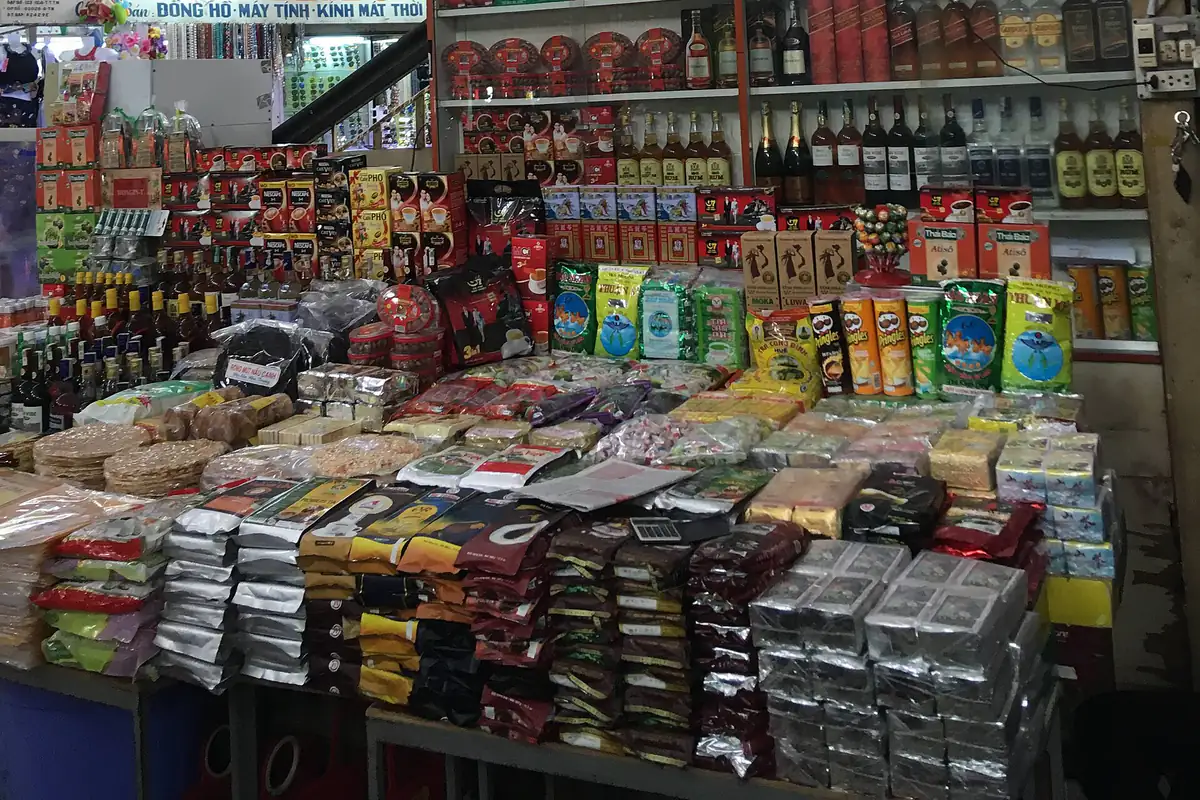
Photo: Christophe95
Second floor: clothes, fabric, bags and handicrafts
The original category plan placed clothing, shoes, handbags, accessories and craft products here. There are also shops in the surrounding aisles and along nearby streets. A fabric seller may therefore be easier to find outside the upper floor than in a particular numbered section of the hall.
Check stitching, zips, linings and the actual material on clothes and bags. Ask whether an item can be exchanged if it does not fit. When buying fabric by length, confirm the price per metre, the width of the fabric and the quantity being cut. Two similar-looking bolts can have different fibre content and weight. The word “silk” on a tag is not a substitute for checking the cloth itself.
Third floor: the planned dining level, with varying stall activity
Food and drink vendors were assigned to the third floor in the market's planned layout. Actual trading activity has varied over time, and some upper-level stalls have been closed. Look for food being cooked around ground-level passages, the market wings and the streets directly outside on a short visit. Ask a vendor whether a particular upstairs food stall is operating before making the trip.
This distinction matters more than memorising the old floor plan. A market can have a designated dining level while the most convenient place to find breakfast on a particular morning is outside the building.
Find the centre and the two market wings
Dam Market also divides into a central shopping area with two wings. That is a useful rough description, but “left” and “right” depend on which entrance you use. If you enter from a side lane, do not follow instructions that simply tell you to turn left without identifying their starting point.
The central area is a sensible place to browse everyday goods, clothes, accessories and souvenirs. Use your first walk to compare the range, not to buy the first thing you see. Notice which sellers have clear prices, which offer similar designs and which can package goods securely for travel.
The seafood wing and nearby seafood aisles are where to look for fresh fish, shrimp, squid and dried products. Some sellers deal mainly in ingredients for local households; others offer small gift packs. Ask whether the product is fresh, fully dried, cooked or seasoned. Each category has different storage requirements, and not every form is suitable for someone returning home by air.
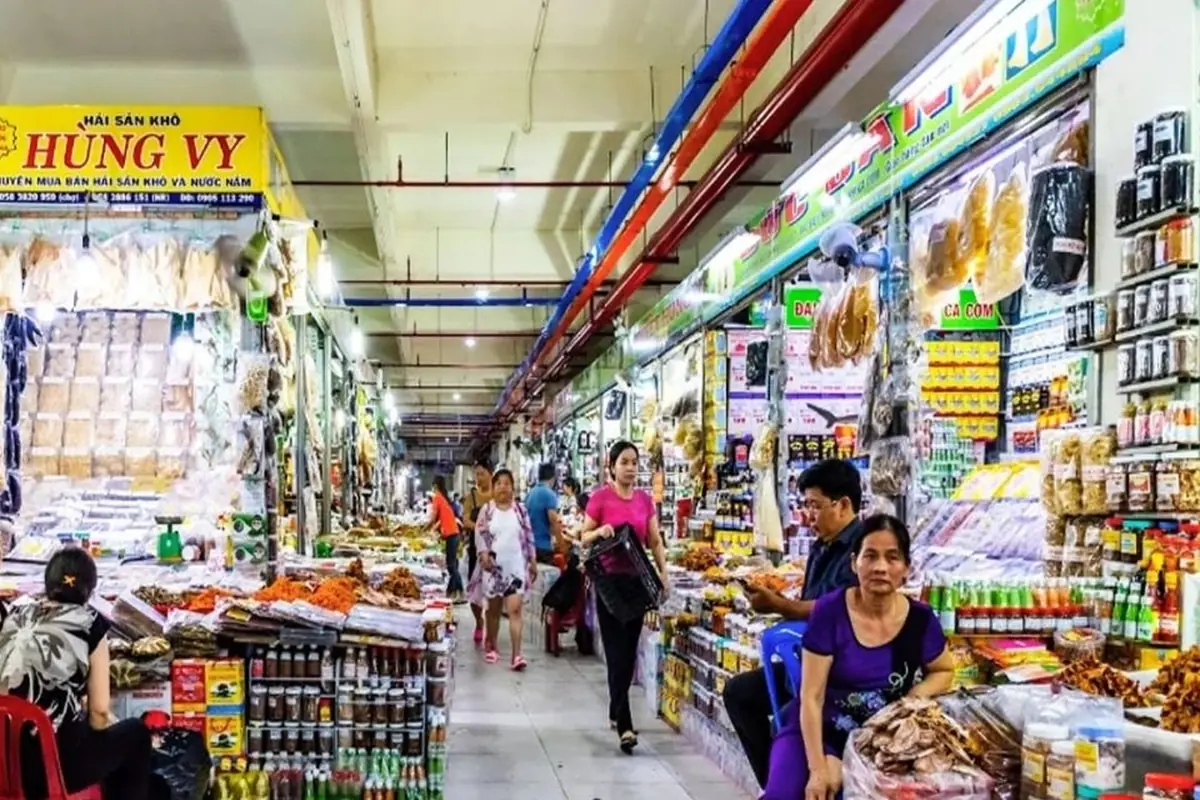
Photo: Vietravel
The prepared-food and specialty areas may offer rice crackers, chili salt, fish sauce, fish cake and local snacks. Some products are intended to be eaten immediately and others need cooking or chilling. You can ask “Ăn liền được không?” (Can I eat it straight away?) or “Có cần giữ lạnh không?” (Does it need refrigeration?). Simple questions are more useful than assuming that everything on a souvenir shelf is shelf-stable.
What should you buy at Dam Market?
Four categories make sense for a half-day shopping visit: dried seafood, sauces and seasonings, textiles, and small souvenirs. Each is easy to inspect without planning a complicated delivery. Fresh seafood and highly perishable products are more demanding. They make sense only when you have a kitchen or suitable storage and an onward journey that works with them.
Dried squid, shrimp and fish
Compare prices per 100 g or per kilogram
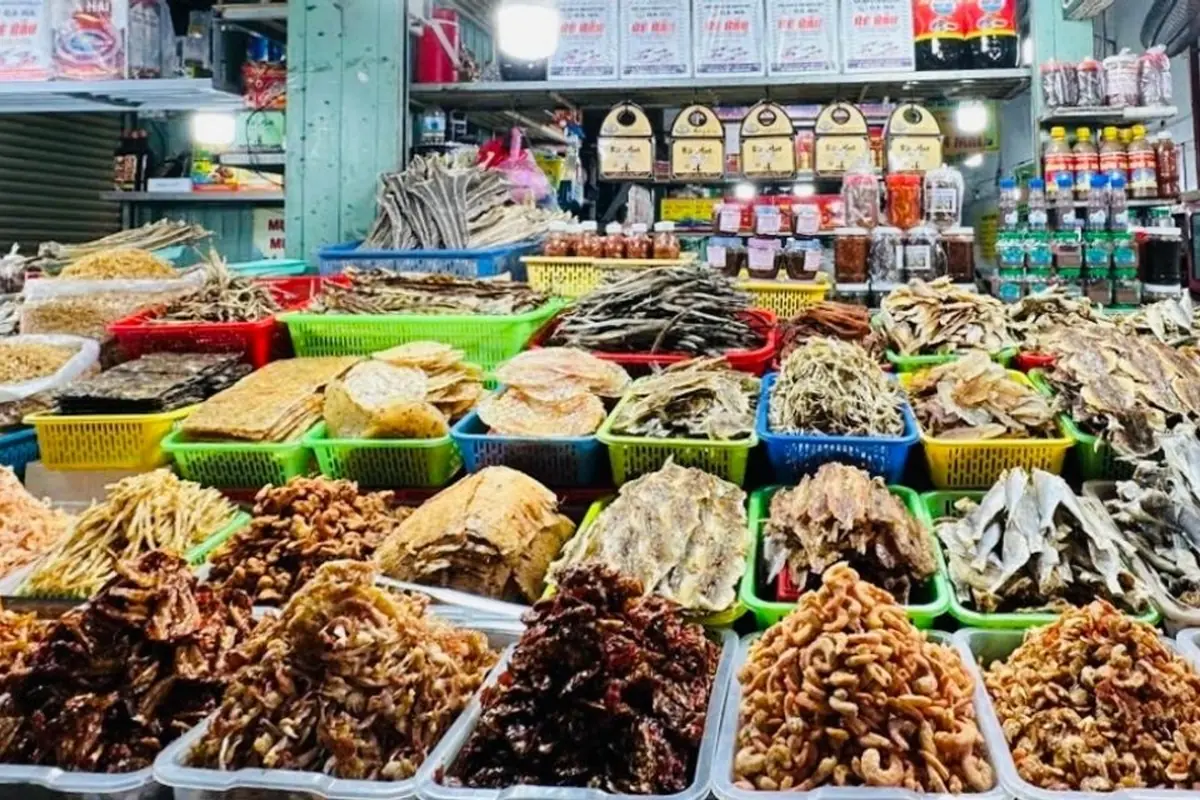
Photo: Vietravel
Dried squid varies considerably in size, thickness and degree of drying. Look at the actual pieces, not just the photograph on the bag. Avoid products with visible mould, excess moisture or an unusual smell. You can ask the seller to show you the difference between a smaller, thinner squid and a larger whole squid before comparing the prices.
Dried shrimp may be shelled or unshelled, plain or seasoned. Dried fish can be salty, sweet or spicy. People buying gifts should ask about the ingredients and flavour; dried seafood products do not all taste alike. A small sample-sized pack is easier to use than a large bag of something your recipient has never tried.
There is no single meaningful price for “dried seafood at Dam Market.” Species, size, grade, season and packaging all affect the cost. Ask two or three stalls for the price of the same product per 100 g or per kilogram. Comparing the price of a 200 g pack with a 300 g pack without adjusting for weight makes bargaining less useful.
Tamarind squid, mango fruit leather and chili salt
Ready to eat and light to pack
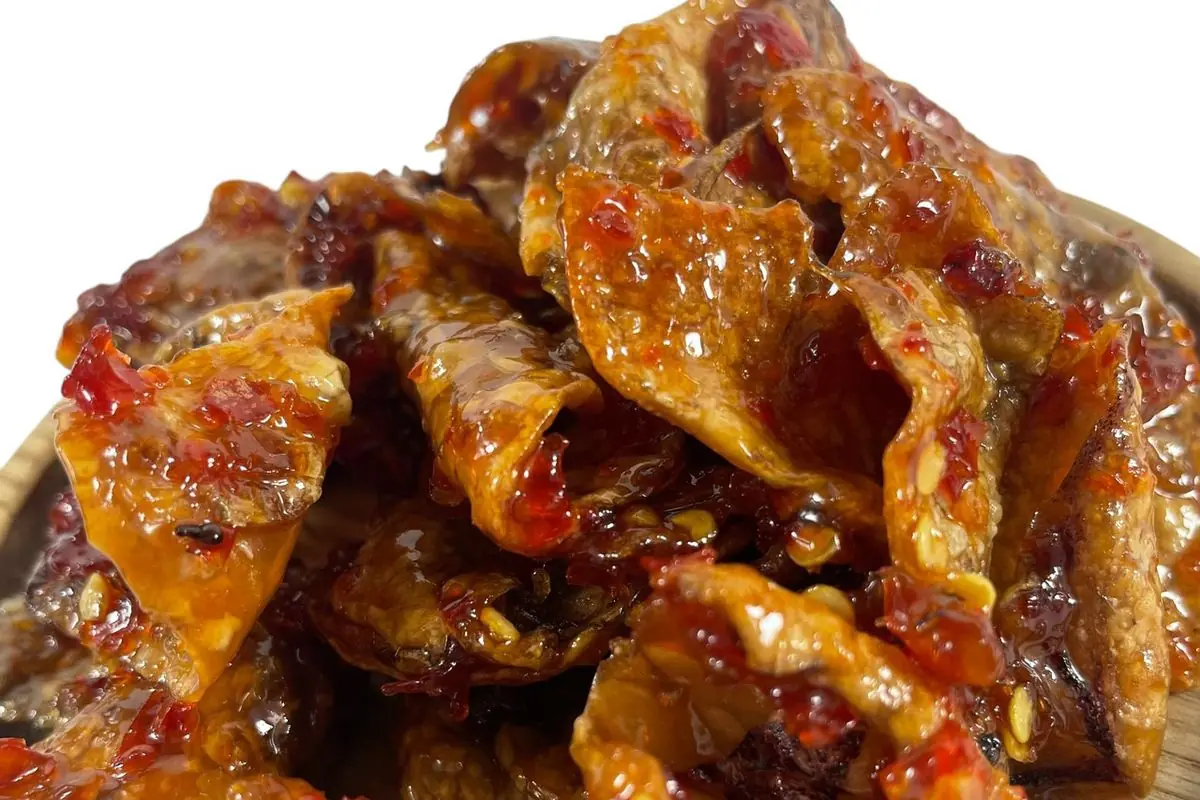
Photo: Đặc sản Ngọc Linh
Mực rim me is squid coated in a sweet, tangy tamarind-and-chili seasoning. It is a convenient ready-to-eat snack, but spice levels vary between sellers. Ask whether the packet is mild or hot. Look for a firm seal, ingredients and a readable best-before date, particularly when buying several packs as gifts.
Bánh tráng xoài, often called mango fruit leather in English, comes in chewy sheets or pieces made from mango. It is comparatively easy to share and does not have the fishy smell of dried seafood. Check the listed ingredients when buying for someone avoiding added sugar, particular additives or flavourings.
Small jars of chili salt and citrus seasoning are lightweight souvenirs. They are more practical than a large, delicate ornament for people travelling with limited luggage. Check whether the contents are dry, paste-like or liquid. Liquids and pastes are subject to different cabin-baggage considerations from dry powder and solid food.
Fish sauce, fermented condiments and fish cakes
Leakproof wrapping, fish cake bought last
Fish sauce is available in different bottle sizes and grades. Check the label, quantity, packaging and closure before buying. Bottles that appear tightly sealed may still need additional leakproof wrapping in checked luggage. Fermented condiments can have a strong smell and should not be packed loose next to clothes.
Chả cá, Vietnamese fish cake, is a Nha Trang specialty and a common ingredient in local noodle soup. Fresh or chilled versions need appropriate storage. Ask whether the item is fully cooked, whether it must be refrigerated and how long it can remain outside refrigeration. Do not buy a perishable package at seven in the morning if you intend to keep sightseeing in the heat all day.
Vacuum packing protects the contents from outside air; it does not cancel the product's storage instructions. Buy chilled items at the end of your shopping route and take them promptly to suitable storage.
Clothes, scarves and small handmade gifts
No refrigeration needed, check the seams
T-shirts, fabric bags, scarves, shell-themed decorations, magnets and ceramic souvenirs are easy to find and compare. They are useful when you want something that does not need refrigeration or special handling. Check labels and seams, and look closely at glued parts on inexpensive ornaments. A low price does not help if a fragile piece breaks before you reach the hotel.
Be careful with items sold as coral or unusual marine specimens. Wildlife protection and destination-country import rules may restrict them, and the seller's reassurance is not proof of permission to import. A fabric bag, postcard, printed artwork or ordinary ceramic gift is a simpler reminder of the coast.
Bird's nest products require more checking
Check the producer and net weight
Bird's nest products are sold at different quality and price levels. Raw nest, cleaned dried nest and canned bird's nest drinks are not interchangeable products. Compare net weight, ingredients and the actual amount of bird's nest, not just box size. For higher-value purchases, look for a clearly identified producer, traceable product information and a receipt.
If you have limited time or cannot verify the product's origin, skip the expensive item. Dam Market offers plenty of smaller local goods that require much less research and are easier to carry home.
What to eat at Dam Market Nha Trang
Bún cá, fish noodle soup, is the straightforward breakfast choice. The broth is made with fish, and a bowl may contain fried or steamed fish cake, fish pieces and herbs. Bún sứa adds jellyfish for a crisp texture. Some sellers offer a combined bún cá sứa bowl. Say which one you want; a photograph may show extra toppings.
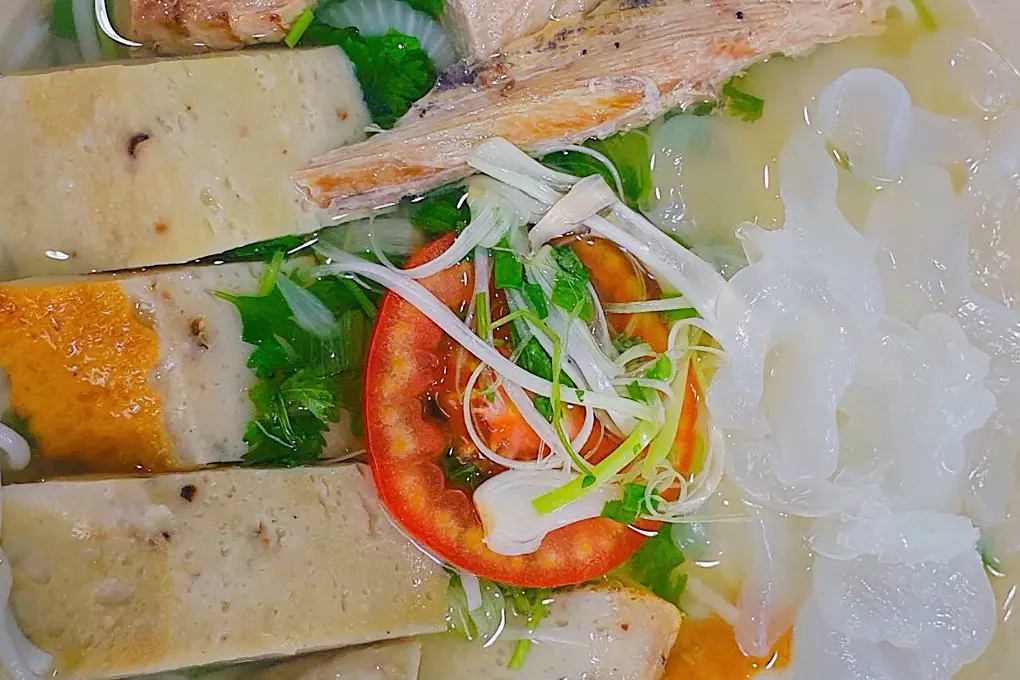
Photo: Bún Cá Mịn
Bánh canh chả cá is another warm fish-based soup, this time with thicker noodles. Bánh căn consists of small savoury rice-flour cakes cooked in round moulds; it is worth ordering when you find a stall cooking fresh batches. Nem nướng, grilled pork served with rice paper, greens and dipping sauce, is better treated as a substantial late-morning meal than a five-minute snack.
There are food sellers in and around the market, but not every stall opens at the same hour. Pick a place with a visible menu or ask the price before ordering. Check the difference between a regular bowl, a special bowl and an extra portion of fish cake or jellyfish. The amount printed beneath someone else's online food photograph may not match the current menu.
Bún cá Năm Beo is at Block B2 of the Cho Dam apartment complex on Phan Boi Chau Street, right beside the market. Its fish noodle soup is a convenient first stop before you shop. You may also find jellyfish noodle soup and other local dishes. Go in the morning; late in the evening, not every dish may be left.
Bánh canh Bà Thừa, at 10A Phan Chu Trinh Street, is an alternative nearby. It is known for fish-based bánh canh with fish cake and variations that may include fish pieces or jellyfish. It opens at around 6:00 am and closing time varies, so plan it as breakfast rather than a guaranteed late dinner.
For grilled pork rolls, Nem Đặng Văn Quyên has branches at 02-04 Phan Boi Chau Street and 16A Lan Ong Street. The restaurant opens 10:00 am-10:00 pm, which suits a meal after a morning market visit. A grilled pork portion costs about VND 55,000-65,000 in 2026. Read the menu at the specific branch and confirm the total if you order extra items.
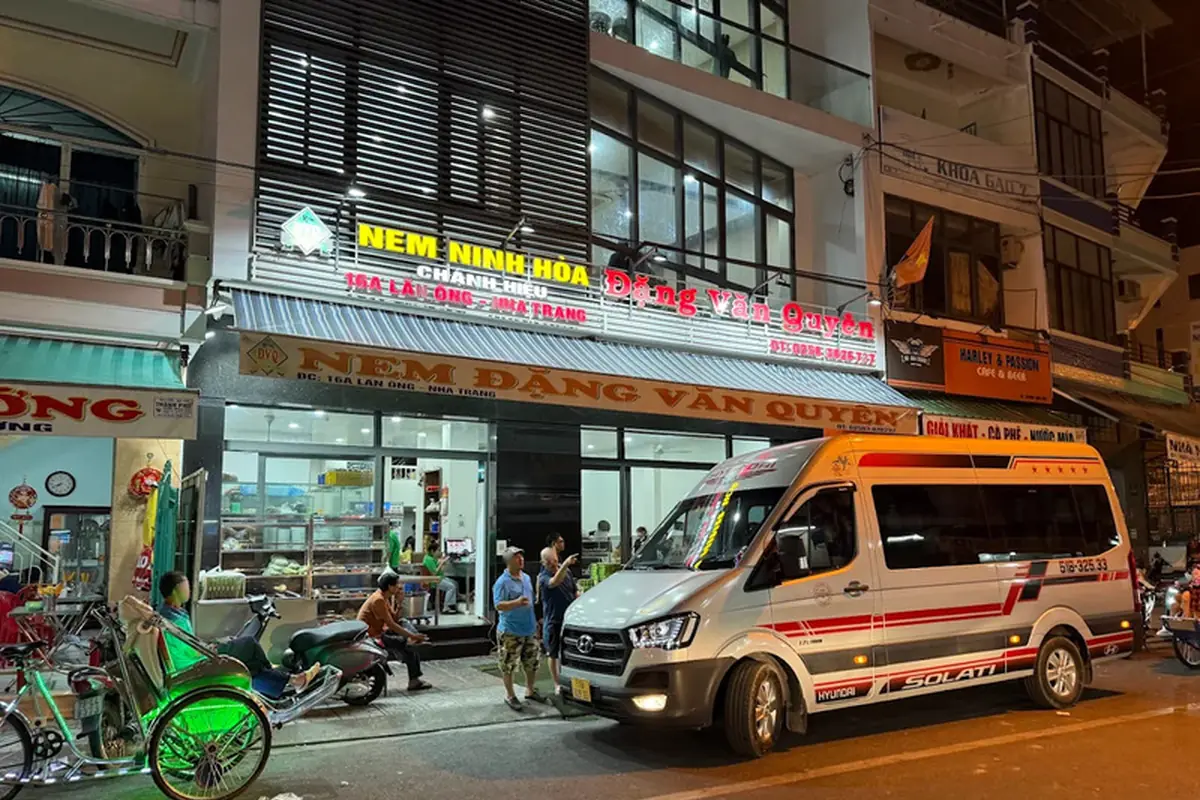
Photo: MIA.vn
How to bargain at Dam Market without wasting time
Start by asking for the price before the seller weighs, cuts or packs anything. A price on a tag is the price you pay. When prices are not posted, polite negotiation is normal for many goods. That does not mean every seller has inflated the asking price or that every purchase should end with a 50 percent discount.
For dried seafood, ask for the price per kilogram and the total for the weight you want. For example: “How much for 200 grams?” Point to the product and use a calculator if communication is difficult. The seller can enter the price on the screen; you can check the digits before agreeing. Look at the scale while the item is weighed and make sure the bag contains the pieces you selected.
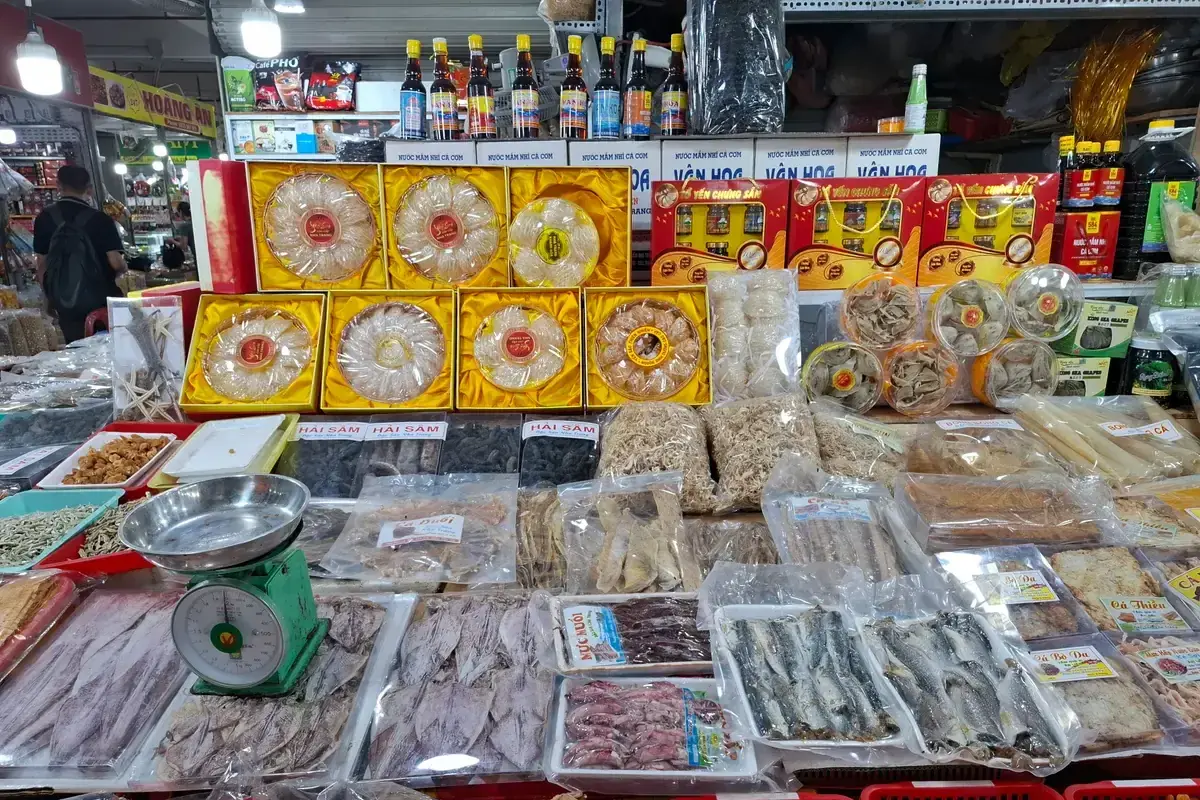
Photo: Hey Nha Trang
Compare like with like. A large, thick squid is not the same product as a bag of small squid. Plain shrimp and heavily seasoned shrimp are not interchangeable. The cheapest quoted price may simply be for a different grade or a smaller quantity. Two or three comparisons are usually enough to decide whether an offer suits your budget.
With clothes, scarves and bags, inspect the item first. Ask the price for one piece, then whether the seller offers a better total for two or three. Thank the seller and move on when the price is higher than you want to pay, without a lengthy argument. Bargaining should finish before the seller starts making alterations or opening sealed packaging specifically for you.
Buying food to take home or on a flight
Before paying for a food gift, put it into one of four categories: shelf-stable dry food, refrigerated food, liquids or pastes, and products with potential import restrictions. This takes less than a minute and prevents buying something that cannot travel the way you expect.
Dried squid or shrimp in well-sealed packs may be convenient, but airline baggage rules still apply. Fish sauce and liquid seasonings need special attention because cabin liquid limits and leakage are separate issues. Vacuum sealing does not make a sauce acceptable in carry-on baggage, and airlines do not all treat it the same way.
Fish cake and one-sun-dried squid come with storage instructions; read them and arrange a cooling method that fits the journey. A product that must remain chilled should go directly to a refrigerator or suitable cooler. Ask for an additional bag for strongly scented products and keep fragile jars away from heavy objects.
A simple 3-hour Dam Market itinerary
- 7:00-7:30 am
Arrive and have breakfast
Leave your motorbike in an authorised parking area or get out at a practical taxi drop-off point. Note the name of the entrance, then find a bowl of fish noodle soup. Năm Beo beside the market is an easy option. Eat first, before you have heavy bags to squeeze into a small food stall.
- 7:30-8:15 am
Browse seafood and dried goods
Walk the active stalls, compare squid, shrimp, fish products and seasonings. Ask for a price per 100 grams or kilogram and pay attention to packaging. Take a photograph of a product label or write down the stall location if you intend to return. Leave chilled products until the end of the visit.
- 8:15-9:00 am
Look for textiles and souvenirs
Check open stalls on the second floor and around the central shopping passages. Compare a few scarves, bags or small crafts. This is the time to inspect stitching, labels and fragile details, not when the taxi is already waiting outside.
- 9:00-9:30 am
Return to your chosen food-gift stall
Order the exact weight and product you inspected. Watch the weighing and packing, confirm the total and check the seal. Ask for a receipt for more expensive purchases. Buy anything that needs refrigeration last, and only with an appropriate route back to storage.
- 9:30-10:00 am
Leave the market
Collect your vehicle or book a ride from a clear pickup point. Check your wallet, phone, parking ticket and bags before moving away. A late breakfast or lunch at Nem Đặng Văn Quyên is possible after 10:00 am, but it would extend this three-hour plan.
Only 90 minutes? Do not try to complete every floor. Eat one local breakfast, browse one dried-seafood aisle and choose a small gift. Families with young children or older travellers can stay mostly at ground level and skip unnecessary stairs. The useful part of the visit is choosing what interests you.
Practical details for a comfortable visit
Nha Trang's wetter periods can make the pavements outside the market slippery. Wear shoes with reliable grip, keep paper packaging in a waterproof bag and use covered passages where possible. Heavy rain can slow road travel even within the centre; allow extra travel time when you need to catch a train or flight later that day.
Seafood allergies require specific questions. Fish cake, broth and dipping sauces may contain ingredients not obvious from the dish name. Vegetarians should ask whether broth or seasoning contains fish sauce. Choose food that is prepared and served under suitable conditions and confirm what you are ordering before it is cooked.
Have some smaller Vietnamese đồng notes ready for small purchases, but there is no need to carry a large amount of cash. Some stalls accept bank transfers or QR payments while others prefer cash. Keep valuables in a secure bag worn in front in crowded aisles, as you would in any busy commercial market.
Photography is generally easiest in public passages, away from delivery access. Ask permission before photographing a seller close up or entering a stall to take pictures. The round lotus-shaped building can be photographed from outside, but it should not be mistaken for a currently operating interior sightseeing attraction.
A 7:00-10:00 am visit leaves time for a bowl of fish noodle soup, a short look around the new three-floor market and a carefully chosen packet of dried seafood. On Phan Boi Chau Street, remember the one distinction that matters most: shop in the new market, not the closed circular market building.
FAQ
What are Dam Market Nha Trang opening hours?
Dam Market is open 5:00 am to 6:30 pm daily. Individual food, clothing and souvenir stalls may operate for shorter periods. 7:00-9:00 am is a practical arrival window for a half-day visit.
What shops are inside Dam Market Nha Trang?
The new market has three floors. Its planned categories place everyday goods and dried seafood on the ground floor, clothes and crafts on the second, and food and drink on the third, with fresh produce in a separate area. The actual number and location of open stalls can differ.
What food should I try at Dam Market?
Look for bún cá, bún sứa, bánh canh chả cá, bánh căn and nem nướng in and around the market. Bún cá Năm Beo is beside the market at Block B2, while Nem Đặng Văn Quyên has a branch at 02-04 Phan Boi Chau Street.
Is Dam Market a night market, and is there an entrance fee?
No. Dam Market is primarily a daytime shopping market, closing around 6:30 pm. There is no admission charge to browse or shop; parking, food and purchases are paid for separately.
Where can I park, and should I bargain at Dam Market?
Use a staffed parking area in or around the active market complex and confirm the fee and pickup time. Compare a few stalls and bargain politely when goods have no price tag; when the price is on the label, pay that price.
Related posts
Guides
What to buy in Nha Trang for family before heading home
Choose Nha Trang gifts based on your budget, who you're buying for, and how you're traveling home.

Places
Visit Long Son Pagoda in Nha Trang without missing the white Buddha
A practical guide to Long Son Pagoda, its white Buddha, visiting hours and unwanted money requests.

Places
Nha Trang Cathedral is worth visiting, but not during Mass
Visit Nha Trang's famous Stone Church at the right time and without interrupting Mass.