Tipping in Vietnam: know when to tip and how much to give
You do not have to tip everywhere in Vietnam, but a thoughtful amount can be welcome in the right setting. The useful distinction is between a voluntary thank-you and a charge already included in the bill.
Written by Tụi mình mê biểnUpdated
Photo: Niels Steeman
Most restaurant bills, taxi fares and coffee orders in Vietnam come without any tip on top. For good service, a small amount in Vietnamese dong is welcome in some situations, particularly at spas, on guided tours and in hotels. Before deciding, check whether the bill already includes a service charge and whether a massage treatment is sold as tip included. Those two checks prevent most of the awkward conversations first-time visitors worry about.
Is tipping expected in Vietnam?
There is a tipping culture in parts of Vietnam's tourism industry, but it is not a nationwide rule. In a neighborhood noodle shop, at a convenience store or in an ordinary taxi, people pay the stated amount. A server is not waiting for a compulsory 15% or 20% on top of the bill, as might be the case in parts of North America. Paying the exact price is not rude.
The picture changes in visitor-oriented services. A guide taking your group around Ha Long Bay, a therapist at a Nha Trang spa and a hotel porter handling heavy suitcases are more accustomed to receiving something extra. The money recognizes useful, attentive work; normal service comes without it.
This is why the answer to "Do you tip in Vietnam?" is neither an automatic yes nor an absolute no. Consider what kind of service you received, whether the price already includes a charge and how much help the person actually provided. Poor service never calls for an invented tip just to appear polite.
For a friend visiting Vietnam for the first time, the shortest explanation is this: pay the agreed price first, then decide whether someone deserves an extra thank-you. Carry small notes, but do not feel obliged to use them at every stop.
Tipping in Vietnam: how much is reasonable in 2026?
These figures are suggestions, not mandatory fees or national standards. They describe practical amounts a visitor might choose for good service in 2026. At an approximate November 2026 exchange rate, USD 1 is about VND 25,600. That makes VND 50,000 roughly US$2 and VND 100,000 roughly US$4. The dollar figures are rounded for comparison only; pay in dong.
VND 0
street food, pho and banh mi stalls
VND 50,000-100,000
per therapist for a 60-90-minute massage
5-10%
upscale restaurant with no service charge
| Service | Optional tip in Vietnamese dong | When it makes sense |
|---|---|---|
| Street food, small noodle shops, bánh mì stalls | VND 0 | Pay the displayed price |
| Coffee shops and takeaway drinks | VND 0; perhaps round up VND 5,000-10,000 ($0.20-$0.40) | A tip jar is available or someone gave extra help |
| Casual sit-down restaurant | VND 0; or VND 20,000-50,000 ($0.80-$2) | Particularly good service and no service charge |
| Upscale restaurant | Perhaps 5-10% | Only if you want to and no service charge has been added |
| Hotel porter | VND 20,000-50,000 ($0.80-$2) for the assistance | Someone carries your luggage to the room |
| Hotel housekeeping | VND 20,000-50,000 ($0.80-$2) per room per day | Optional, especially during a longer stay |
| Spa or 60-90-minute massage | VND 50,000-100,000 ($2-$4) per therapist | Good treatment, tip not already included |
| Full-day group-tour guide | VND 50,000-100,000 ($2-$4) per guest | Helpful guide and a well-run tour |
| Full-day private guide | VND 150,000-300,000 ($6-$12) per guide | Suggested total from your group, not necessarily per guest |
| Full-day private tour driver | VND 50,000-150,000 ($2-$6) per driver | Safe, helpful service throughout the day |
| Taxi or Grab ride | VND 0; perhaps VND 5,000-20,000 ($0.20-$0.80) extra | Luggage help or another useful favor |
| Barber, hairdresser or nail technician | VND 0; perhaps VND 20,000-50,000 ($0.80-$2) | You are particularly happy with the work |
The important detail in any tipping table is the unit. A group-tour suggestion may be per passenger, while a private guide amount can be the total handed over by the entire family. Before collecting cash from everyone, agree on which approach you are using. Avoid taking a per-person number, multiplying it by your party size and then adding another group tip on top.
These are not quoted treatment prices, hotel rates or tour-company fees. They are voluntary amounts meant to help you budget. Actual service prices, service-charge policies and tips already included in a package should be checked with the business when booking.
Tipping in Vietnam restaurants: do you need to leave anything?
For most meals, no tip is expected. Order a bowl of phở in Hanoi, a bánh mì in Ho Chi Minh City or a simple rice plate in Da Nang, and you can pay exactly what the menu says. When the owner brings back your change, accept it. They are not quietly asking you to leave the notes on the table.
The same applies to many seafood restaurants and family-run eateries. Being near a beach or receiving foreign customers does not create a percentage tipping requirement. Staff who helped you order, explained the catch of the day or looked after a large group particularly well will appreciate a small cash thank-you, but it remains your choice.
At a formal restaurant with table service, you may prefer a percentage. With no service charge on the bill, 5-10% for genuinely good service is a generous reference point. The 15-20% that is normal in North America is more than needed here. First look at the bottom of the receipt, where service charges and taxes are often shown separately.
Imagine a dinner with a food and drink subtotal of VND 800,000. This is a made-up calculation example. A voluntary 5% tip would be VND 40,000, or about US$1.60. But if the restaurant has already added a service charge, there is no obligation to add another percentage.
At a place that uses bill folders, you can leave a small cash tip inside after paying. At a counter-service establishment, a tip button on the card terminal is optional. To make sure a particular server receives the cash, hand it over directly and discreetly, provided the restaurant allows individual tips.
Photo: Pexels
Street food, cafés and bars: keep it simple
At a bánh cuốn stall, a market breakfast counter or a coffee shop where you collect your own drink, the usual transaction is straightforward: order, pay, collect your change. This is an especially useful point for first-time travelers who feel they need to add something every time they interact with a worker.
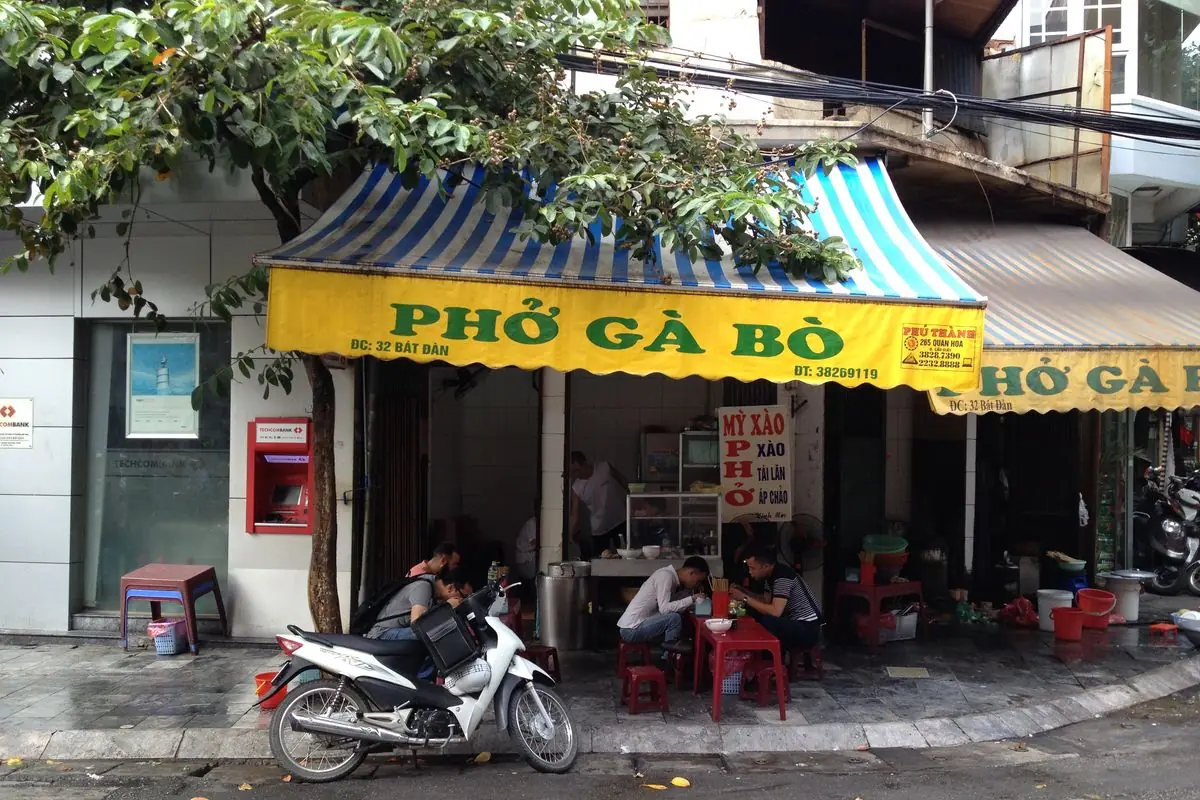
Photo: Phan Minh Tuấn
To round up the total, say so before walking away. "Keep the change, thank you" is easier for the vendor to understand than leaving without waiting for change. Otherwise, the seller may call after you, assuming you forgot your money.
Cafés with a tip jar give you an easy option. Put in a small note if you want, or walk past it. The jar is not evidence that every customer must contribute. Cocktail bars and hotel lounges sometimes add their own service charges, so check the bill in these places just as you would in an upscale restaurant.
Parking fees, holiday surcharges announced by the business and charges for extra bottled drinks are not tips. They are separate charges for a product or service. Distinguishing them prevents confusion when a receipt contains several lines that were not part of the food subtotal.
What do 5% and 10% service charges mean?
A service charge is not the same as a tip. A restaurant, hotel or bar may add a fee described as "service charge", "phí phục vụ" or "phụ phí dịch vụ". Five percent is common in some higher-end establishments, and some use 10%. The business sets and collects this charge under its pricing policy. A voluntary cash tip is a separate decision made by the customer.
Look closely at menus displaying prices followed by ++. Those symbols commonly mean the listed price excludes additional charges, usually a service charge and tax. They do not tell you the exact percentages on their own. Ask staff to explain the final amount before ordering when the menu does not specify the details.
For example, a VND 500,000 food subtotal with a 5% service charge adds VND 25,000 before any separately calculated VAT. The tax may be shown on another line and its basis can depend on how the bill is structured. Do not assume that adding the service charge once gives you the final price.
Vietnam's value-added tax (VAT) is also distinct from tipping. Under a National Assembly resolution on VAT reduction, eligible goods and services that would otherwise be subject to the 10% VAT rate receive a reduction to 8% through December 31, 2026, with exclusions. This does not mean every item on every restaurant bill has the same VAT rate. A bill can show a service charge and VAT together without either one being a gratuity you have voluntarily chosen.
Tipping in Vietnam spas: how much for a massage?
Massage is one of the services where visitors most often think about tipping. For a standard 60-90-minute treatment, a useful voluntary range is VND 50,000-100,000 per therapist, approximately US$2-$4. Some higher-end spas use a percentage guide, such as around 10%, but there is no national rule requiring it.
A massage menu might show a package price, a suggested amount for the therapist or a clearly stated all-inclusive rate. Each means something different. Once the receptionist confirms that the treatment includes the tip or all service charges, you can finish the treatment and pay the agreed price without adding more.
If tips are separate and you are pleased with the massage, hand the amount directly to the therapist after the treatment, once you have changed and left the treatment room. A quiet thank-you is enough. Some spas pool staff tips instead of allowing direct payments, so follow the business's procedure if that is explained to you.
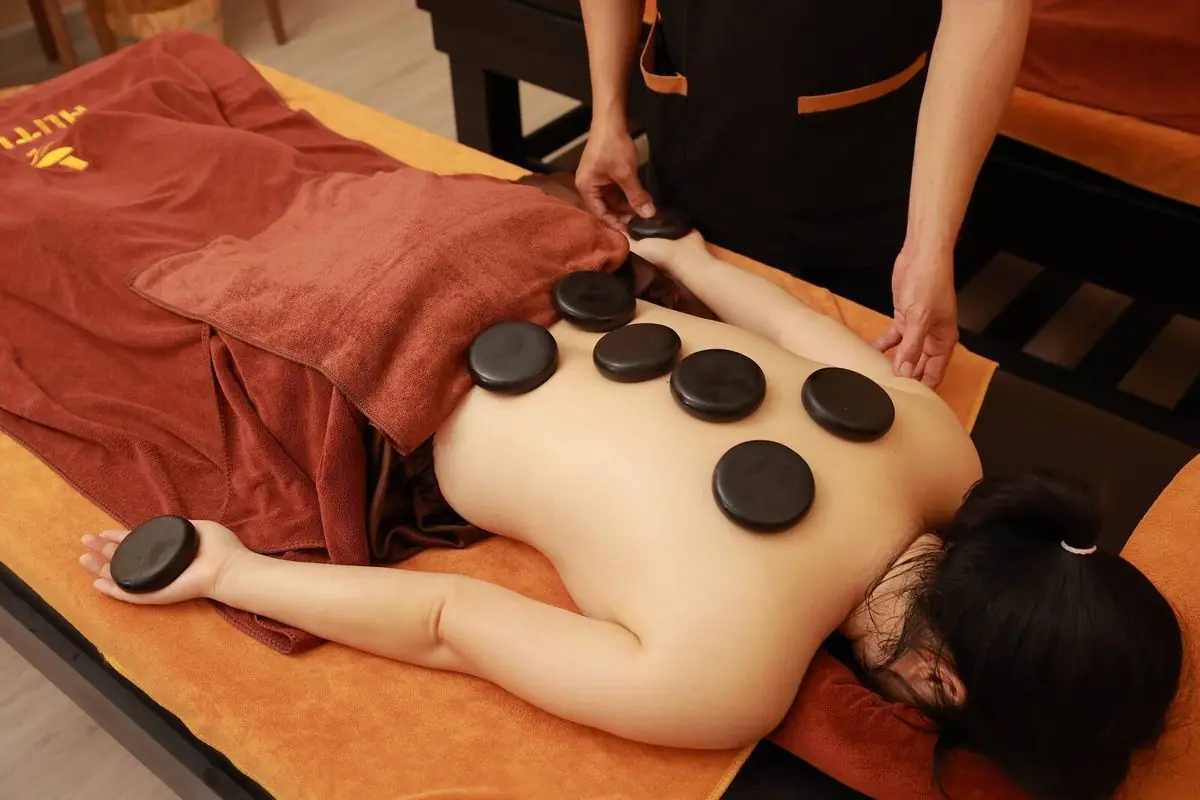
Photo: HUTU Spa
When an unexpected compulsory-sounding tip is requested after the session, ask the receptionist to show where it appears in the original price or booking terms. You can do this politely and firmly. The goal is not to argue about a small sum; it is to establish the total cost of the service you agreed to buy.
Hotels: porters, housekeeping and front desks
Hotel tipping depends on what the staff member actually did. When a porter carries heavy suitcases from the lobby to your room, VND 20,000-50,000 is a reasonable optional thank-you for that assistance. A per-bag formula is overkill when one person has simply taken a trolley upstairs; think about the work involved.
For housekeeping, an optional VND 20,000-50,000 per room per day is easy to budget. When you stay several nights, different staff members may clean the room on different days. Leaving a small note daily can make it more likely that the person doing that day's work receives it.
Do not leave unidentified money in a room and assume that it will be taken as a tip. Put it somewhere visible with a message such as "For housekeeping, thank you", or give it directly to the person if that is practical. This avoids a cleaner mistaking it for cash you have forgotten on the desk.
Routine reception work does not require a tip. Checking you in, handing over a key card and answering normal questions are parts of the job. A concierge who spends substantial time fixing a difficult transport arrangement or helping recover something important can be thanked separately. Some hotels have policies about personal tips, so respect a polite refusal.
At small guesthouses and homestays, the hosts may simply be providing the accommodation service you have paid for. There is no reason to force a cash tip into the interaction. A sincere thank-you and fair review may be more appropriate.
Tipping tour guides in Vietnam
Guided tours are the most practical place to set aside tip money before you leave the hotel. A guide may spend hours coordinating entry points, explaining the history of a site, helping a group stay together and adjusting the order of stops. A good guide's work is more than repeating information on a microphone.
On a full-day shared tour, consider VND 50,000-100,000 per traveler for the guide if the experience was good. For a full-day private tour, a suggested amount is VND 150,000-300,000 for the guide from the entire group. These are deliberately different units: per guest for a shared trip, per guide from the group for a private trip. When your operator recommends a different approach, make sure the unit is clear before deciding.
For the driver of a private vehicle who has spent the day taking you between stops, VND 50,000-150,000 per driver is a practical optional range. Hand the driver their own tip instead of assuming the guide will pass along a share. One person working as both guide and driver can receive a single thank-you for the whole service.
Take a private day trip around Nha Trang with a guide and a separate driver, for instance. If both have worked well, your group might choose VND 200,000 for the guide and VND 100,000 for the driver, a total of about US$12. This is an example of how to divide a tip, not a quoted tour-company price or a requirement. Two guests do not have to pay that total twice.
For a multi-day trip through the northern mountains, a Mekong Delta journey or an overnight cruise, read your booking confirmation. Look for "tips included", "gratuities excluded" and any shared staff gratuity arrangement. Cruise staff may use a pooled tip system. Tipping at the end of the trip makes it easy to thank the people involved without having to interrupt each day's itinerary.
A tip should reflect the help received. A guide who managed a difficult itinerary, explained safety arrangements clearly and treated everyone patiently may deserve a larger thank-you than someone who gave a short, routine introduction. You can also leave a useful written review. A cash gift is appreciated in some situations, but it is not the only way to recognize good work.
Taxi drivers, Grab and airport transfers
Tipping for an ordinary taxi ride is not expected. Pay the metered fare or the confirmed price, plus legitimate tolls or parking charges when those are part of the agreed journey. With a Grab booking, the amount shown in the app is the baseline for payment. You do not owe the driver a separate percentage of the fare.
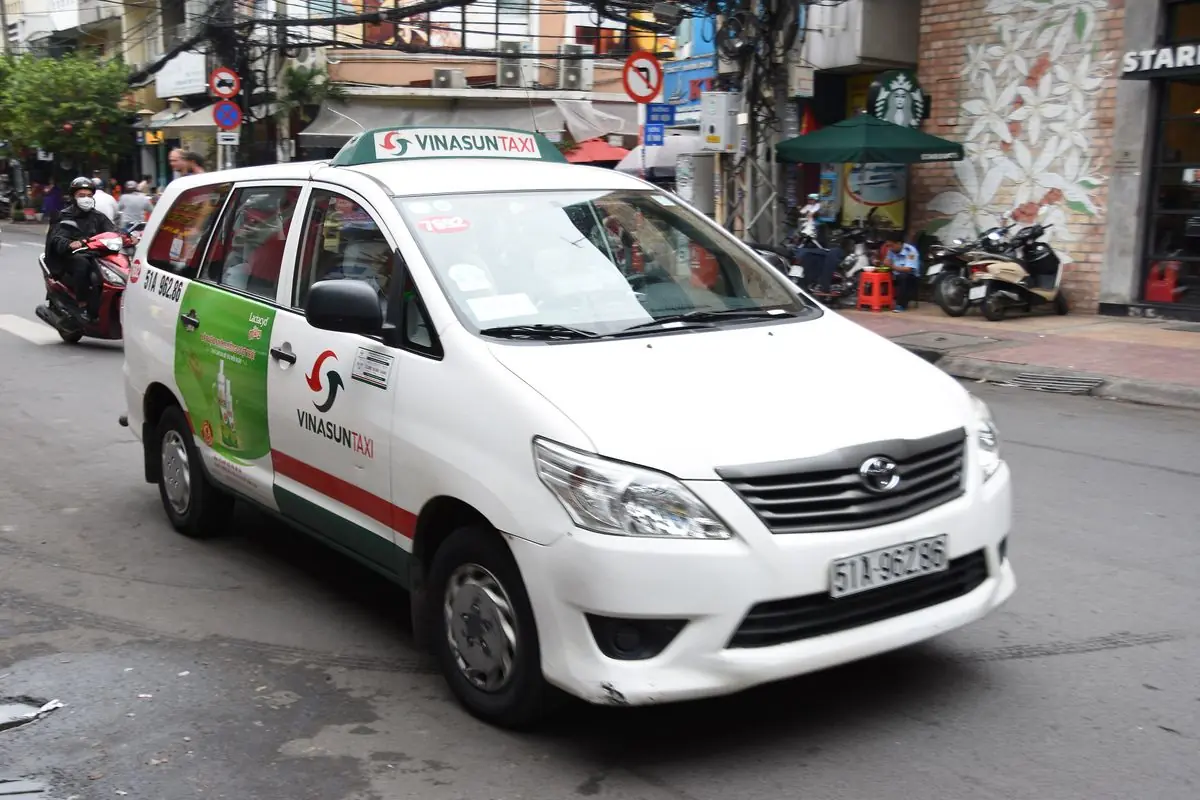
A driver who helps with several heavy suitcases, waits for a reasonable request or handles another useful task can be thanked by rounding up VND 5,000-20,000. For example, you can choose to leave a small amount of change instead of asking for it back. There is nothing impolite about paying the exact fare either.
Grab offers an in-app tipping feature on eligible services and payment methods. When the option appears after your ride, check the displayed amount before confirming. These tips are voluntary and are paid separately from the fare. Without the option on your trip, leave it there instead of hunting for an outside payment link.
The same guidance applies to a car from Cam Ranh International Airport to Nha Trang, a taxi from a railway station or a transfer between hotels. Agree on or check the price and the destination first. Luggage fees and other disclosed service charges are part of the agreed price, separate from any tip. Add cash only to recognize extra assistance.
One caution for visitors: never offer a tip in exchange for breaking traffic rules, skipping an official procedure or doing something unsafe. The purpose of a tip is to thank someone for service, not to buy an exception to a rule.
Barbers, hairdressers and nail salons
A routine haircut at a local barber does not come with a standard tipping percentage. Pay the stated charge and you are done. The same is broadly true of hair salons, although a particularly careful stylist, shampoo assistant or nail technician may appreciate a small voluntary amount.
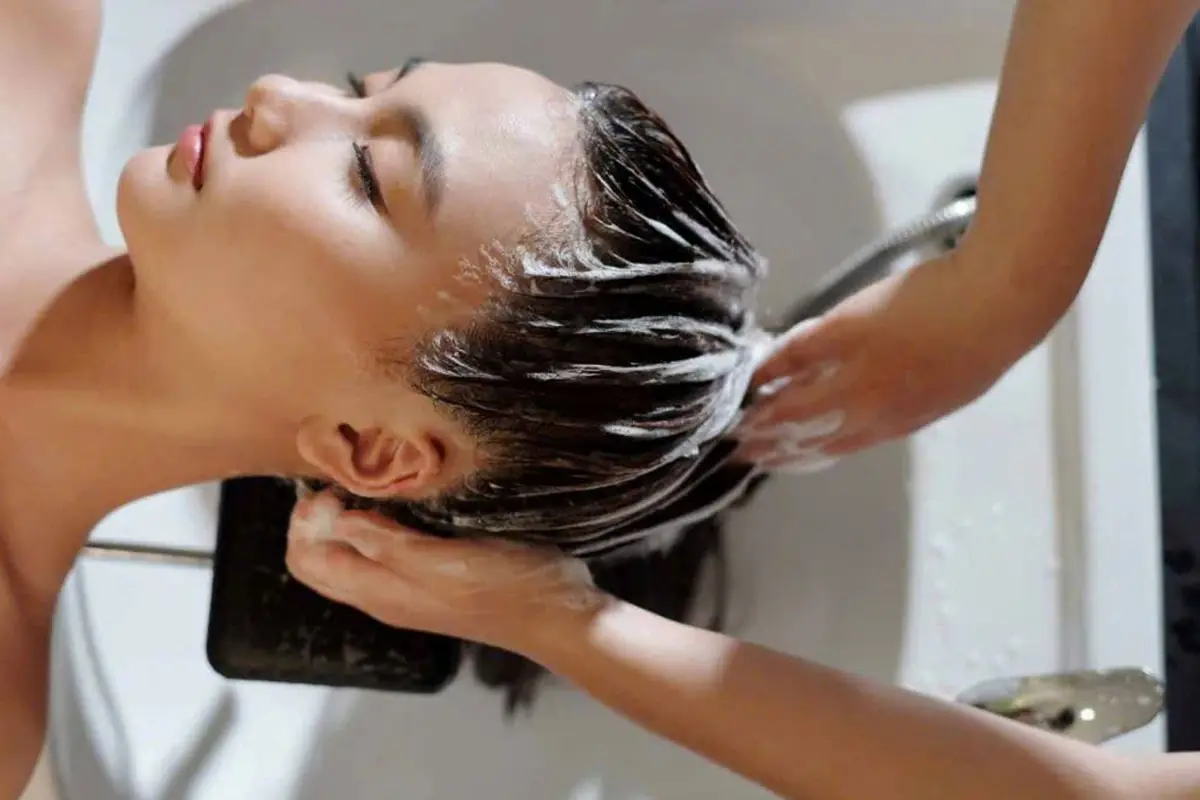
Photo: Sứ Spa
To thank the person who worked with you, the small range in the table above is enough. You can round up instead if that feels more natural. A 20% gratuity habit from home is out of place on an expensive hair treatment here.
Where several people worked on your hair or nails, ask whether the salon shares tips or accepts individual cash tips. The person at the reception desk is not always the person who performed the service. Check the price of color treatments, products and other extras before paying; those are charges.
Shops, supermarkets, ticket booths, public buses and most takeaway counters do not require tips. Someone may place a tip jar on a counter, but that gives you an option without creating an obligation. A polite greeting, patience when a worker is busy and a straightforward payment are entirely adequate.
Should you tip in cash, US dollars or through an app?
For most situations, cash in Vietnamese dong is the easiest. Keep a few VND 10,000, 20,000, 50,000 and 100,000 notes separate from your larger bills. This lets you give a specific amount without asking someone to make change from VND 500,000 just to receive a tip.
Vietnamese dong is the currency people use for their daily spending. Although some staff in international tourism may be familiar with US dollars, giving them small dollar notes creates the extra task of exchanging them. Convert your travel money into dong and tip in dong whenever possible. Use the dollar amounts in this article only to understand the approximate value.
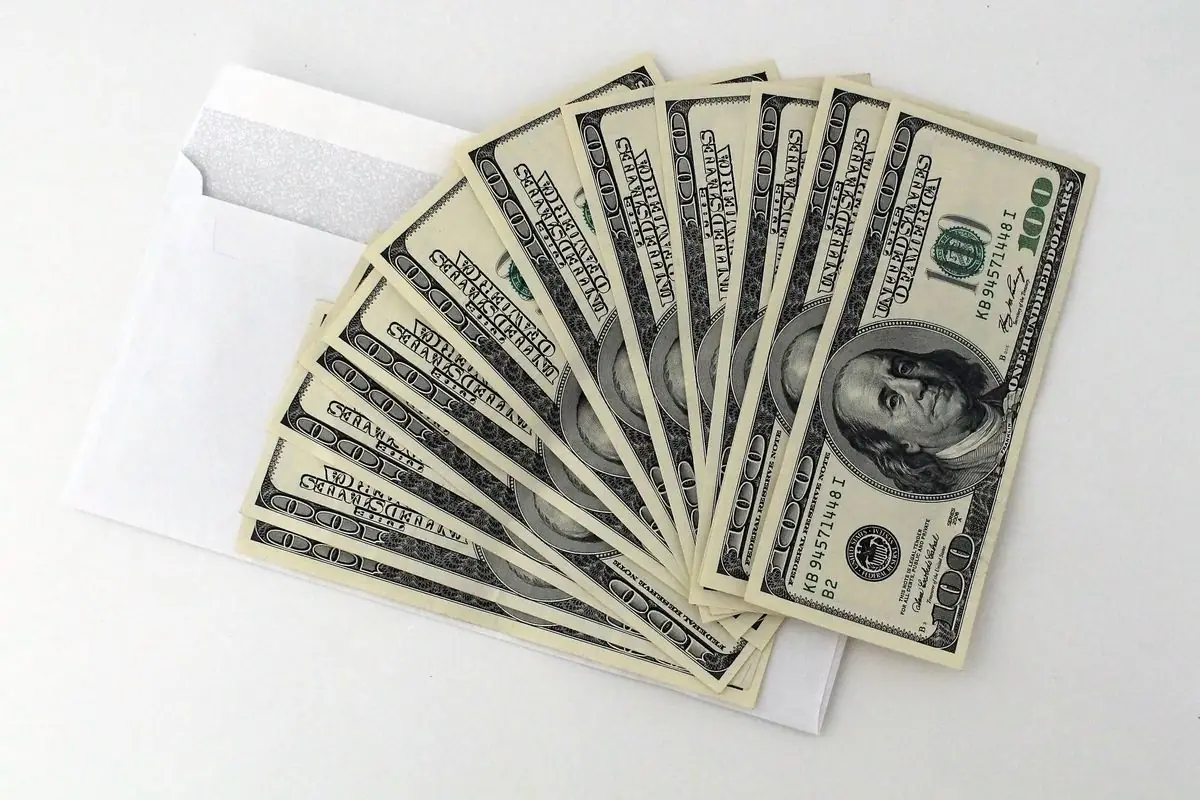
Photo: Pixabay
When paying a restaurant bill by card, you can still hand over a separate cash tip to make the gesture clear. Do not assume the payment terminal supports adding gratuities or that a card tip is handled the same way everywhere. In Grab, use the official in-app feature when it is available.
How should you actually give the money? Wait until the service has finished, offer it discreetly and say "Cảm ơn", meaning "Thank you". You can add, "This is for you, thank you for your help." No elaborate speech or envelope is required for a small amount. If the worker declines, accept the refusal politely.
When you should not tip
You do not have to tip because you are a foreigner, because someone speaks English or because a place looks luxurious. A restaurant that includes a service charge has already charged for service. A spa package that says all fees are included means you can rely on that agreed price. Paying the listed price at a food stall, café or shop is not a social mistake.
If someone insists that a tip is compulsory, ask for the written policy, price list or original booking terms. A fee properly disclosed as part of the price and a voluntary gratuity are not interchangeable. Clarifying the bill with a manager or receptionist is usually more useful than arguing with the staff member who happened to hand it to you.
For Vietnamese travelers hosting friends from abroad, it helps to explain the local custom before the first meal. Tell them that a 20% gratuity is not expected on every receipt, that spa and tour tips are more familiar, and that small dong notes are practical. Let your guest choose what they would like to give. There is no need to make them follow two different countries' tipping rules at once.
Three everyday scenarios
Dinner in a hotel restaurant
Service charge already on the bill
The bill arrives with a clearly listed service charge. Pay the total shown. Nothing extra is necessary. Exceptional help from one staff member can still earn a separate small thank-you, where individual tips are permitted.
A massage in Nha Trang
90-minute session, tip not included
You book a 90-minute session and ask whether the therapist's tip is included. Reception says it is not, and the treatment was good, so a tip in the usual spa range afterward makes sense. An all-inclusive package means you can leave without adding anything. Asking before the session is easier than trying to decipher the bill after it.
A full-day group tour
Hand it over at the end

Photo: Mig Gilbert
Your guide keeps the group on schedule, explains each stop and helps guests with practical issues. Each traveler might give the group-tour amount from the table at the end, depending on the day. A guide who also drove the vehicle can receive one amount covering the overall work.
Final advice
Torn between leaving a fixed small amount and calculating a percentage everywhere? Choose the small cash amount for most situations. Reserve a percentage for an upscale restaurant without a service charge or a spa that clearly explains its tipping arrangement; for ordinary meals, shopping and routine rides, simply pay the agreed price.
FAQ
Is tipping in Vietnam mandatory?
No. Tipping is voluntary and not the standard practice for everyday purchases, local dining or routine taxi rides. It is more familiar in visitor-oriented spas, tours and some hotels, but the figures in this guide are suggestions, not fixed fees.
How much should I tip in Vietnam restaurants?
Nothing is required at street stalls, small eateries and cafés. In a sit-down restaurant, you might leave VND 20,000-50,000 for good service, or around 5-10% at an upscale restaurant with no service charge. If the bill already includes a 5% or 10% service charge, an extra tip is optional.
How much should I tip in Vietnam spas?
For a 60-90-minute massage, VND 50,000-100,000 per therapist is a useful voluntary range. Check whether the advertised treatment price already includes a tip or service charge before you start.
How much do I tip tour guides in Vietnam?
On a full-day shared tour, consider VND 50,000-100,000 per guest for a good guide. For a private full-day tour, a group might give the guide VND 150,000-300,000 in total and a separate driver VND 50,000-150,000, depending on the work involved.
Can I tip in US dollars, or should I use Vietnamese dong?
Vietnamese dong is more useful for staff and is the better default. Carry small notes and hand them over after the service. Where available, Grab's official in-app tip option is another way to thank a driver without cash.
Related posts
Guides
Nha Trang 4 days 3 nights: island tour or VinWonders?
A realistic four-day Nha Trang itinerary organized by area, with travel times, activities, and rainy-day alternatives.
Guides
Is it safe to book a Nha Trang hotel through Facebook?
How to spot fake hotel listings and verify Nha Trang bookings before paying a deposit.
Guides
Vietnamese head spa or foot massage in Nha Trang: which is better after a day out?
A practical guide to head spa treatments, foot massages, prices, and booking in Nha Trang.