Fly a drone under 250 g or apply for a permit?
250 g is the key weight threshold in Vietnam's drone rules, but it does not mean you can fly anywhere without a permit. Check the purpose of your flight, your drone's registration and the official airspace map before takeoff.
Written by Tụi mình mê biểnUpdated
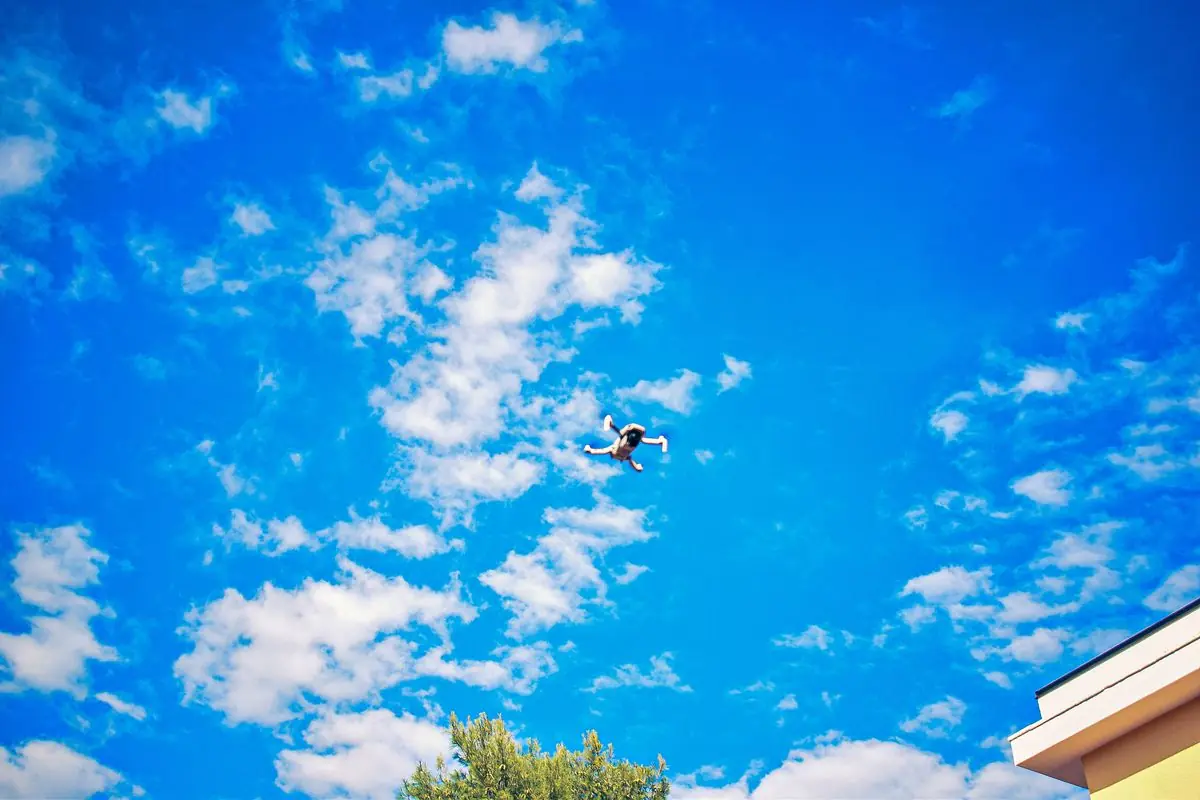
Photo: GiovanniPen
You arrive in Nha Trang with a DJI Mini and want to capture the coastline above Tran Phu Beach at sunrise. Even if your drone weighs around 249 g in its standard configuration, you still need to check the airspace, register the aircraft and determine whether the planned flight qualifies for a permit exemption. Under Vietnam's drone laws in 2026, a drone weighing less than 250 g is not automatically cleared to fly anywhere in the country.
What are the drone rules in Vietnam in 2026?
Vietnam allows drone operations under a regulated system. The rules apply to Vietnamese citizens, foreign tourists, professional filmmakers, YouTubers and anyone operating an unmanned aircraft in Vietnamese airspace.
A drone is generally described in Vietnamese legislation as a tàu bay không người lái, meaning an unmanned aircraft. The regulations cover recreational flying, aerial photography, commercial work and other uses.
The main legal instruments are:
- Law No. 49/2024/QH15 on People's Air Defence, dated November 27, 2024, effective July 1, 2025. Articles 27-35 cover unmanned aircraft, registration, flight permits and operating requirements.
- Law No. 98/2025/QH15, dated June 27, 2025, which amended relevant provisions and established the July 1, 2026 implementation date for drone registration requirements.
- Decree No. 288/2025/ND-CP, dated November 5, 2025, which sets out detailed requirements for drone registration, operators and flight applications.
- Circular No. 78/2026/TT-BCA, dated June 5, 2026, effective July 20, 2026, which regulates the drone registration process.
- Law No. 14/2026/QH16, dated August 23, 2026, effective September 1, 2026, which further amended provisions including import-licensing authority.
- Decision No. 18/2020/QD-TTg, dated June 10, 2020, which establishes prohibited and restricted airspace for drones.
- Decree No. 282/2025/ND-CP, dated October 30, 2025, effective December 15, 2025, which includes administrative penalties for unlawful drone operations.
Registering your drone does not give you unrestricted access to Vietnamese airspace.
Likewise, permission from a hotel or resort to take off from its property does not replace government authorization for a regulated flight.
Do drones under 250 g need a permit in Vietnam?
This is the most important question for visitors traveling with lightweight camera drones.
Under Article 30(3)(a) of Law No. 49/2024/QH15, a drone flight may be exempt from the flight permit requirement only when all of the following conditions are met:
- The aircraft has a maximum takeoff weight of less than 0.25 kg, or 250 g.
- The operation is for recreation or entertainment.
- The drone remains within the operator's unaided visual line of sight.
- The entire flight takes place outside prohibited and restricted airspace.
These conditions must be satisfied together.
Consider a personal vacation flight with a registered 249 g drone. You have checked the official airspace map, confirmed that the proposed area is neither prohibited nor restricted, and intend to keep the aircraft in sight while recording a short personal holiday video.
That operation may fall within the permit exemption.
Now change one detail. You are being paid to film a resort advertisement or an aerial wedding video. The aircraft may still weigh 249 g, but the recreational-use condition can no longer simply be assumed.
The same issue arises if you plan to fly beyond visual line of sight or within restricted airspace.
Does a 249 g drone count differently from a 250 g drone?
Yes.
The legal threshold is strictly less than 250 g, not 250 g or less.
Article 4 of Decree 288/2025/ND-CP separates unmanned aircraft into weight classes:
| Drone category | Maximum takeoff weight |
|---|---|
| Category 1 | Under 250 g |
| Category 2 | 250 g to under 2 kg |
| Category 3 | 2 kg to under 25 kg |
| Category 4 | 25 kg to under 150 kg |
| Category 5 | 150 kg or more |
The relevant figure is the maximum takeoff weight of the particular aircraft configuration.
Do not rely only on a product name or a manufacturer's advertised weight for a different version. Batteries and accessories may affect the specifications you need to establish.
A drone marketed as a lightweight consumer model may still weigh 250 g or more in some configurations.
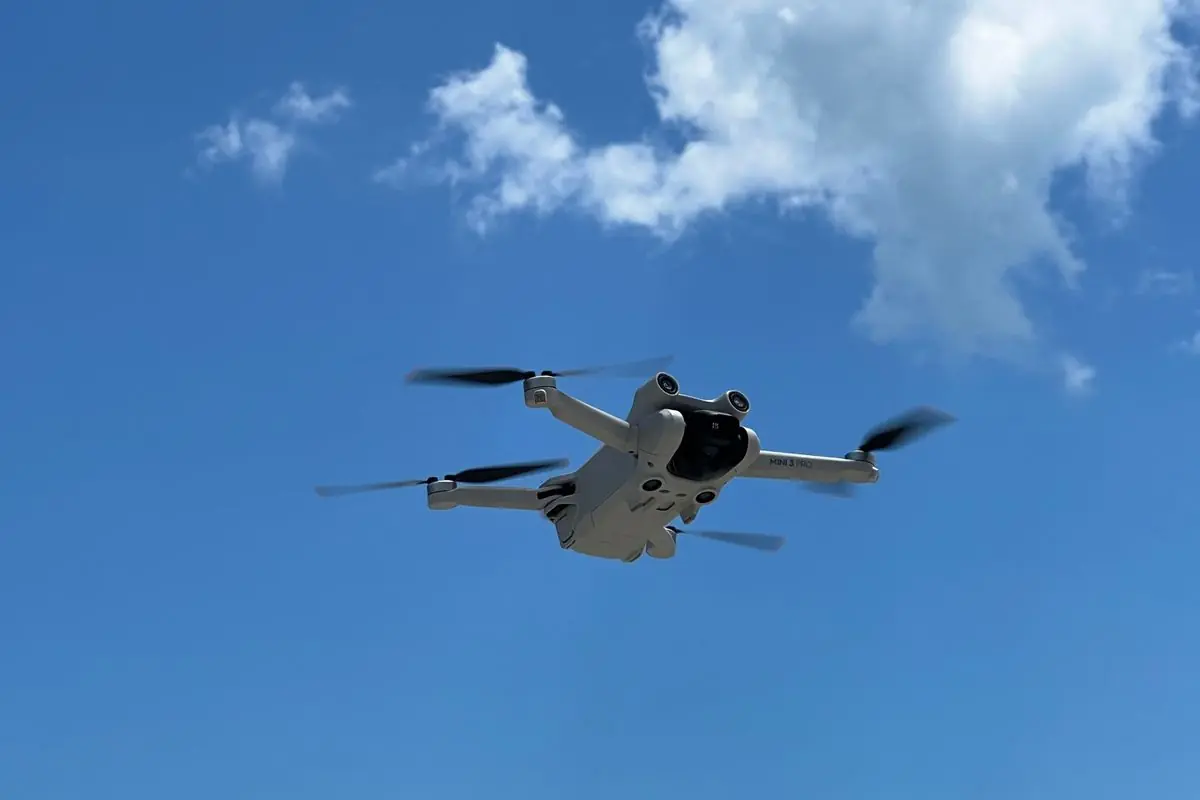
Photo: ZLEA
Do sub-250 g drones still have to be registered?
Yes. The flight permit exemption is not a general exemption from registration.
Article 29(1) of the People's Air Defence Law requires unmanned aircraft to be registered before operation. The registration requirement took effect on July 1, 2026, with procedures subsequently implemented under Circular 78/2026/TT-BCA.
There is no blanket registration exemption solely because the aircraft weighs less than 250 g.
Decree 288/2025/ND-CP also contains notification provisions relevant to operations that affect military or civil aviation. If your proposed flight might affect other air traffic, contact the relevant authority before flying.
The practical rule for tourists is simple: confirm registration, check the actual airspace and then determine whether your specific activity qualifies for a flight permit exemption.
Do you need a drone pilot license in Vietnam?
A drone pilot license is different from permission to fly in a specific location.
Under Article 19(3) of Decree 288/2025/ND-CP, operators of unmanned aircraft with a maximum takeoff weight of 250 g or more must hold an appropriate visual flight pilot license.
Additional licensing requirements apply to certain larger aircraft and operations.
For drones weighing at least 2 kg, operations beyond visual line of sight or under pre-programmed control require the appropriate instrument-observed pilot license or an internationally issued qualification recognized by Vietnam's Ministry of National Defence, as specified in the Decree.
Article 32 of the People's Air Defence Law provides that a person conducting a flight that qualifies for the recreational sub-250 g exemption under Article 30(3)(a) does not need a drone pilot license.
A foreign license accepted in the operator's home country is not automatically valid in Vietnam.
Ask the competent Vietnamese authority whether a drone certificate from another country can be recognized and what documentation is required.
There are also age and fitness requirements.
Under Article 19(2) of Decree 288/2025/ND-CP, drone operators generally must be at least 18, with an exception concerning aircraft with a maximum takeoff weight below 250 g. Operating while under the influence of alcohol, prohibited drugs or specified impairing substances is not permitted.
Professional operators should confirm these requirements before accepting a filming assignment rather than waiting until the day of the shoot.
Where do you apply for a drone flight permit?
Flight permits for ordinary civilian drone operations fall under the authority of Vietnam's Ministry of National Defence or delegated units.
This follows Article 30(2) of the People's Air Defence Law and Article 21(2) of Decree 288/2025/ND-CP.
Aircraft operated by the Ministry of Public Security are subject to their own authorization arrangements.
For a regular tourism, wedding or production flight that requires approval, the application can be submitted through the applicable public-service channel, including the National Public Service Portal or the Ministry of National Defence's published administrative service system.
Before filing, you need to define your intended flight location and activity.
A request that simply says "drone filming in Vietnam" is not a workable flight plan.
The authority needs to know where, when and why the aircraft will operate.
How long does a drone permit take?
Article 22(2) of Decree 288/2025/ND-CP establishes the following timeframes.
| Requirement | Official timeframe |
|---|---|
| Ordinary flight permit application | Submit at least 7 days before flight |
| Flight requiring an aviation NOTAM | Submit at least 12 days before flight |
| Processing a complete, valid application | Within 5 working days |
| Notification that an application is incomplete or invalid | Within 3 working days of receipt |
Additional requirements apply to certain flights in border airspace, including timelines connected with international border-management agreements.
An incomplete application can take longer because the time spent correcting documents is not counted in the official processing period.
For example, if your wedding photographer wants aerial footage at a coastal resort on December 20, filing a request shortly before departure is risky.
You need time for registration, sponsorship if applicable, identification of the flight area and any necessary interagency coordination.
An authorization may also be refused for all or part of the proposed flight area.
Do not schedule essential drone footage on the assumption that approval is automatic.
What documents are needed for a drone flight application?
Article 22(1) of Decree 288/2025/ND-CP lists the main application documents.
These include the official flight permit application using Form No. 06, evidence that the proposed activity is lawful where a separate government authorization is required, and a flight-area diagram for route-based flights or polygons defined by multiple points.
Foreign organizations and individuals coming to Vietnam to use drones must also meet the Vietnamese sponsorship requirement.
Some operations need additional supporting documents because of the nature of the activity or airspace involved.
The resulting flight permit contains information specified under Article 23, including the operator's details, aircraft identification, geographical boundaries, altitude, purpose and flight schedule.
Coordinates may be expressed using the WGS-84 coordinate system.
Prepare a clear record of:
- Aircraft model, serial number and registration.
- Operator and pilot details.
- The purpose of filming.
- The exact launch and recovery area.
- Proposed coordinates and geographic boundaries.
- Maximum altitude.
- Flight dates and time windows.
- Contact information for the operator and local sponsor where applicable.
A resort booking confirmation alone is not a complete application.
Neither is a screenshot from a drone manufacturer's app.
Can one permit cover multiple locations?
A permit is issued for a defined activity, purpose and location under Decree 288/2025/ND-CP.
You should therefore describe every proposed operating area accurately rather than assuming one general destination permit will cover an entire province.
For example, filming at a beach, a hillside viewpoint and a hotel several kilometers away may involve different geographical boundaries and airspace restrictions.
Discuss these details with the authority before submitting your application.
Under Article 21(4) of the Decree, a regular flight authorization can have a validity period of up to 30 days. Special categories, such as certain agricultural or public-service operations, have different limits.
This is a maximum period, not permission to fly continuously or outside the approved boundaries.
The specific conditions stated in the authorization remain controlling.
How to register a drone in Vietnam in 2026
Drone registration is regulated under Circular 78/2026/TT-BCA, effective July 20, 2026.
Registration of many privately owned aircraft is handled through the provincial-level public security authority.
Some domestic sub-2 kg registrations may be delegated to commune-level public security agencies where the required administrative conditions are met.
Not every local police office can register a drone.
Under Article 9 of the Circular, a standard registration file includes a registration declaration, owner identification, evidence of lawful ownership, relevant technical compliance documents and any applicable registration-related tax documentation.
The owner may submit the application directly or through the Ministry of Public Security's public-service system, subject to the applicable account and documentation rules.
Under Article 11, the receiving authority reviews the submission within a maximum of three working days to arrange further processing or request corrections.
The owner must then present the physical aircraft for inspection at the appointed time.
That inspection can involve checking the manufacturer's serial number, body, motors and related equipment.
When the requirements are met, the authority processes the registration and arranges the issuance of the registration certificate.
Article 6 also establishes an aircraft management identifier, which may take the form of an electronic label or device linked to the registration.
The physical inspection requirement matters to a visiting tourist: registration may not be possible to complete remotely from another country.
What about temporary drone registration?
Article 14 of Circular 78/2026/TT-BCA establishes temporary registration for certain qualifying short-term activities involving domestic or foreign aircraft.
The provision addresses specified activities, events and cases approved by competent authorities. Temporary registration may be valid for up to 60 days, with a single extension of up to 30 days under the stated conditions.
This does not mean every tourist arriving with a drone automatically qualifies for a 60-day temporary registration certificate.
The application requires supporting evidence and approval relevant to the particular case.
Ask the registration authority whether the temporary-registration procedure applies to a visit involving a conference, filming assignment, organized event or other qualifying activity.
For ordinary personal tourism, do not treat this route as an automatic substitute for the normal requirements.
Vietnam no-fly zones: where are drones prohibited?
Vietnam's prohibited and restricted airspace is established under Decision 18/2020/QD-TTg.
The Ministry of National Defence began officially publishing its national drone airspace map on June 15, 2025.
Before flying, check the current location against that official source.
A drone manufacturer's geofencing map can be useful for orientation, but it is not a substitute for Vietnamese legal airspace information.
Airports and airfields
Airport airspace is one of the most sensitive areas.
Article 3(4) of Decision 18/2020/QD-TTg establishes prohibited areas based on the runway geometry and surrounding approach and departure corridors.
For an airport with a single runway, the described prohibited area extends up to 15,000 m beyond each runway threshold and 5,000 m on either side of the extended runway centerline, subject to the decision's detailed provisions.
This is particularly relevant around airports such as Cam Ranh, Da Nang, Noi Bai, Tan Son Nhat and Phu Quoc.
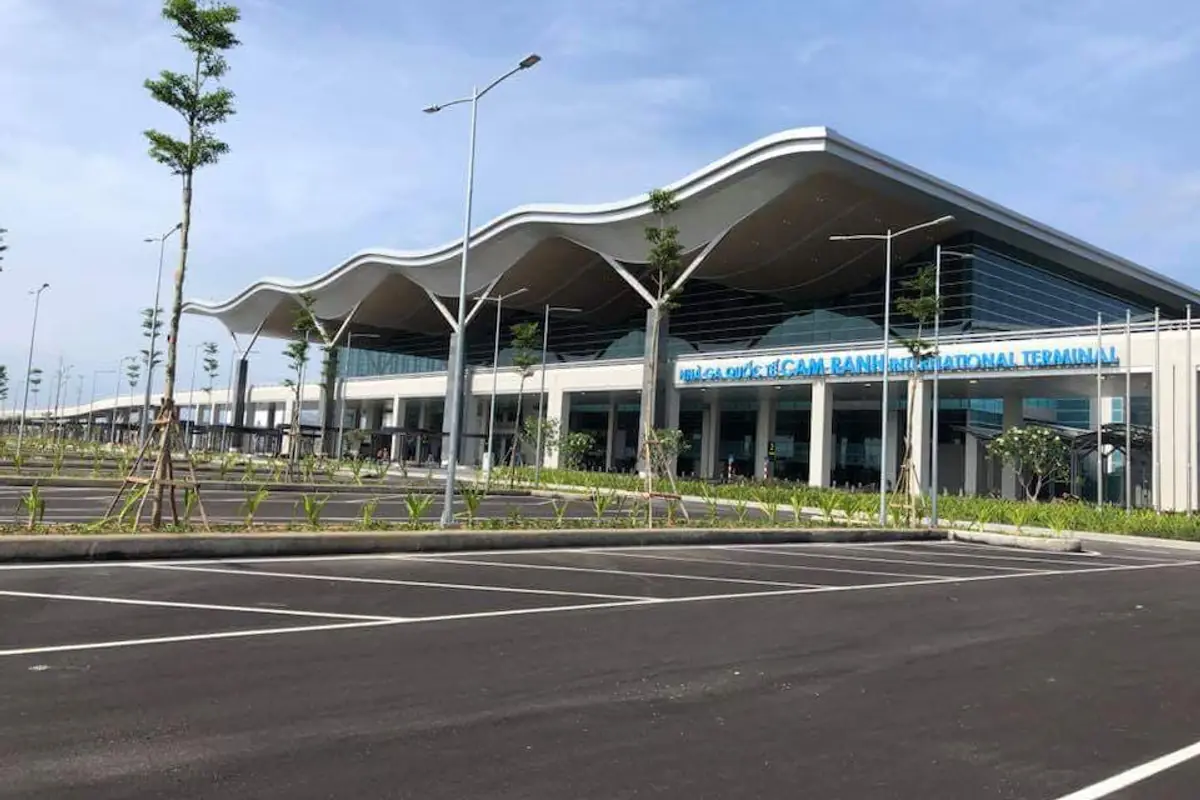
Photo: Ed Crystal
Some airports with limited scheduled activity are subject to special provisions, but tourists should never interpret those provisions as permission to operate without the required coordination and authorization.
Decree 288/2025/ND-CP restricts permits inside prohibited airspace to qualifying official-duty operations.
A travel vlog, resort advertisement or wedding video does not become an official-duty operation because the footage is commercially important.
Military and security facilities
Article 3 of Decision 18/2020/QD-TTg includes important military facilities, defense installations, military deployment areas, security targets and related sites.
Certain categories require a horizontal separation of at least 500 m from the prohibited-area boundary at all altitudes.
A key difficulty for visitors is that the legally defined boundary may not correspond to a visible fence.
Do not assume an area is clear merely because it looks like ordinary coastline, countryside or forest.
This matters especially when operating near military airfields, coastal installations or strategically sensitive infrastructure.
Government and diplomatic buildings
Decision 18/2020/QD-TTg also identifies various government offices and diplomatic or consular premises as prohibited areas.
Article 3(2) provides a horizontal separation of at least 200 m from the relevant prohibited boundary.
Urban drone photography can inadvertently include such locations.
Being able to access a public square or rooftop terrace does not make it a lawful launch site.
Check the airspace around the whole planned flight, not just the takeoff point.
Crowded public places
Under Article 4(2) of Decision 18/2020/QD-TTg, areas where large numbers of people gather are classified as restricted airspace.
Think of crowded beach sections, public festivals, concerts, ceremonies and busy squares.
Restricted airspace is different from prohibited airspace, but it still imposes legal conditions.
The recreational sub-250 g flight exemption does not apply inside restricted areas.
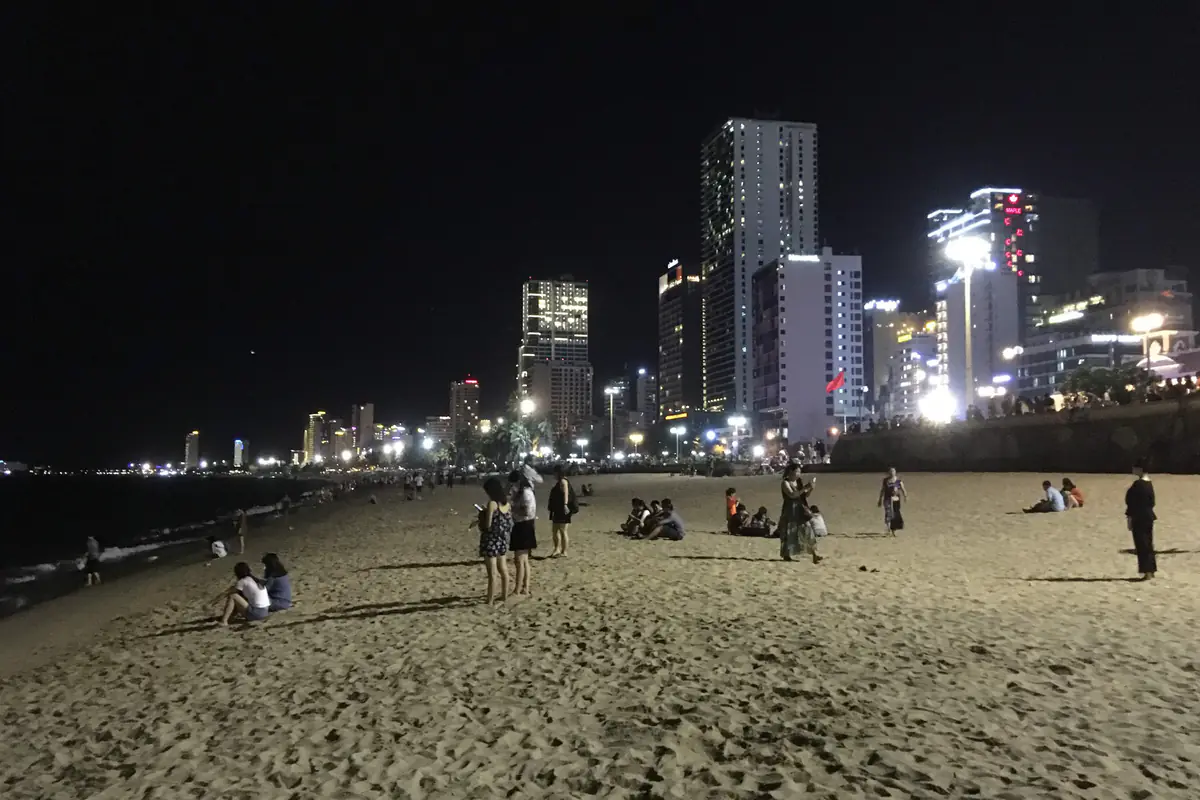
Photo: Christophe95
If you are filming an event, obtain the required approvals before bringing the drone into operation.
What is the maximum legal drone altitude in Vietnam?
You may have seen 120 m described as Vietnam's drone altitude limit.
The actual rule needs more context.
Article 4(1) of Decision 18/2020/QD-TTg classifies airspace above 120 m relative to terrain as restricted, outside the already prohibited areas.
That does not create unrestricted permission to fly at 119 m or below.
A drone hovering 20 m above a prohibited military site is still in prohibited airspace.
A drone flying 40 m above a crowded festival can still be subject to restricted-area requirements.
Where a permit is required, the altitude authorized in the permit must be followed.
Lower flights often give ordinary travel footage better detail anyway.
A coastal tracking shot, slow reveal of a hillside or wide view of a hotel can frequently be achieved without climbing to the greatest possible altitude.
Choose your camera movement first. Then determine whether the necessary altitude is legally and operationally available.
Flying a drone in Nha Trang and Cam Ranh
Nha Trang has several landscapes that naturally attract drone photographers: the curved coastline, Tran Phu Beach, Hon Chong, the bay and the islands offshore.
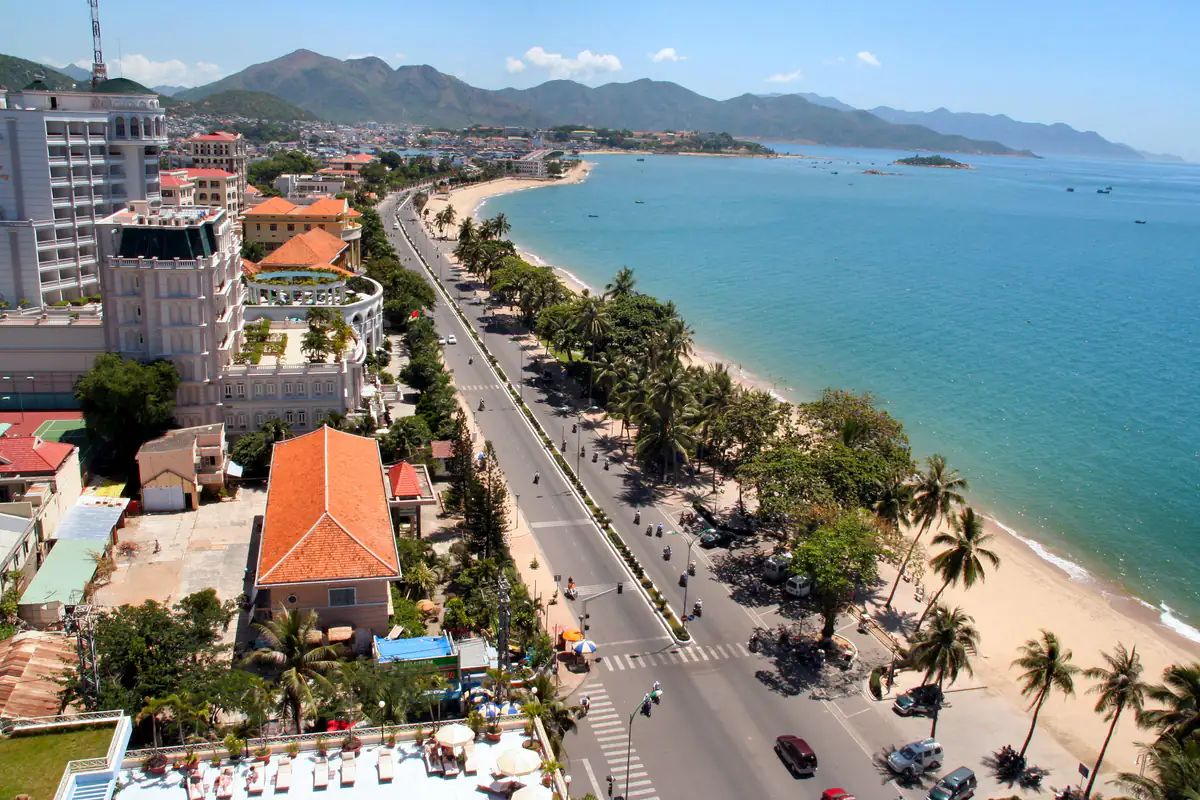
Photo: ntt (P4ntt)
None of those names, however, is a blanket flight authorization.
You need the coordinates of your actual operation.
Even a personal sunrise shoot near Tran Phu Beach means checking the official map, the drone's registration, the flight purpose, visual-line-of-sight conditions and how crowded the beach is at that time.
For filming near Cam Ranh or Bai Dai, airport-related restrictions deserve particular attention.
The airport serving Nha Trang is located in Cam Ranh, and airspace boundaries are defined by aviation operations rather than tourist district names.
A resort outside the airport perimeter can still sit in restricted airspace.
Paid promotional footage for a hotel is a commercial activity: plan the shoot that way and obtain the applicable authorizations.
Drone rules at other popular destinations in Vietnam
Each destination needs its own airspace check. Even two viewpoints a short drive apart may be subject to different conditions.
Da Lat
Da Lat's pine forests, lakes and hills are attractive for aerial filming.
Tuyen Lam Lake and the surrounding hills offer landscape opportunities, but you still need to check the official airspace map and any site-management rules.
Weather is also a practical concern.
Fog can reduce visual contact with a small drone, and wind may change as the aircraft crosses a ridge or valley.
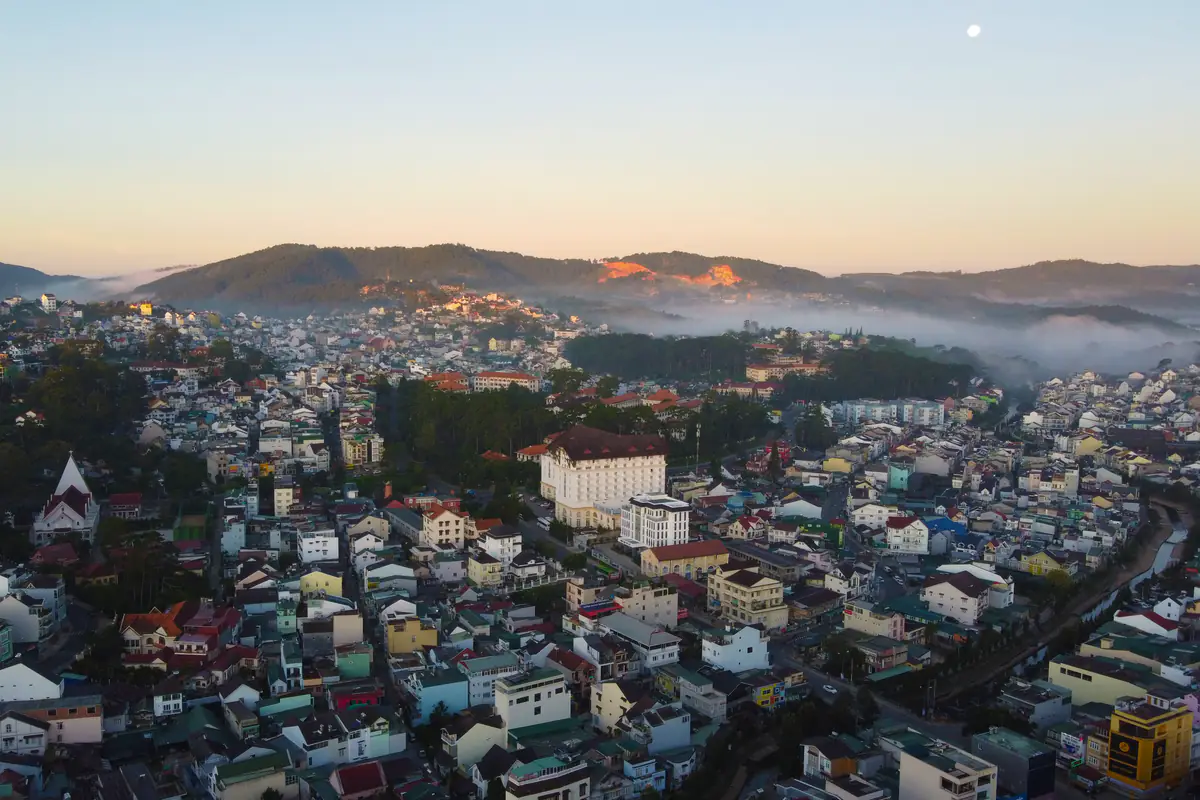
Photo: Tuong Lam Photos
If you cannot keep the aircraft within the required visual range, do not continue the operation on the assumption that the GPS connection is enough.
Poor weather may force a planned professional shoot to be rescheduled even when a flight permit has already been issued.
Phu Quoc
Phu Quoc combines beaches, resorts, island infrastructure and an international airport.
That makes checking the exact operating area essential.
A beachfront property can still fall within airport or security restrictions.
At a resort, ask management about launch-site access and any local rules. Separately confirm whether the airspace operation requires government authorization.
A boat rental for an island-hopping trip does not include permission to launch a drone.
Cat Ba, Lan Ha Bay and Ha Long Bay
These areas are popular for wide aerial shots of limestone islands and water.
However, coastal and island environments can overlap with protected, operational or security-sensitive areas.
Check the official drone map and consult the operator of any vessel or managed site involved in the flight.
Launching from a moving boat also presents practical problems: wind, the lack of a fixed landing point and increased difficulty recovering the aircraft.
A capable drone does not eliminate those risks.
Unsuitable conditions or missing permission mean switching to a handheld camera or footage captured through an authorized service.
Heritage sites and festivals
Places such as Trang An, Hoi An Ancient Town, Hue's Imperial heritage area and My Son may have site-specific filming restrictions or management requirements.
Vietnamese national drone rules do not designate every historical monument as one universal prohibited-airspace category.
You need to check both the official airspace designation and the rules set by the site management authority.
During major festivals, crowds and temporary security measures can impose additional restrictions.
In April 2026, public security authorities in Phu Tho reminded visitors about unauthorized drone use around the Hung Kings Temple festival.
For a heritage-focused filming project, contact the management board early. Site filming permission and airspace authorization are distinct matters.
Can tourists bring a drone into Vietnam?
Bringing a drone into Vietnam may be possible, but personal ownership or a weight under 250 g does not exempt it from import or temporary-import controls.
Article 27 of the People's Air Defence Law, as amended by Law 14/2026/QH16, and Chapter II of Decree 288/2025/ND-CP regulate drone import, temporary import for re-export and related cross-border procedures.
Under the amended Article 27(3), provincial People's Committees have licensing authority for specified non-defense import and temporary-import activities after obtaining written agreement from the Ministry of National Defence and Ministry of Public Security.
This does not mean that every short-term visitor automatically satisfies the eligibility conditions for those procedures.
A tourist carrying a drone in a backpack should not assume it will be treated in exactly the same way as a regular camera.
Before departing with your own drone, contact the relevant Vietnamese customs authority and competent import or temporary-import authority.
Prepare information about the aircraft, its owner and the purpose of the visit.
Useful documents include:
- Passport and travel dates.
- Drone manufacturer, model and serial number.
- Proof of purchase or ownership.
- Technical specifications and weight.
- Intended entry and exit points.
- Proposed operating locations and dates.
- Information about a Vietnamese sponsor or project partner, if applicable.
Ask specifically which documents and approvals your circumstances require.
Do not confuse customs clearance with permission to operate the drone.
Even if the aircraft enters Vietnam lawfully, registration, pilot requirements and flight restrictions still apply.
Can you carry drone batteries on a flight?
You must also comply with airline and aviation safety rules governing lithium batteries.
The permitted packing arrangement can depend on whether the battery is installed or spare, its watt-hour rating and the airline's policy.
Check the operating airline's current baggage instructions before departure.
Carry the battery specifications and ensure terminals are protected as required.
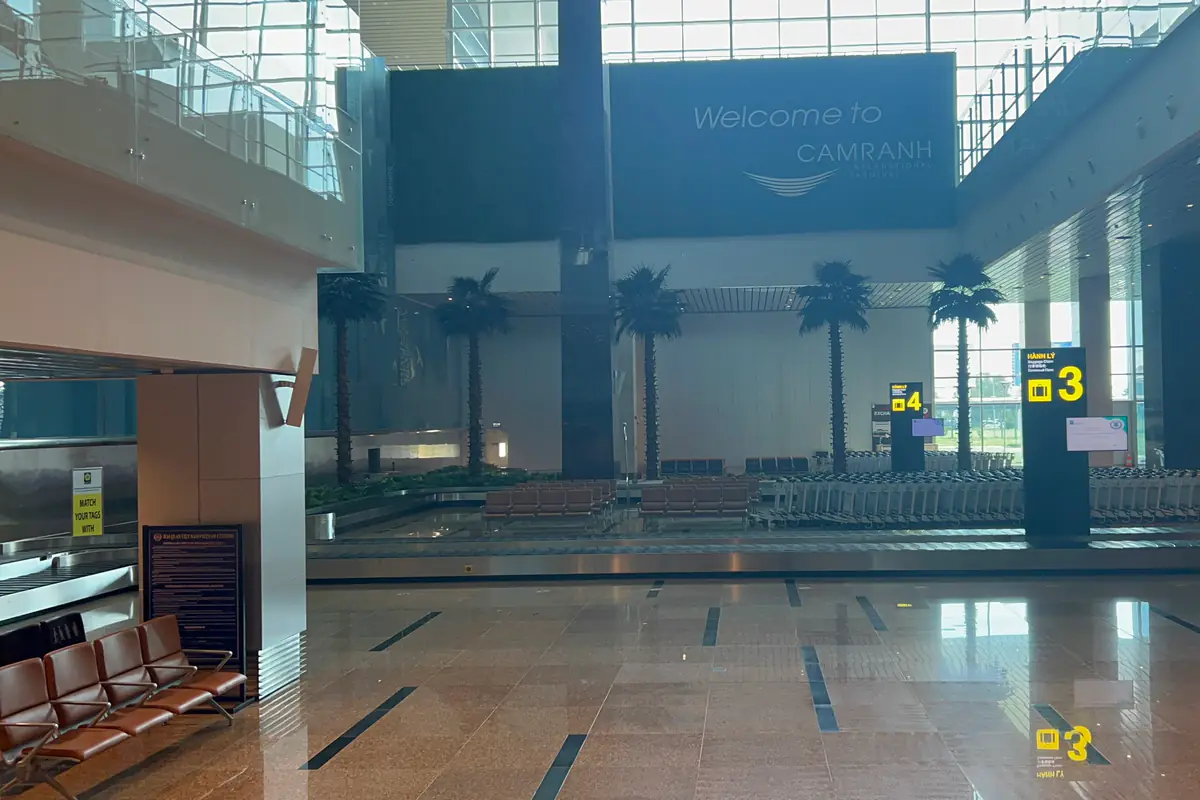
Photo: Leductho1710
Do not rely on advice intended for a different airline or battery configuration.
Additional drone requirements for foreign tourists
Foreign visitors face an important requirement that is easy to miss.
Article 31(2)(d) of the People's Air Defence Law and Article 19(6) of Decree 288/2025/ND-CP require foreign individuals operating drones in Vietnam to have a Vietnamese organizational or individual sponsor, subject to the applicable rules.
Article 22 of the Decree also includes sponsorship in the flight permit application requirements for foreign organizations and individuals coming to Vietnam to use drones.
This matters for both commercial operators and visiting drone enthusiasts.
The sponsorship requirement has a legal function; a Vietnamese sponsor does more than translate a permit application.
Registration conditions for foreign individuals are also addressed in Article 7 of Circular 78/2026/TT-BCA, including residence status or permission granted by the competent authority.
On a short holiday, check whether your particular circumstances meet those conditions.
A multi-location project by an overseas YouTuber needs its local legal and operational details arranged before the schedule is built around drone footage.
You may need a partner who can assist with sponsorship, registration, flight planning and any separate filming permissions.
A casual traveler who wants only a few aerial memories may find the administrative burden outweighs the benefit of bringing the drone.
What are the fines for flying a drone illegally in Vietnam?
Vietnam introduced significant administrative penalty provisions under Decree 282/2025/ND-CP, effective December 15, 2025.
Article 8 addresses several drone-related violations.
For individuals, the relevant ranges include:
| Violation | Fine in VND |
|---|---|
| Certain registration, permission or flight-limit violations under Article 8(2)(dd) | 2-3 million |
| Photographing or filming prohibited defense or security sites under Article 8(5)(c) | 6-8 million |
| Unauthorized aerial filming or photography under Article 8(6) | 8-9 million |
| Flying contrary to permit conditions under Article 8(7) | 9-12 million |
| Failing to obey air traffic management instructions under Article 8(8) | 12-15 million |
| Conducting a drone flight without the required permit under Article 8(10)(a) | 20-30 million |
| Interfering with or endangering other aircraft under Article 8(11) | 30-40 million |
These are different legal offenses, not a cumulative price list for every incident.
The authority must determine what conduct occurred and which provisions apply.
The sub-250 g recreational exemption also matters: a flight that lawfully qualifies for an exemption should not be treated as an unlicensed flight merely because there is no flight permit.
Certain violations can result in confiscation of the drone or suspension of flight permissions under Article 8(13).
For organizations, monetary penalties for the same conduct may be twice the individual amount under the Decree.
More serious incidents may also lead to other legal responsibilities depending on the harm caused.
What happens if you already have a permit but fly elsewhere?
A flight permit has boundaries.
For example, a permit for a specified coastal operating area does not authorize you to move the operation to another beach several kilometers away without the necessary approval.
The same applies to flight times, operating altitudes and other permit conditions.
An aircraft registration certificate does not solve this problem.
Neither does the operator's experience or a successful flight at the location in the past.
Before changing your plan, check whether the existing authorization covers the revised activity and obtain approval where required.
Bring your own drone or hire a local operator?
There are two realistic approaches for travelers who want aerial footage.
Bring and operate your own drone
This makes sense if you already own the equipment, understand its operating limits and have enough time to organize the necessary documentation.
You must establish the legality of bringing the drone into Vietnam, arrange registration, determine whether your flight needs a permit and comply with foreign-operator requirements where relevant.
A registered sub-250 g drone used recreationally in unrestricted airspace may qualify for the flight permit exemption.
However, this is not the same as having an unrestricted right to fly throughout your trip.
The biggest disadvantage is itinerary flexibility.
A viewpoint inside a prohibited area cannot be fixed by taking off a few minutes earlier or choosing a lower altitude. A restricted location may need formal approval, and weather that makes visual operation unsafe means postponing the flight.
Hire an authorized local drone operator
This is often the more practical option for foreign tourists, wedding couples, commercial filmmakers and travel content creators working at multiple locations.
A local operator may already understand the registration process and be able to prepare the specific flight application.
But not every business offering drone photography is properly authorized.
Ask for confirmation of the aircraft registration, the pilot's qualifications and the applicable flight permission for your exact location and schedule.
Clarify which party is responsible for filing the permit application and following any operational conditions.
If the company cannot explain the permission arrangements, do not treat its portfolio of previous flights as evidence of legal compliance.
Prices for drone footage and related procedures vary by location and job. Request a quotation based on the actual production requirements and distinguish private service charges from any applicable government fees.
Practical drone safety tips for traveling in Vietnam
Vietnam offers varied filming conditions, from coastal cities to mountain valleys and busy historical districts.
Good footage starts with a workable flight plan.
Check airspace before traveling to the launch site. Do not rely solely on what the drone's software displays when it connects to GPS. Use official Vietnamese airspace information.
Keep the aircraft in sight. This is essential for the recreational sub-250 g exemption. Watching the camera feed is not the same as maintaining unaided visual contact.
Avoid flying over crowds. Busy beaches, markets, ceremonies and festivals present both airspace restrictions and physical risks.
Check wind and visibility. Coastal wind can strengthen quickly, while fog and cloud can make a small drone difficult to see in the highlands.
Avoid risky automated modes. Follow Me and waypoint functions do not override visual-line-of-sight, licensing or flight permit requirements.
Plan takeoff and landing locations. Avoid roadways, power lines, cliff edges, crowded footpaths and moving boats without suitable arrangements.
Respect privacy. Do not film into private rooms, balconies, changing areas or other private spaces without appropriate permission.
Follow official instructions. If an authorized official instructs you to stop flying, comply promptly and handle any documentation request through the proper process.
What is a good time to film in Nha Trang?
For coastal video, the period around sunrise is often worth considering because the light is softer and the beach may be quieter than later in the day.
Around 5:30-7:00 a.m. can be a useful planning window, depending on the season.
But an early hour does not exempt you from a no-fly or restricted zone.
Check wind, visibility, airspace restrictions and any temporary notices on the actual date.
If the location is unsuitable, move the filming session to an authorized place rather than searching for an informal workaround.
A pre-flight checklist for Vietnam
A practical way to prepare is to work through the legal requirements in a fixed order.
- Step 1
Identify your aircraft
Record its exact model, maximum takeoff weight, serial number and operating configuration.
- Step 2
Establish the purpose of the flight
A paid resort advertisement or professional wedding production may be treated differently from a personal recreational video.
- Step 3
Confirm registration
Check that the aircraft meets the registration requirements under the People's Air Defence Law and Circular 78/2026/TT-BCA.
- Step 4
Confirm operator eligibility
Review pilot licensing, age restrictions, qualification recognition and the foreign sponsorship requirement where applicable.
- Step 5
Check the official airspace map
Examine the entire intended flight area, including any route or return path, not merely the launch point.
- Step 6
Determine whether a flight permit is required
Apply the sub-250 g exemption only when every condition is met. Do not interpret uncertainty as permission.
- Step 7
Submit the application in time
Allow at least seven days before the proposed flight for a standard permit application; NOTAM-related applications require a minimum of twelve days under the applicable Decree.
- Step 8
Confirm site access and current conditions
Ask the management of a resort, heritage site, vessel or controlled property about its own filming rules, while separately satisfying aviation requirements.
- Step 9
Review the actual authorization
Check the coordinates, altitude, operating times and purpose against your final plan.
- Step 10
Make the final safety decision
If visibility, wind, crowd conditions or official instructions make the flight unsuitable, do not launch.
Keep copies of your relevant documents accessible throughout a multi-day production.
It is also sensible to record the contact details of the responsible operator or local partner in case the flight needs to be changed or canceled.
A properly registered sub-250 g drone works well for a few personal travel clips when every recreational exemption condition is satisfied and the airspace is clear. For commercial footage, wedding photography or a multi-destination trip, arranging formal authorization in advance or hiring a qualified local operator is the more practical option.
FAQ
Can I bring a drone into Vietnam as a tourist?
Potentially, but bringing a drone is subject to the applicable import or temporary-import rules. Contact Vietnamese customs and the relevant authority before traveling to establish which approvals and documents your situation requires. Customs permission and flight authorization are separate matters.
Can I fly a drone under 250 g without a permit in Vietnam?
Yes, only if the flight meets all conditions under Article 30(3)(a) of the People's Air Defence Law: recreational purpose, maximum takeoff weight below 250 g, unaided visual line of sight, and operation outside prohibited and restricted airspace. Registration requirements still apply.
Where do I apply for a Vietnam drone permit?
Ordinary civilian flight permits are handled through the Ministry of National Defence or its delegated authorities. Check the ministry's administrative service system or the National Public Service Portal. A regular flight application must be submitted at least seven days in advance under Decree 288/2025/ND-CP.
How much is the fine for flying a drone without permission in Vietnam?
Under Article 8(10)(a) of Decree 282/2025/ND-CP, conducting a drone flight without a required permit can result in a fine of VND 20-30 million for an individual, with confiscation of the aircraft under the applicable provisions. The penalty depends on the actual violation and whether a lawful permit exemption applies.
Can I fly a drone in Nha Trang, Da Lat or Phu Quoc?
There is no single citywide permission covering these destinations. Check the exact location on the official airspace map, confirm aircraft registration and operator requirements, and determine whether the particular flight requires authorization. Airports, sensitive facilities and crowded areas deserve special attention.
Related posts
Guides
Vietnamese phrases for travelers: thirty useful sentences beat memorizing a hundred words
Essential Vietnamese travel phrases with pronunciation tips, real situations, and emergency numbers.
Road trips
Da Nang to Nha Trang: flying is fastest, but the train beats the overnight bus
Compare four ways to travel from Da Nang to Nha Trang, including 2026 fares and schedules.
Guides
Train tickets to Nha Trang: 7 steps to book correctly in 2026
A practical guide to Nha Trang train fares, official booking channels, sleeper options, and station information.