4 Stops at Nha Trang Oceanographic Museum (Bảo tàng Hải dương học)
About two hours is our suggested museum allowance. Choose a few tanks and specimens to examine closely instead of trying to read every label in one pass.
Written by Tụi mình mê biểnUpdated

Photo: Phương Huy
Set your destination to the Museum of Oceanography at 1 Cau Da (Cầu Đá), Nha Trang Ward, before planning the visit. The institute is a research organization; the museum is the part you buy admission to explore. We suggest reserving a morning for it and having lunch afterward rather than fitting it into the last spare hour before a transfer.
Tickets, opening hours, and parking
Two adults and one school pupil therefore need VND90,000 for admission before parking. Bring appropriate student identification if you plan to use a concession. For a group wanting a guide, contact the museum in advance about arrangements and language. We would not assume that an individual ticket automatically includes a private English-speaking guide.
Our suggested allowance is about two hours, with additional time for breaks if you have children. That is a planning recommendation, not a compulsory visit length. Arriving shortly before 6 PM leaves little room to explore. We would move the visit to another morning if the alternative were rushing through it before an intercity bus or flight.
The four parts we would make time for
Start with the living collection
The aquarium section keeps marine fish, corals, and other sea life for research, education, and visits. This is where we suggest starting with children: a particular animal gives them something concrete to look for before moving to preserved specimens. Pick a few tanks and watch carefully rather than taking a quick photograph of every pane of glass.
Read the labels before guessing the species. An animal resting behind a rock does not mean a tank is empty. Keep children close around open water, and do not tap glass, feed the animals, or reach into tanks. Secure loose bags and drinks so you can stand comfortably without blocking other visitors.
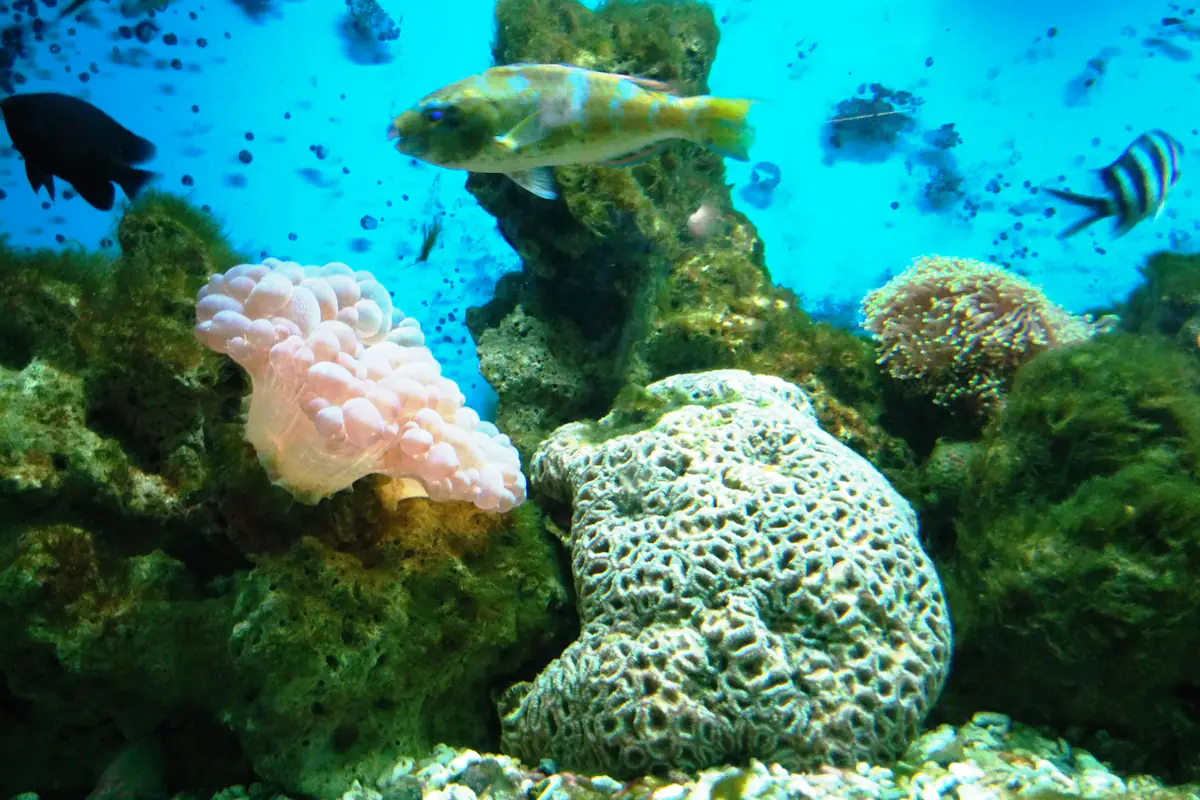
Photo: Phương Huy
Leave room for the 18-meter whale skeleton
The large-specimen gallery contains an 18-meter humpback whale skeleton, along with a dugong specimen and a large ray. This is the section we would keep even on a shortened visit. Step back far enough to see the skeleton’s proportions before moving closer to read the interpretation.
With a child who knows whales from books, comparing the size of the skull and body is more engaging than trying to memorize scientific names. For photographs, choose a position that leaves the central walkway clear. A wider view usually communicates the scale better than standing immediately beneath the front of the skeleton.
We also suggest taking a moment to distinguish the different kinds of display. A skeleton, a preserved whole animal, and a live fish each answer a different question. That distinction makes the museum feel more coherent than treating every room as another aquarium enclosure.
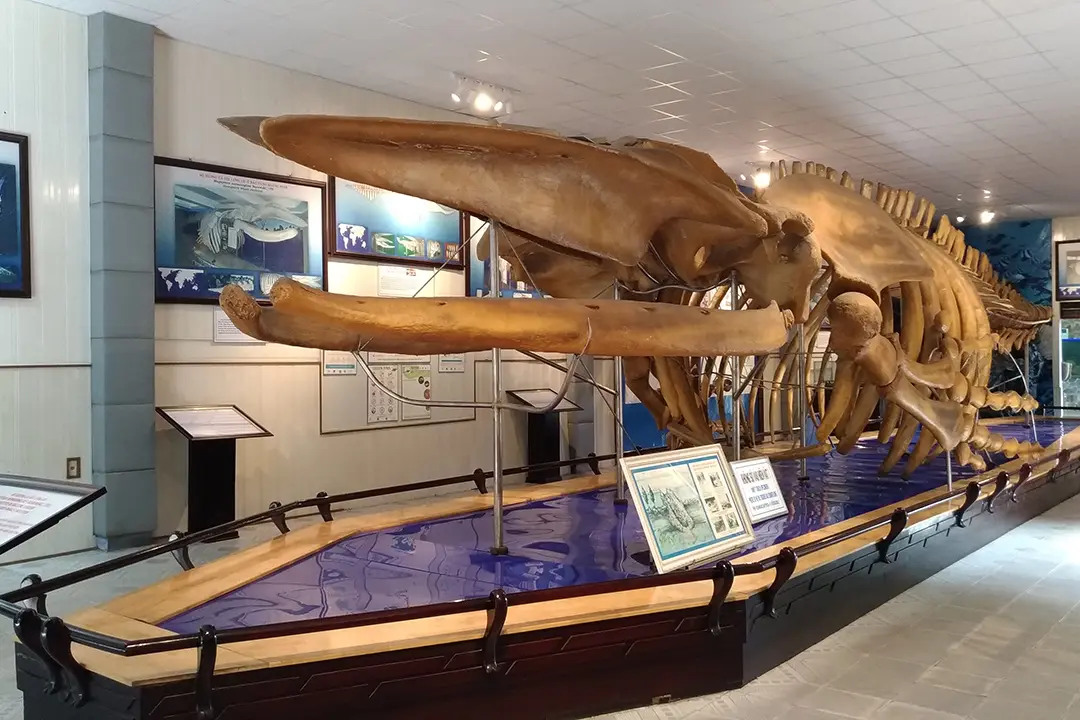
Photo: Bảo tàng Hải dương học
Continue into the tunnel exhibition
The marine-resource exhibition covering Hoang Sa (Hoàng Sa) and Truong Sa (Trường Sa) occupies a tunnel through Bao Dai (Bảo Đại) hill, nearly 100 meters long. This is an exhibition inside a hillside tunnel. It is not a transparent underwater tunnel beneath a giant aquarium, an important distinction if that is the attraction you had pictured.
We would use this section to connect marine specimens with geography. Read one introductory panel, then look for the related exhibits rather than trying to absorb every caption in sequence. If someone in your group needs regular sitting breaks, take one before continuing and ask staff about the most practical route through the building.
Finish with preserved specimens
Rows of specimen jars reveal the research purpose behind the museum. Its marine biodiversity collection includes many groups of sea life kept for identification and study. The visual effect is very different from a living tank: these are preserved reference specimens, rather than an attempt to recreate a natural reef scene.
Choose a few unusual shapes to examine closely. We find that approach more useful than trying to remember an overall collection count. Some visitors enjoy this section more than the aquarium; others find preserved animals uncomfortable to look at. With a nervous child, simply move to another display rather than trying to complete every room.
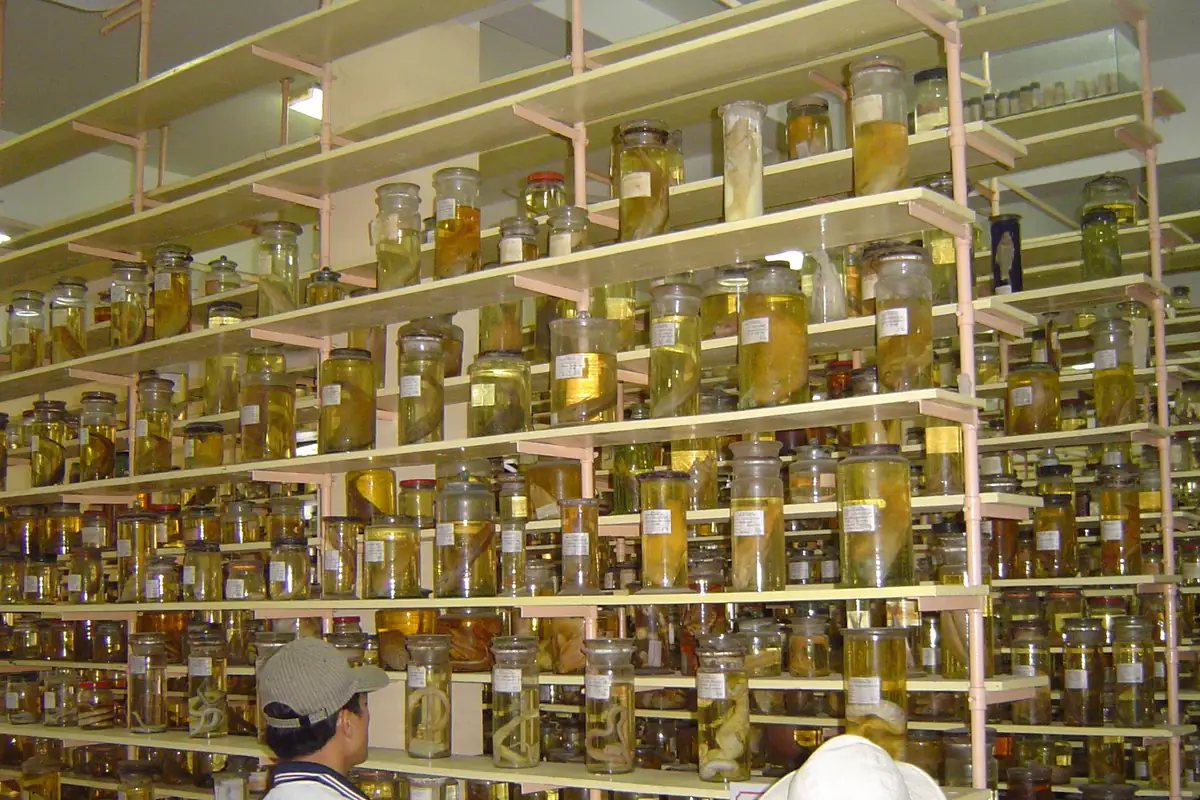
Photo: Lưu Ly
Choose it for marine life and specimens
The museum is a good choice if you enjoy natural history, want children to see real specimens, or need an alternative to an outing on the water. We would choose something else for travelers seeking a full day of rides, shows, and active play. A low admission price does not mean the display style will appeal equally to everyone.
Why we would go
- Living marine animals and large specimens in the same visit.
- A straightforward admission budget for families.
- A focused subject that fits a separate morning.
What to consider
- Much of the visit involves observation and reading.
- Preserved specimens may unsettle some children.
- Step-free routes and stroller access need advance clarification.
We would not treat the museum as a substitute for every aspect of a boat trip. It helps explain marine life, but it does not supply the swimming or open-water outing you may have planned. Keep those expectations separate when deciding which activity deserves your limited time.
Parking charges distinguish the vehicle’s seating category, not the number of people traveling in it. A seven-seat car belongs in the seven-or-more category even when only two passengers arrive. For a hired driver, agree whether parking is already included in the outing price so the same charge is not paid twice.
On arrival, note where you parked or arrange a precise meeting point with your driver before entering. For a group splitting between displays, choose one place to reunite and a time, rather than asking everyone to find each other among several galleries. Keep tickets together in case staff need to inspect them again.
Make sure your map points to Cau Da
Send the driver the museum name and 1 Cau Da address. The museum also publicizes an exhibition at Hon Chong (Hòn Chồng) hill, so distinguish the two destinations when selecting a pin. For the visit described here, we suggest the Cau Da site. A broad search for the institute’s name is not enough to establish which entrance your driver will use.
Choose your transport around Nha Trang based on the group and pickup point. If driving yourself, follow the parking directions at the site. We would pair the museum with lunch in the southern part of town instead of crossing the city between activities. An early island-tour departure is better kept on a different day.
Light rain may make an indoor exhibition appealing, but do not treat it as a guaranteed refuge in severe weather. Postpone travel during thunderstorms, heavy rain, or flood warnings. In your trip budget, give the visit its own admission and transport allowance, and decide whether it replaces another paid activity or adds to it.
FAQ
Is taking label photographs useful for children?
We would let a child choose a few specimens to remember and photograph their labels where permitted. A small task is easier to follow than recording every room.
Would sketching an exhibit work for children?
We would bring a small notebook and pencil, let the child choose one subject, and use a permitted resting spot. Keep materials clear of walkways and cases.
What would you do on a second visit?
Choose a narrow theme, such as fish shapes or skeletons, and ask which displays fit it. You do not need to repeat the same full route.
Related posts
Places
Is VinWonders Nha Trang Worth a Full Day?
Choose admission for your available time and confirm how you will reach the island.
Guides
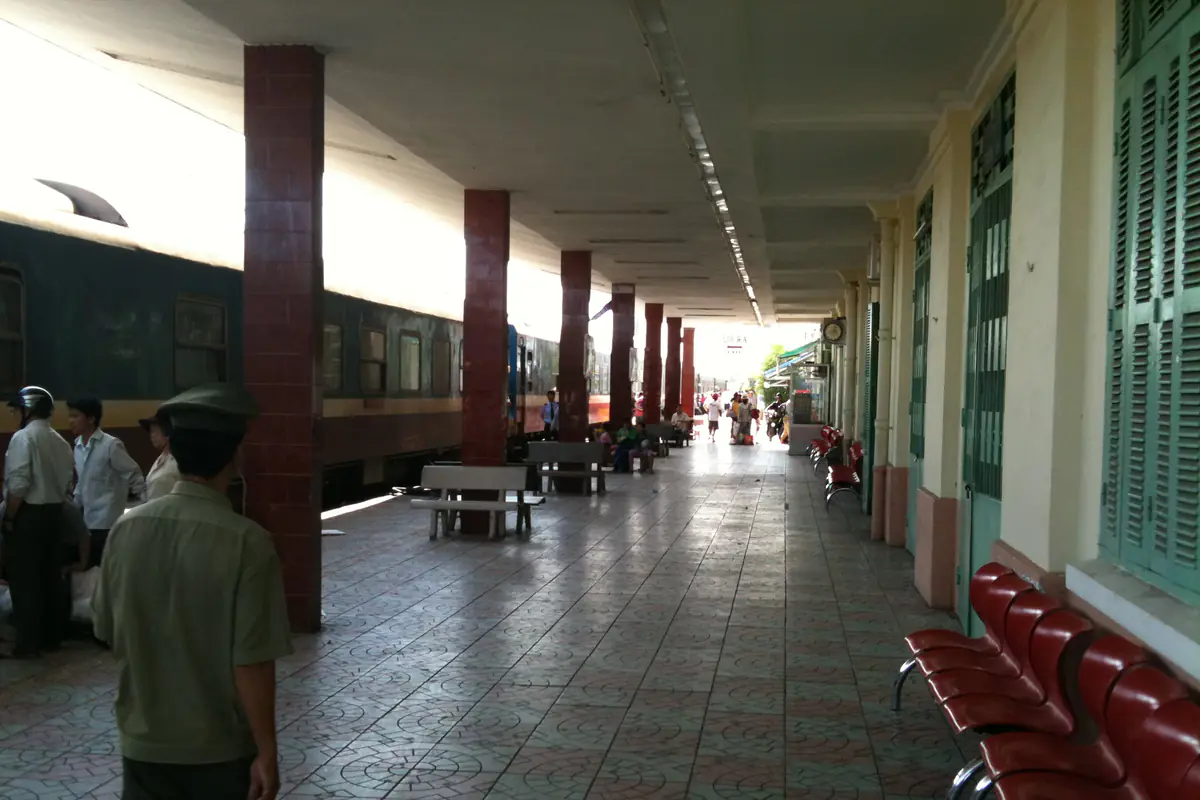
Nha Trang Train Tickets: What to Check Before Booking
Match the passenger, date and berth before paying for your train journey.
Places
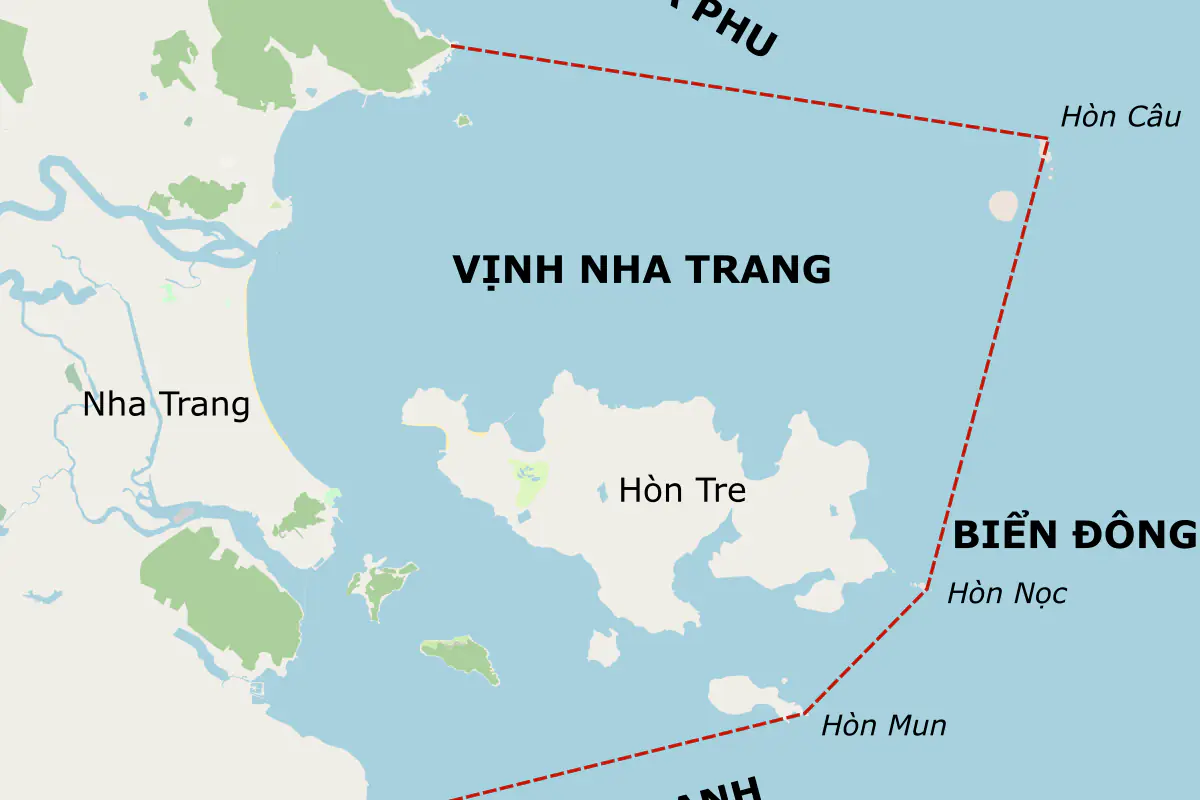
Looking at a Nha Trang Map, Where Should You Stay?
Locate five useful areas and turn scattered pins into outings in the same direction.