Marble Mountains (Ngũ Hành Sơn) in Da Nang (Đà Nẵng) for Caves and Temples
The Marble Mountains deserve a morning for their caves and temples. Choose a different outing if stairs are difficult, because the elevator covers only part of the climb.
Written by Tụi mình mê biểnUpdated
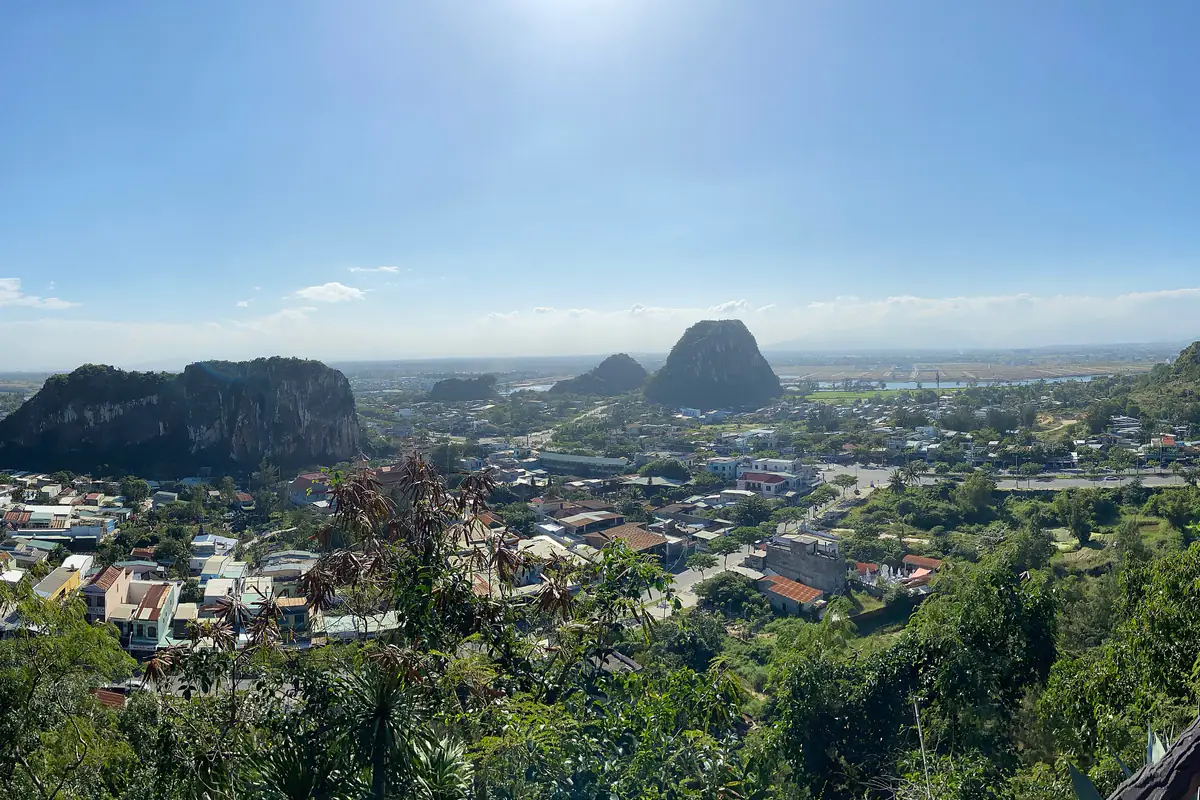
Photo: Kuroczynski
You do not need to climb five separate mountains to visit this landmark. Most first visits concentrate on Water Mountain (Thủy Sơn), where the established visitor route connects temples, caves, and viewpoints. We would give that route a morning rather than treat the whole cluster as a quick stop between hotels.
Go for the caves and temples if you are comfortable with steps
The combination is the reason to come: temple roofs against limestone, worship spaces inside caves, and views toward the coast. We suggest it for travelers who enjoy exploring on foot and looking closely at a place. It is a less comfortable choice for someone expecting an elevator ride followed by a level sightseeing path.
The elevator removes some climbing at the bottom of the mountain. It does not provide step-free access to the entire site. There are still stone stairs and changes in level above the elevator, including on the way to caves. If stairs are difficult for anyone in your group, agree on a shorter route before buying tickets.
Why we would go
- Caves and working temples share one compact walking area.
- The location fits a journey toward Hoi An (Hội An).
What to weigh
- The elevator does not eliminate the stairs.
- Wet stone makes the route more demanding.
Budget separately for admission, the elevator, and Am Phu Cave (Động Âm Phủ)
Adult admission to Water Mountain costs VND40,000. The elevator is a separate VND15,000 per person in each direction. An adult using it both up and down therefore pays VND70,000 for admission and the two rides. Keep the return ticket somewhere accessible rather than burying it at the bottom of a bag.
Adding Am Phu Cave to the elevator option brings those admission and elevator costs to VND90,000. Transport, parking, and drinks are additional. We would decide whether to visit the extra cave after considering your energy and available time, rather than assume every separate ticket belongs in the same morning.
The posted student admission is VND10,000 for Water Mountain and VND7,000 for Am Phu Cave. Children under six are exempt from those admission fees and the elevator charge. Ask the ticket office what documentation is accepted for any concession before relying on it in your budget, especially with an overseas student card.
Give Huyen Khong Cave (Động Huyền Không) the largest share of your time
We suggest allowing two to three hours for Water Mountain, including breaks. That is our planning allowance, not a required visit length. You can shorten the walk by leaving out viewpoints, or slow it down for a group that wants longer at temples. The important decision is which places matter to you before fatigue starts making the choices.
Choose stairs or elevator at the bottom
Pedestrian entry is available at gates 1 and 2. If you want to save some climbing, use the elevator to reach the upper area and continue on foot. Photograph the visitor map and identify your way back. A group can easily split when one person stops for photos and another follows a sign toward a different cave.
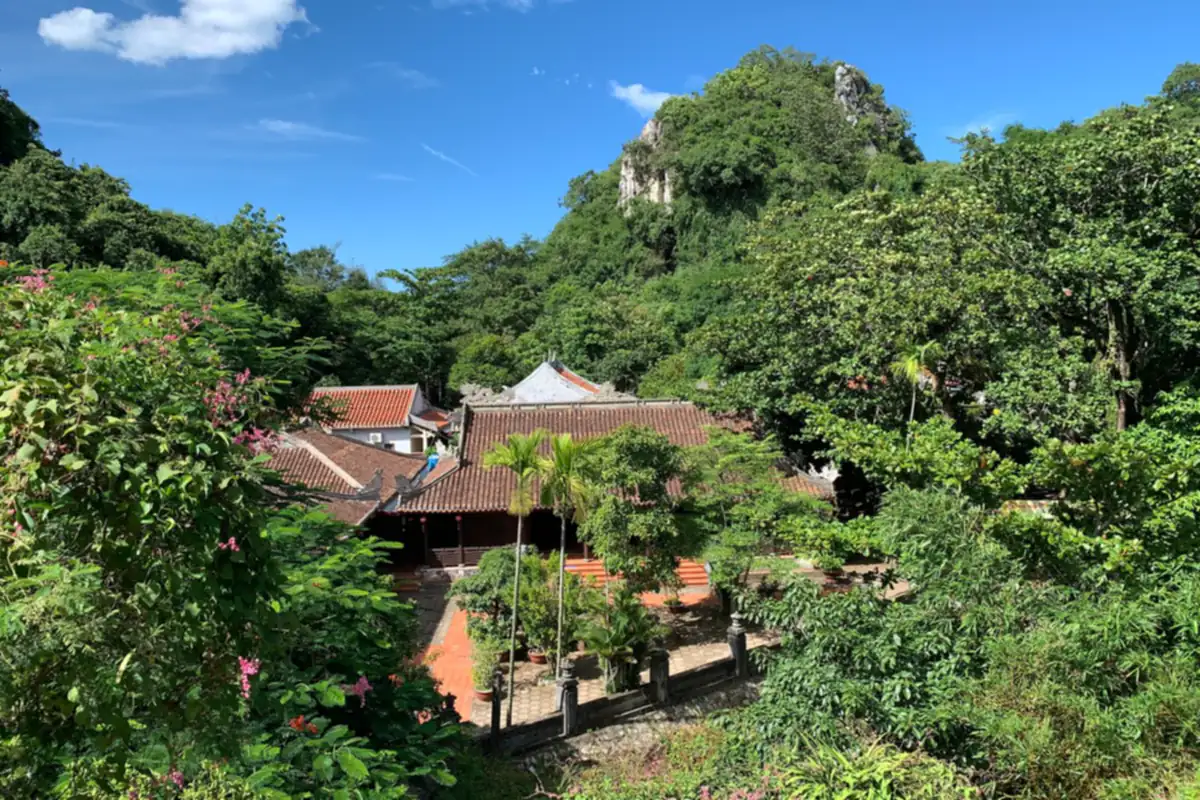
Photo: Chainwit.
Spend time looking inside Huyen Khong Cave
This is the cave we would prioritize. Its large interior, openings in the roof, and shrines set into the rock give you several things to look at without chasing another viewpoint. Sunbeams depend on the light and cloud cover. Build your visit around seeing the cave itself rather than reproducing one particular photograph.
Pause near the entrance until you can see the steps clearly. Put your phone away while negotiating uneven ground, then stop somewhere that leaves the path open to take pictures. The cave contains places of worship, so keep your voice low and give people praying room. Wear clothing that covers shoulders and knees for temple areas.
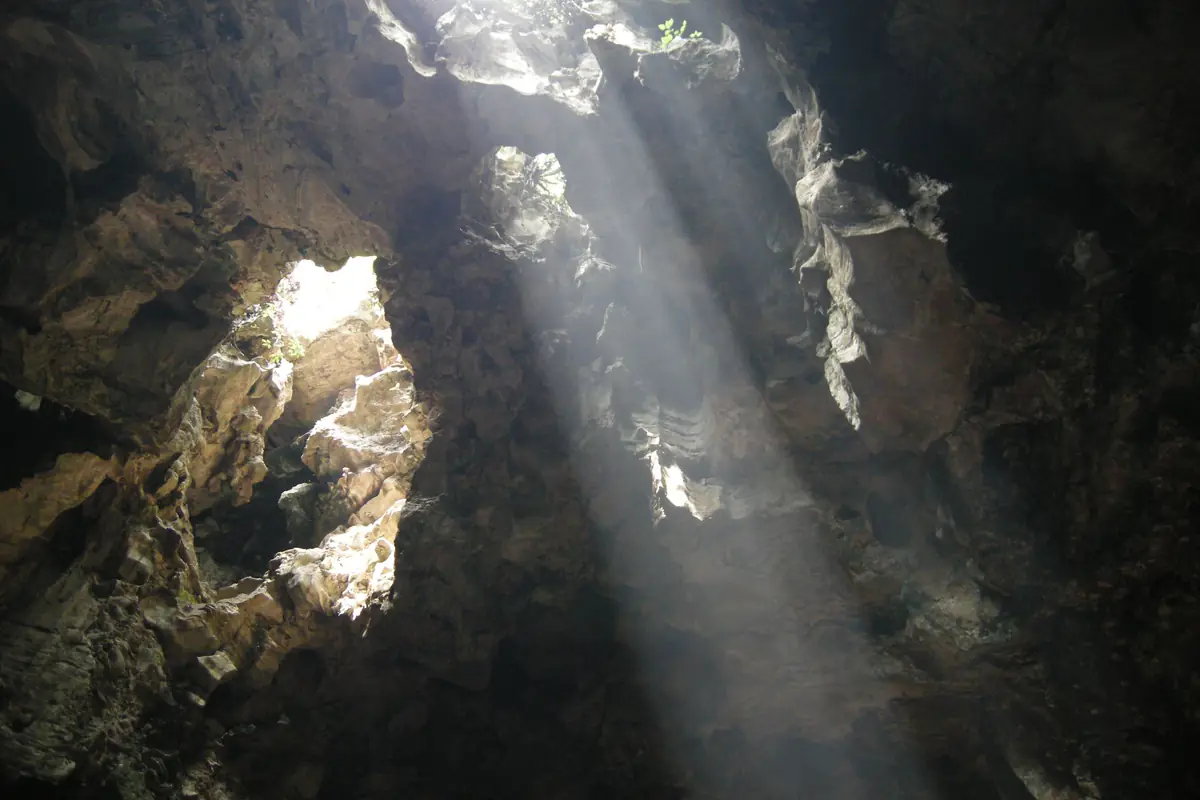
Photo: Vyacheslav Argenberg
Add one viewpoint if the group still feels comfortable
After the temples and cave, we would choose one coastal view rather than insist on every high point. Think about the descent as well as the climb. A steep section that feels manageable going up can be less appealing when knees are tired and the stone is damp.
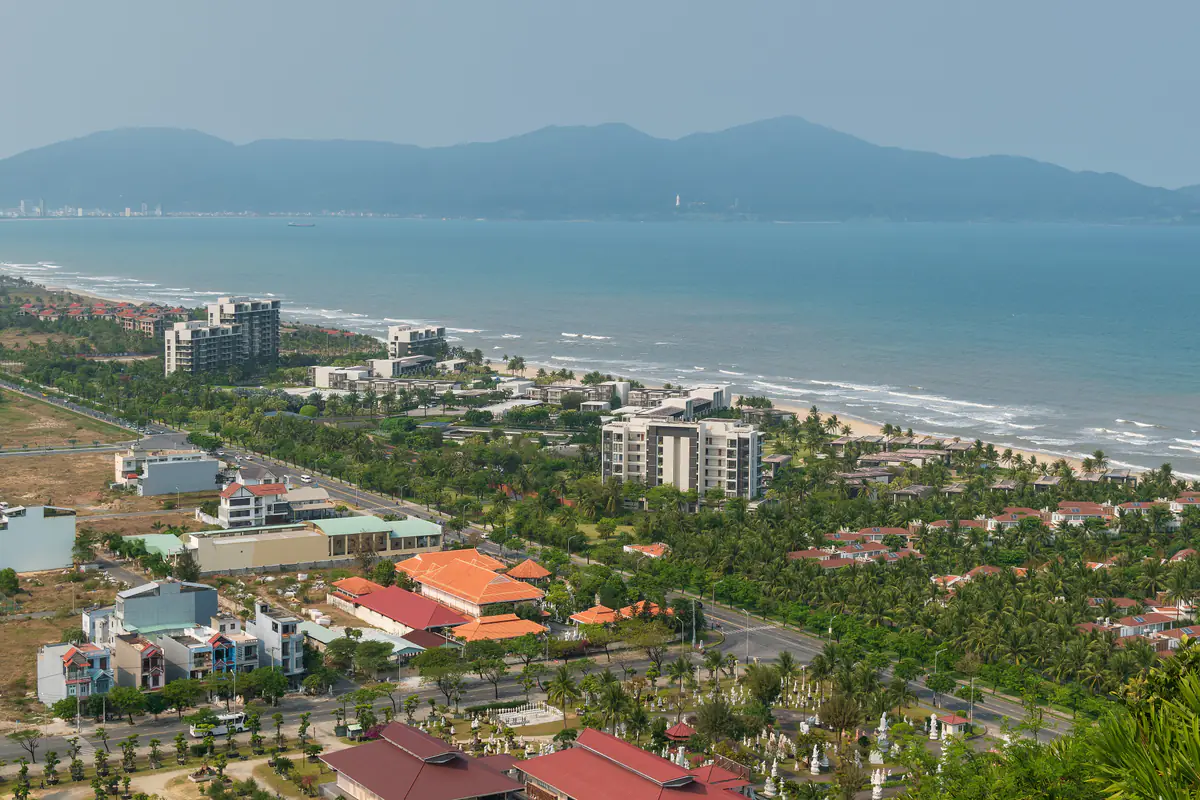
Photo: Dominic Nelson
Decide between another cave and the stone-carving village
Am Phu is a separate cave visit with religious imagery. We would leave it optional if someone dislikes enclosed or dim spaces, or if children have already had enough stairs. Ask about the route at the entrance before committing. Completing the main mountain walk is a perfectly reasonable visit on its own.
The Non Nuoc stone-carving village (Làng đá Non Nước) offers a different kind of stop below the mountain. Look at the carving details and the variety of sculpture rather than approach it as a required shopping break. If you want to buy something, establish the material, size, weight, and shipping cost first. A large stone object is a transport decision as much as a souvenir.
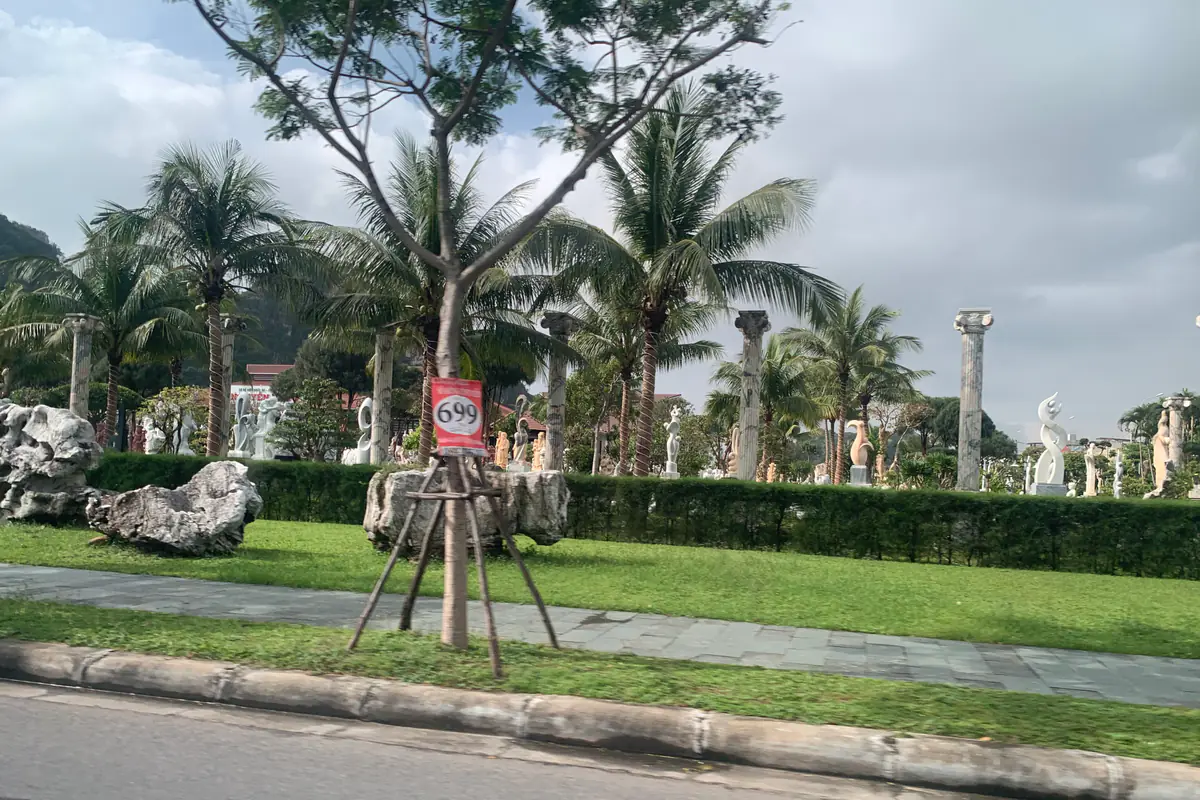
Photo: Martin Lewison
Pin the visitor entrance rather than the whole mountain cluster
Use the Water Mountain entrance on Huyen Tran Cong Chua Street (Huyền Trân Công Chúa), in Ngu Hanh Son Ward, as your destination. A general search for the mountain cluster can point to a workshop or a different side of the site. Show your driver the exact entrance and agree on the return pickup location before separating.
From a hotel in the city, we suggest a car for a family group or anyone carrying more than a small day bag. If you drive yourself, use a signed parking area, check the displayed charge, and retain the ticket. We have not included a parking figure in the admission budget because it depends on the vehicle and parking arrangement.
Coming north from Hoi An, the site also works as a stop during a hotel transfer. Arrange luggage storage and waiting time with the driver before the journey. Choose your transport between the two cities first, then fit the mountain stop into that arrangement.
Start early and keep your hands free
We would arrive close to opening and do the climbing before the rest of the day fills up. This is a suggested schedule, not a promise of empty paths. Bring drinking water, a hat, shoes with grip, and a small bag that leaves both hands available for rails. Loose sandals and a heavy shoulder bag make stone steps unnecessarily awkward.
Postpone the walk during thunderstorms, heavy rain, or flood warnings, and check the site’s operating notice before setting out again. Travelers with medical conditions, pregnant travelers, and parents planning a strenuous walk with young children should ask a doctor about suitability. Using an elevator does not change the demands of the remaining route.
We would leave lunch and a proper rest after the mountain. If you add a beach stop later in the day, swim only inside the buoyed area with lifeguards on duty and follow the flags. A morning on the mountain is enough activity without turning the afternoon into another checklist.
FAQ
Should we hire a guide?
We suggest asking about a guide if religious context and history interest you. Agree on language, content, and the complete fee before starting.
Does a solo visit make sense?
Yes, if you are comfortable negotiating stone steps. Share your plan with someone and keep enough phone battery for the return ride.
Is a large camera worth carrying?
Bring one if photography is a priority. We would use a compact bag that keeps both hands free on the stairs.
Related posts
Places
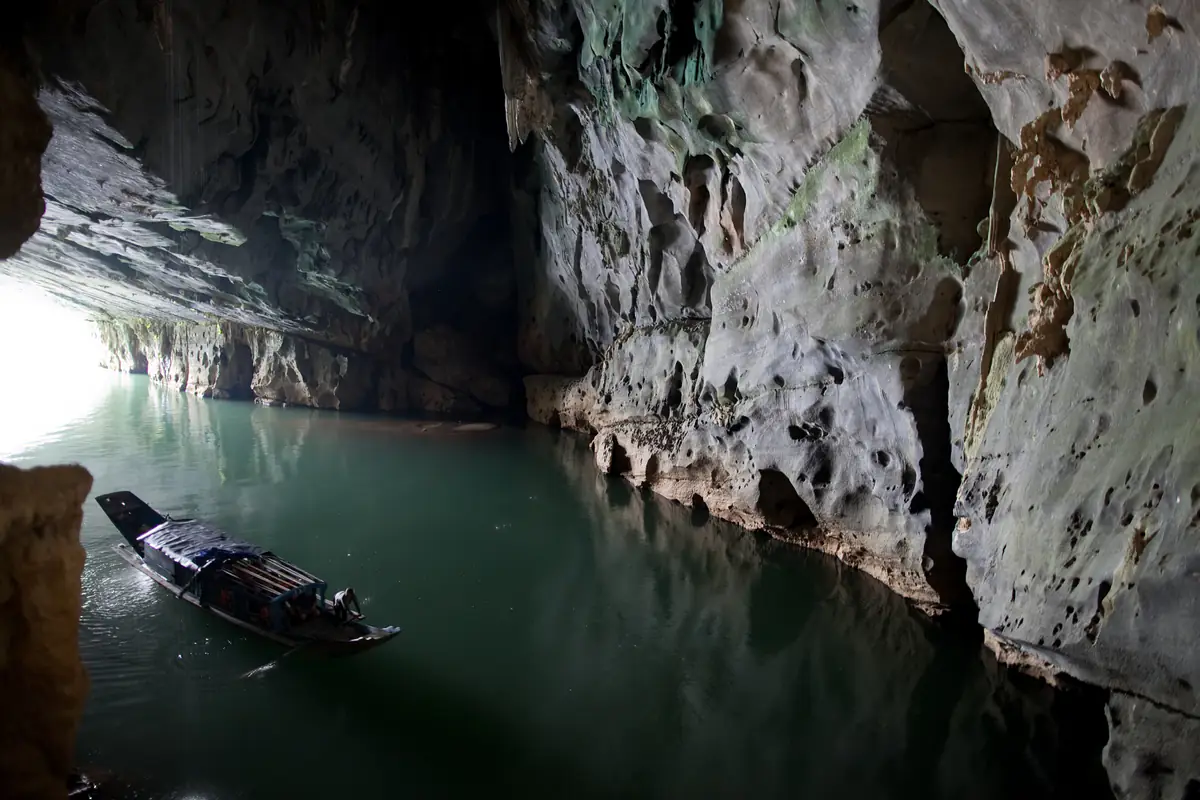
Phong Nha Caves: What to Know Before You Go
Compare a boat cave, a walking cave, and guided adventures before choosing the length of your stay.
Places
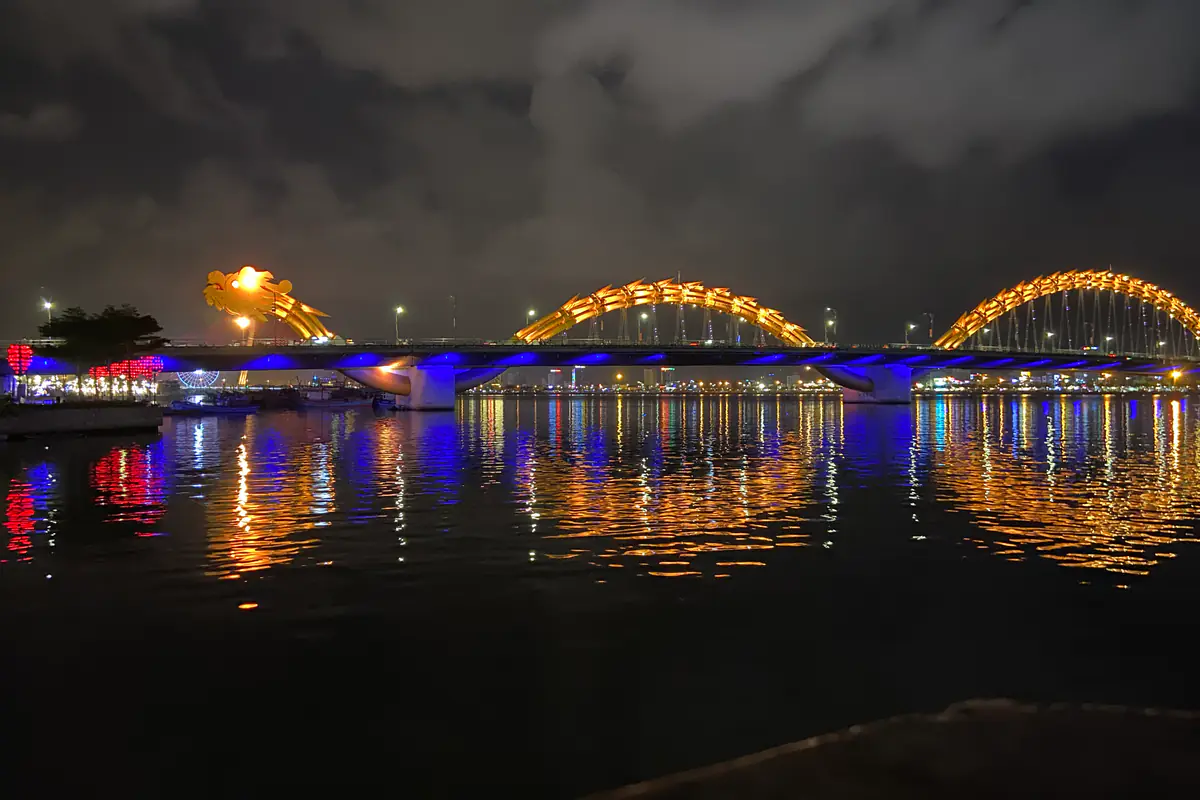
What Is Worth Three Days in Da Nang (Đà Nẵng)?
Keep one day for the peninsula, a market, and the river before choosing a bigger outing.
Places
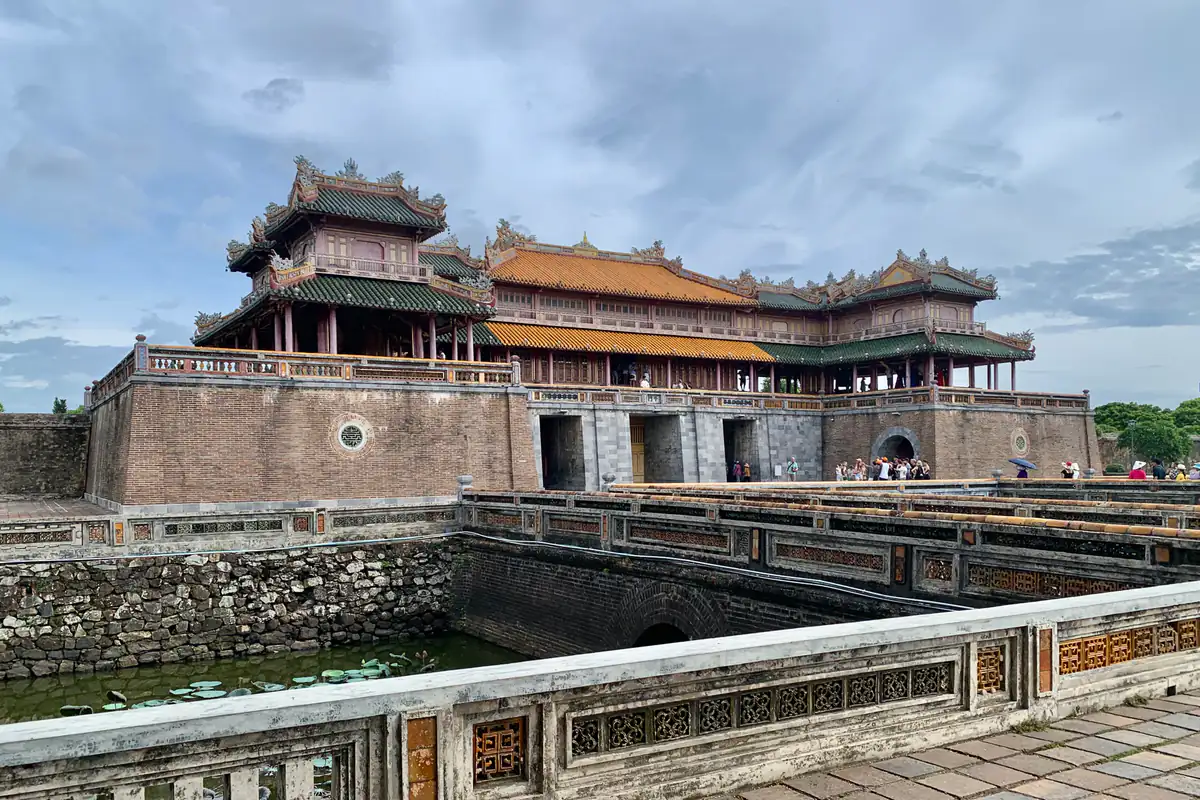
Hue (Huế) for the Imperial City and Two Contrasting Tombs
Give the monuments, meals, and midday rest their own place in a two-day stay.